 Unearth The Voyage
If you have been waiting for a sky show you can actually see, this is your weekend. The January New Moon peaks Sunday, turning the heavens into a deep canvas where stars and planets pop with rare clarity. With moonlight out of the way, even faint galaxies and nebulae step forward for those who make the effort.
Grab a warm layer and a plan, because dark-sky conditions like this do not last long.
January New Moon Peaks Sunday, Creating Darker Night Skies
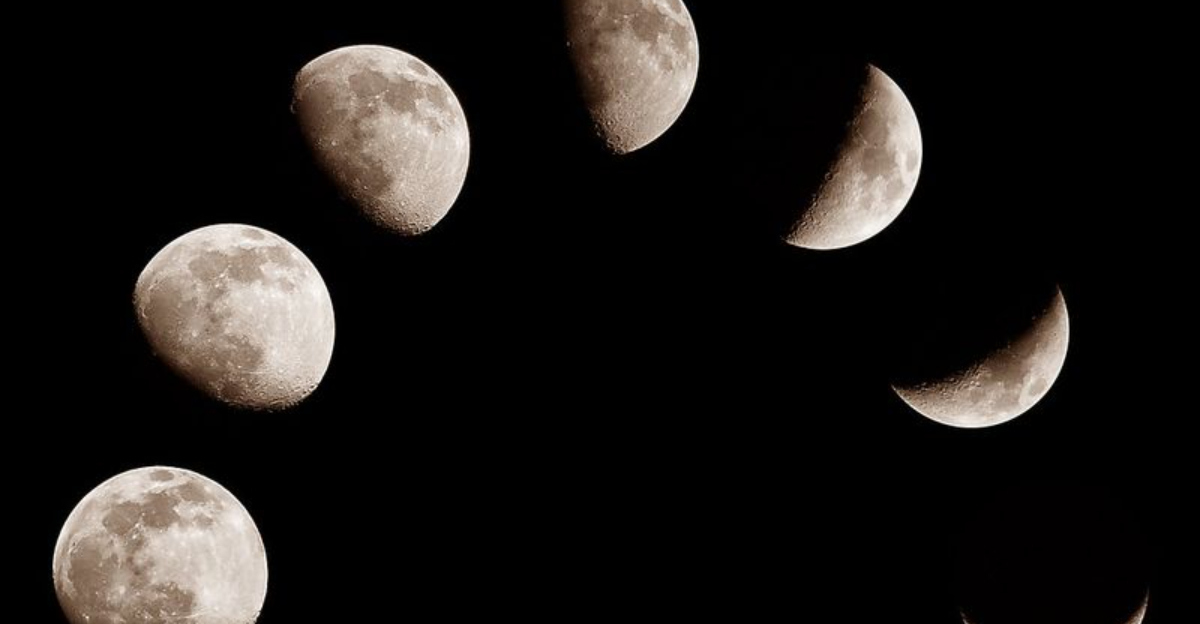
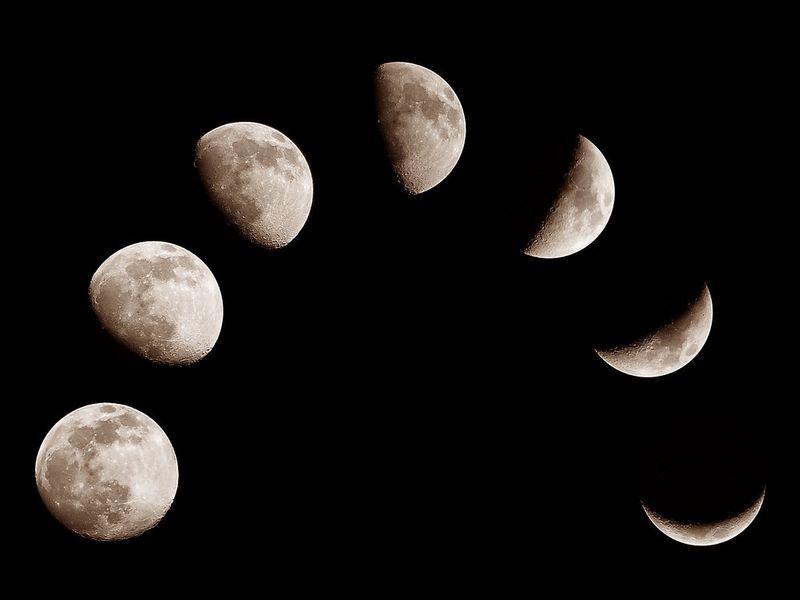
This Sunday, the January New Moon reaches its peak, placing the Moon between Earth and the Sun so its bright side faces away. With the lunar disk nearly invisible, the night turns into a deeper shade of black that makes dim stars flicker alive. You will notice more constellations and a richer backdrop, especially if you get away from streetlights.
Because the Moon is in conjunction with the Sun, glare drops to nearly nothing, and the effect lingers for a few nights on either side. That gives you a wider window to plan, even if clouds crash Sunday. Weather will make or break the view, so check forecasts and be flexible about timing.
Under these darker skies, deep-sky targets like the Andromeda Galaxy, the Orion Nebula, and the Pleiades look sharper through binoculars. Even with just your eyes, the Milky Way can appear as a soft river of light. If you are curious or new, this weekend offers a comfortable entry point into stargazing, with minimal gear and maximum payoff.
Why the New Moon Matters for Stargazing
When the Moon is gone from the night, everything else steps into the spotlight. The New Moon cuts skyglow dramatically, so faint star fields and nebulosity begin to stand out. Even in cities you may catch more stars than usual, and rural skies can feel astonishingly crowded with light.
Astrophotographers love this phase because long exposures are cleaner without lunar glare. You can shoot wide-field Milky Way frames, catch delicate dust lanes, and pull color from nebulae that moonlight usually washes out. If you prefer observing, planets like Jupiter, Saturn, or Venus often look crisper and more prominent against the darker backdrop.
Give your eyes 20 to 30 minutes to adapt, and avoid bright screens. A dim red light preserves night vision while you check charts or apps. With patience, subtle features emerge, and what first looks empty becomes layered, textured, and full of surprises.
New Moon Influences Tides and Lunar Cycles
The New Moon does more than darken the night. When the Sun and Moon align, their gravity teams up to create spring tides, which bring higher highs and lower lows. These shifts are normal, but when storms or strong onshore winds arrive, coastal flooding risks can climb.
Meteorologists and coastal planners watch these periods closely, especially in winter when powerful systems are common. Marinas, beach communities, and low-lying neighborhoods may prepare sandbags or adjust schedules. If you live near the water, checking tide tables during New Moon weeks is a smart habit.
The New Moon also starts a fresh lunar cycle that once guided calendars, rituals, and planting decisions. Many traditions still mark beginnings by this phase, tying human rhythms to the sky. Even if you are stargazing inland, you are sharing a global clock set by Earth, Moon, and Sun moving in quiet, predictable harmony.
Best Tips for Viewing the Night Sky This Weekend
Start by escaping city glare. Pick a park, overlook, or rural pullout with an unobstructed horizon and minimal lights. Even a short drive can transform the sky, revealing constellations that usually hide behind urban haze.
Dress warmer than you think you need, since January chill settles fast once you stop moving. A thermos, gloves, and a reclining chair help you linger comfortably. Turn screens to red mode, dim them, and keep them pocketed between checks to protect night vision.
Bring binoculars for easy wins like the Pleiades, Orion’s sword, and the Andromeda Galaxy. A small telescope adds detail, but your eyes alone will do plenty under a New Moon. Check the forecast, aim for clear windows, and remember nearby nights can still deliver if clouds crash your Sunday plan.



