 Unearth The Voyage
On a quiet Monday night, the earth beneath Japan’s northeastern coast suddenly shook with tremendous force, sending thousands scrambling for safety and triggering urgent tsunami warnings across multiple regions. A powerful 7.5-magnitude earthquake reminded the world once again of Japan’s position on one of Earth’s most active seismic zones. While the nation’s advanced warning systems and preparedness helped prevent catastrophic loss of life, the tremor still caused injuries, massive evacuations, and widespread concern among residents and officials alike (Source: Reuters).
Scientists measured this earthquake at a magnitude of 7.5, placing it among the strongest tremors to strike Japan in recent years. Such powerful seismic events release enormous amounts of energy, equivalent to multiple nuclear bombs detonating underground.
Earthquakes of this magnitude can cause severe shaking over vast areas and trigger secondary disasters like landslides and tsunamis. Japan experiences thousands of earthquakes annually, but only a few reach this level of intensity.
The sheer power of a 7.5-magnitude quake can be felt hundreds of miles away from the epicenter. Buildings sway violently, objects fall from shelves, and people struggle to remain standing. This particular earthquake served as a stark reminder of the unpredictable forces constantly at work beneath our feet, shaping and reshaping the planet in dramatic and sometimes terrifying ways.
At exactly 11:15 p.m. Japan Standard Time on Monday, December 8, 2025, residents across northeastern Japan felt their homes begin to tremble. Many people were already in bed or preparing to sleep when the violent shaking started.
Nighttime earthquakes present unique challenges because darkness makes evacuation more difficult and dangerous. People must quickly orient themselves, locate emergency supplies, and find safe routes to evacuation centers without full visibility.
The late-night timing meant that emergency responders had to work through the darkness to assess damage and reach those in need. Families grabbed flashlights, emergency kits, and loved ones as they rushed toward designated safe zones. The timing also meant that many workers were off-duty, requiring rapid mobilization of emergency personnel from their homes to handle the crisis unfolding across the region.
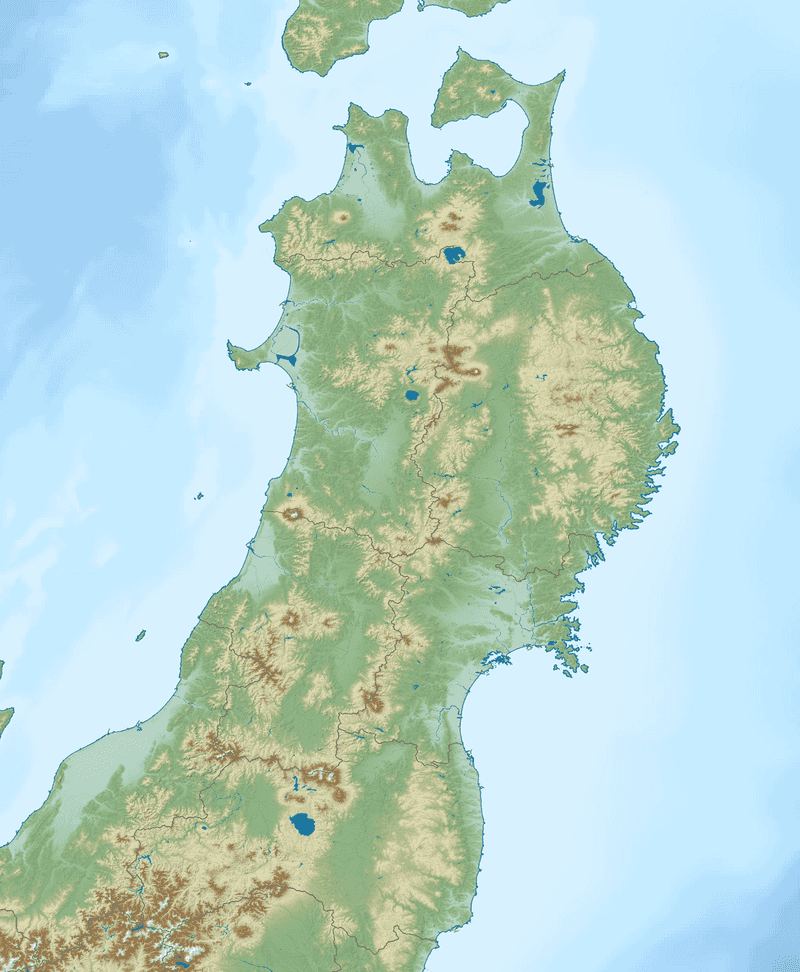
Approximately 80 kilometers (50 miles) off the coast of Aomori prefecture, deep beneath the Pacific Ocean, tectonic plates suddenly shifted at a depth of 54 kilometers. This offshore location meant the earthquake originated far from land, which actually helped reduce direct damage to buildings and infrastructure.
The depth of 54 kilometers places this quake in the category of intermediate-depth earthquakes. Deeper earthquakes often produce less intense surface shaking than shallow ones, though they can still generate powerful tsunami waves when they occur beneath the ocean.
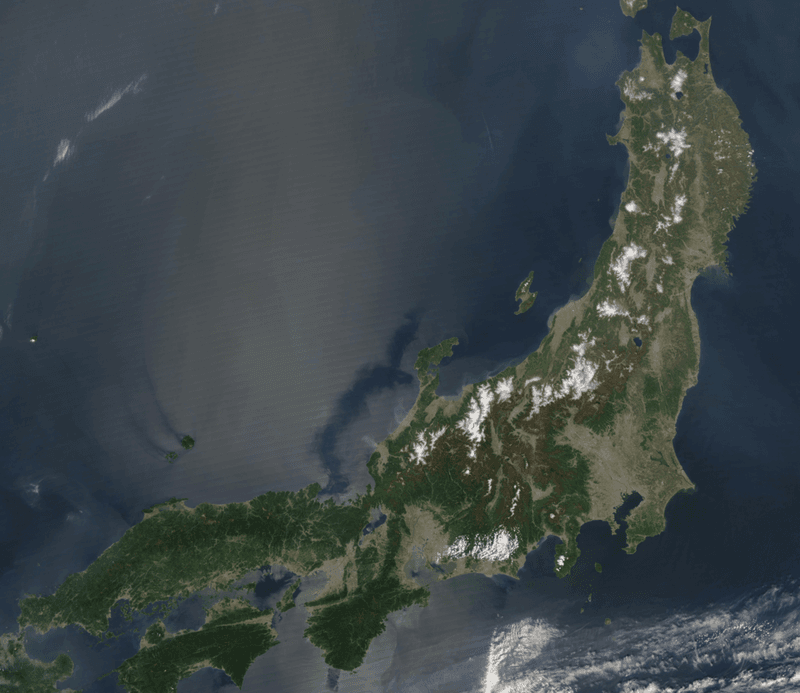
Aomori prefecture, located on the northern tip of Japan’s main island of Honshu, sits directly in a seismically active zone where multiple tectonic plates converge. The offshore epicenter location gave coastal communities precious minutes of warning time before potential tsunami waves could arrive at shore.
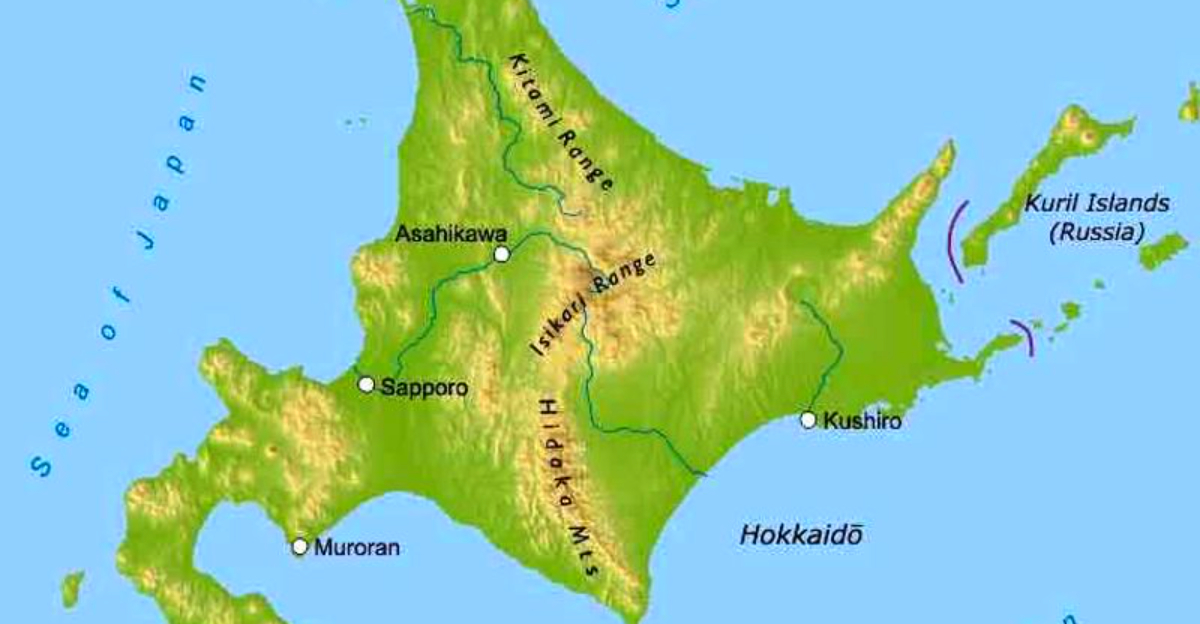
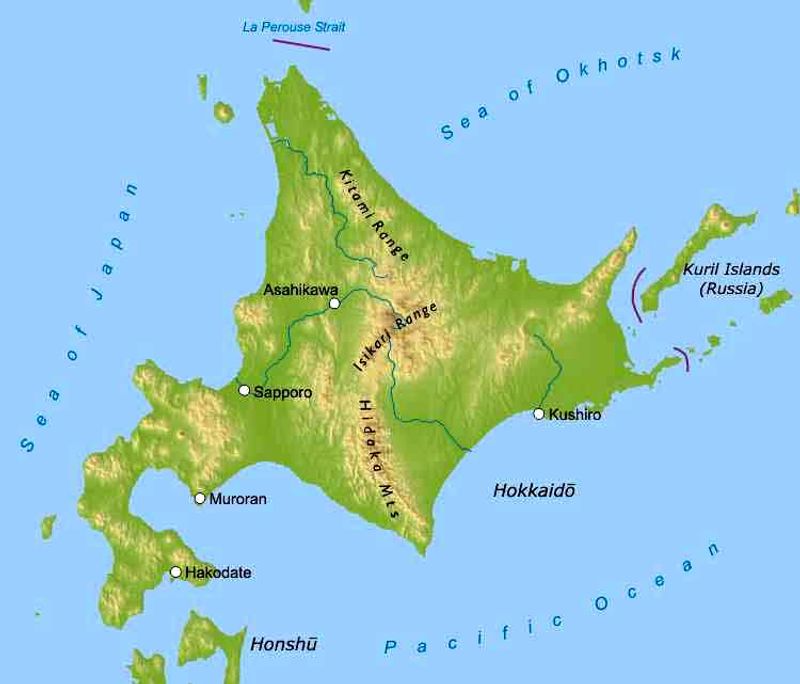
Within minutes of detecting the earthquake, authorities issued tsunami warnings for three prefectures: Hokkaido, Japan’s northernmost island, and Aomori and Iwate on the northern part of Honshu. These regions face the Pacific Ocean directly and were positioned to receive any tsunami waves generated by the underwater quake.
Hokkaido, with its extensive coastline and fishing communities, required immediate evacuation of low-lying areas. Aomori and Iwate, still bearing memories of the devastating 2011 tsunami, responded swiftly to the warnings.
Emergency alert systems blared across televisions, radios, and mobile phones, instructing residents to move to higher ground immediately. The warnings reflected Japan’s hard-learned lessons from past disasters, prioritizing swift communication and erring on the side of caution. Coastal residents didn’t hesitate, having practiced evacuation drills regularly since the 2011 tragedy that claimed thousands of lives.
Tsunami waves did arrive at several Japanese ports, but they measured only 20 to 70 centimeters (7 to 27 inches) in height – significantly smaller than the initially feared 3-meter (10-foot) waves. This difference brought enormous relief to emergency officials and residents alike.
While these waves were relatively small, they still demonstrated that the earthquake had displaced enough ocean water to generate a tsunami. Even small tsunami waves can be dangerous, carrying debris and strong currents that pose risks to anyone near the shore.
Monitoring stations along the coast carefully tracked each wave as it arrived, providing real-time data to emergency management officials. The smaller-than-expected wave heights allowed authorities to gradually lift evacuation orders more quickly than anticipated. Scientists noted that the earthquake’s depth and specific fault mechanics likely limited the amount of vertical ocean floor displacement, which directly affects tsunami size.
At least 30 people suffered injuries during the earthquake and its immediate aftermath, though remarkably, no deaths were confirmed. Injuries ranged from cuts from broken glass to bruises from falling objects and twisted ankles from rushing to evacuate.
One fire broke out amid the chaos, though emergency crews quickly brought it under control. The relatively low casualty count reflected Japan’s strict building codes, which require structures to withstand significant seismic activity.
Many injuries occurred as people hurried down stairs in the dark or tripped over objects dislodged by the shaking. Emergency rooms across the affected regions treated a steady stream of patients throughout the night and into Tuesday morning. Medical staff worked tirelessly, and hospitals activated their disaster protocols to handle the surge. The absence of fatalities represented a success for Japan’s comprehensive earthquake preparedness programs and infrastructure investments made over decades.
Roughly 90,000 residents abandoned their homes in the middle of the night, heading to designated evacuation centers across the affected regions. Families carried sleeping children, elderly residents received assistance from neighbors, and pets were bundled into carriers as entire communities mobilized.
Evacuation centers – typically schools, community centers, and gymnasiums – opened their doors immediately, staffed by volunteers and municipal workers. These facilities provided blankets, food, water, and medical support to displaced residents.
Some evacuees would return home within hours once the all-clear was given, while others remained at centers longer, either because of damage to their homes or lingering fear of aftershocks. The massive evacuation demonstrated both the effectiveness of Japan’s warning systems and the population’s trust in those systems. Children slept on gymnasium floors while adults monitored news updates on their phones, waiting for permission to return safely home.
Hachinohe city in Aomori prefecture experienced seismic intensity rated as “upper 6” on Japan’s unique 1-to-7 scale, which measures how strongly people and structures feel the shaking. At this intensity level, standing without support becomes virtually impossible.
Unlike the magnitude scale that measures the earthquake’s total energy, Japan’s seismic intensity scale describes the actual effects at specific locations. An upper 6 rating means that most unsecured furniture moves or topples, walls may crack, and people can only crawl to move around.
Residents of Hachinohe described terrifying moments when the ground heaved beneath them with such violence that they could only hold onto doorframes or duck under tables. Windows rattled in their frames, dishes crashed from cupboards, and pictures flew off walls. The intensity lasted long enough that people feared their homes might collapse, though Japan’s earthquake-resistant construction largely held firm.
Thousands of households suddenly lost electrical power when the earthquake struck, plunging entire neighborhoods into darkness just as residents needed light most urgently. Power outages during earthquakes occur when safety systems automatically shut down parts of the electrical grid to prevent fires and other hazards.
Utility workers worked through the night inspecting power lines, transformers, and substations for damage before gradually restoring service. By Tuesday morning, electricity had returned to most affected areas.
The temporary blackouts complicated evacuation efforts and made it harder for people to access information through television or charge their mobile phones. Families relied on battery-powered radios, flashlights, and backup power banks they had prepared in their emergency kits. The rapid restoration of power demonstrated the resilience of Japan’s infrastructure and the dedication of utility crews who worked in potentially dangerous conditions to reconnect their communities to essential services.
East Japan Railway, one of the country’s major transportation operators, immediately suspended numerous train services across northern Japan following the earthquake. Railway companies must inspect tracks, bridges, and electrical systems for damage before allowing trains to operate again.
Commuters planning to travel Tuesday morning faced significant delays and cancellations as inspection crews methodically examined every kilometer of track. Other northern routes experienced similar disruptions, stranding travelers and forcing many to find alternative transportation or accommodations.

Japan’s railway system is among the world’s most punctual and reliable, so these disruptions affected millions of people who depend on trains for daily commutes. Station platforms filled with confused passengers checking their phones for updates. Some companies told employees to work from home, while others arranged shuttle buses. The transportation chaos gradually resolved as engineers confirmed that most infrastructure had survived the quake without critical damage, allowing gradual resumption of service throughout Tuesday.
Following the earthquake, all eyes turned anxiously toward nuclear power facilities operated by Tohoku Electric Power and Hokkaido Electric Power. Japan remains deeply sensitive about nuclear safety after the 2011 Fukushima disaster, which followed a massive earthquake and tsunami.
Both companies immediately activated their emergency protocols, conducting thorough inspections of reactors, cooling systems, and safety equipment. Fortunately, officials reported no irregularities or concerning readings from any of the facilities.
The plants’ safety systems had been significantly upgraded since 2011, with higher seawalls, backup power systems, and improved emergency procedures. Monitoring equipment tracked radiation levels continuously, and all readings remained normal throughout the event. This news provided crucial reassurance to a population that had witnessed the catastrophic consequences of nuclear plant failures. The successful performance of safety systems validated billions of yen invested in upgrades and demonstrated that lessons from past disasters had been thoroughly applied.
The Japan Meteorological Agency wasted no time issuing a one-week advisory warning residents that aftershocks or even additional strong earthquakes could strike the region. Major earthquakes frequently trigger sequences of aftershocks as the earth’s crust adjusts to its new configuration.
These aftershocks can sometimes be nearly as powerful as the initial earthquake, posing ongoing danger to already weakened structures and frayed nerves. The advisory urged residents to keep emergency supplies ready, avoid damaged buildings, and remain alert.
For many residents, this meant sleeping in their clothes with shoes nearby, keeping flashlights within reach, and maintaining full gas tanks in their vehicles. Schools conducted additional safety drills, and families reviewed their emergency plans. The psychological toll of living under an aftershock advisory can be significant, as people remain in a heightened state of anxiety, jumping at every minor tremor. Scientists monitored seismic activity continuously, ready to issue new warnings if dangerous patterns emerged during the critical week ahead.



