 Unearth The Voyage
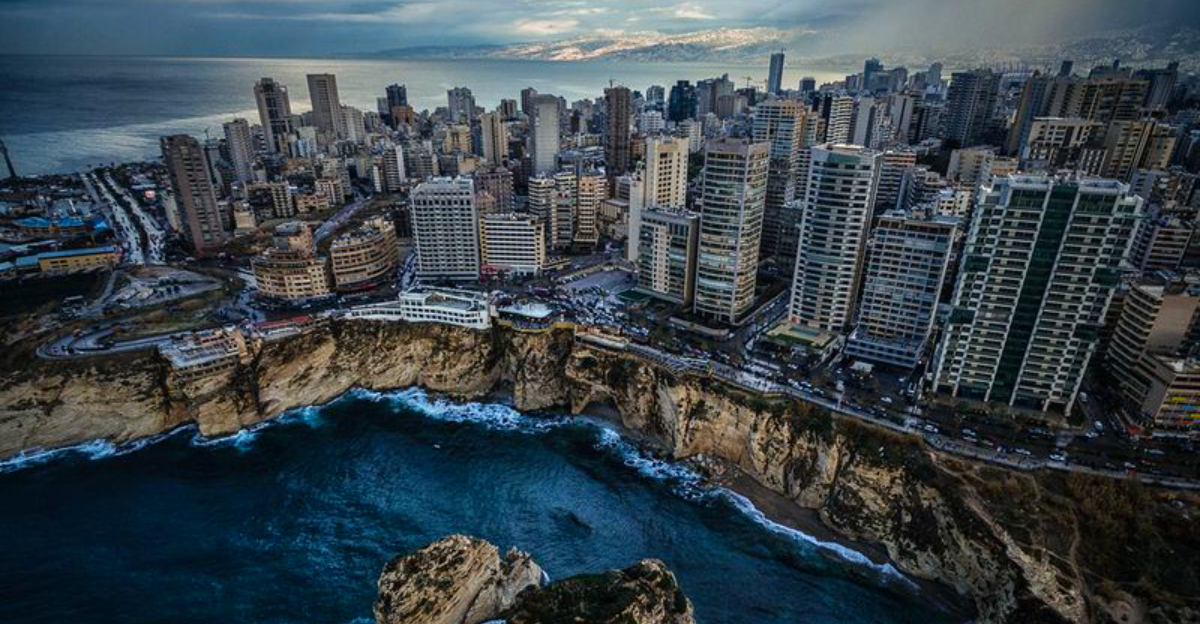
Some cities have been home to people for thousands of years, witnessing the rise and fall of empires, the birth of new religions, and the evolution of human civilization itself. These ancient urban centers have survived wars, natural disasters, and countless changes in leadership, yet their streets still bustle with life today.
Walking through these cities is like stepping into a time machine, where ancient ruins stand beside modern buildings and age-old traditions blend with contemporary culture. Join us as we explore the world’s oldest continuously inhabited cities and discover the remarkable stories they have to tell.
Jericho, Palestinian Territories — Humanity’s Oldest City
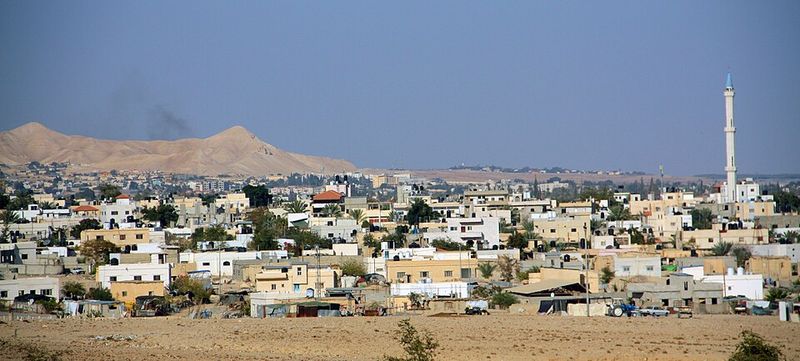
Archaeologists have uncovered something extraordinary in this desert oasis: evidence of human settlement dating back to 9000 BCE, making Jericho arguably the oldest city where people have lived continuously. The Ein es-Sultan spring provided life-giving water that transformed this spot into humanity’s first major urban experiment.
Excavations reveal layer upon layer of civilization, from Neolithic stone towers to fortified walls that protected early farmers.
What makes Jericho truly special is how it bridges the gap between our nomadic ancestors and settled agricultural societies. The fertile Jordan Valley soil allowed crops to flourish, while its strategic location attracted traders and travelers from across the ancient world.
Canaanites, Israelites, Greeks, Romans, and Islamic dynasties all left their mark here, creating a archaeological lasagna of human history.
Today, visitors can climb the ancient tell and see where some of humanity’s earliest city-dwellers built their homes. The site offers tangible proof that urban life began here millennia before the pyramids were even imagined.
Modern Jericho surrounds these ruins, where Palestinian families continue a tradition of habitation that stretches back over eleven thousand years, making it a living monument to human persistence and ingenuity.
Damascus, Syria — Crossroads of Civilizations
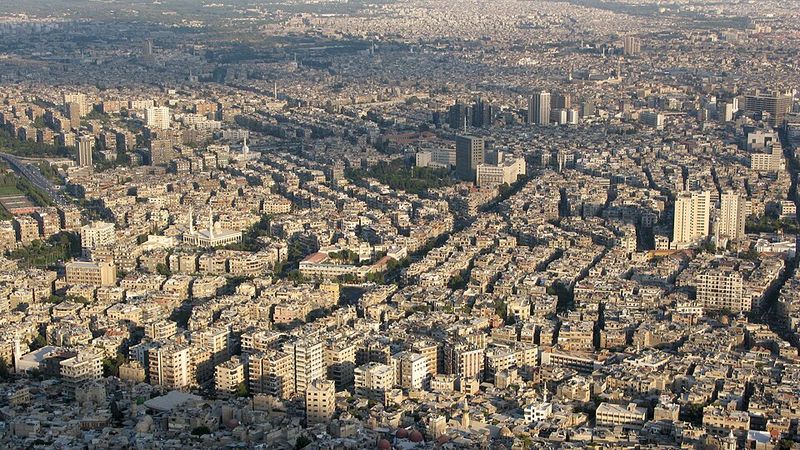
Few cities can claim to be the world’s oldest continuously inhabited capital, but Damascus wears that crown with pride. Settlement here began somewhere between 10,000 and 8,000 BCE, when early humans recognized the area’s potential as a natural crossroads.
Positioned perfectly between the Mediterranean coast, Mesopotamian heartlands, and Arabian deserts, Damascus became inevitable as a major hub.
The Old City tells stories in stone and mortar. UNESCO protects its winding souks, where merchants have hawked spices and textiles for centuries.
The magnificent Umayyad Mosque stands on ground that once held a Roman temple, which itself replaced earlier sacred sites. Roman columns peek out from beneath Ottoman facades, while Byzantine mosaics hide in unexpected corners.
Aramaeans, Romans, Byzantines, and Umayyad caliphs all governed from here, each adding their architectural signature. Despite modern conflicts, Damascus neighborhoods still pulse with daily routines established centuries ago.
Families shop in markets that have operated since medieval times, and craftsmen practice trades passed down through countless generations. This remarkable continuity makes Damascus more than just ancient—it’s a living bridge connecting our distant past to the present moment.
Byblos, Lebanon — The Phoenician Port of Antiquity
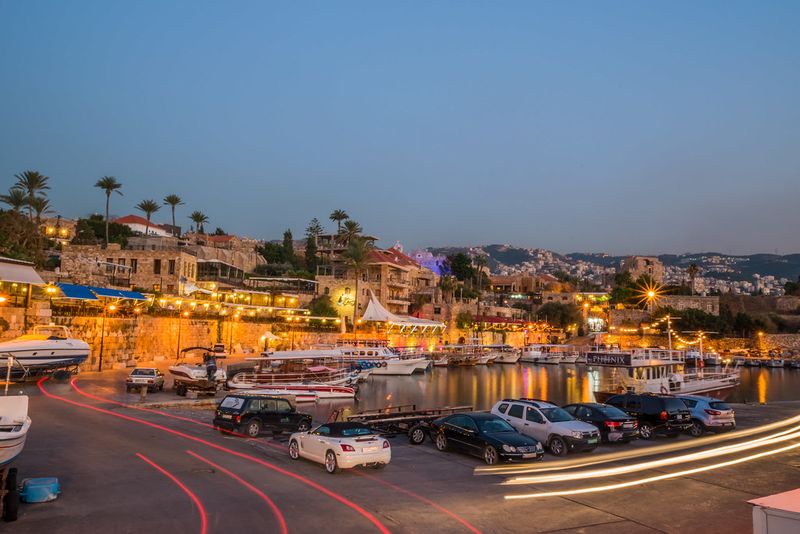
This Lebanese coastal gem gave the world more than just its age—it gave us the very word for book. Byblos, known locally as Jbeil, traces its roots to approximately 7000 BCE, when Neolithic people first settled along this favorable stretch of Mediterranean coastline.
The city’s ancient name became so synonymous with papyrus trade that Greeks called their books “biblos,” eventually giving us “Bible.”
Phoenician merchants turned Byblos into a powerhouse port where the alphabet evolved and ships departed for distant lands. Archaeological layers tell the tale: Neolithic homes give way to Bronze Age temples, which yield to Roman theaters, topped by Crusader fortifications.
Each civilization built upon the previous one, creating a vertical timeline you can literally climb through.
What sets Byblos apart is how seamlessly ancient and modern life intertwine. Visitors sip coffee at harbourside cafés where Phoenician traders once loaded cedar wood onto ships.
The ancient stones aren’t cordoned off in sterile museum settings—they’re part of the living city fabric. Fishermen still work from the same harbor that launched a thousand ancient voyages, proving that some locations are simply too perfect to ever abandon.
Aleppo, Syria — Silk Road Stronghold
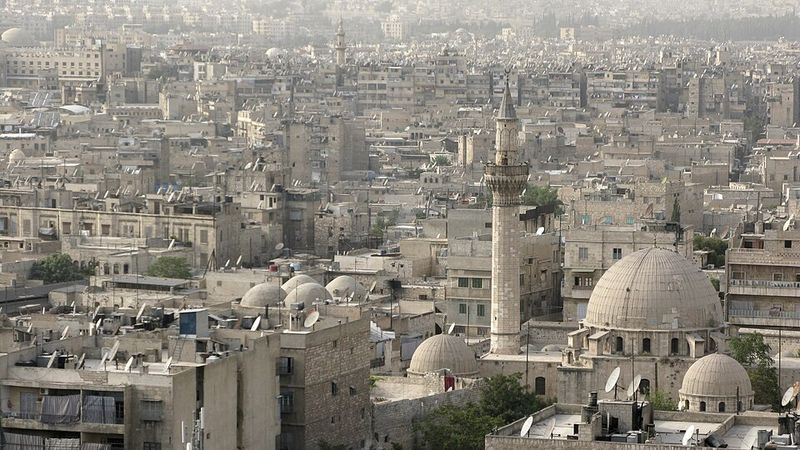
Perched atop a massive tell, the Citadel of Aleppo watches over a city that has seen human habitation since the 6th millennium BCE. This wasn’t just any settlement—Aleppo’s position at the western terminus of the Silk Road made it one of history’s most coveted trading prizes.
Caravans arrived here laden with Chinese silk, Indian spices, and Persian carpets, transforming the city into a commercial powerhouse.
Hittites, Assyrians, Greeks, Romans, Byzantines, and various Islamic dynasties all fought to control this strategic junction. The old city once boasted some of the Middle East’s finest souks, where covered markets stretched for miles and artisans’ hammers rang from dawn to dusk.
Magnificent mosques and churches stood side by side, testament to centuries of religious coexistence.
Recent conflicts inflicted terrible damage on parts of Aleppo, with historic structures reduced to rubble and neighborhoods scarred by warfare. Yet remarkably, many quarters continue functioning, and restoration projects work to repair what was lost.
Local residents refuse to abandon their ancestral home, maintaining daily routines amid the ruins. Their resilience echoes the city’s six-thousand-year story of survival against the odds.
Plovdiv, Bulgaria — Europe’s Ancient Urban Heart
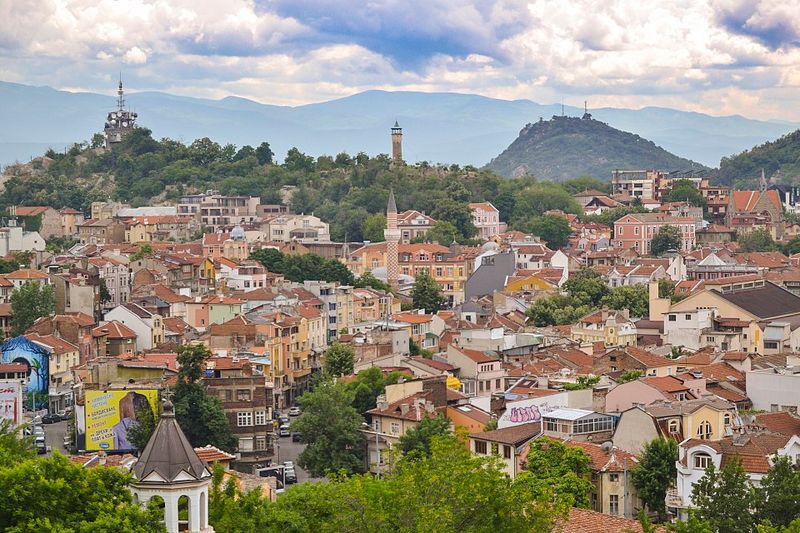
Europe’s oldest continuously inhabited city doesn’t get the recognition it deserves. Plovdiv’s human occupation stretches back to roughly 6000 BCE, predating Rome, Athens’ glory days, and pretty much every other European urban center.
Thracian tribes first recognized the defensive advantages of settling on the hills overlooking the Maritsa River valley.
What followed reads like a who’s who of ancient powers. Greeks established a city here called Philippopolis, named after Philip II of Macedon.
Romans built the stunning amphitheater that still hosts concerts today, its marble seats accommodating modern audiences just as they did ancient ones. Byzantines fortified the hills, Ottomans added mosques and bathhouses, and Bulgarian revivalists constructed the colorful houses that now define the Old Town’s character.
Walking Plovdiv’s cobbled streets feels like flipping through a living history textbook. Roman mosaics peek out beneath glass panels in modern shops.
Medieval walls incorporate ancient Thracian stones. The city’s seven hills each tell different chapters of the same unending story.
Unlike museum cities frozen in time, Plovdiv thrives as Bulgaria’s second-largest urban area, where university students party in bars built atop two-thousand-year-old foundations.
Athens, Greece — Cradle of Western Civilization
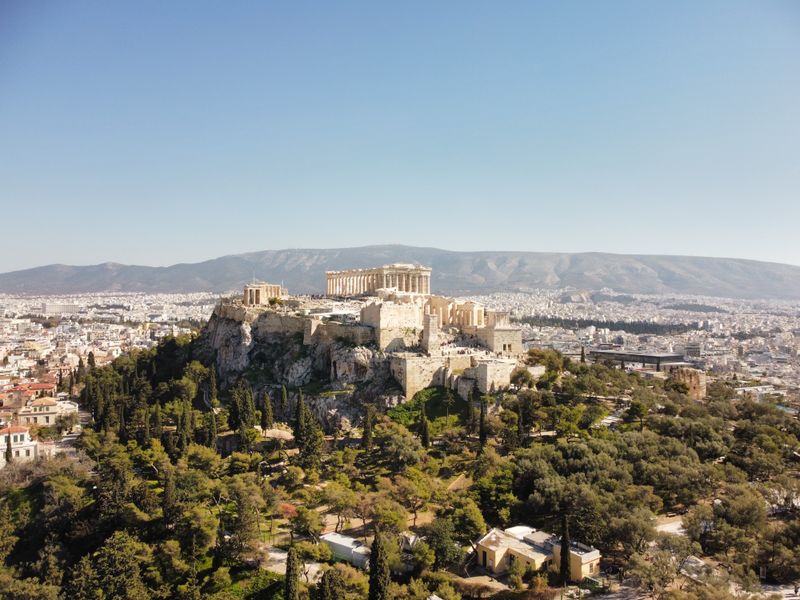
Democracy, philosophy, drama, and Western political thought all trace their roots to this remarkable city. Athens has been continuously inhabited since at least 5000 BCE, but its golden age in the 5th century BCE reshaped human civilization.
Socrates questioned everything in its streets, Plato founded his Academy here, and Aristotle taught logic to students including a young Alexander the Great.
The Acropolis dominates the skyline just as it has for millennia, its Parthenon still breathtaking despite centuries of wear, war, and questionable restoration attempts. Below the ancient citadel, modern Athens sprawls in every direction—a bustling capital of nearly four million people.
Ancient ruins pop up unexpectedly: a Roman forum beside a metro station, a Byzantine church squeezed between apartment blocks.
What makes Athens extraordinary is how its ancient legacy permeates contemporary life. Tavernas serve dishes with recipes dating back centuries.
Theaters still perform the tragedies of Sophocles and Euripides. The Agora, where Athenian democracy was born, sits open for visitors to walk where citizens once debated laws.
This isn’t a city living in its past—it’s a metropolis that has woven five thousand years of history into its modern identity.
Varanasi, India — Spiritual Continuity on the Ganges
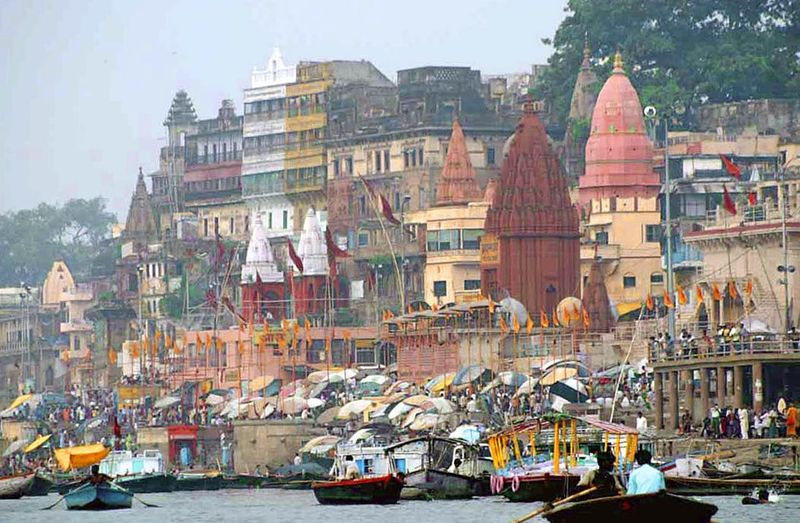
Mark Twain once wrote that Varanasi is “older than history, older than tradition, older even than legend.” While that’s poetic exaggeration, this city’s continuous habitation for at least three thousand years makes it genuinely ancient. Hindus consider it one of the seven sacred cities, believing that dying here brings liberation from the cycle of rebirth.
The Ganges River defines everything in Varanasi. Life unfolds along its ghats—the stone steps leading down to the sacred water.
Dawn brings pilgrims bathing in the river, seeking spiritual purification. Priests perform elaborate rituals as the sun rises, their chants mixing with temple bells and boat oars splashing.
Evening aarti ceremonies transform the riverfront into a sea of flickering oil lamps and devotional songs.
Narrow lanes twist through the old city like a maze designed by someone who’d never heard of urban planning. Temples occupy every corner, some ancient, others rebuilt countless times on the same holy ground.
Silk weavers work hand looms using techniques unchanged for generations. What sets Varanasi apart from other ancient cities isn’t just its age—it’s the unbroken thread of spiritual practice that has continued here for millennia, making it perhaps the world’s oldest living cultural tradition.
Jerusalem, Israel/Palestine — Sacred Crossroads of Faiths
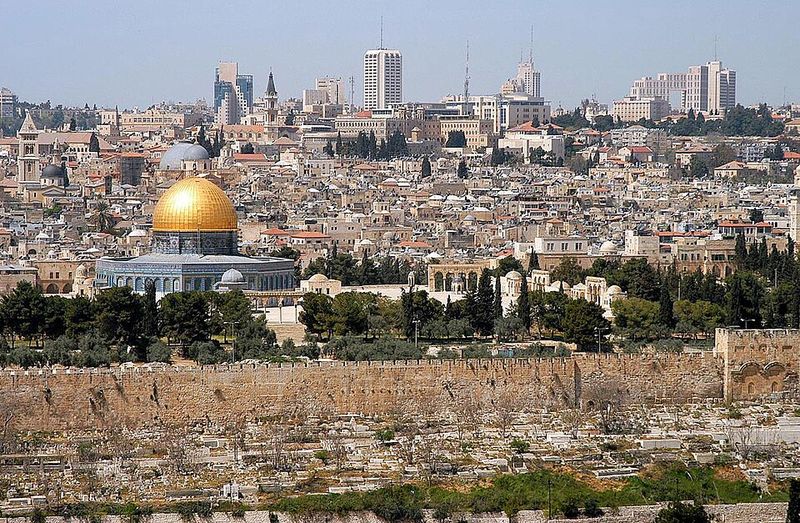
No city on Earth carries more spiritual weight than Jerusalem. Inhabited since approximately 4500 BCE, it has become the focal point for three major world religions, each claiming sacred connections to its ancient stones.
Jews face Jerusalem in prayer, Christians revere it as the site of Jesus’s crucifixion and resurrection, and Muslims honor it as the location of Muhammad’s night journey to heaven.
The Old City packs an overwhelming concentration of holy sites into less than one square kilometer. The Western Wall—Judaism’s holiest accessible site—stands meters from the Dome of the Rock, Islam’s third-holiest shrine.
The Church of the Holy Sepulchre, built over the traditional site of Jesus’s tomb, lies a short walk away. Pilgrims from every continent navigate the narrow streets, creating a human tapestry of faiths.
Jerusalem’s layers run deep, literally and figuratively. Archaeological excavations reveal Canaanite walls beneath Israelite foundations, topped by Roman ruins, Byzantine churches, Crusader fortifications, and Ottoman architecture.
Modern neighborhoods sprawl beyond the ancient walls, where Israeli and Palestinian communities maintain uneasy coexistence. Despite endless conflict over who controls this sacred ground, Jerusalem remains vibrantly alive—proof that some places are simply too important to ever be abandoned.
Susa, Iran — Ancient Capital at Civilizations’ Edge
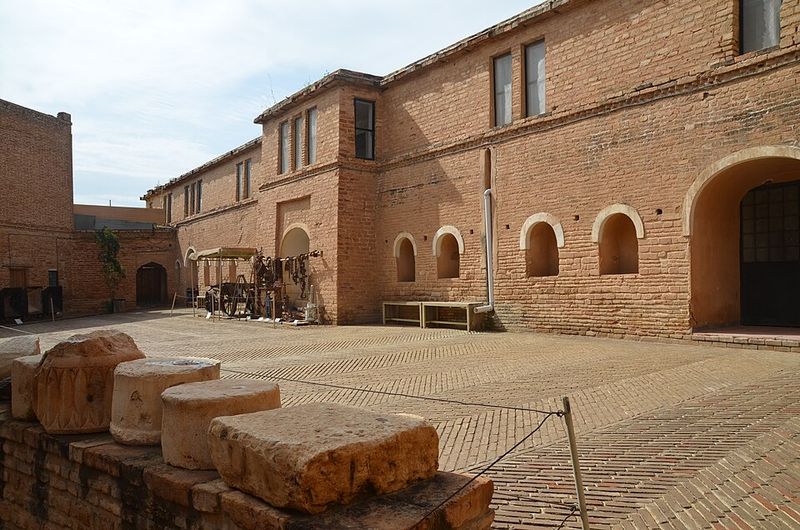
Long before Persepolis dazzled visitors, Susa served as a capital city at the crossroads of civilizations. Continuous habitation here dates to approximately 4200 BCE, when the Elamite civilization established one of the ancient world’s great urban centers.
Its location between Mesopotamia and the Iranian plateau made it a natural meeting point for cultures, trade routes, and competing empires.
Susa’s ruins tell epic stories. The palace of Darius the Great once stood here, its walls decorated with glazed brick reliefs of striding lions and archers.
The Code of Hammurabi—one of history’s earliest legal documents—was discovered among the ruins, though it had been looted from Babylon centuries earlier. French archaeologists spent decades excavating the site, uncovering layer upon layer of occupation.
What’s remarkable is that modern Shush, a modest Iranian city, still occupies this ancient ground. While the grand palaces are long gone, people continue living where Elamite priests once performed rituals and Persian kings issued decrees.
The site bridges Mesopotamian and Persian civilizations, showing how urban centers could survive even as empires rose and fell around them. Susa proves that strategic location and water access matter more than any individual dynasty’s fortunes.
Faiyum, Egypt — Oasis of Continuous Life
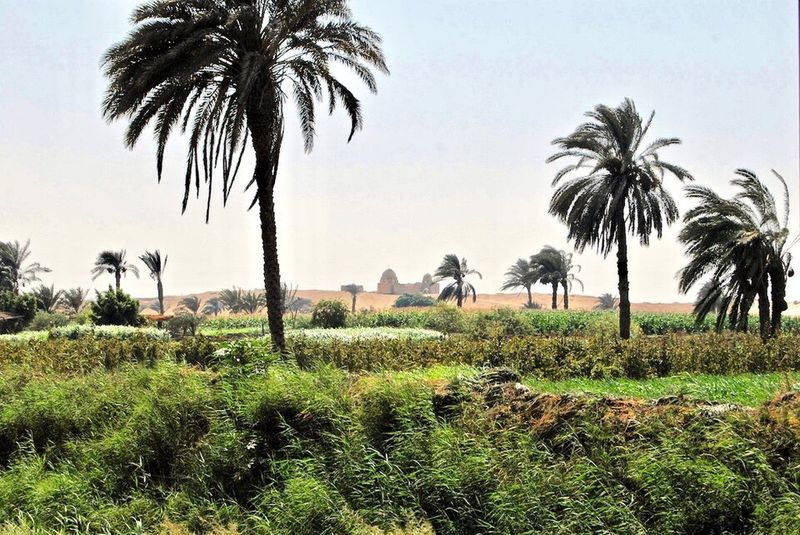
Southwest of Cairo lies an oasis that has sustained human life since approximately 4000 BCE. Faiyum’s secret is simple: water.
Fed by a branch of the Nile, the region’s lake and irrigation channels created a fertile pocket in an otherwise harsh desert environment. Ancient Egyptians called it “the Land of the Sea,” recognizing its life-giving abundance.
Pharaonic Egyptians developed Faiyum as an agricultural breadbasket, building irrigation systems that still influence modern farming patterns. During Greco-Roman times, the area flourished even more, with settlements expanding around the lake.
The famous Faiyum portraits—hauntingly realistic paintings of deceased individuals—come from this era, offering us face-to-face glimpses of people who lived two thousand years ago.
Unlike Egypt’s more famous ancient sites, Faiyum isn’t primarily a tourist destination. It’s a working agricultural region where modern Egyptians farm the same fields their ancestors cultivated millennia ago.
Ancient water wheels still turn, using designs perfected centuries back. Archaeological remains dot the landscape, but they share space with contemporary villages and date palm groves.
This blend of ancient and modern agricultural life makes Faiyum a living example of how geography and resources can sustain human communities across vast stretches of time.
Sidon, Lebanon — Phoenician Sea Power
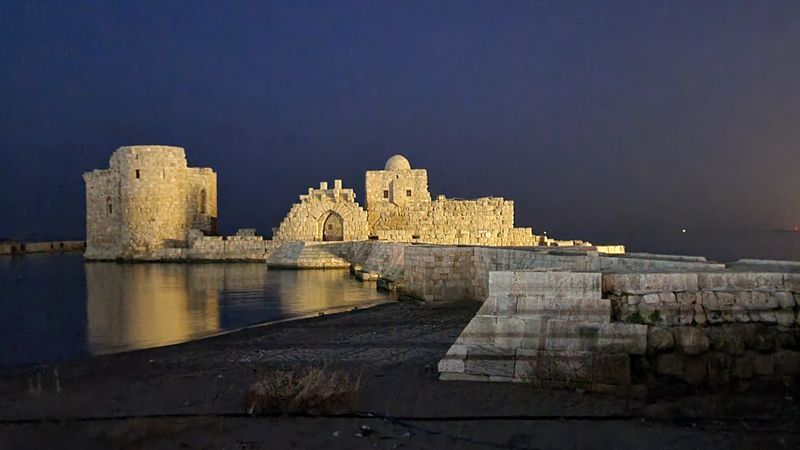
Before Carthage ruled the waves and before Rome became an empire, Sidon dominated Mediterranean trade. This Lebanese coastal city has been continuously inhabited since around 4000 BCE, when early settlers recognized the harbor’s natural advantages.
Phoenician merchants sailing from Sidon established trading posts across the Mediterranean, spreading their alphabet and purple-dyed textiles to distant shores.
The city’s Sea Castle—a Crusader fortress built on a small island—guards the harbor just as Phoenician fortifications once did. Below the waves, archaeologists have discovered ancient port installations, including submerged breakwaters and docking facilities that testify to Sidon’s maritime sophistication.
On land, excavations reveal temples dedicated to Phoenician gods, later overlaid with Roman, Byzantine, and Islamic structures.
Modern Sidon remains Lebanon’s third-largest city, its ancient harbor still busy with fishing boats and pleasure craft. The old souk bustles with shoppers much as it has for centuries, while the Khan el-Franj—an Ottoman-era caravanserai—has been restored as a cultural center.
Sidon’s ability to reinvent itself while maintaining continuous habitation demonstrates how adaptable coastal cities can be. Geography blessed this location with a natural harbor, and human ingenuity has exploited that advantage for six thousand years.
Byblos (Jbeil), Lebanon — Alphabet’s Ancient Birthplace
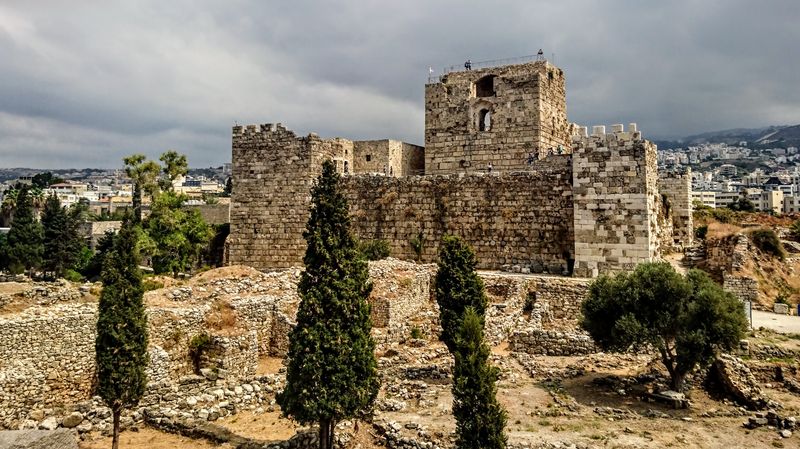
Writing changed everything, and Byblos helped make it happen. This Lebanese coastal city, continuously inhabited since approximately 7000 BCE, played a crucial role in developing and spreading the Phoenician alphabet—the ancestor of nearly all modern alphabetic writing systems.
The city’s name became so associated with papyrus scrolls that Greeks used “biblos” to mean book, eventually giving us “bibliography” and “Bible.”
Archaeological excavations here resemble a layer cake of human civilization. The lowest levels reveal Neolithic fishing villages with simple dwellings.
Above those sit Bronze Age temples where Phoenician priests worshipped Baal and Astarte. Roman theaters and colonnades occupy the next layer, followed by Byzantine churches and finally Crusader fortifications.
Each civilization built on its predecessor’s ruins, creating a vertical timeline of human urban development.
Today’s Byblos seamlessly blends ancient and modern. The Crusader castle overlooks a harbor where luxury yachts moor beside traditional fishing boats.
Restaurants serve fresh seafood in buildings that incorporate Roman columns as structural elements. Tourists exploring Phoenician temples can take coffee breaks at cafés literally built into the archaeological site.
This integration of past and present—rather than separation into museum zones—gives Byblos its unique character as a genuinely living ancient city.
Beirut, Lebanon — Mediterranean Metropolis Through Millennia
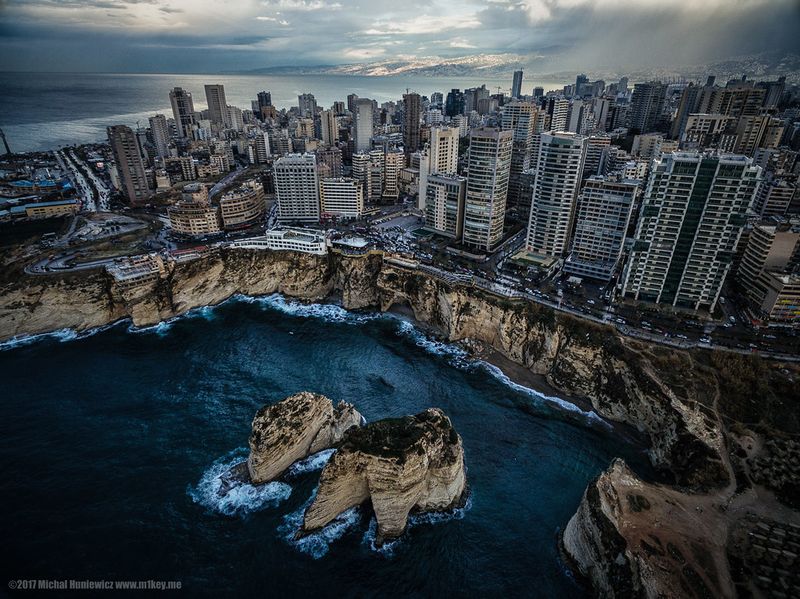
Beirut has been knocked down more times than anyone can count, yet it always gets back up. This resilient capital has witnessed continuous human habitation for thousands of years, with archaeological evidence revealing Phoenician, Roman, Byzantine, Crusader, Ottoman, and modern layers.
Its natural harbor made it inevitable as a major port, attracting settlers, traders, and unfortunately, conquerors.
Roman Beirut—called Berytus—was famous for its law school, which trained jurists for the empire. Excavations in downtown Beirut have uncovered spectacular Roman baths, Byzantine mosaics, and medieval souks.
The problem is that Beirut keeps getting rebuilt, with each new era literally burying the previous one. The Lebanese civil war destroyed much of the historic center, and subsequent reconstruction prioritized modern development over archaeological preservation.
Despite this tumultuous history, Beirut remains vibrantly alive. The Corniche waterfront promenade bustles with joggers, fishermen, and families.
Neighborhoods like Gemmayzeh blend Ottoman-era buildings with trendy restaurants and galleries. Ancient ruins peek out from between glass-and-steel towers, reminding residents that their city’s story stretches back millennia.
Beirut’s greatest achievement isn’t its ancient monuments—it’s the spirit of continuous urban life that has persisted through countless disasters, wars, and transformations. That’s true resilience.
Cairo, Egypt — Nile’s Endless Continuity
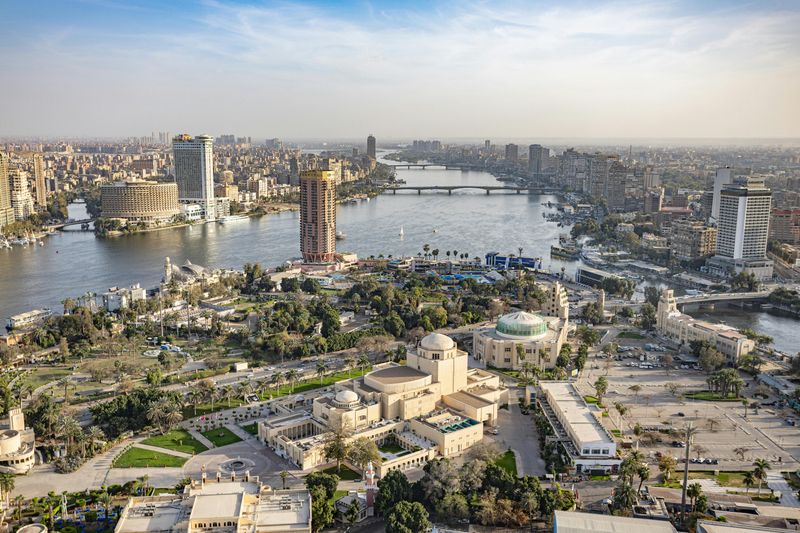
Greater Cairo sits atop layers of Egyptian history stretching back to approximately 3000 BCE. While the modern capital dates to the Islamic era, the area has been continuously inhabited since pharaonic times, when Memphis—Egypt’s ancient capital—dominated the region.
The pyramids of Giza still loom at the city’s edge, reminders that this Nile location has attracted human settlement for over five thousand years.
What we call Cairo today is actually many cities stacked and sprawled together. Ancient Memphis lies in ruins to the south.
Fustat, the first Islamic capital of Egypt, was founded in 641 CE and its archaeological remains still exist. The Fatimids established Al-Qahira (“The Victorious”)—which became Cairo—in 969 CE.
Each era added mosques, fortifications, markets, and neighborhoods, creating a palimpsest of Islamic architecture.
Modern Cairo is a megacity of over twenty million people, making it Africa’s largest urban area. The medieval Islamic core—with its Khan el-Khalili bazaar and countless mosques—remains vibrant despite the surrounding modern sprawl.
The Egyptian Museum houses treasures from pharaonic times, while the Nile riverfront continues its five-thousand-year role as the city’s lifeline. Cairo demonstrates how a supremely favorable geographic location—where the Nile Delta begins—can sustain massive human populations across entire epochs of history.



