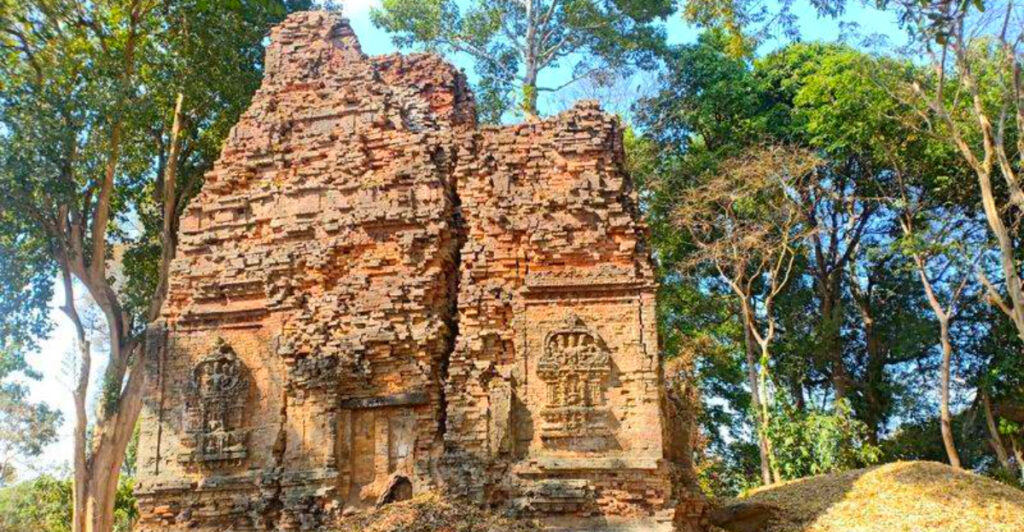
Southeast Asia is filled with ancient settlements that once thrived as powerful capitals, religious centers, and trading hubs before many were reclaimed by the jungle. From massive temple cities to remote mountain communities preserving centuries-old traditions, these places reveal a history far richer and more advanced than most people realize.
Crumbling ruins, intricate carvings, and living cultural traditions still offer clues to their remarkable past. These 12 settlements prove that some of the world’s most fascinating history is hidden beneath the trees.
1. Angkor, Siem Reap Province, Cambodia
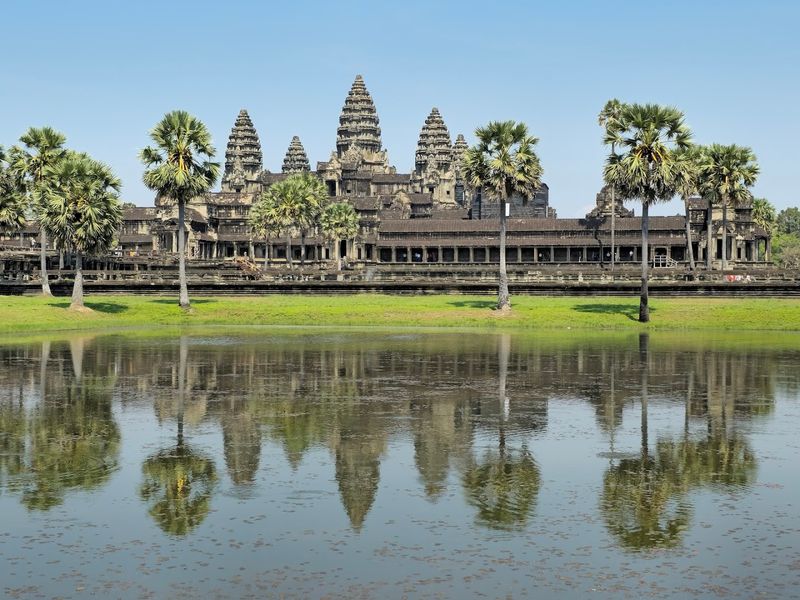
At its peak, Angkor was one of the largest pre-industrial cities on Earth, covering nearly 400 square miles and supporting a population that historians still debate in astonished tones.
The Khmer Empire built this extraordinary capital between the 9th and 15th centuries, filling it with temples, reservoirs, and road networks that rivaled anything in the medieval world. Angkor Wat alone is the largest religious building ever constructed, a record it still holds today.
Ta Prohm, another temple within the complex, is famous for the massive tree roots that have grown directly through its stone walls over centuries. European archaeologists began restoring the site in the early 20th century after it had sat in partial ruin for generations.
The Bayon temple features dozens of enormous stone faces carved into its towers, each one gazing calmly outward in every direction. Few archaeological sites anywhere combine scale, artistry, and jungle drama quite like this one.
2. Bagan, Mandalay Region, Myanmar
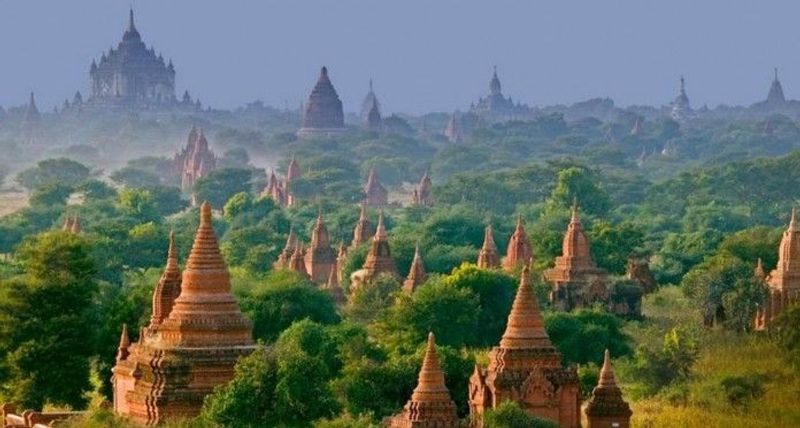
Roughly 2,000 temples and pagodas still stand across the plains of Bagan, which is a staggering number when you learn that the original count was closer to 10,000.
King Anawrahta launched this extraordinary building campaign in the 11th century with the goal of establishing Buddhism as the dominant religion of his kingdom. Over the following two centuries, monasteries, shrines, and pagodas spread across the landscape in every direction.
The sheer density of ancient structures spread across this flat, dry plain is unlike anything else in Southeast Asia. Though the surrounding land is not dense rainforest today, the region was once connected to thick wilderness and active trade routes that brought wealth and materials from far away.
Hot air balloon rides over the temple-dotted landscape have become one of the most popular ways to appreciate the scale of what was built here. The view from above makes the ambition of an ancient king feel very real.
3. Ayutthaya, Ayutthaya Province, Thailand
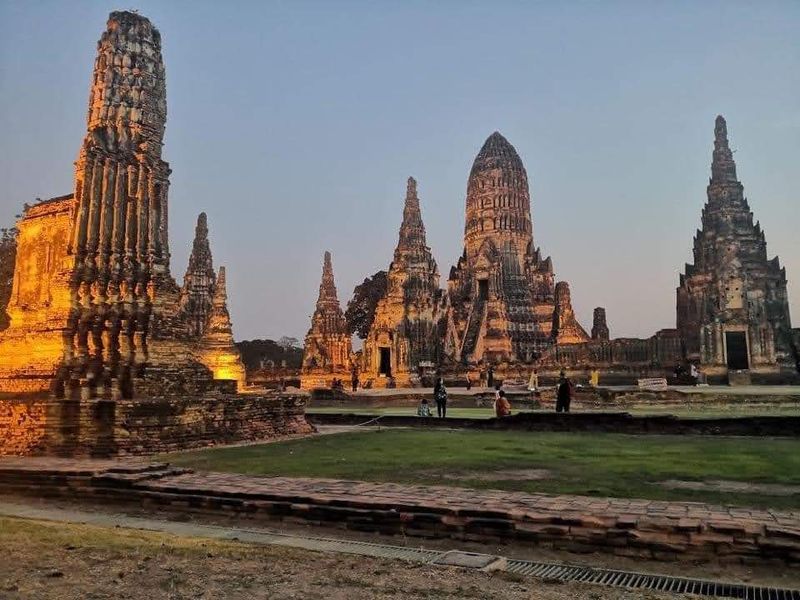
Before its destruction in 1767, Ayutthaya was considered one of the wealthiest and most cosmopolitan cities in the entire world, attracting traders from Europe, China, India, and Persia all at once.
The Burmese army brought the city down after a prolonged siege, leaving behind a landscape of broken towers, headless statues, and scorched royal halls that still communicate the scale of what was lost. Today those ruins sit among canals, tall trees, and manicured greenery that soften the edges of the old royal capital.
One of the most photographed images in all of Thailand is an ancient Buddha head completely encased in the roots of a bodhi tree, a result of centuries of slow natural growth. Nobody planted it that way on purpose, which somehow makes it even more striking.
The site covers a large island formed by three rivers, and exploring it by bicycle remains one of the most rewarding ways to move between the scattered temple complexes.
4. My Son Sanctuary, Quang Nam Province, Vietnam
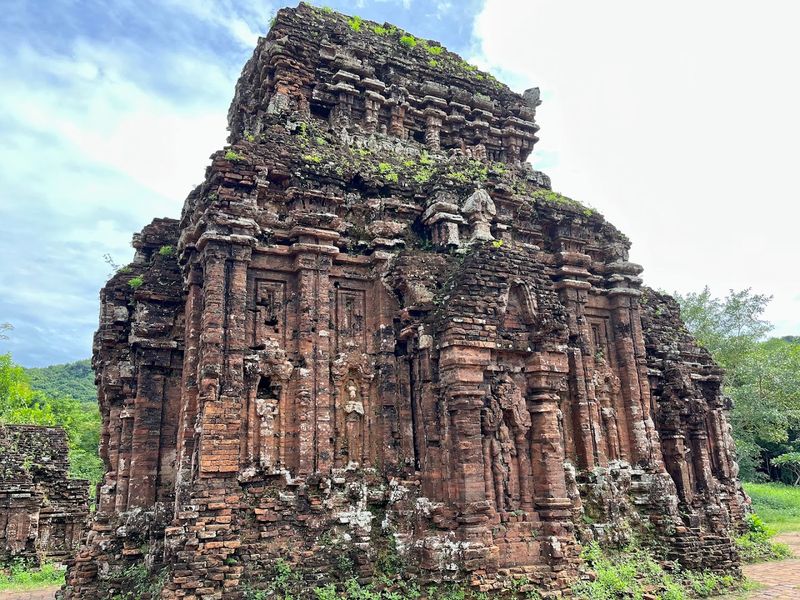
Tucked inside a narrow valley ringed by jungle-covered hills, My Son Sanctuary served as the spiritual heart of the Champa Kingdom for nearly a thousand years.
The Cham people built these remarkable brick temples as religious monuments dedicated to Hindu deities, particularly Shiva, starting around the 4th century and continuing for centuries afterward. The craftsmanship involved in constructing these towers without modern tools continues to puzzle engineers and archaeologists today.
My Son remained largely unknown to the outside world until French archaeologists arrived in the late 19th century and began documenting what they found. The site suffered significant damage during the Vietnam War, but enough remains to give visitors a clear sense of the sanctuary’s original grandeur.
UNESCO added My Son to its World Heritage list in 1999, recognizing its outstanding value as evidence of a civilization that shaped the culture and trade networks of early Southeast Asia. The quiet valley setting adds a layer of historical weight that is difficult to find elsewhere.
5. Borobudur, Central Java, Indonesia
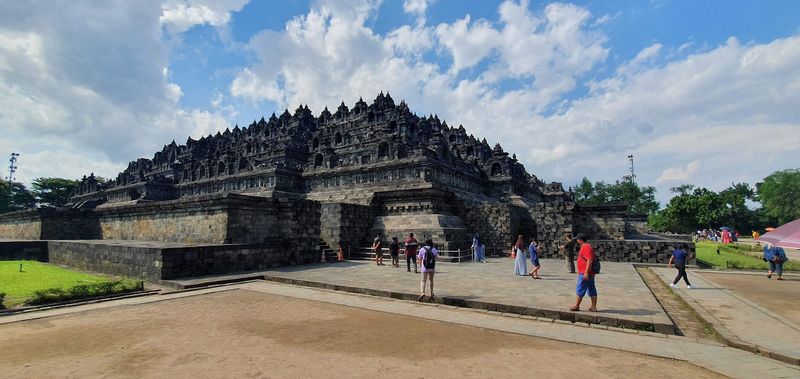
Borobudur holds the title of the world’s largest Buddhist temple, a fact that becomes genuinely hard to process when you are standing at its base looking up at the terraced stone structure rising above you.
Built during the 8th and 9th centuries under the Sailendra dynasty, the monument features more than 2,500 decorative relief panels and 504 Buddha statues arranged across nine stacked platforms. Then, for reasons historians still debate, the site was abandoned and gradually covered by volcanic ash and jungle growth.
It stayed hidden for centuries until a colonial-era survey brought it back to public attention in 1814. Full restoration efforts followed over many decades, with UNESCO supporting a major conservation project in the 1970s and 1980s.
The temple is designed as a three-dimensional map of the Buddhist universe, and pilgrims traditionally walk its winding paths from the base to the top as a form of spiritual journey. That original purpose still draws visitors from across the world today.
6. Trowulan, East Java, Indonesia
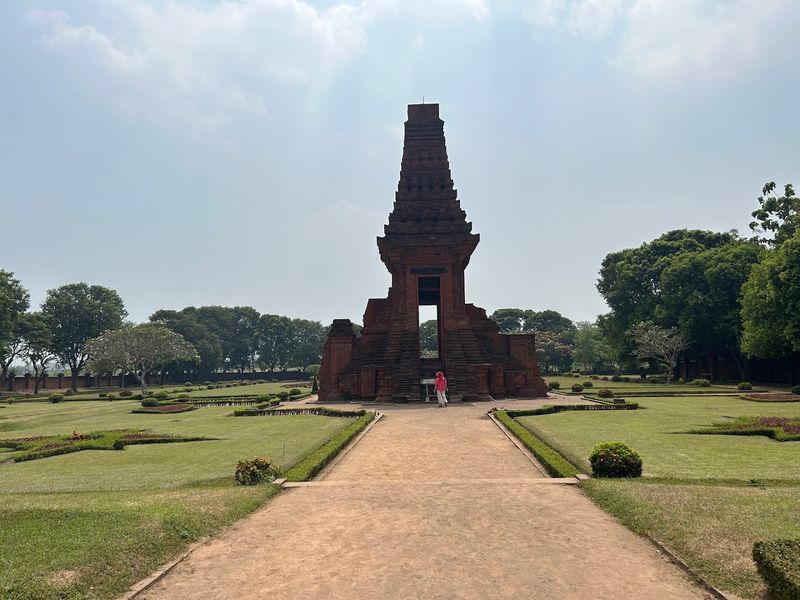
Historians believe that Trowulan was once the capital of the Majapahit Empire, a maritime kingdom so powerful that its influence stretched across much of island Southeast Asia during the 13th to 15th centuries.
The archaeological remains scattered through this region include temples, ceremonial gates, ancient bathing pools, and the foundations of what appear to have been large urban structures. The most iconic landmark is the Bajang Ratu gate, a tall red brick tower that has stood for over 600 years.
What makes Trowulan particularly fascinating is the scale of the city that once existed here. Historical records describe a capital with a massive population, active markets, and a royal court that hosted diplomats and merchants from across Asia.
Much of the site still lies beneath modern farmland, meaning excavations are ongoing and new discoveries continue to surface. The Majapahit Empire left a cultural legacy that still echoes through Indonesian language, art, and political identity today, making Trowulan far more than just a pile of old bricks.
7. Sukhothai, Sukhothai Province, Thailand
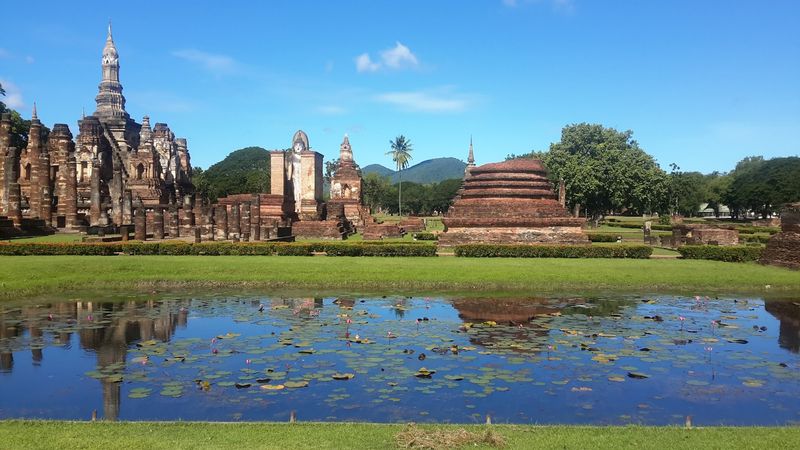
Sukhothai carries the impressive distinction of being the first capital of the Thai kingdom, founded in the 13th century when local rulers broke free from Khmer control and established something entirely their own.
The historical park that protects the site today contains dozens of temple ruins, large Buddha statues, and lotus-filled ponds arranged across a landscape that feels remarkably calm for a place with such a dramatic founding story. The name Sukhothai translates roughly to “Dawn of Happiness,” which is either very optimistic or very accurate depending on your morning mood.
One of the most celebrated achievements of the Sukhothai period is the development of the Thai alphabet, traditionally credited to King Ramkhamhaeng in 1283. That single contribution permanently shaped the written language of an entire nation.
The site is spread across a large area and is best explored by bicycle, which allows visitors to move between temples at their own pace. Fewer crowds than Ayutthaya or Angkor make it a genuinely relaxed historical experience.
8. Sambor Prei Kuk, Kampong Thom Province, Cambodia
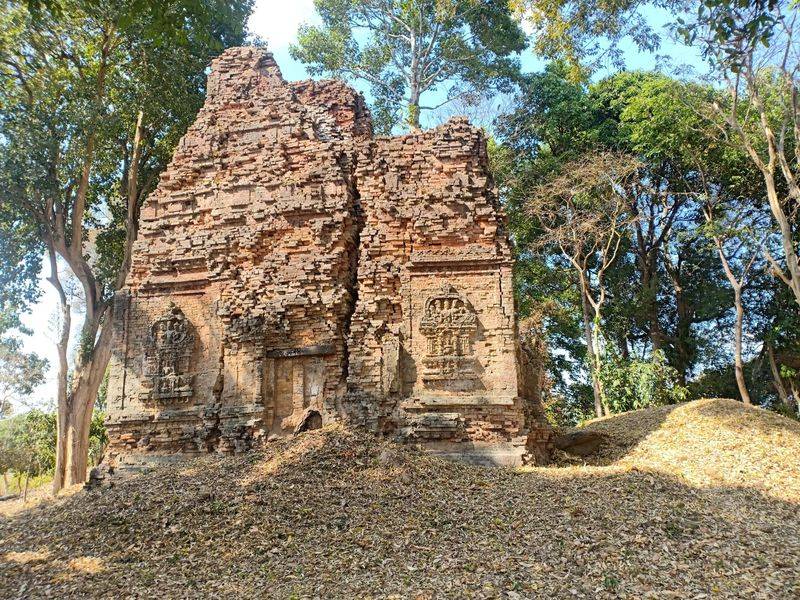
Long before Angkor became the crown jewel of Khmer civilization, there was Sambor Prei Kuk, a city that served as the capital of the Chenla Kingdom all the way back in the 7th century.
That makes it one of the oldest major settlements in all of Southeast Asia, predating the famous Angkor complex by several centuries. The name translates to “the temple in the rich forest,” and the forest has certainly done its part to reclaim the territory over the years.
Many of the brick temples here remain partially wrapped in tree roots and jungle growth, giving the site an adventurous, off-the-beaten-path atmosphere that more famous sites have largely lost. Visitor numbers are far lower than at Angkor, which means you can actually stand in front of a 1,400-year-old temple without twenty people in the way.
UNESCO added Sambor Prei Kuk to its World Heritage list in 2017. The site contains more than 150 ancient structures spread across three main groups, each revealing different aspects of early Khmer artistic and religious development.
9. Vat Phou, Champasak Province, Laos
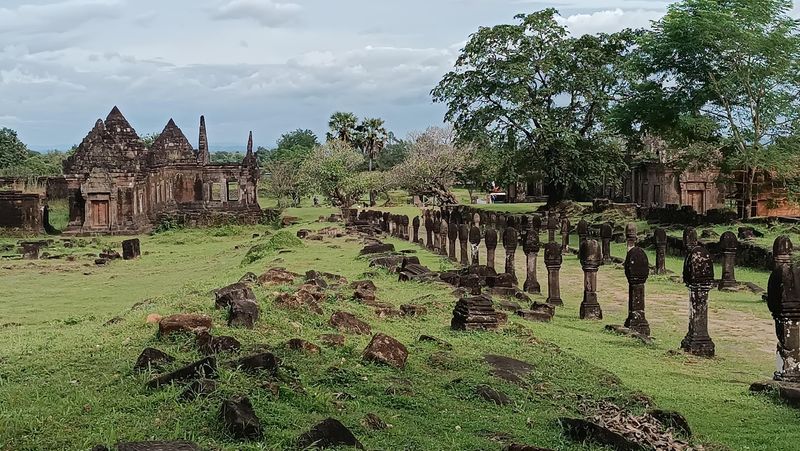
Vat Phou is often described as a smaller, quieter cousin of the Angkor complex, which is both accurate and slightly unfair to a site that has its own extraordinary story to tell.
Built at the foot of Mount Phu Kao in southern Laos, this Khmer temple complex dates back to at least the 5th century, making it one of the oldest religious sites in the region. The mountain behind the temple was considered sacred long before any stone was laid, and the entire complex was designed to align with its peak.
Long stone walkways lined with carved boundary stones lead visitors upward through terraced levels toward the main sanctuary. Weathered bas-reliefs and ancient lintel carvings decorate the structures along the way, telling stories from Hindu mythology that connect this remote Laotian hillside to a vast cultural world.
UNESCO designated Vat Phou a World Heritage Site in 2001. The combination of dramatic mountain scenery, river views, and genuine historical depth makes it one of the most rewarding lesser-known sites in all of Southeast Asia.
10. Khao Sam Kaeo, Chumphon Province, Thailand
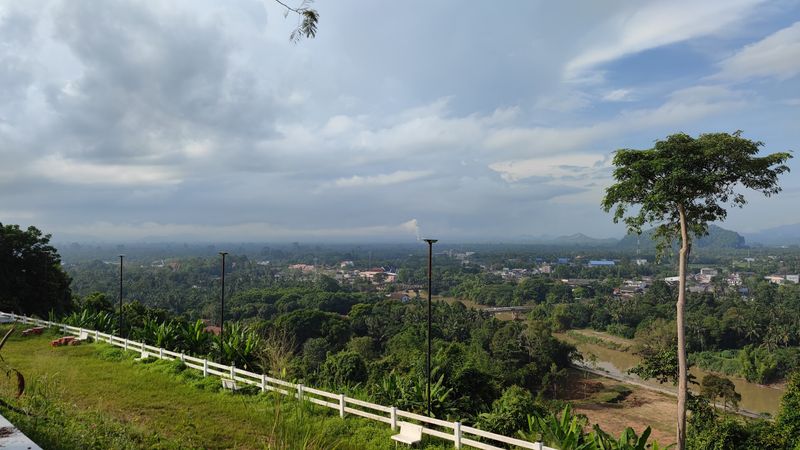
More than 2,000 years ago, a busy trading settlement on the Thai-Malay Peninsula was quietly connecting civilizations that had no other direct contact with each other, and almost nobody knew it existed until archaeologists started digging.
Khao Sam Kaeo, located in Chumphon Province, has yielded evidence of trade exchanges involving India, China, and various parts of Southeast Asia, all converging at this jungle-covered site during the late prehistoric and early historic periods. The discoveries include Indian-style beads, Chinese bronze objects, and locally produced goods that point to a remarkably cosmopolitan community.
The settlement appears to have functioned as a trans-peninsular trading hub, meaning goods were carried overland between the Gulf of Thailand and the Andaman Sea here, bypassing the longer sea route around the Malay Peninsula. That geographic advantage made it extraordinarily valuable in ancient trade networks.
Archaeologists from both Thai and international institutions have been excavating the site since the 1990s. Each season of digging adds new evidence that ancient Southeast Asian societies were far more globally connected than traditional history textbooks once suggested.
11. Kota Batu Archaeological Site, Brunei
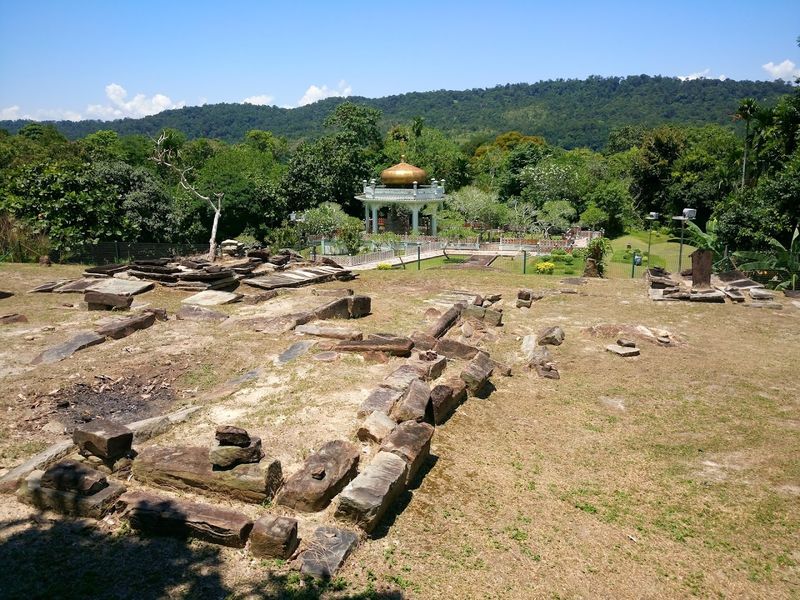
Brunei may be one of the smallest countries in Southeast Asia, but its early royal history is packed into a riverside site that archaeologists have been carefully piecing together for decades.
Kota Batu sits along the Brunei River and contains the tombs, foundations, and artifact remains connected to the early Bruneian Sultanate, one of the most powerful maritime states in the region during the 15th and 16th centuries. The name translates simply to “stone fort,” though what was found here is far more complex than a single defensive structure.
Chinese ceramics, iron tools, and royal funerary objects excavated from the site confirm that Brunei was deeply embedded in regional and international trade networks centuries before European contact. The river location was no accident, as waterway access was the key to commercial and political power in this part of the world.
A small museum near the site now displays many of the recovered artifacts. The broader landscape of tropical vegetation and river channels still gives visitors a clear sense of why this particular spot was chosen for a royal settlement.
12. Candi Muaro Jambi, Jambi Province, Indonesia
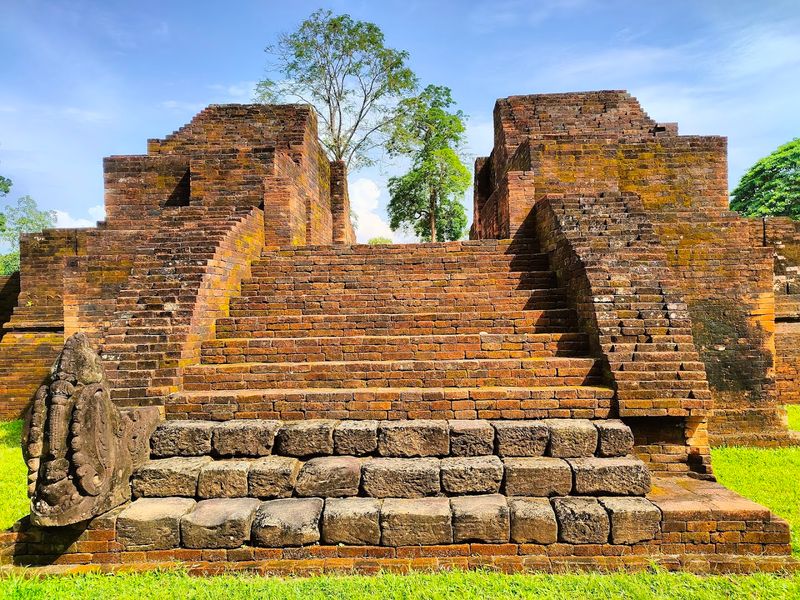
Spread across roughly 2,600 hectares of riverside landscape in Sumatra, Candi Muaro Jambi is one of the largest temple complexes in all of Southeast Asia, and it still does not get nearly the attention it deserves.
The site was once a major center of Buddhist learning, believed to have been connected to the powerful Srivijaya Empire that dominated maritime trade across the region between the 7th and 13th centuries. Historical records suggest that the Chinese monk Yijing stopped here during his travels to India in the 7th century, which gives the site a remarkable international pedigree.
More than 80 temple structures have been identified across the complex, with many still partially buried under vegetation and waiting for full excavation. Jungle pathways link the ancient brick buildings across a wide area, making exploration feel genuinely adventurous rather than like a guided museum walk.
Local and international archaeologists continue to work at the site. The riverside setting, which once made this location central to regional trade, now gives the ruins a peaceful, almost secluded atmosphere that rewards visitors willing to make the journey.
Share this story