At the meeting point of the Kansas and Missouri rivers, this 10-acre park offers one of the most significant historic locations in the Kansas City area. It is where explorers, traders, and Native peoples once crossed paths, and where visitors today can take in sweeping views of the downtown skyline from the same riverfront landscape.
History is a major draw here. The site is closely tied to the Lewis and Clark expedition and serves as a reminder of the role these waterways played in shaping the region.
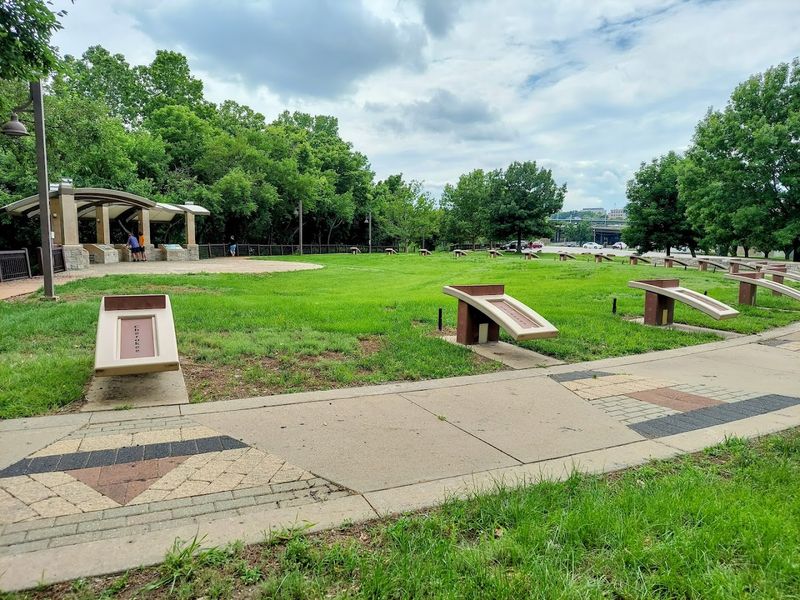
Informational displays and walking paths help bring that story to life without overwhelming the natural setting.
What makes the park especially rewarding is the combination of history, scenery, and easy access. In a single visit, you can explore a landmark tied to America’s westward expansion, watch river traffic move through the confluence, and enjoy some of the best skyline views in the metro area.
Here’s why this overlooked Kansas City destination deserves a place on your itinerary.
The Address, the Setting, and the First Impression
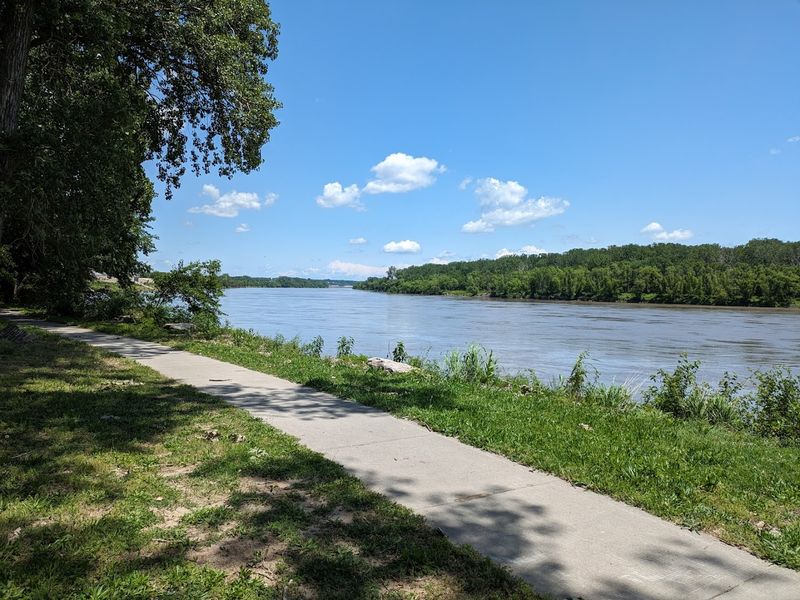
Right at 1403 Fairfax Trafficway, Kansas City, KS 66115, Kaw Point Park greets you with a modest entrance that does not hint at what waits beyond. A large factory building sits just outside the park boundary, which can throw off first-time visitors, but the signage eventually guides you in.
Once you clear that confusion, the setting opens up beautifully. The park covers about 10 wooded acres maintained in a largely natural state, meaning native wildflowers, open trails, and the sound of moving water quickly replace the industrial backdrop.
Parking is free and plentiful, which is a genuine relief compared to most city parks. The park operates daily from 7:00 AM to 10:00 PM, and the Friends of Kaw Point Park, Inc. manages the grounds.
You can reach the park by phone at 913-677-2088 or visit kawpointpark.org for event updates and trail information before your trip.
The Night Lewis and Clark Chose This Exact Spot
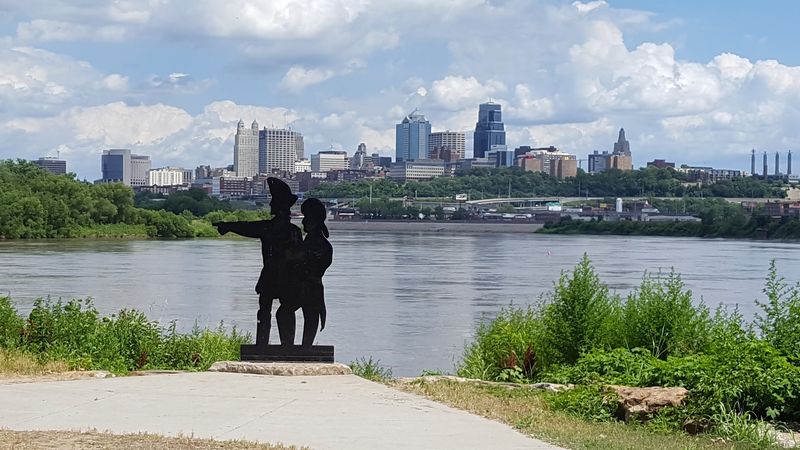
On June 26, 1804, the Lewis and Clark Expedition arrived at what is now Kaw Point and decided to stop. They stayed for three full days, until June 28, resting tired muscles, repairing their boats, and taking careful mathematical measurements of the land around them.
Captain William Clark himself wrote in his journal that the countryside at the confluence was “very fine,” which, for a man navigating uncharted wilderness, counts as a rave review. The crew also built a temporary fortification of logs and brush during their stay, suggesting they took the location seriously as a strategic camp.
Two remarkable firsts happened here as well. The expedition recorded their first sightings of bison at this location, and they also documented large flocks of Carolina Parakeets, a bird species now completely extinct.
Standing here knowing that history sits beneath your feet gives the whole visit a different kind of weight.
Where Two Rivers Become One
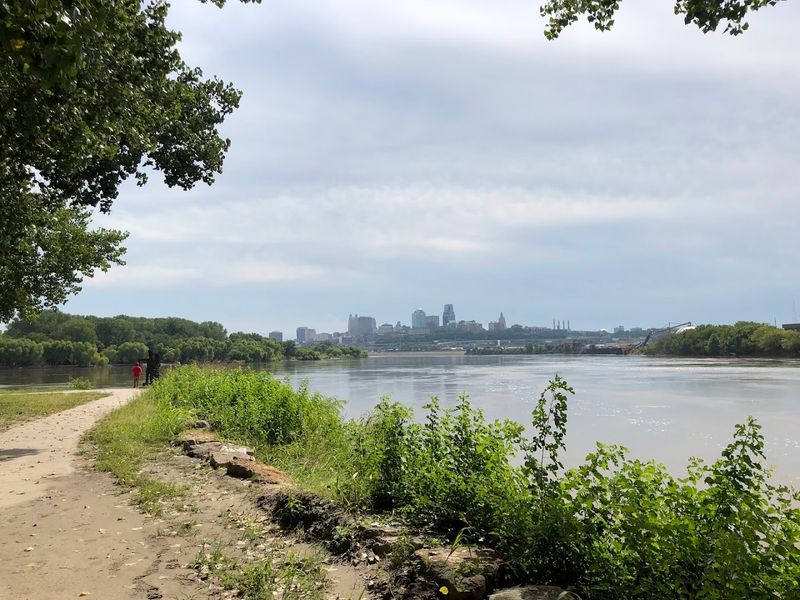
Few natural spectacles in an urban park match what happens at the tip of Kaw Point. The Kansas River, darker and carrying its own sediment load, pushes directly into the lighter brown Missouri River, and for a brief stretch you can actually see the two distinct water colors running side by side before they fully blend.
A narrow trail cuts through native wildflowers and leads down to a rocky beach right at the confluence point. The currents run deep and fast here, so wading in is not recommended, but dipping your toes at the very edge where both rivers meet is a moment people genuinely remember.
The visual contrast between the two rivers shifts depending on recent rainfall and river conditions, so no two visits look exactly the same. Watching the waters merge while the downtown skyline rises across the river is the kind of view that earns a permanent spot in your camera roll.
The Skyline View That Rewards the Drive
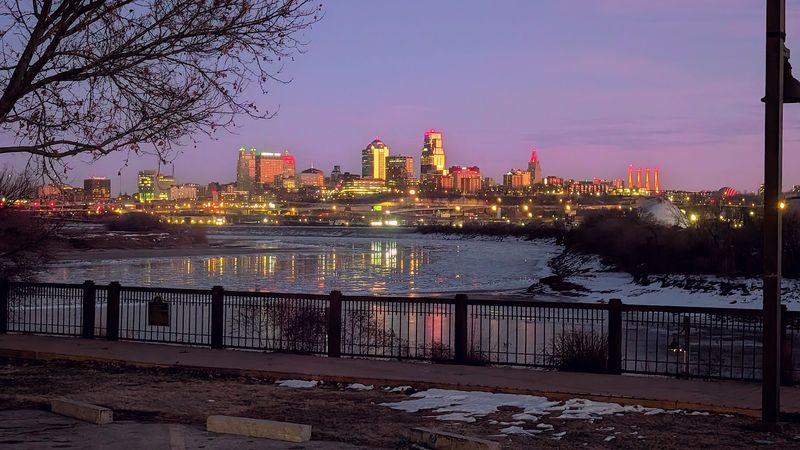
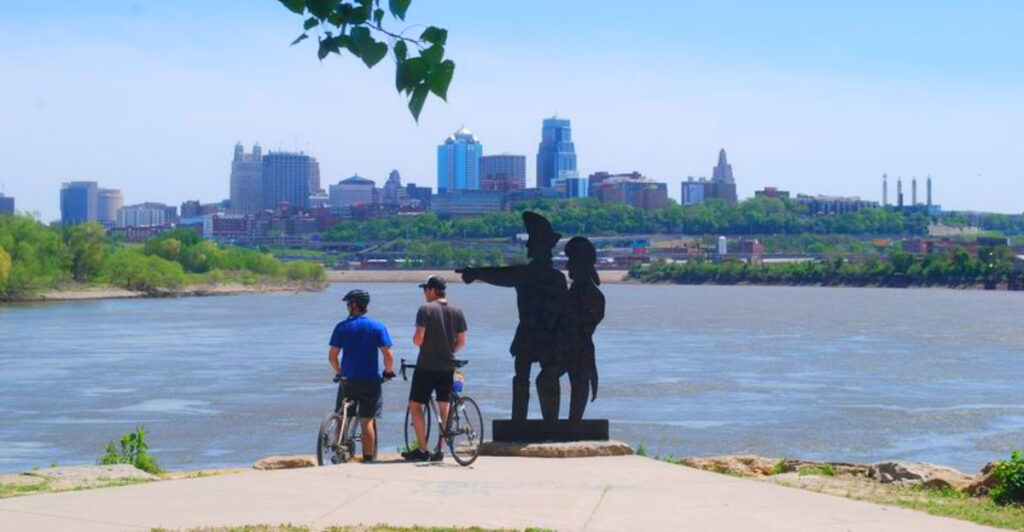
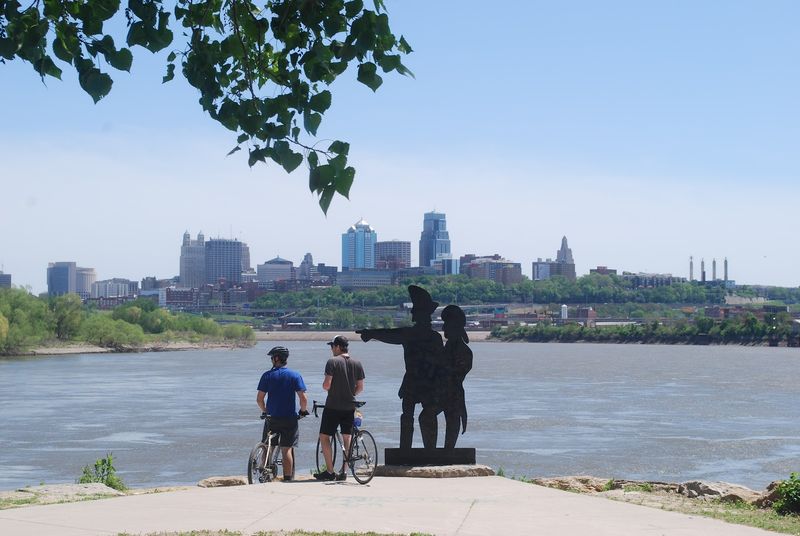
Across the water, the downtown Kansas City, Missouri, skyline rises in a clean, dramatic line that feels almost theatrical from the Kansas side. The view works at any hour, but arriving near dusk turns the whole scene into something genuinely spectacular, with the buildings catching warm light and the rivers reflecting the colors back at you.
Several visitors who come regularly mention that the skyline view alone justifies the short detour from downtown, even without the history or the trails. The open-air education pavilion near the riverfront provides a comfortable spot to sit and take it all in without having to stand at the water’s edge the entire time.
Night visits are also popular, and the park stays open until 10:00 PM for a reason. The city lights reflecting off the Missouri River after dark create a completely different atmosphere from the daytime experience, making a second visit feel like a brand new trip.
The Interpretive Trail That Actually Teaches You Something
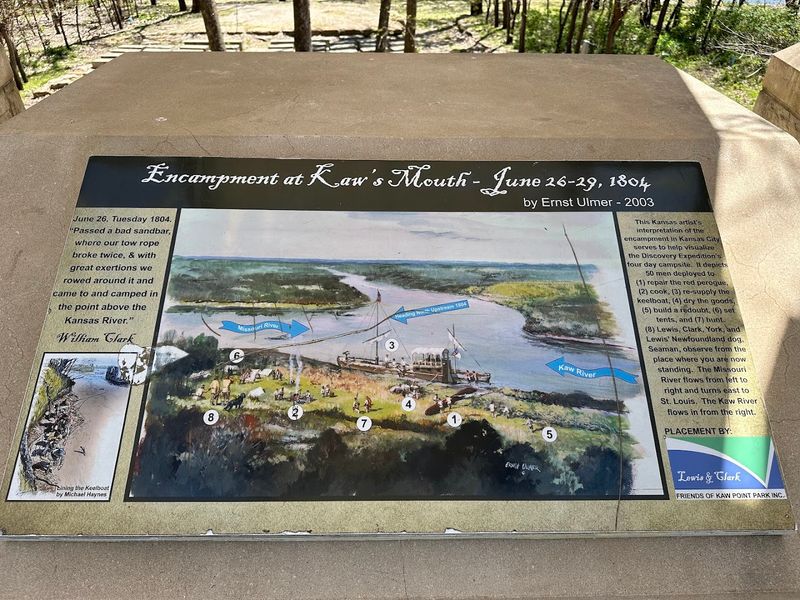
History panels line the walking trail throughout the park, and unlike a lot of outdoor signage that gets ignored, these ones are genuinely worth pausing for. They cover the Lewis and Clark Expedition in real detail, explaining what the crew did during their three-day stay and why this particular confluence mattered so much to the journey west.
The trail also includes information about the Native American tribes who inhabited this region long before any expedition arrived. A dedicated memorial within the park honors those communities, acknowledging their deep connection to the rivers and the land.
Additional panels cover native plant identification, so the walk doubles as a casual outdoor classroom. The boardwalk section of the trail has received some criticism for wear and bounce in spots, but the overall experience remains solid for a casual morning or afternoon visit.
Kaw Point Park holds official recognition as a Lewis and Clark Destination Site on the Lewis and Clark National Historic Trail.
A Heritage Trail That Spans Two States and Three Cities
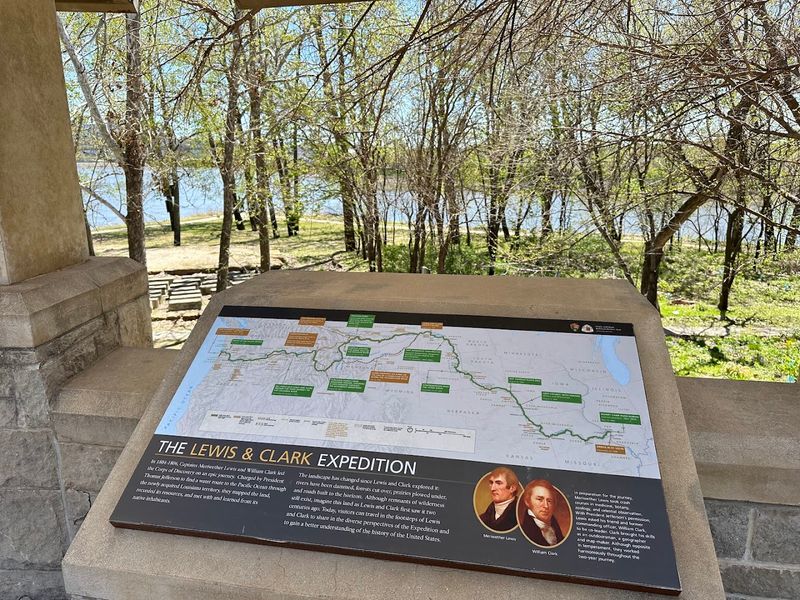
Kaw Point Park anchors one of the more ambitious trail projects in the Kansas City region. The Riverfront Heritage Trail stretches 15 miles and connects cyclists and pedestrians across two states and three cities, weaving together the riverfront history of the broader area into a single navigable route.
The park serves as a natural starting or ending point for the trail, and the boat launch ramp adds another layer of access for those who prefer exploring the rivers directly. Anglers regularly use the ramp and the riverbank access for fishing, making the park feel active and lived-in rather than just a historic preserve.
The park also falls within the Freedom’s Frontier National Heritage Area, a designation that recognizes the historical significance of the Missouri-Kansas border region. That combination of trail access, river access, and heritage recognition makes Kaw Point a genuinely multi-purpose destination rather than a single-purpose stop.
The MR340 and the Events That Bring the Park to Life
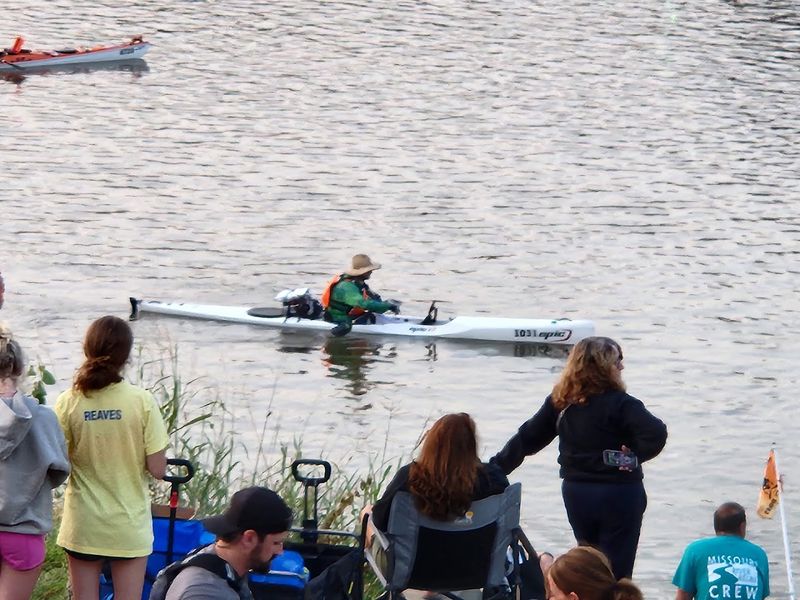
Every year, the park transforms into the starting point for the MR340, one of the most demanding paddle-craft races in the country. Competitors launch from Kaw Point and race 340 miles down the Missouri River, and the staging event draws hundreds of boats and a crowd of spectators that fills the park’s generous parking areas.
The outdoor amphitheater, equipped with electricity, hosts performing arts events and historical reenactments throughout the year. These reenactment events bring the Lewis and Clark story to life in a way that static panels simply cannot match, especially for younger visitors.
Historical speaking events also take place at the park’s open-air education pavilion, connecting local audiences to the broader narrative of exploration, Native American history, and river culture. Checking the Friends of Kaw Point Park website before visiting is a smart move, since an event weekend turns the experience into something far more dynamic than a standard park visit.
Native Plants, Wildlife, and the Quietly Wild Side of the Park

Beyond the history panels and the skyline views, the park holds a genuinely wild character that surprises first-time visitors. Native wildflowers grow along the trails, some of them edible and forageable for those who know what to look for, and the wooded sections feel more like a nature preserve than a city park.
Wildlife observation is a real draw here. The confluence of two major rivers creates a rich habitat, and birdwatchers in particular find the location rewarding.
The park’s own history as the site of Lewis and Clark’s first bison sighting adds a fun layer of context to any wildlife spotting you manage during your visit.
The natural state of the grounds means the park does not feel manicured or over-managed, which some visitors love and others find a little rough around the edges. A few reviewers have noted that the upkeep could use more attention in certain areas, but the raw, unpolished quality is also part of what makes it feel authentic.
Practical Tips for Getting the Most Out of Your Visit
A few practical notes can make the difference between a frustrating visit and a great one. The park opens at 7:00 AM daily, though some visitors report the gate occasionally opens a bit later than the posted time.
Arriving mid-morning on a weekday tends to give you the most peaceful experience with the fewest crowds.
Restrooms are available seasonally, so checking ahead during colder months is worth a quick call to 913-677-2088. The smell from the rivers can be noticeable on warm days, particularly near the water treatment facility in the area, so that is worth knowing before you plan a long picnic directly at the riverbank.
Benches along the river are limited, so bringing a folding chair or a blanket is a practical move if you plan to linger. The park is entirely free to visit, which makes it one of the better value stops in the Kansas City area regardless of how long you stay.
Why This Small Park Carries an Outsized Sense of Place
Ten acres is not a lot of land, but Kaw Point manages to pack in more layers of meaning than parks ten times its size. The spot connects the deep past of Indigenous communities, the drama of a national expedition, the industrial growth of a border city, and the living pulse of two major rivers all in one compact visit.
That density of significance is what makes first-time visitors pause mid-trail and just look around for a moment. The art installation featuring Lewis and Clark, the Native American memorial, the native plant gardens, and the unobstructed skyline view all exist within easy walking distance of each other.
The park holds a 4.4-star rating across nearly 920 reviews, which is a strong signal for a free municipal space competing with paid attractions nearby. Some visitors drive past it every single day for years before finally stopping, and almost every one of them says the same thing afterward: they wish they had stopped sooner.
Share this story