Ted Ensley Gardens gives Topeka one of the Midwest’s most unexpectedly impressive outdoor spaces. Spread across 37.5 acres along Lake Shawnee, the gardens feature rare trees, winding walking paths, a 60-foot covered bridge, and seasonal displays that include more than 100,000 tulips in spring.
What makes the gardens stand out is how much variety they pack into one free destination. Visitors can move from quiet lakeside overlooks to densely planted garden sections filled with more than 1,500 plant species, all without ever feeling crowded or overly formal.
It is the kind of place locals return to year after year and travelers wish they had discovered sooner.
A Garden That Grew From One Man’s Passion
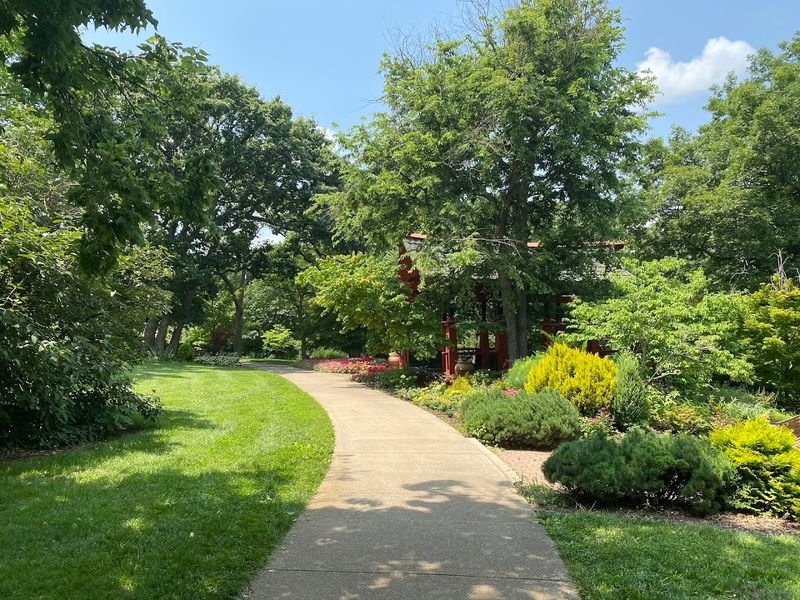
Not every great garden starts with a master plan. Ted Ensley Gardens, found at 3650 SE West Edge Rd, Topeka, KS 66605, owes much of its soul to Jerold Binkley, a devoted horticulturist whose love for tulips helped transform a lakeside stretch of land into something genuinely extraordinary.
Binkley’s contributions were so significant that the gardens now carry his legacy in the annual Tulip Time Festival, which draws visitors from across the region every April. His hands-on dedication set a standard for care and creativity that volunteers and staff still honor today.
The gardens officially cover 37.5 acres along the west side of Lake Shawnee, and they are managed with a level of thoughtfulness that feels personal rather than institutional. Every planted corner tells a story about someone who believed deeply that a public garden could change how people experience their own city.
What 1,500 Plant Species Actually Looks Like
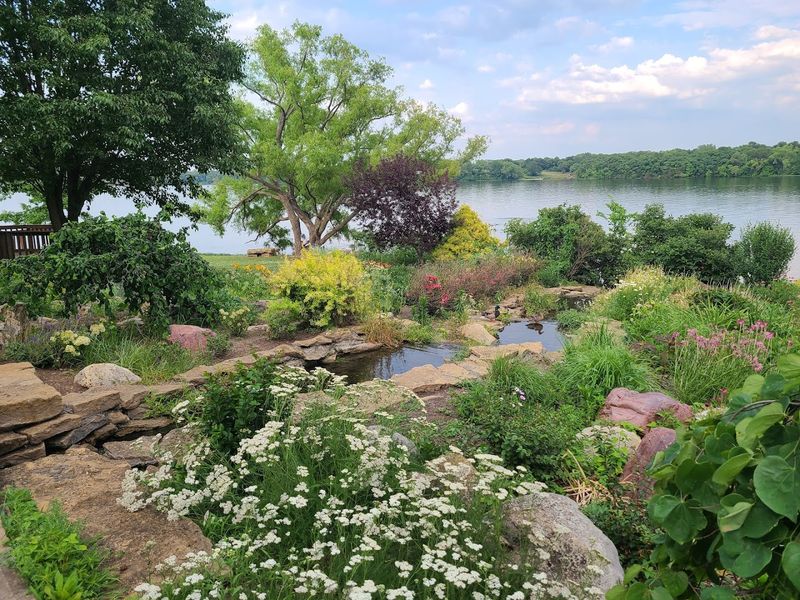
The number 1,500 is easy to read and easy to forget, but walking through these gardens makes it feel very real. Over 1,200 varieties of perennials share space with 300 varieties of annuals, climbing roses, mature shrubs, and specimen trees that create layers of color and texture in every direction.
The daylily collection alone is worth the visit, with blooms ranging from pale cream to deep burgundy arranged in generous sweeping beds. Roses perfume the air near the pergola, and the annuals shift the color palette dramatically from one season to the next, so no two visits ever look quite the same.
Even in September, when the peak bloom has passed, the gardens hold onto their beauty through foliage contrast, late-season perennials, and the steady backdrop of the lake. The sheer variety here rewards slow walkers who pause to actually read the plant labels scattered throughout the grounds.
The Covered Bridge That Sets the Tone Immediately
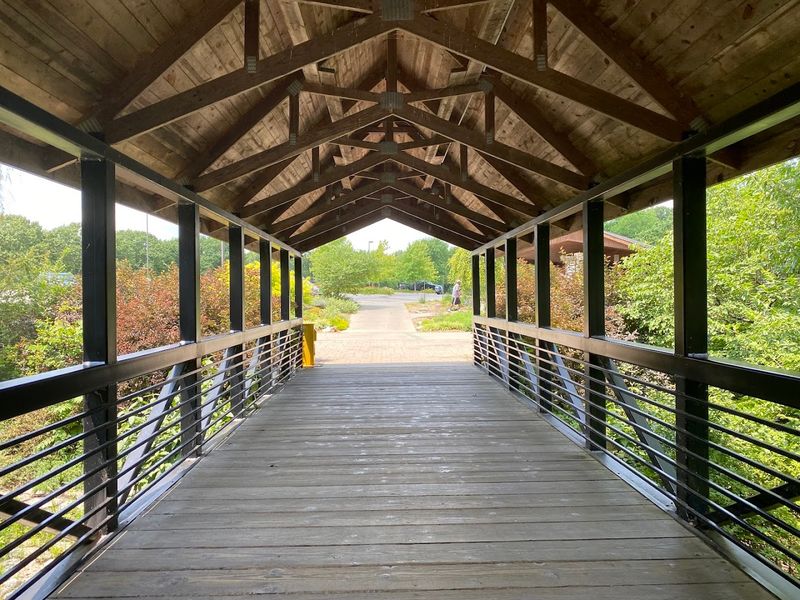
The moment you cross the 60-foot covered bridge at the garden entrance, the mood shifts completely. Below the bridge, a rocky stream tumbles through a naturalistic channel, and the sound of moving water follows you into the garden before you have even seen the first flower bed.
It is a genuinely clever piece of design, because it functions as both a practical crossing and a psychological threshold. You are not just walking into a park; you are being invited to leave the ordinary world behind for a while, which is a bold promise for a free public garden to make.
The bridge is sturdy, well-maintained, and wide enough to stop and lean over the railing without blocking other visitors. Children tend to sprint across it, while adults tend to slow down and listen.
Both reactions make complete sense, and neither one is wrong when you are standing above a stream that sounds this good.
Asian Architecture Tucked Into a Kansas Landscape
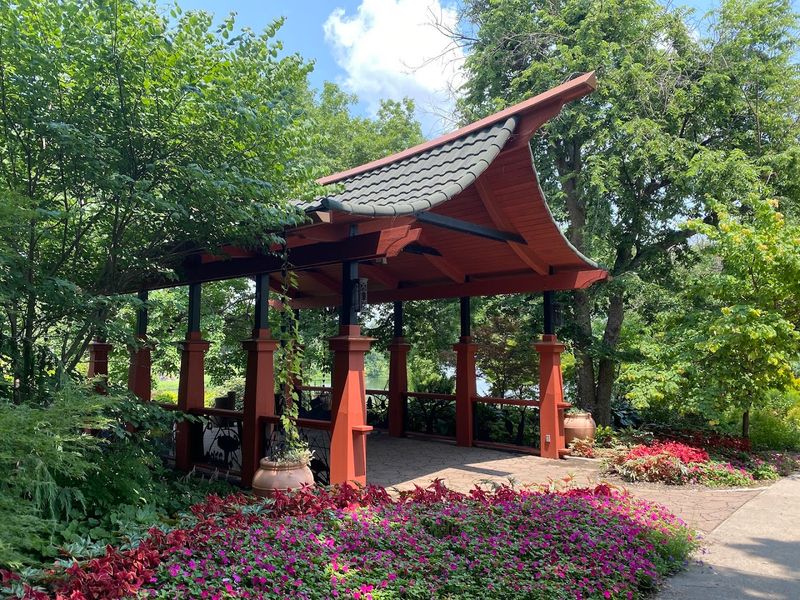
A pagoda rising above a field of Kansas wildflowers is not something you expect to encounter on an afternoon walk, but that is exactly the kind of pleasant surprise Ted Ensley Gardens delivers. The grounds include a gazebo, a pergola, and a pagoda, each placed with enough intentionality that they feel like natural focal points rather than decorative afterthoughts.
The pagoda in particular draws attention from a distance, its tiered roofline visible above the plantings as you move through the garden. Up close, it provides genuine shade and a frame for photographs that look almost too composed to be candid.
These structures are popular spots for quiet reflection, outdoor reading, and the occasional wedding ceremony, which the garden accommodates beautifully. The combination of Asian-inspired architecture against a backdrop of lake water and North American plantings creates a visual contrast that feels thoughtful rather than mismatched, and it is one of the garden’s most talked-about features.
The Meditation Garden and What Makes It Work
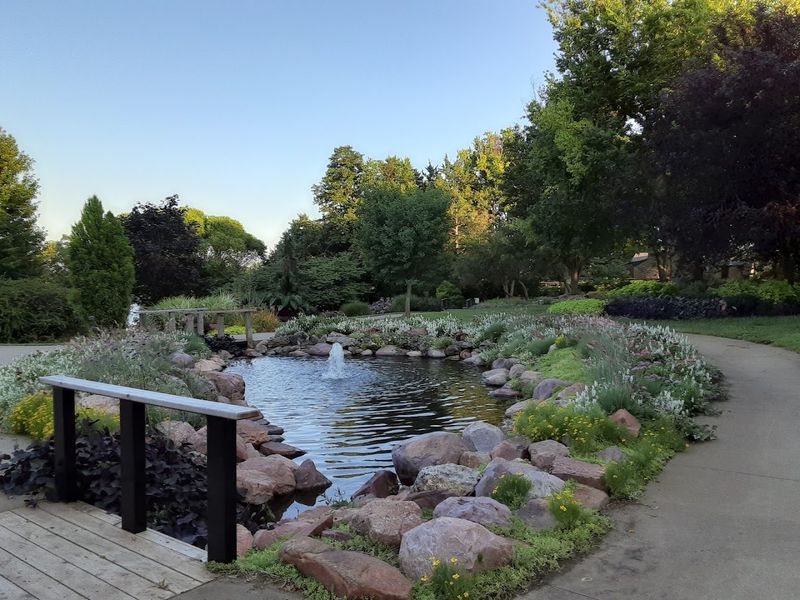
Tucked within the larger garden layout, the Meditation Garden earns its name honestly. The planting choices here lean toward textures and soft colors rather than bold seasonal spectacle, and the space is designed to slow your pace rather than direct your attention toward any single focal point.
A few carefully placed benches make it easy to sit without feeling exposed, and the surrounding plantings create just enough enclosure to feel private without feeling closed off. The transition from the busier main paths into this quieter zone happens gradually, which is part of what makes it feel so effective.
On a weekday morning, this section of the garden can feel almost entirely yours. Visitors who discover it by wandering tend to linger longer than they planned, which is probably the highest compliment a meditation space can receive.
The garden designers clearly understood that stillness is not just an absence of noise but something that has to be actively built into a landscape.
Tulip Time: When 100,000 Blooms Take Over
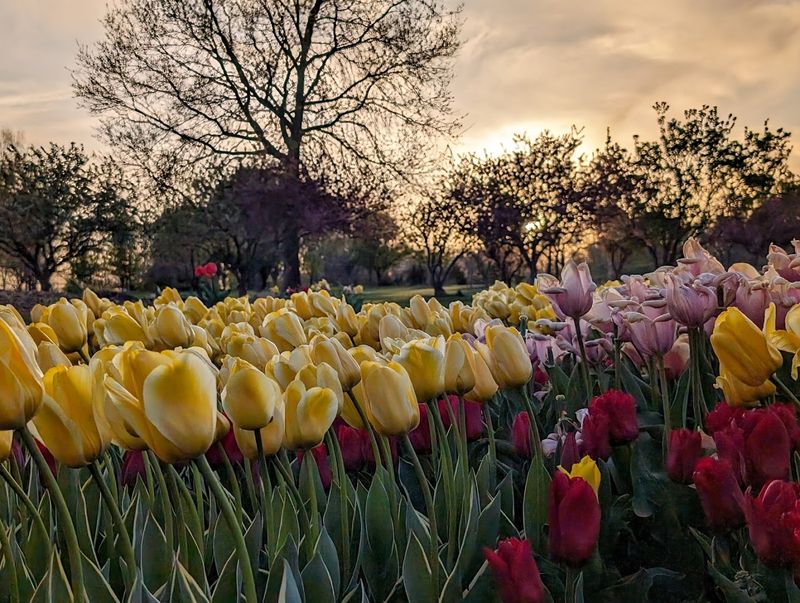
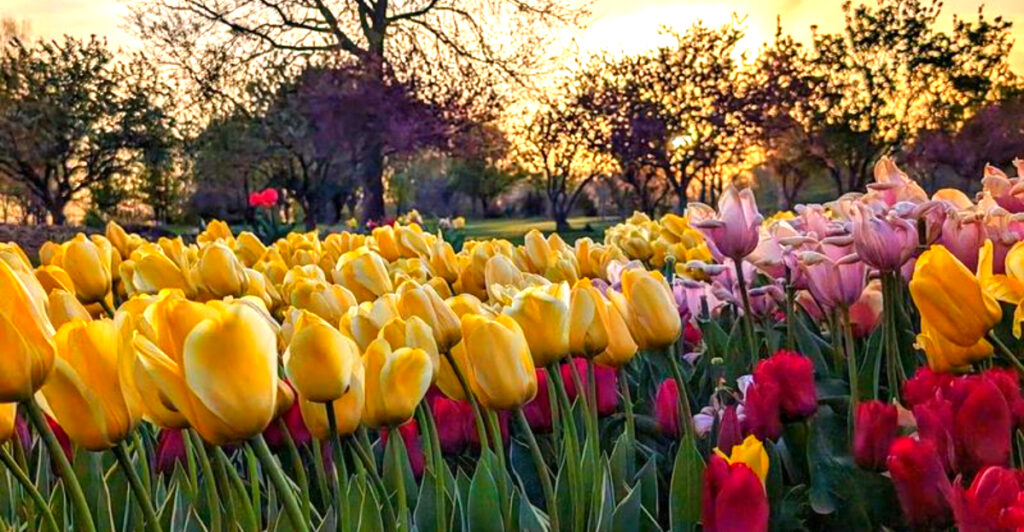
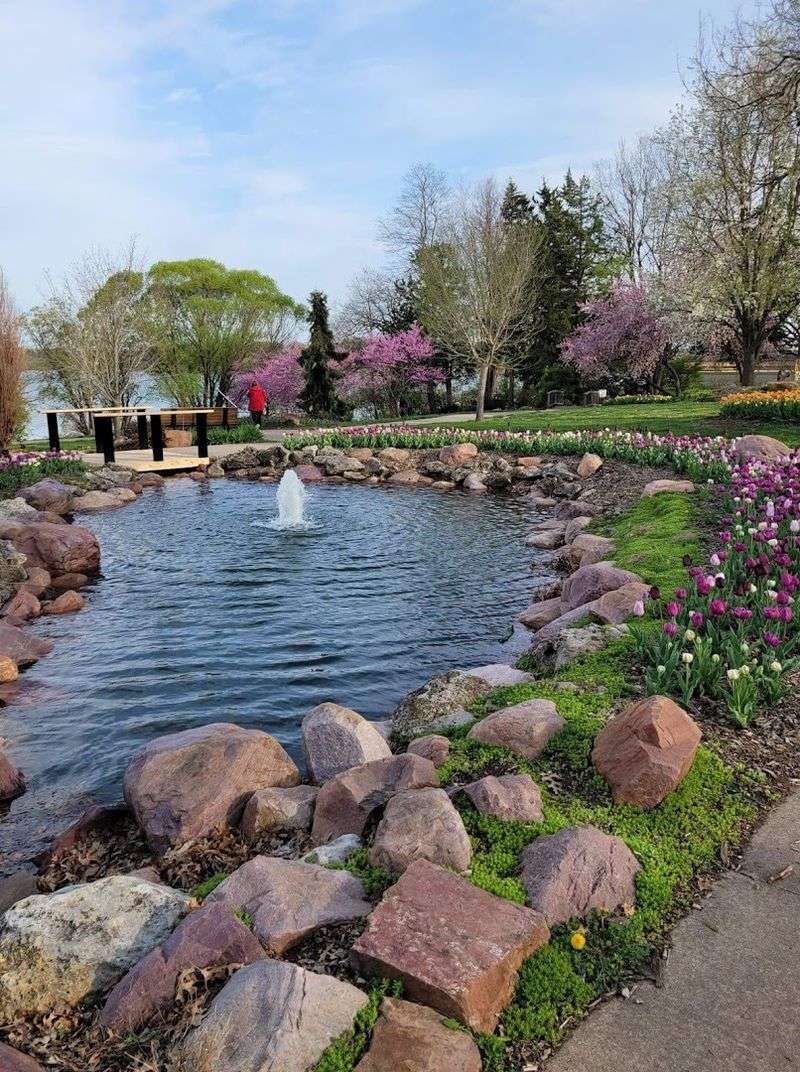
Every April, the gardens undergo a transformation that is hard to describe without sounding like you are exaggerating. Horticulturists and volunteers plant over 100,000 tulips each year, and when they all open at once, the effect is genuinely staggering.
The Tulip Time Festival has been recognized as a Top 100 Event for Groups, which gives you a sense of the scale of attention it attracts.
Local vendors set up near the parking lot during the festival, and the atmosphere takes on a festive energy that feels different from the garden’s usual calm. Families arrive early, photographers claim their favorite angles, and the tulip beds shift from one color combination to the next as you move through the grounds.
Timing your visit for peak tulip bloom requires a little research, since the exact window varies by year depending on spring temperatures. Checking the Shawnee County Parks website or social media in late March will give you the best chance of catching the display at its most spectacular.
The Arboretum and Its Rare Tree Collection
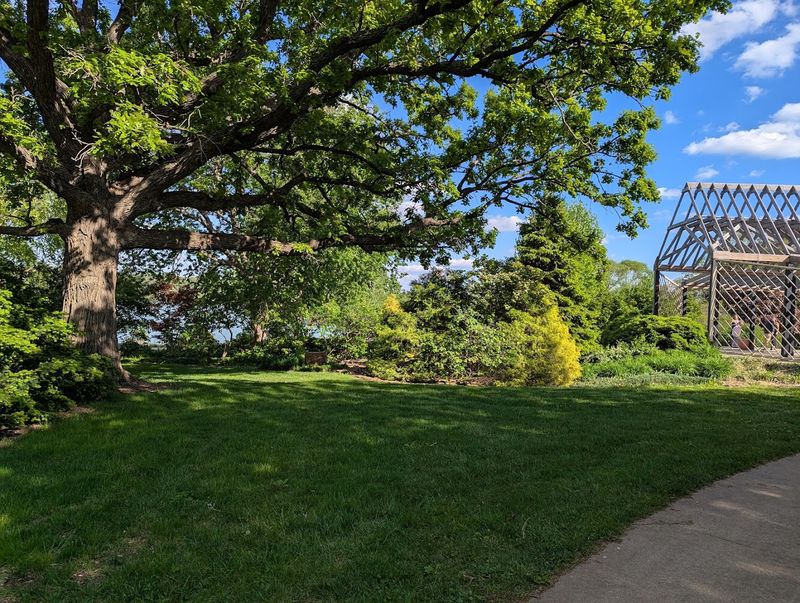
Most visitors come for the flowers, but the tree collection here is quietly impressive on its own terms. The arboretum and trellis area showcases around 450 trees representing between 87 and 120 distinct varieties, and several of those species are genuinely uncommon in Kansas.
The labeled specimens make this section feel almost educational without being dry about it. You can spend a half-hour just reading the tags and discovering trees you have never encountered before, some with dramatic bark textures, others with unusual leaf shapes or unexpected seasonal color.
For anyone with even a passing interest in woody plants, this part of the garden offers something that most botanical spaces in the region simply cannot match. The trees also provide practical benefits for visitors, creating canopy shade over sections of the path that would otherwise bake in the midday sun.
The arboretum rewards a second or third visit as the trees shift through their own seasonal changes throughout the year.
Water Features, Rock Gardens, and Moving Sounds
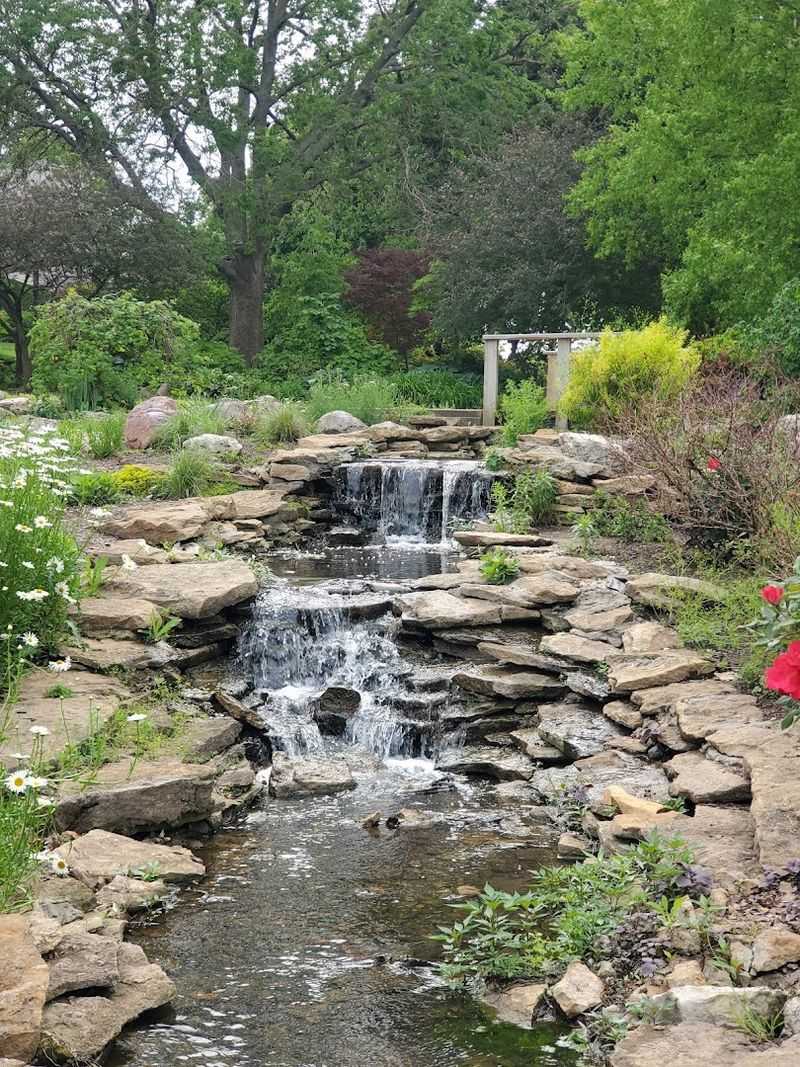
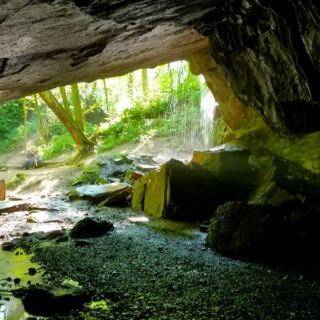
Water does something specific to a garden visit that plants alone cannot replicate. The water and rock gardens at Ted Ensley bring movement and sound into the experience, and the combination of carefully arranged stone with flowing water creates sections of the garden that feel almost entirely separate from the rest.
The rock garden in particular demonstrates a level of horticultural craft that takes years to develop properly. The plant selection here favors species that thrive in rocky, well-drained conditions, and the arrangement looks naturalistic rather than constructed, which is harder to achieve than it sounds.
Small waterfalls punctuate the paths with sound at unexpected moments, and the effect is consistently refreshing, especially on a warm afternoon. These features also attract birds and insects, which adds another layer of life to an already busy garden.
The water and rock sections are among the most photographed areas of the entire property, and it is easy to understand why once you see them in person.
Lake Shawnee as a Living Backdrop
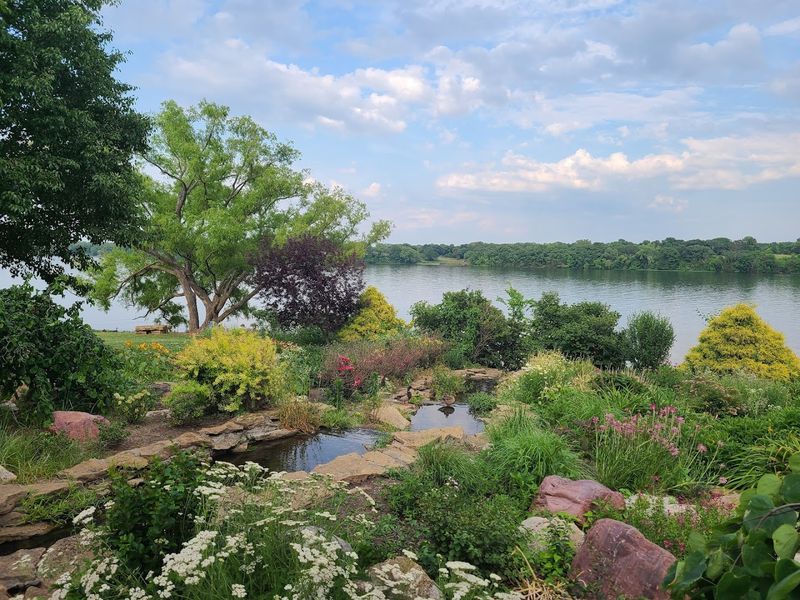
The garden’s relationship with Lake Shawnee is one of its most distinctive qualities. The grounds hug the western shoreline, and the lake appears as a backdrop, a view, and an ambient presence throughout the entire visit.
The path along the lake edge offers some of the best sitting spots in the whole garden.
Benches face the water at regular intervals, and the combination of flower color, open water, and sky creates a visual depth that makes the garden feel larger than its 37.5 acres. Early evening visits are especially rewarding when the light goes golden and the lake surface picks up the color of the sky.
The proximity to water also moderates the temperature slightly on hot days, and the breeze coming off the lake is one of those small physical pleasures that visitors mention again and again. The lake is not just scenery here; it is genuinely part of the experience in a way that elevates the whole garden above what it would be without it.
Accessible Paths and Practical Details Worth Knowing
Free admission is the first practical detail that surprises most first-time visitors, but it is far from the only one worth noting. The gardens are open daily from 6 AM to 11 PM, which means early morning visits before the crowds arrive are entirely possible and genuinely rewarding.
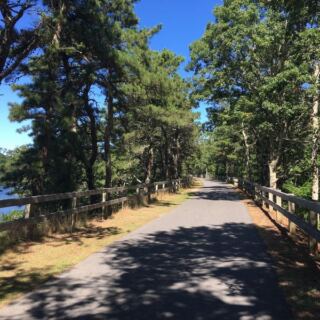
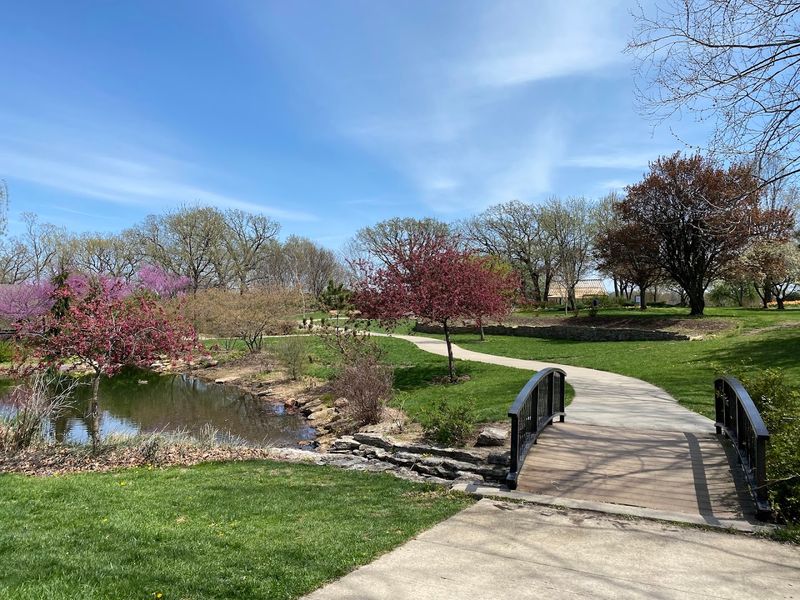
Paved walking trails run throughout the property, and an ADA-accessible deck ensures that visitors who use wheelchairs or strollers can navigate the space comfortably. The bathrooms are clean and well-maintained, which matters more than it sounds when you are spending a full afternoon outdoors.
Parking is free and spacious enough to handle busy festival weekends without turning into a logistical headache. The garden also welcomes leashed pets, so four-legged family members are part of the equation too.
For anyone planning a longer outing, the surrounding Lake Shawnee park offers a seven-mile biking loop, picnic shelters, and a fishing pond reserved for youth and senior visitors.
Every Season Has Its Own Argument
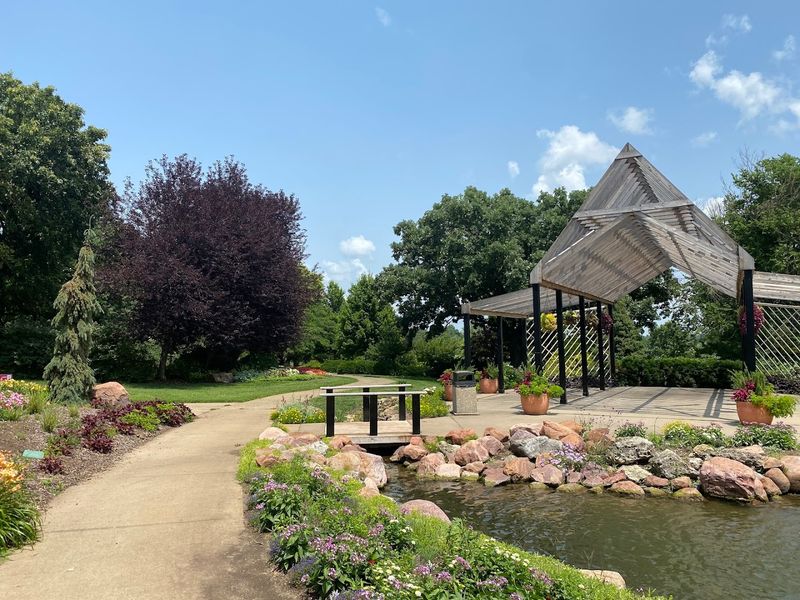
Spring gets most of the attention thanks to the tulip festival, but the gardens make a convincing case for every season on the calendar. Summer brings the daylily collection into full performance, with hundreds of varieties blooming in overlapping waves from late June through August.
Autumn shifts the mood entirely, trading spectacle for something quieter and more contemplative. The tree canopy changes color above the perennial beds, and the late-season grasses and seed heads add a textural richness that photographs beautifully in low-angle light.
Even a December visit, as some regulars have discovered, reveals the garden’s bones in a way that peak season never quite allows. The structural elements, the covered bridge, the pagoda, the rock arrangements, all read more clearly when the foliage pulls back.
The garden’s design holds up in every season, which is the mark of a space that was planned with genuine care rather than just planted for a single impressive moment each year.
Why This Place Keeps Pulling People Back
A 4.8-star rating from nearly 900 visitors is not an accident. The gardens earn that score through a combination of consistent maintenance, genuine variety, and an atmosphere that manages to feel both curated and relaxed at the same time.
People return here for different reasons. Some come back specifically for the tulip season, others for the quiet of a Tuesday morning walk, and others simply because the combination of lake, flowers, and free admission is too good to pass up on a free afternoon.
The garden accommodates all of those motivations without prioritizing one over another.
There is also something about the scale that works in its favor. At 37.5 acres, the garden is large enough to feel like a genuine destination but compact enough to explore fully in a single visit.
That balance is rare, and it is probably the single biggest reason why first-time visitors so consistently become repeat ones. Ted Ensley Gardens is the kind of place that earns a permanent spot on your local rotation.
Share this story