 Unearth The Voyage
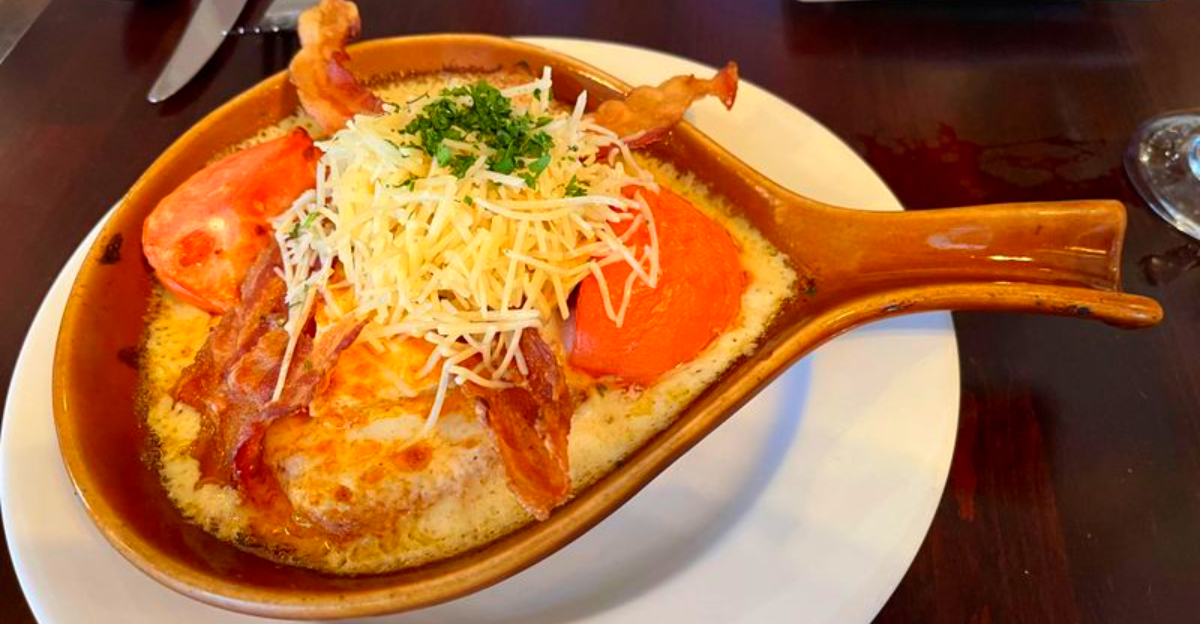
Bacon pops under the broiler before you notice the room. At The Brown Hotel Restaurant, Hot Browns land on white linen with their Mornay just starting to blister, steam rising into the marble light.
This is lunch as it’s been done since 1926 – ritual, noise, conversation – and the kind of place where Louisville explains itself without trying.
The Lobby’s First Impression: Marble, Brass, And A Hint Of Bourbon
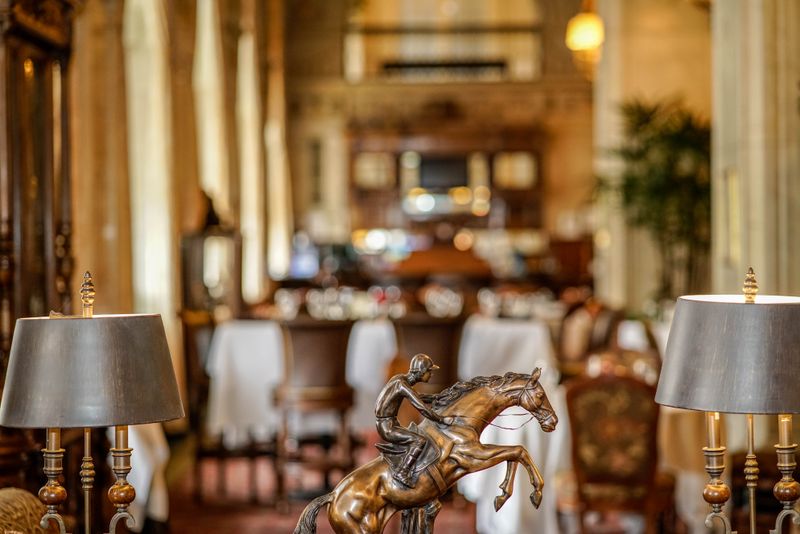
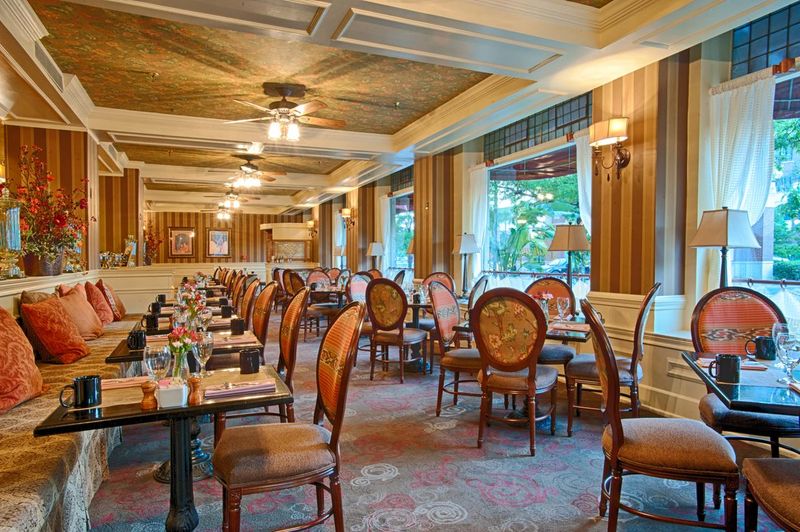
The first breath inside brings cool marble, floor polish, and a trace of wood smoke drifting from the kitchen. Brass rails gleam, the ceiling filigree catching soft light that flattens outside noise.
A pianist spills an old standard, and conversation drops into that warm, mid-city hush where locals lean in and visitors sit up straight.
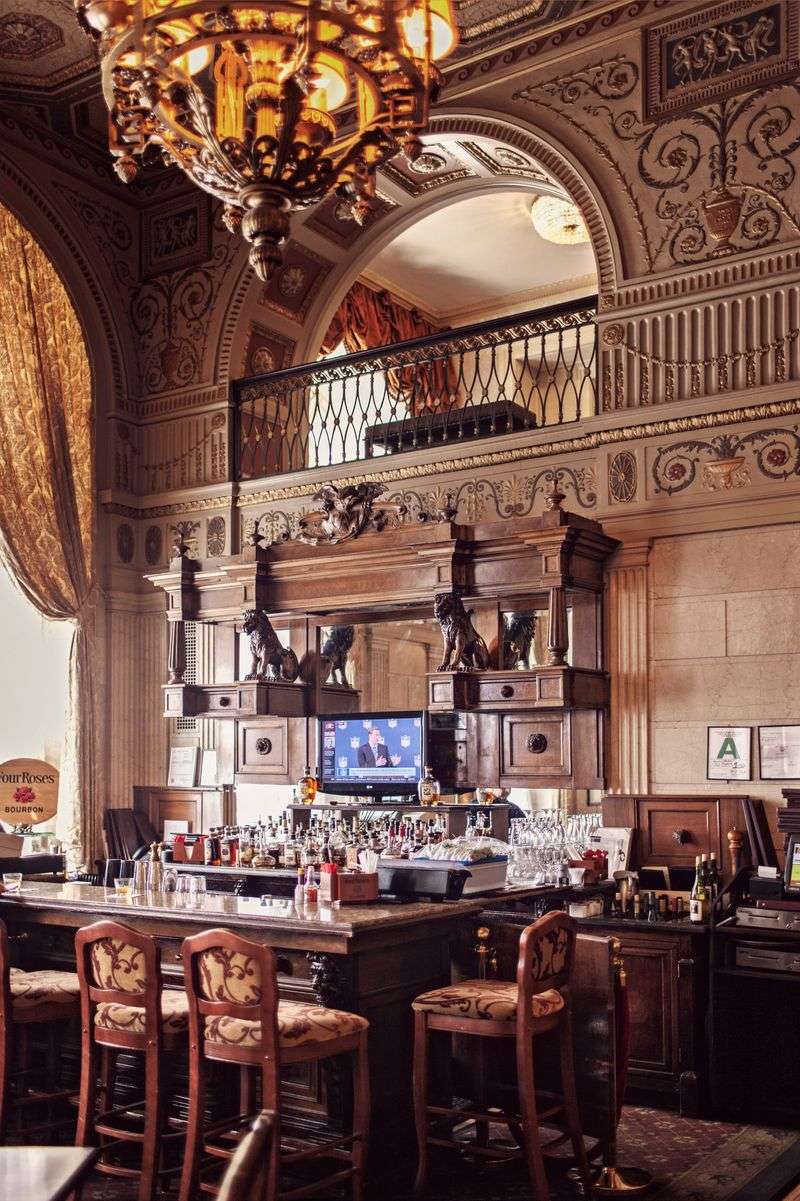
Host stand to the left, glassware chiming like ice cubes. You catch a flash of copper from the bar, a julep tin frosted hard.
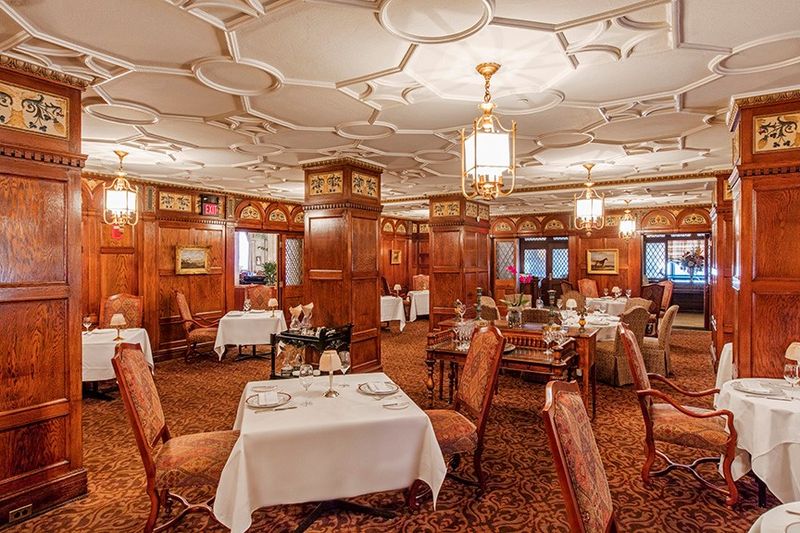
Tables are anchored by white linen and precise silver, a set piece that makes the first sip taste cleaner and the first bite feel earned.
Service moves with confident triangles, eyes scanning, napkins refolded the second you stand. The room reads you quickly: curious appetite, limited time, or long evening.
You are guided, never rushed, and the place feels older than your worries, younger than your hunger.
A 1926 Story Still Hot Under The Broiler
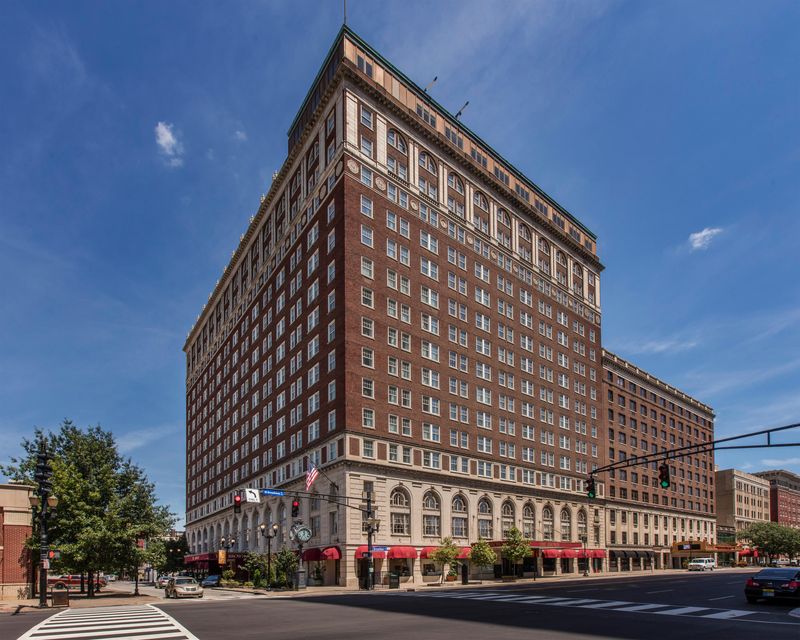
Late nights in 1926, the ballroom upstairs emptied like a shaken snow globe. Dancers asked for something more than eggs, and Chef Fred K.
Schmidt answered with theater. Toast, turkey, tomatoes, bacon, Mornay, then the broiler’s kiss.
Nearly a century later, the hotel reports roughly 68,000 Hot Browns served each year, a number that explains the steady line of ramekins and the quiet efficiency of the pass. That statistic is not noise.
It is repetition made beautiful, a city keeping time with a sandwich.
You taste the past because the technique has not softened. The sauce still thickens low and slow.
The broiler still risks burn for flavor. If trends matter, they pass like guests; the Hot Brown remains, exactly where it started, still daring midnight to order seconds.
Decoding The Mornay: Texture, Heat, And Restraint
The Mornay carries the room. It arrives satin-slick, then tightens under heat until bubbles freckle the surface.
Grain is the enemy, and you do not find any. Spoon it solo and you get dairy sweetness, salt in check, nutmeg whispering like sawdust on a violin bow.
Under broil, it blisters at the edges, tiny bronze freckles dotting the cream. That caramelized line is where flavor hides.
The sauce never drowns the toast, it coats it, like a good coat should: warm, measured, tailored.
Balance matters. Bacon brings snap and smoke, tomato a small sun, turkey a grounding, clean chew.
Together, the sauce becomes glue, voice, and stage light. You finish faster than planned, then slow down, letting the last streak cool so it thickens again, second texture, same comfort.
Where To Sit: Counter, Banquette, Or Piano’s Reach
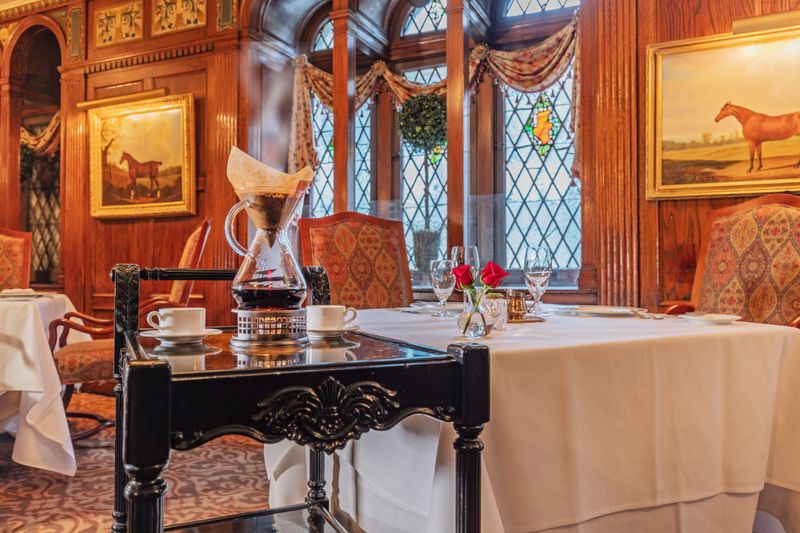
If you want the show, ask for a line of sight to the pass. Plates lift, servers pivot, and you learn the rhythm of a kitchen without leaving your chair.
For conversation, a corner banquette catches warm light and blocks the door’s draft.
Close to the piano, you taste slower. Notes fold into the sauce, and time loosens like a tie.
At the counter, solo diners get unspoken camaraderie: nods, shared glances, a quick quip from the bartender about derby pie.
Anywhere you land, the linens help. They quiet cutlery, frame plates, and make even water taste deliberate.
You are not hiding from the city here. You are staging a pause in it, and choosing your seat decides the mood of the pause.
Ordering The Original Hot Brown
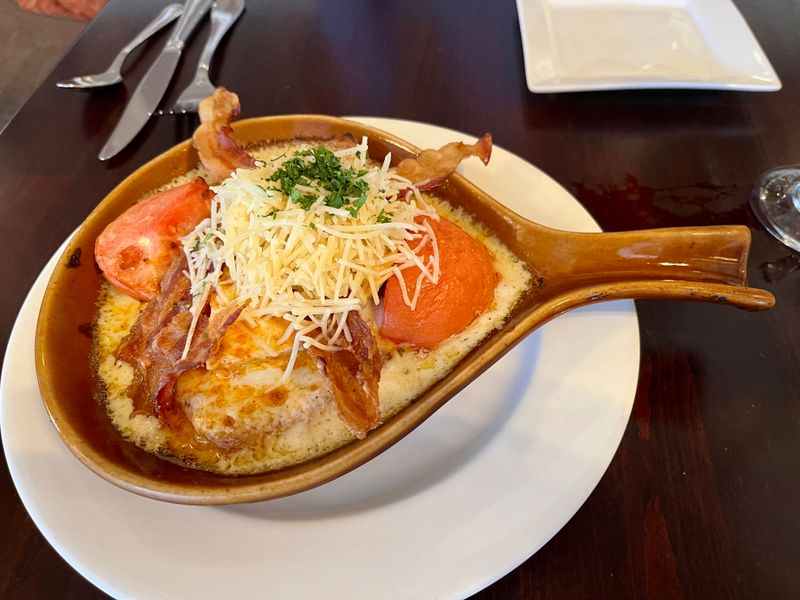
You say yes to the Hot Brown, because not saying yes would be missing the point. The server nods like you passed a small test and asks about pacing.
There is a hum from the broiler in back, and you picture the Mornay tightening, blistering, turning gravity into appetite.
When it lands, the plate radiates. Turkey is hand-carved, still juicy, layered on toast that barely keeps its shape.
Tomatoes flash bright, bacon snaps clean, and the sauce smells like warm library books and buttered snow.
Take a corner first. The cheese clings, then loosens, threading back to the fork.
Salt from bacon, sweetness from cream, a low nutmeg breath. You stop talking for a beat because the sandwich asks you to listen.
What To Drink With A Hot Brown
The julep looks like winter from the outside and summer from the inside. Frost climbs the tin, mint slaps the air, and the first sip cuts through richness cleanly.
If you want structure, a low rye Old Fashioned offers citrus and oak like handrails.
For purists, two fingers of a high-corn bourbon echo the Mornay’s sweetness and the turkey’s calm. Water opens vanilla and a toasted nut edge.
You do not need many words, just a slow nod and a warm chest.
Nonalcoholic does not mean timid. A tall ginger ale with crushed ice brings lift.
Unsweet tea keeps pace without arguing. Whatever you choose, hold the glass a second before sipping.
The plate is hot, and contrast is part of the pleasure.
Service Notes: Quiet Precision, Quick Rescue
Napkins are refolded the minute you stand, not as theater, but habit. Water levels hover just under the rim, and condiments never touch the heat of the plate.
You feel watched over without feeling watched, a rare line that the team walks like tightrope.
If you hesitate on the menu, they read appetite and time, not just budget. They steer you away from heavy-on-heavy pairings and toward a clean finish.
It is not pushy. It is practiced empathy.
When the broiler sends out a plate a touch too bronzed, the rescue is fast. A swap appears with an apology that lands softly.
You do not lose your place in the meal. You gain trust you did not know you wanted.
Beyond The Headliner: Sides, Salads, And A Derby Pie Exit
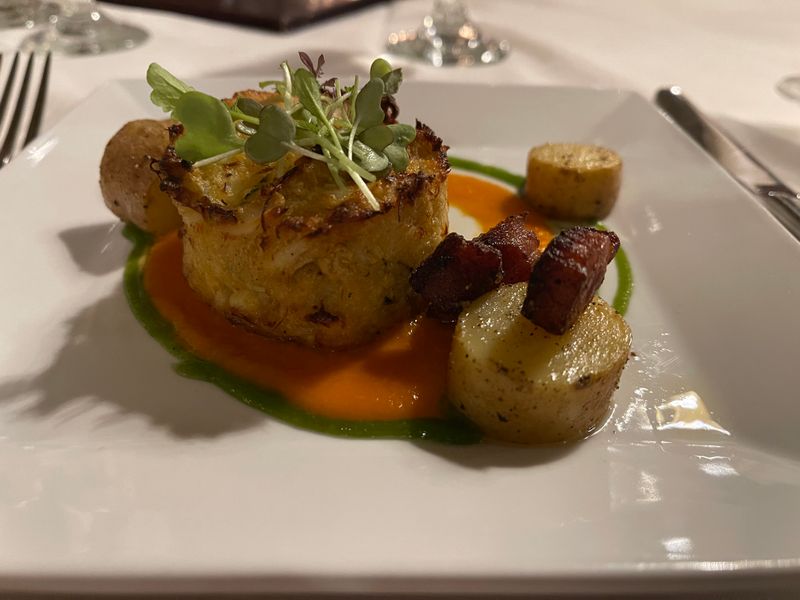
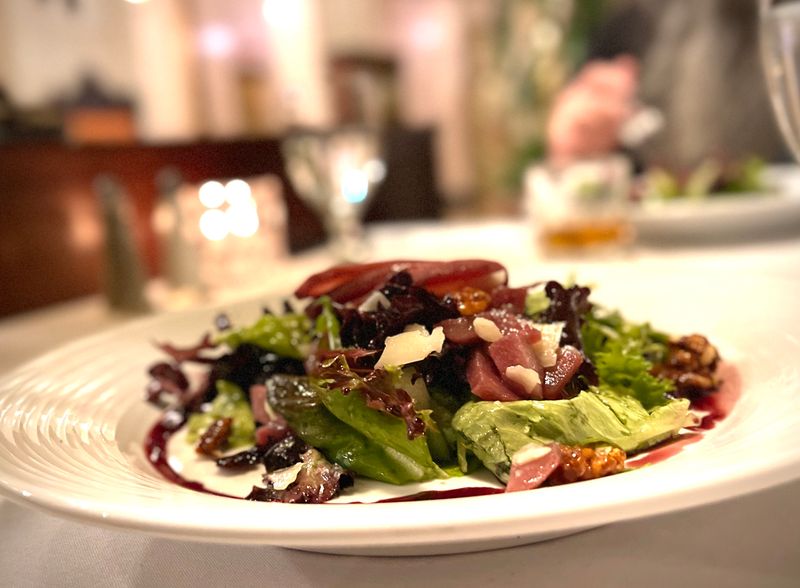
Yes, order the Hot Brown. But start crisp: a wedge salad that crunches like fresh snow, buttermilk dressing stitched with pepper.
Brussels hit the pan hard, edges charred, little coins of bacon turning smoky-sweet.
Fries arrive in a cone, steam puffing, salt shining. They are a simple counterweight, potatoes doing their honest work.
If you split the sandwich, the sides let you pace without losing heat or momentum.
Derby pie seals it. The chocolate and walnut density carries bourbon like a secret, the crust clean, the whip barely sweet.
One fork each is cute. Two forks are wiser.
You leave with that last buttery flake sticking to your memory like a ticket stub.
Timing Your Visit: Brunch Glow Or Dinner Brass
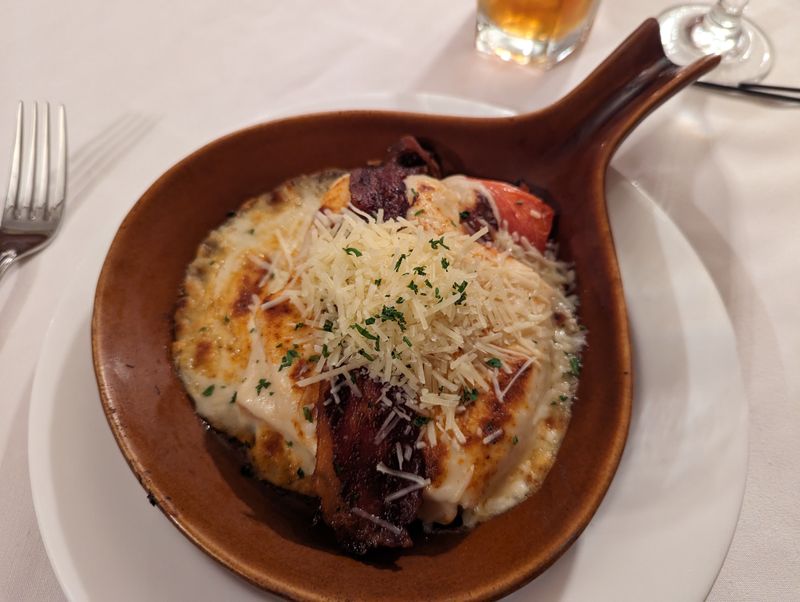
Brunch light pours across marble and makes the Mornay look like morning snow. Coffee smells anchor the room, and conversations slide into lazy paragraphs.
If you want photographs, brunch flatters every plate and face.
Dinner brings brass tones and piano. The sauce bubbles louder against the quieter room, and bourbon behaves like a second course.
You are dressed a notch sharper, posture included.
Weekends spike energy, but weekdays let you linger. If you are pairing with a show at the Brown Theatre, plan ninety minutes.
The Hot Brown deserves unhurried heat, and your table deserves a second round of something cold.
Practical Tips: Ordering, Splitting, And The Takeaway Box
If you are hungry but curious, split one Hot Brown and add two sides. That keeps heat central and fatigue distant.
Ask for extra plates early so the server can time the broil to your pace.
The sandwich travels better than you expect, but the broil magic softens. A sturdy box helps, and a quick toast at home revives edges.
Do not microwave. Gentle oven heat coaxes the sauce back without scolding it.
For first timers, sit where you can watch plates leave the pass. Copy the happiest table’s order.
And remember, Louisville measures hospitality in refills and seconds, not speed. You are allowed to linger until the last bubble fades.



