 Unearth The Voyage
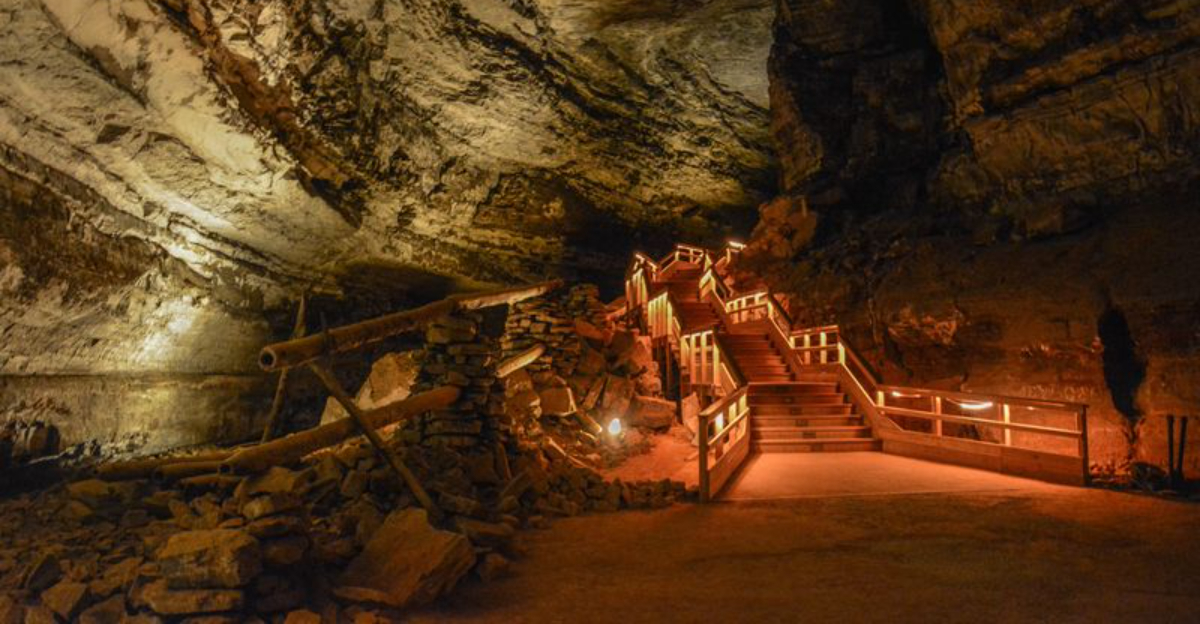
Step beneath Kentucky’s quiet hills and you will enter a world so vast it defies imagination. Mammoth Cave is the planet’s longest known cave system, a labyrinth where new discoveries still unfold in the dark.
Whether you love science, history, or just the thrill of the unknown, this place pulls you in and keeps you curious. Ready to explore what makes it extraordinary and why so much remains untold?
World’s longest known cave system
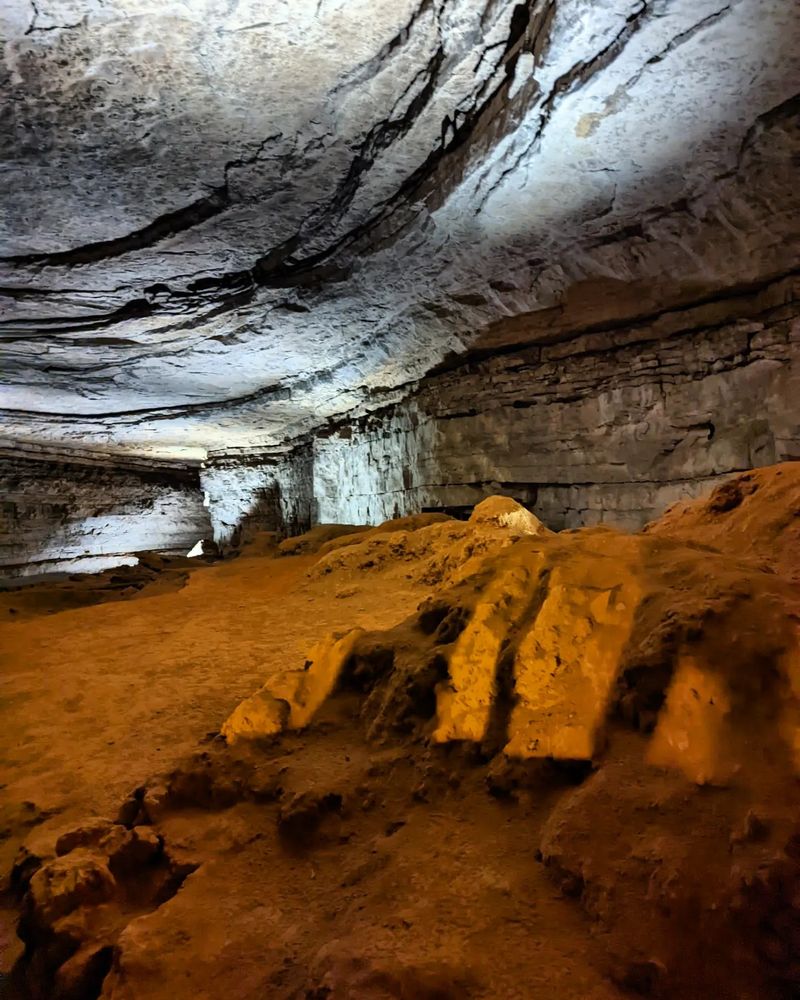
Imagine walking through an underground network that keeps stretching beyond the beam of your headlamp. Mammoth Cave holds more than 426 miles of mapped passages and counting, dwarfing any other known cave system on Earth.
You sense the scale in the echo of your footsteps and the way the darkness swallows distance.
As you pass through corridors, gypsum flowers sparkle and limestone walls tell a slow geologic story. Survey flags mark routes where teams carefully measure each bend and crawlway.
The immensity is not just length but complexity, with multi level passages and hidden junctions.
There is a humbling feeling that what you see is only a fraction of what exists. When you visit, guided tours reveal grand rooms and tight squeezes that hint at endless side trips.
It is a superlative that lives up to the name Mammoth.
Still actively explored
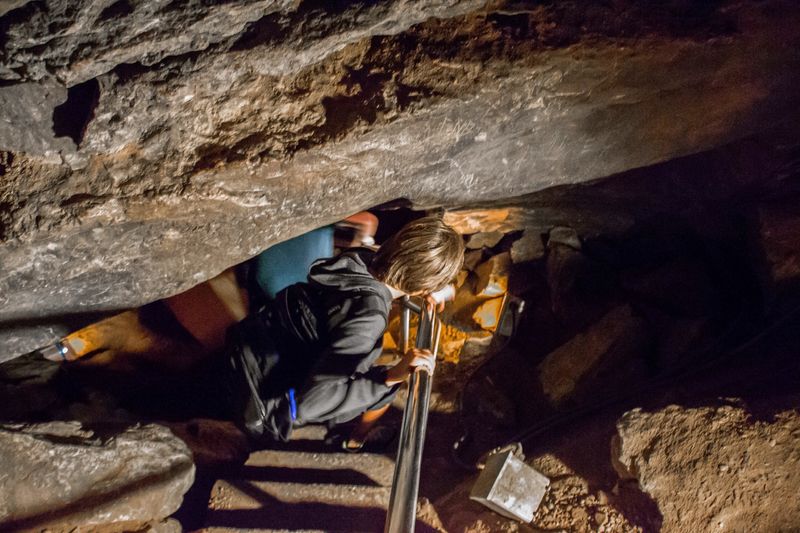
Even with hundreds of miles mapped, new connections keep turning up in Mammoth Cave. Skilled survey teams crawl, rappel, and wade through muddy sumps to link separate branches.
You can picture the patient method: measure, sketch, confirm, repeat, all while protecting fragile formations.
Explorers often return to known leads with fresh eyes and better tools. One small hole becomes a breakthrough, revealing a trunk passage beyond a tight pinch.
Each new survey adds to a digital model, refining how air, water, and rock interact underground.
It is thrilling knowing the map is still unfinished. That sense of discovery is contagious when rangers share recent finds on tours.
While most visitors travel safe, established routes, the knowledge of ongoing exploration makes every drip and draft feel like a clue to deeper mysteries.
A U.S. National Park
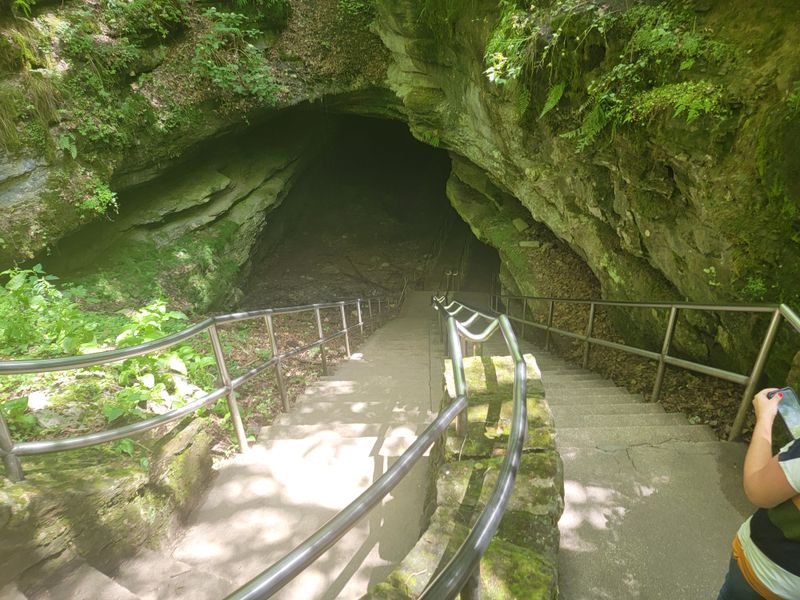
Mammoth Cave National Park was established on July 1, 1941, protecting an extraordinary underground world and the green landscape above it. When you arrive, the brown and tan park sign feels like a doorway to deep time.
The park service balances access with preservation, guiding visitors into safe sections while safeguarding delicate areas.
Becoming a national park set a standard for scientific research and public education. Rangers interpret geology, wildlife, and human history in ways that connect you to the cave’s stories.
Regulations limit impact so future generations can experience the same sense of wonder.
At the visitor center, exhibits introduce formation processes, early exploration, and current mapping. Trails and campgrounds invite you to linger, not just rush underground.
Being part of the national park system means this place has a mission bigger than tourism: protect, study, and share a one of a kind resource.
UNESCO World Heritage Site
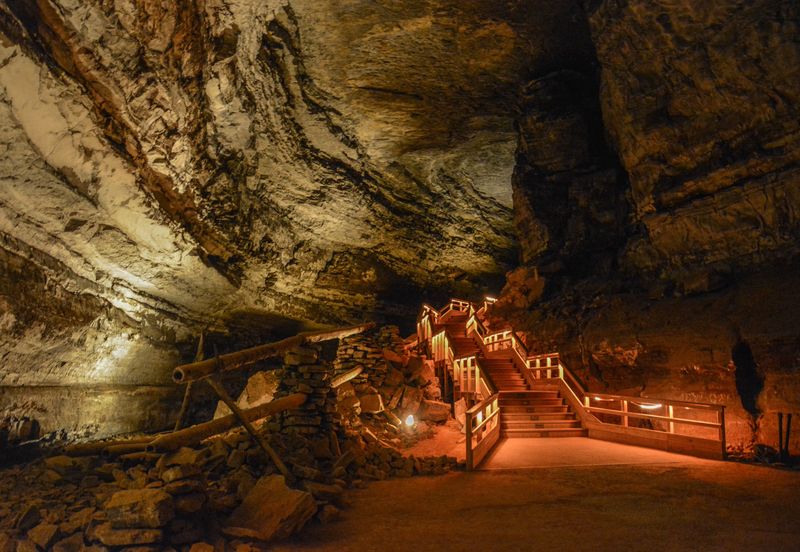
UNESCO recognized Mammoth Cave as a World Heritage Site in 1981, and that international stamp matters. It tells you this cave’s value is not just regional or national, but universal.
The designation highlights both geological significance and the biodiversity that thrives in darkness.
When a place enters the World Heritage list, it commits to global standards of conservation. Scientists collaborate across borders, sharing methods to protect rare habitats and cultural remains.
You benefit from improved research, interpretation, and careful visitor management.
Walking the passages, you feel that global weight. The silence is not empty, it is full of responsibility and respect.
With each drip echoing off limestone, you are visiting a site that the world has agreed to treasure, study, and pass forward intact.
International Biosphere Reserve
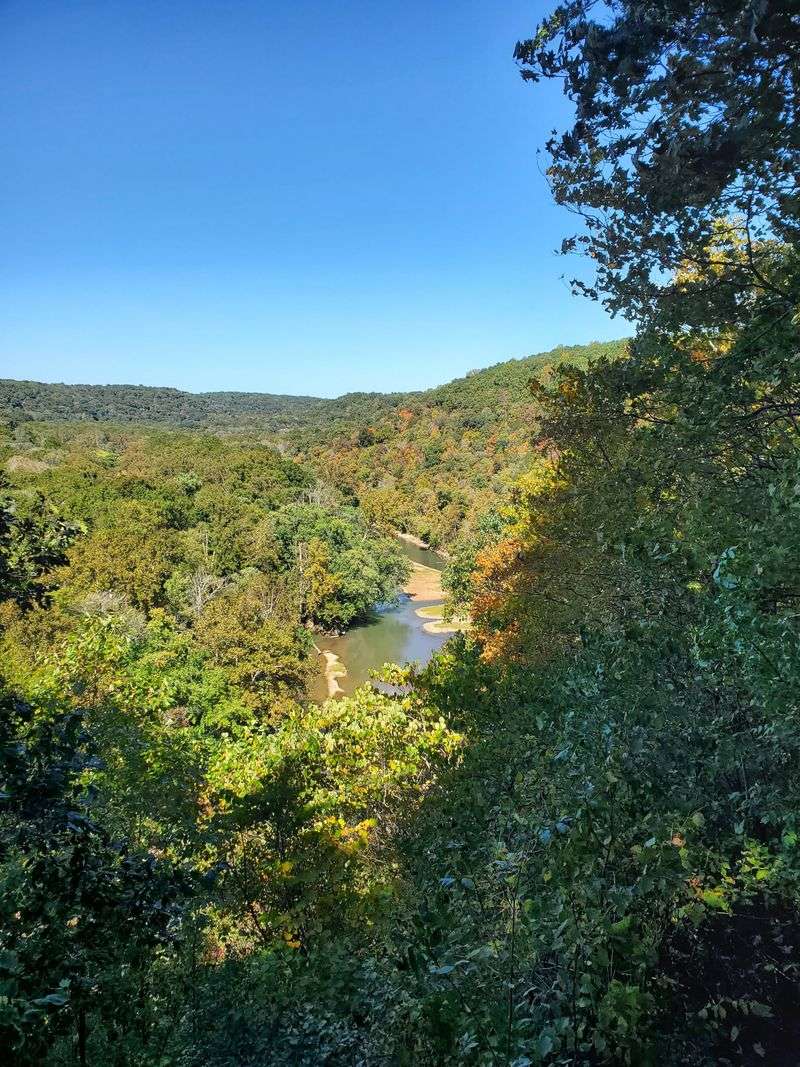
The park is also part of an International Biosphere Reserve, underscoring its role in conservation and science. That label emphasizes how surface forests, rivers, and caves function together.
You begin to see the whole system, not separate attractions.
Biosphere Reserves focus on learning how people can live sustainably alongside sensitive environments. In Mammoth Cave, that means monitoring water quality, studying bat populations, and managing tourism.
Researchers test best practices that other karst regions can adopt.
For visitors, it translates to thoughtful trails, educational programs, and a chance to witness science in action. When you cross a boardwalk over a sinkhole, it is there to protect both you and the habitat.
The reserve designation reminds you that every step on the surface echoes in the cave below.
Ancient human history
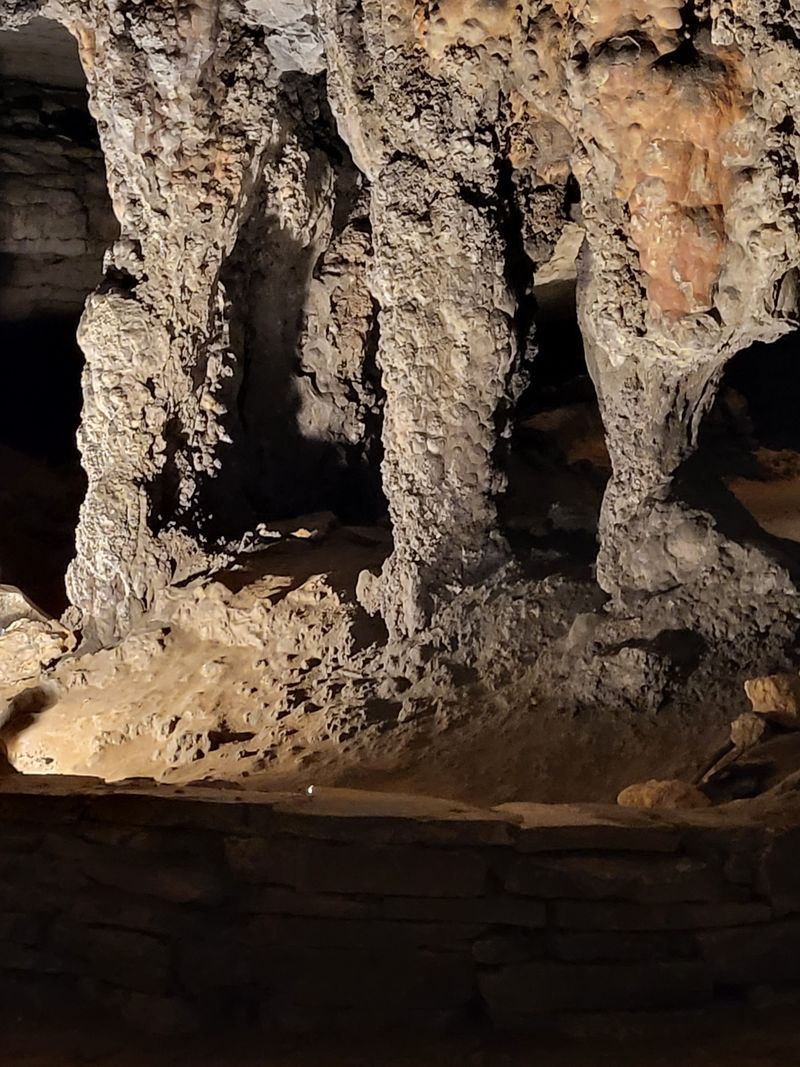
Humans have been entering these passages for thousands of years. Archaeological evidence shows Native Americans explored parts of the cave at least 5,000 years ago.
You can imagine torchlight flickering on walls as they gathered minerals and navigated by memory.
Researchers have found woven sandals, cane torches, and mining pits that reveal sophisticated knowledge of the underground. The artifacts are fragile, so only images and replicas appear on public tours.
Careful documentation honors those early explorers without disturbing the record.
Standing in the cool air, you feel a human thread connecting past and present curiosity. The idea of exploring for resources and meaning makes the darkness feel familiar.
It is humbling to realize the modern map overlays footprints from long before park boundaries or science existed.
Stephen Bishop’s mapping legacy
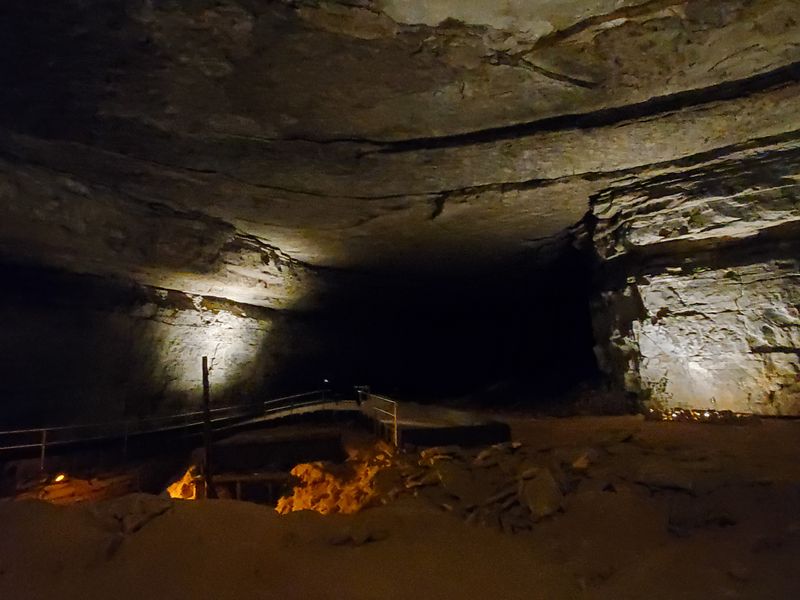
In the 1800s, Stephen Bishop, an enslaved guide, became one of Mammoth Cave’s most brilliant early explorers. He mapped sections with remarkable accuracy, naming passages and daring to cross the Bottomless Pit.
When you hear his story, the cave’s map becomes a testament to human skill and courage.
Bishop’s legacy is etched into tour routes and place names that visitors still encounter. His observations helped future surveyors make sense of complex levels.
Despite limited tools and freedom, his achievements expanded knowledge for everyone.
Learning about Bishop turns the cave into a living archive of resilience. You walk through history, not just geology.
His maps remind you that science often advances through overlooked hands, and acknowledging that truth makes the underground narrative far richer.
Limestone and water at work
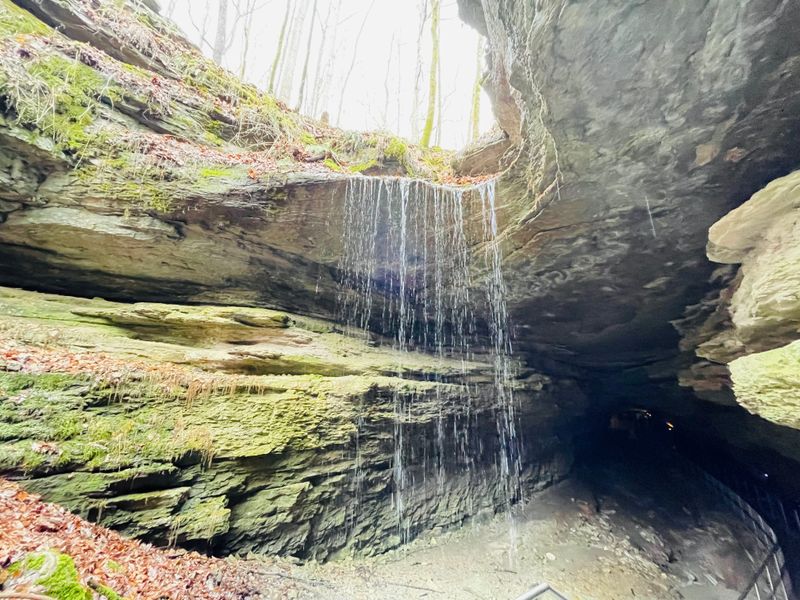
Mammoth Cave formed as acidic water slowly dissolved thick beds of Mississippian limestone. Picture rain picking up carbon dioxide from soil, turning slightly acidic, then seeping through fractures.
Over millions of years, tiny pores widened into corridors and rooms.
Geologists read the cave like stacked chapters. Different levels record past river stages and climate shifts.
When you run your hand close to a wall, you see scallops that tell the direction and strength of ancient flow.
It is patient work by nature, carving emptiness out of solid rock. The result is a maze rich with variations, from tubular passages to canyonlike slots.
Understanding the chemistry and hydrology makes every drip feel like a sculptor’s tap, still shaping tomorrow’s routes.
A park of about 52,000 acres
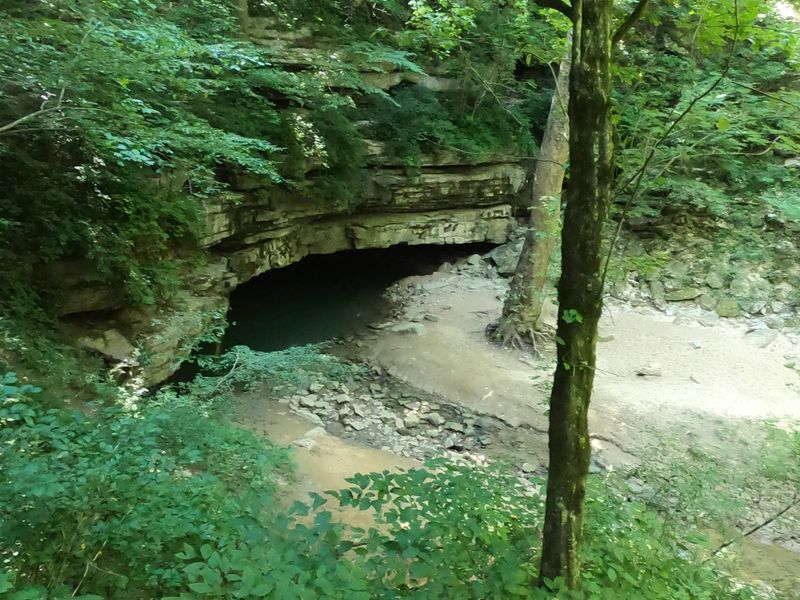
Mammoth Cave National Park spans roughly 52,007 acres across south central Kentucky. That scale matters because the cave depends on the land above it.
When you walk a ridge, you are standing on the cave’s protective roof.
Forests, fields, and small communities shape how water enters the ground. Park managers work with neighbors to keep sinkholes clean and recharge areas healthy.
You will notice signs reminding visitors that what goes on the surface can travel underground quickly.
Those acres hold campgrounds, visitor facilities, and long stretches of quiet. It is easy to find a trail where birdsong replaces traffic noise.
The size gives you room to explore without crowding, and it gives the cave room to breathe.
Green River through the park
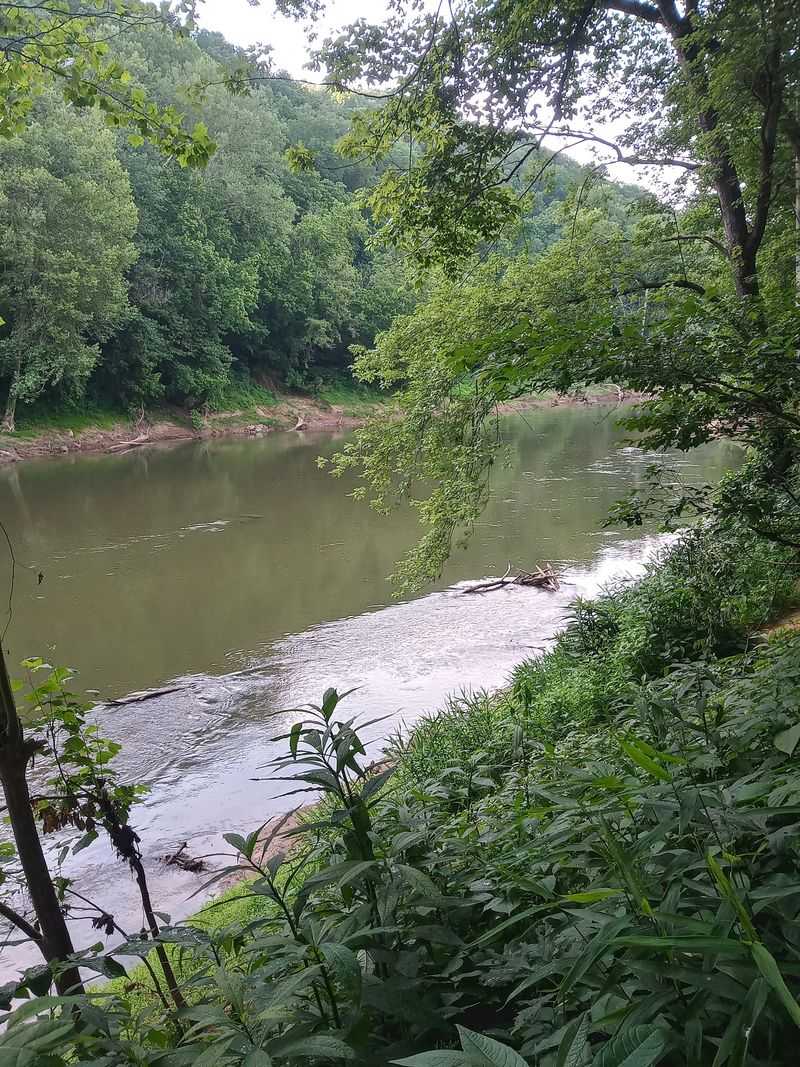
The Green River winds through the park, shaping both surface scenery and underground dynamics. Its levels influence drainage in the cave, backing water into passages during floods and drawing it down in drier times.
When you paddle or stand on a bluff, you are watching the cave’s heartbeat.
River corridors host diverse plants and animals, feeding the underground with nutrients. Fallen leaves and small organisms become food for cave life downstream.
You will spot turtles, herons, and sometimes otters along quiet bends.
For visitors, the river adds another dimension beyond limestone halls. Fishing and paddling trips reveal how the cave and surface interact.
Understanding that connection makes your underground tour feel more alive, tied to the water you see sparkling in the sun.
Beyond caves on the surface
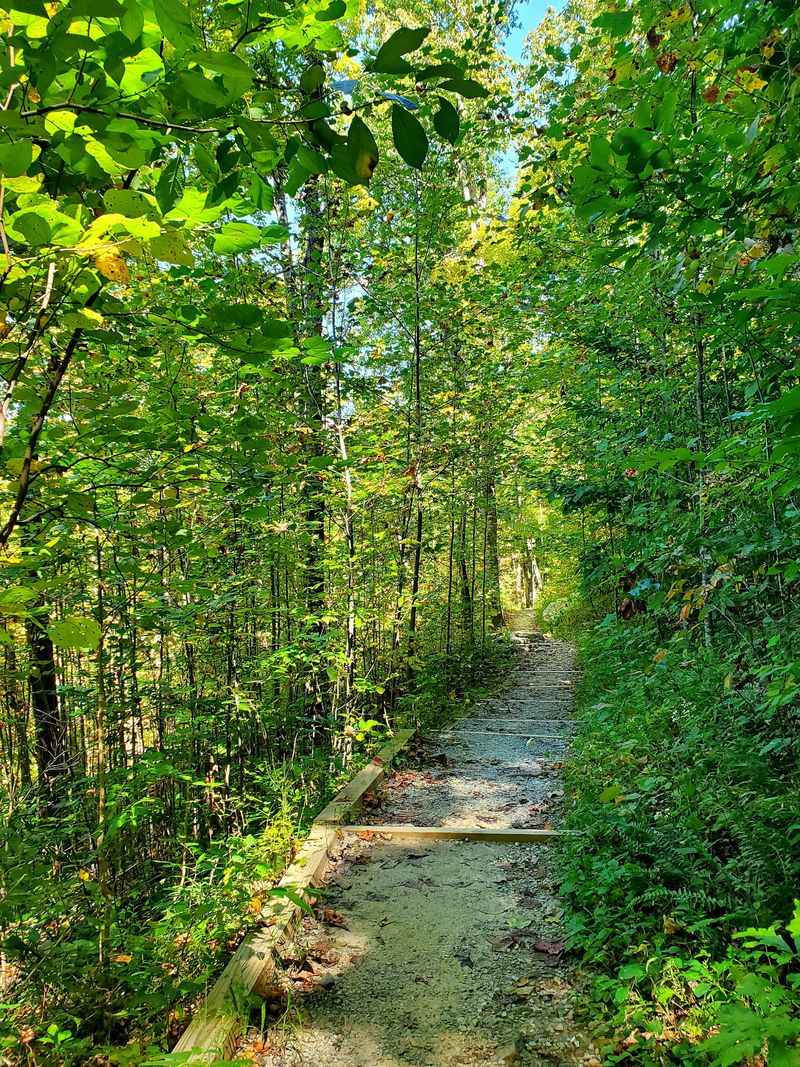
There is far more than tunnels here. The park’s surface offers hardwood forests, meadows, sinkhole plains, and quiet ridges.
You can hike, bike, ride horses, and watch wildlife without ever stepping underground.
Trails range from easy loops to longer backcountry routes with river overlooks. In spring, wildflowers blanket slopes and fill the air with color.
You might spot deer at dawn and listen to thrushes fluting through the trees.
These landscapes protect the cave by filtering water and cooling the ground. When you choose a path, you are also choosing to support the underground.
Take your time, breathe in the forest, and let the surface set the pace for your deeper journey.
Cedar Sink’s dramatic drop
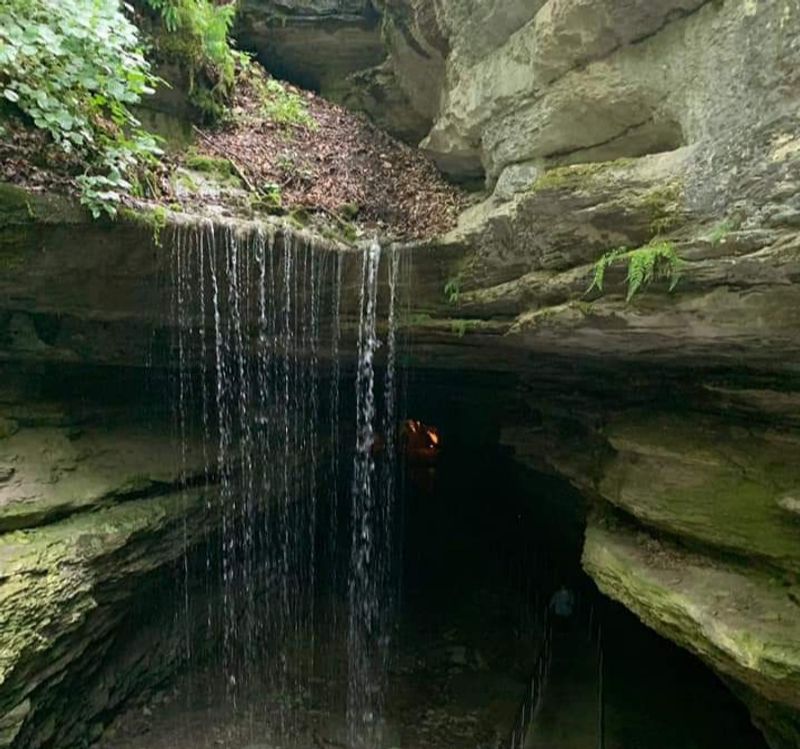
Cedar Sink is a showstopper for understanding karst terrain. It is a huge, steep walled sink with a boardwalk that carries you down to the bottom.
As you descend, layers of rock and vegetation reveal how surface water funnels into the underground.
The sink formed where cave ceilings collapsed and channels captured flow. On rainy days you can hear water coursing toward unseen passages.
It is a rare chance to stand inside a process that usually stays hidden.
Bring curiosity and sturdy shoes, because the descent and climb are part of the experience. Interpretive signs help you connect what you see to the cave’s hydrology.
By the time you reach the rim again, the ground beneath your feet feels more alive.
Constant underground temperature
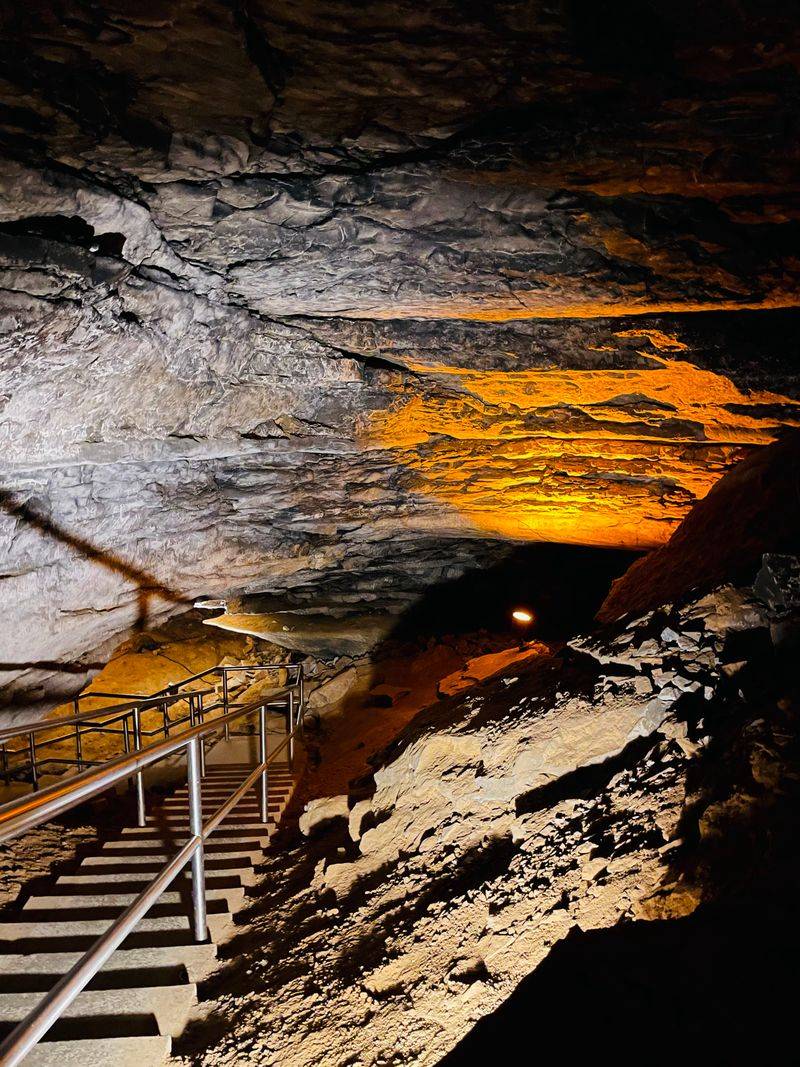
Step into Mammoth Cave and the air settles around 54 degrees Fahrenheit, about 12 degrees Celsius. That steady temperature comes from the cave’s insulating rock and limited airflow.
You feel it immediately, a cool embrace even on a sweltering summer day.
Bring a light jacket because the tours last and the chill sinks in. The consistent climate preserves fragile formations and artifacts better than the surface.
It also shapes the biology, favoring species adapted to darkness and stable conditions.
Understanding the cave’s thermostat helps you plan your visit. Hydrate, move steadily, and let your body adjust to the cool.
The comfort is part of the cave’s personality, a constant in a world otherwise shaped by flowing water and deep time.
Fossils of an ancient sea
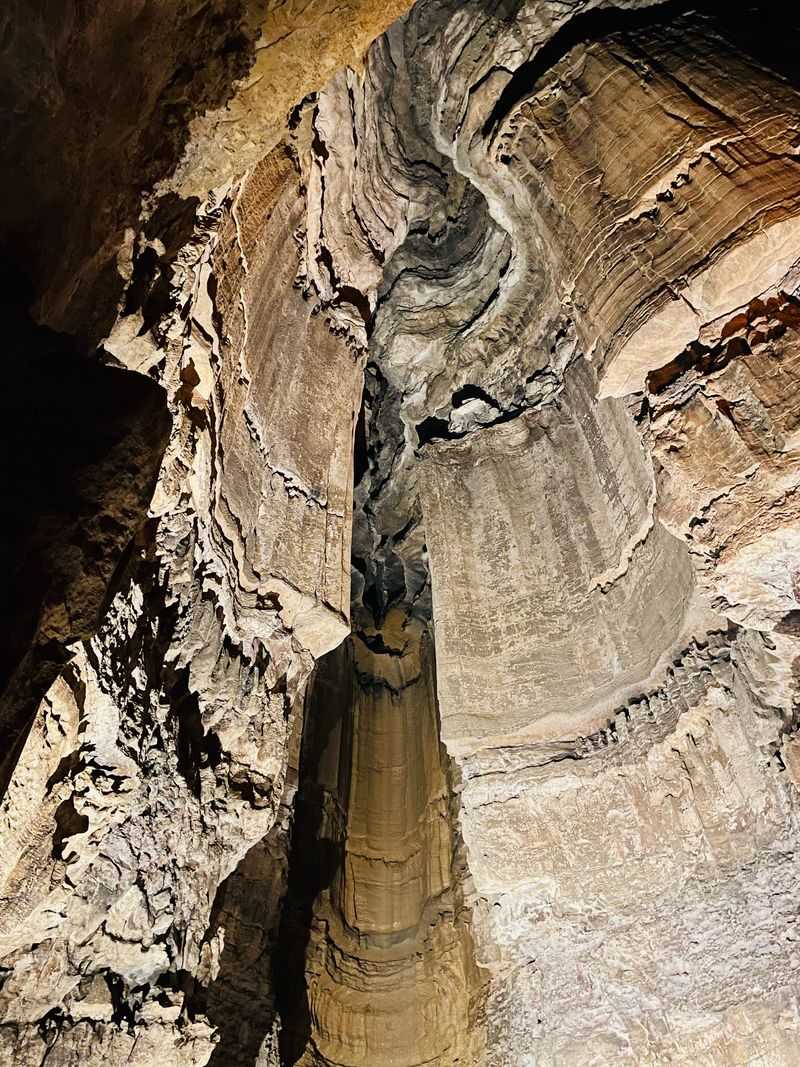
The rocks of Mammoth Cave were laid down in a shallow sea more than 300 million years ago. Fossils of marine creatures, including newly documented ancient shark species, turn the cave into a time capsule.
You are walking through what was once a seabed teeming with life.
Brachiopods, crinoids, and corals appear in limestone layers like pages in a textbook. Paleontologists piece together ecological puzzles from fragments embedded in the walls.
It is science you can almost touch, though leaving fossils undisturbed is essential.
Knowing the ocean once covered this land reshapes your sense of place. The cave is not just empty space, it is a record of vanished worlds.
That perspective makes each fossil a whisper from deep time, inviting you to imagine waves rolling where forests now stand.
Rich subterranean biodiversity
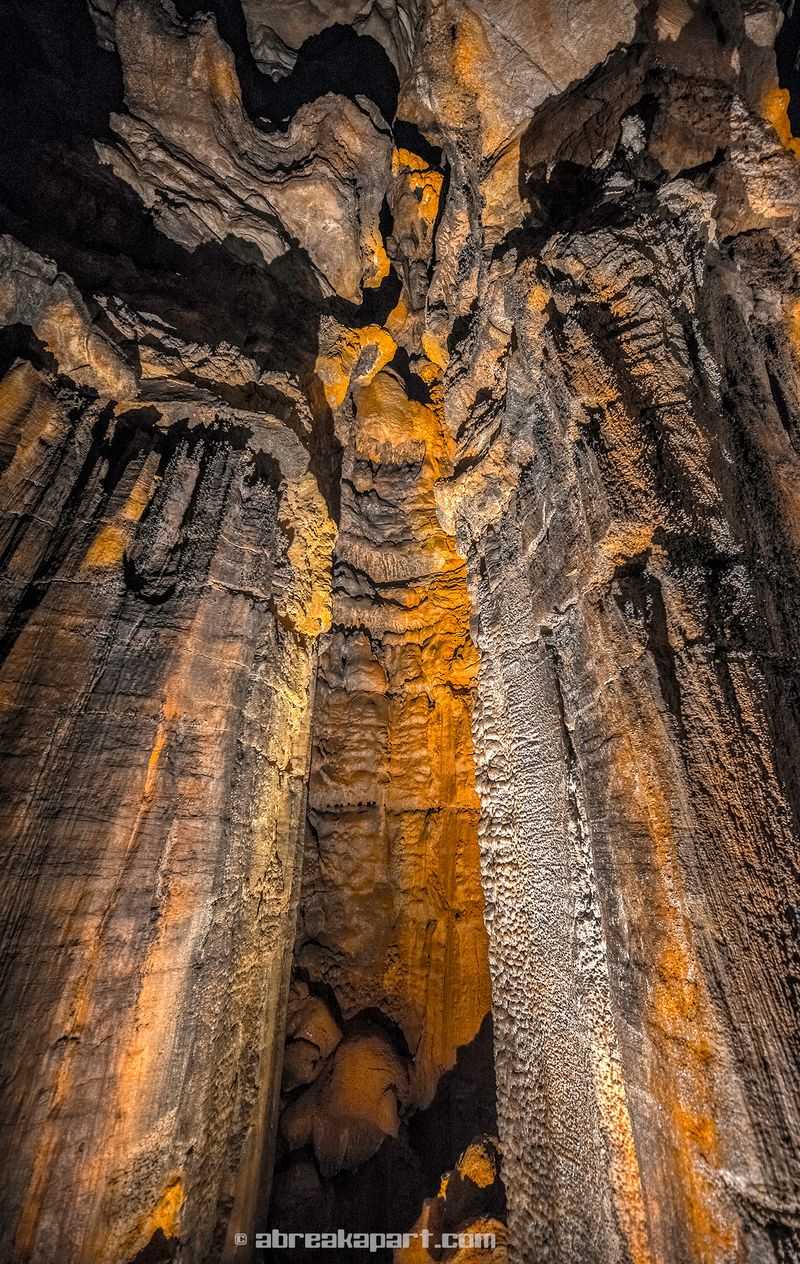
Mammoth Cave shelters a surprising array of life that thrives without sunlight. Think blind cave fish, translucent crustaceans, delicate cave snails, and colonies of bats.
When you spot movement at the edge of your light, it is often a creature perfectly tuned to darkness.
These species depend on clean, consistent water and minimal disturbance. Park scientists monitor populations, manage white nose syndrome in bats, and safeguard nutrient inputs.
Your choices matter, from staying on trails to avoiding loud noises near roosts.
Above ground, deer, wild turkeys, and migrating birds fill forests and fields. The connection between surface and cave is tight, so healthy habitats top to bottom are essential.
Watching a bat emerge at dusk ties it all together, a pulse of life rising from the earth.
Guided tours and access
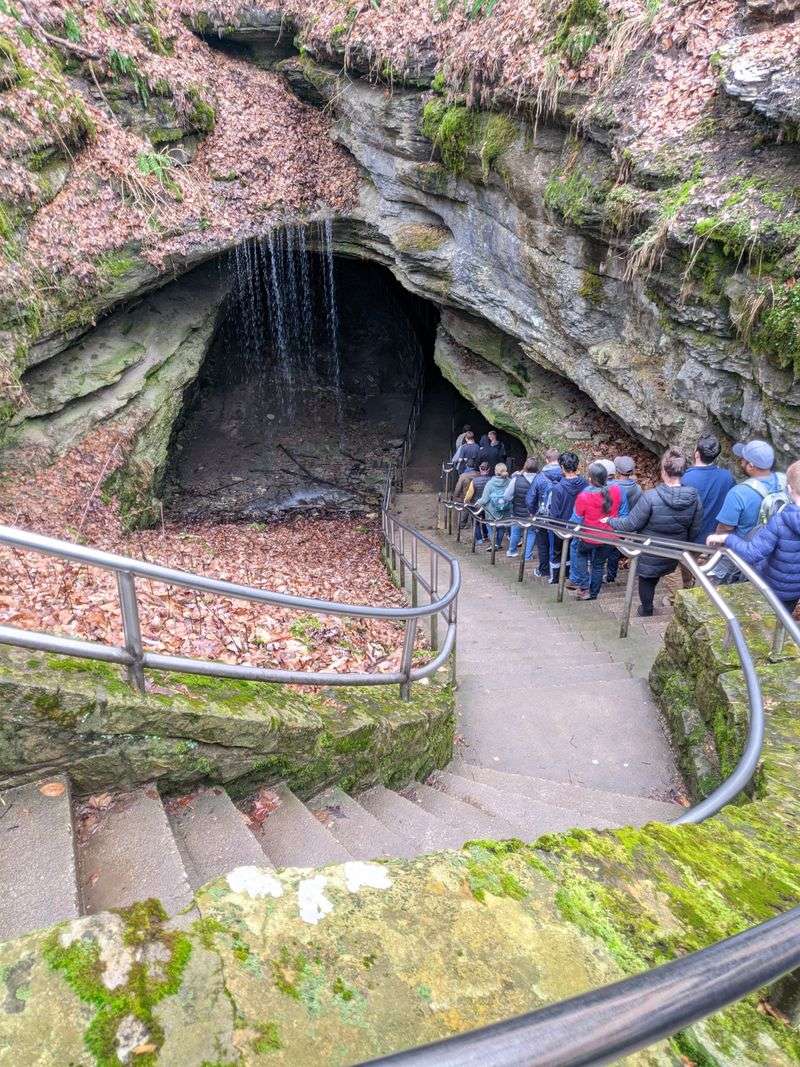
Guided tours make Mammoth Cave accessible without sacrificing safety or conservation. You can choose from easy walks in massive chambers to challenging crawls in tight passageways.
Rangers bring the cave to life with stories, science, and careful pacing.
Reservations help control crowding, so booking early is smart especially in peak seasons. Wear sturdy shoes and bring layers for the cool air.
Photography is allowed on many tours, but staying attentive to footing always comes first.
Access is designed to protect delicate features and wildlife. Railings, boardwalks, and limited group sizes reduce impact.
When you follow the guidelines, you help keep the cave wild while still getting an unforgettable view of the underground.
Leave no trace underground
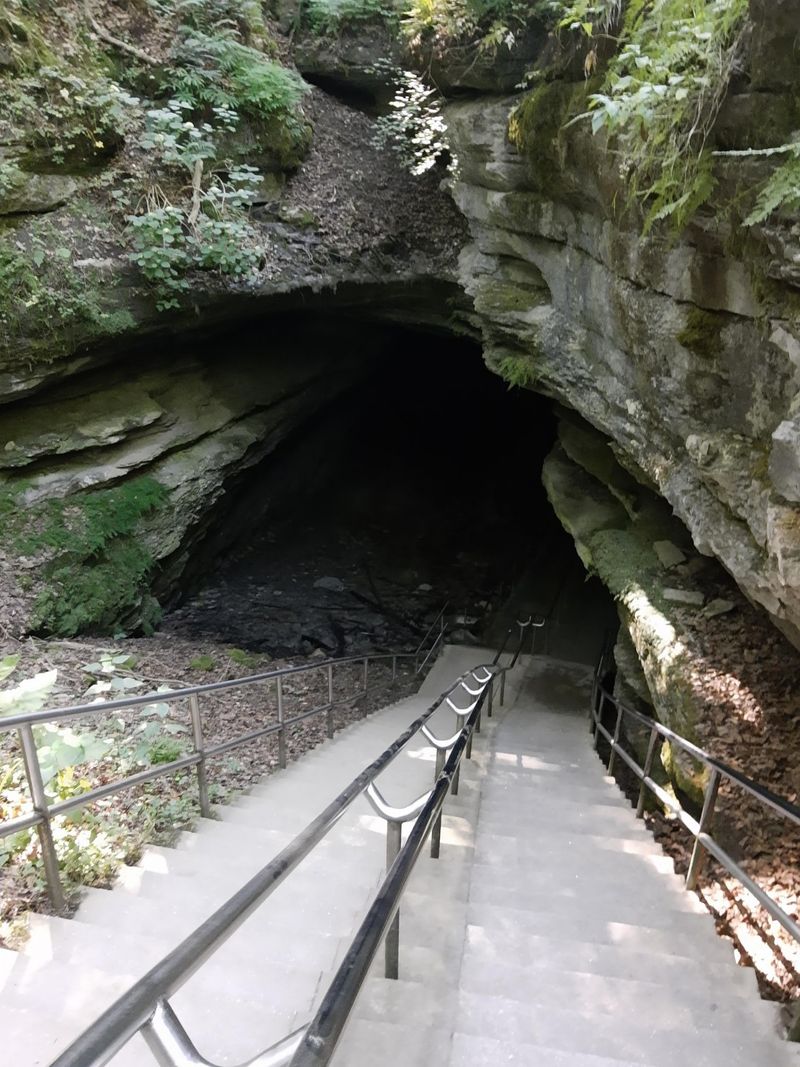
Underground spaces are sensitive, so your behavior matters. Oils from fingertips can halt formation growth, and stray trash can travel far through flood pulses.
Staying on marked routes keeps both you and the cave safe.
Leave No Trace practices translate well below ground. Pack out everything, avoid loud voices, and use lights thoughtfully to preserve wildlife rhythms.
If you see something fragile, admire without touching and alert a ranger if necessary.
These simple choices protect what makes Mammoth Cave special. You become part of the preservation story every time you visit.
The payoff is immediate: clearer views, healthier habitats, and a cave that feels as wild as it deserves to be.



