 Unearth The Voyage
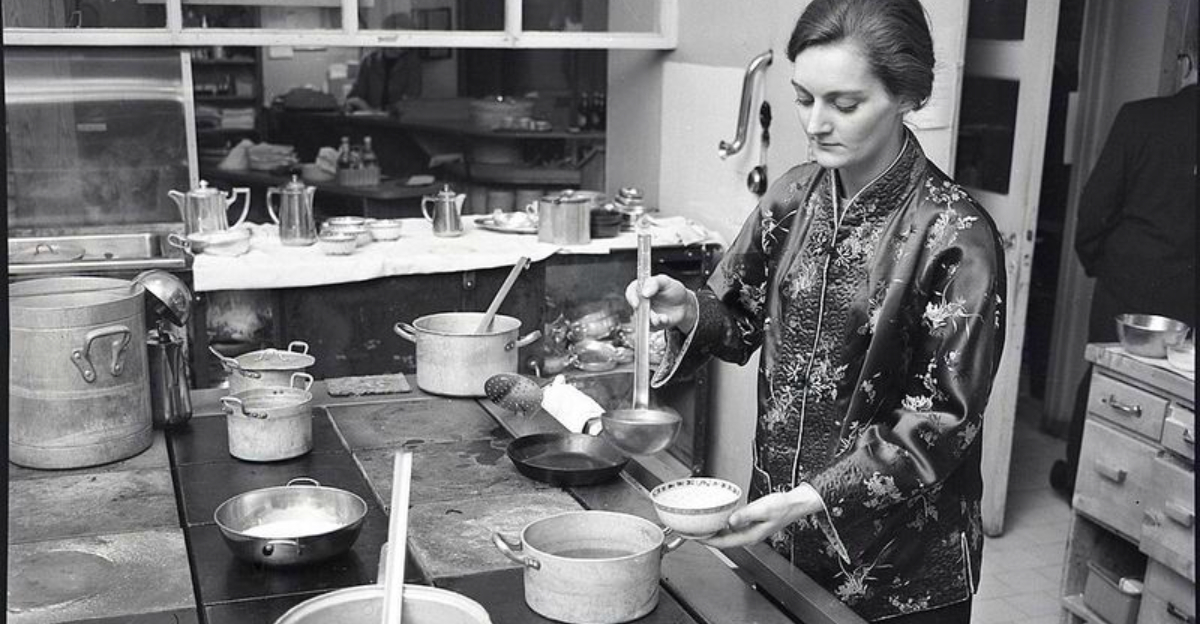
Peek into a 1960s kitchen and you will find habits that feel oddly cozy yet shockingly risky today. What once seemed harmless now clashes with modern food safety laws and hard earned science. As nostalgia bubbles, it is worth asking which practices belong only in retro cookbooks and not on your counter. Read on so you can keep the memories and ditch the hazards.
1. Leaving raw meat out at room temperature for hours
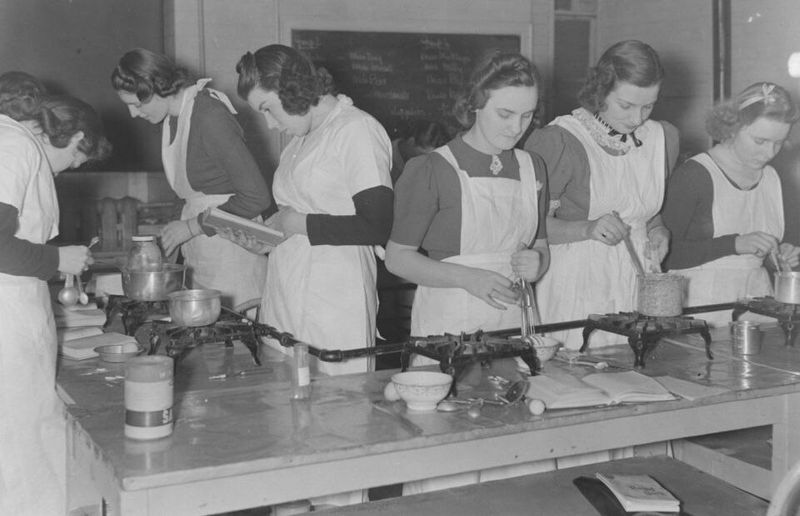
Letting meat sit to take the chill off sounds charming until you remember the danger zone. Between 40 and 140 degrees Fahrenheit, bacteria multiply fast, and the clock is not your friend. If you would not drink warm milk, do not trust warm meat.
Today, food codes demand quick refrigeration and minimal counter time. Keep raw proteins cold until cooking, and marinate in the fridge, not on the counter. Use a thermometer, plan prep, and move efficiently to avoid risky delays.
Your best habit now is simple timing. When in doubt, chill it.
2. Using the same cutting board for raw meat and ready to eat foods

One board for everything felt efficient. It also spread raw meat juices onto salads, bread, and fruit without mercy. Cross contamination is invisible, fast, and unforgiving when it reaches ready to eat foods.
Modern rules require separate boards or strict sanitation. Color coded sets and dishwasher safe plastics make it easy to divide tasks safely. You protect yourself by washing with hot soapy water and sanitizing between uses.
Reserve one board for raw proteins and another for produce. That simple line saves headaches and prevents illness.
3. Handling food without washing hands after touching raw meat
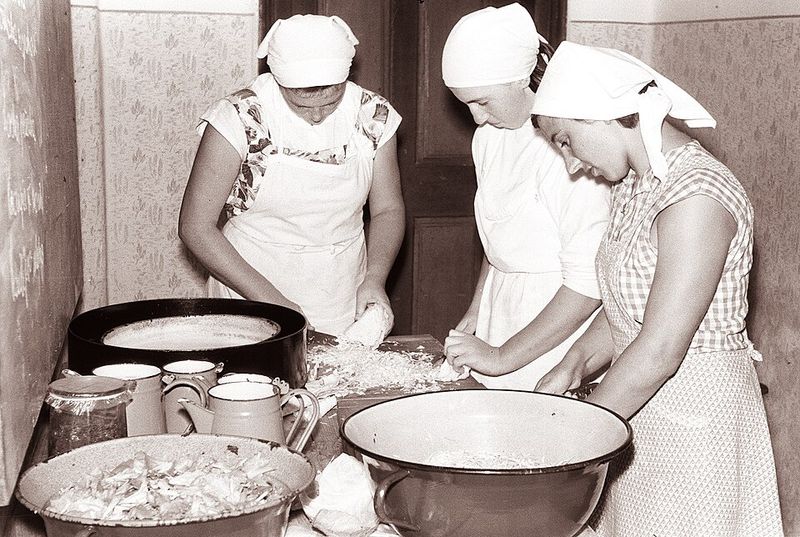
In old kitchens, hands went from patties to platters without a pause. Germs traveled with every touch, turning a quick dinner into a long night. You cannot see pathogens, but they hitchhike on fingertips just fine.
Today, the rule is simple: wash with warm water and soap for at least 20 seconds after handling raw meat. Dry with a clean towel, not the dish rag. Hand hygiene breaks the chain of contamination.
Build a habit loop: handle raw, wash, then continue prep. Your menu stays delicious and safe.
4. Reusing cooking oil indefinitely without filtering or replacing

Grandma’s coffee can of fryer drippings was thrifty, but old oil breaks down. Heat, oxygen, and food bits trigger oxidation, off flavors, and potentially harmful compounds. That foamy, smelly shimmer is your cue to stop.
Today’s advice is to strain cooled oil, store it sealed, and limit reuses. Discard when it darkens, smokes early, or tastes stale. Different oils have different smoke points, so choose wisely for frying.
Keep a fresh rotation, label jars, and avoid mixing oils endlessly. Your food tastes better and your kitchen stays safer.
5. Home canning with improper methods or unregulated preservatives
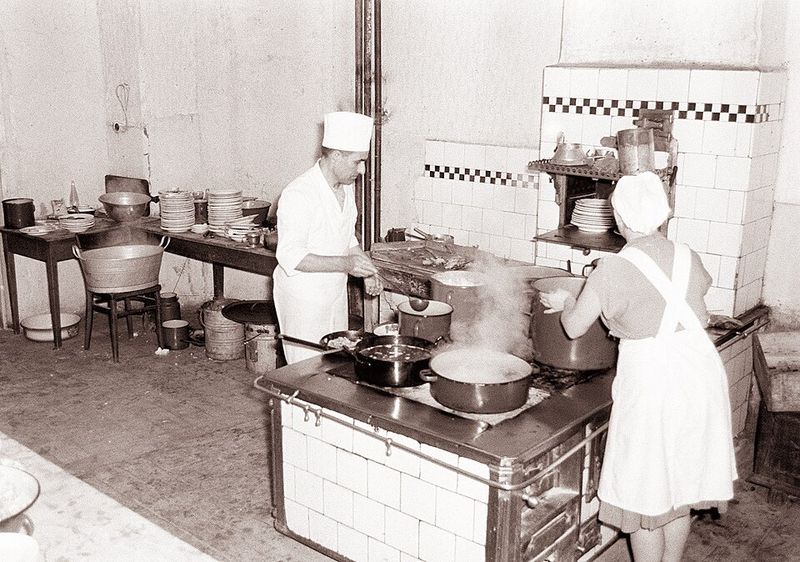
Wax sealed jars and guesswork recipes were staples, but botulism never went out of style. Low acid foods require pressure canning, not wishful thinking. Unsafe preservatives and shortcuts invite deadly spores to thrive unseen.
Modern guidance demands tested recipes, correct pH, precise processing times, and verified equipment. Vent the canner, adjust for altitude, and use new lids. When in doubt, throw it out.
Label jars with contents and date, and store cool and dark. Follow trusted sources so your pantry pride does not become a hazard.
6. Selling or consuming unpasteurized milk and uninspected meat
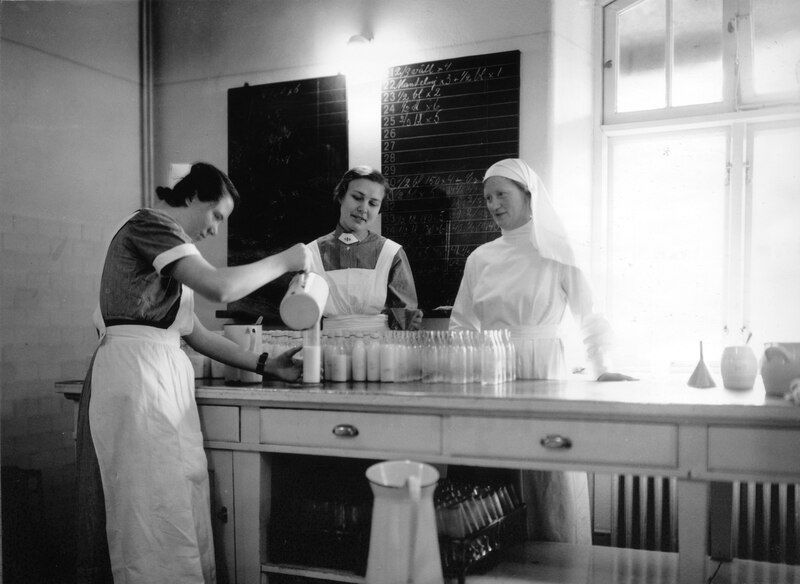
Raw milk and uninspected cuts felt local and wholesome. Unfortunately, pathogens like E. coli, Listeria, and Salmonella do not care about nostalgia. Laws now require pasteurization and inspection to protect the public.
Even careful farms can harbor invisible risks, so regulators step in before food reaches your fridge. If you buy local, ask about inspection, storage temperatures, and handling. Trust, but verify.
For dairy and meat, cold chains matter as much as source stories. Choose regulated suppliers so freshness is matched by safety.
7. Storing prepared food unrefrigerated for hours or overnight
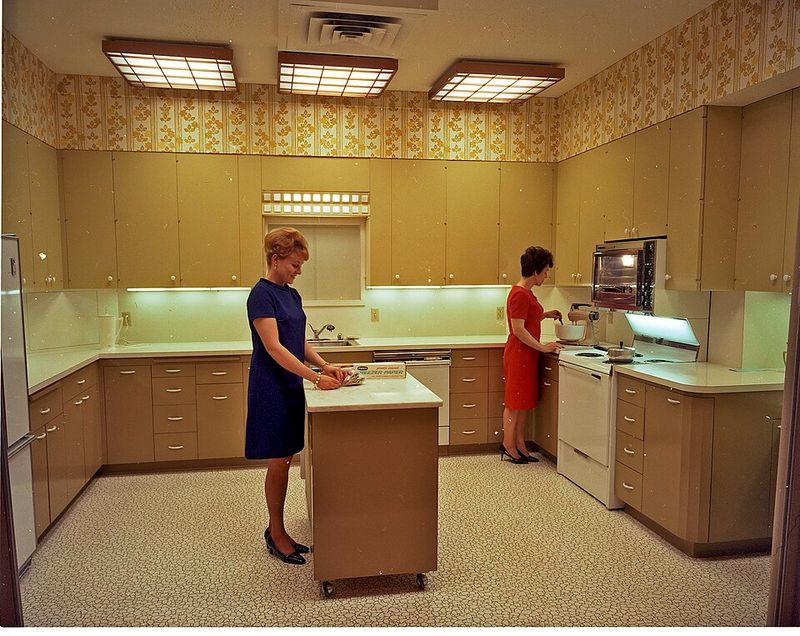
Leaving casseroles to rest on the counter felt normal. Hours later, bacteria had a feast before you did. The two hour rule exists because time and temperature drive risk.
Modern guidance is clear: refrigerate perishable food within two hours, or one hour above 90 degrees Fahrenheit. Divide big dishes into shallow containers so they chill fast. Do not trust a cool kitchen breeze.
Set a timer, clear fridge space, and label leftovers. Your future self and your stomach will thank you.
8. Skipping labels and dates on stored or preserved foods
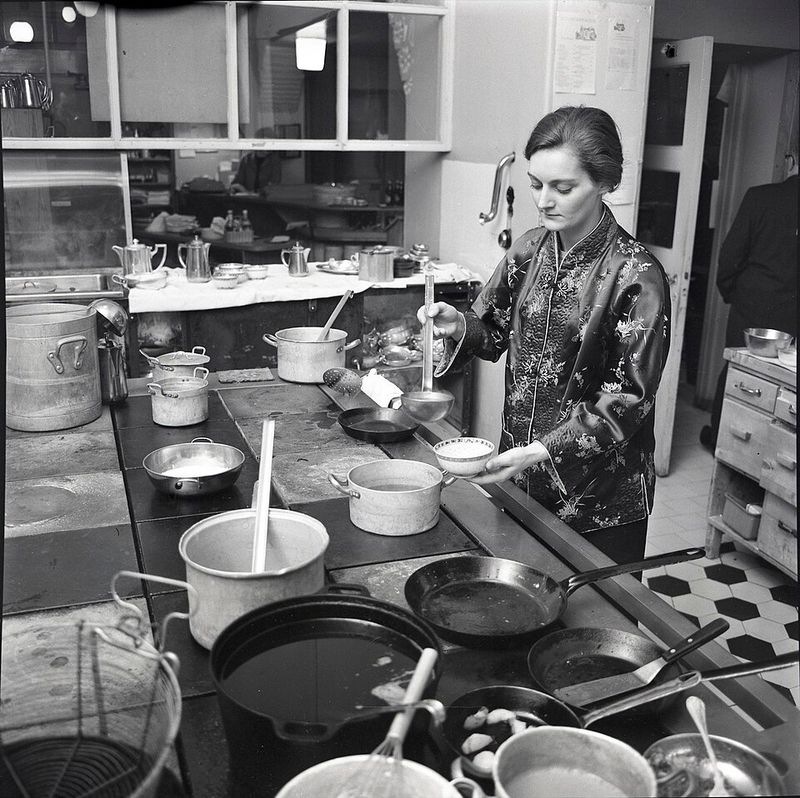
In the past, you guessed by sniffing. That works until it does not, and then you learn the hard way. Without labels and dates, rotation fails and waste rises.
Today, commercial kitchens must label, and home cooks should copy the habit. Mark contents and prep date, and note allergen info when sharing. Use first in, first out to keep freshness moving.
Masking tape and a marker are cheap insurance. Clarity beats mystery leftovers every time.
9. Using lead painted kitchenware or lead glazed ceramics
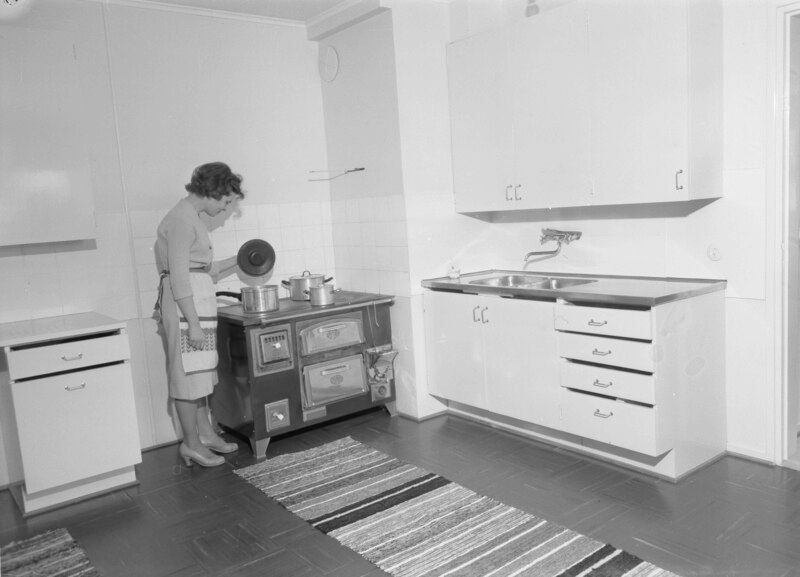
Those bright dishes and heirloom mugs often hide a toxic past. Lead based glazes can leach into acidic foods and drinks. Even tiny exposures add up, especially for kids and pregnant people.
Modern rules restrict lead in cookware and dishware. Vintage pieces are best for display, not daily service. Test kits help, but err on the side of caution if the origin is unknown.
Choose certified lead free ceramics for cooking and serving. Keep the charm on the shelf and safety on the table.
10. Old refrigerators with latch doors that can trap children

Classic latch door fridges look cool, but they created deadly entrapment risks. Curiosity plus a tight seal turned play into tragedy. Laws now prohibit abandoning such units without removing doors.
Modern appliances use magnetic gaskets that open from the inside more easily. If you keep a vintage model, retrofit the latch or keep it unplugged and secured. Never leave an old unit accessible to kids.
Call your local waste service for safe disposal steps. One precaution can save a life.
11. Using unregulated additives, preservatives, or dyes in recipes
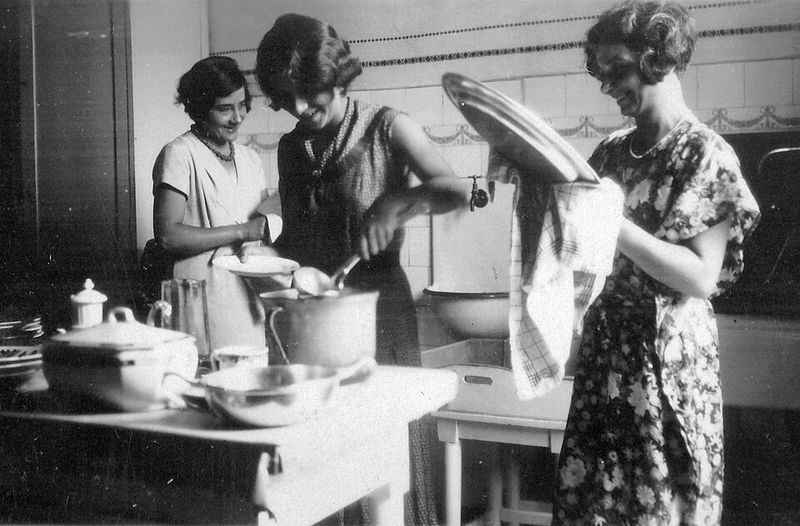
Back then, some cooks experimented with mystery powders and vivid dyes. Safety data was thin, and regulation looser. We now know certain additives pose risks that outweigh convenience or color.
Current laws restrict many compounds and require clear labeling. Stick to approved ingredients from reputable sources. If a shortcut feels sketchy, it probably is.
Read labels, research unfamiliar names, and avoid buying chemicals without documentation. Your recipes can be vibrant and safe.
12. Ignoring allergen disclosure and cross contact precautions
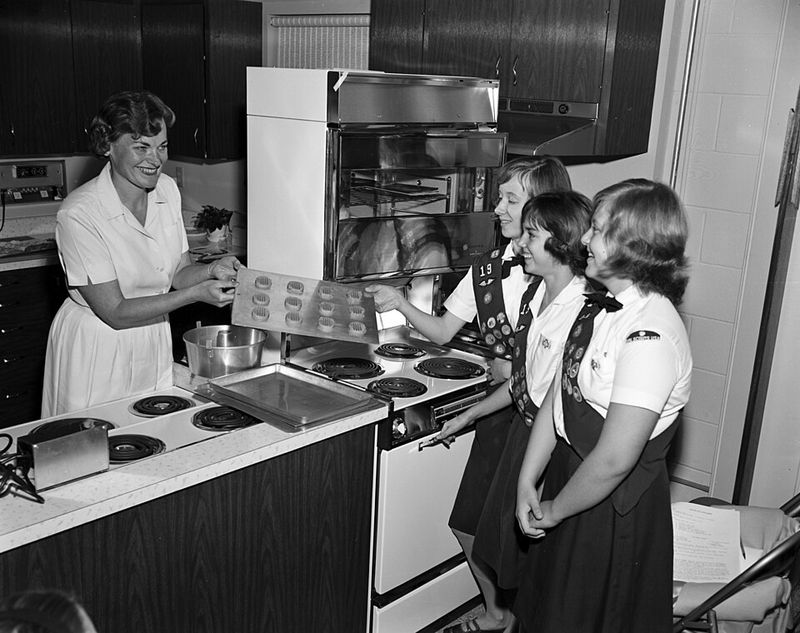
Allergen awareness was rare decades ago. Today, peanuts, tree nuts, dairy, eggs, soy, wheat, fish, and shellfish can trigger severe reactions. Cross contact happens with a smear of residue or a shared spatula.
Laws require labeling in many settings, and best practice at home mirrors that care. Clean surfaces, separate tools, and store allergens below safe foods. Communicate with guests before serving.
Simple habits protect friends and family. When in doubt, make a dedicated allergen safe workspace and label clearly.



