 Unearth The Voyage
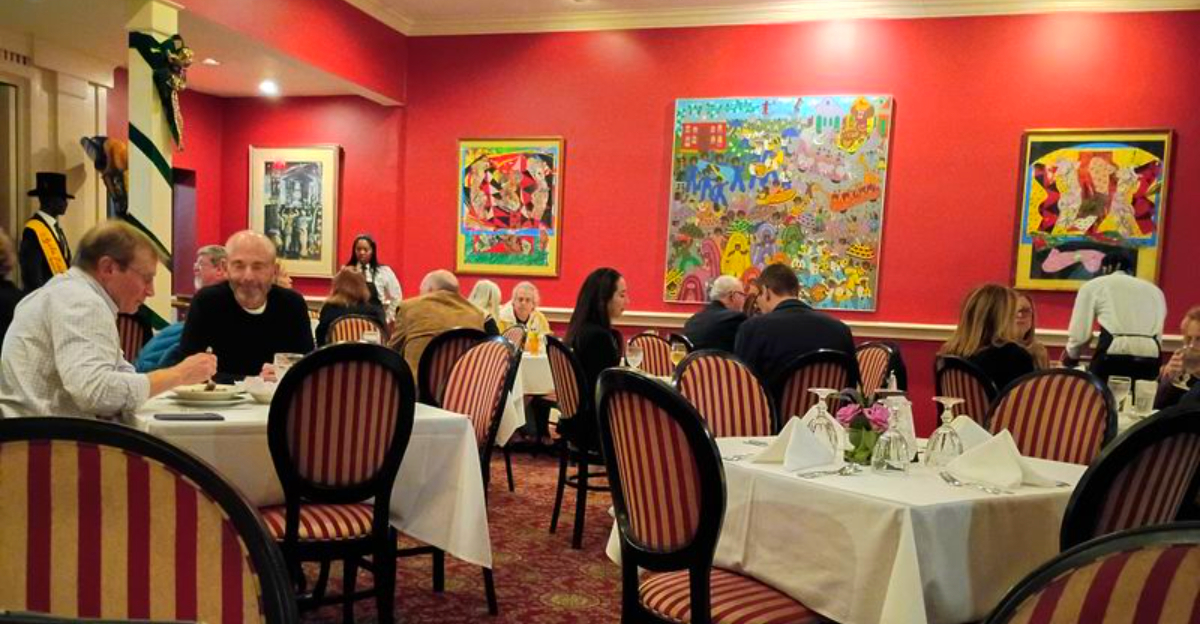
Walk through the red door at Dooky Chase and the room greets you with spice on the air and art on the walls, like a hug you can taste. Silverware catches the light, servers glide with practiced rhythm, and the clink of glasses feels like family arriving.
You sense history in the hush between songs on the speaker, and in the way strangers compare notes about gumbo and fried chicken like cousins at a reunion. If Sunday at Grandma’s had an address in New Orleans, this would be it.
Stepping Into the Art Filled Dining Room
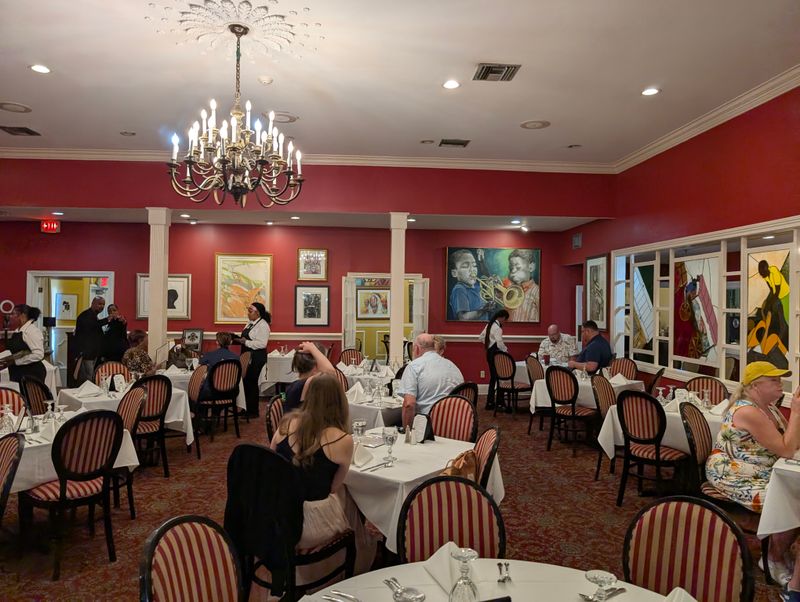
The first impression is color. Framed portraits, abstract swirls, and Black American icons stretch from eye level to ceiling, turning the dining room into a living gallery.
The white tablecloths set a calm baseline, so the artwork can sing while you settle into your seat. You hear ice tumble into glasses, a gentle shuffle from the service station, and the low murmur of friends catching up.
Slide a hand across the linen and it is crisp, cool, and reassuring. Sunlight slips through the front windows, catching the edges of polished forks so they glint like tiny notes in a brass band.
The room feels ceremonial without being stiff, like church clothes that still fit right. Even before a menu arrives, you smell pepper, onion, and something toasty from the roux.
The effect is immediate. You have entered a place where meals are not rushed, where a photograph on the wall can start a conversation before the gumbo does.
It is a dining room built for memory making, and you feel your shoulders drop. Sunday energy, even on a Tuesday lunch service, settles over the room.
Gumbo That Sets the Rhythm
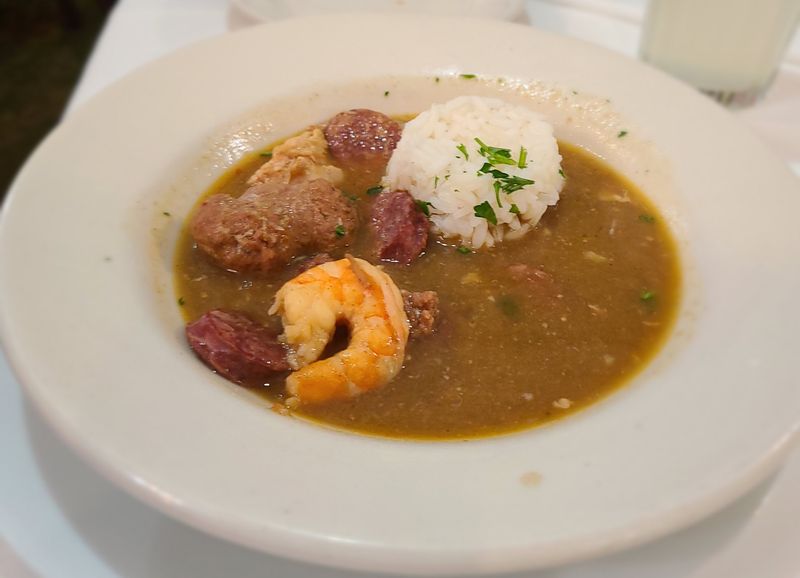
The gumbo arrives with steam that smells like toasted flour, onion, and bay. The roux is a deep brown that borders on mahogany, glossy but not greasy, pooling around a tight hill of rice.
Green onions flash their bright tops, and a stir reveals shrimp and crab when the kitchen is generous, chicken and sausage when that is the day’s groove.
First spoonful is warmth before heat, the kind that builds slow. Pepper tiptoes in, thyme lingers, and a faint smokiness hangs at the edges.
It tastes like patience, like somebody watched this pot and adjusted the flame by feel instead of timer. If the city keeps score, gumbo is the anthem, and this version plays in a measured, confident tempo.
People will argue over styles and thickness. Some bowls here lean lighter, some richer, and consistency can vary with the season or the cook on the line.
But when it clicks, you understand the reputation immediately. It is Sunday in a spoon: familiar, steady, and more about balance than bravado.
Fried Chicken, Crunch That Carries
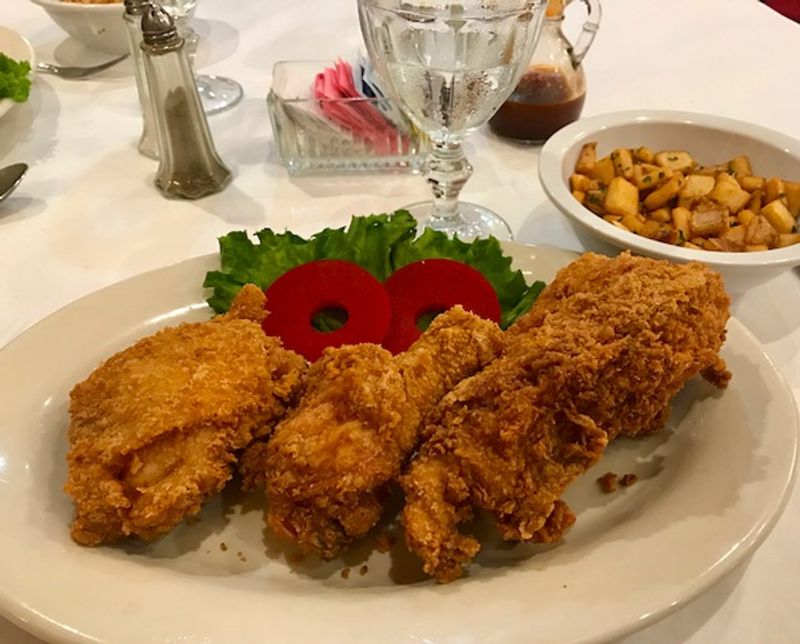
When a server sets down the fried chicken, the crust looks like lace made of spice and heat. Tap it gently and the shell crackles, then yields to juicy meat that drips onto the plate.
Seasoning sits in the batter, not just on top, carrying salt, garlic, and a pepper whisper that lands late.
The kitchen’s rhythm shows in the timing. Chicken this crisp needs oil held steady and hands that do not rush.
Some lunches turn out lighter, others heartier; either way, the best plates balance crunch with moisture so every bite stays lively. It is the kind of bird that quiets a table for a moment, forks working faster than talk.
Pair it with baked macaroni to echo the crunch with creamy heft. Or let mustard greens cut the richness and keep you craving the next bite.
You taste memory here, of backyard gatherings and foil covered pans on church socials. It is not just fried chicken.
It is punctuation for a meal that began speaking the second you walked in.
Red Beans, Rice, And A Weekday Tradition
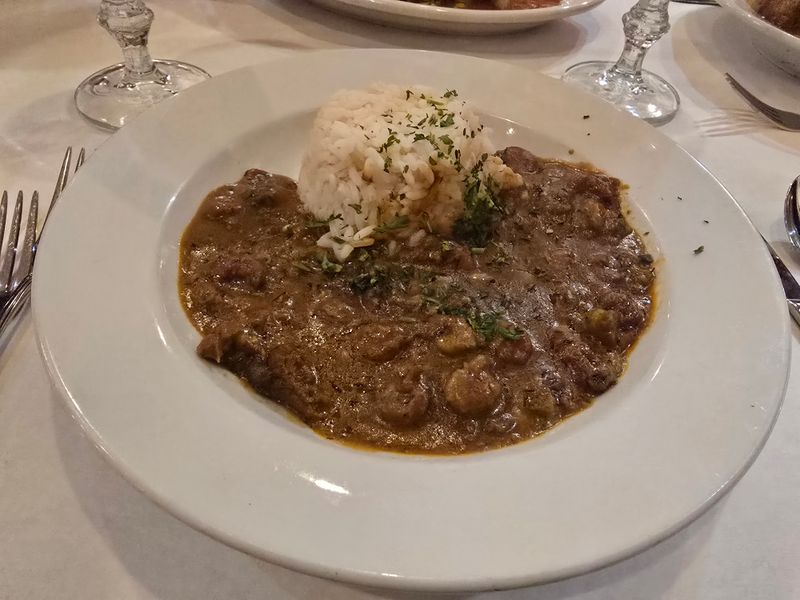
Red beans show their truth in texture. The bowl here leans creamy, beans surrendering into a smooth sauce that still keeps a few whole for character.
Andouille adds a smoky bass note, with onion and celery tucked into the background like rhythm guitar. A soft mound of rice keeps the beat steady.
New Orleans treats Monday like bean day, but at lunch the urge hits anytime. Order potato salad on the side and spoon it right over the beans, a local habit that cools the heat and adds mustard snap.
The dish feels humble and skilled at once, the slow simmer doing most of the talking.
On busy days the seasoning can swing a notch mild or firm, but even then the comfort remains. You are eating something designed to stretch a dollar and still taste like care.
It is the genre’s quiet classic, proof that the city’s best meals do not need fireworks. They just need time, smoke, and a patient hand.
Baked Macaroni, Corner Piece Energy
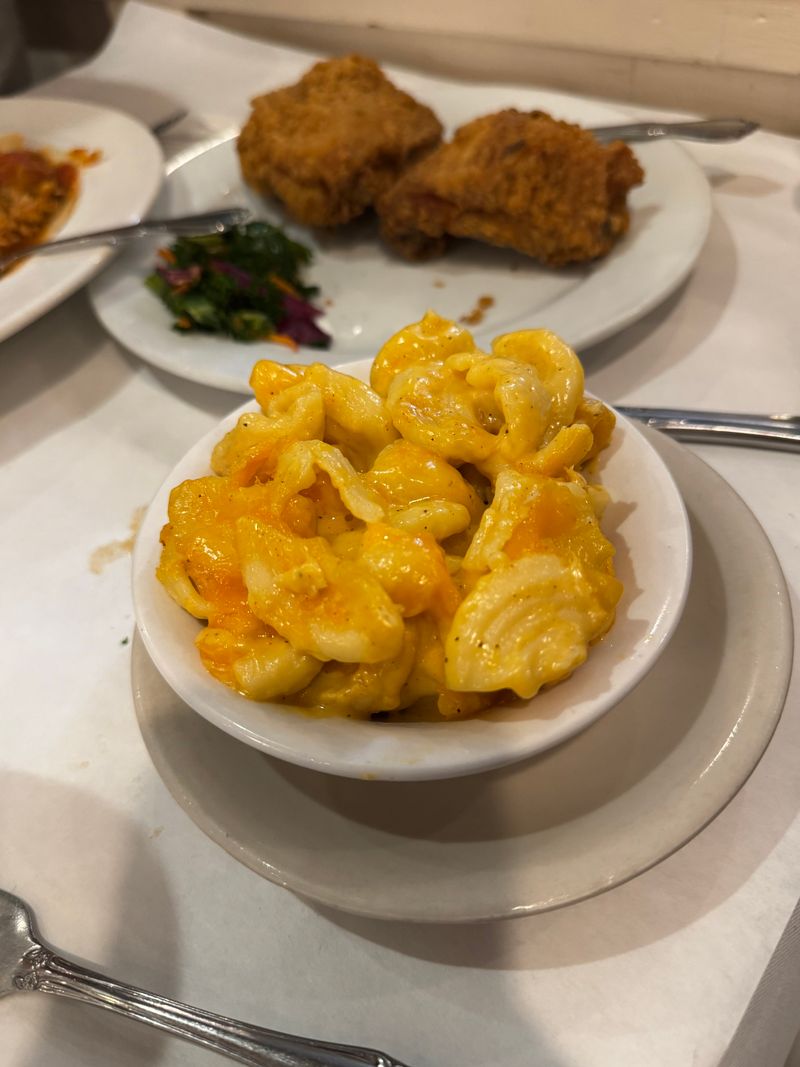
The baked macaroni shows up with edges everyone fights for. The top is bronzed and bubbly, a sheet of cheddar and breadcrumbs that shatters under a fork.
Inside, elbows swim in a custardy sauce that tastes of evaporated milk, sharp cheese, and black pepper, holding shape without turning stodgy.
It is a side that eats like a main when you let it. Taken with fried chicken, it mirrors the crunch outside with silk inside; paired with seafood, it keeps the plate honest and hearty.
The portion reads generous, like the kitchen knows you came for comfort and plans to deliver.
Some lunches you catch a whiff of nutmeg, others a deeper cheddar tang, small variations that feel human instead of factory consistent. That is part of the charm here.
You are tasting someone’s hand, not a formula. The corner piece is always the prize, and the staff seems to understand that unspoken rule.
Mustard Greens And The Pot Liquor Test
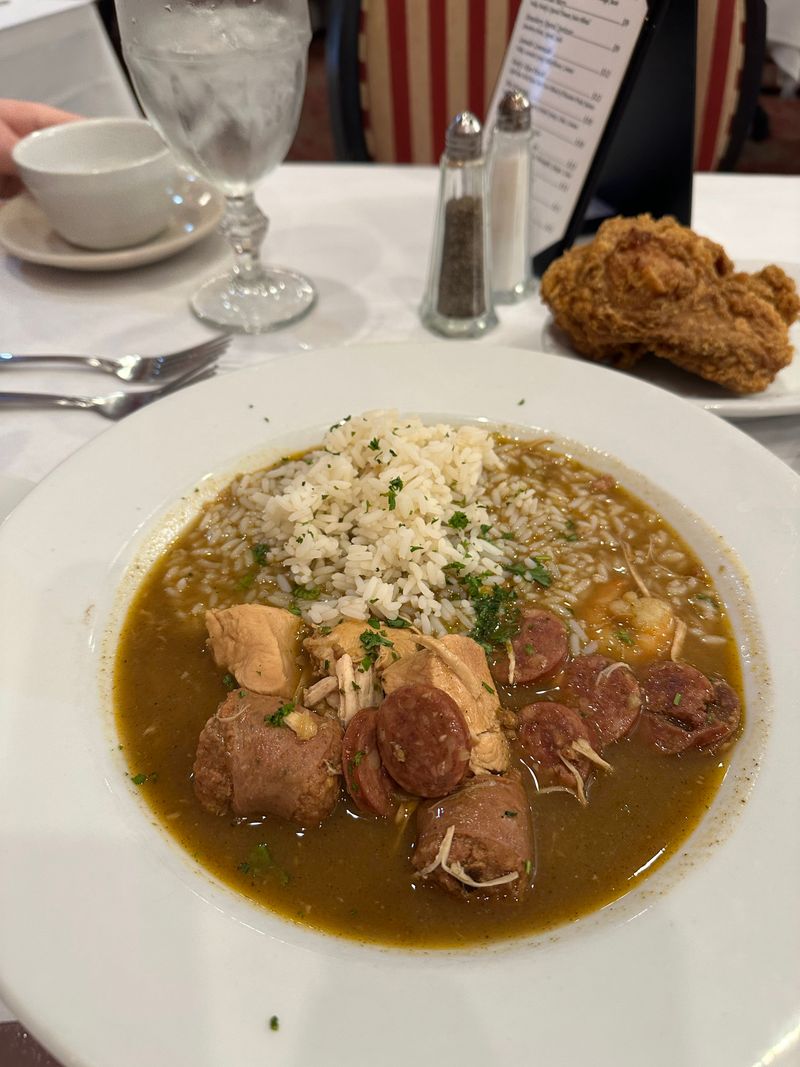
The greens arrive glossy, tangled in their own pot liquor, with a ribbon of smoke from turkey or pork. Mustard leads with a peppery bite, then softens into savory comfort as the broth gathers on your spoon.
A dash of vinegar wakes everything up, the old trick that brightens slow cooked leaves without shouting.
Texture matters. These should not collapse into mush, and on good days they keep just enough backbone to remind you they were once leaves.
The broth carries the secret work: onion baked sweet, a little garlic, black pepper drifting through. You sip it like soup when the plate is empty, chasing flavor to the bottom.
It is a side, but it doubles as a test of care. Greens tell you how a kitchen seasons, how it respects small things that make big memories.
If Sunday has a scent, it might be this pot liquor warming the table, next to a basket of garlic bread that sparks its own debate. Either way, you keep eating.
Chicken Creole And The Sauce That Stays
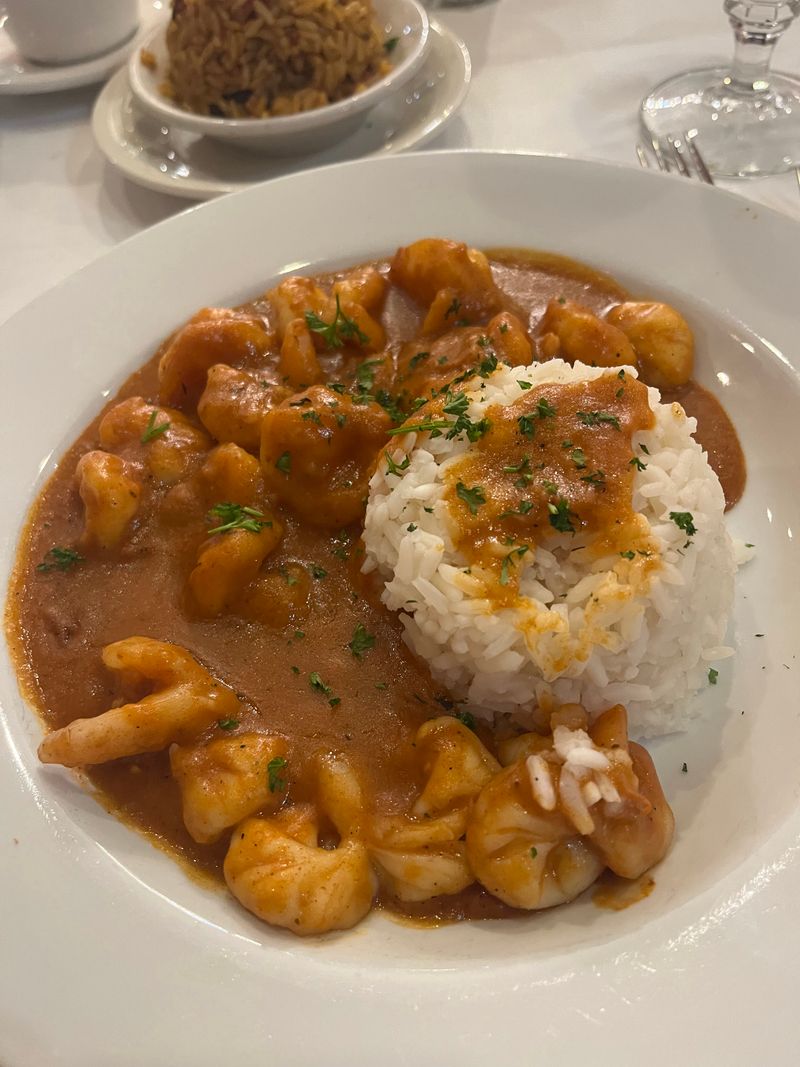
The plate lands red and bright, chicken tucked under a Creole sauce that smells like tomatoes cooked down with peppers and onion. The first taste is sweet bell pepper, then garlic, then a cayenne whisper that lingers like a warm hand on your shoulder.
The sauce clings without drowning, staining the rice a sunset color.
Chicken stays tender, not shredded, so you lift pieces that still feel like chicken, not stew. Spoon some over rice and the grains separate, each one carrying sauce without turning heavy.
It is everyday elegance, the kind you remember from relatives who saved their best pot for Sunday.
Here the charm is balance. Acid from the tomatoes keeps the dish light, while spice refuses to hurry.
You finish and find a red crescent left on the plate. You will drag bread through it, even if garlic bread feels like a curveball in a city of cornbread.
When food tastes this clean, rules loosen.
Shrimp Clemenceau, Old School With Snap
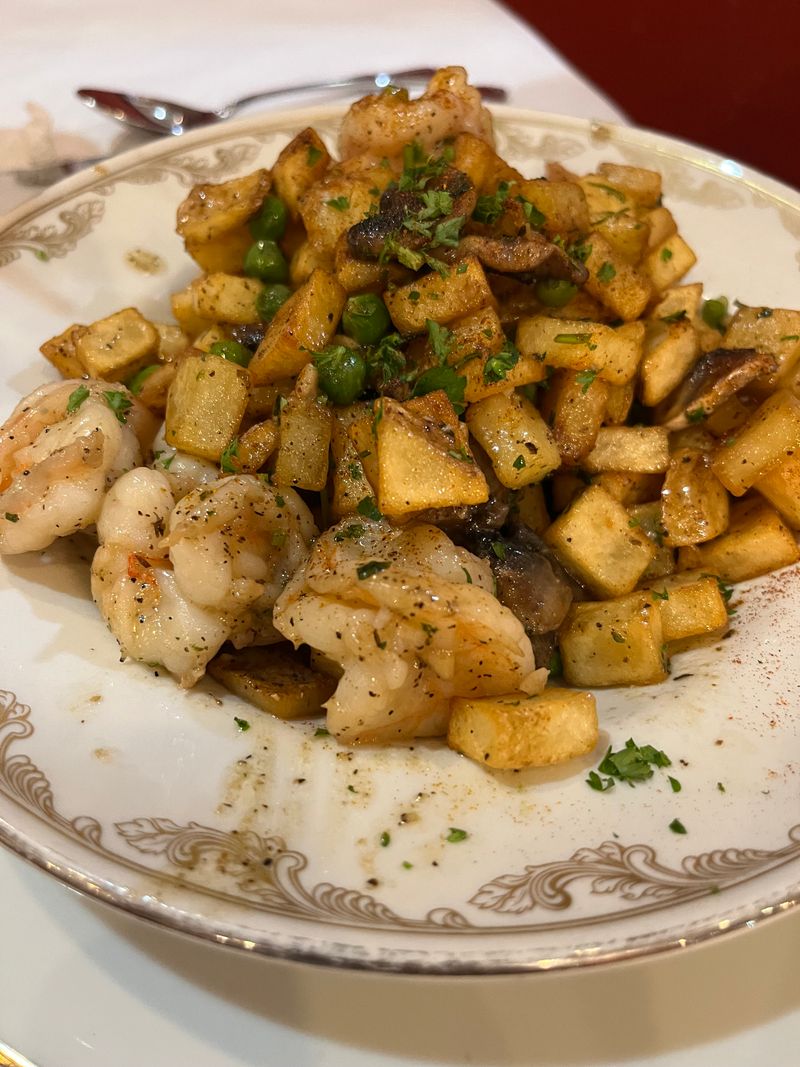
Shrimp Clemenceau eats like a time capsule that still feels alive. Plump shrimp tumble with peas and mushrooms in garlicky butter, parsley shooting green sparks across the plate.
The potatoes are the hinge: crisp edged, tender inside, soaking up butter while keeping their own voice.
Each forkful shifts gear. One bite lands sweet from peas, another deep from mushroom browning, then a clean ocean note from shrimp just shy of opaque.
You squeeze lemon and everything sits up straighter, the acid cutting through richness without scolding it.
The dish is older than most playlists in the room, but it does not apologize. It is a reminder that New Orleans cuisine evolves by refinement rather than replacement.
When a cook watches heat carefully and salts with intent, you taste clarity. The plate empties faster than you expect, and you find yourself mining for the last potato cube like it hides a secret.
Service, Reservations, And The Lunch Rush Reality
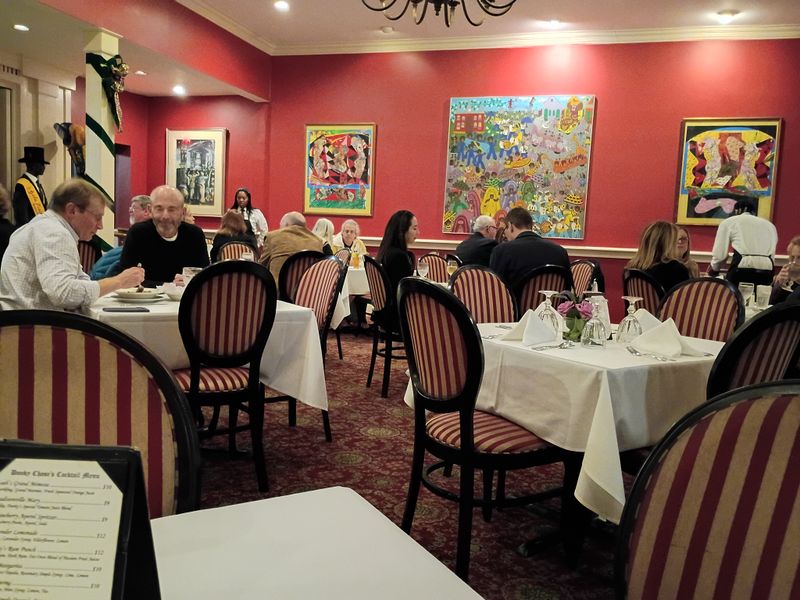
By 11:30, the dining room hums. Reservations help, and locals know to book a week or two out for peak days.
Walk ins can land a table, but expect a wait that stretches when tour groups arrive. Staff work with steady warmth, though the room’s speed sometimes wobbles during a midday surge.
When service clicks, glasses stay full, plates pace well, and a manager glides through like an air traffic controller in a suit. On tougher days, courses crowd each other or trail behind, and you feel the pressure at the host stand.
It is not indifference, more an orchestra handling a solo too many.
Call ahead, arrive on time, and treat lunch like a small ceremony. If something misses the mark, say so early and kindly; the team usually corrects with grace.
Either way, the best approach is patience and hunger. This place runs on both.
History On The Walls, Numbers In The Present
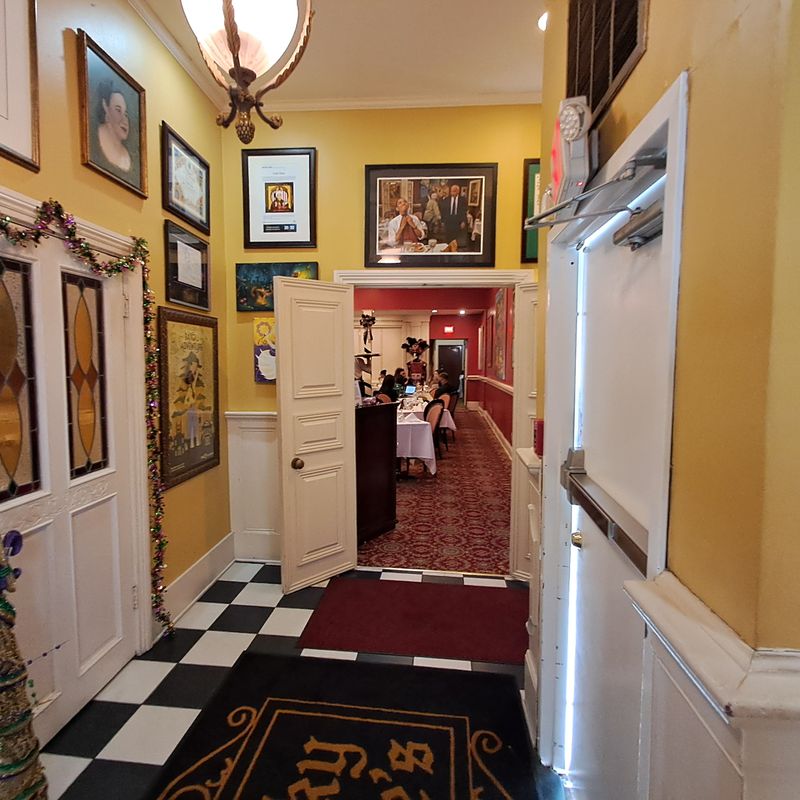
You eat among stories here. Photos of Leah Chase and leaders who gathered during the civil rights era hang above tables where families celebrate birthdays.
The room links plate to past, not as museum display, but as living context. You feel it most when a server points to a portrait and shares a small, proud detail.
Today’s reality lives beside that pride. Recent public ratings hover around four and a half stars across thousands of reviews, a broad chorus that skews positive while leaving room for debate.
Lunchtime hours are tight, mostly Tuesday through Friday, with a Saturday dinner window that fills quickly. The schedule shapes the flow and explains the midday crush.
This mix matters. Heritage draws you in, but execution keeps you returning.
When both align, Dooky Chase becomes more than a destination. It becomes a place that feels like Sunday, even if you came on a random Thursday, just to taste what history can do on a plate.



