 Unearth The Voyage
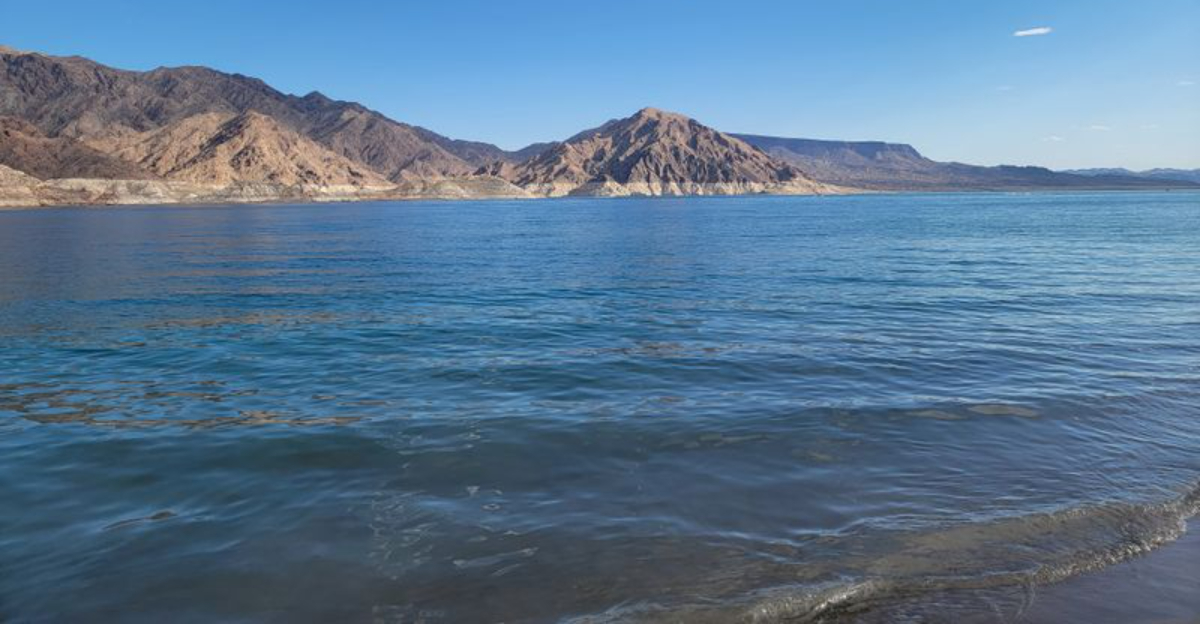
Fresh rain brought a welcome bump to Lake Mead, pushing water levels above what many expected. It feels like a breather in a long race, promising short-term relief while the bigger drought story looms. You will see why this rise matters now, and why it is not the finish line. Stick around to understand the numbers, the tradeoffs, and what still needs to happen before the West can truly exhale.

Lake Mead just notched a rare upside surprise, rising above earlier federal projections for December 2025. As of Dec. 21, 2025, the surface elevation stood near 1,061.64 feet above sea level, comfortably higher than the bleak lows of recent years. You can feel cautious optimism, knowing this lift reflects both timely storms and careful management.
Much of the boost traces back to strong November rainfall in California, which upped runoff in parts of the Colorado River watershed and reduced downstream orders. With fewer deliveries needed, less water was drawn from Lake Mead, buying short-term breathing room. It helps stabilize expectations heading into winter while agencies adjust releases.
Still, this rise is a snapshot, not a solution. Full pool is 1,229 feet, a distant target given decades of drought, climate shifts, and heavy demand from cities and farms. You can celebrate the win and still recognize that sustained improvement needs repeated wet years and relentless conservation across the basin.
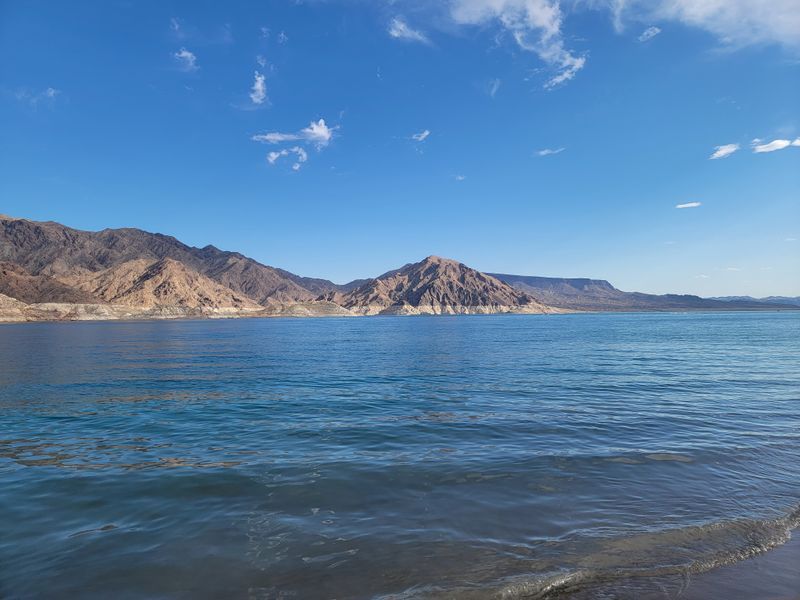
The Colorado River system sits at the center of a long-running supply-demand mismatch, even with recent bumps at Lakes Mead and Powell. Chronic drought and rising demand have pushed reservoirs into precarious territory. You can see the tension in every forecast that warns stability requires more than one wet season.
Federal modeling underscores the vulnerability: without repeated wet winters or major conservation strides, reservoir elevations could trend lower through 2027. Probable scenarios still hover near historical lows, reflecting structural deficits. That means the basin’s buffer against dry years remains thin, and planning must assume volatility.
Climate change compounds the squeeze by reducing snowpack, accelerating evaporation, and shifting runoff timing. Legal allocations layered atop diminished flows leave little room for error most years. You can view December’s rise as proof conservation helps, but the broader story is a call for durable, basin-wide water budgeting.
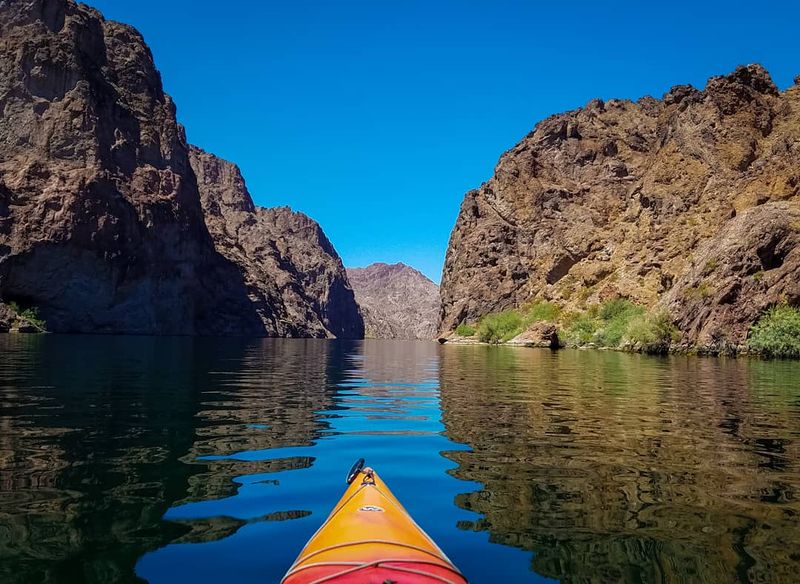
California’s 2025 Colorado River use is tracking near 3.76 million acre-feet, the lowest since at least 1949. That is a big deal for Lake Mead’s stability, because less diversion upstream leaves more water available to keep reservoir elevations afloat. You can see how conservation translates directly into lake feet gained.
Decades of efficiency investments are paying off: drip irrigation, canal lining, recycled water, turf removal, and smarter urban fixtures. Voluntary agreements since 2023 have banked hundreds of thousands of acre-feet, with documented savings above 1.2 million acre-feet. That equates to roughly 16 feet of elevation in Lake Mead, a tangible buffer.
Even so, this is one piece of a larger puzzle. California’s diligence must be matched across sectors and states to outpace aridification trends. You can applaud the milestone while recognizing that lasting security requires sustained savings, flexible transfers, and adaptive rules that protect both farms and cities.
All eyes are on negotiations to replace the 2007 Interim Guidelines and extend drought frameworks beyond 2026. Seven basin states and Mexico are working through hard tradeoffs as supplies shrink. You can feel the stakes, because failure could invite federal intervention or drawn out litigation.
Talks focus on balancing deliveries, conservation credits, tribes’ rights, power production, and environmental flows. Agencies also must plan operations for Lakes Mead and Powell under deeper shortage tiers. Federal timelines in early 2026 push parties to propose adaptive, enforceable methods that respond quickly to changing hydrology.
Short-term level gains do not erase long-term risks like approach-to-dead-pool scenarios at Mead if inflows disappoint. Durable solutions will likely blend demand reductions, system conservation, interstate coordination, and flexible shortage sharing. You can expect tough compromises ahead, because the river’s new normal demands resilience.



