 Unearth The Voyage
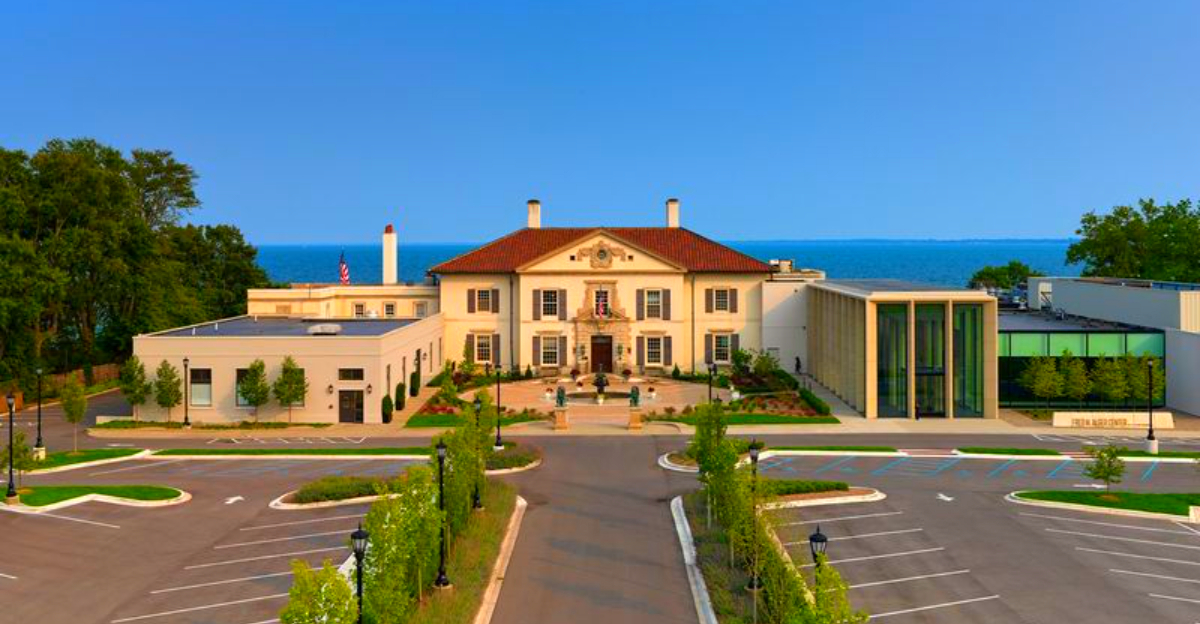
On the edge of Lake St. Clair sits a historic mansion that has become one of southeast Michigan’s most visited cultural landmarks. Originally built as a private estate, it now draws thousands of visitors for its architecture, waterfront setting, and year-round events.
The property stands out for its Italian Renaissance design, landscaped grounds, and a calendar that includes concerts, tours, and community programs. It’s not just a preserved home.
It functions as an active gathering place with consistent local appeal.
What makes it worth the trip is how much it offers in one stop: history, public access to a former estate, and regular events that keep it relevant. The story behind its transformation into a public space adds another layer that most visitors don’t expect.
Where History and Lakeshore Beauty Meet
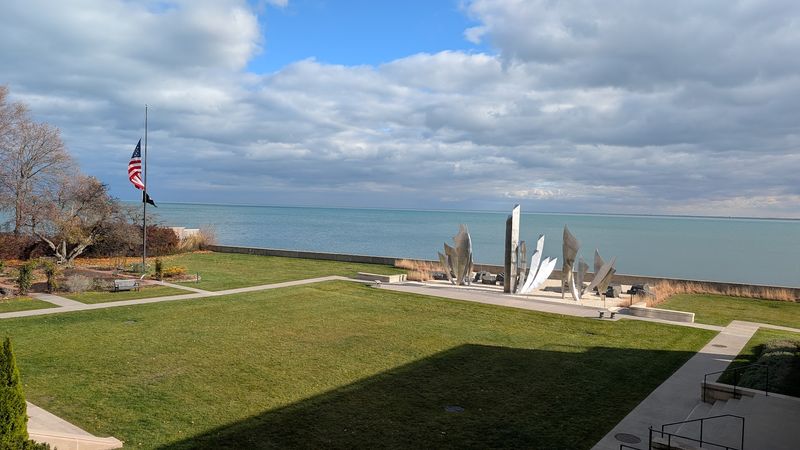
The War Memorial sits at 32 Lake Shore Drive in Grosse Pointe Farms, Michigan, and the address alone sets the tone for everything you are about to experience. This is not a modest building tucked behind a parking lot.
It commands the shoreline of Lake St. Clair with the quiet confidence of a place that has been here for over a century and fully intends to stay.
The estate was originally known as “The Moorings,” built in 1910 as the private residence of Russell A. Alger Jr., one of the founders of the Packard Motor Car Company.
The property spans 4.5 acres, and every inch of it has been thoughtfully maintained. You can reach the memorial by phone at 313-881-7511, and the doors are open daily from 8 AM to 8 PM.
The moment you arrive and see that lakefront facade rising above the water, it becomes immediately clear why this place has earned such devoted admiration from the surrounding community and well beyond.
The Architect Behind the Grandeur
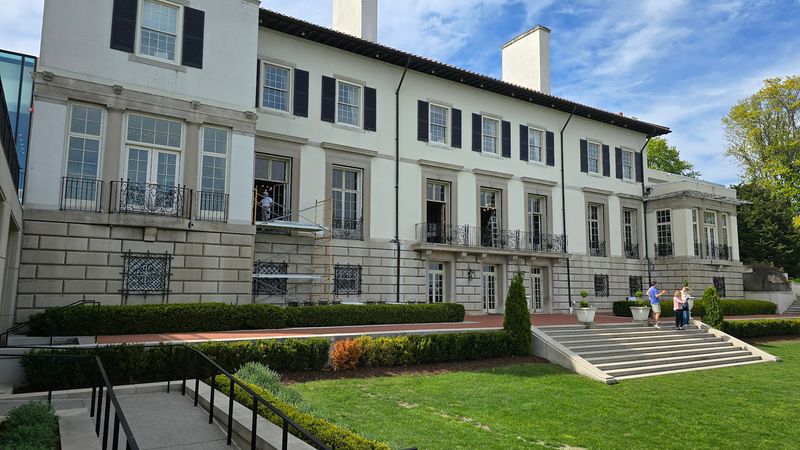
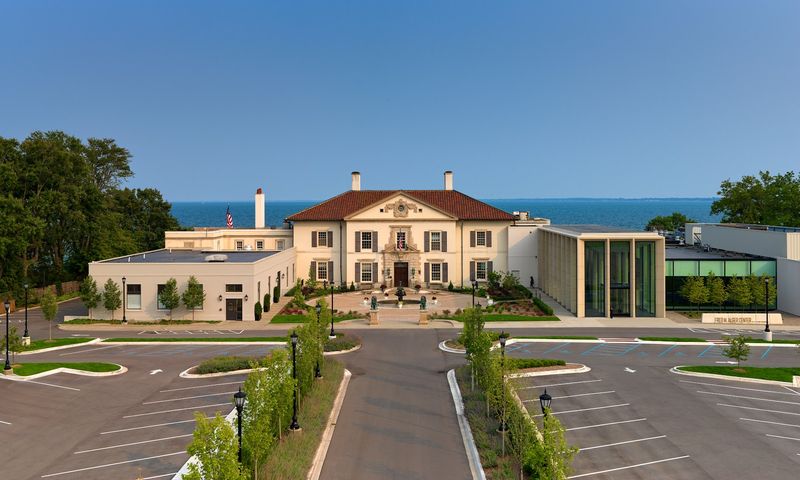
Charles Platt designed The Moorings in the Italian Renaissance Revival style, and his vision is impossible to miss the moment you study the building’s lines. The formal front facade carries a sense of order and elegance, while the three-story lakeside facade opens up dramatically toward the water, creating a visual conversation between the architecture and the landscape behind it.
Platt was known for his ability to treat a building and its surrounding grounds as a single unified composition, and at this estate, that philosophy plays out in every corner. The wisteria-covered arbor framing the lake views is one of those details that photographs beautifully but feels even more striking in person.
It softens the grandeur just enough to make the whole place feel welcoming rather than intimidating.
What surprises many first-time visitors is how naturally the historic structure blends with the modern glass addition added decades later, which manages to complement rather than compete with Platt’s original design.
Gardens That Could Stop You in Your Tracks
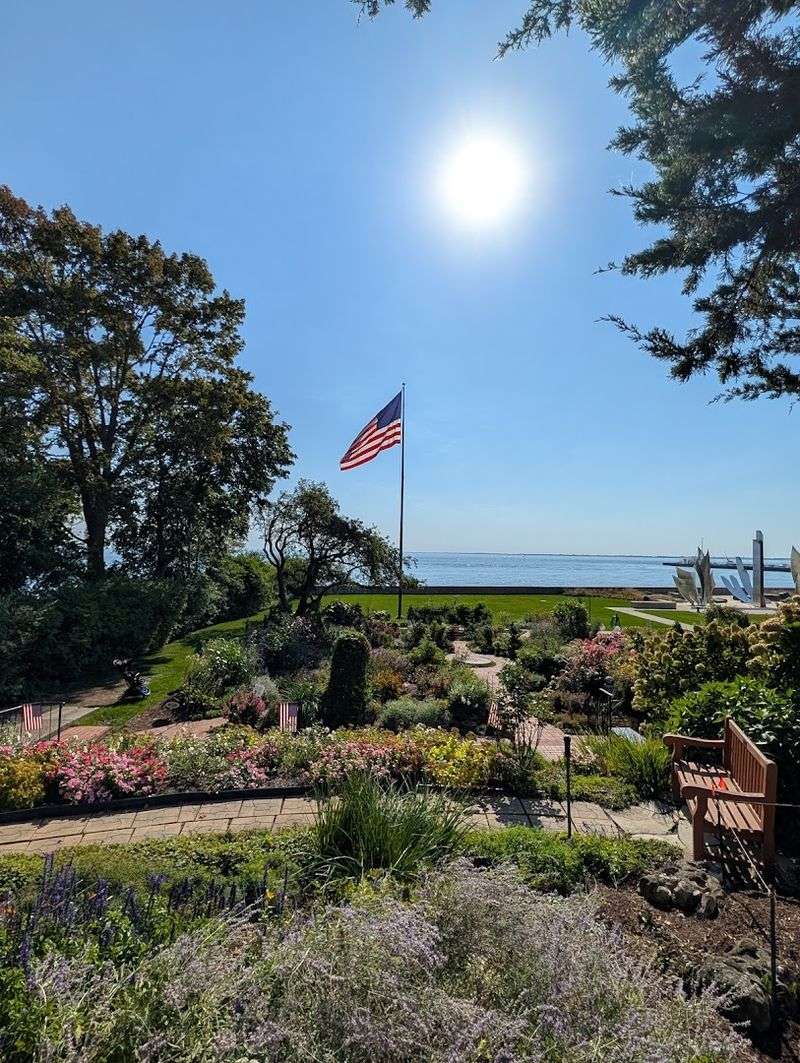
The gardens at this estate were designed through a collaboration between Charles Platt and landscape architect Ellen Shipman, who joined the project in 1919. That partnership produced something genuinely special: a 4.5-acre landscape that balances formal structure with natural abundance in a way that feels both intentional and alive.
A circular brick courtyard anchors the garden design, complete with a fountain pool that catches the light beautifully on clear afternoons. Herbaceous borders overflow with roses, lilacs, delphinium, columbine, monkshood, and Japanese anemone throughout the growing season, creating a color palette that shifts month to month.
A grand stone staircase descends from the mansion level all the way down to a lake terrace, and that descent is one of the most photogenic walks on the entire property.
The lower garden level, visible through many of the interior windows, draws genuine admiration from visitors who stumble upon it unexpectedly, and the art sculptures placed near the waterside add a contemporary layer to an already rich outdoor experience.
A Living Tribute to Those Who Served
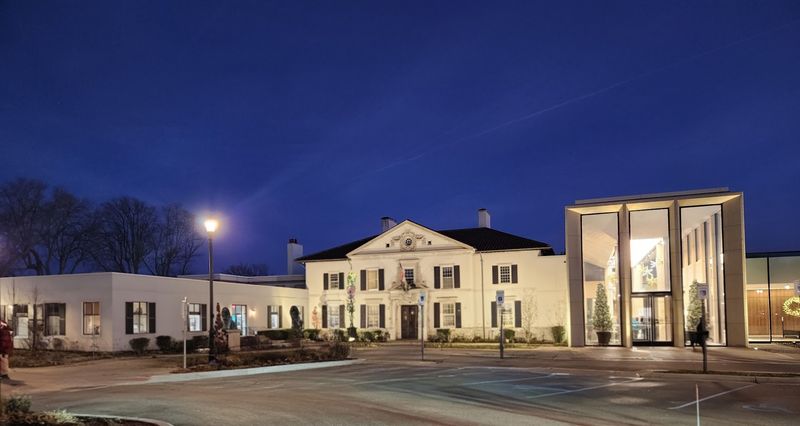
At its core, this estate carries a deeply meaningful purpose: honoring the men and women from Grosse Pointe who served in the armed forces, from World War II through Desert Storm. The memorial rooms inside the building do this with care and dignity, featuring military memorabilia, historical displays, and commemorative elements that give the space a genuine sense of gravity.
The property was listed on the National Register of Historic Places in 1982, a recognition that reflects both its architectural significance and its cultural importance to the region. Events like the D-Day commemoration held on June 6, 2024, drew visitors who spent time exploring the museum, learning about past conflicts, and reflecting on the contributions of those who served.
What makes this memorial feel different from a traditional museum is the warmth of the surrounding space. History here is not locked behind glass in a sterile hallway; it exists alongside beauty, community, and ongoing life, which somehow makes the tribute feel more meaningful rather than less.
The Glass Addition That Changed Everything
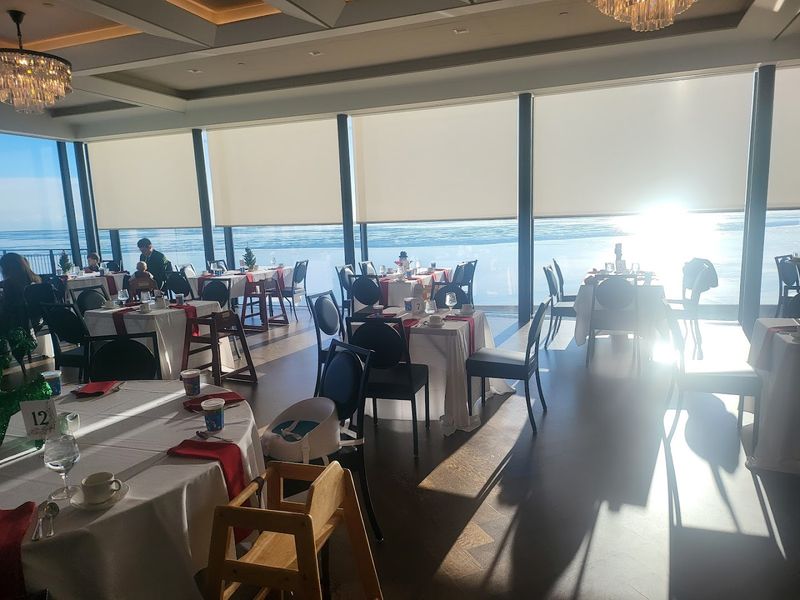
In 1962, an auditorium was added to complement the original mansion, and subsequent expansions in 1977 and 1993 brought the estate to its current form. The most visually dramatic of these additions is the modern glass section, which features floor-to-ceiling windows that look directly out over Lake St. Clair.
On a clear day, the view from inside that glass room is the kind that makes conversation stop mid-sentence. On a winter visit, when the lake freezes completely and the entire surface turns a brilliant white, the effect is almost surreal.
The contrast between the warm interior and that vast frozen expanse outside creates an atmosphere that is hard to put into words but very easy to feel.
The glass addition manages the difficult architectural task of feeling contemporary without dismissing the historic building it stands beside, and the natural light it floods into the space makes it one of the most sought-after spots in the entire venue for photographs, events, and quiet contemplation alike.
Concerts That Fill the Candlelit Ballroom
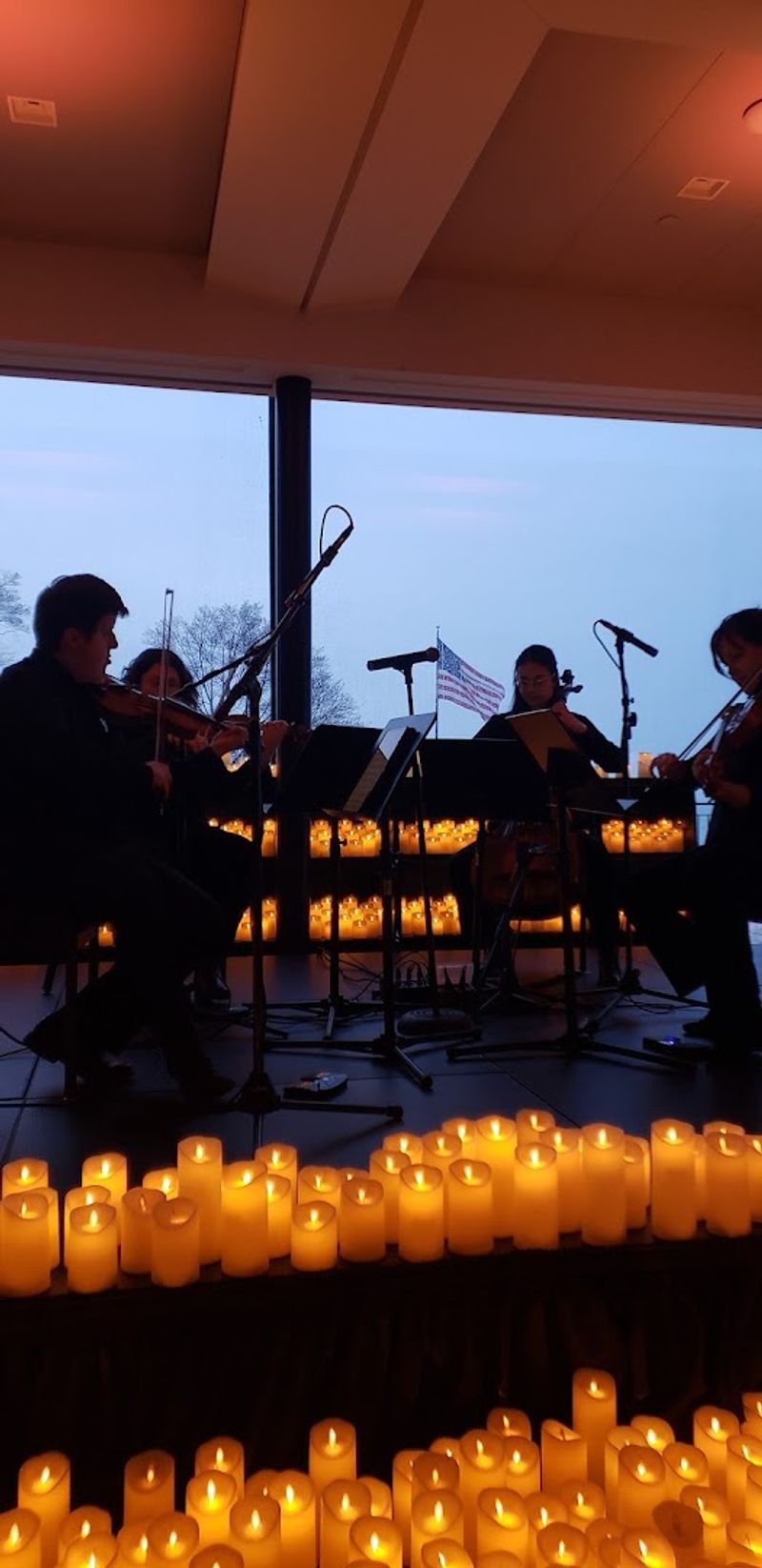
The event calendar at The War Memorial reads like a curated playlist of things worth getting dressed up for. Candlelight concerts featuring jazz, classical, and era-specific performances have become a signature offering, drawing audiences who appreciate live music in a setting that genuinely enhances the experience.
The ballroom, lit by candles and filled with the sounds of performers channeling Billie Holiday, Frank Sinatra, and Nat King Cole, creates an atmosphere that feels both nostalgic and completely present. A Queen and Beatles show performed by a string quartet drew enthusiastic crowds who arrived early to secure the best seats, and the general consensus was that the room itself elevated the performance.
One particularly memorable evening saw an outdoor concert moved inside due to rain, with the entire band setup relocated to the ballroom without missing a beat. The crowd, rather than feeling disappointed, ended up calling it one of the best nights they had experienced at the venue, which says a great deal about the quality of both the staff and the space.
A Wedding Venue That Earns Its Reputation
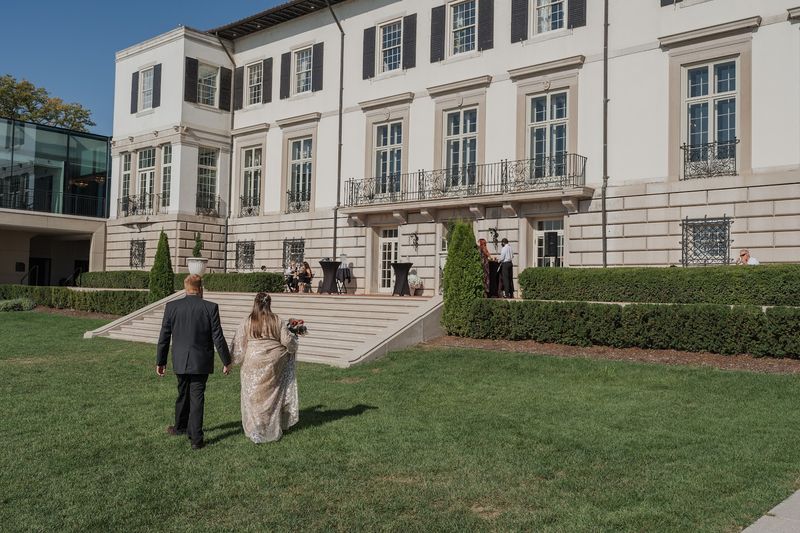
Few venues in southeast Michigan inspire the kind of loyalty that The War Memorial does among couples who choose it for their wedding day. The combination of historic architecture, lakefront views, manicured outdoor ceremony spaces, and a professional event team creates conditions where things simply go right.
Couples who have planned weddings here from hours away consistently describe the experience as stress-free, pointing to a team that anticipates needs before they become problems and treats every detail as important. The catering earns its own praise, with food described as genuinely delicious rather than the forgettable banquet fare that large venues sometimes default to.
The outdoor ceremony site, surrounded by mature greenery, and the reception tent with its abundant natural light give photographers the kind of varied, flattering backdrops that make a wedding album look professionally curated. The renovated interior spaces add a layer of polish that has made the venue a top recommendation among Michigan wedding professionals who have worked there repeatedly and keep coming back.
The Library Room With a Medieval Soul
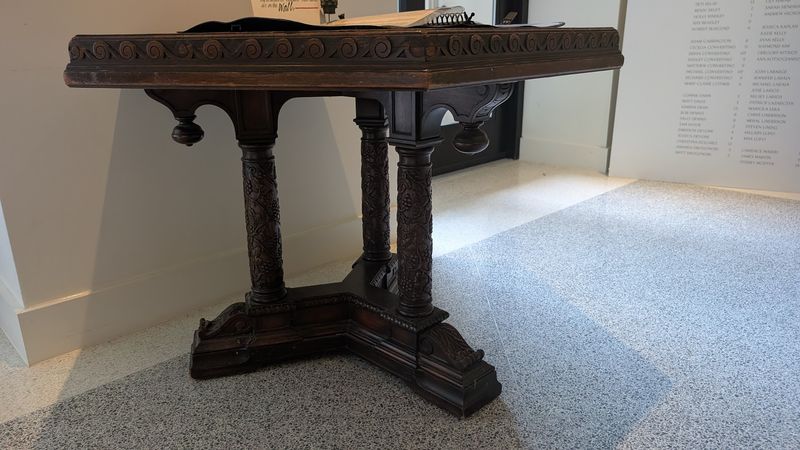
Not every room in this estate announces itself loudly, and the library is a perfect example of that quiet confidence. The wood paneling, tapestries, and carefully preserved furnishings create what visitors consistently describe as a medieval atmosphere, which is a surprising quality to find inside a lakefront Michigan estate.
The room works beautifully as an event space precisely because it does not need much decoration. Balloons and simple touches are enough to transform it for a baby shower or small gathering, because the bones of the room carry so much visual weight on their own.
The windows frame views of the water and the outdoor art sculptures, turning the outside landscape into something that functions almost like a living painting.
This is the kind of room that makes people slow down and look around, noticing details they might have missed in a more modern space. The original furniture and architectural elements give it a texture and authenticity that no amount of renovation budget could replicate from scratch.
Community Programs That Keep the Place Alive
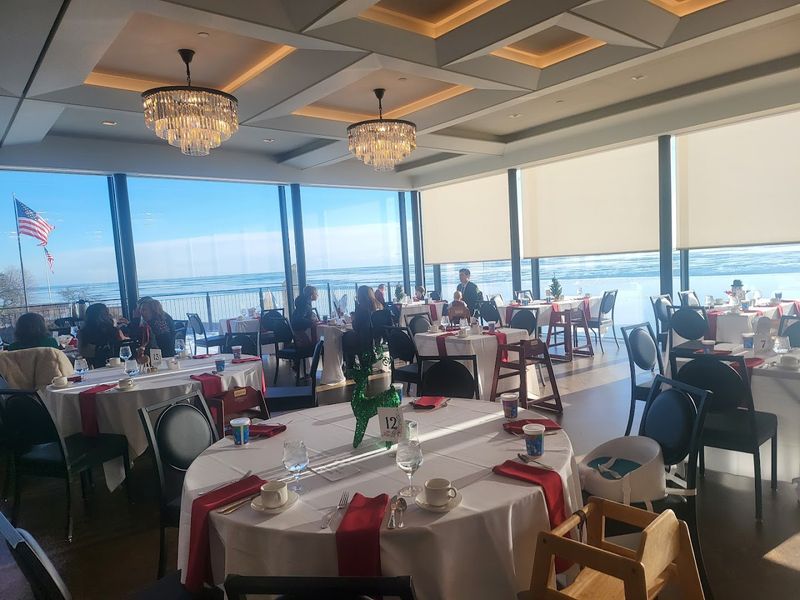
Beyond weddings and concerts, The War Memorial functions as a full-service community hub with a program calendar that covers an impressive range of interests and age groups. Ballroom dance lessons, art classes, lectures, breakfasts with Santa, and social dances are just a sample of what fills the schedule throughout the year.
The dance lessons in particular have built a dedicated following among residents who appreciate having a genuinely beautiful space in which to learn. There is something about practicing a waltz in a room with lake views and historic architecture that makes the whole experience feel less like a hobby and more like a small luxury.
The breadth of programming reflects the estate’s identity as something larger than a memorial or an event venue. It functions as a genuine gathering place for a community, and that dual role, honoring the past while actively serving the present, is what gives The War Memorial its distinctive character and keeps people coming back season after season.
Practical Details Every Visitor Should Know
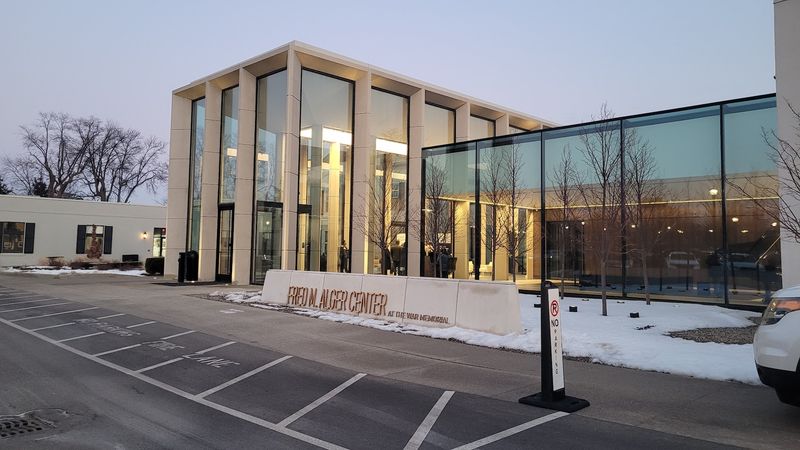
A few practical details make visiting The War Memorial considerably easier, and they are worth knowing before you arrive. The venue is open every day of the week from 8 AM to 8 PM, which gives visitors a generous window to explore at their own pace without feeling rushed by limited hours.
Parking is straightforward, with ample space available on the grounds, and valet parking is offered during larger events, which takes the stress out of arriving at a busy wedding or concert evening. The entrance is fully handicap accessible, with automatic doors that open independently and an elevator providing access to multiple levels, making the entire building reachable for visitors with mobility needs.
The website at warmemorial.org maintains an updated event calendar, and the phone line at 313-881-7511 connects you to staff who are consistently described as helpful and knowledgeable. One small heads-up for warm-weather visitors: the lakeside location means insects and spiders near the exterior windows are part of the natural package, so plan accordingly.
The Views That Make Every Visit Worthwhile
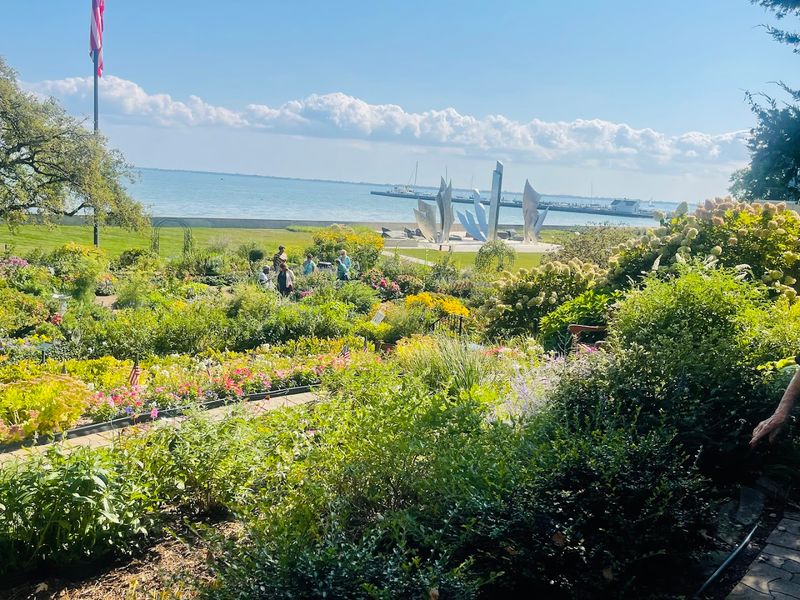
Few things at The War Memorial generate more consistent enthusiasm than the views of Lake St. Clair, and that enthusiasm is entirely justified. From the lake terrace at the base of the grand stone staircase to the upper floors of the glass addition, the water is a constant, calming presence that shifts in character depending on the season and the time of day.
Summer afternoons bring a deep blue expanse that stretches toward the horizon with a clarity that feels almost Mediterranean. Winter visits offer something entirely different: a frozen white surface that turns the whole scene into a study in stillness, especially striking when viewed through those floor-to-ceiling glass walls from inside a warm, candlelit room.
The wisteria-covered arbor provides a natural frame for lake photographs that requires almost no effort to compose beautifully. Whether you are attending a formal event or simply walking the grounds on a quiet Tuesday morning, the water view is the detail that tends to stay with you long after everything else has faded from memory.
Why This Place Stays With You Long After You Leave
The estate holds history, honors service, hosts celebrations, teaches art and dance, and opens its gardens to anyone who wants to spend an afternoon near the water. That range of functions, all contained within one carefully maintained property, creates an experience that feels layered and meaningful in a way that a single-purpose venue simply cannot replicate.
My visit left me with the kind of quiet satisfaction that comes from encountering a place that has clearly figured out what it wants to be and then committed to that vision completely. The War Memorial is not trying to be everything to everyone; it just happens to offer something genuinely valuable to nearly everyone who walks through its doors, and that is a rare quality worth celebrating.



