The Demuth Museum of Art gives visitors the rare chance to explore the actual home and studio of Charles Demuth, one of America’s pioneering Modernist painters. Located in downtown Lancaster, the museum showcases original watercolors, personal belongings, and the spaces where Demuth lived and created many of his best-known works.
The experience goes far beyond the artwork. Visitors can walk through the restored garden that inspired many of his floral paintings, explore the family’s historic tobacco shop dating to 1770, and learn how Demuth helped shape American Precisionism while becoming an important figure in early 20th-century art. Rotating exhibitions and guided walking tours add even more reasons to visit.
Here’s why the Demuth Museum of Art has become one of Lancaster’s most rewarding cultural attractions and a must-see for anyone interested in American art and history.
The Address That Anchors a Movement
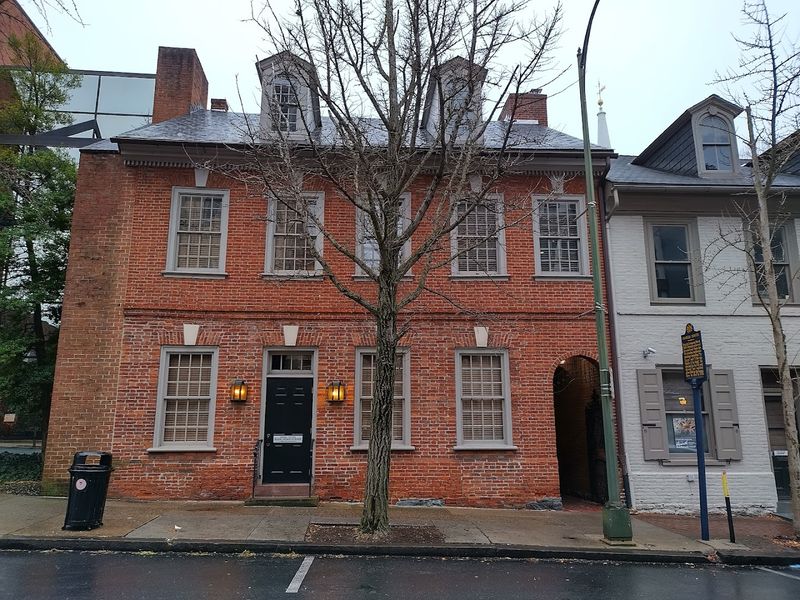
There are addresses that feel like coordinates on a map, and then there are addresses that feel like coordinates in history. The Demuth Museum sits at 120 East King Street, Lancaster, Pennsylvania 17602, in a late 18th-century brick row home that has been standing since before the United States had its second president.
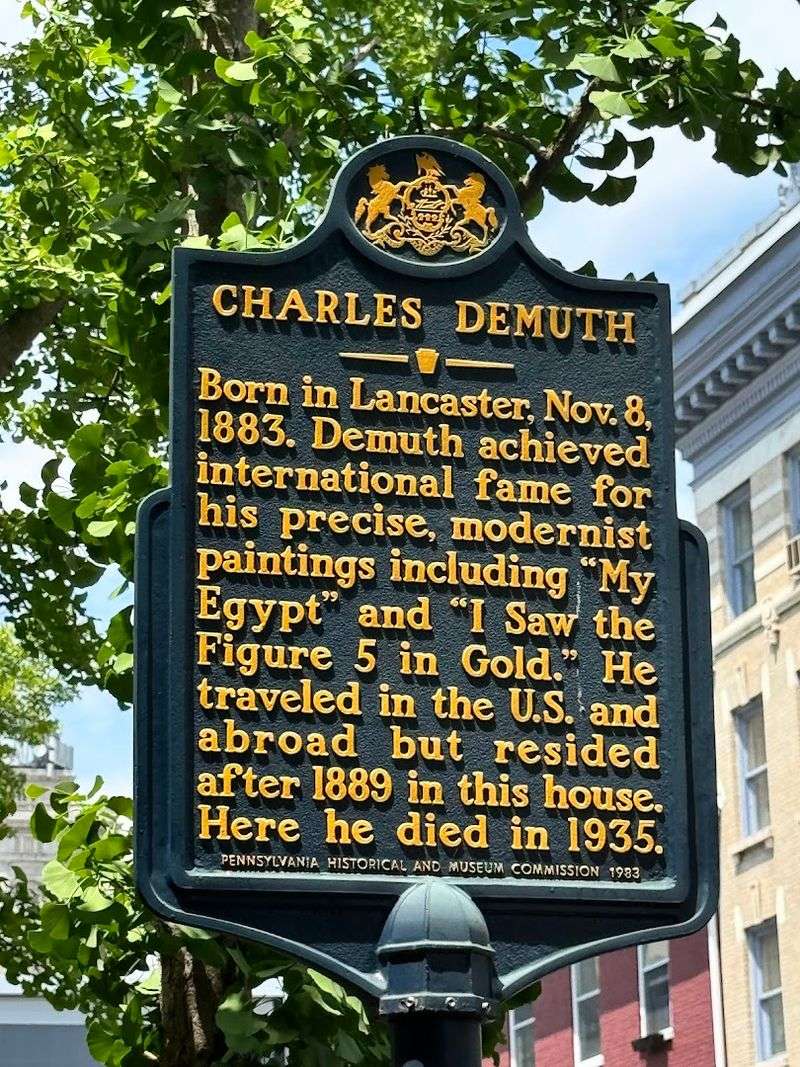
Charles Demuth moved into this house at age six and never really left. He lived here with his mother until his passing in 1935, and his second-floor studio overlooked the family garden that inspired some of his most beloved floral watercolors.
The building is a contributing property to the Lancaster Historic District and is recognized by Historic Artists’ Homes and Studios, a national program that preserves the spaces where American artists actually worked. You are not visiting a recreation or a tribute building. You are standing inside the real thing, and that distinction changes how every painting on the wall feels when you look at it.
Who Was Charles Demuth, Really
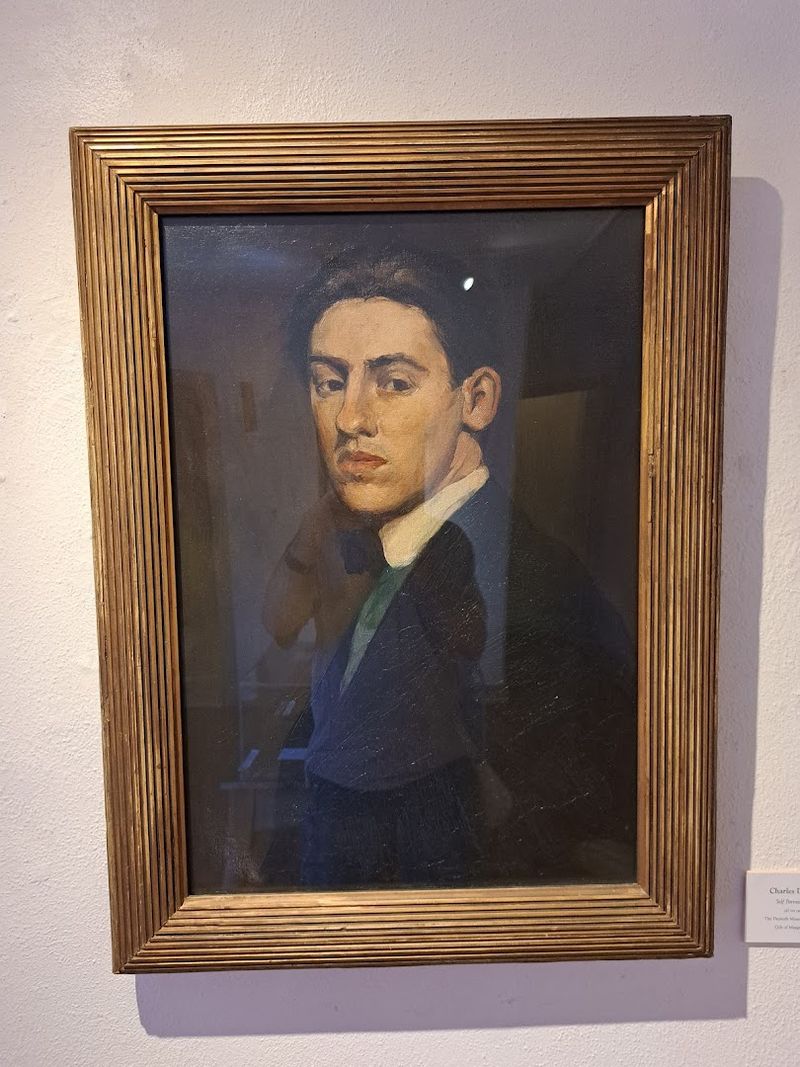
Most art history classes skip right past him, which is a genuine shame, because Charles Demuth was doing things with paint that nobody else was attempting at the time. Born in Lancaster in 1883, he trained in Philadelphia and later in Paris, absorbing the influence of Cubism and bringing it home to Pennsylvania in a way that felt entirely his own.
He became a master watercolorist and a pioneer of Precisionism, a distinctly American style that used clean geometric lines and sharp angles to depict industrial buildings, grain elevators, and factory smokestacks with almost architectural precision. He also painted extraordinarily delicate florals that seem to contradict the hard edges of his industrial work, and that contrast is part of what makes his output so fascinating.
Demuth moved in avant-garde circles that included Georgia O’Keeffe and Marcel Duchamp. He was openly part of queer social communities at a time when that carried real risk, and his so-called Poster Portraits encoded identities in symbolic imagery rather than literal likeness.
A Museum Born Inside a Family Home
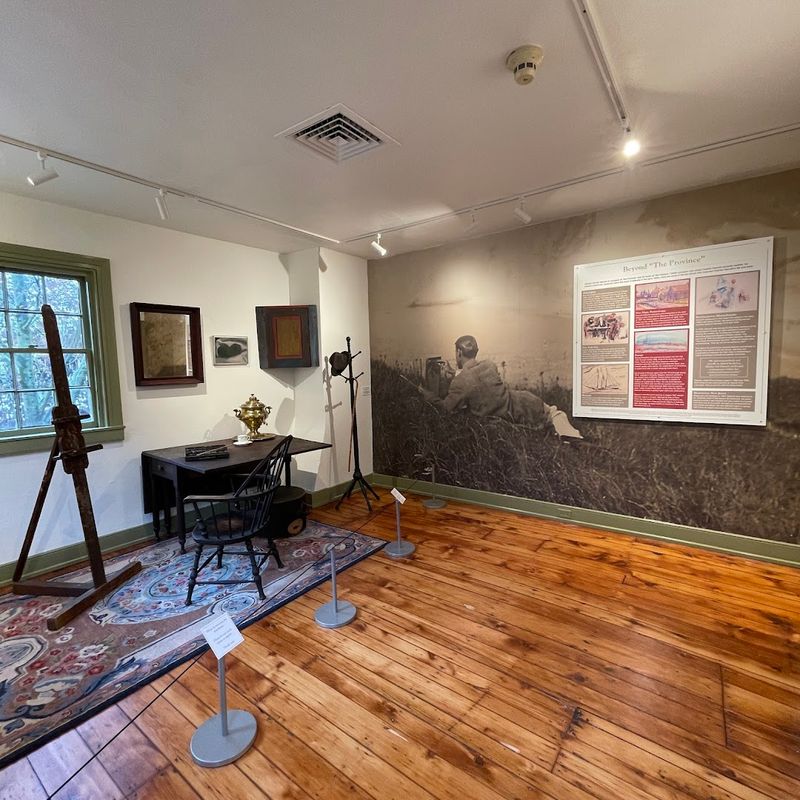
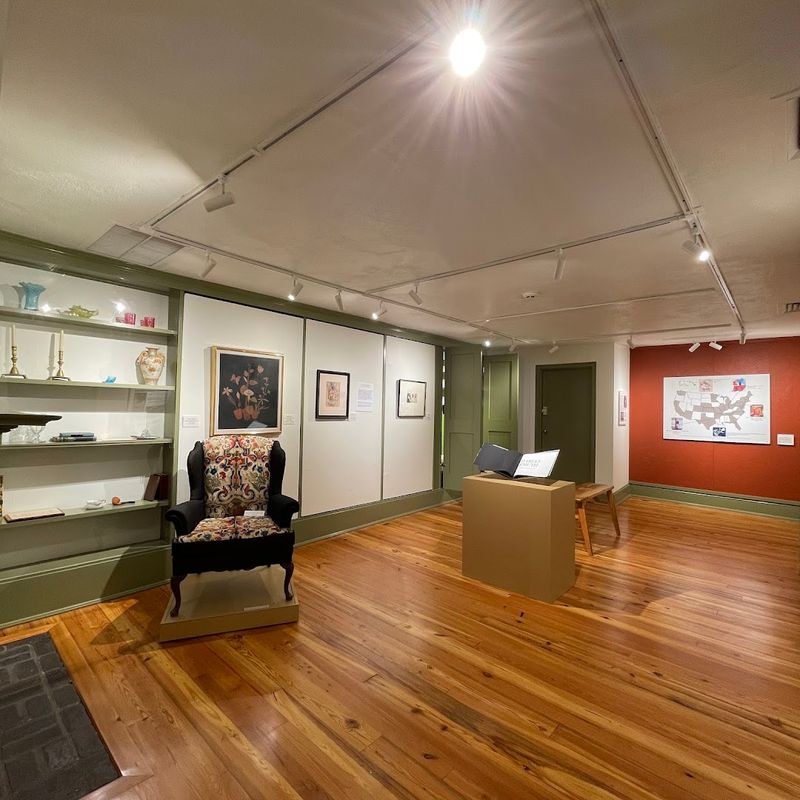
The Demuth Museum opened in 1981, and from the beginning it made a deliberate choice to keep the home feeling like a home rather than a sterile gallery. That decision pays off the moment you cross the threshold. The rooms are small, the ceilings are low, and the walls hold original artwork in a way that feels curated but never cold.
The museum holds over 60 original works by Charles Demuth, predominantly watercolors and works on paper, displayed in a rotating format so that returning visitors are likely to see something different each time. There are also art supplies, personal objects, and household items from the family’s daily life scattered throughout the rooms.
A short documentary film plays on a loop and gives visitors a solid grounding in Demuth’s biography before they wander through the rest of the space. The staff are genuinely knowledgeable and happy to answer questions, which transforms what could be a passive self-guided tour into something that feels more like a conversation about art history.
The Precisionist Style Up Close
Seeing Demuth’s Precisionist work reproduced in a textbook is one thing. Standing a few feet away from the actual paper he painted on, watching the way his lines hold their geometry while the watercolor bleeds softly at the edges, is something else entirely. The technique rewards close attention in a way that digital images simply cannot replicate.
Precisionism as a movement took its cues from Cubism but rooted itself firmly in American industrial imagery. Demuth painted grain elevators, water towers, and factory buildings with a reverence that made the mundane feel monumental. His famous work “I Saw the Figure 5 in Gold,” a Poster Portrait of his friend the poet William Carlos Williams, is one of the most recognized pieces of American Modernist art ever made.
The museum’s collection focuses heavily on his watercolors, which show a different side of the same disciplined eye. Flowers painted with the same structural confidence he brought to smokestacks are a striking reminder that his range was far broader than any single label suggests.
The Garden That Fed His Imagination
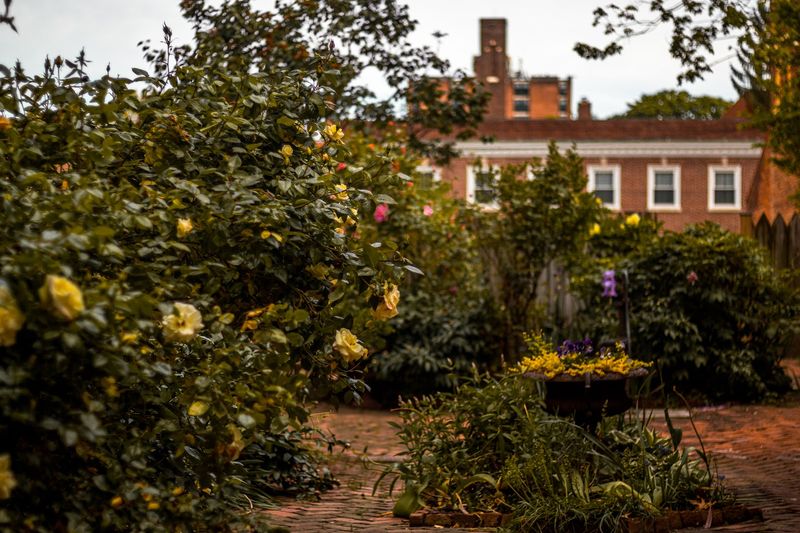
One of the most quietly powerful parts of the visit is stepping out into the restored garden behind the house. The caretakers have replanted it to reflect what the space looked like during Demuth’s lifetime, which means the flowers you see are roughly the same ones that appeared in his still-life watercolors.
His second-floor studio window looked directly down onto this garden, and that view shaped an enormous portion of his output. Zinnias, dahlias, and other garden flowers appear again and again in his work with a familiarity that only comes from years of daily observation. The garden was not just a backdrop; it was a collaborator.
Even on days when the museum itself is closed, the small courtyard area is sometimes accessible to the public, offering a peaceful pause in the middle of downtown Lancaster. Children who visit tend to gravitate toward the garden naturally, and the museum has thoughtfully positioned it as a hands-on sensory space rather than a roped-off display. That openness makes the whole property feel genuinely welcoming rather than precious.
The Tobacco Shop Next Door That Predates the Nation
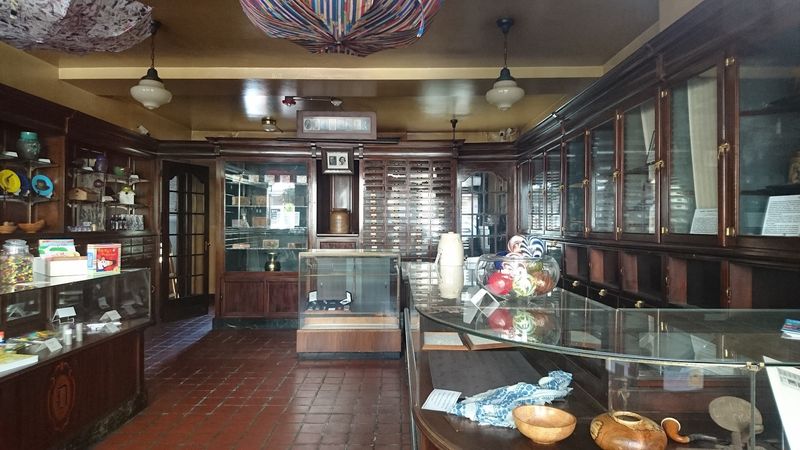
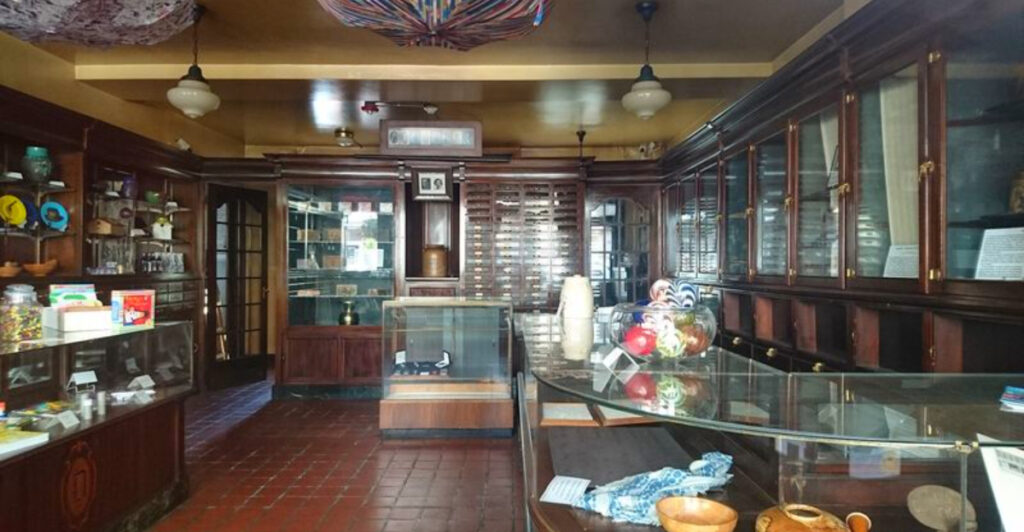
Here is a detail that stops most visitors mid-sentence: attached to the museum complex is the Demuth family’s tobacco shop, a business that was established in 1770. That is six years before the Declaration of Independence was signed. The shop predates the country it operates in, which is the kind of fact that takes a moment to fully land.
The interior of the shop carries the sweet, warm scent of aged tobacco and the visual weight of dark wood cabinets with rows of small drawers, each one worn smooth from generations of use. The walking tour of the museum includes access to this space, and visitors consistently describe it as feeling like a genuine time capsule rather than a staged reproduction.
The Demuth family ran the tobacco business alongside their domestic life, and the shop remained a working part of Lancaster’s commercial landscape for an extraordinary span of time. That layered history, artist’s home plus centuries-old family business, gives the museum a depth that most art spaces simply cannot manufacture. The tobacco shop alone makes the tour worth booking.
Taking the Walking Tour Through Demuth’s World
The self-guided visit through the museum rooms is genuinely enjoyable, but the optional walking tour takes the experience to a different level entirely. The guide has spent years researching Demuth’s life, social circles, and artistic development, and that depth of knowledge comes through in every stop along the route.
The tour moves through the house and out into the surrounding neighborhood, connecting the paintings on the walls to the actual streets and buildings that inspired them. Photographs from Demuth’s era appear alongside the present-day views, creating a layered sense of time that makes the art feel alive rather than archived.
There is a ticket cost for the tour while the museum itself operates on a suggested donation basis of around ten dollars, so you can calibrate your visit to your budget without feeling excluded. The guide is happy to answer questions and has a particular talent for making Demuth feel like a fully formed person rather than a figure frozen in art history. A small gift shop at the end carries books, prints, and other items, including a book written by the tour guide himself.
Floral Watercolors That Defy Easy Categories
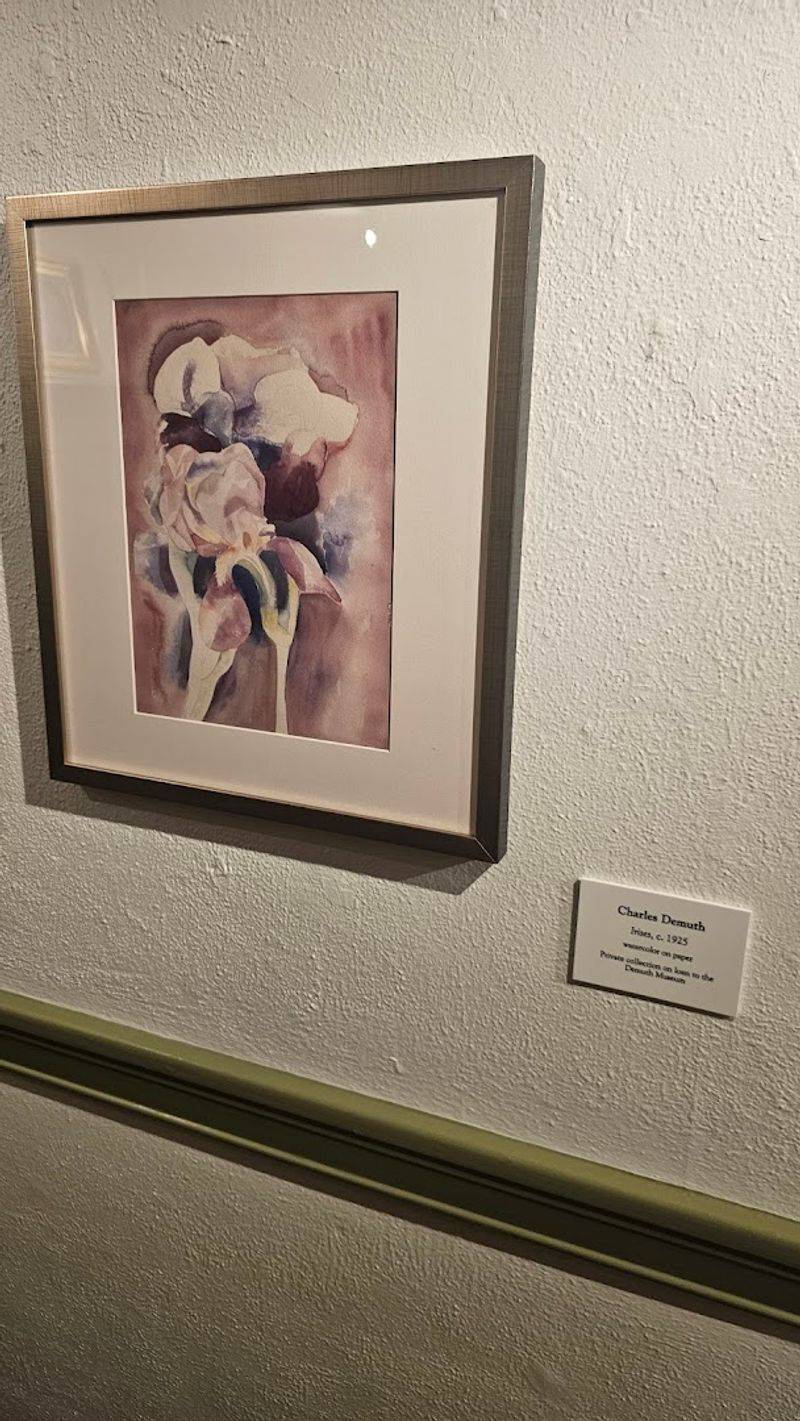
It would be easy to slot Demuth into a single box, the Precisionist painter of industrial America, and call it done. But the floral watercolors in the collection push back hard against that simplification. These are not decorative afterthoughts. They are technically demanding, emotionally resonant works that show a painter completely in command of a medium that punishes hesitation.
Watercolor does not forgive. Every mark is permanent, every wash either works or ruins what came before it. Demuth painted flowers with the same geometric confidence he brought to grain elevators, but the results feel tender rather than rigid. The petals hold their shape without losing their softness, which is genuinely difficult to achieve.
Many of these floral works were created in his upstairs studio using blooms from the garden directly below his window. Seeing the garden first and then climbing to the studio level to view the paintings creates a before-and-after effect that is more instructive than any wall label. It shows exactly how an artist transforms observation into interpretation, and it is one of the most satisfying moments of the entire visit.
Kid-Friendly Corners in a Historic House
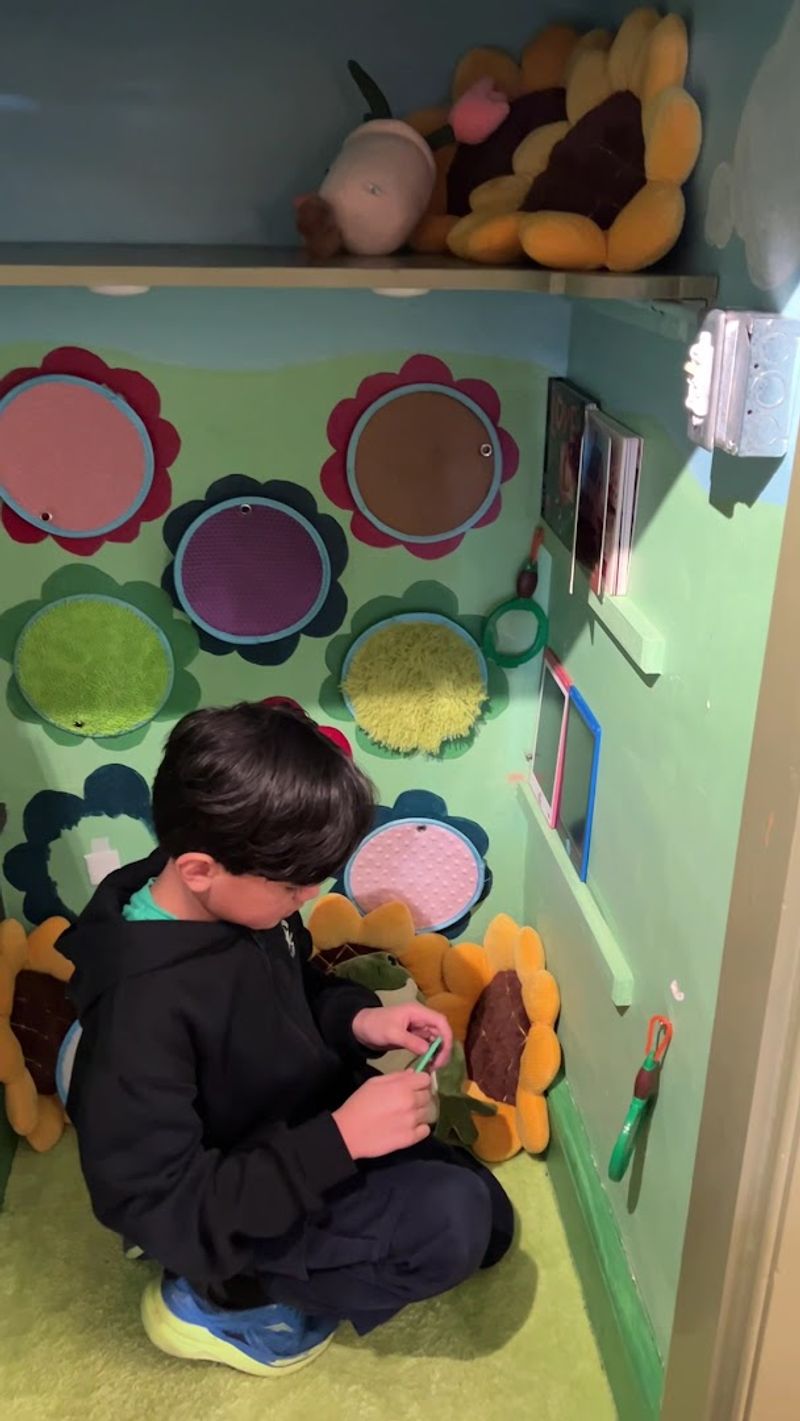
Bringing young children to an art museum in a 200-year-old house sounds like a recipe for stress, but the Demuth Museum has clearly thought about this. Small children’s cubbies are tucked throughout the home, stocked with age-appropriate activities that keep younger visitors engaged without disrupting the experience for everyone else.
A scavenger hunt is available for families, which turns the self-guided tour into an active search rather than a passive walk-through. Kids who might otherwise lose interest in historic paintings find themselves genuinely motivated to look closely at every room, which is a clever bit of educational design.
The garden is particularly popular with toddlers, who treat it as a natural playground while their caregivers absorb the surrounding history. Library card programs in some local municipalities, including Manheim Township Public Library, allow families to access the museum for free through pass lending programs. For parents trying to introduce children to art history without a significant financial commitment, this is an unusually accessible and welcoming destination. Check ahead for current pass availability.
Special Exhibitions and the Local Art Community
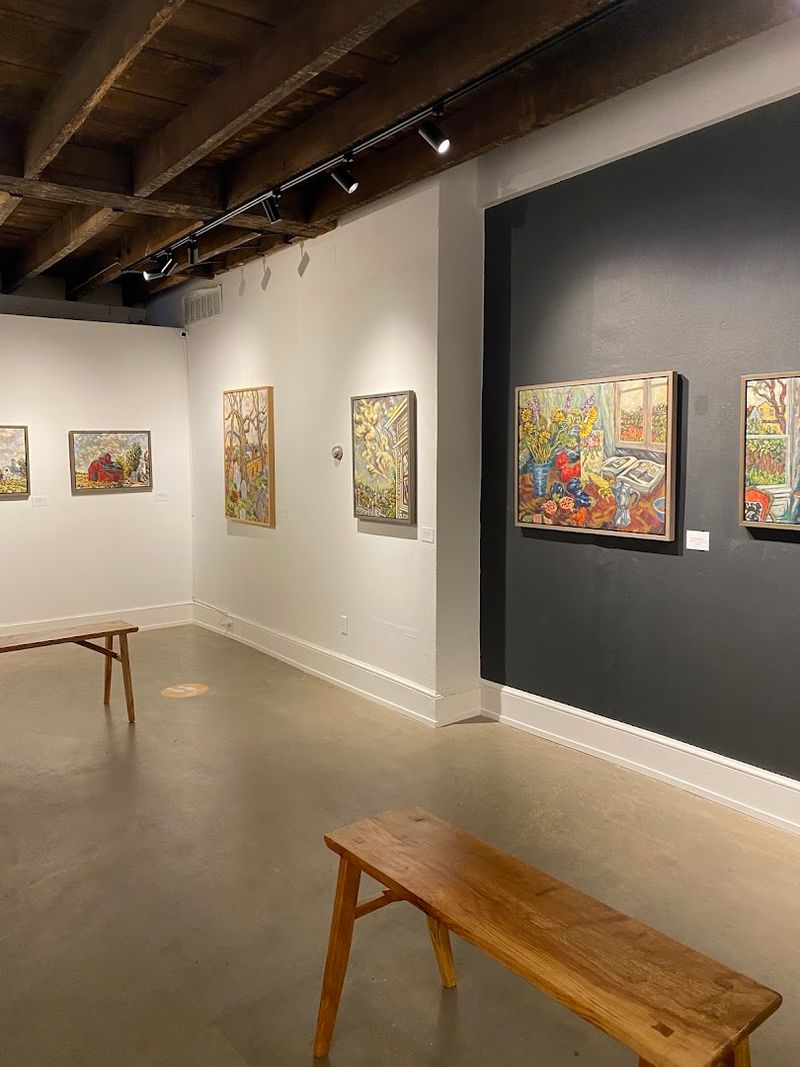
The Demuth Museum has never positioned itself as a shrine to a single artist sealed off from the living art world around it. Alongside the permanent collection, the museum hosts rotating special exhibitions featuring local artists, student work, and archival materials that connect Demuth’s legacy to the creative community that surrounds it today.
The 2026 Demuth Invitational, for example, brought together 70 local artists in a show that demonstrated just how vibrant Lancaster’s current art scene is. These exhibitions use the same intimate rooms that hold Demuth’s watercolors, which creates an interesting dialogue between historical and contemporary work without either side overwhelming the other.
The museum also functions as an educational center, offering programs for students and adults and serving as a research site for scholars working on American Modernism. This dual role, community art space and serious academic resource, gives the institution a range that larger museums sometimes struggle to achieve. A June 2026 rebranding consolidated the museum under the new name, The Demuth Museum of Art, signaling an expanded vision for its future role in Lancaster’s cultural life.
Planning Your Visit Without Surprises
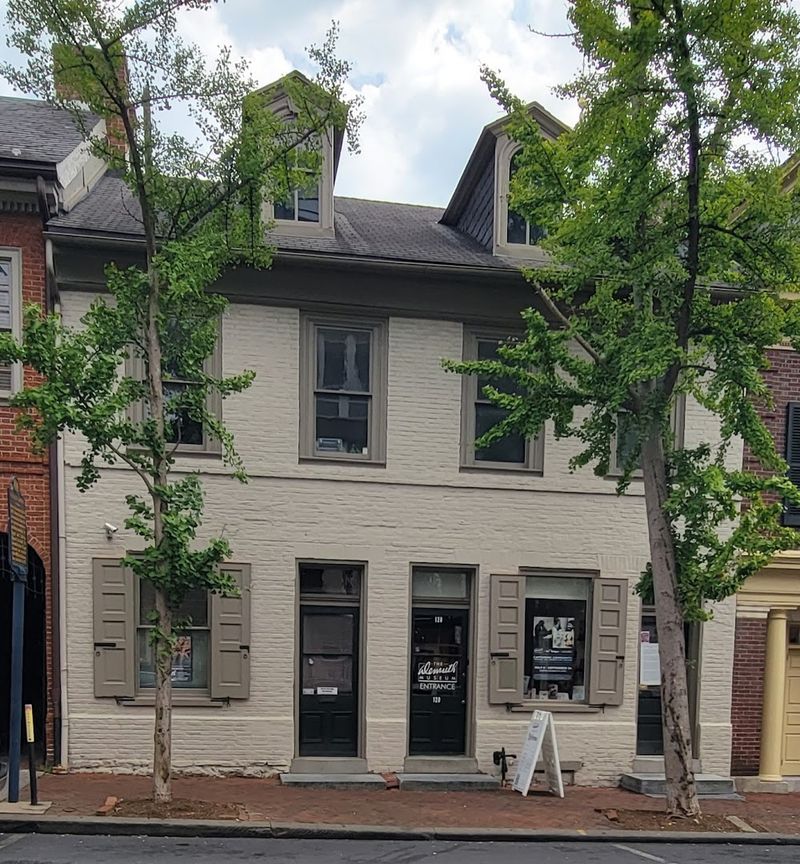
The museum’s hours require a little planning before you show up at the door. Current operating hours are Tuesday and Thursday from 10 AM to 4 PM, Friday from 10 AM to 8 PM, and Sunday from noon to 4 PM. Monday, Wednesday, and Saturday the museum is closed, so a mid-week or weekend visit needs to be timed accordingly.
General admission runs on a suggested donation model, with ten dollars being the typical ask, though the museum is genuinely flexible about this. The walking tour carries a separate ticket price and is worth booking in advance, particularly on busier Fridays when the extended evening hours draw larger crowds. The phone number for the museum is 717-299-9940, and the website at demuth.org carries updated exhibition and event information.
The location on East King Street puts you within easy walking distance of Lancaster’s restaurants, coffee shops, and other downtown attractions, so building a half-day itinerary around the visit is straightforward. The museum is compact enough that a focused visit takes about 30 to 45 minutes, which pairs well with a meal or a stroll through the surrounding historic district afterward.
Share this story