There is a zoo in Lansing, Michigan, where kids can feed friendly goats in a hands-on farmyard, snow leopards lounge behind the glass just a few steps later, and shaded walking paths follow the scenic Red Cedar River through the middle of the grounds. It is the kind of place families visit once and then quietly add to their regular rotation.
Potter Park Zoo may not be the largest zoo in the Midwest, but what it does offer feels thoughtfully packed into a manageable, easy-to-explore space. Giant anteaters, white rhinos, playful otters, and big cats all share the spotlight here, along with a miniature train ride and peaceful garden areas that make the experience feel relaxed instead of overwhelming.
The combination of active animals, walkable paths, and family-friendly attractions has earned the zoo a loyal following that keeps growing year after year. Keep reading, because this riverside Michigan zoo delivers far more than most visitors expect the moment they walk through the gate.
Where the Zoo Actually Lives
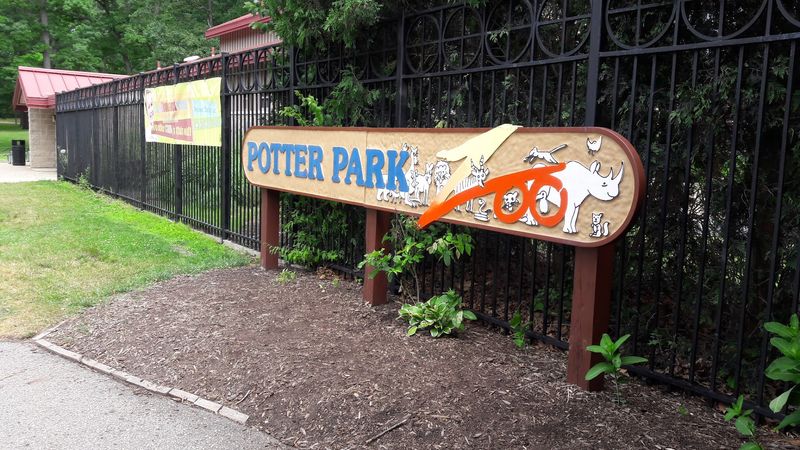
Potter Park Zoo sits at 1301 S Pennsylvania Ave, Lansing, MI 48912, right along the edge of the Red Cedar River in a green corridor that already feels like a natural escape before you even buy your ticket.
The address puts you squarely in the middle of Lansing, Michigan, which means this is genuinely a city zoo in the best sense. You are not driving an hour into the countryside to find it.
It is tucked into a park setting that gives it an almost forested feel, with tall trees lining the paths and the sound of the river occasionally drifting through.
Parking is available on site, with a small fee for non-residents. The zoo opens at 9 AM daily and closes at 5 PM, which gives you a comfortable window for a morning visit without feeling rushed.
The phone number is 517-483-4222 if you want to call ahead and confirm any seasonal changes or special events before your trip.
A Zoo That Grew From a City Park
Potter Park Zoo has roots that stretch back to 1915, making it one of the oldest zoos in Michigan. It began as part of Potter Park, a public green space gifted to the city of Lansing, and the zoo grew organically from that original parkland over the following decades.
That history shows in the layout. The grounds have a lived-in, comfortable feel rather than the slick corporate polish of a brand-new attraction.
Trees that have been growing for decades shade the walkways, and the whole place has a character that newer facilities simply cannot manufacture.
Ingham County took over management of the zoo in the 1970s, and since then there have been ongoing improvements to exhibits and animal care standards. The zoo is accredited by the Association of Zoos and Aquariums, which means it meets rigorous standards for animal welfare and conservation.
That accreditation matters, and it is worth knowing before you visit.
350 Animals and the Stories Behind Them
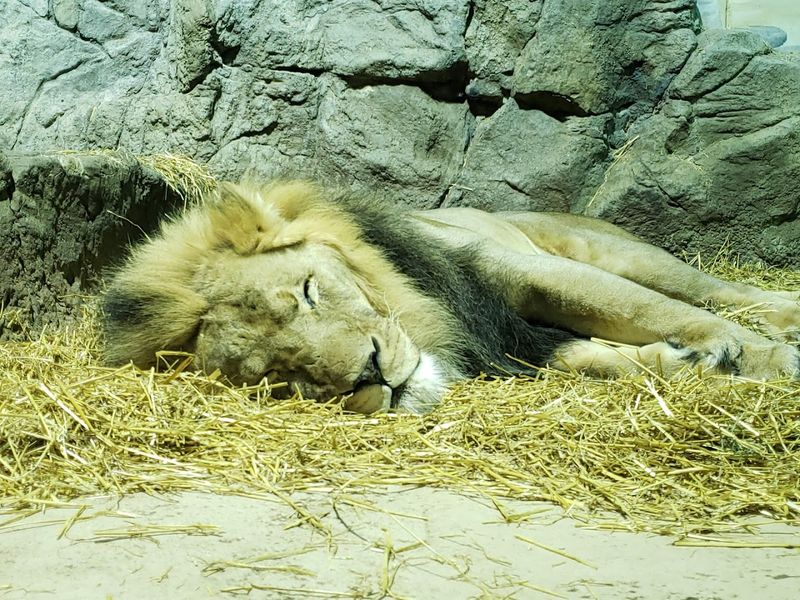
Home to around 350 animals, Potter Park Zoo covers a genuinely diverse range of species for its size. Big cats are a clear highlight, with lions, tigers, and a snow leopard all represented.
Watching a lion stretch out in the morning light or a tiger pace its exhibit is the kind of moment that reminds you why people love zoos in the first place.
The zoo also houses white rhinos named Doppsee and Phineas, which have become fan favorites. There are primates, reptiles, birds of prey including a bald eagle, and a giant anteater that moves through his space with a slow, deliberate confidence that is oddly mesmerizing.
One detail I particularly appreciated was the Zookeeper Notes signage throughout the exhibits. Each sign includes the animal’s name, birth date, and personal facts written by the keepers themselves.
It transforms a standard zoo visit into something that feels more like meeting individuals rather than just viewing species. That personal touch is hard to find.
The Walkability Factor That Sets It Apart
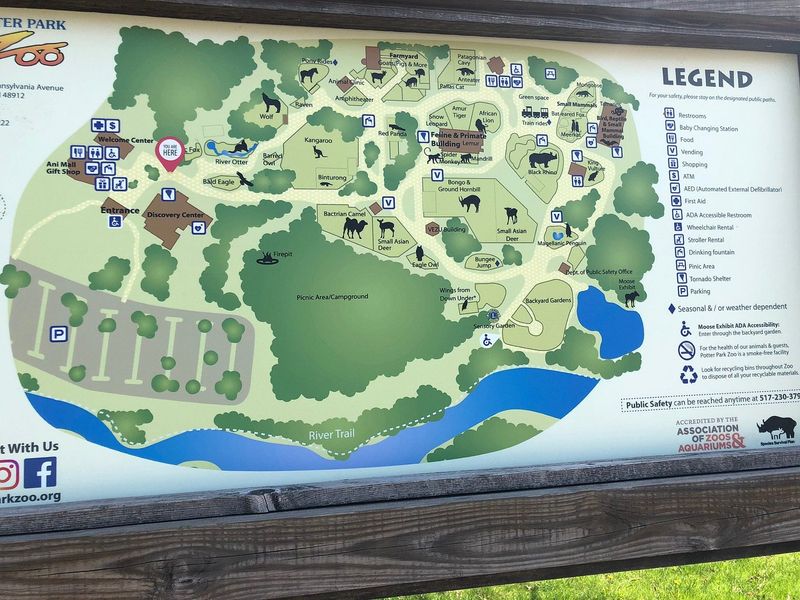
One of the first things you notice at Potter Park Zoo is how easy it is to get around. The paths are paved, clearly marked, and wide enough that strollers, wheelchairs, and groups of school kids can all move through without creating a bottleneck.
There is no confusing maze of unmarked trails here.
The layout follows a logical loop that guides you past exhibits in a natural sequence. You never feel like you are backtracking or missing something.
Benches appear at regular intervals, which is genuinely useful when you are visiting with young children or just need a moment to watch an animal without rushing to the next stop.
Shade is another underrated feature. The mature trees that line many of the paths make a real difference on warm days, keeping the experience comfortable well into summer afternoons.
Water bottle refill stations are available throughout the grounds, and restrooms are spaced out sensibly along the route. Practical details like these add up quickly when you are spending a few hours on your feet.
The Farmyard Where Kids Get Hands-On
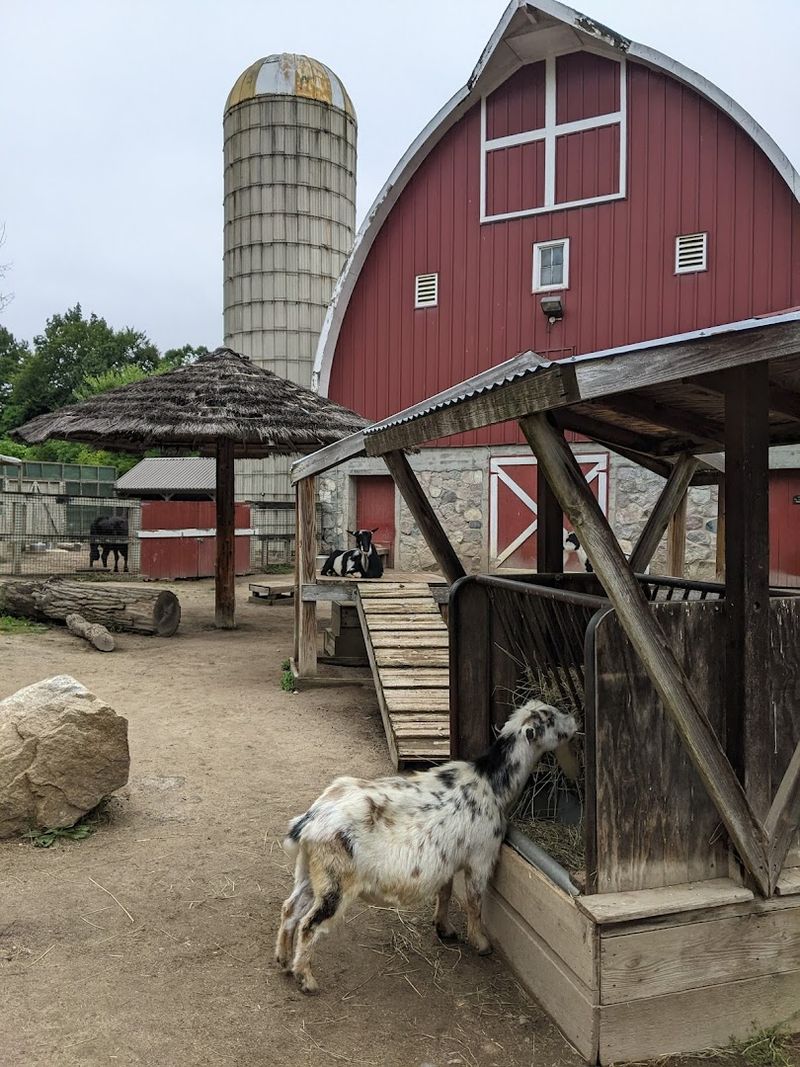
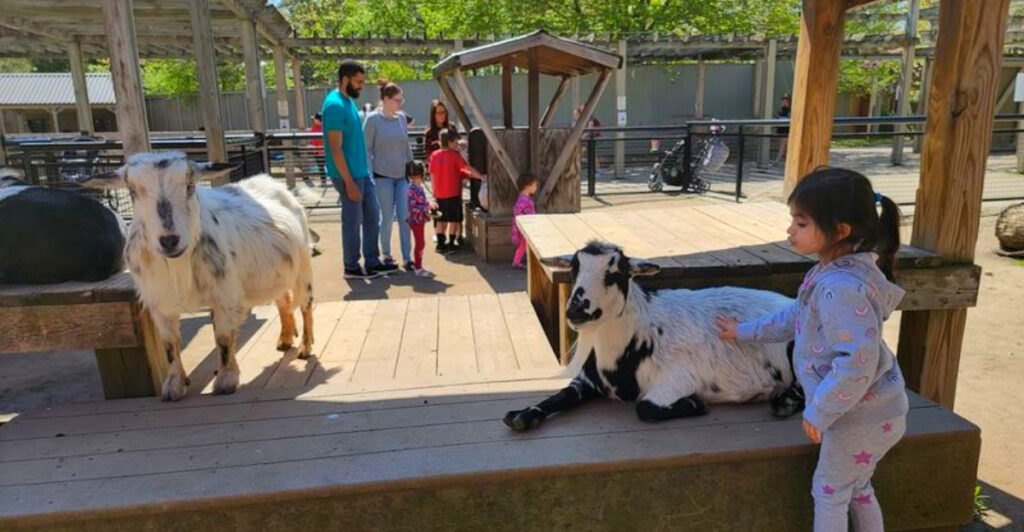
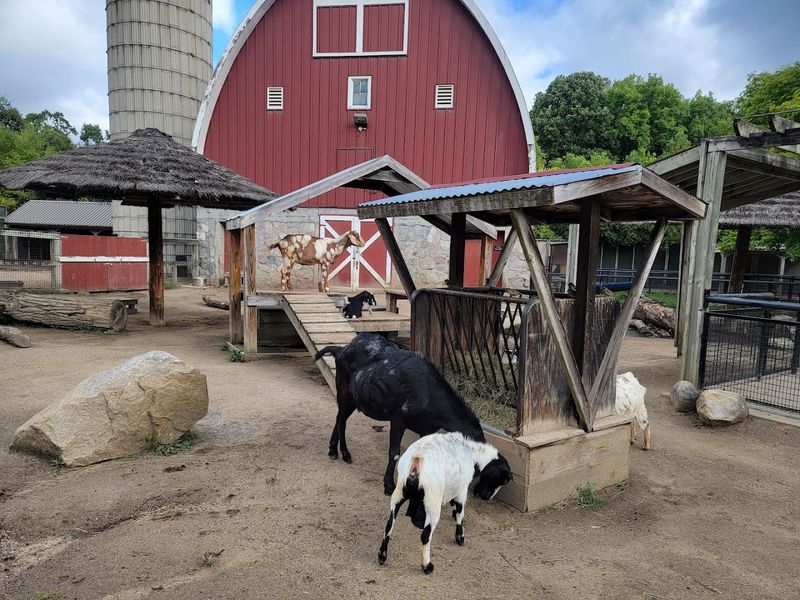
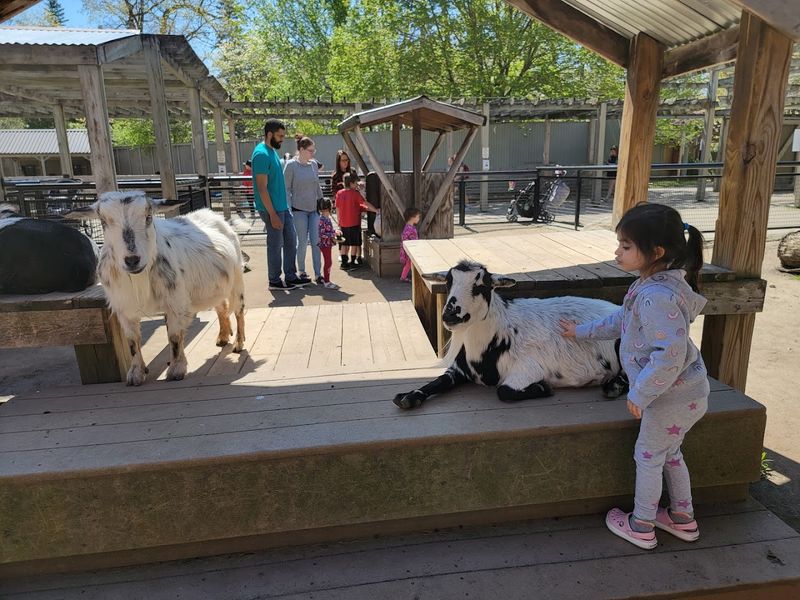
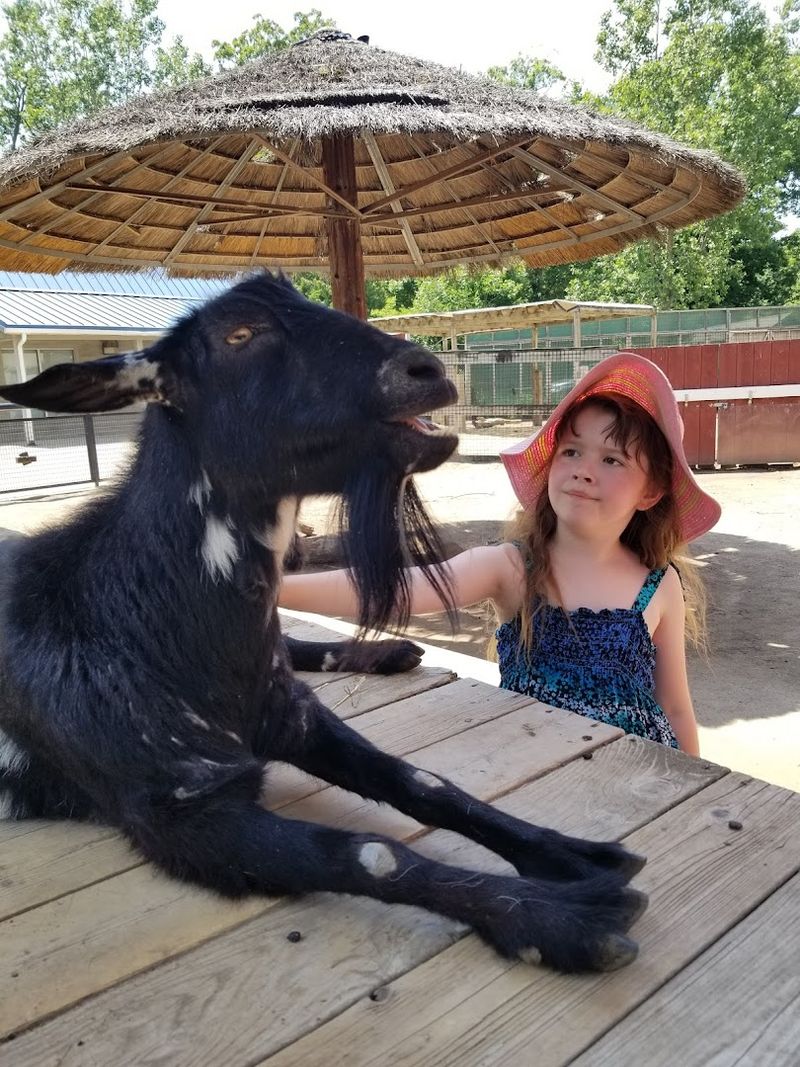
Not every zoo offers a space where kids can actually touch the animals, but Potter Park Zoo has a farmyard area that delivers exactly that. Goats are the main attraction here, and they are exactly as curious and friendly as you would hope.
Young visitors light up the moment they realize they can get right up close.
There are also cows and other barnyard animals in this section, giving the farmyard a genuine working-farm feel rather than a token petting pen. It is a smart addition to a zoo that otherwise focuses on more exotic species, because it grounds the experience for younger children who might be overwhelmed by the big cats and rhinos.
Ralph the Emu is also worth seeking out nearby. He has a personality that is difficult to describe but impossible to ignore, and he tends to draw a small crowd of amused visitors wherever he is positioned.
The farmyard section alone makes this zoo worth visiting with children under eight, and it never feels like an afterthought.
The Little Train That Loops the Whole Zoo
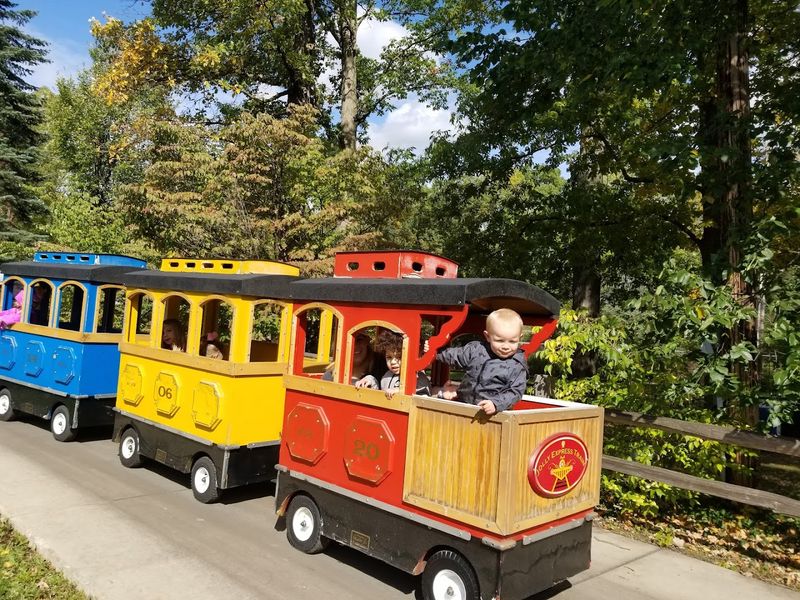
Few things make a zoo visit feel magical quite like climbing aboard a miniature train and rolling through the grounds at a leisurely pace. Potter Park Zoo runs a classic train ride that loops around part of the zoo, giving riders a different view of the landscape and the animals nearby.
It’s a paid add-on, but the price is modest and the smiles it produces are anything but small.
Young kids especially love it. The train typically runs on weekends and during special events, so checking the zoo’s schedule before your visit helps you plan the timing perfectly.
The Reptile House and Big Cat Building
Two of the indoor spaces at Potter Park Zoo deserve special attention, especially on days when the weather is less cooperative. The reptile house is a proper, well-maintained building with a variety of snakes, lizards, and other cold-blooded residents displayed in clear, well-lit enclosures.
It is the kind of space that converts reluctant reptile visitors into genuine fans.
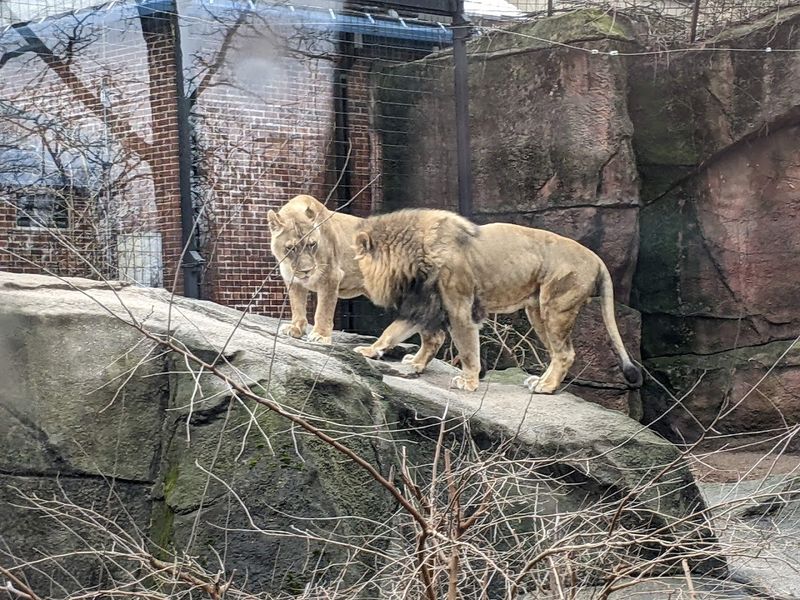
The big cat building gives you an indoor viewing option for lions and other feline residents during colder months or inclement weather. Off-season visits, when the outdoor paths are quieter, actually offer some surprisingly good viewing time in these indoor spaces without the summer crowds competing for your spot at the glass.
The combination of reliable indoor exhibits means Potter Park Zoo is a viable destination across multiple seasons, not just during peak summer. A mid-winter visit on a clear day can be genuinely peaceful, with almost no crowds and plenty of time to linger at each exhibit.
That kind of unhurried access is something the bigger zoos simply cannot offer.
The Sensory Garden and Quiet Zone
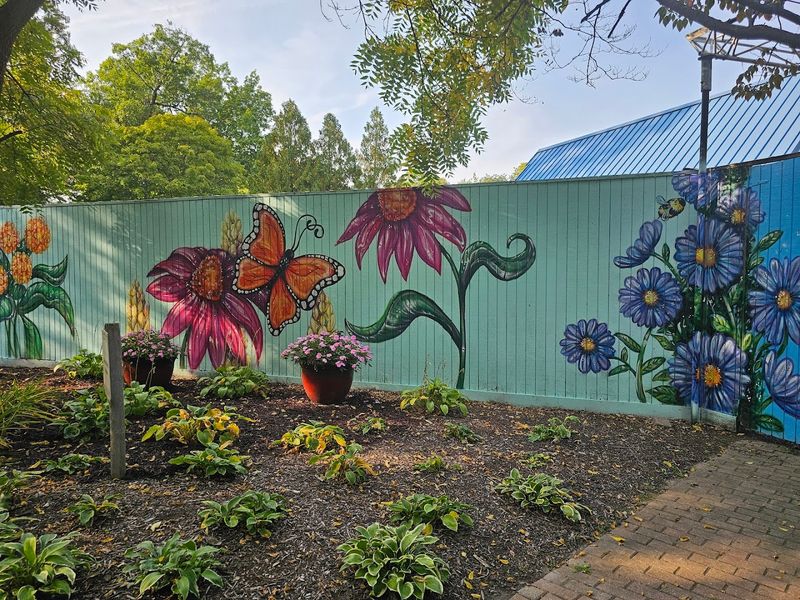
Tucked deeper into the zoo’s grounds is one of its most underappreciated features: a sensory garden with an herb tasting area that invites visitors to engage with plants through smell and touch. It is a genuinely creative addition that breaks up the animal-watching rhythm and gives visitors of all ages something different to experience.
Nearby, there is also a designated quiet zone, a small area set back from the main paths and surrounded by foliage. On busy days when school groups are moving through the zoo in energetic waves, this spot becomes a genuine refuge.
It is the kind of thoughtful design choice that shows the zoo cares about the full visitor experience, not just the animal exhibits.
The sensory garden is particularly well-suited for visitors with sensory sensitivities, making the zoo more inclusive than many of its counterparts. If you are visiting with kids who sometimes need a calmer moment during a busy outing, knowing this space exists in advance can make the whole trip easier to manage.
It is a small detail that makes a real difference.
Events That Keep Regulars Coming Back
Potter Park Zoo runs a calendar of events throughout the year that gives it a much longer season of appeal than a simple spring-to-fall animal exhibit. The Halloween event, known as Boo at the Zoo, is a popular autumn tradition that draws families with decorated paths, costumed volunteers, and a festive atmosphere that transforms the familiar grounds into something entirely new.
After-hours adult events are another draw, offering a completely different experience of the zoo without the daytime family crowds. These evening events have developed a loyal following among Lansing locals who want to see the zoo in a different light, sometimes literally, with holiday light displays turning the grounds into a nighttime spectacle.
The zoo also offers animal encounters as a ticketed add-on, giving visitors a chance to get closer to specific animals with a keeper present to provide context and answer questions. These encounters are popular and tend to book up, so checking the zoo’s website at potterparkzoo.org before your visit is a smart move if you want to secure a spot.
Membership Perks That Actually Make Sense
The membership program at Potter Park Zoo is one of the better deals in Michigan’s zoo landscape, and it is worth considering seriously if you live anywhere near Lansing. A family membership covers repeat visits throughout the season and includes parking at the zoo, which removes one of the small but recurring costs that add up over multiple trips.
Members also receive discounts on purchases inside the zoo and on ticketed events like the after-hours evenings. Perhaps most useful is the reciprocal access benefit: a Potter Park Zoo membership includes free entry to John Ball Zoo in Grand Rapids, along with discounts at other zoos and aquariums across the country.
For families who visit even two or three times a year, the membership quickly pays for itself. The zoo’s admission prices are already reasonable by any standard, with non-resident adult tickets around fifteen dollars and children’s tickets considerably lower.
But the membership transforms an occasional outing into a regular habit, and regular habits are how great local institutions stay alive.
Food, Gifts, and the Art the Animals Made
The food situation at Potter Park Zoo is straightforward and honest. There is one main food area on the grounds where you can grab a meal or a snack, and the prices are described by most visitors as reasonable.
Bringing a water bottle is a smart move since refill stations are available throughout the zoo, keeping costs and plastic waste both low.
Picnicking is also an option, and the grounds have enough green space and benches to make it a pleasant choice. Eating lunch while watching the otters play nearby is exactly as good as it sounds, and it gives your visit a relaxed midday rhythm that rushed tourists rarely get to enjoy.
The gift shop is worth a stop even if you are not a big souvenir buyer, because it sells artwork created by the animals themselves. Rhino art, bat-eared fox paintings on magnets, and feather ornaments made by the birds are among the offerings.
These are not generic zoo merchandise items but genuinely unique objects with a story behind them, and they make surprisingly meaningful keepsakes from an afternoon well spent.
Tips for Getting the Most Out of Your Visit
Animals tend to be more active in the cooler morning hours, so early arrival is a double win for both crowd avoidance and animal sightings.
Zookeeper talks happen at scheduled times throughout the day, and catching one adds real depth to what you are seeing. The staff are knowledgeable and clearly invested in the animals they care for, and a five-minute conversation at an exhibit can completely change how you experience the rest of your visit.
The Lansing Public Library also offers a free parking and entry pass that families can check out, making the zoo accessible even on a tight budget. Residents pay a lower parking fee than non-residents, so it is worth checking which category applies to you before you arrive.
The whole experience runs about two hours at a relaxed pace, making it a perfect half-day outing without any need to rush.
Share this story