 Unearth The Voyage
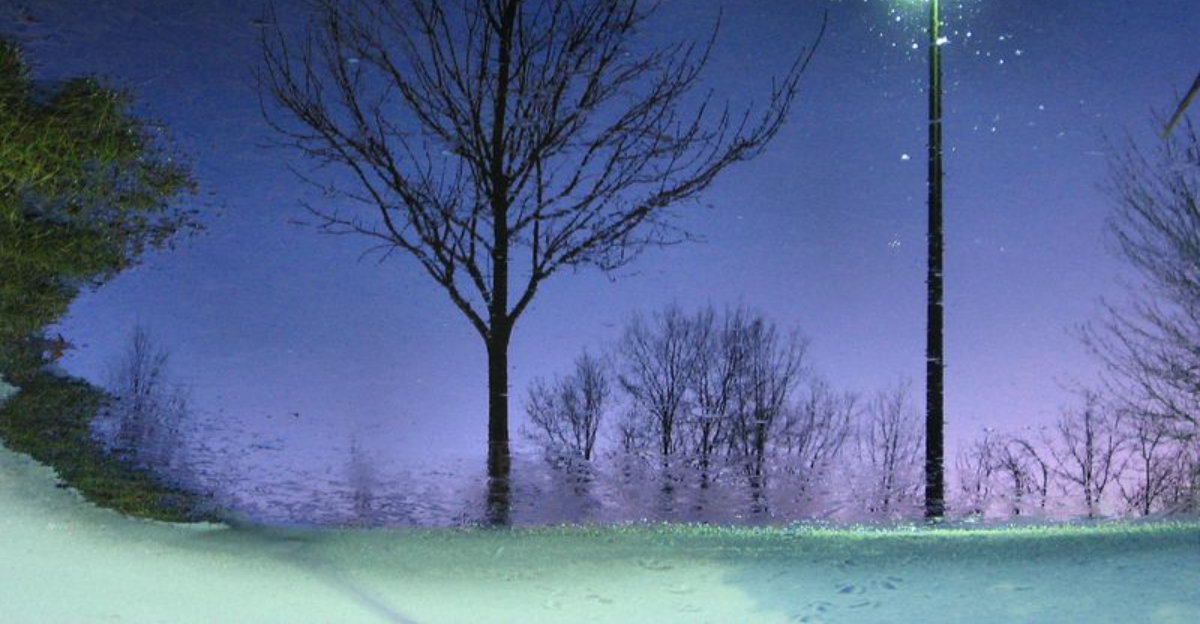
A quick-hitting winter system could sneak in overnight and turn your Tuesday morning plans sideways. Light snow and a thin glaze of ice may be enough to slick up roads just as rush hour ramps up, especially north of I-78. The good news is milder air follows fast, pushing a change to rain and improving conditions by late morning. Stay a step ahead now so you can coast into the holiday stretch with fewer surprises.

A compact winter system will slip through New Jersey overnight, spreading a quick burst of snow and a skim of ice into early Tuesday. North of Interstate 78, expect the best shot at accumulation, with 1 to 2 inches possible before a transition to rain. You could also see a brief mix or a thin freezing rain glaze on untreated roads, sidewalks, and bridges.
Even a dusting paired with spotty ice can turn the morning rush into a hassle. If you commute early, plan extra time and gentle braking, especially on ramps and secondary roads. Crews often treat main highways first, so neighborhood streets, parking lots, and overpasses may stay slick longer.
Central and southern New Jersey should see less than an inch, with a faster flip to rain near the coast. That transition will help wash away accumulation but can hide slick patches where surfaces are still cold. If possible, delay travel until precipitation changes to rain and road treatments have a chance to work.
Keep an eye on updated National Weather Service guidance before heading out. Temperatures hovering around freezing will decide who sees quick icing versus mainly wet roads. Pack patience, clear your windshield fully, and give plows and salt trucks plenty of space.
The timing is not ideal for commuters, with snow and pockets of ice lingering into early Tuesday. As temperatures hover near freezing, colder surfaces can collect a quick coating that sneaks up on you. Expect the slickest spots on bridges, overpasses, and less-traveled secondary roads.
Use slow, steady inputs and leave extra following distance. Black ice can look like wet pavement, so assume shine means slippery until proven otherwise. Public works typically prioritize main arteries, which means neighborhood cut-throughs and parking lots stay dicey longer.
Conditions should steadily improve by late morning as readings climb into the low to mid 40s and snow flips to rain. That milder push will melt lingering coatings, especially from the Shore inland. Still, shaded areas and untreated patches can lag behind even after the changeover.
Check road cameras, transit alerts, and school notices before you go. If your schedule allows, waiting an hour or two could mean a much easier drive. Keep washer fluid topped, clear headlights and taillights, and watch for pedestrians navigating slick crosswalks.
Once the quick shot of wintry weather moves out, milder air takes over and eases travel stress into Christmas. Highs Tuesday rebound into the low to mid 40s, which is enough to melt most leftover slush. You will notice a calmer vibe after the morning commute, with wet roads drying through the afternoon.
Wednesday stays fairly quiet, then nighttime readings dip into the mid 20s to mid 30s depending on location. Skies look mostly clear, which limits any new wintry threats. Plan for a crisp evening but manageable conditions for late errands or airport runs.
Christmas Eve brings mostly sunny skies with a breezy feel and gusts near 30 mph. Despite the wind, temperatures reach seasonable levels in the low to mid 40s. It is a good setup for last-minute shopping or short drives to gatherings.
On Christmas Day, expect mostly cloudy and mild conditions. Northern counties could see a few sprinkles or a fleeting flurry early, but nothing that sticks. Christmas night trends cloudy with lows in the mid 30s to low 40s, so you can focus more on plans than plows.
After Christmas, confidence drops as a stronger system eyes the region late week. The National Weather Service notes precipitation chances in the 50 to 80 percent range. What once looked like mostly rain could include snow or a wintry mix if colder air arrives faster than expected.
Track, temperature profiles, and timing are the keys that separate rain from snow. Even small wobbles in the storm path can pivot outcomes, especially near the rain snow line. That means planning stays flexible for Friday and into the weekend.
Recent model runs hint at a shift, but details remain murky. You should monitor updates daily, since confidence typically improves within 48 hours of the event. Consider alternate travel windows if you are returning home after the holiday.
Have a simple preparedness plan ready now so you are not scrambling later. Keep devices charged, top off fuel, and review township alerts. For the moment, this is a system to watch rather than one to worry about, with specifics likely to sharpen midweek.



