 Unearth The Voyage
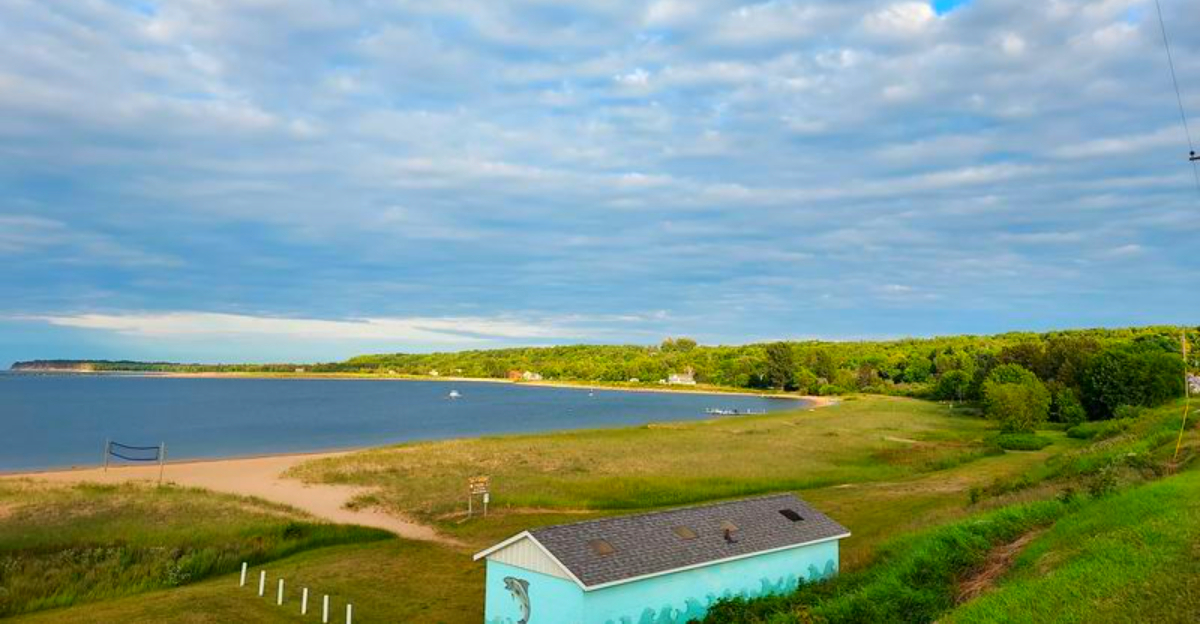
Grand Marais, Michigan is getting attention for a reason. Located on the eastern edge of Pictured Rocks National Lakeshore, it gives direct access to sandstone cliffs, clear Lake Superior water, and some of the darkest night skies in the region.
Despite the surge in photos online, it’s still a place many travelers skip. Those who do stop find a quiet base for exploring trails, shoreline views, and nearby landmarks without the crowds found in more popular parts of the lakeshore.
Here’s what makes Grand Marais worth the trip and why it’s showing up on more travel lists.
A Remote Village With a Big Reputation
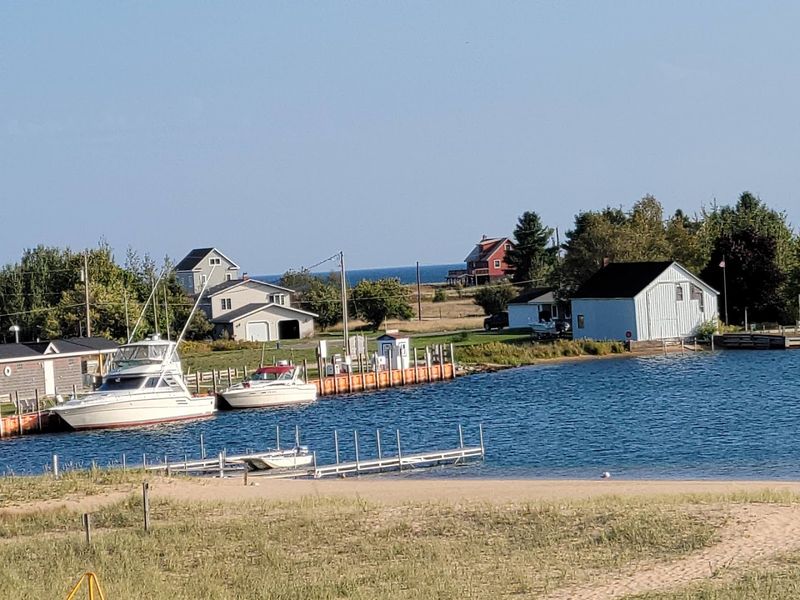
Grand Marais is an unincorporated community and census-designated place in Alger County, Michigan, and it carries an outsized reputation for a place with fewer than 400 full-time residents.
The community sits within Burt Township along the southern shore of Lake Superior, making it one of the most dramatically positioned small communities in the entire Upper Peninsula.
The address most visitors reference is simply Burt Township, MI, with the nearest major highway being M-77, which feeds south toward Seney.
What surprises most first-time visitors is how much is packed into such a compact area. There is a natural harbor, a lighthouse, a national lakeshore trailhead, and a genuinely welcoming local character, all within easy walking distance of each other.
Social media has been playing catch-up with what locals have quietly known for decades, and now the secret is officially out about this remarkable Upper Peninsula destination.
The Eastern Gateway to Pictured Rocks
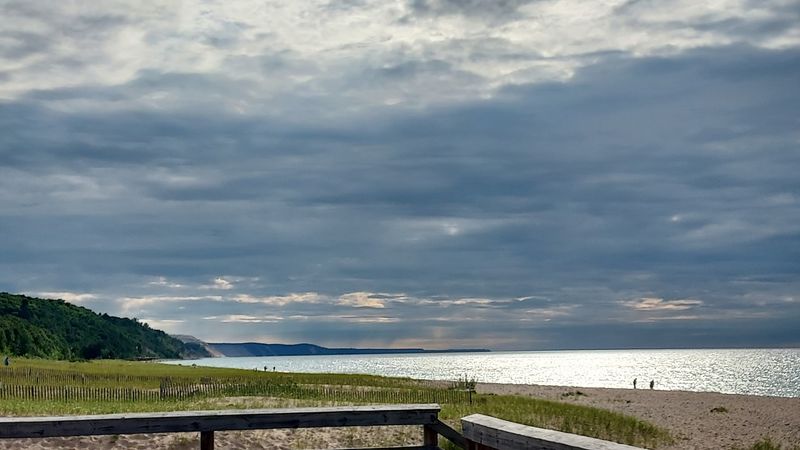
Grand Marais serves as the eastern gateway to Pictured Rocks National Lakeshore, which stretches roughly 42 miles along Lake Superior’s southern coastline and is one of the most visually striking national lakeshores in the country.
The H-58 highway connects Grand Marais to the rest of the lakeshore, running westward through forests and past trailheads that lead to some of the most photographed scenery in the Midwest.
The cliffs themselves rise up to 200 feet above the lake surface, and the minerals in the sandstone create streaks of red, orange, green, and black that look almost painted on.
Kayakers paddle close to the base of the cliffs, and hikers tackle the North Country Trail for views from above. The sheer variety of ways to experience this landscape is part of what keeps people coming back.
And trust me, once you see those cliffs in person, no photo will ever feel like enough.
The Harbor That Steals Every Sunset
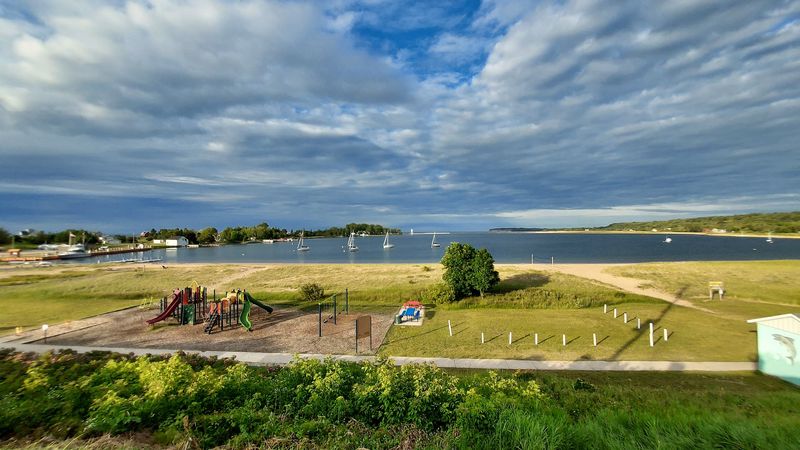
The natural harbor at Grand Marais is genuinely one of the most peaceful spots I have ever sat and done absolutely nothing productive, and I mean that as the highest possible compliment.
Protected from the open lake by a curved sandbar, the harbor offers calm, shallow water that contrasts beautifully with the raw power of Lake Superior just beyond the breakwall.
At sunset, the whole scene turns shades of gold and rose that reflect off the still water in a way that practically demands you take out your phone and post something immediately.
Small fishing boats and recreational vessels dot the harbor, and there is a public pier where people fish, walk, or simply watch the light change over the water. It has the kind of unhurried energy that city life tends to drain right out of you.
The sunsets here have become some of the most shared images coming out of the Upper Peninsula in recent months, and for very good reason.
Grand Sable Dunes: Sand Where You Least Expect It
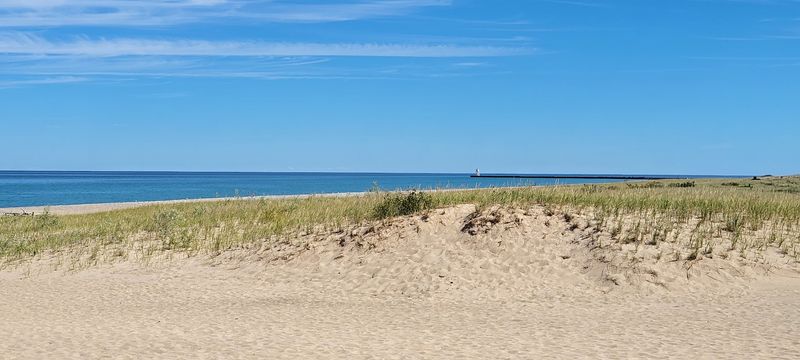
Few things prepare you for the sight of massive sand dunes perched directly above Lake Superior, but that is exactly what the Grand Sable Dunes deliver just west of Grand Marais.
These dunes rise up to 275 feet above the lake and stretch for nearly five miles, forming one of the most unexpected geological features in the entire Great Lakes region.
The dunes are part of Pictured Rocks National Lakeshore and can be reached via trails that depart from the Log Slide Overlook, where you also get a sweeping panoramic view of the lake below.
Sliding down the steep sandy face toward the water is a popular activity, though the climb back up tends to remind visitors that sand dunes are deceptively tiring. The view from the top, however, is worth every labored step.
The dunes have been showing up constantly in social media posts lately, and it is not hard to see exactly why people cannot stop sharing them.
Hiking Trails That Go From Easy to Epic
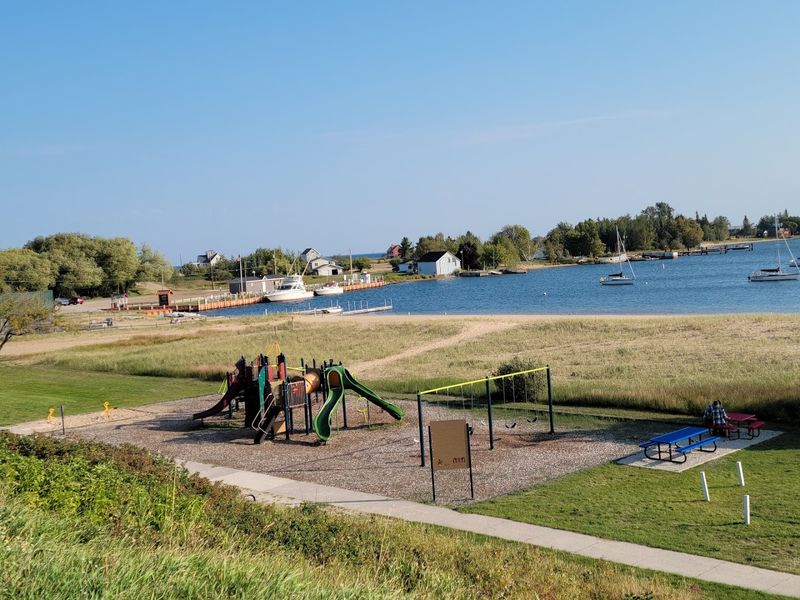
The trail network accessible from Grand Marais ranges from a casual lakeside stroll to a multi-day backcountry experience, which means it genuinely works for just about every fitness level and appetite for adventure.
The North Country Trail passes directly through the area, and sections of it follow the lakeshore cliffs with views that are nothing short of spectacular. The Grand Sable Lake loop is a favorite for those who want something scenic but manageable in a single afternoon.
Serious hikers can tackle longer stretches toward Miners Beach or Chapel Falls, both of which reward the effort with waterfalls and cliff-edge perspectives that feel almost otherworldly.
Trail conditions vary significantly by season, so checking with the Pictured Rocks National Lakeshore visitor resources before heading out is always a smart move. The park service maintains the trails well, but Lake Superior weather can shift quickly.
Every trail here seems to lead to something worth the walk, which is a rare and wonderful thing.
Kayaking the Most Colorful Coastline in the Midwest
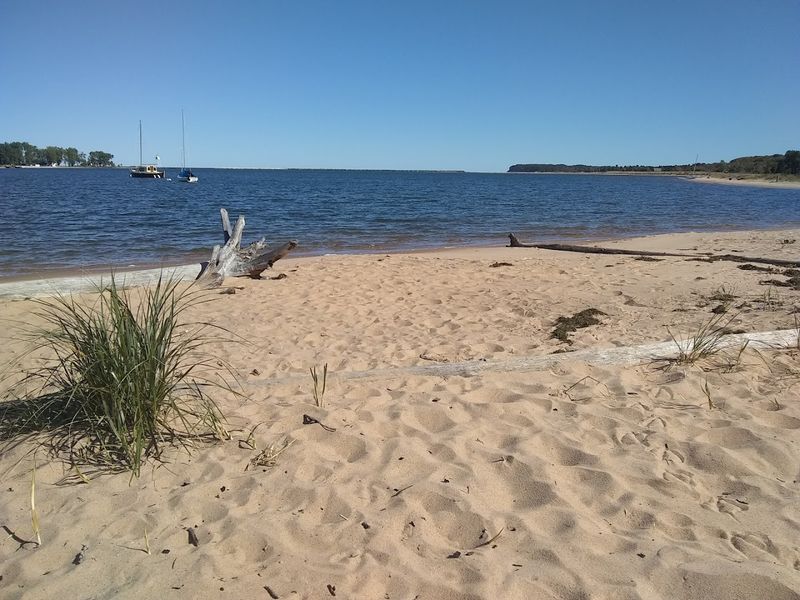
Paddling along the base of the Pictured Rocks cliffs is one of those experiences that genuinely defies easy description, which is probably why people resort to posting dozens of photos instead of trying to explain it.
The sandstone formations create arches, caves, and alcoves that kayakers can paddle directly through when conditions allow, and the water clarity in this part of Lake Superior is remarkable, often revealing the rocky bottom far below.
Several outfitters in and around Grand Marais offer guided kayak tours, which are especially helpful for first-timers who want to navigate safely along the exposed lakeshore. Lake Superior can turn rough without much warning, so paddling with someone who knows the water is genuinely smart planning.
The best conditions for kayaking typically occur in July and August, when wind and wave patterns are most cooperative. Early morning paddles are particularly magical, with mist rising off the cold water and the cliffs glowing in the early light.
Grand Marais Lighthouse and the Story Behind It
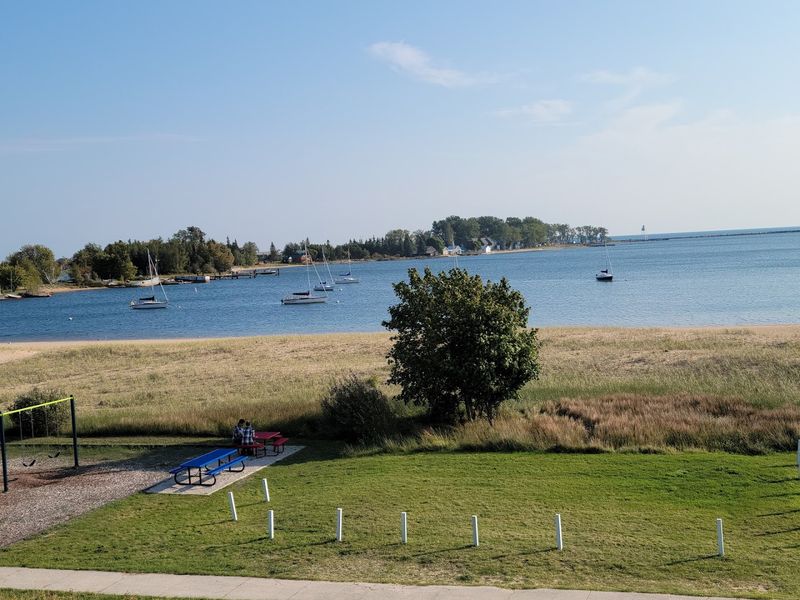
The Grand Marais lighthouse has been watching over the harbor since the late 1800s, and its compact, tidy appearance makes it one of the most photographed structures in the eastern Upper Peninsula.
The original lighthouse was established in 1868, with various updates and improvements made over the following decades as the harbor grew in importance for commercial shipping and fishing operations on Lake Superior.
Today the lighthouse is not open for interior tours, but the surrounding area is freely accessible and makes for a lovely short walk from the village center. The views back toward the harbor from the lighthouse point are particularly satisfying.
Local history buffs will appreciate knowing that the maritime heritage of Grand Marais runs deep, with the community once serving as an important supply point for vessels navigating the notoriously unpredictable western end of Lake Superior.
The lighthouse still stands as a quiet symbol of that history, and it photographs beautifully at almost any time of day.
What the Night Sky Looks Like Without Light Pollution
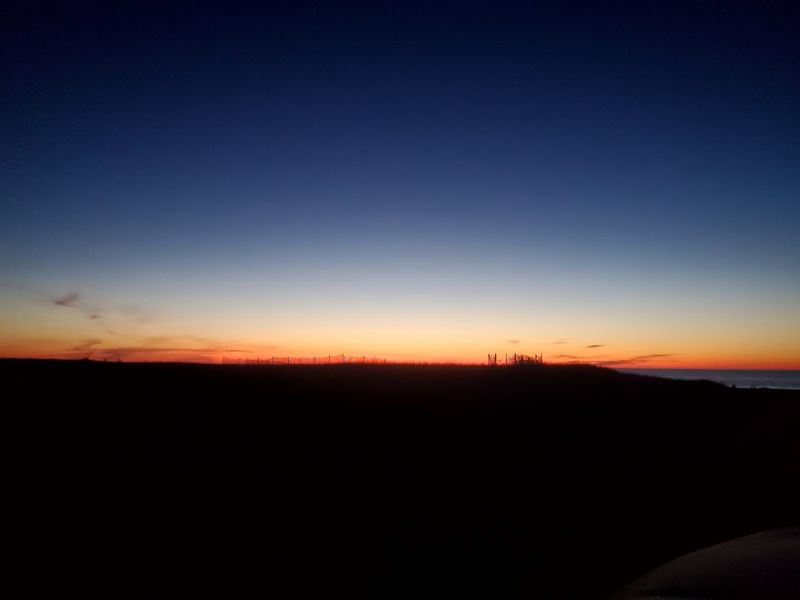
One of the most talked-about experiences in Grand Marais right now has nothing to do with the daytime scenery, and everything to do with what happens after the sun goes down.
The remote location and near-total absence of artificial light pollution make the night sky here genuinely extraordinary. On a clear night, the Milky Way stretches across the sky in a wide, dense band that looks almost impossible if you have spent most of your life near cities.
The harbor area and the lakeshore both offer unobstructed northern views, which means you also have a real chance of seeing the northern lights during periods of strong solar activity. Several visitors have captured stunning aurora photos from the Grand Marais shoreline in recent years.
Bringing a blanket, finding a quiet spot on the beach, and simply looking up is one of the most cost-free and genuinely awe-inspiring things you can do here.
The stars alone are worth planning a trip around, and that is not an exaggeration.
Local Food, Friendly Faces, and Small-Town Warmth

Grand Marais does not have a sprawling restaurant district, and that is honestly part of its appeal. What it does have are a handful of genuinely good local spots where the food is straightforward, the portions are generous, and the people behind the counter actually seem happy to see you.
The Sportsmans Restaurant has long been a staple for visitors and locals alike, serving classic Upper Peninsula comfort food in an unpretentious setting that feels like the opposite of a tourist trap. Fresh fish features prominently on the menu, which makes complete sense given the community’s fishing heritage.
Picking up supplies at the local general store is also part of the experience, and the staff there tend to offer genuinely useful advice about trail conditions and weather.
The overall vibe in Grand Marais is one of quiet friendliness rather than performative hospitality, and that authenticity is something visitors consistently notice and appreciate.
Coming up next, the best times to actually visit this place might surprise you.
When to Go and What to Expect Each Season
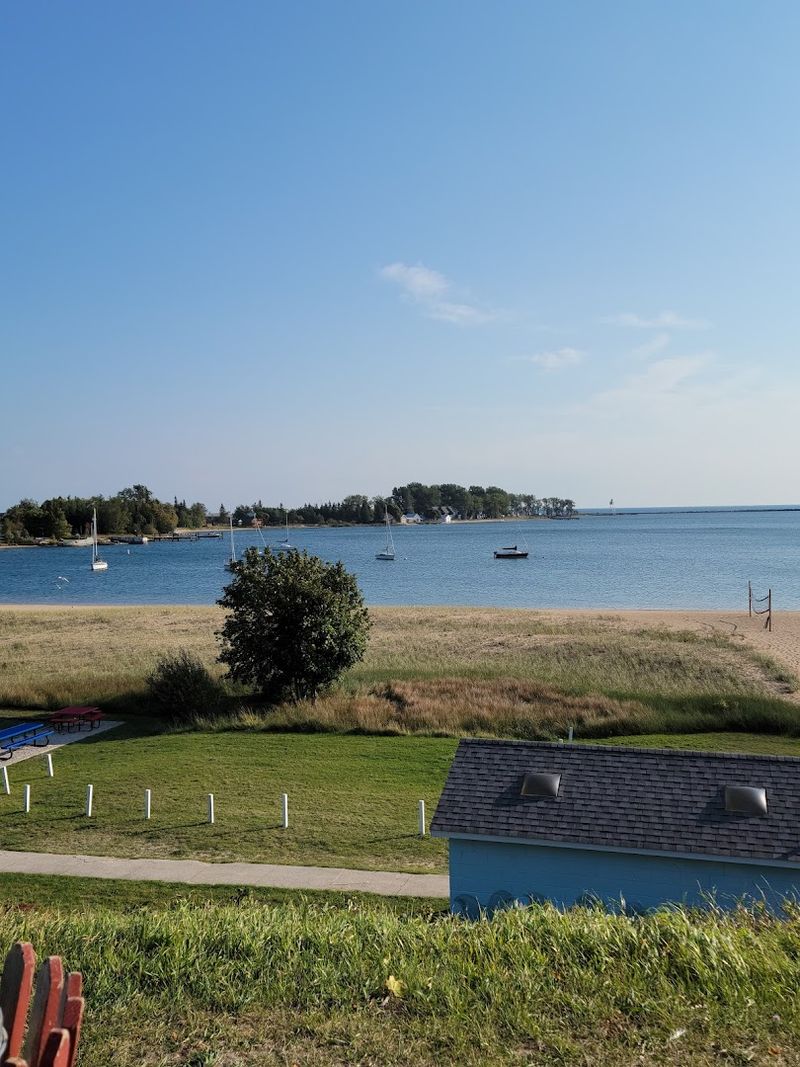
Grand Marais has a genuinely distinct personality in each season, and the right time to visit really depends on what kind of experience you are after.
Summer, specifically late June through August, brings the most reliable weather for kayaking, hiking, and swimming in the harbor. Crowds are larger during this window, but the area never reaches the kind of overwhelming tourist density that other Michigan destinations see.
Fall is arguably the most underrated season here. The forests surrounding the lakeshore shift into full color in late September and October, and the combination of autumn foliage and blue Lake Superior water is genuinely spectacular.
Visitor numbers drop off sharply after Labor Day, which means more trail solitude.
Winter transforms the area into a quiet, snow-covered landscape popular with snowshoers and cross-country skiers, though services are limited. Spring brings waterfalls at their most powerful as snowmelt rushes through the park’s stream systems.
Each season offers something real and worth experiencing, depending on your travel style.
How to Plan Your Trip Without Missing the Best Parts
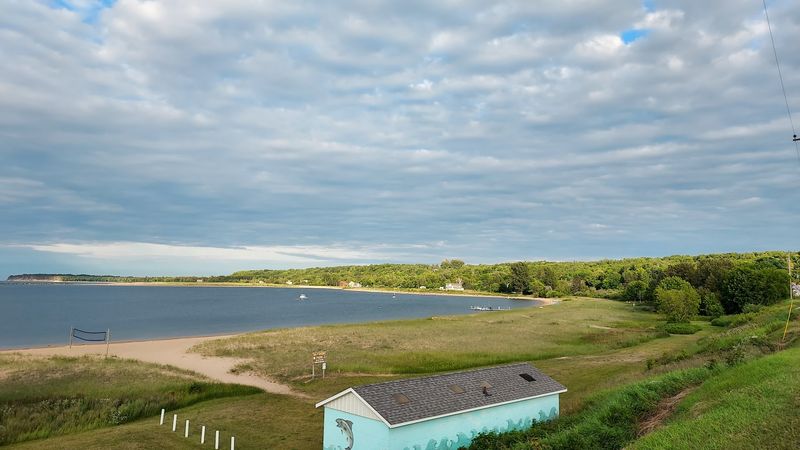
Getting to Grand Marais requires some intention, which is part of why it has stayed relatively uncrowded compared to other Michigan destinations. The most common approach is driving north on M-77 from Seney, a scenic route through the Seney National Wildlife Refuge that is worth enjoying slowly.
Accommodation options in the village are limited but charming, including a small number of vacation rentals, a motel, and campgrounds within Pictured Rocks National Lakeshore itself. Booking ahead, especially for summer weekends, is strongly recommended.
Cell service is minimal in Grand Marais and nearly nonexistent on the trails, so downloading offline maps before you arrive is genuinely important rather than optional. The Pictured Rocks National Lakeshore website offers trail maps, permit information for backcountry camping, and current conditions updates.
Packing layers is essential regardless of season, because Lake Superior keeps temperatures noticeably cooler than inland Michigan even in midsummer.
A little preparation here goes a long way toward making the trip feel effortless once you arrive.



