Some songs only reach their full potential in front of a crowd. From the 1960s through the 1990s, a handful of live recordings didn’t just document performances, they permanently rewrote how millions of fans understood the songs they thought they already knew.
A studio track might introduce a melody, but a live version can give it a whole new identity. This list covers 18 songs where the concert stage did something the recording booth simply could not, and the results became part of music history.
1. I Want You to Want Me (Cheap Trick)
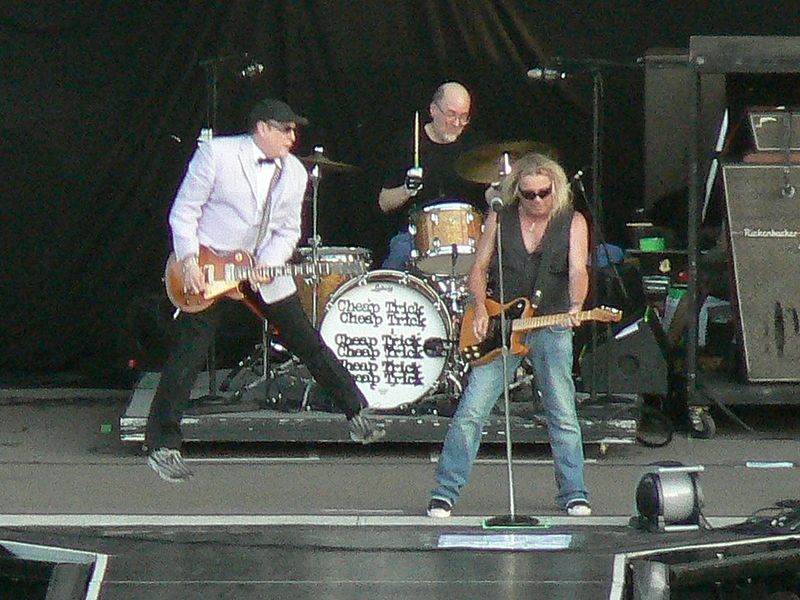
Few songs have had their fates reversed so dramatically by a single live recording. The studio version of this power-pop track landed with almost no commercial impact when it was released in 1977.
Then came the 1978 Budokan concert in Tokyo, where a screaming Japanese crowd turned the song into something electric. That recording became the version radio stations chose, the version fans fell in love with, and the one that launched Cheap Trick into international stardom.
The contrast was so striking that many listeners never even realized a studio version existed. To this day, the Budokan recording remains one of the clearest examples of a live performance completely eclipsing its original source material.
2. Rock and Roll All Nite (KISS)
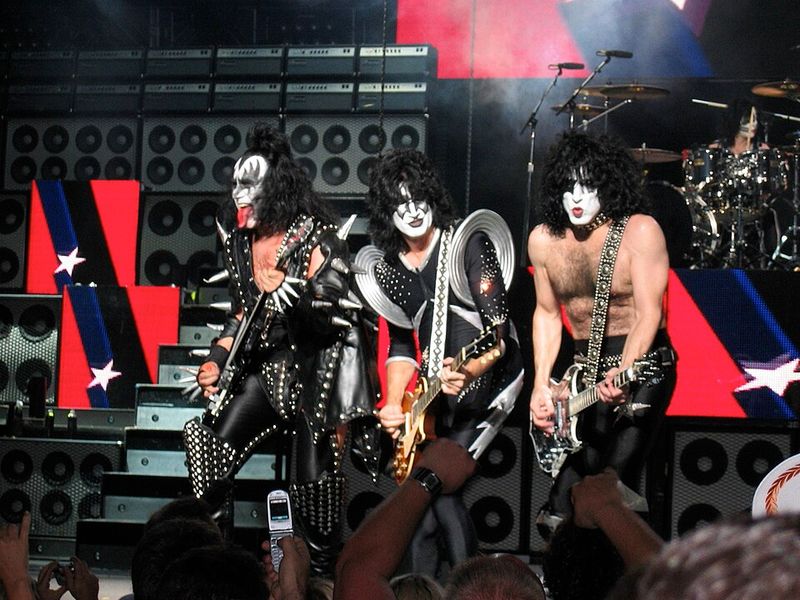
By 1975, KISS had released two studio albums but hadn’t broken through commercially. Their live reputation told a completely different story, one that their record label decided to capture on tape.
The 1975 Alive! album featured a version of this anthem that was louder, wilder, and more urgent than anything on record. It saved the band’s career and turned the song into the defining KISS experience, one that no studio session could have manufactured.
The success of the live recording helped establish the band’s larger-than-life image and proved that KISS was a group best experienced in front of an audience. It remains their signature song decades later.
3. Turn the Page (Bob Seger)
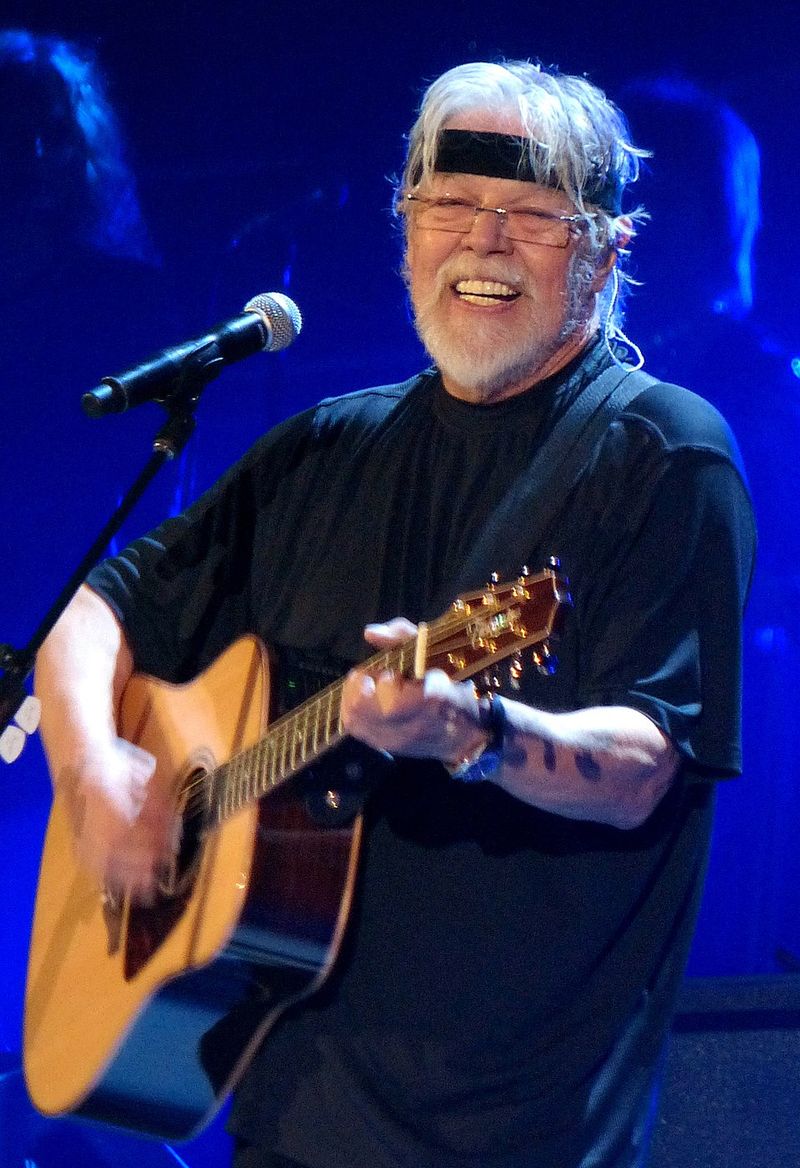
Released in 1973, the studio recording earned respect from critics but didn’t dominate radio. It was a good song sitting quietly in a catalog, waiting for the right moment.
That moment arrived with the 1976 Live Bullet album, recorded in Detroit. Seger’s road-worn delivery hit differently in a live context, and the extended version let the song breathe.
Classic rock stations adopted it immediately, and it became the version listeners associate with the song’s emotional core.
The audience’s response added another layer to the story of life on the road, making listeners feel as if they were traveling alongside Seger. Over time, the live version became one of the defining recordings of his career and a staple of American rock radio.
4. Silver Springs (Fleetwood Mac)
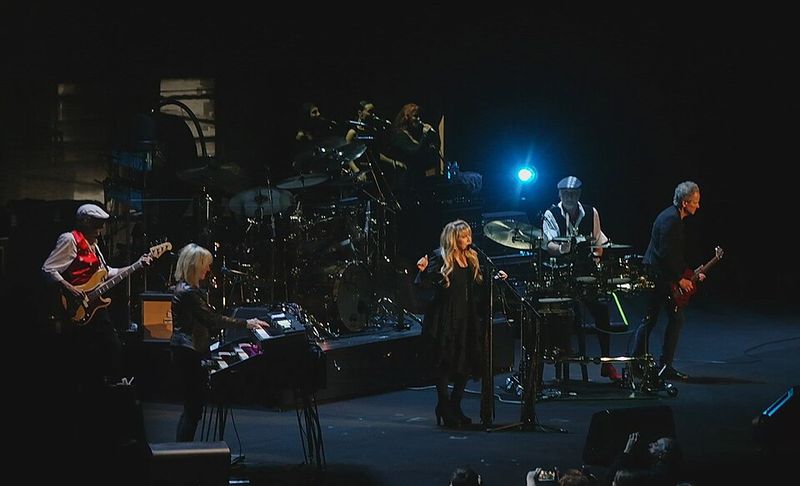
Cut from the final version of Rumours in 1977, this song spent two decades as a footnote in Fleetwood Mac’s discography. Most casual fans had never heard it at all.
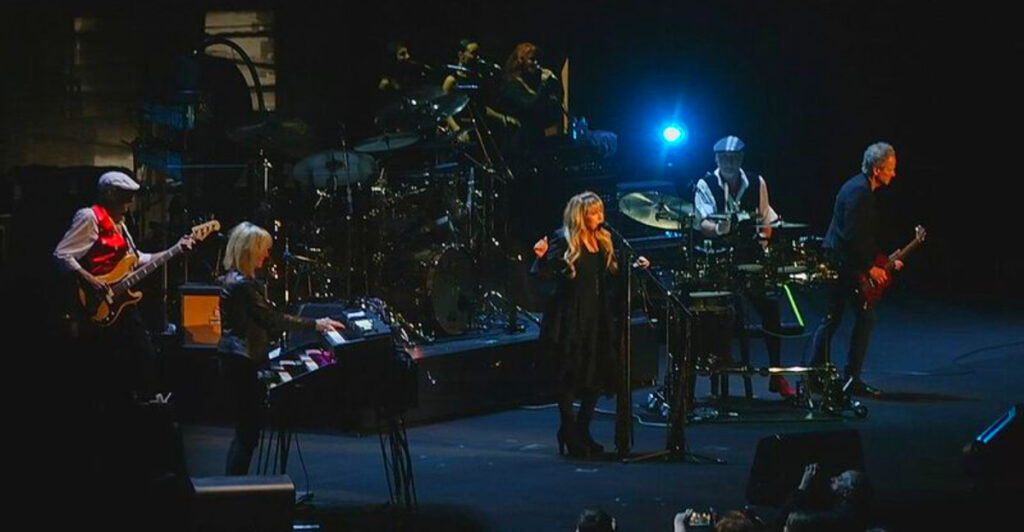
The 1997 reunion concert film The Dance changed everything. Stevie Nicks delivered the song directly at Lindsey Buckingham in a moment of raw, documented tension between two former partners.
That performance went viral long before the internet made virality routine, and the song finally got the recognition it had always deserved.
What made the performance unforgettable wasn’t just the music but the visible emotion between the two singers. Viewers felt they were witnessing a private conversation unfold in public, turning the song into one of Fleetwood Mac’s most celebrated live moments.
5. No Woman, No Cry (Bob Marley and the Wailers)
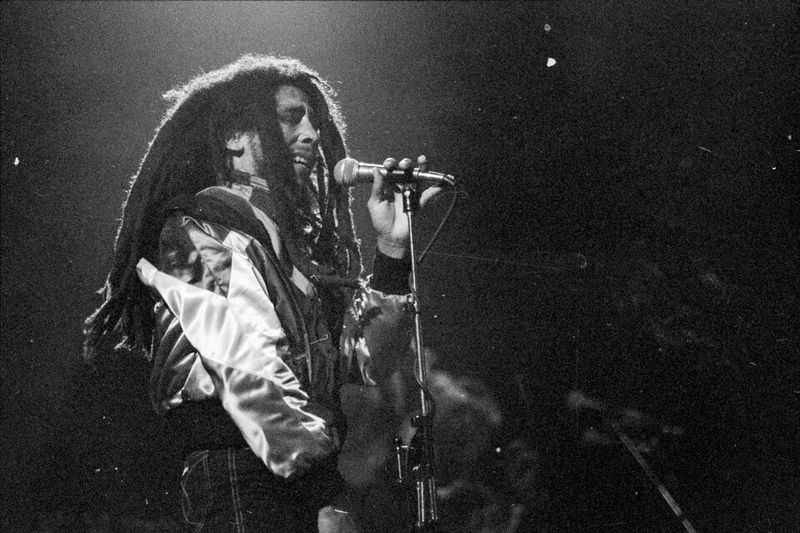
The original 1974 studio recording appeared on Natty Dread, but it was a relatively restrained version of a song that clearly had more to offer in a live setting.
Recorded at London’s Lyceum Theatre in 1975, the live version ran longer, moved slower, and carried a communal quality that the studio track couldn’t replicate. Released as a single, it became the version that introduced Bob Marley to a wider global audience and remains the definitive recording for most listeners today.
The crowd’s participation transformed the song from a personal reflection into a shared experience. That sense of unity became one of Marley’s trademarks and helped establish him as an international ambassador for reggae music.
6. Coming Up (Paul McCartney)
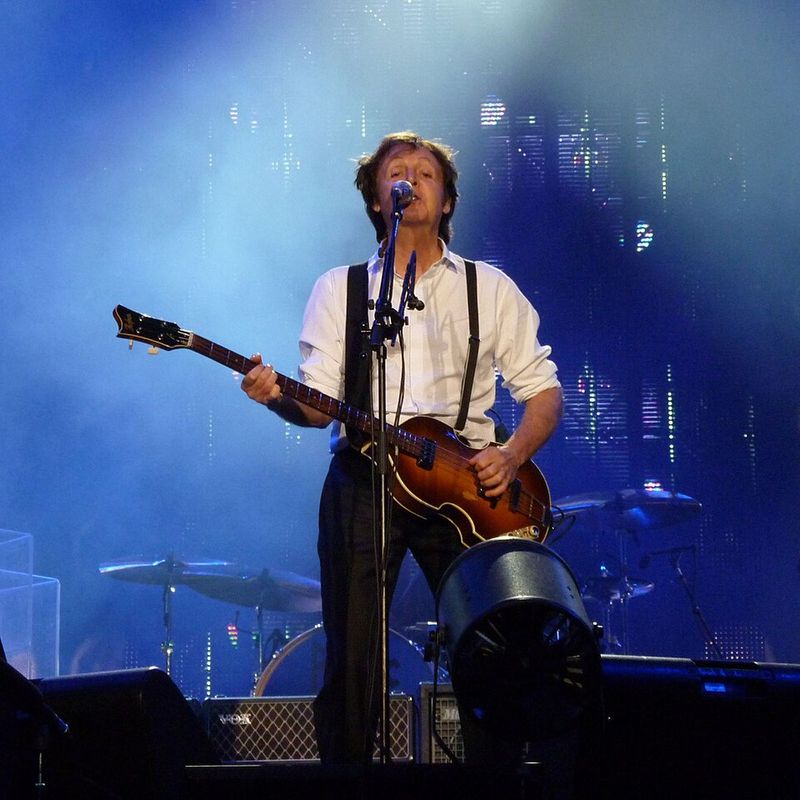
Paul McCartney released a studio version of this song in 1980 that featured him playing every instrument himself, an unusual and somewhat quirky recording experiment.
Radio programmers in the United States actually chose the live version recorded with Wings over the studio original, and that decision shaped the song’s entire commercial legacy. The live take had a tighter, more direct rock feel that connected with audiences immediately.
It reached number one in the US, making it one of the few cases where a B-side live track outperformed its studio counterpart.
7. Maybe I’m Amazed (Paul McCartney)
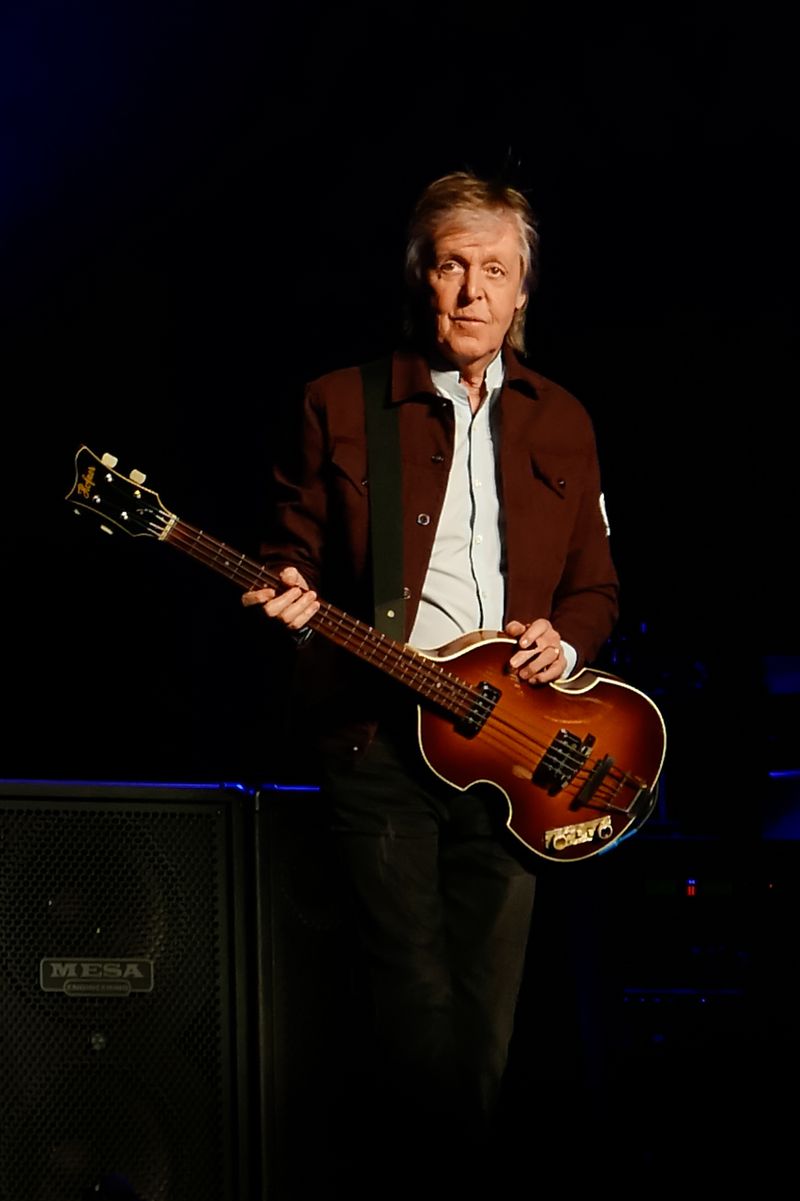
Written in 1970 as a tribute to Linda Eastman during one of McCartney’s most personally turbulent periods, the studio version appeared on his debut solo album and was widely admired.
The live recording from the 1976 Wings Over America tour gave it a grander scale and a vocal urgency that the original didn’t quite reach. Many fans and critics consider it the superior version.
It was also the recording that finally gave the song a proper commercial release as a charting single.
8. Free Bird (Lynyrd Skynyrd)
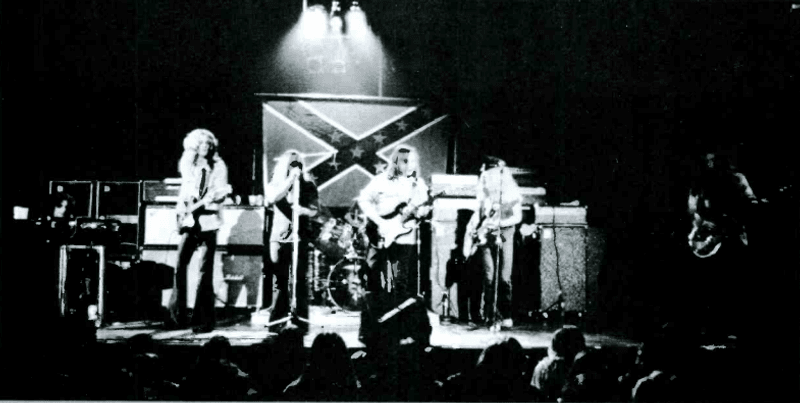
When Lynyrd Skynyrd recorded Free Bird in 1973, it was already a substantial track at just under ten minutes. Concert versions routinely pushed past fourteen minutes, sometimes longer.
Those extended live performances, driven by interlocking guitar solos from multiple players, became the real reason the song entered rock mythology. Audiences started requesting it by name at concerts everywhere, regardless of who was playing.
The live versions turned it from an album track into a cultural institution and the unofficial anthem of Southern rock.
9. Do You Feel Like We Do (Peter Frampton)
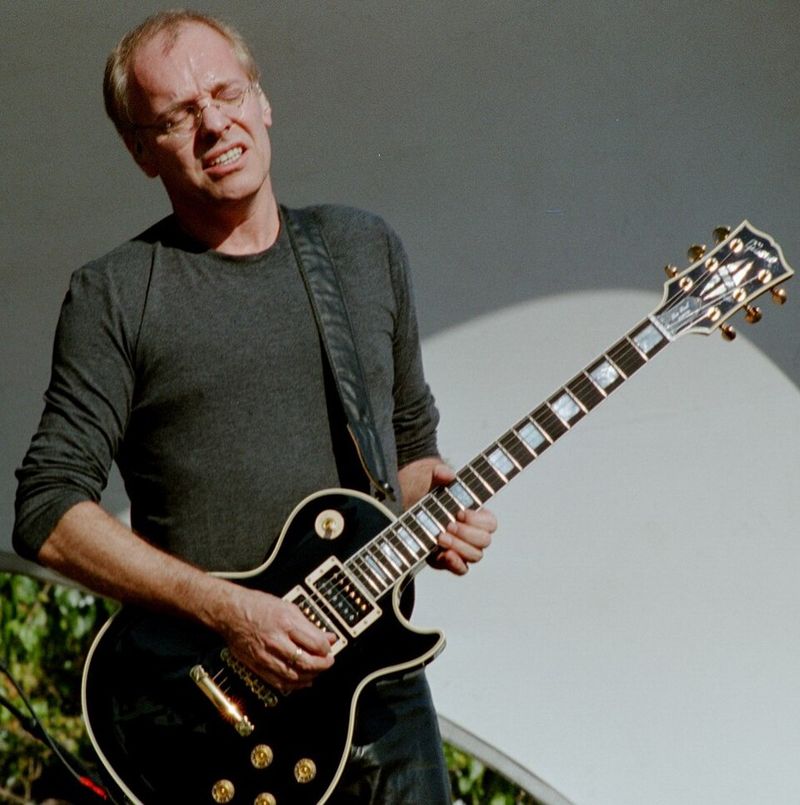
Peter Frampton recorded the original version of this song in 1973, and it appeared on his Wind of Change album with little fanfare. Most people outside dedicated rock circles hadn’t encountered it at all.
The 1976 Frampton Comes Alive! version is a different experience entirely. Frampton’s talk-box guitar effects and extended crowd interactions stretched the song past fourteen minutes.
That recording helped make Frampton Comes Alive! one of the best-selling live albums in history and permanently overshadowed every studio version the song ever had.
10. Show Me the Way (Peter Frampton)
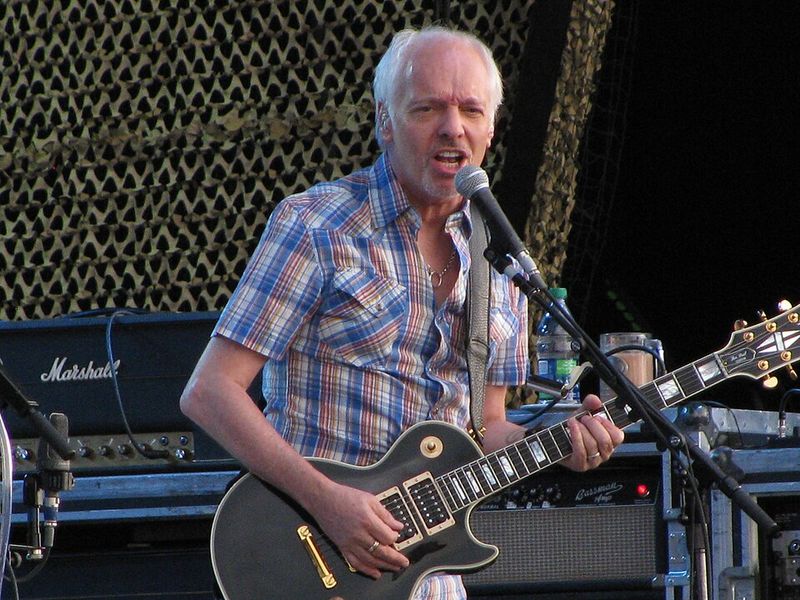
Released as a studio single in 1975, Show Me the Way had a decent run but didn’t cement itself as a classic. It needed a bigger stage to find its audience.
The Frampton Comes Alive! version delivered exactly that. Radio stations embraced the live recording over the original, and for most listeners who discovered Frampton in 1976, the live take was the only version they knew.
It’s a clear case where a concert recording didn’t just complement a song, it completely replaced it in public memory.
11. Folsom Prison Blues (Johnny Cash)
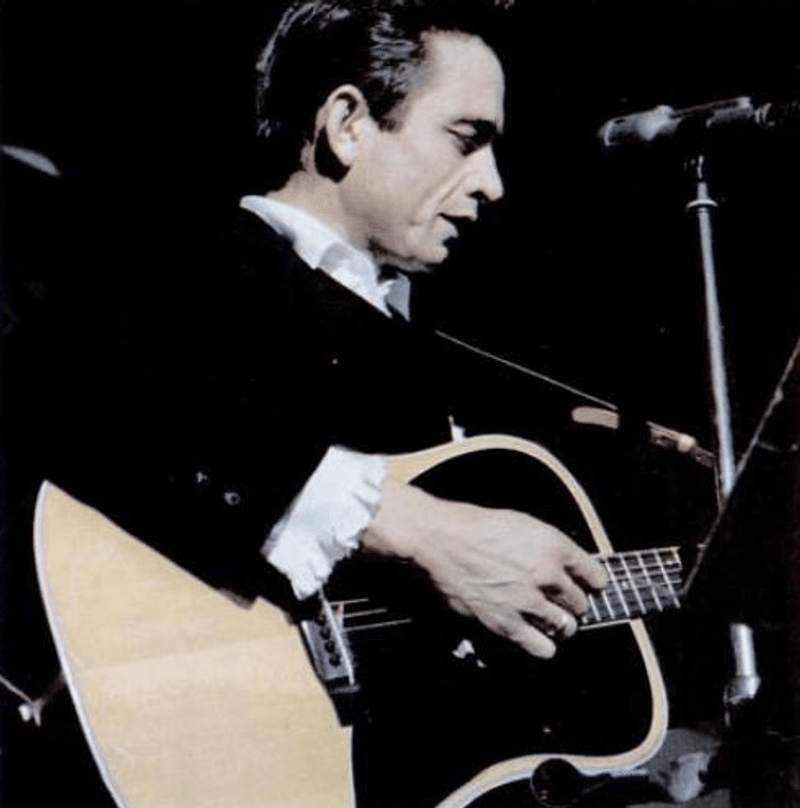
Johnny Cash’s career had cooled significantly by 1967, and Columbia Records was uncertain about his commercial future. Agreeing to record a live album inside an actual prison was considered a risky move.
The 1968 At Folsom Prison album proved every skeptic wrong. Cash’s performance in front of inmates gave the song a charged authenticity that no studio setting could produce.
The audience response on the recording became part of the song itself, and the album revitalized Cash’s career and reshaped his public identity for decades.
12. Kashmir (Led Zeppelin)
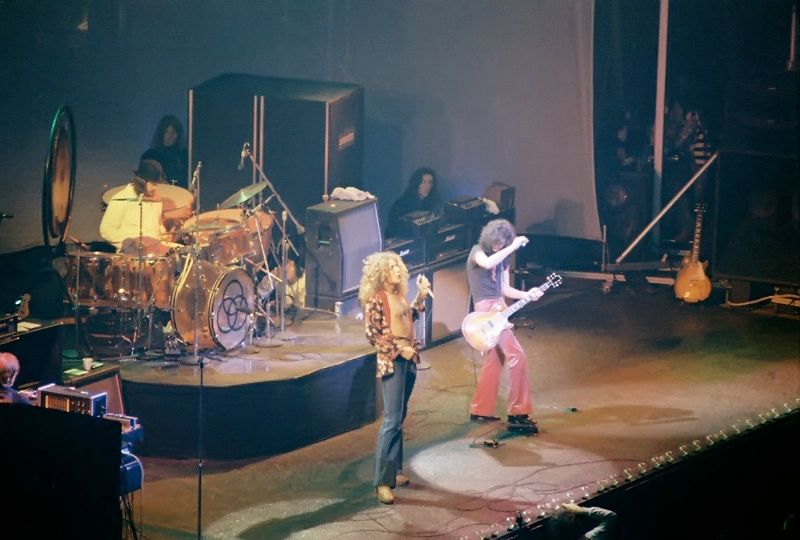
Kashmir appeared on Physical Graffiti in 1975 and was immediately recognized as one of Led Zeppelin’s most ambitious studio compositions. It was layered, cinematic, and built around a repeating orchestral-style riff.
Live performances stripped away some studio polish and replaced it with a raw, improvisational momentum that the recorded version couldn’t fully capture. Jimmy Page’s guitar work expanded in concert, and the song’s structural complexity gave the band room to explore.
Fans who saw the live versions often described them as a fundamentally different experience from the album.
13. Tenth Avenue Freeze-Out (Bruce Springsteen)
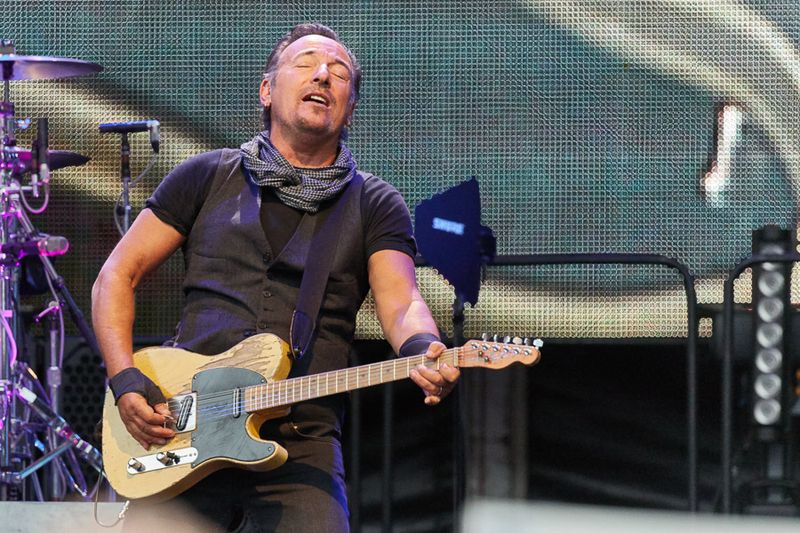
On the Born to Run album, this song clocks in at just over three minutes, a tight, horn-driven celebration of the E Street Band’s formation. Live, it became something else entirely.
Springsteen regularly extended the song in concert, using it as a vehicle to introduce each E Street Band member individually. When Clarence Clemons passed in 2011, the song became a documented tribute at every subsequent show.
The live context gave it a ceremonial weight that no studio version could have anticipated or planned.
14. With a Little Help from My Friends (Joe Cocker)
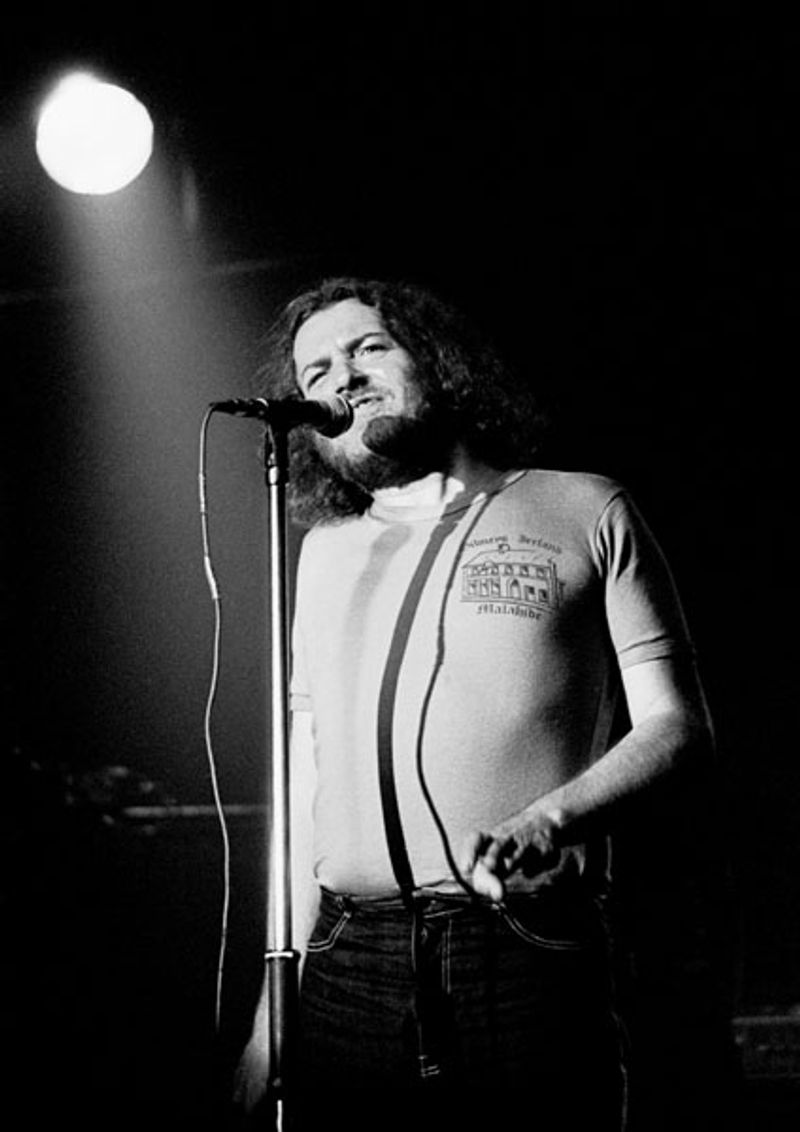
The Beatles released their version in 1967 as part of Sgt. Pepper’s Lonely Hearts Club Band, and it was a cheerful, upbeat track sung by Ringo Starr.
Joe Cocker’s 1969 studio cover changed the tempo and added gospel-influenced grit.
His performance at Woodstock that same year pushed it even further. Cocker’s physically intense delivery in front of half a million people turned the song into something unrecognizable from its origin.
Many listeners under 40 associate the melody with Cocker first and The Beatles second.
15. The Dance (Garth Brooks)
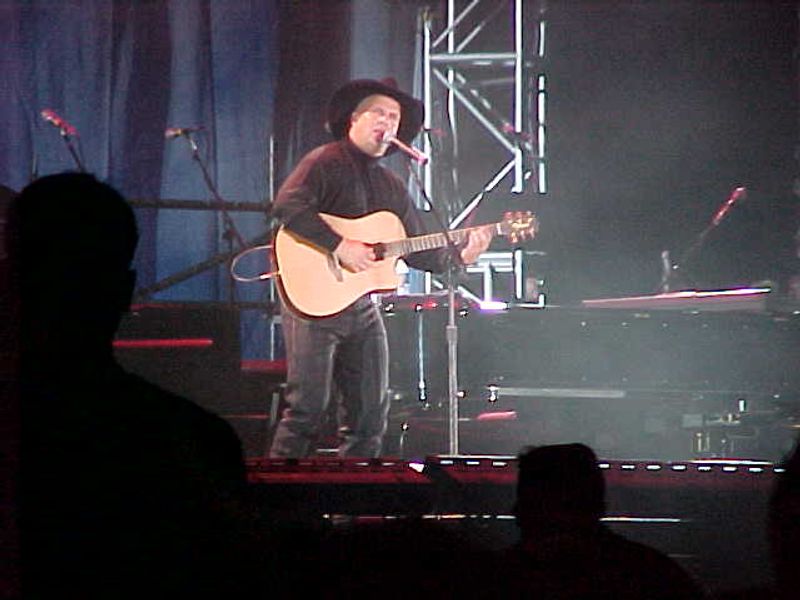
Released in 1990, The Dance reached number one on the country charts and helped establish Brooks as a dominant force in the genre. The studio version was polished and emotionally direct.
In concert, Brooks treated it differently each time, letting the song settle into the silence of a large arena before building. Fans who saw him perform it live consistently described it as a more affecting experience than the recording.
It became the emotional centerpiece of his concerts throughout the 1990s and connected with audiences across generations.
16. Midnight Rambler (The Rolling Stones)
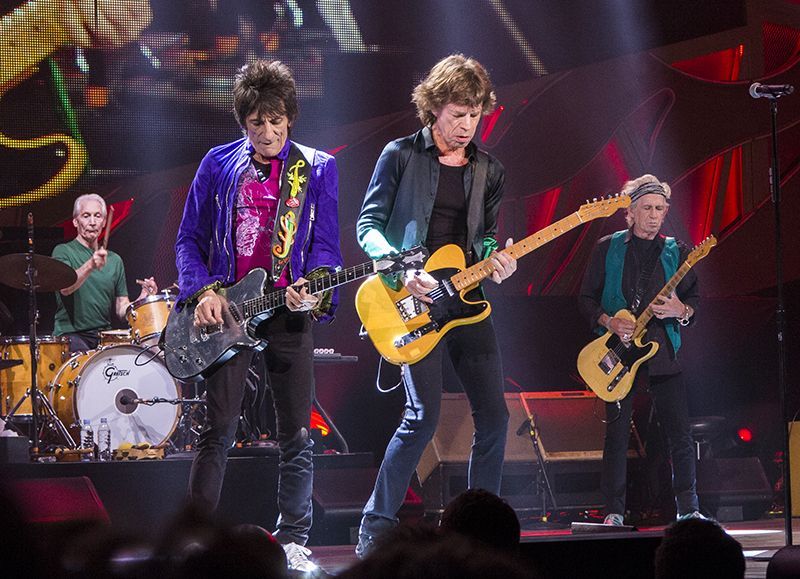
On Let It Bleed in 1969, Midnight Rambler was already one of the more unconventional tracks in the Stones’ catalog, shifting tempo mid-song and leaning into blues-based menace.
Live performances expanded it dramatically, sometimes reaching twelve minutes or more. Mick Jagger’s stage presence turned the song into a theatrical event, and the band’s improvisational approach meant no two versions were identical.
The 1972 live recording on Got Live If You Want It helped cement it as one of their most celebrated concert staples.
17. Dancing in the Dark (Bruce Springsteen)
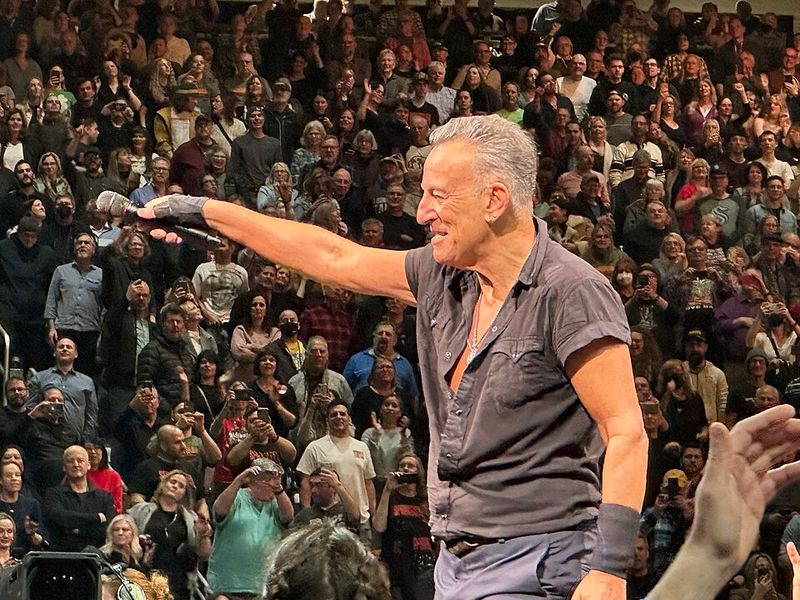
When Dancing in the Dark was released in 1984, it became Springsteen’s highest-charting single in the United States. The studio version was polished, synthesizer-driven, and built for radio.
On the Born in the USA tour, the song transformed into a participatory event. Springsteen regularly pulled audience members on stage during performances, most famously a young Courteney Cox in the music video.
The concert versions made it feel less like a pop hit and more like a shared moment between performer and crowd.
18. Comfortably Numb (Pink Floyd)
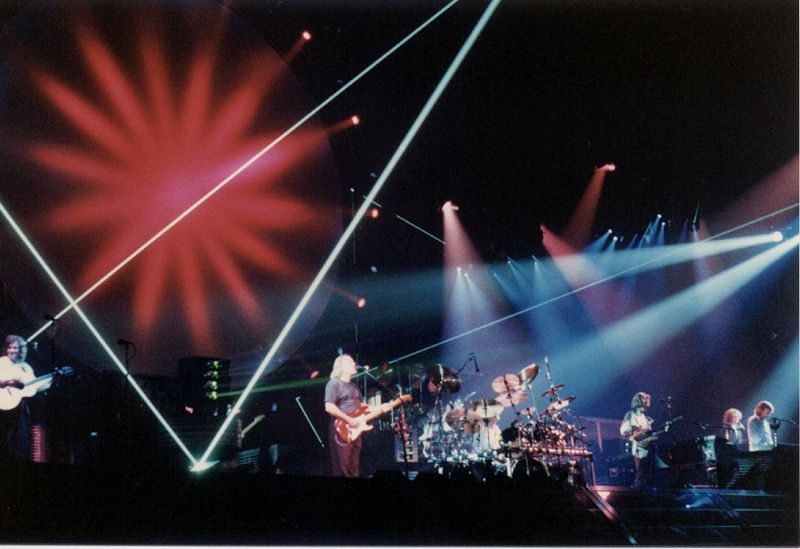
The studio version on The Wall in 1979 featured one of the most celebrated guitar solos in rock history, played by David Gilmour. It was already considered a landmark recording on release.
Live versions, particularly from The Wall tour and later solo Gilmour performances, expanded the guitar solo sections and gave the song a scale that matched its emotional ambition. Audiences consistently ranked it among the most powerful live experiences in rock.
For many fans, hearing it in concert permanently changed how they listened to the studio recording afterward.
Share this story