 Unearth The Voyage
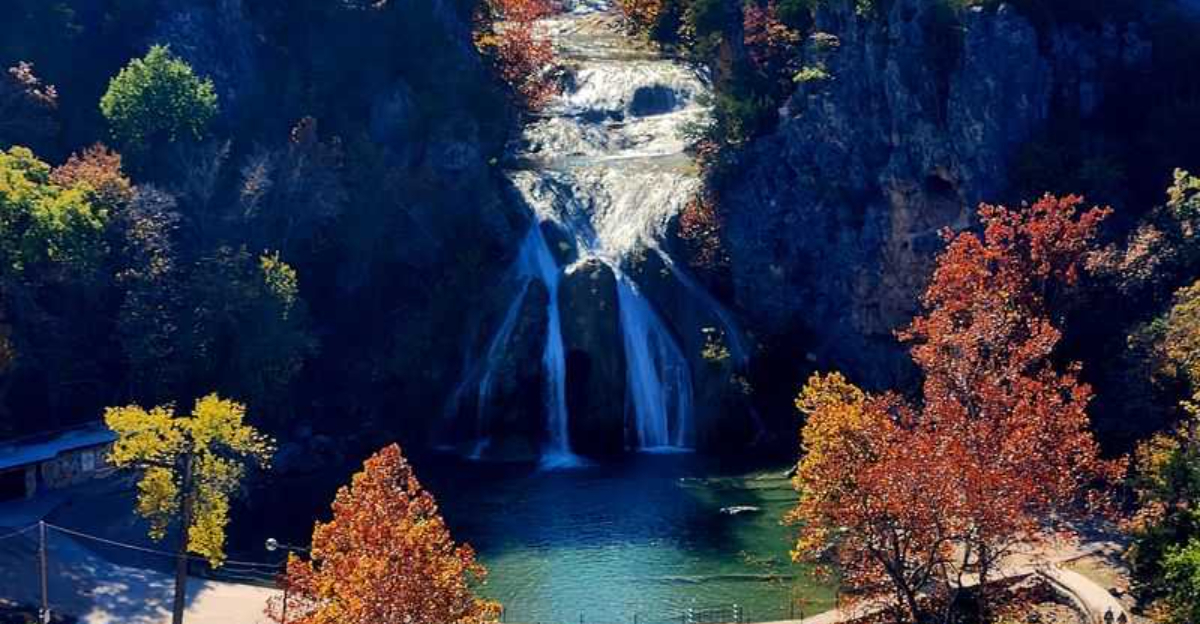
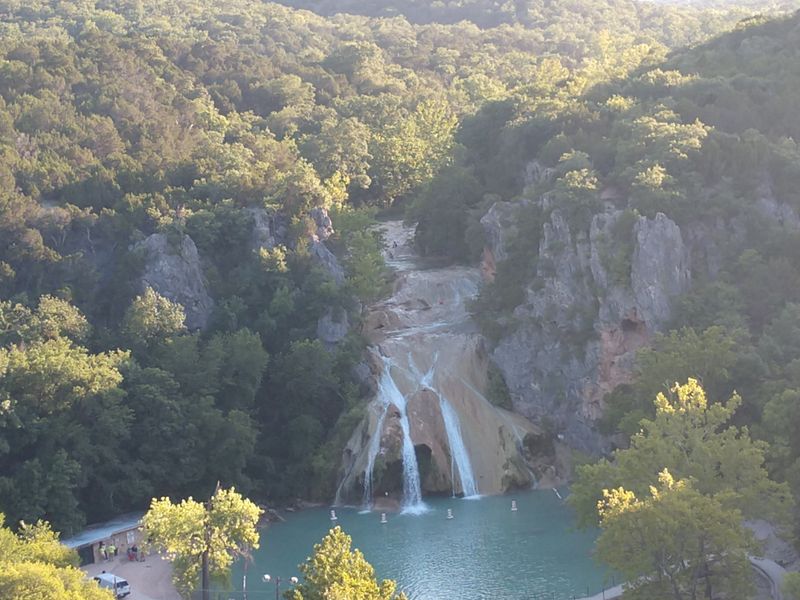
Turner Falls Park used to be Oklahoma’s best-kept secret. Tucked away in the Arbuckle Mountains near Davis, this natural swimming hole with its 77-foot waterfall once felt like a private escape where locals could spend lazy summer days without bumping into crowds.
But somewhere along the way, word got out, and now the park sees thousands of visitors every season, transforming what was once a peaceful retreat into a bustling tourist destination that has some longtime visitors wondering if the magic is still there.
The Waterfall That Started It All
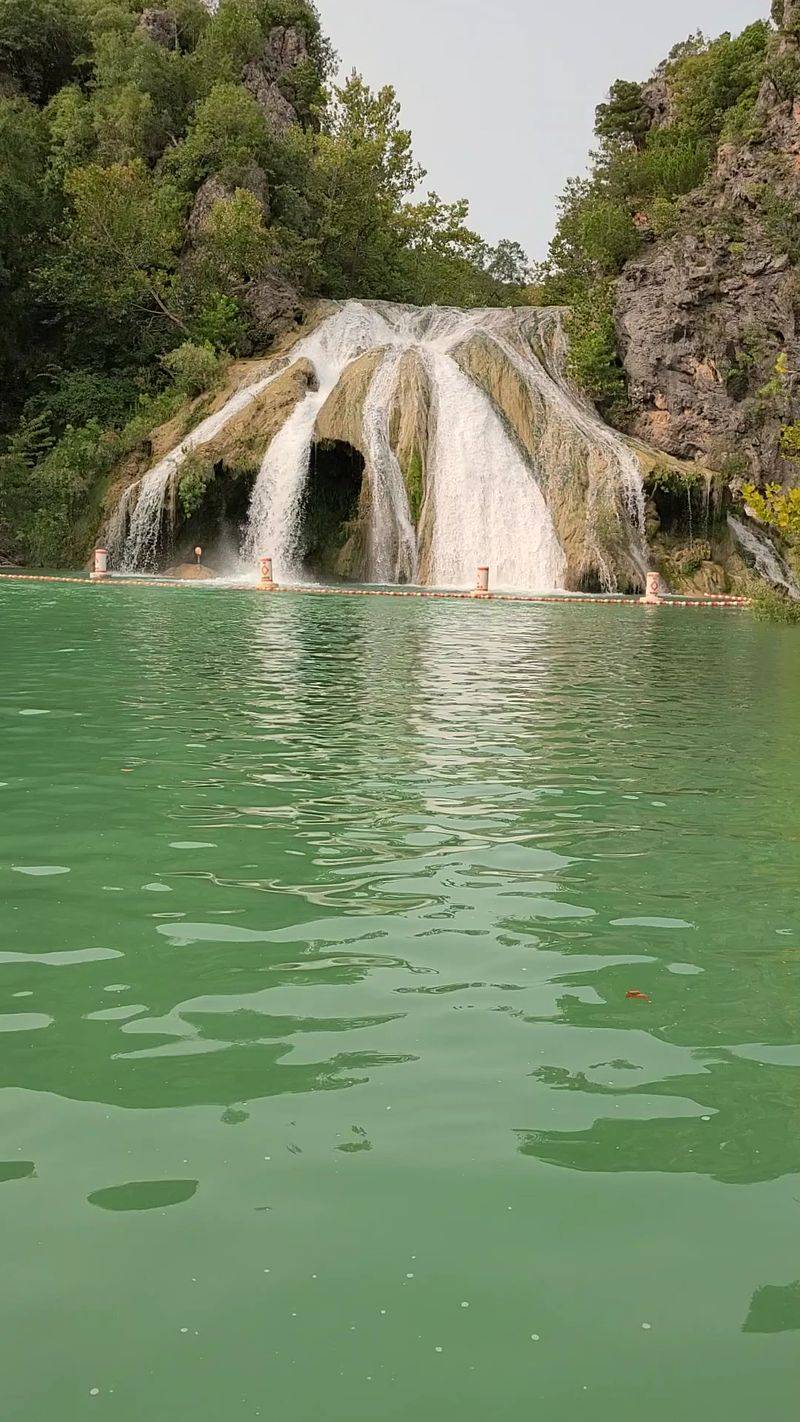
I remember the first time I saw Turner Falls as a kid. The sound of water crashing down 77 feet of limestone rock filled the air before we even reached the viewing area.
Back then, you could find a good spot on the rocks without having to arrive at dawn.
Named after a farmer named Mazeppa Thomas Turner who settled nearby in 1878, the waterfall is fed by Honey Creek. The water stays cool year-round, which makes it perfect for swimming during Oklahoma’s scorching summers.
The natural pool at the base used to feel like your own private oasis.
These days, the waterfall is still stunning, but you’ll be sharing the view with dozens of other people snapping photos. Weekend crowds can make it feel more like a public pool than a natural wonder.
The Instagram effect has brought people from all over the country, and while that’s great for the local economy, it’s changed the atmosphere completely.
Early mornings remain your best bet for experiencing the falls with some sense of solitude. Arrive right when the gates open, and you might catch a glimpse of what locals used to enjoy every summer weekend without competition.
Parking Lot Chaos on Summer Weekends
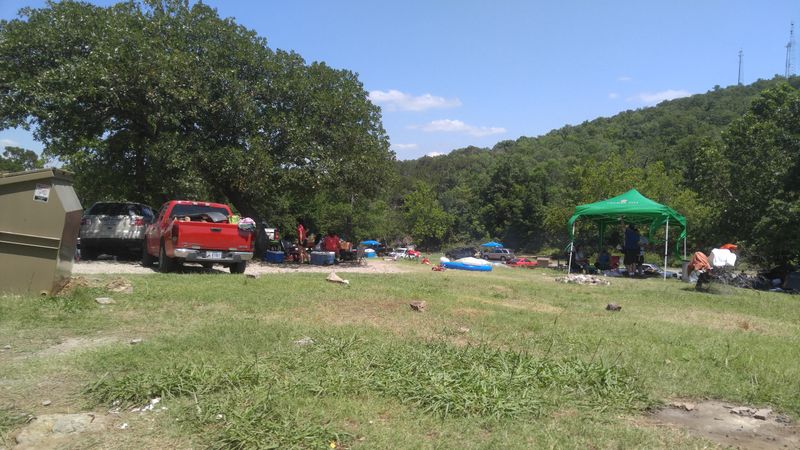
There’s a special kind of frustration that comes with driving an hour to reach a natural paradise only to circle a parking lot for 45 minutes. Summer weekends at Turner Falls have become exercises in patience, with vehicles lined up along the entrance road waiting for spots to open up.
The park wasn’t designed to handle the volume it now receives. With only a few hundred parking spaces available, holiday weekends can see overflow parking extending far beyond the official lots.
Some visitors end up parking along Highway 77, which creates safety concerns and adds a lengthy walk to your day.
Local families who used to make spontaneous weekend trips now plan their visits like military operations. They know that arriving after 10 a.m. on a Saturday means potentially being turned away or waiting hours for entry.
The park does reach capacity and closes the gates when it’s full.
Midweek visits offer a completely different experience. Tuesdays and Wednesdays in June still feel somewhat manageable, though even those days have gotten busier in recent years.
If you’re determined to visit during peak season, consider camping overnight so you’re already inside when the day-trippers arrive.
The Swimming Holes Have Lost Their Charm
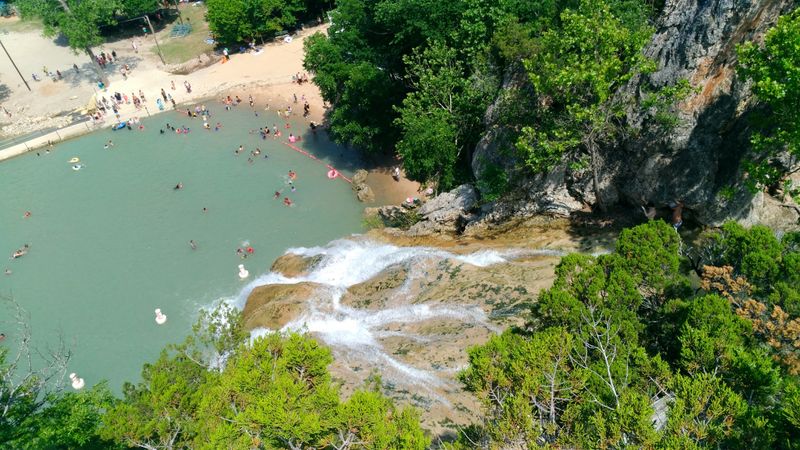
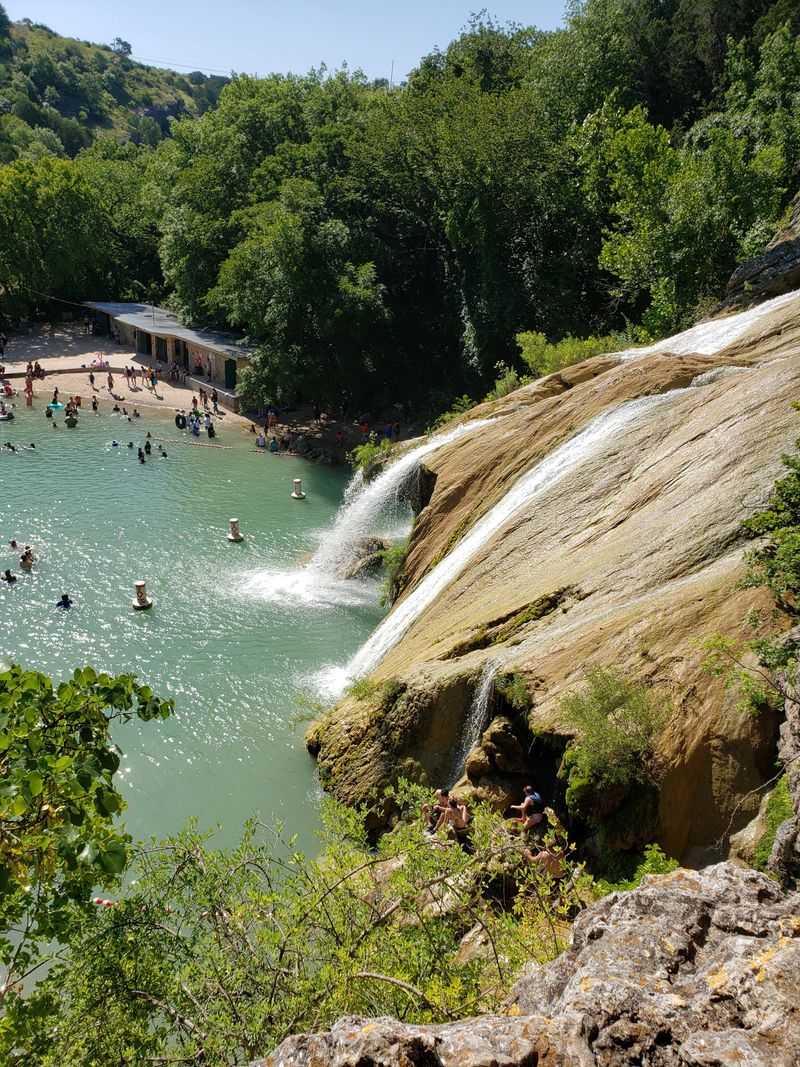
Swimming in the natural pools at Turner Falls used to mean floating peacefully while listening to birds and water. Now it often means navigating around inflatable unicorns, dodging children with pool noodles, and trying to find six inches of personal space.
The main swimming area below the falls has become particularly congested. What was once a serene natural pool now resembles a crowded community pool, complete with all the noise and chaos you’d expect.
Lifeguards are present, which is good for safety, but it adds to the managed, less-wild feeling of the place.
Beyond the main pool, there are other swimming spots along Honey Creek. These smaller areas used to offer quieter alternatives, but they’ve been discovered too.
Rocky outcrops that locals claimed as their own special spots now host rotating groups of visitors throughout the day.
The water quality remains good, and the park does a decent job with maintenance and safety. But the experience has fundamentally changed.
You’re not discovering a hidden swimming hole anymore. You’re visiting a popular attraction, and that shift in atmosphere is exactly what longtime visitors mourn.
Collings Castle Became an Instagram Hotspot
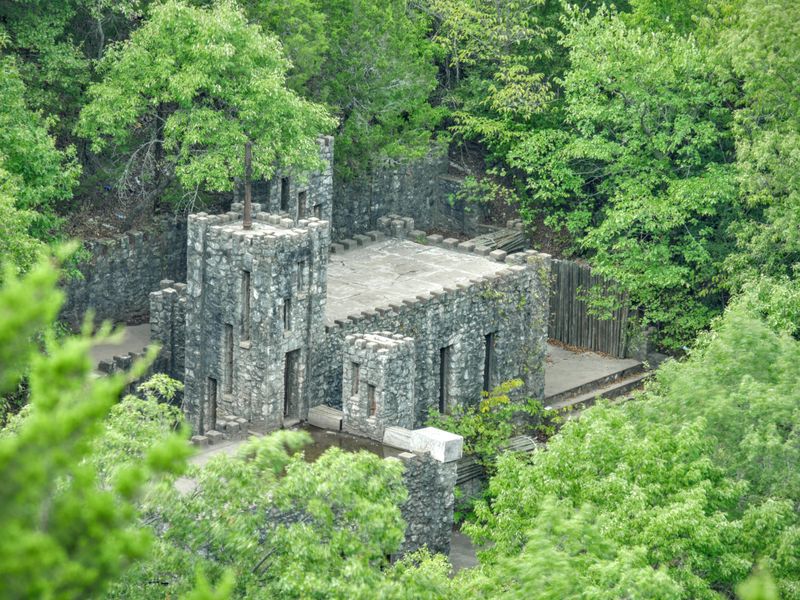
Perched on a hillside overlooking the park sits Collings Castle, a quirky stone structure built in the 1930s by a professor named Dr. Ellsworth Collings. He constructed it as a summer home using native rock, and for decades it was just an interesting curiosity that most visitors barely noticed.
Then social media happened. The castle’s unique architecture and dramatic setting made it perfect for photos, and suddenly everyone wanted their picture taken there.
The hike up to the castle, which used to be a peaceful walk, now features a steady stream of people posing for the perfect shot.
The interior isn’t accessible anymore, partly due to safety concerns and partly because of the increased traffic. You can still walk around the exterior and enjoy the views, but you’ll likely be waiting your turn behind other photographers.
The spontaneity and sense of discovery are gone.
Still, the castle remains one of the park’s most interesting features. If you can visit on a quiet weekday morning, it’s worth the climb.
The views of the Arbuckle Mountains are genuinely beautiful, and the structure itself tells an interesting story about Oklahoma’s past.
Camping Reservations Are Nearly Impossible
My family used to decide on Thursday that we’d camp at Turner Falls that weekend. We’d pack up Friday after work and head down, knowing we’d find a spot somewhere in the campground.
Those days are long gone.
The park offers various camping options, from primitive tent sites to RV hookups. All of them book up weeks or even months in advance during summer.
Holiday weekends require planning that starts in early spring if you want any chance of securing a reservation. The spontaneity that made camping trips special has been replaced by spreadsheets and reminder alerts.
Even the less desirable spots fill up quickly now. Sites far from the water or near the bathrooms, once easy to snag last-minute, now disappear as soon as bookings open.
The park’s popularity has turned camping there into a competitive sport rather than a relaxing getaway.
For those who do secure spots, the campground itself has become noisier and more crowded. Sites are close together, and with capacity nearly always full, you’re camping in a community whether you want to or not.
It’s still possible to have a good time, but it requires adjusting your expectations considerably.
Trails and Caves Feel the Pressure
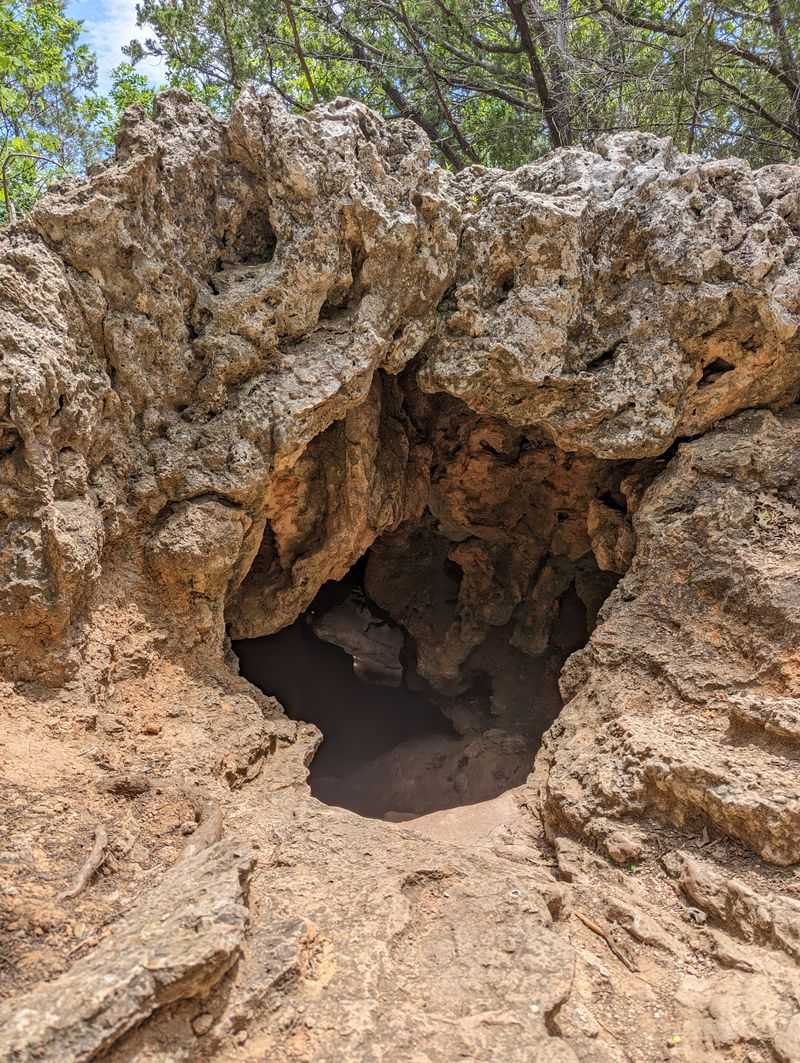
Beyond the waterfall and swimming areas, Turner Falls Park features caves and trails through interesting geological formations. The Arbuckle Mountains are among the oldest mountain ranges in North America, and the exposed limestone and ancient rock tell stories millions of years old.
These trails used to be the park’s quieter attractions. While crowds gathered at the waterfall, hikers could explore caves and rock formations in relative peace.
But increased overall visitation means even these areas see more traffic now. Popular caves have visible wear from thousands of hands touching the same surfaces.
Trail erosion has become noticeable in some areas. The park staff works to maintain paths, but when you multiply foot traffic several times over, natural areas show the impact.
Vegetation near popular trails has thinned, and unofficial side paths have developed where people wander off designated routes.
The caves remain fascinating, and if you’re interested in geology, they’re worth exploring. Just know that you probably won’t have them to yourself.
Families with flashlights, groups of teenagers, and curious tourists all share these spaces now. The sense of adventure and discovery has diminished, replaced by the feeling of touring a popular attraction.
Prices Have Climbed Along with Popularity
Admission to Turner Falls used to be remarkably affordable. Families could visit for the day without breaking the bank, which made it accessible to everyone regardless of economic situation.
That’s changed as the park has dealt with increased visitation and maintenance needs.
Current admission prices are still reasonable compared to many attractions, but they’ve increased significantly over the past decade. When you factor in parking, camping fees, and any equipment rentals, a family outing now requires more budget planning than it once did.
For locals who used to visit multiple times each summer, the cumulative cost has become prohibitive.
The park argues that increased fees help fund improvements and maintenance necessitated by higher visitor numbers. That’s fair enough, but it doesn’t change the fact that Turner Falls has shifted from an accessible local resource to more of a special-occasion destination for many Oklahoma families.
Season passes offer better value for frequent visitors, though even those have increased in price. The economic reality is that managing a popular natural attraction costs money, and visitors bear that cost.
It’s just one more way the park’s character has evolved from hidden gem to managed tourist destination.
What’s Been Lost and What Remains
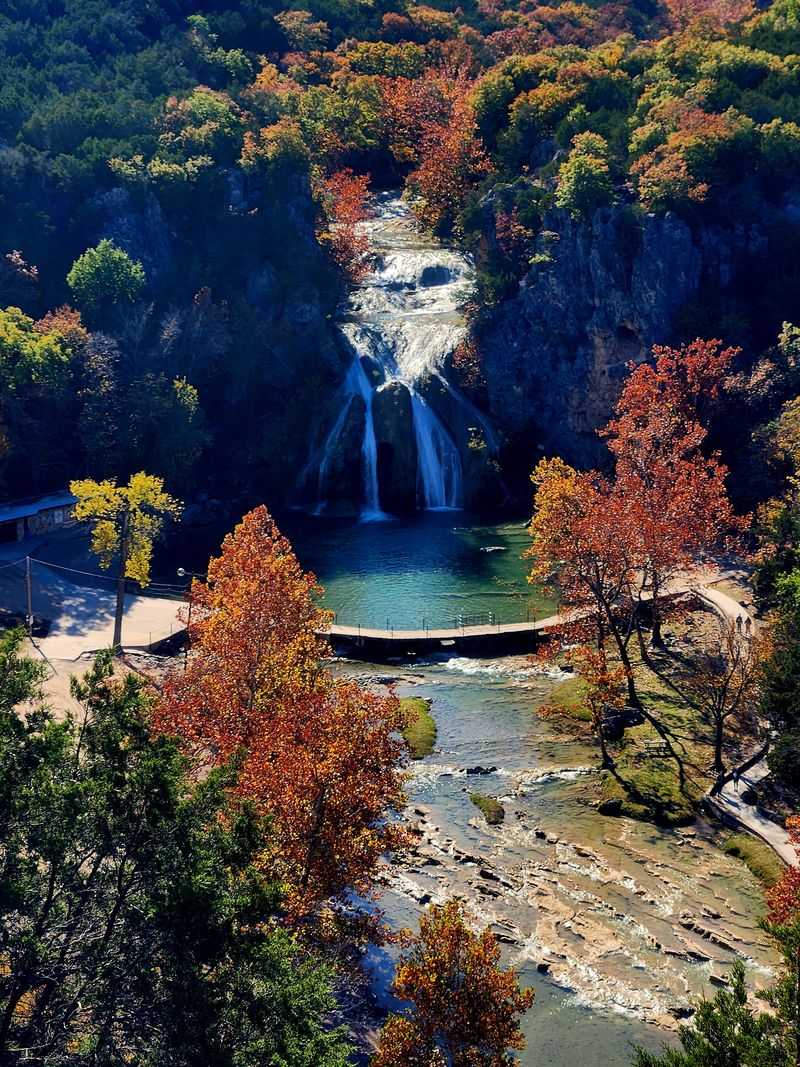
Standing at the overlook on a crowded Saturday, watching hundreds of people enjoy Turner Falls, I have mixed feelings. The park is still beautiful.
The waterfall still cascades down ancient limestone. The water still runs cold and clear.
Those fundamental qualities haven’t changed.
What’s been lost is the feeling of discovery, the sense that you’ve found something special that belongs somehow to you and your community. Turner Falls has become democratized, which means more people can enjoy it, but it also means the intimate connection locals once felt has been diluted by sheer numbers.
Is that bad? It’s complicated.
Tourism brings money to Davis and the surrounding area. Jobs are created, businesses thrive, and more people experience Oklahoma’s natural beauty.
But something intangible has been sacrificed in the process. The peaceful gem locals treasured has been transformed into something else entirely.
Turner Falls remains worth visiting, especially if you’ve never been. Just adjust your expectations accordingly.
Go early, avoid peak season if possible, and understand that you’re visiting a popular attraction, not discovering a secret. The magic is still there, but you’ll have to look harder to find it among the crowds.



