 Unearth The Voyage
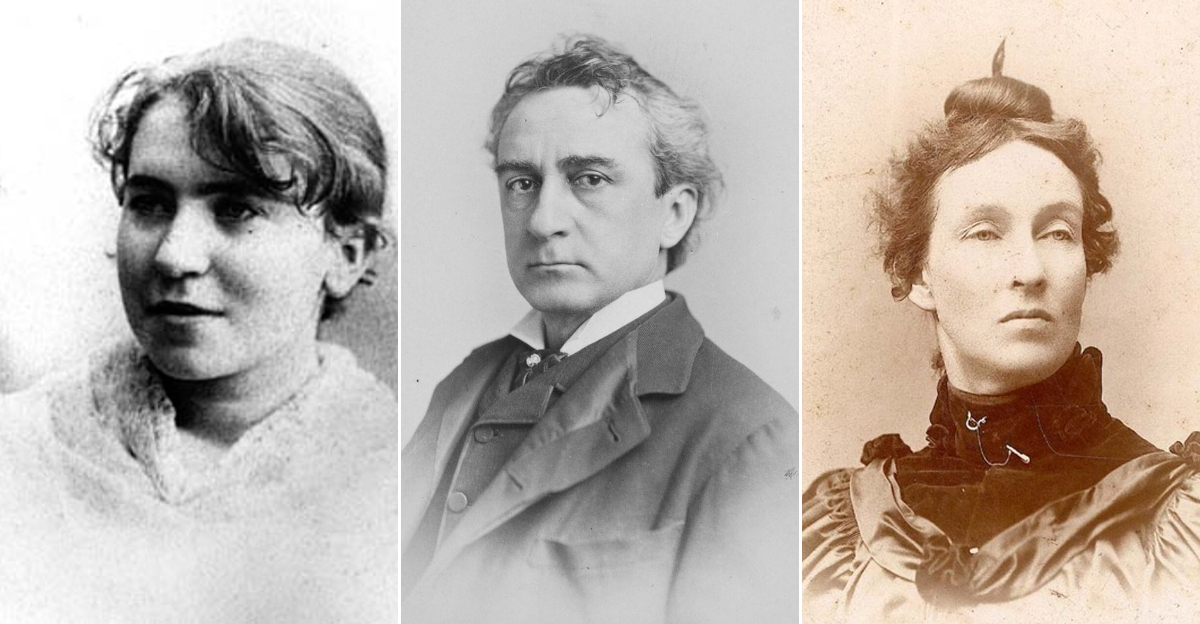
Long before Twitter followers and reality TV deals, some people managed to become absolute household names. They filled lecture halls, sold newspapers, and caused genuine public uproar, all without a single selfie.
I stumbled across a few of these names while digging through old history books, and honestly, some of them were more famous in their day than most modern celebrities are now. Here are 15 figures who were national sensations before anyone even knew what a celebrity was.
Fanny Kemble
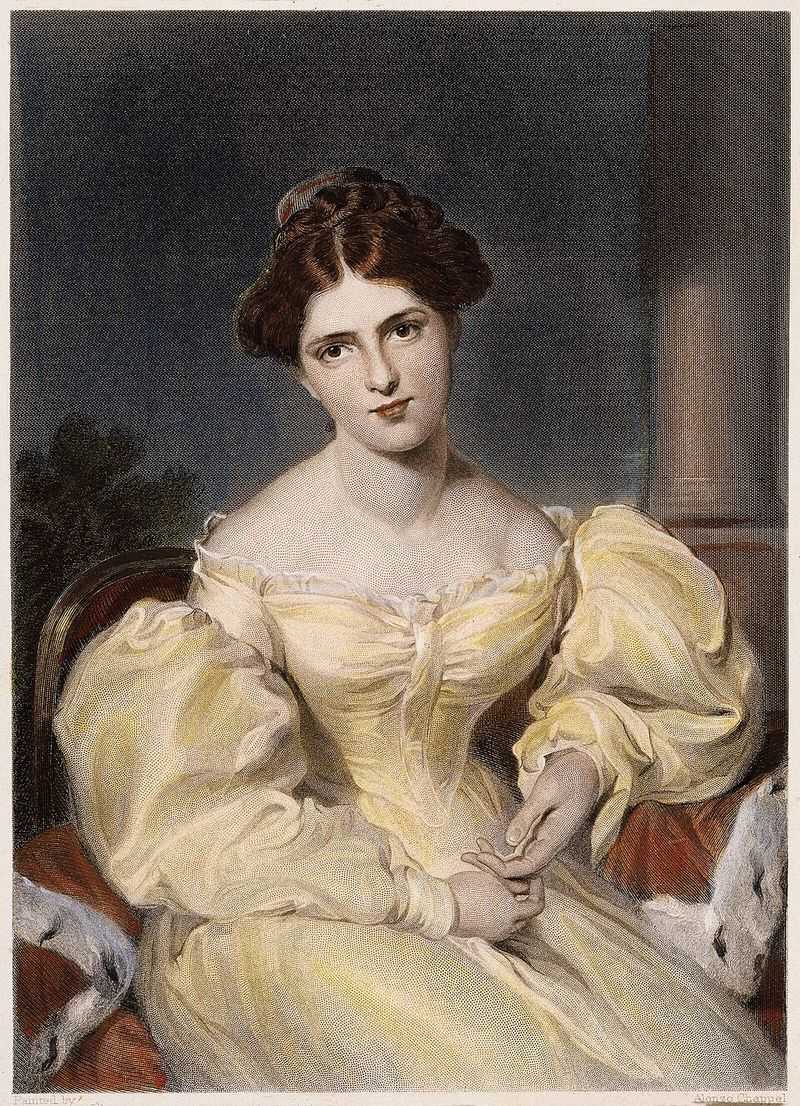
Fanny Kemble was the kind of person who walked into a room and immediately owned it. Born in England in 1809, she came from a famous theatrical family and became a stage star before she was even old enough to vote.
When she toured America, audiences were absolutely smitten.
But Kemble was more than a pretty face on stage. After marrying a Georgia plantation owner, she kept a detailed journal about the brutal realities of slavery she witnessed firsthand.
That journal, published in 1863, hit the public like a thunderclap. It was raw, honest, and deeply uncomfortable for many readers.
Her writing influenced British public opinion during the Civil War at a critical moment. She is one of those rare figures who managed to be both a pop culture sensation and a genuine moral force.
Not bad for someone whose career started with Shakespeare.
William Jennings Bryan
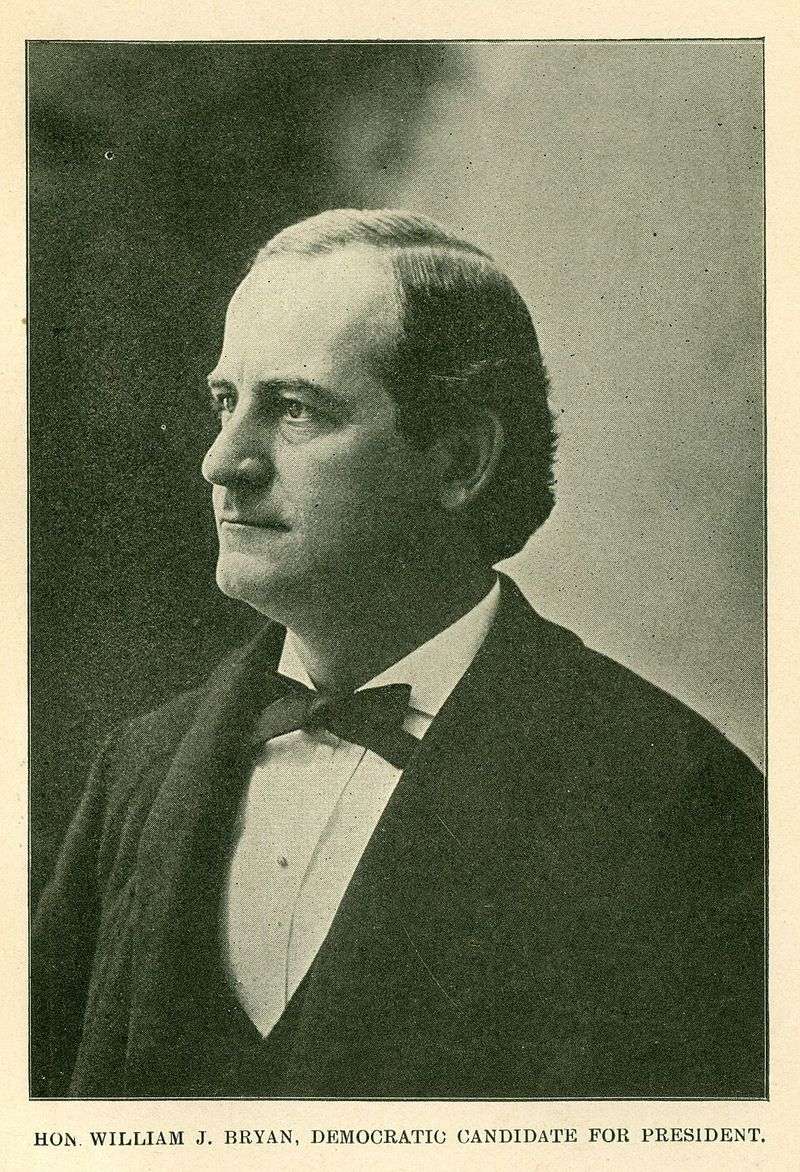
William Jennings Bryan could make a crowd go absolutely wild with just his voice. No microphone, no amplifier, just pure lung power and the kind of confidence most people only dream about.
He gave his famous “Cross of Gold” speech in 1896 and earned a standing ovation that lasted nearly thirty minutes.
Bryan ran for president three times and lost all three, which sounds like a rough career, but somehow it barely dented his fame. He was a constant presence in newspapers, on lecture tours, and at public events.
People paid good money just to hear him speak.
His later years brought the Scopes Trial, where he argued against teaching evolution in schools. Whether you agreed with him or not, you definitely had an opinion about him.
That is the true mark of a celebrity: you cannot stay neutral.
Carry A. Nation
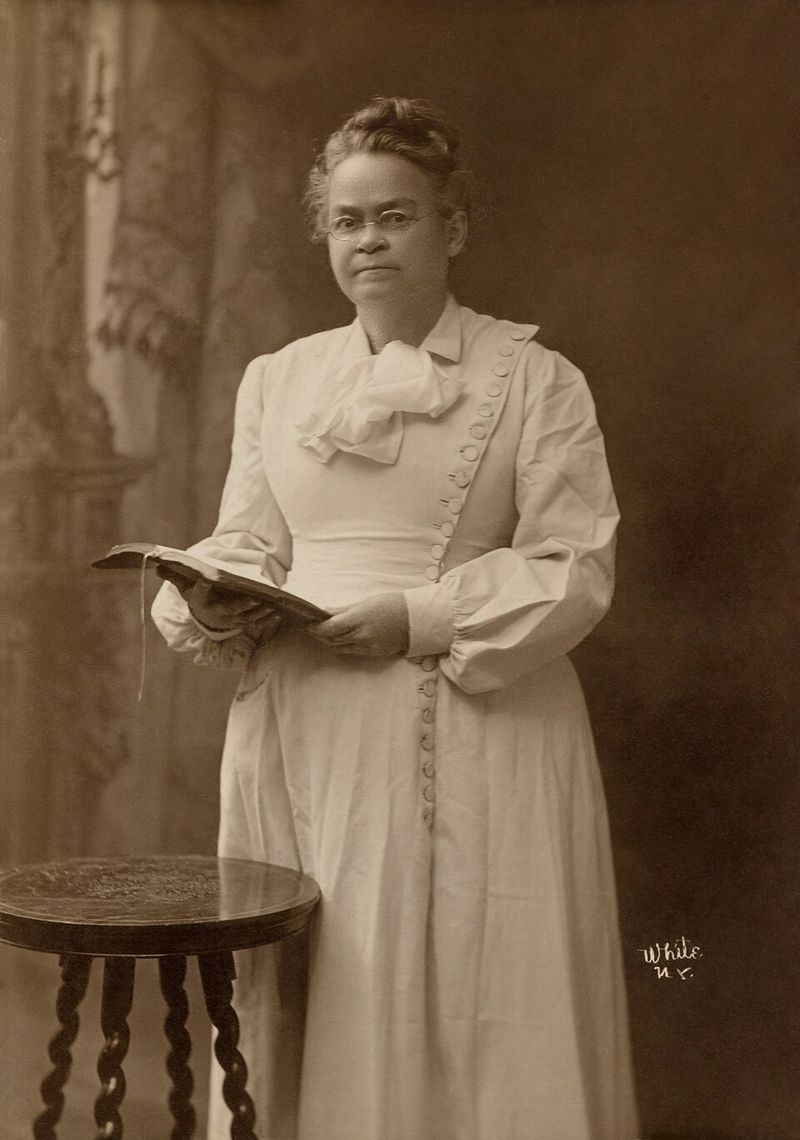
Few people have ever made a hatchet as iconic as Carry A. Nation did.
She walked into saloons across Kansas and started smashing bottles, mirrors, and bar fixtures with the kind of focused energy most of us only bring to video games. Newspapers could not get enough of her.
Nation genuinely believed alcohol was destroying American families, and she was not interested in politely handing out pamphlets. Her raids were dramatic, loud, and sometimes landed her in jail.
She reportedly said she felt called by God, and honestly, who was going to argue with that energy?
She sold souvenir hatchets to fund her crusade, which is genuinely brilliant marketing for the 1890s. Love her or mock her, she was everywhere.
Her face appeared in cartoons, newspapers, and stage shows. Carry A.
Nation turned a personal conviction into a full-blown national spectacle, and she did it entirely on her own terms.
John L. Sullivan
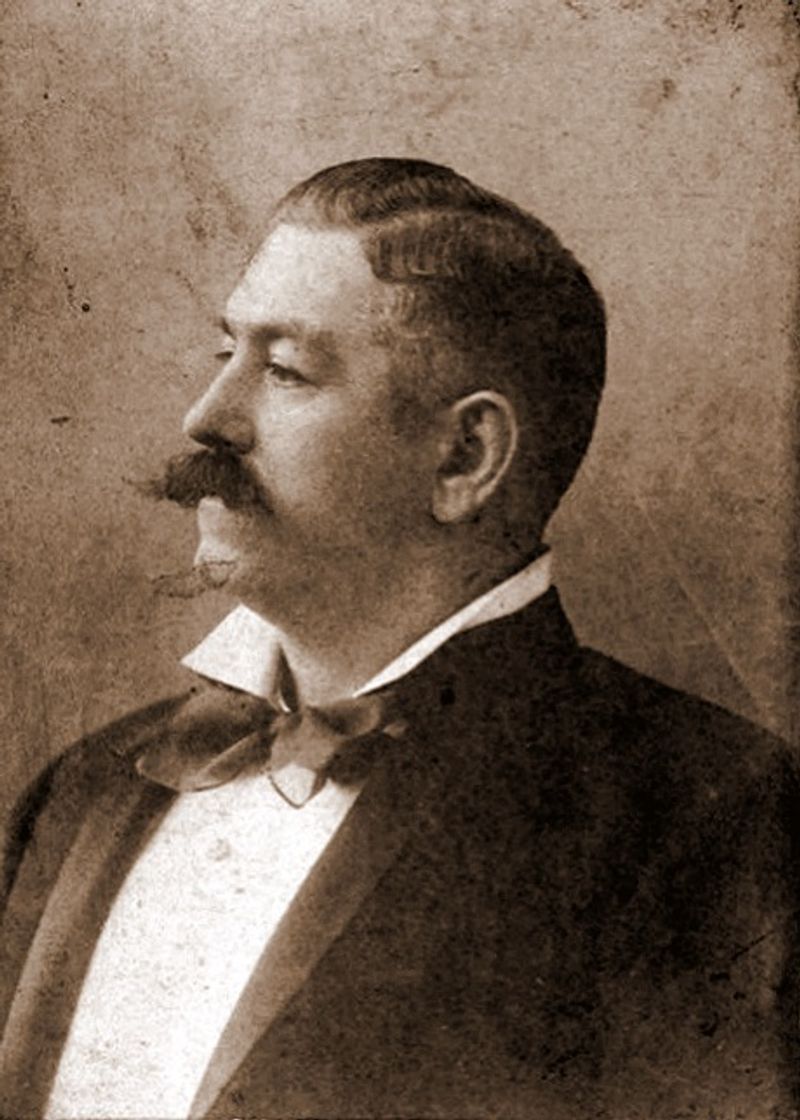
John L. Sullivan was the kind of guy who walked into a bar and announced he could beat any man in the house.
The wild part? He usually could.
Sullivan became the last heavyweight bare-knuckle boxing champion and the first true American sports superstar, all before modern sports media existed.
His fights drew enormous crowds and generated massive press coverage. He toured the country offering cash prizes to anyone who could last four rounds with him.
Most could not. His confidence was legendary, and his personality was even bigger than his fists.
Sullivan also had a flair for showmanship that would feel right at home in today’s sports entertainment world. He wore fancy clothes, gave big interviews, and lived loudly.
When he finally lost his title in 1892 to James Corbett, it was front-page news everywhere. He was not just a boxer.
He was an event.
Victoria Woodhull
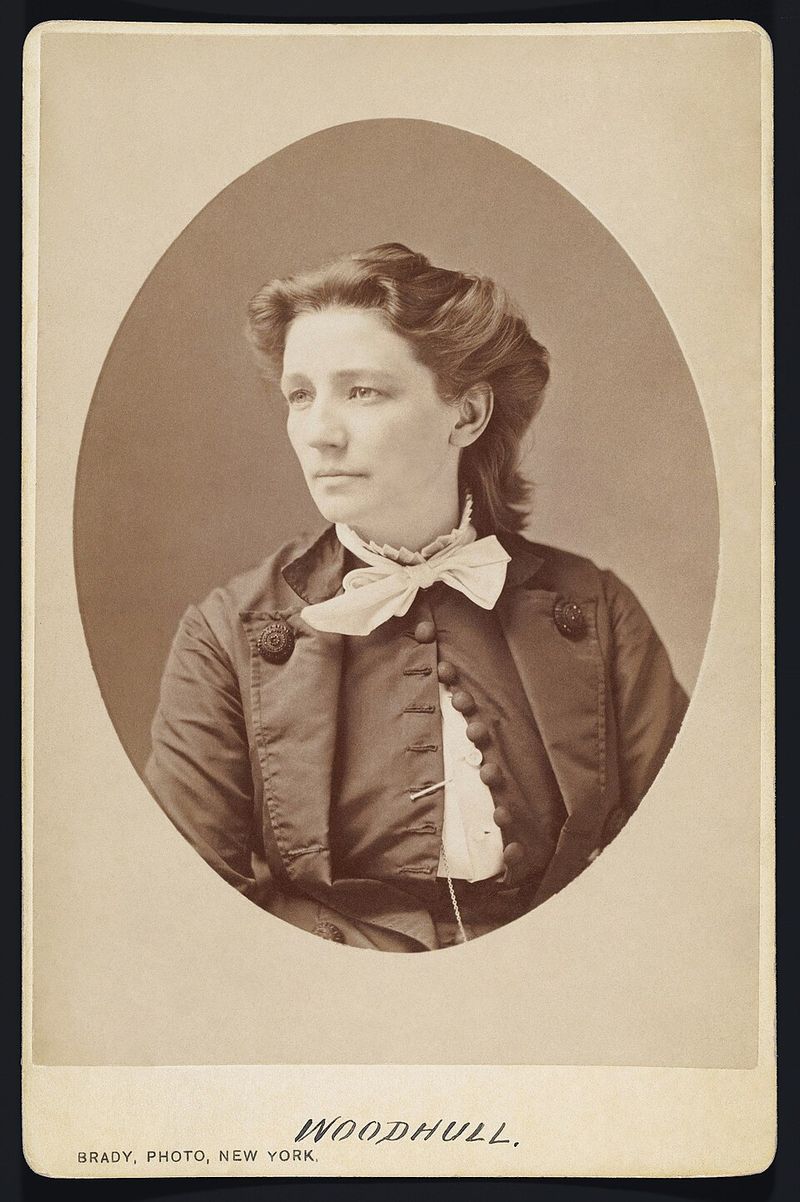
Victoria Woodhull ran for president in 1872, which was more than fifty years before women even had the legal right to vote. That alone should earn her a permanent spot in the history books, but her story gets even wilder from there.
She and her sister Tennessee opened a brokerage firm on Wall Street, becoming the first women to do so. They also published a newspaper that tackled topics considered scandalous at the time, including free love and workers’ rights.
Woodhull was not interested in playing it safe.
The public was fascinated by her in the way people are fascinated by someone who refuses to follow any rules. She was cheered, mocked, arrested, and celebrated, sometimes all in the same week.
Her presidential campaign was a genuine statement, not a stunt. She forced conversations that American society was not ready to have, and she did it anyway.
Edwin Booth
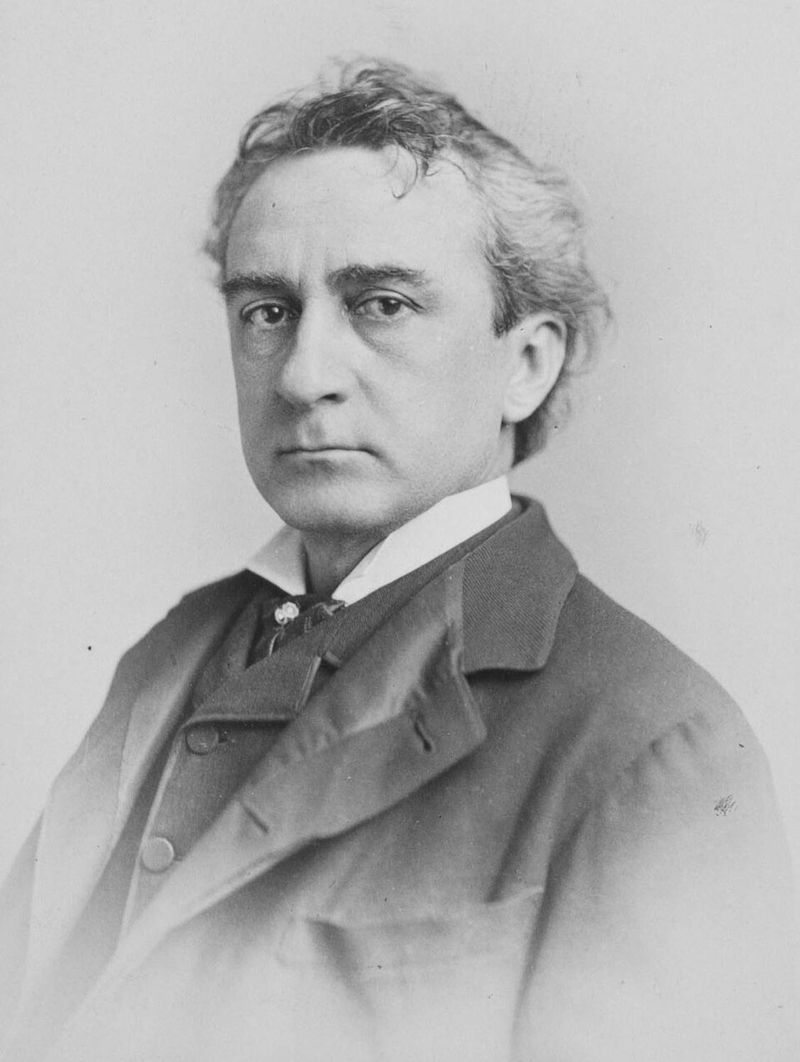
Edwin Booth was considered the greatest American actor of the 19th century, which is remarkable enough on its own. What makes his story genuinely extraordinary is that he managed to maintain that reputation even after his brother, John Wilkes Booth, assassinated President Lincoln in 1865.
Edwin was devastated by his brother’s act and briefly retired from the stage. When he returned, audiences welcomed him back with open arms.
That kind of public loyalty speaks volumes about how deeply people admired his talent. His Hamlet performances in particular were treated as major cultural events.
He later founded a private club for actors and theater lovers called The Players in New York City, which still exists today. Edwin Booth spent his life dedicated to elevating theater as a serious art form in America.
He succeeded in spectacular fashion, carrying a career and a legacy that stood entirely on its own merit.
Mary Lease
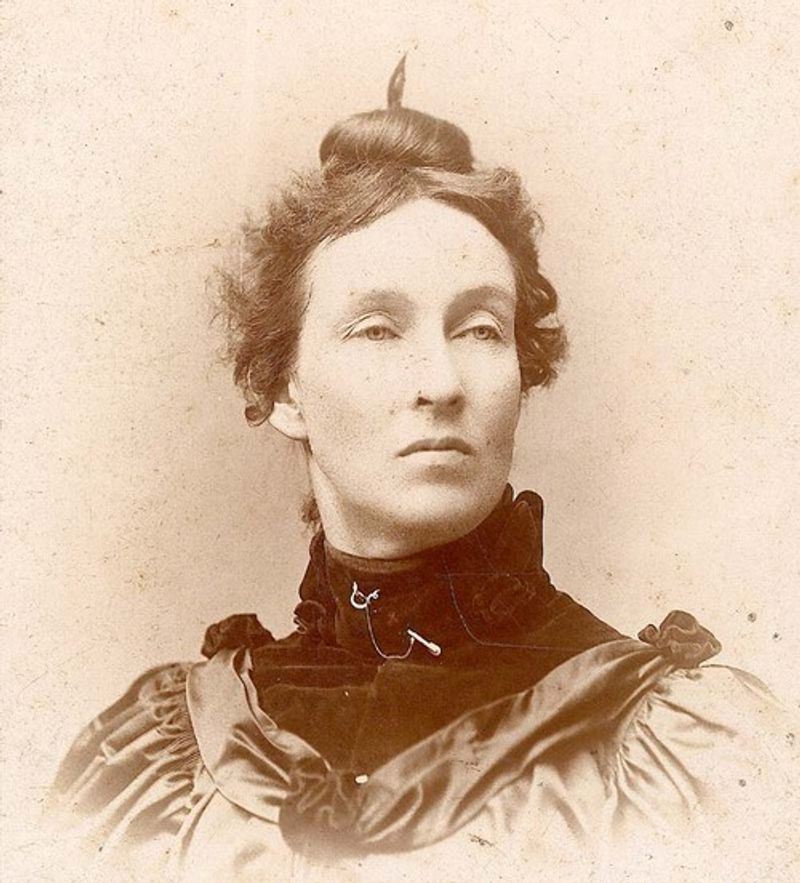
Mary Lease had a voice that could fill a barn and a message that could fill a movement. A Kansas lawyer and Populist firebrand, she became one of the most electrifying public speakers of the Gilded Age at a time when women were largely expected to stay quiet in politics.
Her most famous line urged farmers to raise less corn and more hell, which is honestly still solid advice for anyone feeling ignored by the powerful. Lease understood that struggling farmers needed someone who would say out loud what everyone was thinking.
She became that person, loudly and without apology.
She gave hundreds of speeches across the country and became a symbol of working-class frustration with banks, railroads, and political elites. Newspapers called her names, which only made her more popular with the people she was fighting for.
Mary Lease proved that a sharp tongue pointed in the right direction could be a genuine political weapon.
Robert G. Ingersoll
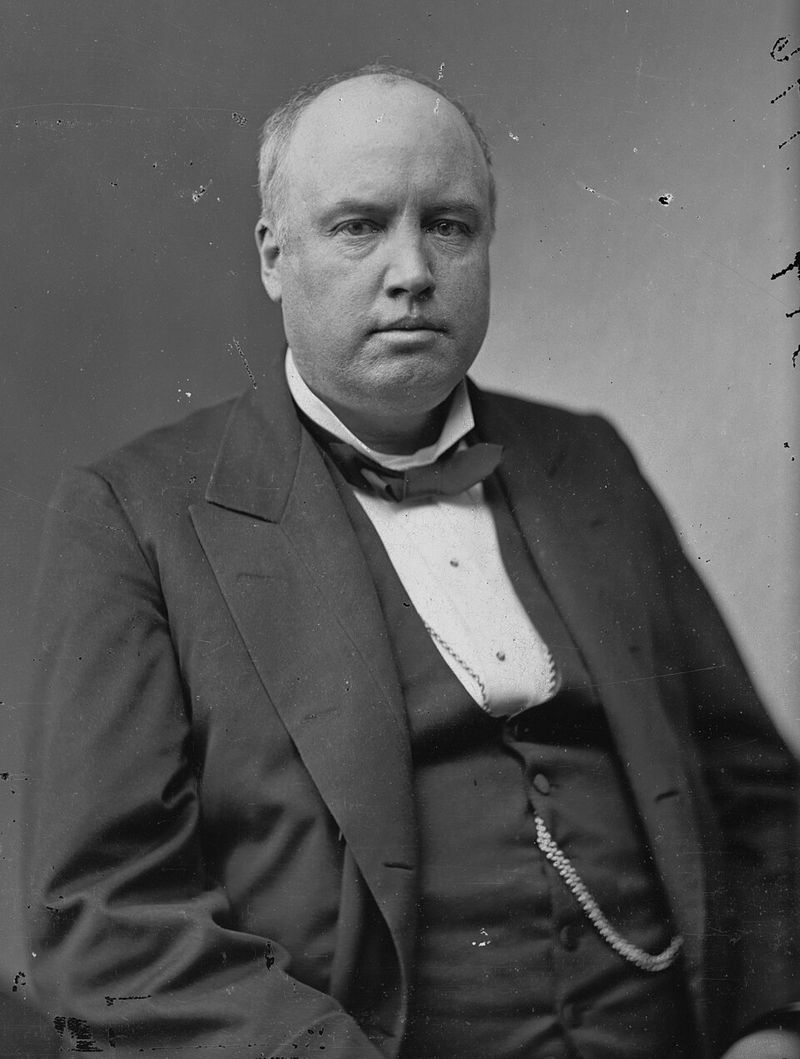
Robert Ingersoll packed lecture halls the way rock stars fill arenas today, except his instrument was logic. Known as “The Great Agnostic,” he traveled the country giving speeches that questioned religious orthodoxy, defended free thought, and celebrated science at a time when those were genuinely dangerous positions to hold publicly.
What made Ingersoll remarkable was not just what he said but how he said it. His speeches were funny, poetic, and sharply argued.
People who disagreed with him showed up just to hear the performance. Tickets to his lectures were a hot commodity, and his written speeches sold by the thousands.
He was also a respected Republican political figure and a gifted lawyer, which gave him credibility that pure provocateurs rarely enjoy. Ingersoll managed to be controversial and beloved at the same time.
He remains one of the most underappreciated public intellectuals in American history, and finding his speeches today is genuinely worth the effort.
Lola Montez
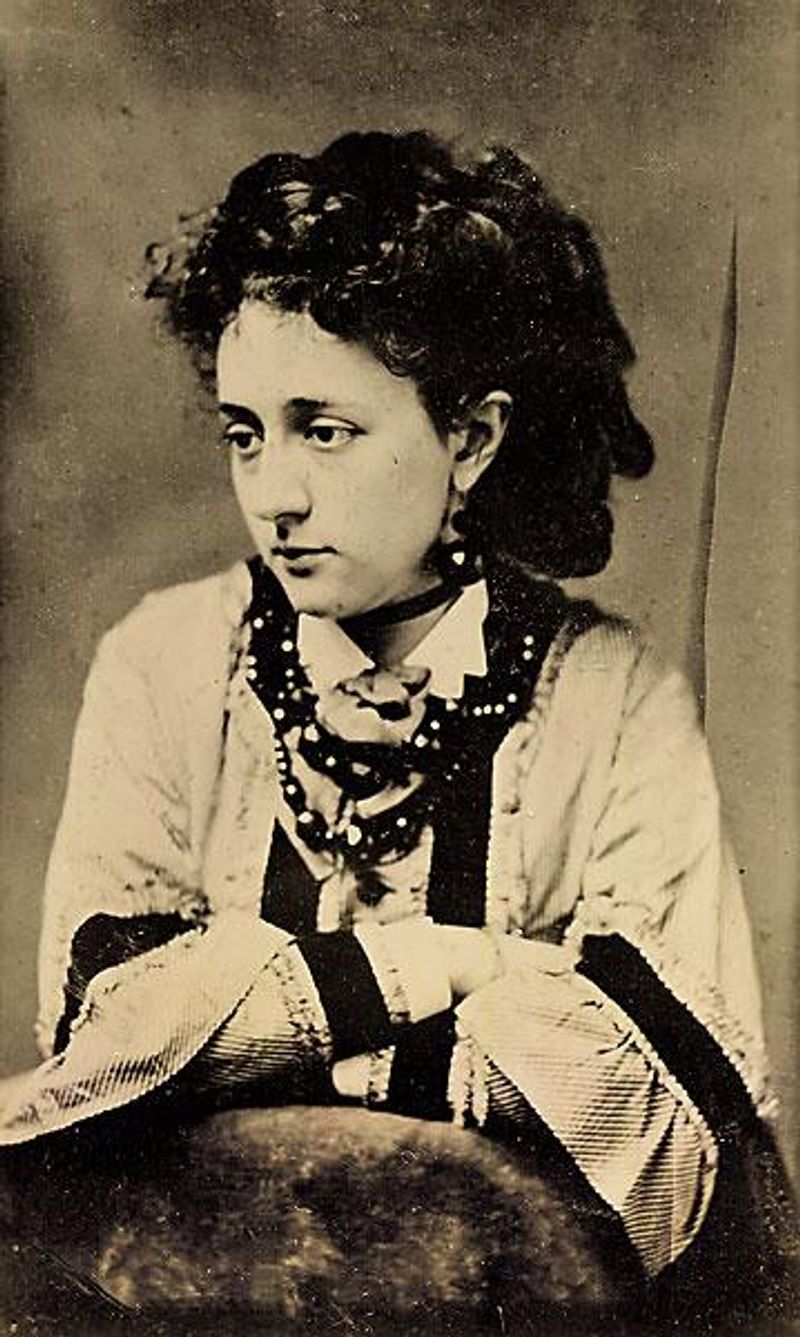
Lola Montez was an international celebrity before the term even existed. Born Eliza Gilbert in Ireland, she reinvented herself as a Spanish dancer, performed across Europe, and somehow ended up as the mistress of King Ludwig I of Bavaria.
That is not a career path you plan, it just happens when you are Lola Montez.
Her influence over the Bavarian king became so controversial that she was blamed for helping spark the 1848 revolution that forced him to abdicate. After that, most people would retire quietly.
Lola moved to America and kept performing. Her spider dance became a sensation on stages from New York to the California Gold Rush camps.
She eventually settled briefly in Australia before returning to America, where she spent her final years writing and lecturing. Lola Montez was fascinating not because she was the best dancer in the world but because she was utterly, completely, spectacularly herself at all times.
George Francis Train
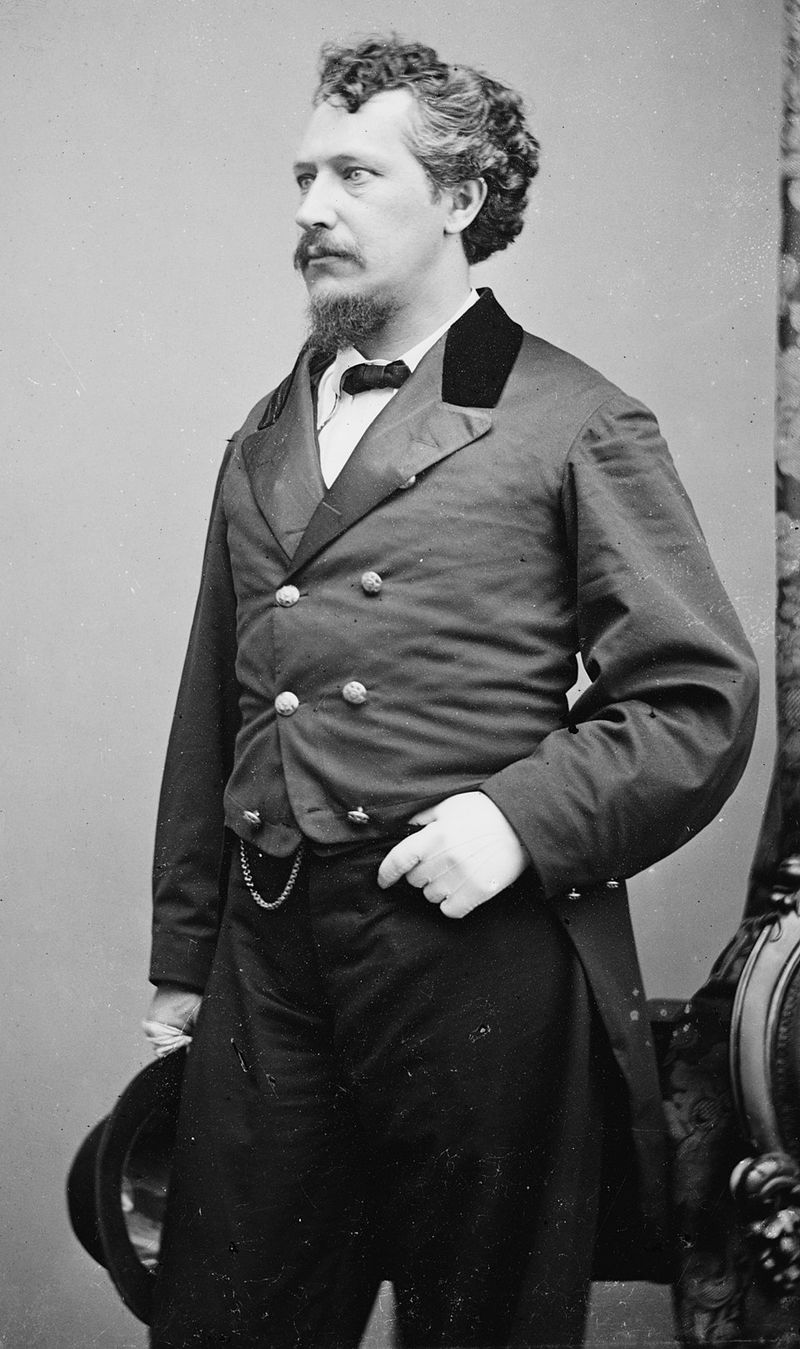
George Francis Train once ran for president, declared himself a commune, and claimed Jules Verne based Phileas Fogg from Around the World in Eighty Days on him. Whether that last part is true is debatable, but the fact that Train actually circled the globe multiple times for publicity purposes makes it at least plausible.
Train was a businessman with serious ventures, including involvement in the Credit Mobilier company tied to the transcontinental railroad. But he was also a relentless showman who seemed to genuinely enjoy being the most chaotic person in any room.
He gave wild speeches, published pamphlets, and once spent time in jail, which he used as a further publicity opportunity.
His energy was exhausting to read about, so one can only guess what it was like to actually meet him. Train represents a type of celebrity that is purely American: loud, self-invented, and somehow always in the news despite nobody being entirely sure why.
Belva Lockwood
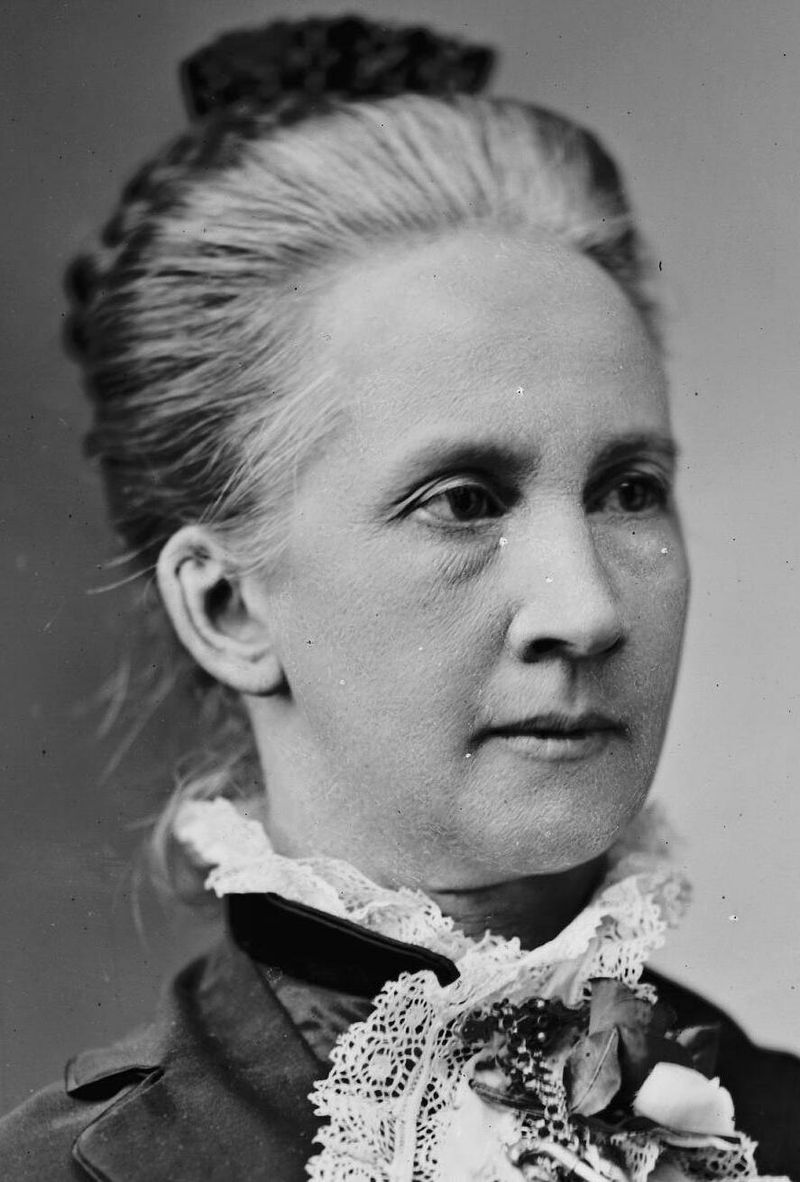
Belva Lockwood did not wait for permission. When she was denied admission to law school because of her gender, she petitioned the school directly and eventually got in.
When she was barred from arguing before the U.S. Supreme Court, she lobbied Congress until they changed the law.
Then she became the first woman admitted to practice there.
She also ran for president in 1884 and 1888 as the Equal Rights Party candidate, decades before women could legally cast a ballot. Her campaigns were serious, policy-driven efforts that newspapers sometimes mocked but could never ignore.
She refused to be dismissed, which is a full-time job when society is working against you.
Lockwood continued practicing law and advocating for women’s rights and international peace well into her eighties. She is one of those historical figures who accomplished so much that listing it all feels almost impolite to everyone else.
A true original in every sense.
Thomas Nast
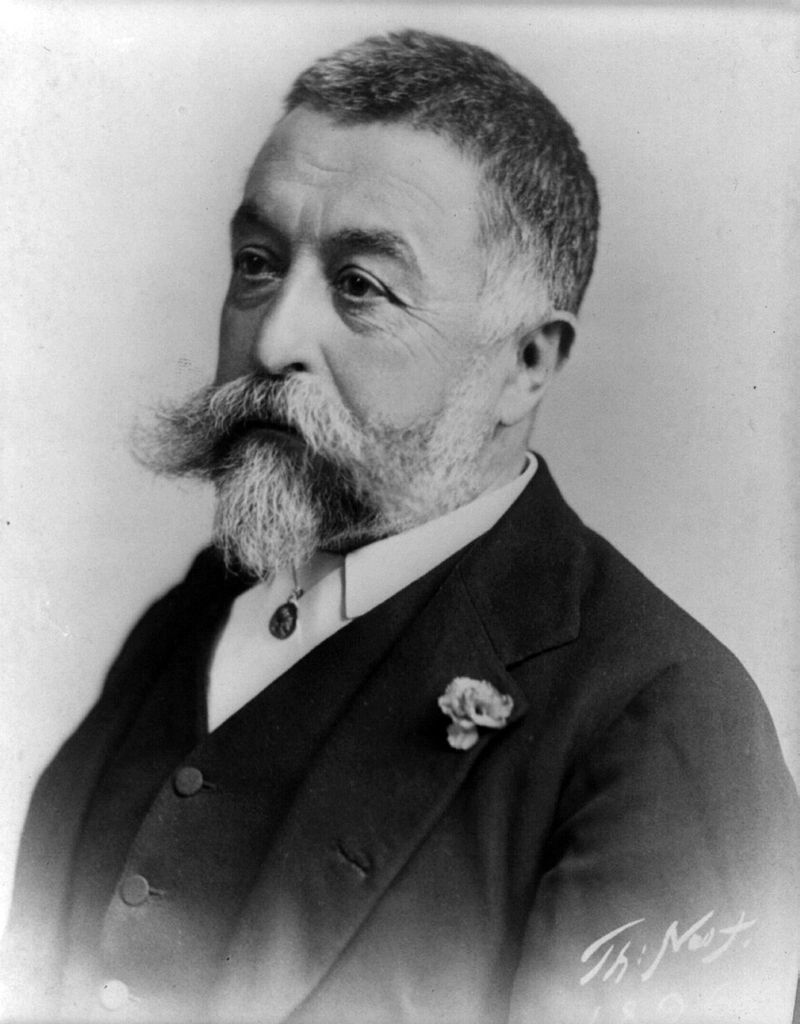
Thomas Nast had a pencil that was genuinely feared by powerful men. His political cartoons in Harper’s Weekly helped bring down Boss Tweed, the notoriously corrupt New York political boss who allegedly said he did not care what newspapers wrote about him because his voters could not read, but they could see those pictures.
Nast also gave us the Republican elephant, the Democratic donkey in their modern forms, and a version of Santa Claus that became the foundation for the jolly, red-suited figure we all recognize today. Not bad for one career.
He essentially drew the visual vocabulary of American politics and Christmas simultaneously.
His work proved that a single image could shift public opinion in ways that thousands of words could not. Nast understood the power of a good visual joke long before anyone had invented the word “meme.” His influence on American culture is hiding in plain sight everywhere you look.
Emma Goldman
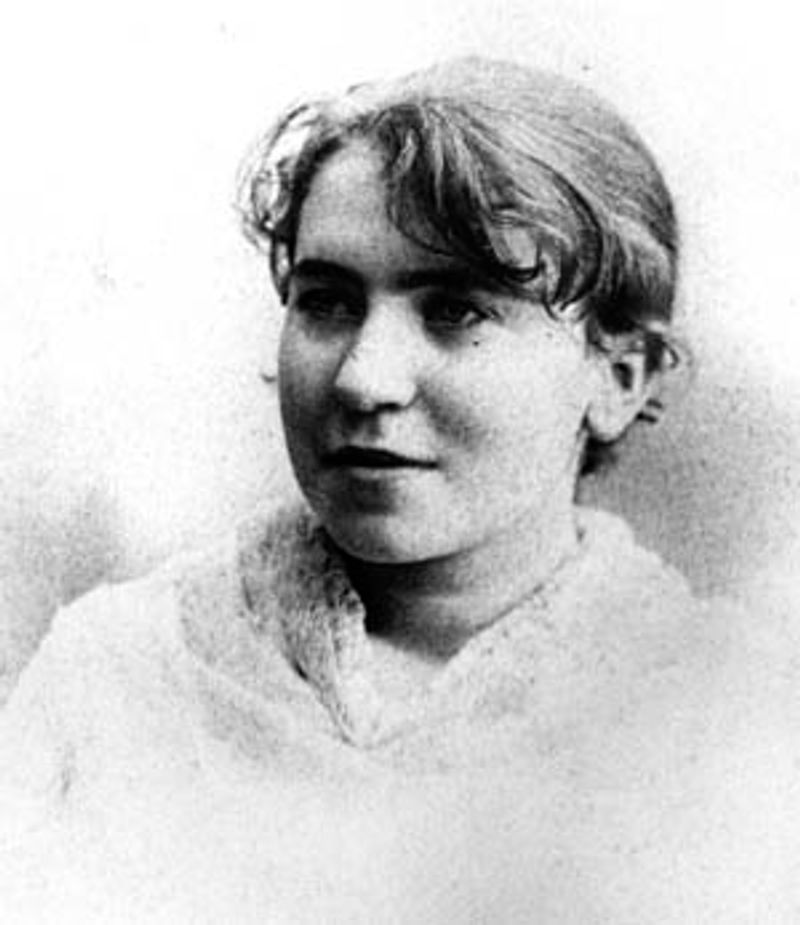
Emma Goldman was the kind of speaker who made governments nervous just by announcing a public appearance. Born in Lithuania and raised partly in Russia, she arrived in America and immediately became one of its most controversial and compelling public voices.
Her lectures on labor rights, free speech, and political freedom drew enormous crowds.
The U.S. government was not a fan. She was arrested multiple times, surveilled constantly, and eventually deported in 1919 during the Red Scare.
Even that did not silence her. She continued writing and speaking from abroad for years.
Goldman believed deeply that ordinary people deserved to live with dignity and freedom, and she said so with fire and precision. Her autobiography, published in 1931, remains a gripping read.
She is one of those figures who was so far ahead of her time that history has spent a century slowly catching up to her actual arguments.
Henry Bergh
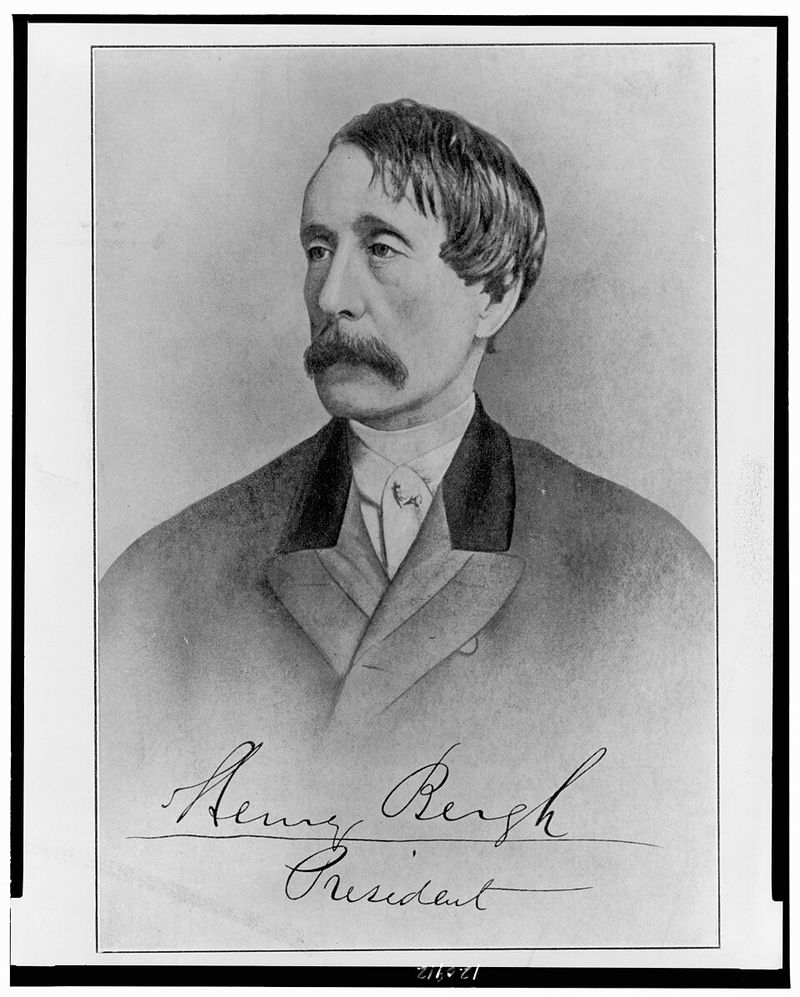
Henry Bergh once stepped in front of a horse-drawn cart in the middle of a New York City street to stop a driver from beating an exhausted horse. This was not a one-time moment of bravery.
This was basically his Tuesday. Bergh founded the American Society for the Prevention of Cruelty to Animals in 1866 and spent the rest of his life enforcing its mission personally.
Before Bergh came along, animal cruelty was largely ignored by law and by society. He changed that through relentless public pressure, legal action, and a talent for getting newspapers to cover his campaigns.
He was not shy about confronting people publicly, which made him both admired and occasionally unpopular.
He also helped establish protections for children through similar legal frameworks, expanding his work beyond animals. Bergh proved that one stubborn, passionate person really can shift what an entire society considers acceptable.
The ASPCA he founded is still operating today, which is a pretty lasting legacy.
John Mitchell Jr.
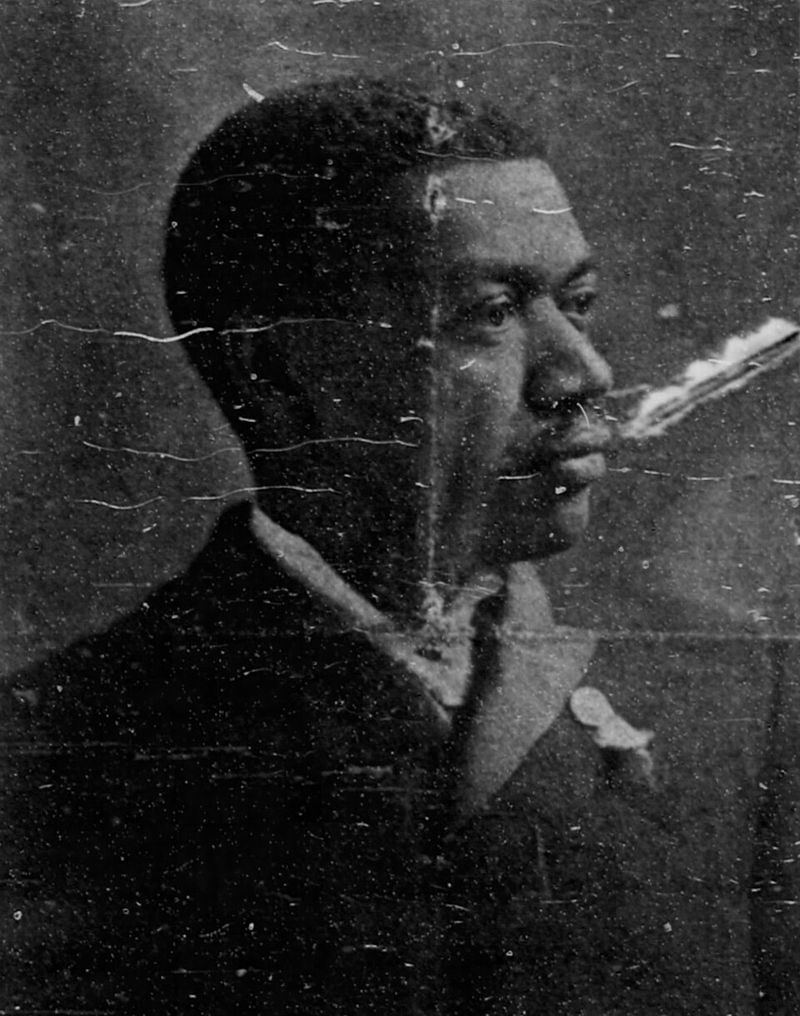
John Mitchell Jr. ran the Richmond Planet newspaper during one of the most dangerous periods for Black Americans in U.S. history, and he did not run it quietly. He used the paper to document lynchings, challenge segregation laws, and call out racial injustice directly and by name at a time when doing so carried real personal risk.
Mitchell was also a bank founder, a city council member in Richmond, Virginia, and a political organizer. He packed more into one career than most people manage in three.
His journalism was not just reporting, it was a form of direct resistance against a system designed to erase Black civic life entirely.
He became an important and widely respected voice in Black political communities across the country, not just in Virginia. His work at the Richmond Planet stands as proof that a determined editor with a printing press and a clear moral compass can genuinely move history forward, one issue at a time.



