 Unearth The Voyage
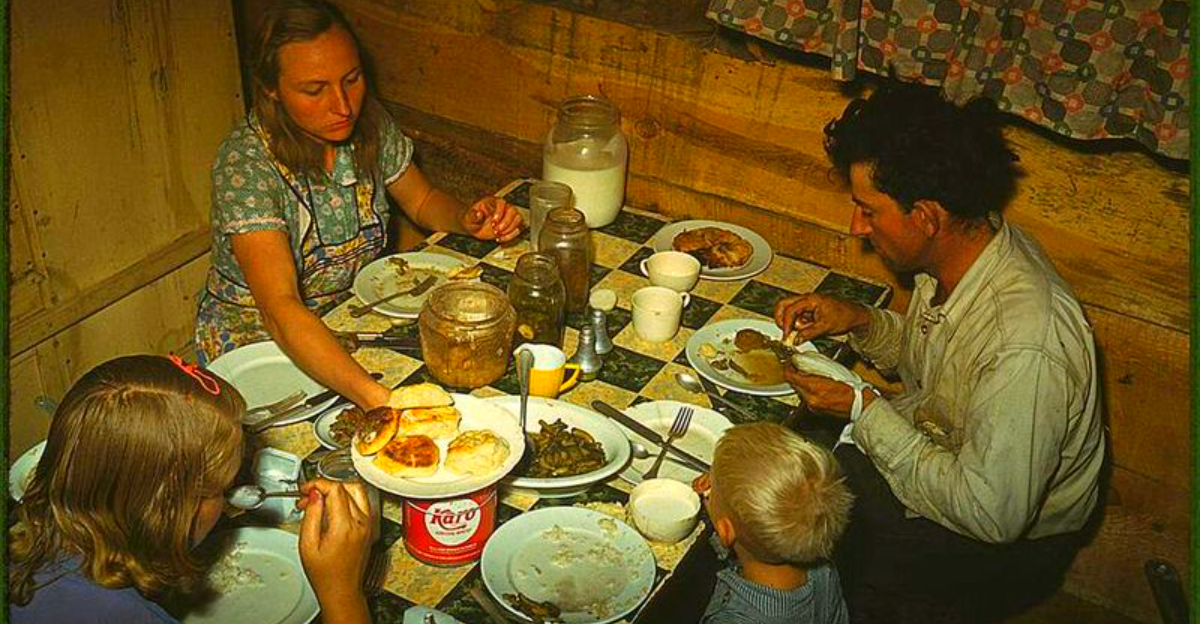
America’s kitchen is a treasure chest, and some of its brightest gems have slipped to the bottom. These forgotten dishes tell stories of migration, ingenuity, and making do with what was on hand. You can almost taste the steam rising from logging camps, boardinghouses, and Sunday tables. Come rediscover flavors that shaped the nation, and maybe bring a few back to yours.
1. Hoppin’ John with Cracklin’ Cornbread
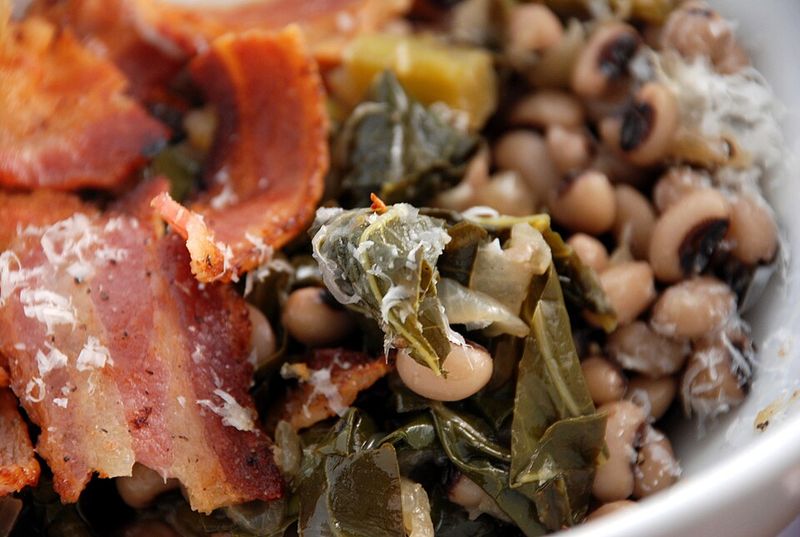
Hoppin John brings black eyed peas, rice, and smoky pork together in a bowl that tastes like good luck. Traditionally set out on New Year’s, it promised prosperity with every spoonful. Pair it with cracklin cornbread, where crispy pork skin freckles a tender crumb.
You get salt, crunch, and comfort in one humble, fragrant meal. It tells a Lowcountry story written by Gullah cooks and saved through generations. Cook it low, laugh with company, splash hot sauce, and let the pot whisper home.
2. Salisbury Meat Pie
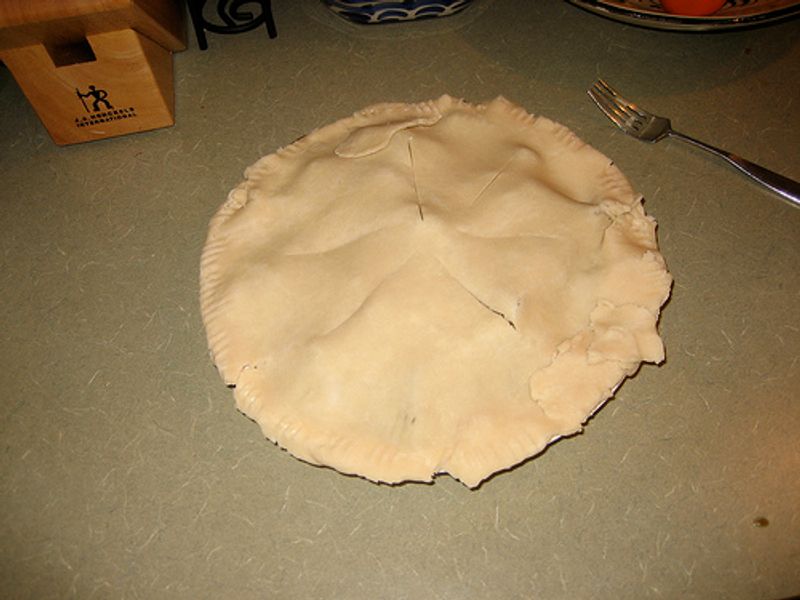
This farmhouse classic stretches meat into a feast with minced beef or pork tucked under a sturdy crust. Carrots, onions, and potatoes melt into gravy that clings to every bite. The pastry shatters, the filling steadies, and the table quiets.
It is practical, generous food from barns and busy kitchens. You can bake one on Sunday and live off slices all week. Serve with pickles or chowchow, and let the crumbs tell you when to stop.
3. Pigeon Pie
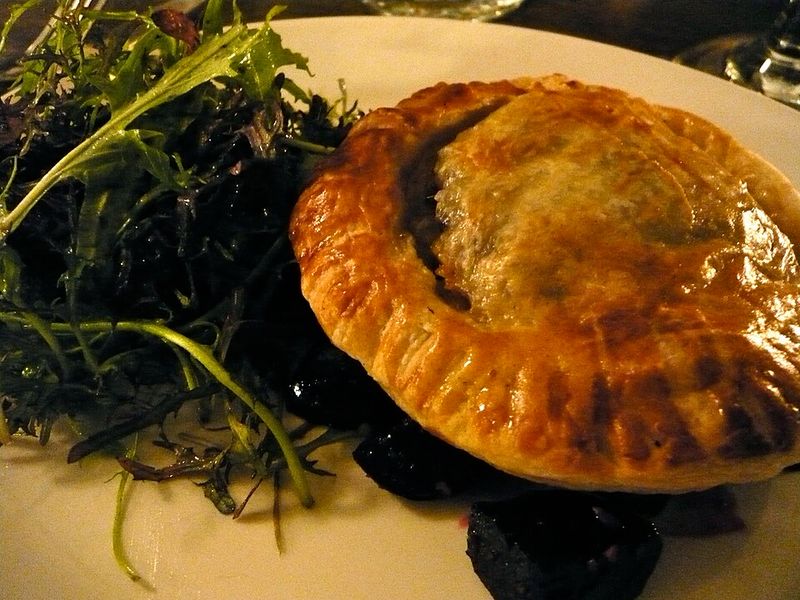
Once a centerpiece, pigeon pie meant squab cooked tender with herbs under a double crust. Backyard dovecotes and wild hunts kept pans filled for festive gatherings. Thyme, butter, and pan juices perfumed the kitchen.
Today, it feels daring and nostalgic at once. Use young birds, a sturdy stock, and a patient bake. When you cut the first slice, the aroma makes time wobble and guests lean closer.
4. Skillygalee
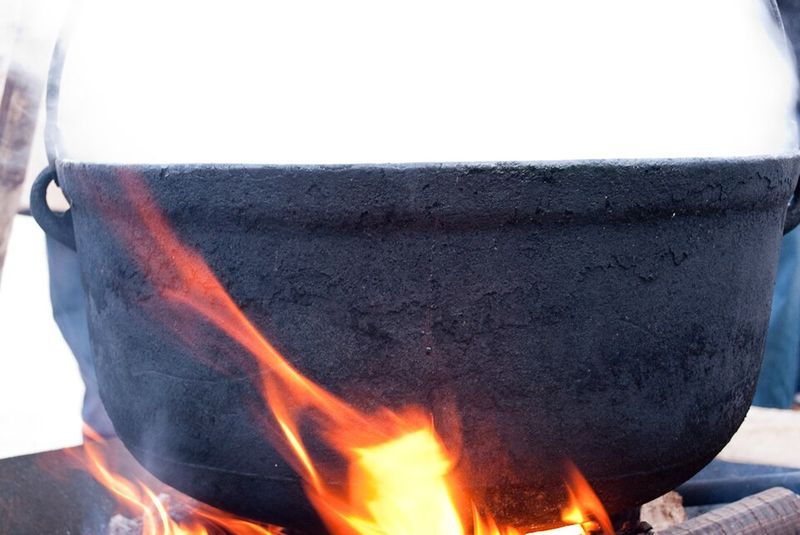
Skillygalee pulls flavor from the humblest pantry: collards, onions, and a little fatback. Long simmering turns toughness into silk while smoke and salt do the talking. You taste thrift handled with pride.
Serve it with cornbread to catch the pot liquor. Add vinegar or pepper sauce if you crave a spark. It is survival food that eats like grace, reminding you how slow time can season a life.
5. Mock Turtle Soup
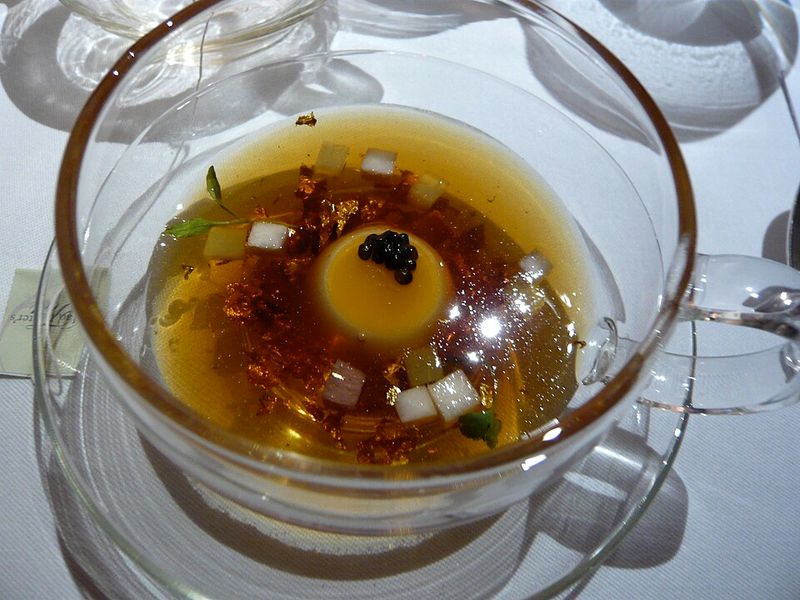
This grand imposter mimicked costly green turtle using calf’s head, veal, or organ meats. Long simmering delivered a glossy, gelatin rich broth, brightened with lemon and sherry. It reigned in hotels and parlors where ceremony mattered.
Tastes changed, and the pot went quiet. But you can revive it with oxtail or beef shin, careful skimming, and patience. Serve with toast points, and watch guests raise eyebrows, then bowls.
6. Prune Pudding with Hard Sauce

Prunes simmer with cinnamon and citrus until jammy, then set into a gentle pudding. On top goes hard sauce, a cool, sweet brandy butter that melts into rivulets. It tastes like parlor carols and clinking glasses.
People forgot, but the comfort remains. You can steam it or bake it and serve warm. The first spoonful is plush and grown up, like fruitcake’s charming cousin minus the baggage.
7. Johnny Cake with Maple Butter

Johnny cake is a simple cornmeal flatbread that tastes best hot from a griddle. Crisp edges, tender middle, and a nudge of salt make it perfect for maple butter. The fragrance hits first, then the warmth.
It is older than the Revolution and still feels right for breakfast. Stir, spread, flip, and eat without fuss. If you burn one, consider it tax to the pan and carry on.
8. Shoofly Pie (Molasses Crumb)
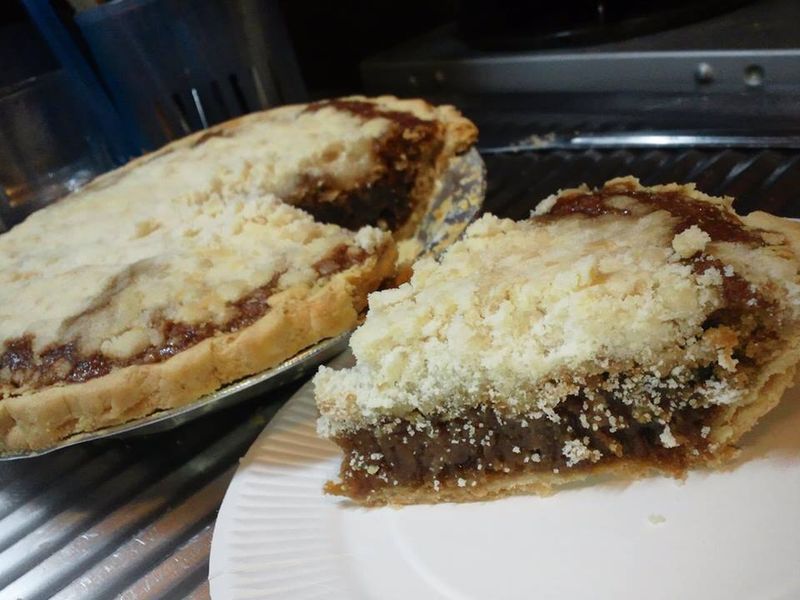
This pie is sticky, proud, and not shy about sweetness. A thick molasses base hides under a sandy crumb that bakes into caramel hum. It pairs best with strong coffee and a quiet morning.
Wet bottom or dry, you decide. Either way the fork stands up on its own. Bake one for neighbors and see who knocks twice.
9. Bean Hole Beans

New England loggers and Wabanaki cooks buried pots in embers to make these beans. Molasses, mustard, and salt pork turn navy beans into something smoky and steady. The ground itself becomes your oven.
Dig, wait, and let the woods do the work. When the lid lifts, the aroma feels like a handshake. Spoon beside brown bread or hot dogs, and settle in for stories that last as long as the coals.
10. Lobscouse
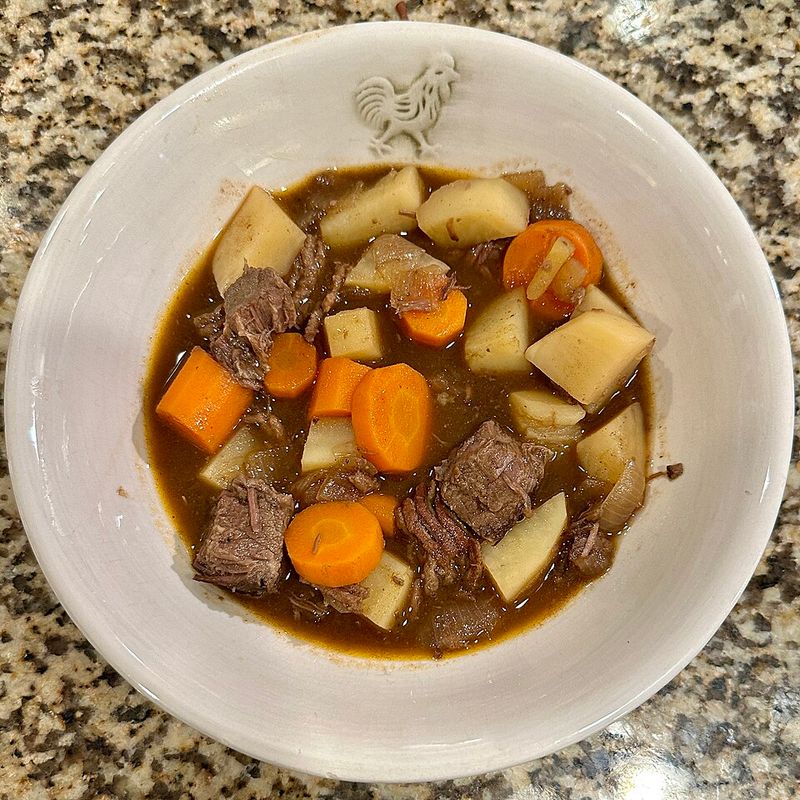
Lobscouse sailed from European ports and settled into American bowls. Salt beef, onions, and potatoes stew until the edges blur and the broth turns starchy. It is ballast for cold nights and hard work.
Add carrots or leftover roast if that is what you have. The point is thrift and flavor, not fuss. Serve with hardtack or bread and a story about weather you survived.
11. Beefsteak Tomato Aspic
Tomato aspic is a cool, savory mold that once ruled summer luncheons. Beefsteak tomato juice, celery, vinegar, and spice set into a ruby wobble. It is crisp lettuce’s best friend.
Garnish with olives or sliced eggs, and serve beside chicken salad. The first forkful is bracing, like a chilled Bloody Mary without the burn. You might be surprised how much you like it.
12. Celery Victor
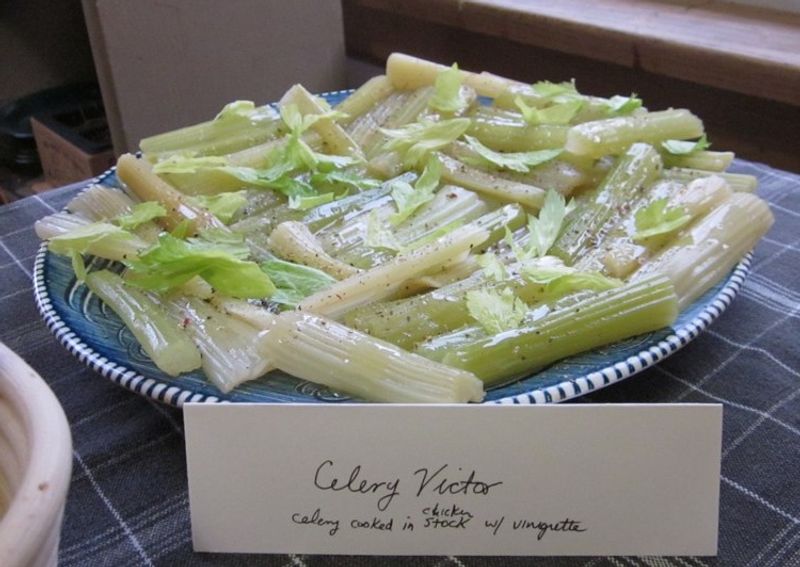
Celery Victor turns a supporting actor into the star. Poached hearts soak in a chilled vinaigrette, soaking up tarragon and pepper. The crunch stays, the bitterness softens, and everything tastes clean.
Serve as a first course with cold roast chicken. It feels like a postcard from old San Francisco hotels. Simple, refined, and exactly as refreshing as lunch should be.



