 Unearth The Voyage

A powerful magnitude 7.0 earthquake recently shook the Yakutat region in Southeast Alaska, raising concerns of aftershocks and landslides despite no immediate major damage reported.
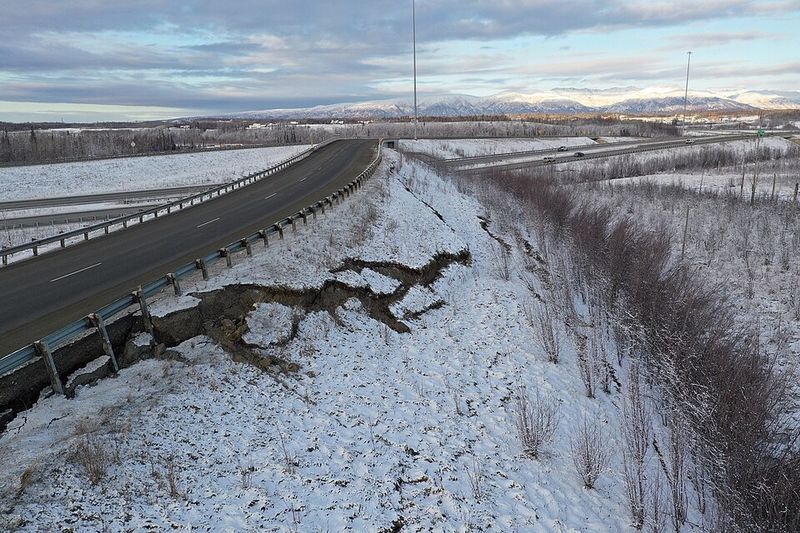
On Saturday, December 6, 2025, a substantial magnitude 7.0 earthquake hit approximately 55 miles north of Yakutat, Alaska, in a remote area. This quake, at a shallow depth of about 10 kilometers, intensified the surface shaking experienced. Multiple aftershocks were logged soon after, following a typical clustered pattern.
Authorities highlighted potential hazards, notably landslides in steep bays and fjords. No tsunami warning was issued as the epicenter was inland, away from oceanic subduction zones. The absence of immediate tsunami risk, however, doesn’t diminish concerns about potential geological disturbances in the mountainous terrain.
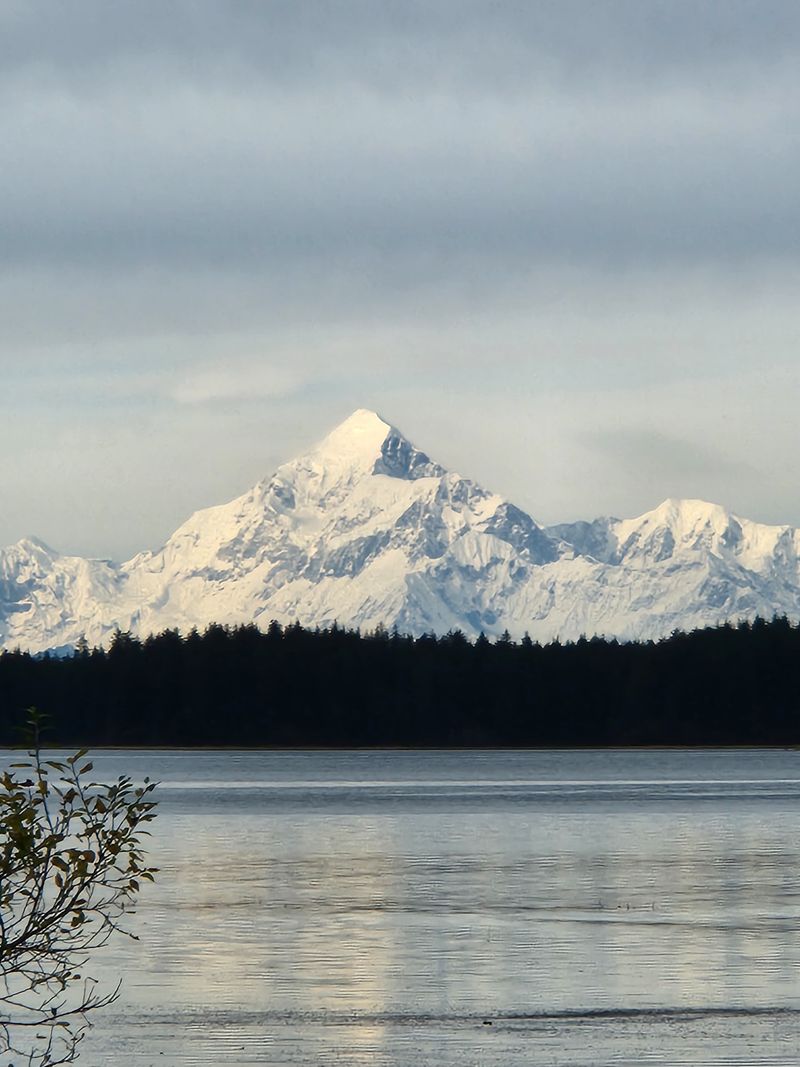
The earthquake was widely felt across Southeast Alaska. Reports poured in from places as far as Valdez, Anchorage, and even Whitehorse in Yukon, Canada. People described the tremor as a prolonged rolling sensation.
Residents likened the shaking to a “good, long, rolling shaker,” with rattling objects and swaying furniture. Despite the intensity, no major damage or injuries have been reported thus far. Emergency services remain vigilant given the remote and low-density nature of the affected area, which may delay damage assessment.
Alaska’s location on the Pacific Plate’s boundary makes it one of the most seismically active regions in the U.S. The area is crisscrossed by complex fault systems, including subduction zones and transform faults.
This region has a long history of significant earthquakes, some of which have triggered tsunamis or landslides. The recent quake fits the pattern of shallow earthquakes that increase landslide risk, especially near fjords and steep mountains.
The sparse population and rugged terrain help mitigate the potential for widespread damage, but the geological processes remain a constant threat.

Aftershocks are expected to continue in the wake of the major quake near Yakutat. These secondary tremors can persist for weeks, posing ongoing risks.
Landslide warnings have been issued for areas with steep, unstable slopes, particularly in Yakutat Bay and Russell Fjord. Although no tsunami threat exists, residents and authorities remain alert for potential rockfalls and slope failures.
Precautionary measures are advised, especially during adverse weather conditions that could compromise unstable terrain. The ongoing vigilance is crucial in maintaining safety in this geologically active area.



