 Unearth The Voyage
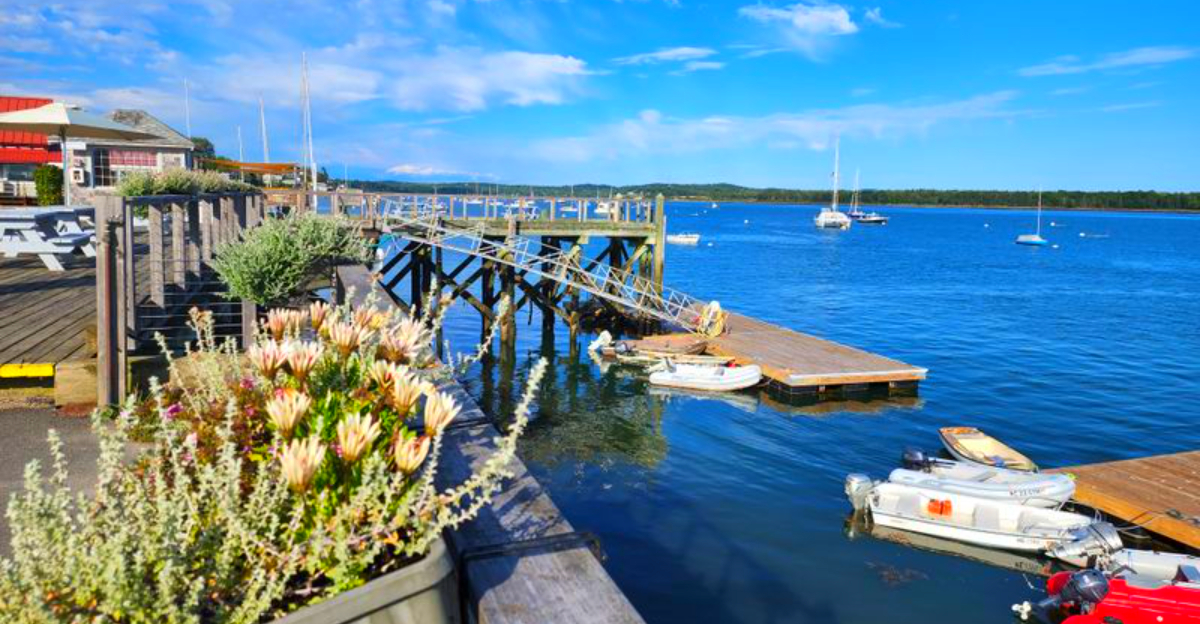
Looking for a harbor town that still feels like a secret whispered by the sea? Castine, tucked along Maine’s rocky coast, keeps its head down and its soul wild, even as the tides and centuries roll by. You feel it the moment gulls wheel over Perkins Street and boats nudge the pier. Stay a while, and Castine starts telling you its stories in salt, granite, and quiet light.
Ancient Roots You Can Walk
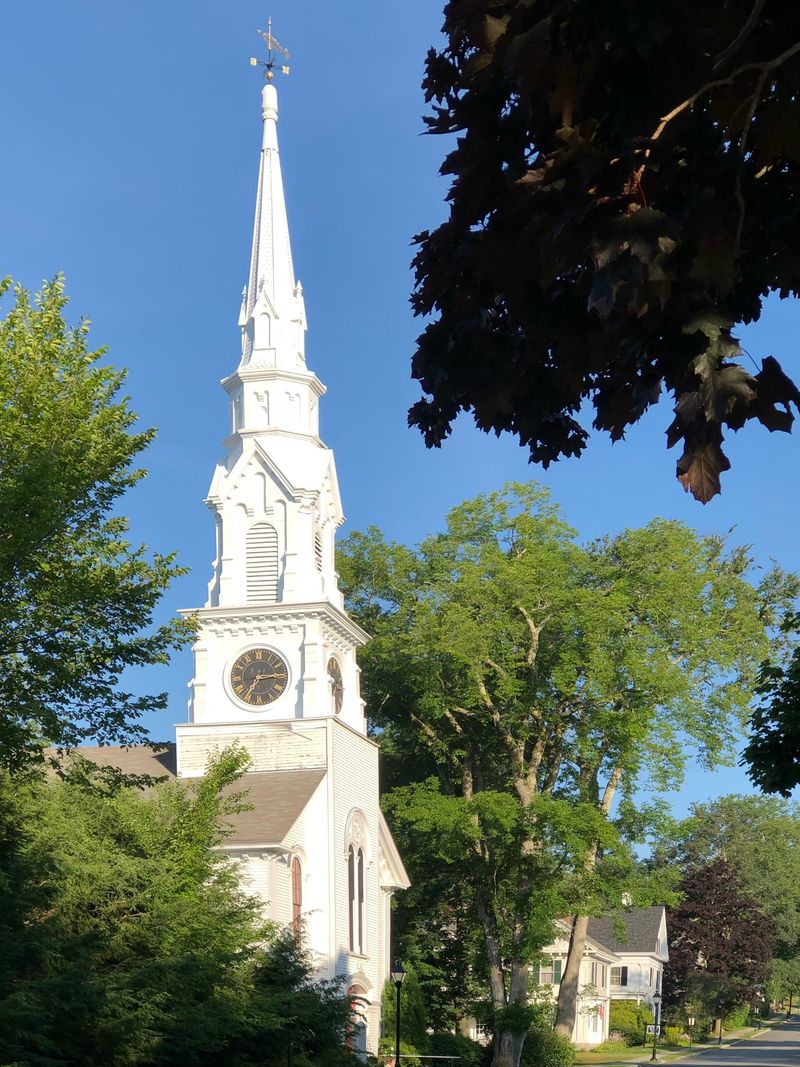
Castine’s age shows up in cobbles, cannon mounts, and calm lanes where history never rushes. You stroll past saltbox houses and clipped lawns, and the harbor breathes like an old storyteller. The wind reads from weathered clapboards, and you listen.
Founded early by Europeans, the town predates familiar colonial chapters. Yet there is no carnival of trinkets, just quiet porches and church bells over tide. You feel time layering underfoot. That stillness is not staged, just lived.
Maine Maritime Academy’s Working Rhythm
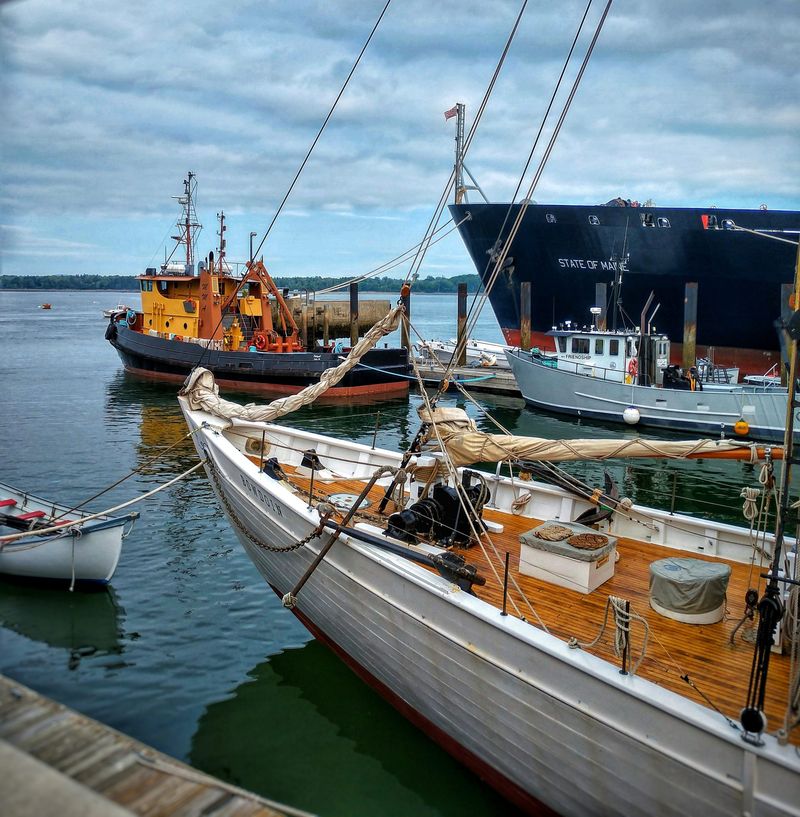
At the edge of town, the Academy keeps the waterfront purposeful. Lines coil on cleats, training ships hum, and cadets move with practiced focus. You will not find manufactured charm here, only work, skill, and tide.
That steady maritime rhythm anchors daily life. Sirens, drills, and departures fold into seabreeze and bell tones. The result is a harbor that earns its living, not a set piece. You feel welcomed as an observer, never sold as a spectator.
Fort George and Earthworks in the Grass
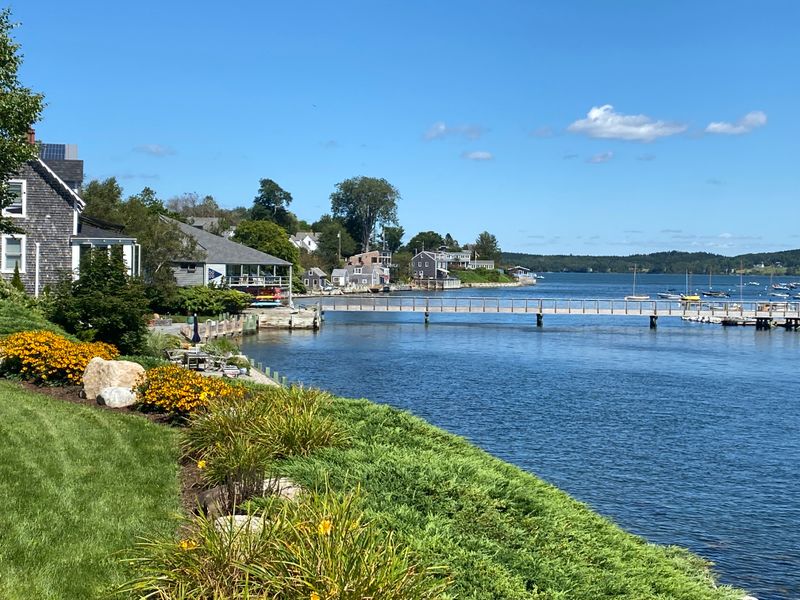
Fort George sprawls low and quiet, its grassy berms holding centuries of watchfulness. You crest a ridge and the harbor spreads like a map. Cannons are gone, but the contours keep their purpose.
Here, war feels abstract and immediate at once. Larks, wind, footfalls, and the scent of bayberry mingle with memory. No spectacle, just the tangible geometry of defense. You learn by walking, reading, and feeling the slope beneath your boots. Wildness is restraint.
The Lighthouse That Guides Without Fuss
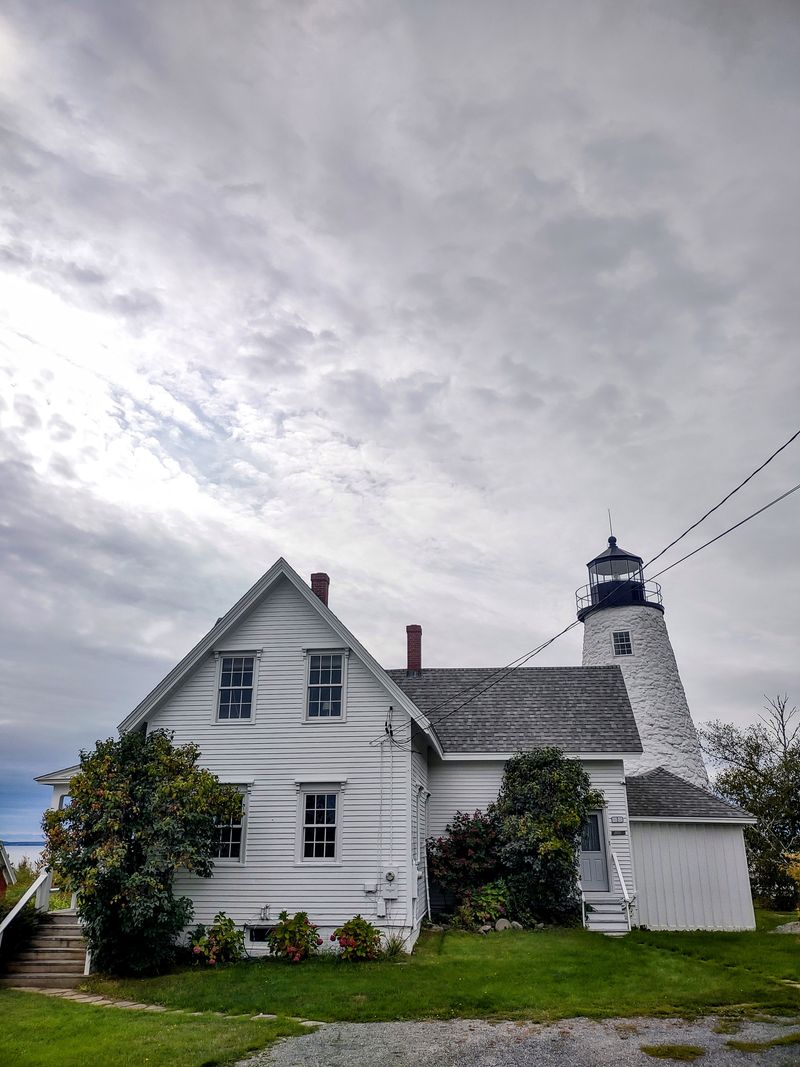
Dice Head Light stands spare and bright above broken ledge. It does not pose. It works. The path down is rooty and real, and when you reach the rocks, the Atlantic speaks plainly.
You watch the beam brush fog and feel spray tap your sleeves. The town stays behind you, careful not to intrude. A lighthouse should guide, not perform. Here, it does exactly that, and nothing more. You leave with pockets salted and mind quiet.
Harbor Mornings Without a Script
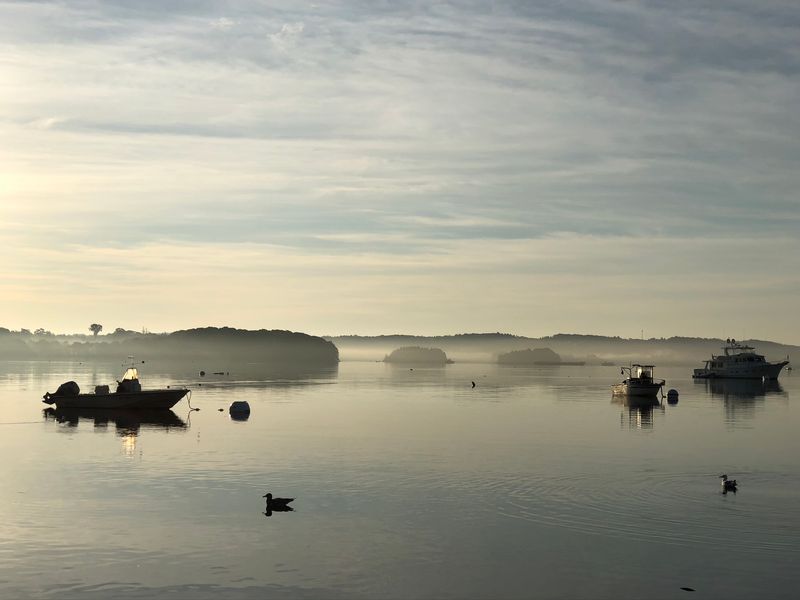
Before breakfast, the harbor carries a hush that feels earned. Ropes creak, a diesel coughs awake, gulls negotiate. You wrap hands around a warm cup and let the tide set the tempo.
No choreographed bustle, just working boats and honest sounds. Some mornings bloom pink, others grip with fog. Both feel right. You are a guest of water and weather, and that is enough. The wild part is how unperformed it all remains.
Elm-Shaded Streets and Saltbox Calm
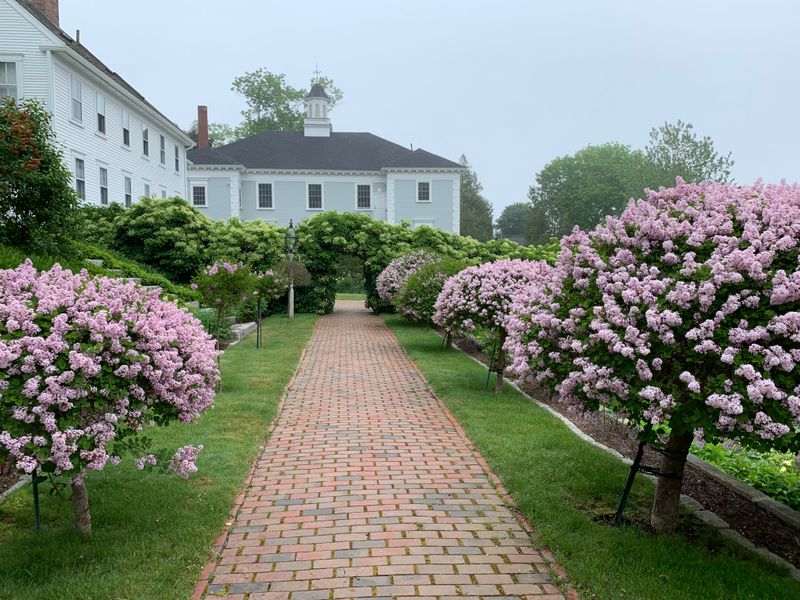
Perkins Street and its neighbors hold a hush under arching elms. White clapboards, dark shutters, and granite steps keep the palette simple. You notice lichen on stones and hear only your shoes.
There are no flashing signs, just thoughtful paint and tidy stoops. The architecture whispers rather than shouts, which is why it stays with you. You keep walking to stretch the spell. The town answers by staying itself.
Hidden Beaches and Tidal Rooms
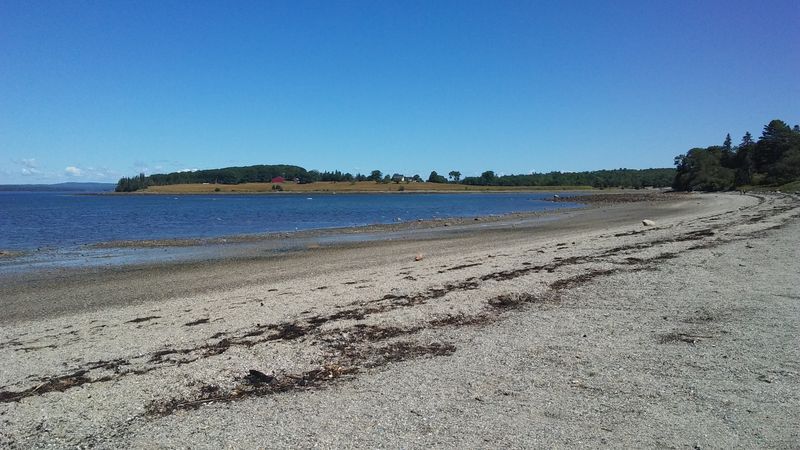
Small crescents of gravel hide between ledges, revealed when the tide exhales. You step around wrack lines and find periwinkles writing slow alphabets. The ocean leaves cabinets ajar, and every pool is a drawer of light.
This is not a place for loud towels and vendors. It is for pocketing smooth stones and learning the language of kelp. The wildness is scaled to your knees and ankles. You feel lucky, and careful.
A Library With Sea Air in the Stacks
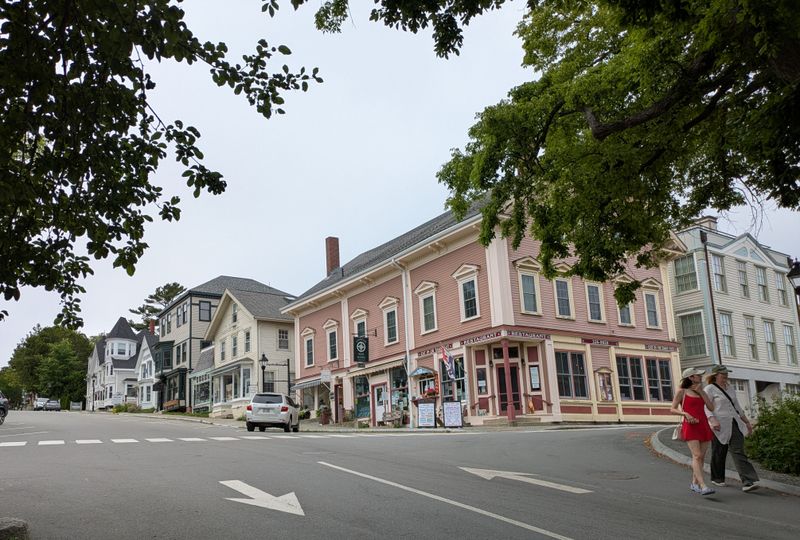
The library doors open to a hush that smells faintly of salt and paper. Maritime charts share wall space with town histories. You settle into a chair and the harbor flickers between lines.
It is a small anchor for the mind, kept by volunteers and steady habits. No noise, no rush, just pages that remember who fished where and when. You leave carrying more than a book. You carry bearings.
Cemetery On The Hill, Names In The Wind
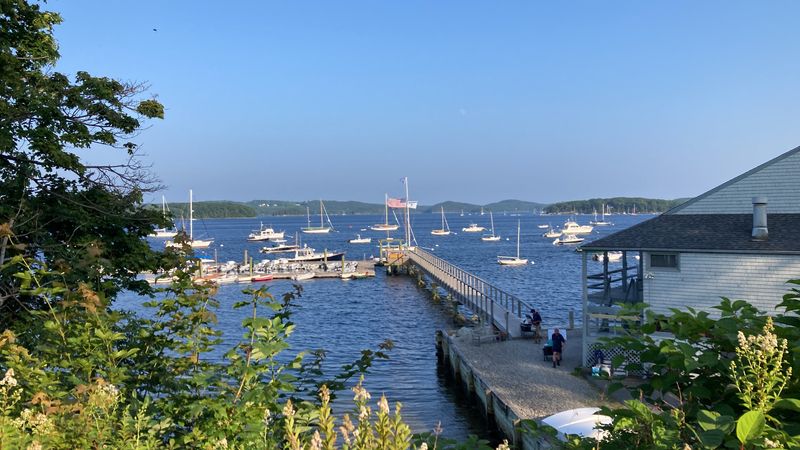
Up the hill, slate and marble lean into the weather. Names soften, lichen hardens, and the bay glints through gaps in spruce. You walk quietly because the place asks for that.
History here is intimate, spelled in families and vessels. The wildness is the wind doing its slow work on stone. You read, you look out to water, and you feel time bending kindly, not dramatically.
Simple Food, Honest From The Dock
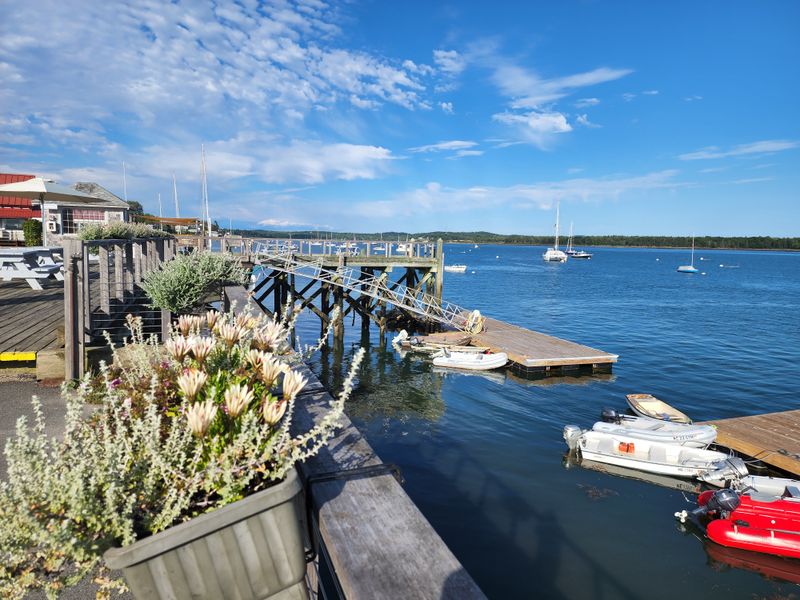
Lunch tastes like the morning’s tide. A roll that is more lobster than bun, chowder with potatoes that still taste like earth, and butter doing exactly what butter should do. You sit near the water and let silence season everything.
There is no theater, just fresh. Boats that fed you nod at their moorings. You feel grateful without needing to explain why. The recipe is work plus patience.
Seasonal Quiet That Holds
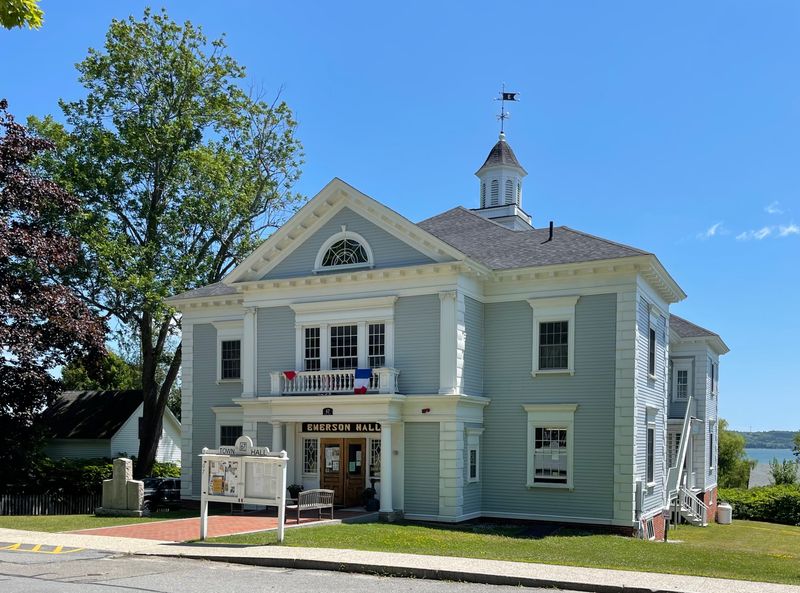
When summer thins, Castine does not chase. It exhales. Streets open, porches settle, and the harbor keeps its schedule. You walk and feel included in the silence.
Winter brings a flake-quiet rhythm, and spring returns like a modest promise. The town accepts seasons without decorating them to death. That acceptance reads as wild in a careful way. You learn to listen for it.
Restraint Over Retail
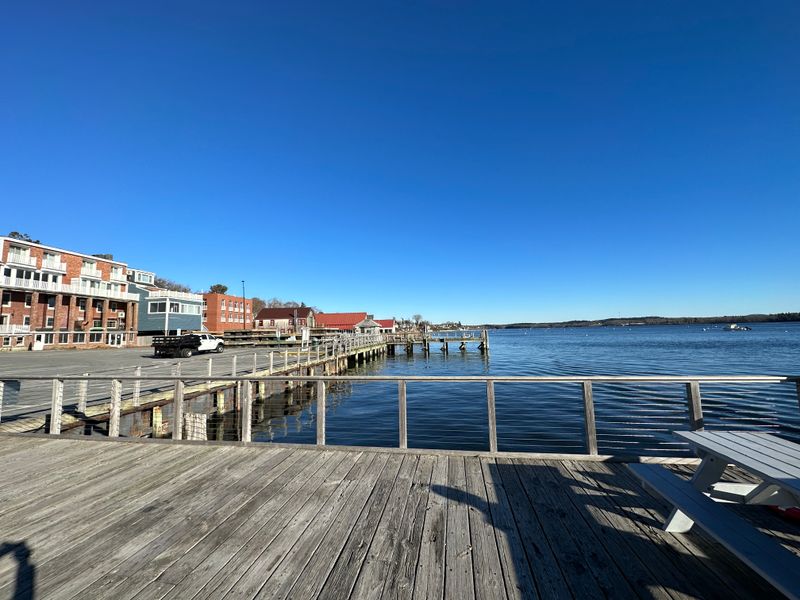
Castine resists the neon itch. Shops are few and local, windows simple, hours honest. You browse like a neighbor, not a mark. The town sells only what it believes in, which often is nothing at all.
That restraint lets the shoreline do the talking. You remember being treated as a person, not a metric. Wildness shows up as saying no, again and again. It keeps the place whole.



