 Unearth The Voyage
Pull into Georgetown’s working harbor and the smell of brine and sweet steam tells you you are close. Five Islands Lobster Co sits on sun-bleached planks above cold, granite-studded water, where traps thud and gulls argue over tail fans.
Locals swear by it because nothing here feels staged: the boats are real, the crew is busy, and the lobster tastes like the ocean that raised it. Come hungry, bring cash for extra butter, and plan to linger until the bell buoys ring dusk into the cove.
Approaching the Wharf at First Light
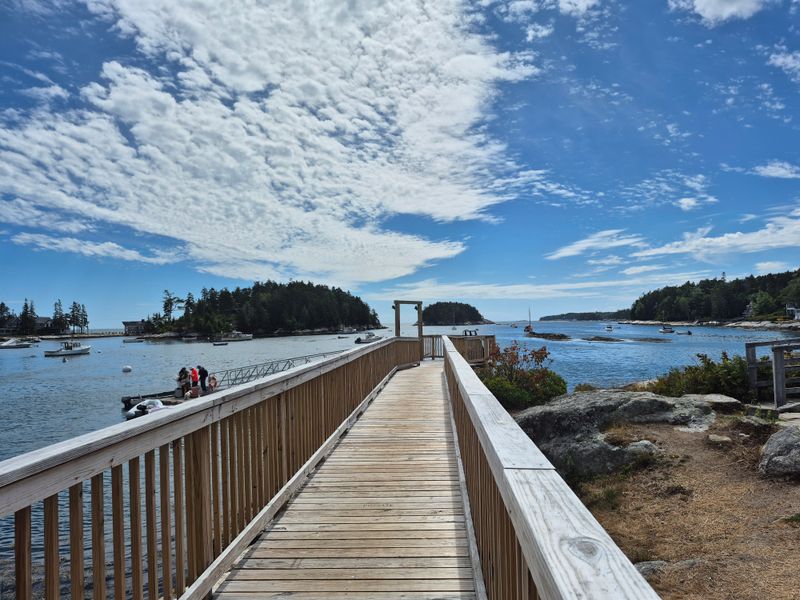
Dawn at Five Islands feels like a secret being told in whispers. The parking lot crunches under your shoes, and the air carries iodine, diesel, and a faint maple note from someone’s travel coffee.
Boats nose their way out, leaving braided wakes that catch pink light, and the dock creaks like an old friend shifting in a chair.
Traps are stacked shoulder high, banded by color codes that read like family crests. You hear a rattle of buoys in milk crates, the soft slap of lines, and an occasional thud that says work has started.
A deckhand laughs at something no one else heard, then vanishes behind a curtain of rope.
Even before the window opens, the shack breathes warm, saline steam. The signboard is still blank, chalk in a tin cup, but you can already taste sweet meat and butter.
Sunrise paints the red siding a deeper rust, and the harbor looks like hammered copper.
Ordering at the Window
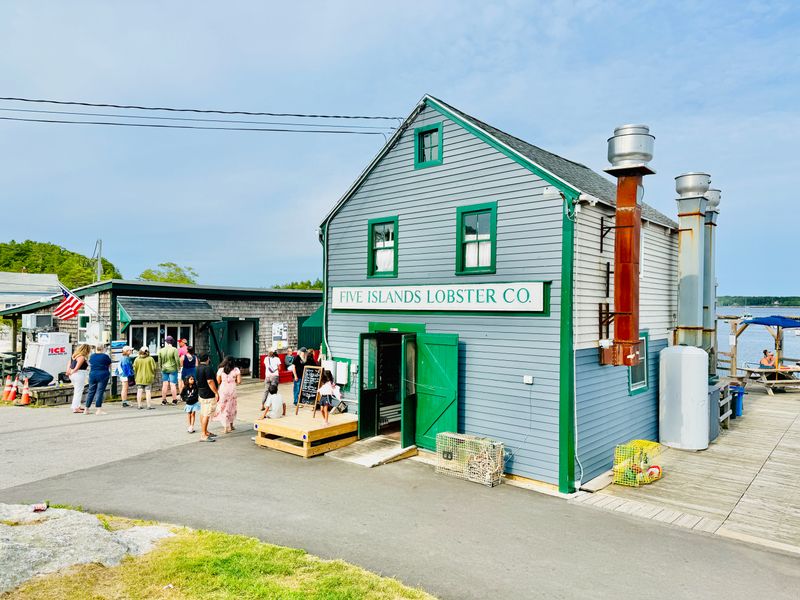
The line moves with a neighborly tide, everyone shuffling forward to the small window framed in salt-rough wood. The chalkboard lists steamed lobster by weight, crab cakes, chowder, and the daily catch like a promise.
You lean in and hear the register’s cheerful clack, the staff calling out numbers with a grin that makes the wait a small ritual.
Cash and cards both work, but cash feels right, quick as a nod. The counter folks speak fluent lobster, sizing you up and steering you from a two-pounder to a feisty one-and-a-quarter if you mention you like sweetness over heft.
You order extra butter because it is non-negotiable, plus a side of slaw that crunches like beach grass.
Your receipt number is scrawled like a buoy marker, and you step aside to watch baskets rise and fall in the steamers. The timing is orchestral, lids clattering, timers chiming, and a fog of perfume that fogs your glasses.
You find a picnic table, smile at a stranger, and wait for your number to ring like a bell buoy.
Choosing Your Lobster: Size, Sweetness, and Snap
At the tanks, lobsters clatter gently, shells tapping like knuckles on a table. The cold water keeps them lively, antennae writing careful cursive in the current.
Staff lift them calmly, palm to carapace, letting you feel the heft, the coil of tail muscle, the living tension that foretells snap and sweetness.
Small to medium lobsters usually carry the cleanest sugar-note. A one-and-a-quarter to one-and-a-half pounder is the local handshake: quick-cooking, tender, no wasted effort.
Ask for a hard-shell if you want that briny pop and firmer bite, or soft-shell in high summer for easy cracking and oceanside drip.
They tag your choice and call it to the steamers, where seawater furious as a squall does the rest. No fancy seasoning, just salt pulled right from the cove by proximity and practice.
You walk away with wet palms, a number, and a growing patience that sounds like hissing lids and harbor bells. Decision made, appetite tuned, you are halfway home.
The Steamers: Salty Perfume and Perfect Timing
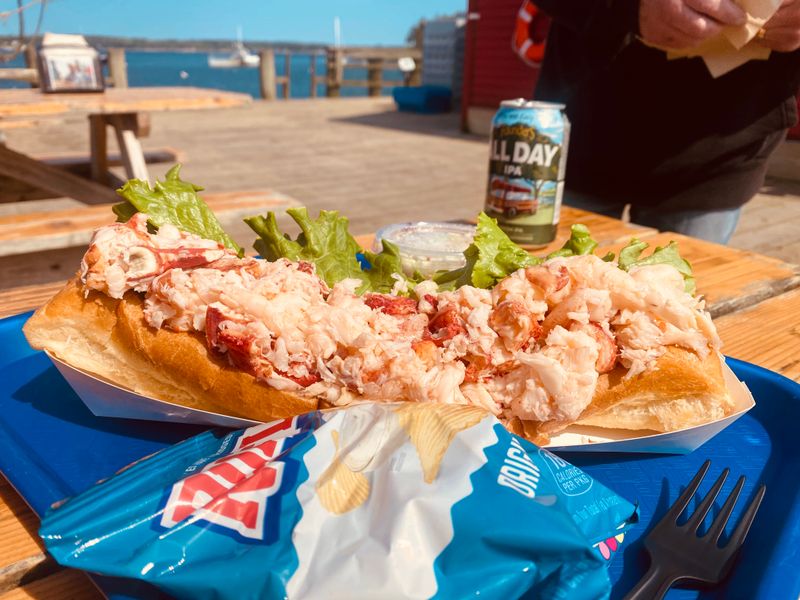
Steam vents like a foghorn you can see, rolling out of squat steel pots that look built for storms. Lids rattle, timers blink, and baskets descend into a cloud that smells like low tide cleaned up for company.
The cooks move with a practiced rhythm, glancing at claws and shell color more than clocks.
The secret feels insultingly simple: seawater salinity, live product, and heat that minds its manners. Ten or so minutes for a smaller lobster, give or take, and they are lifted like treasure from a shipwreck.
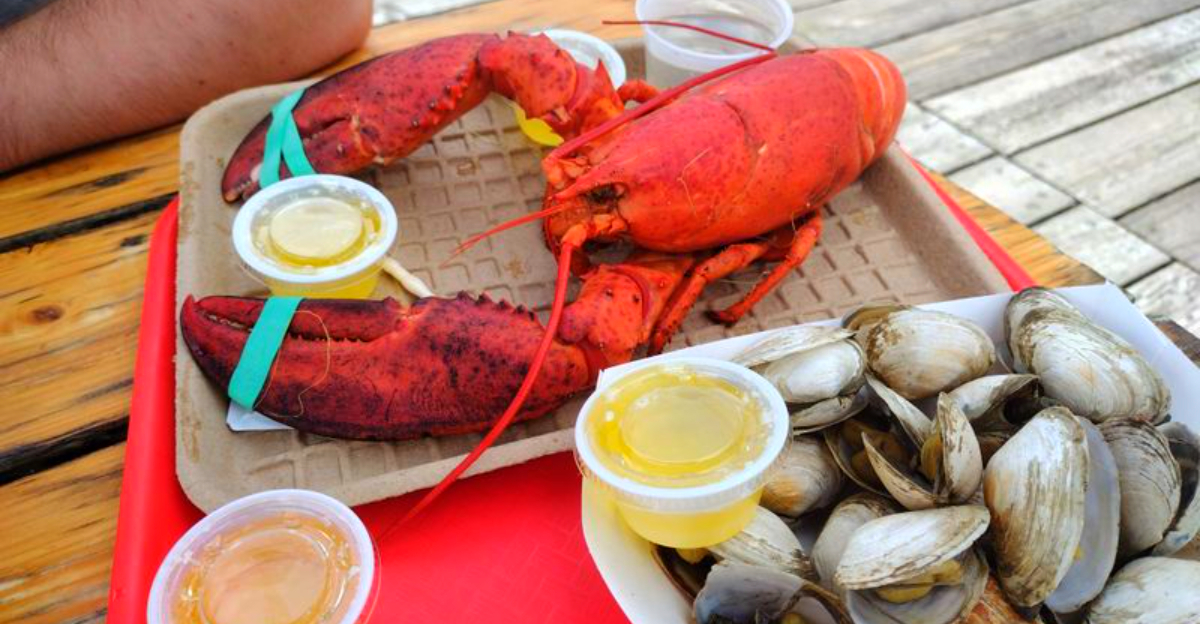
Shells deepen to a cardinal red, antennae curled tight, and the drip off the basket tastes like winter ocean.
When your number is called, the tray radiates warmth through the paper. Butter waits in a lidded cup, lemon shining like punctuation.
You carry it away like a fragile animal, ears ringing from steam and gulls, marveling at how restraint can be its own kind of mastery.
Cracking and Eating Without a Mess
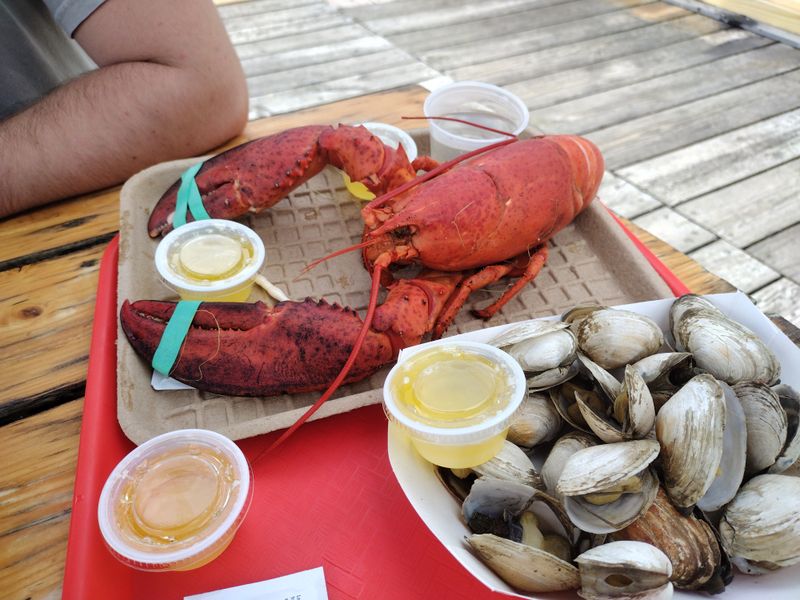
Spread the paper wide, tuck napkins like a shipwright, and start with the claws. Twist cleanly, bend at the knuckle, and let the juice fall where it wants.
Crack along the seams, not across them, and the meat will slide out like a whole, glossy promise.
For the tail, thumb on the fan, twist and pull until it sighs free. Pinch the underside plates to split it, or use the fork and a gentle press to release the curled muscle.
Dip in butter once, not a bath, so sweetness gets the first word and fat the last.
Pick the knuckles; that meat is where the ocean whispers. Save the tamale only if you truly like it, otherwise pass.
By the time the cup runs low, your hands glisten, the breeze cools the shine, and you realize the mess never arrives because everything here teaches tidy pleasure by design.
Sides That Earn Their Spot
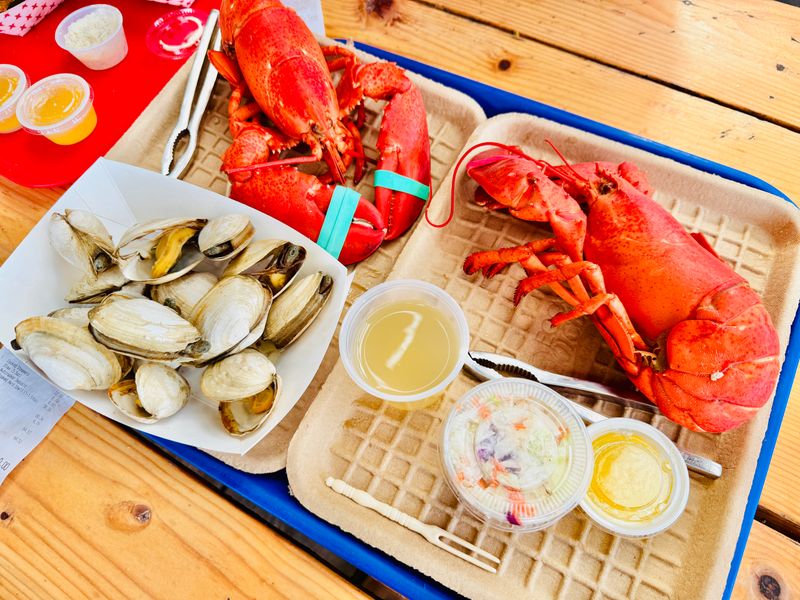
Fries land hot, pale gold with a salt sparkle that clings to your fingers. They do not sag under vinegar or shy from ketchup, holding structure like good timbers.
The slaw snaps crisp with cabbage and a light dressing that tastes like pepper and tide air, not sugar.
Corn arrives when the season allows, kernels popping like tiny fireworks, butter pooling in the silk marks. A cup of chowder, if you add it, is low-voiced and honest: potato firm, clams briny, cream held in check.
No garnish circus, just a spoon that keeps returning because it feels necessary.
There is usually a local soda or a lemonade sweating through its cup, whispering ice against plastic. You eat slowly, recognizing every side as a supporting character that knows its lines.
Nothing crowds the lobster, but everything steps in when you want another register of comfort.
Where to Sit: Tables, Views, and Wind Direction
Pick a table with your back to the breeze if the day runs cool. The harbor is a shallow bowl, and wind slides across it like a practiced skater, stealing heat from butter if you face wrong.
Sun angles change fast here, so a hat is wiser than heroics.
Closest to the railing, you get the boat ballet: skiffs nosing up, traps clinking, diesel coughing awake. Farther back grants calmer conversation and fewer gull gambits.
Families cluster near the shack wall, where warmth collects and napkins do not take flight.
If dusk finds you still eating, choose a spot with a line on the bell buoy. Its hollow note is the kindest metronome.
Either way, the view insists on attention: spruce islands like dark loaves, water stippled with tide rip, and a sky that holds enough room for everything you brought with you.
Season, Hours, and Beating the Line
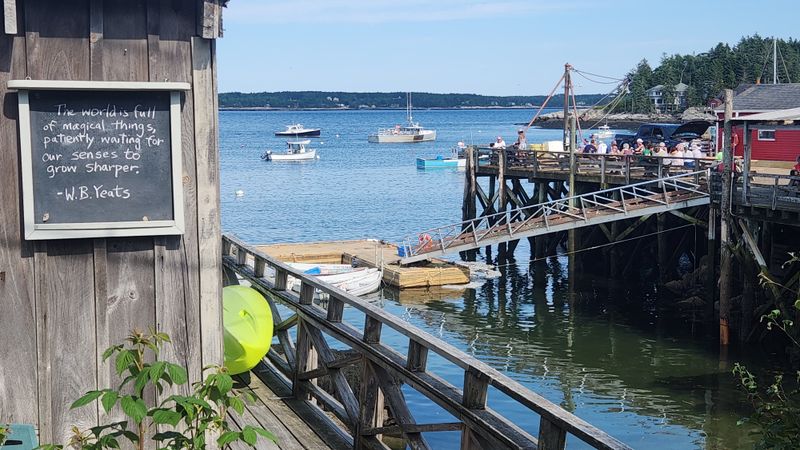
Five Islands runs on Maine time, which means the heart of the action is late spring through early fall. Weekends pull crowds that loop the lot, especially on sunny afternoons when the harbor looks painted.
Midweek lunch slides smoother, and late-day dinners around golden hour feel almost private.
Arrive early, know your order, and share a table if asked. Lines move because the crew is nimble and the menu respects its lane.
If the weather turns, a squall can clear a line like a magic trick, then leave a rainbow over spruce as service resumes.
Parking is straightforward until it is not, so tuck in neatly and do not hem in trucks. The wharf is working, and boats do not wait for your selfie.
Plan for patience, and the reward is a tray that tastes like the simplest version of right.
Freshness You Can See: From Trap to Tray
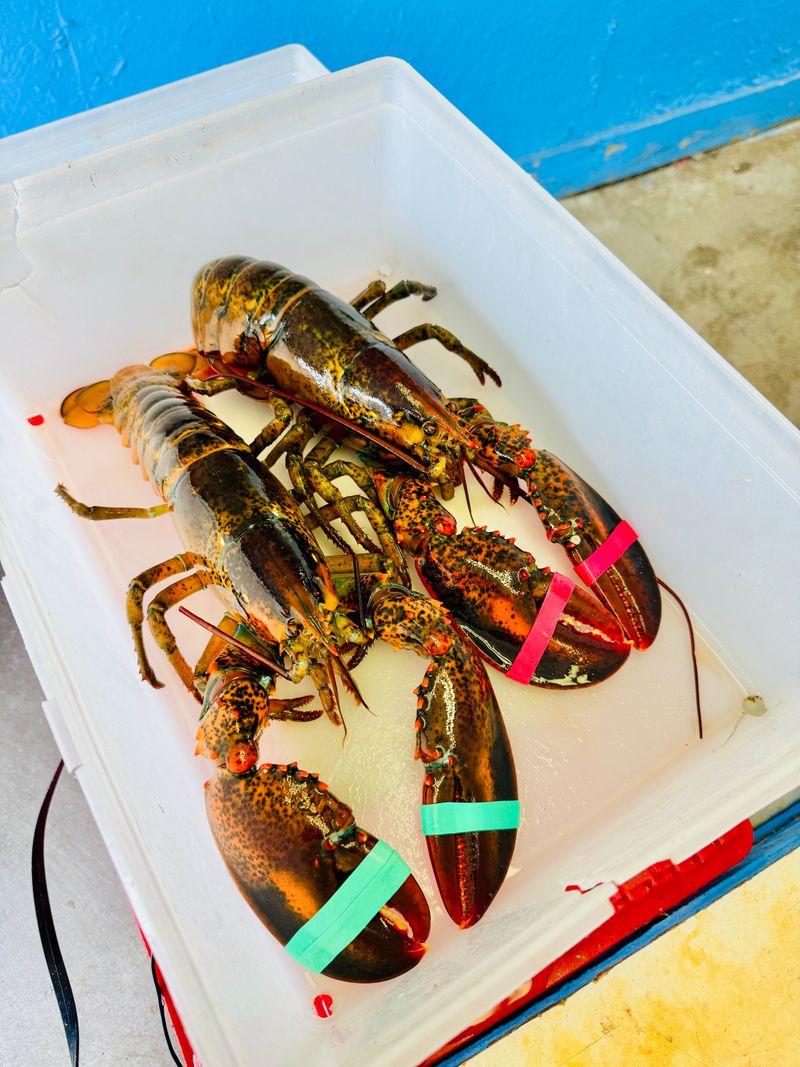
Freshness here is not a promise on a sign; it is a schedule you can watch. Crates thump onto wet boards, rope smears salt across palms, and the day’s catch glares back with clear eyes.
The tanks chatter with aeration, cold fingers of water keeping muscle tight and flavor bright.
Maine lands hundreds of millions of pounds of lobster annually, and state biologists track it like a heartbeat. What matters to you is the short commute between the cove and your plate.
The meat tastes cleaner because it traveled minutes, not miles.
Ask a crew member when that batch came in, and you will likely get a time, not a shrug. You taste accountability alongside butter.
It is the kind of supply chain that still squeaks when you push it, which is exactly the charm.
Chowder, Rolls, and Alternatives for Non-Lobster Folks
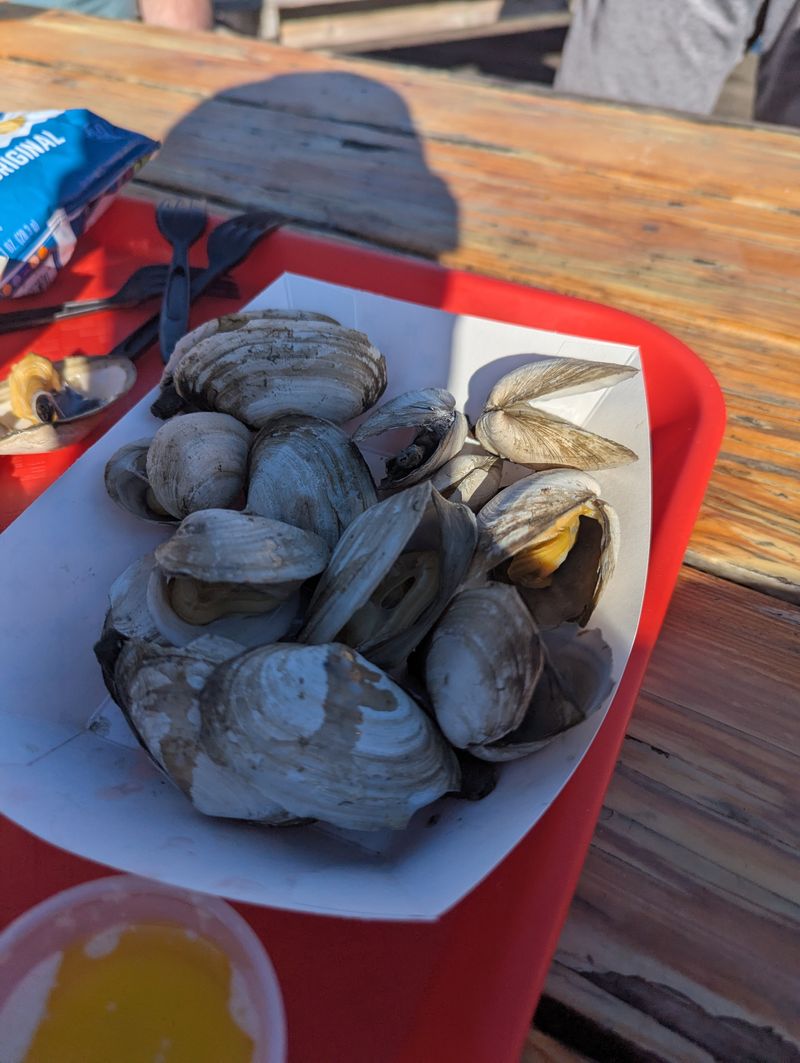
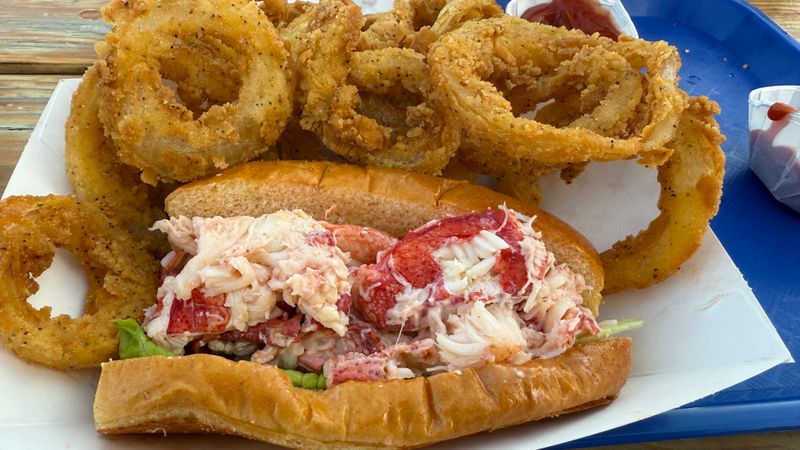
Not everyone wants to wrestle a shell, and Five Islands does not punish you for that. The lobster roll is generous, meat piled high with a light mayo gloss or butter, depending on the day’s lean.
The toasted bun carries smoke and warmth, a small raft ferrying sweetness to shore.
Chowder steadies the table, clam-forward and built on potato that keeps its square shoulders. Fried clams crackle with a clean, oil-fresh snap, the bellies soft as sea foam.
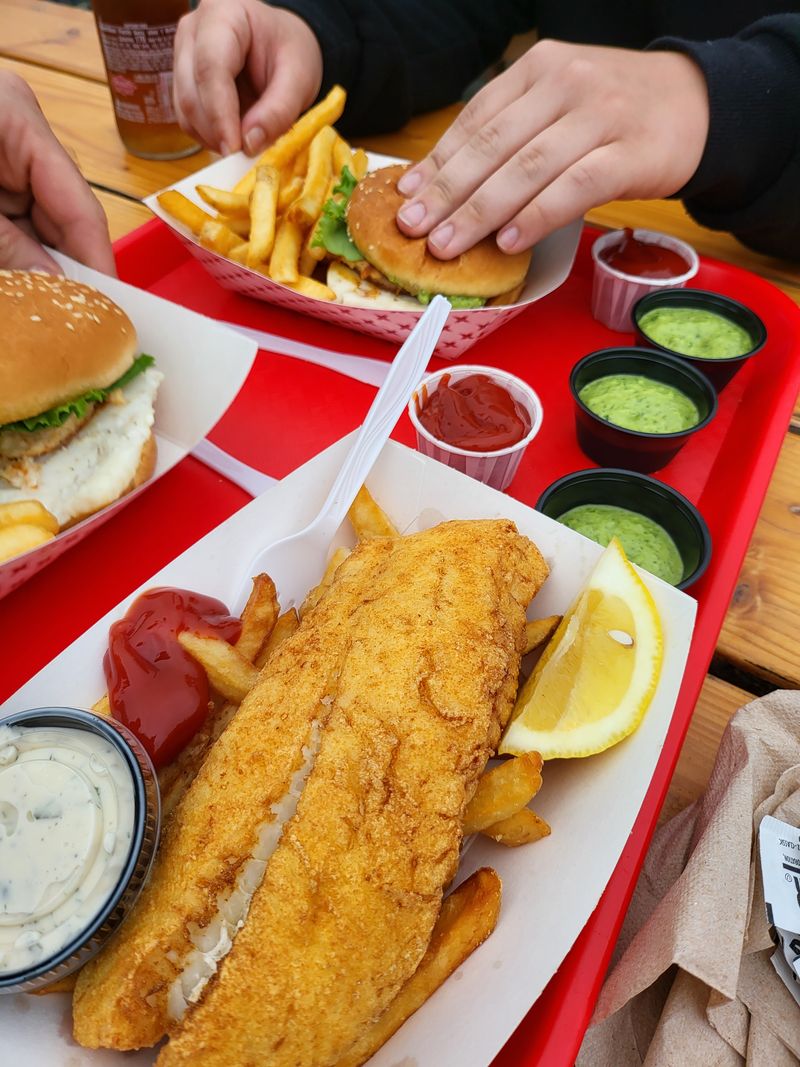
There is usually a fish sandwich that remembers to be fish first, bread second.
If you came with a vegetarian, sides and salads step up with crunch and bright dressing. No one leaves scolded.
The menu is tight because it wants to excel rather than sprawl, and that confidence comes through bite after bite without asking for applause.
Costs, Cash, and Value
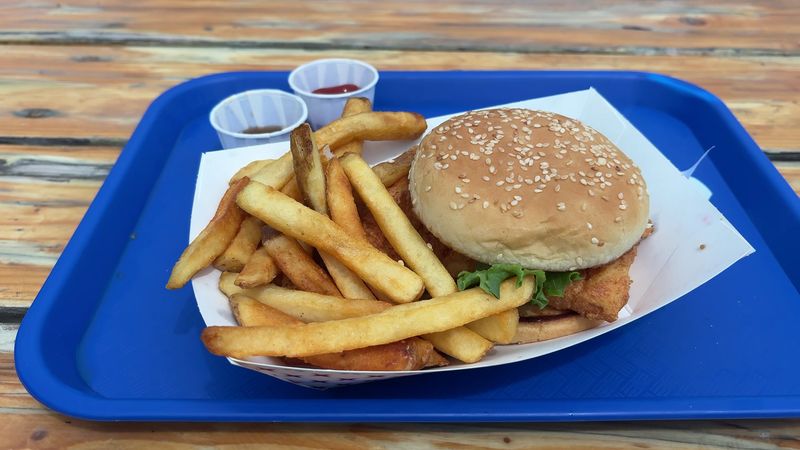
Lobster is not bargain food, but value here shows up in flavor and setting. Prices shift with the boat price and season, so the chalkboard tells the story better than memory.
You pay for weight, sides add up, and butter is the small luxury that makes the math feel generous.
Bring a card and some cash, because small wharf economies appreciate both. Consider splitting a bigger lobster and padding with fries and chowder if you are managing a group.
The tray that lands is a ledger you can eat, every line item translating to warmth, view, and muscle pulled from cold water.
Value also looks like time saved by staff who guide you away from a mistake. They nudge you toward exactly enough food, not a trophy.
You leave with fingers shining and the contented sense that nothing important was overpriced.
Sunset Ritual: Bells, Buoys, and Buttered Knuckles
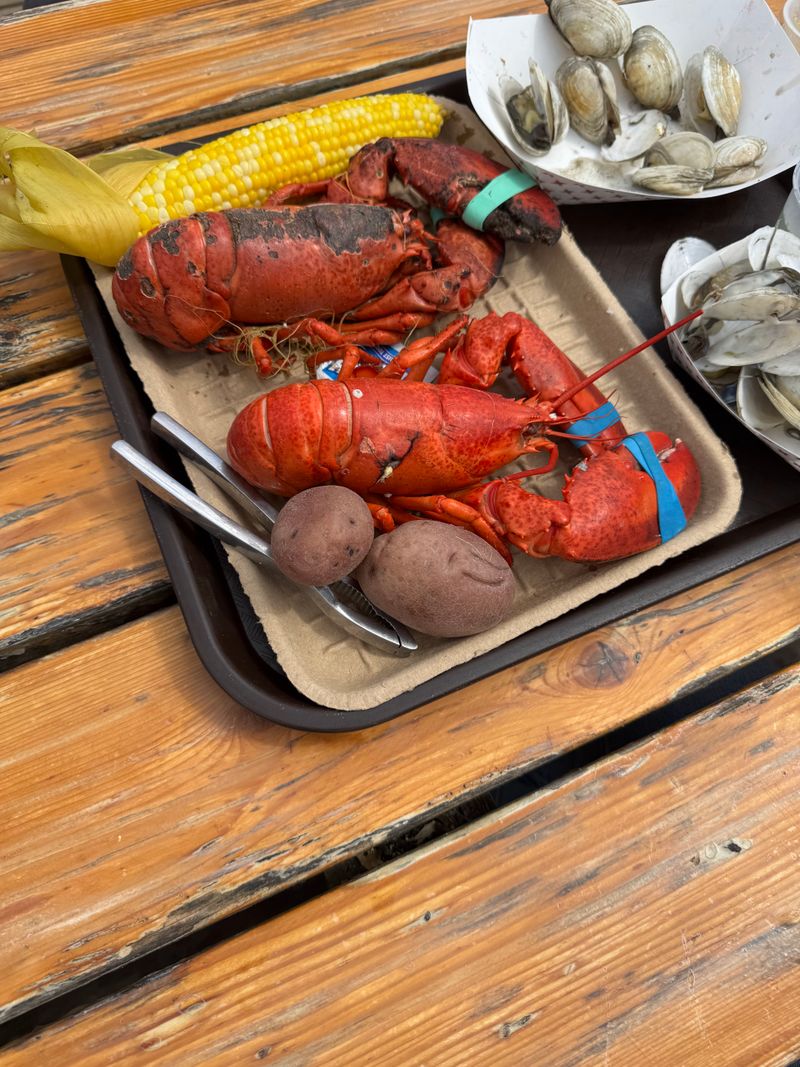
Evening turns the cove to honeyed glass, and the bell buoy speaks in a soft, hollow vowel. Gulls quiet down to murmurs, and the shack’s red boards soak up the last warmth like a stove cooling.
Plates clink softly, butter cups ripple, and conversation drops to that low, satisfied register you hear after good news.
Boats ghost home, diesel exhausted to a friendly cough, wake lines fanning under the dock. If you time it right, the last bite of tail meets the day’s last coin of sun.
Your hands smell like salt and butter, the wrist creases shiny, the paper under your tray stamped with shell patterns.
Someone’s kid counts buoys. Someone’s dog sighs under a bench.
You gather napkins, tuck shells, and feel the harbor say goodnight in a dialect you suddenly understand without translation.



