 Unearth The Voyage
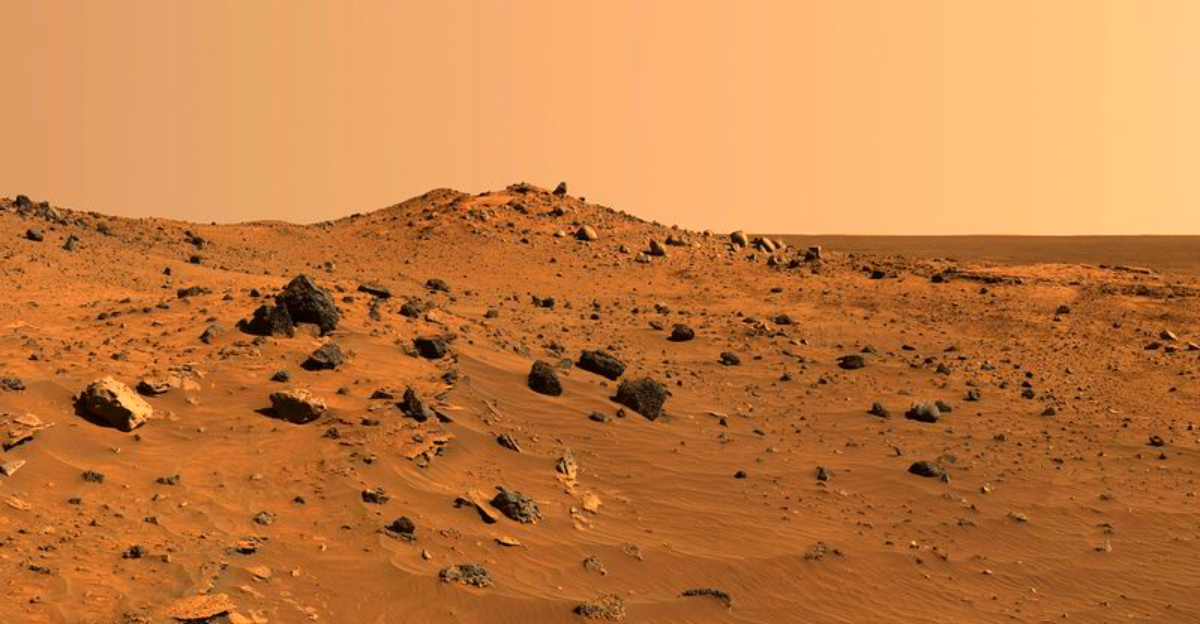
Mars isn’t just a barren red desert waiting for us to explore anywhere we want. Certain parts of the planet are actually off-limits, protected by strict international rules that control where robots and future astronauts can go. These forbidden zones aren’t guarded by fences or signs, but by planetary protection policies designed to prevent contamination and preserve potential Martian life. Understanding what makes these areas special helps us appreciate the careful balance between exploring the Red Planet and protecting its scientific value for generations to come.
1. Special Regions Are Officially Defined by International Rules
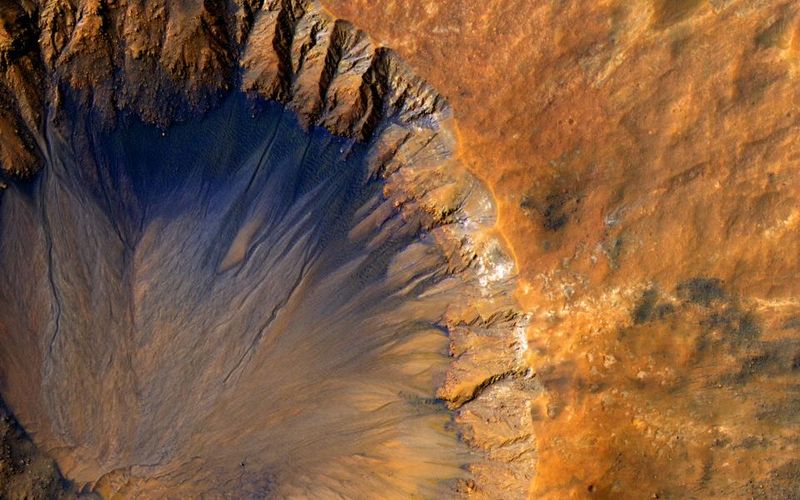
International space agencies don’t just make up rules as they go. The Committee on Space Research, known as COSPAR, created an official framework that defines what a Special Region actually means.
According to their guidelines, any area on Mars where Earth microbes could potentially survive and multiply gets this designation. The same label applies to places where native Martian life, whether past or present, might exist.
This isn’t about keeping secrets or hiding alien discoveries. Instead, it’s a science-based approach to making sure we don’t accidentally ruin the very thing we’re trying to study. Space agencies worldwide follow these rules to coordinate their missions responsibly.
2. Water Activity and Temperature Are the Main Triggers
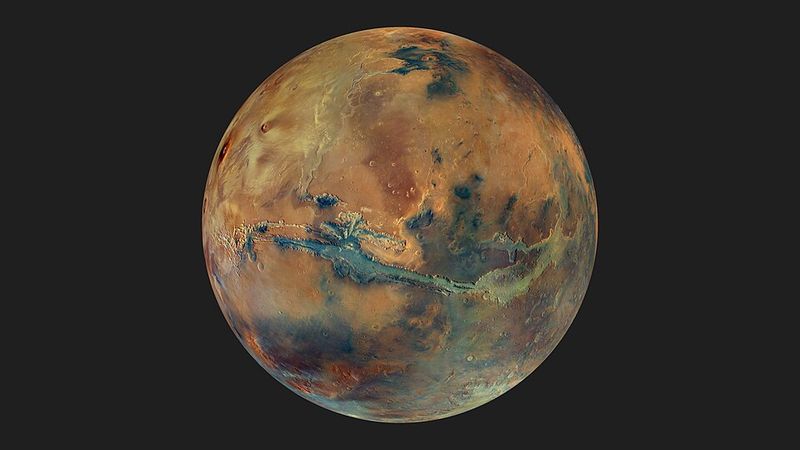
What makes a zone qualify as special? Two big factors stand out: water activity and temperature. COSPAR scientists determined that if a region on Mars offers conditions where liquid water might exist, even temporarily, it deserves extra protection.
Temperature matters just as much. Microbes from Earth need certain warmth levels to survive and reproduce, so areas that hit those sweet spots get flagged.
Think of it like Goldilocks searching for the perfect porridge. Not too hot, not too cold, and with just enough moisture. When Mars shows signs of hitting those conditions, scientists raise red flags and implement stricter exploration protocols to prevent accidental contamination.
3. Gullies and Subsurface Areas Often Qualify as Special
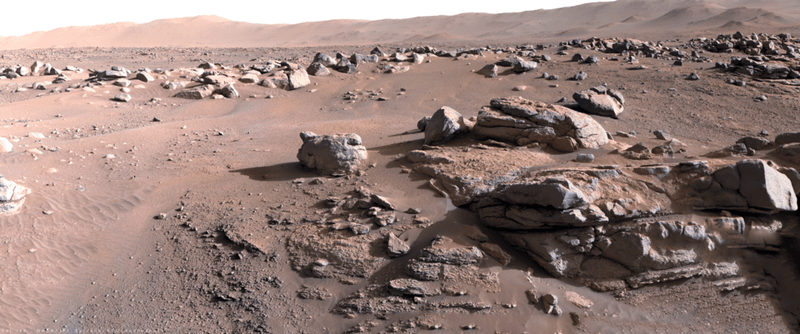
You might imagine that only obvious water features like ancient lake beds would be restricted. Actually, the list of candidate special regions includes some surprising features.
Gullies carved into Martian slopes, mysterious bright streaks, and terrain buried several meters underground all raise concerns. Fresh impact craters also make the list because they might create temporary hydrothermal conditions when hot rocks meet underground ice.
Even something called pasted-on terrain, which looks like material deposited by flowing substances, gets scrutiny. Scientists cast a wide net because water on Mars behaves differently than on Earth, hiding in unexpected places and appearing in forms we’re still learning to recognize and understand.
4. No Special Region Has Been Confirmed as Actually Inhabited
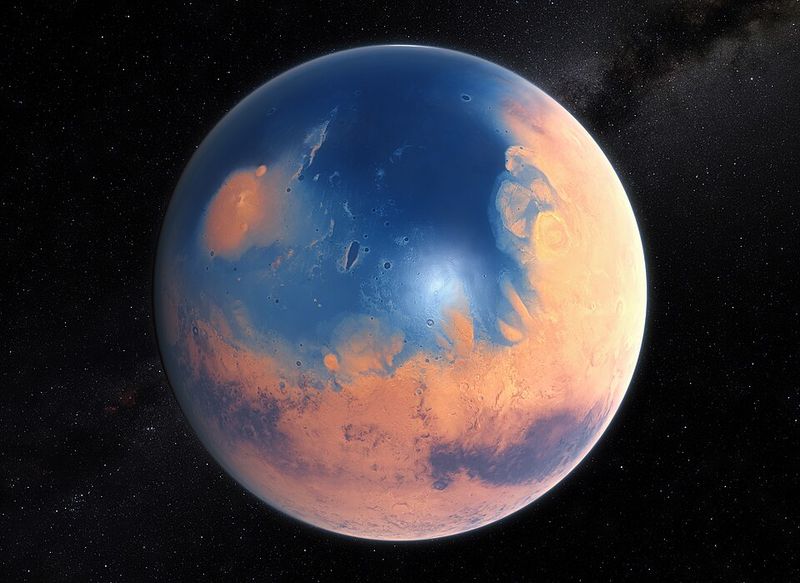
Here’s something important to remember: despite all these protected zones, scientists haven’t actually found life on Mars yet. Not a single microbe, fossil, or definitive biosignature has been confirmed.
The Special Region classification works more like insurance than a response to proven facts. It’s precautionary, based on where life could theoretically survive rather than where we know it exists.
This might seem overly cautious, but consider the alternative. If we contaminated Mars before properly searching for native life, we’d never know what was originally there. The restrictions protect future discoveries and maintain scientific integrity, even though current evidence of Martian biology remains frustratingly elusive despite decades of searching.
5. Many Missions Treat Most of Mars as Potentially Special

Uncertainty creates a challenging situation for mission planners. Without enough data to definitively rule out habitability in many Martian regions, experts recommend a conservative approach.
A comprehensive review concluded that until better information becomes available, large portions of Mars should be treated as uncertain or potentially special. This effectively expands restricted zones far beyond confirmed candidates.
Mission designers face tough choices as a result. They can either spend extra money on extensive sterilization procedures or simply avoid questionable areas altogether. This cautious strategy protects Mars but also limits where rovers and landers can safely explore, creating frustration among scientists eager to investigate the planet’s most intriguing features.
6. Spacecraft Must Meet Strict Sterilization Standards
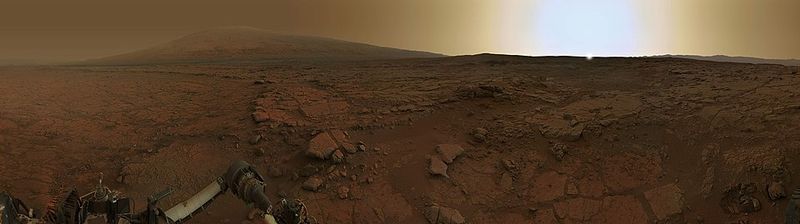
Sending a mission to a Special Region isn’t impossible, but it requires serious commitment to cleanliness. COSPAR rules, implemented by NASA and other agencies, demand that spacecraft reduce their biological contamination to incredibly low levels.
This process, called bioburden reduction, involves extensive sterilization protocols. Engineers must ensure that very few Earth microbes hitch a ride to Mars.
The standards vary depending on mission type and destination, but they’re always rigorous. Building a spacecraft clean enough for Special Region access adds significant cost and complexity to missions. Every surface, component, and instrument must be carefully cleaned and monitored, turning spacecraft assembly into something resembling surgery in an operating room.
7. Direct Contact Requires Especially Stringent Sterilization
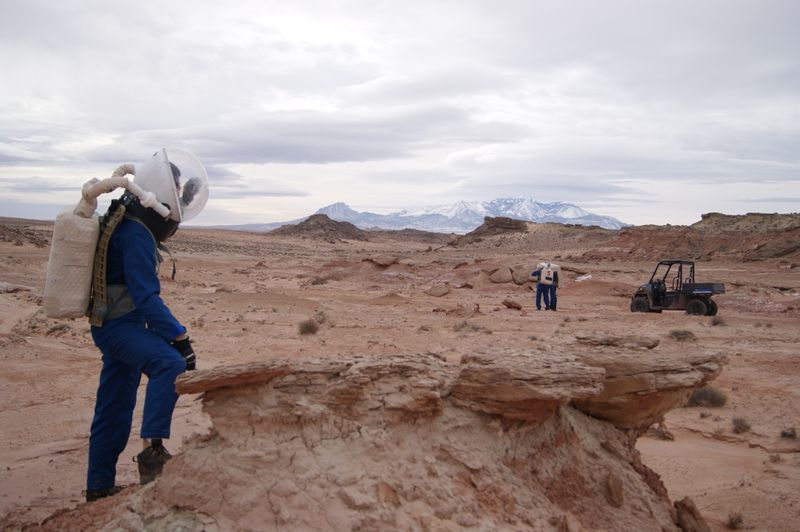
Not all spacecraft components face equal scrutiny. Parts that will directly contact Martian soil, like drills, scoops, or landing gear, face the most demanding sterilization requirements.
Mission categories that involve subsurface access trigger particularly strict protocols. The entire landed system, or at minimum the subsystems touching the ground, must be sterilized to meet defined bioburden thresholds.
These requirements can seem extreme until you consider what’s at stake. A single surviving microbe introduced into Martian subsurface ice could potentially multiply and spread, contaminating exactly the environments most likely to harbor native life. The stricter standards for direct-contact components reflect this elevated risk and responsibility.
8. Protection Serves Both Scientific Integrity and Potential Martian Life
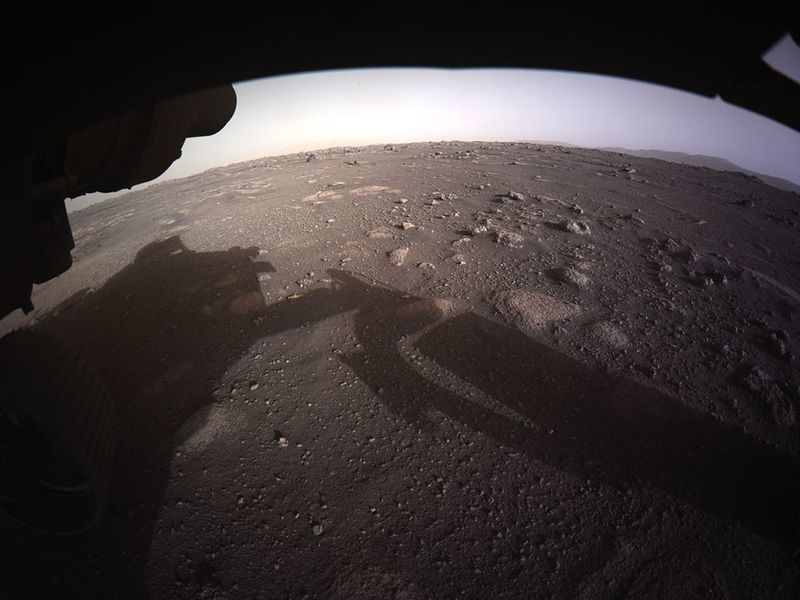
Why go to all this trouble? The protection policy serves two crucial purposes that justify the expense and effort.
First, it preserves scientific integrity. If Earth microbes colonized Mars, future missions searching for life would face impossible challenges distinguishing native Martian organisms from terrestrial contamination. Any exciting discovery could be dismissed as false positive.
Second, there’s an ethical dimension. If Martian life exists, even as simple microbes, many scientists believe we have a responsibility not to destroy it through careless contamination. The policy helps ensure that future life-detection missions can provide clear, trustworthy results while respecting whatever biological heritage Mars might possess.
9. Rules Apply to Both Robotic and Future Human Missions
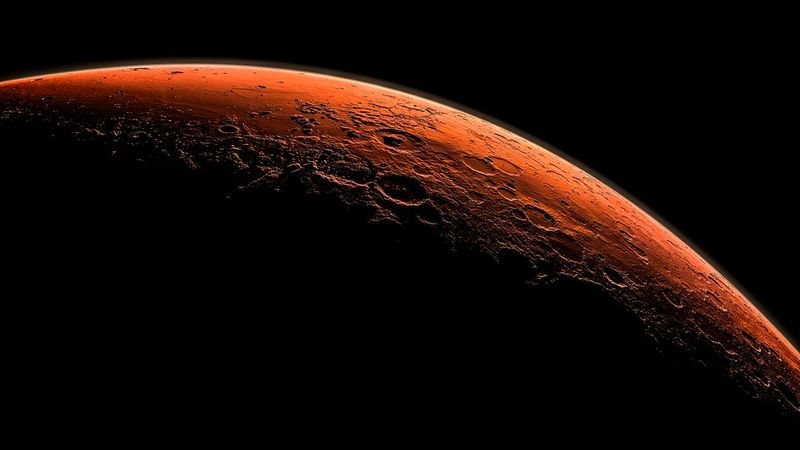
Robots aren’t the only ones bound by these rules. COSPAR’s planetary protection framework explicitly covers all Mars missions, whether robotic or crewed.
This creates enormous challenges for future human exploration. People carry trillions of microbes in and on their bodies, making humans essentially walking contamination factories.
Astronauts visiting Mars will face unprecedented requirements to avoid contaminating Special Regions. Protective suits, decontamination procedures, and restricted movement zones will all be necessary. Some scientists even question whether humans can realistically visit certain Martian areas without violating protection protocols. The rules don’t distinguish between robot and human explorers, treating contamination risk equally regardless of who or what delivers the microbes.
10. Not All Zones Are Open for Normal Mission Designs
In practical terms, Mars exploration operates under a two-tier system. Some areas are relatively open for standard missions with basic contamination controls.
Other zones, deemed special or uncertain, remain effectively off-limits unless mission planners commit to expensive, high-level sterility protocols. Many scientifically fascinating locations fall into this restricted category.
This creates frustrating trade-offs. The places scientists most want to explore, like potential water sources or subsurface ice deposits, are often the hardest to access legally. Mission designers must either invest heavily in sterilization or redirect their rovers and landers to less interesting but more accessible terrain. Scientific curiosity constantly bumps against protective responsibility.
11. Special Region Definitions Have Evolved Over Decades
Planetary protection policies aren’t static. They’ve changed dramatically as our understanding of Mars has grown.
Since the late 1990s and early 2000s, new discoveries have repeatedly expanded the list of candidate special zones. Features like recurring slope lineae, gullies, and transient streaks weren’t even known when early protection policies were written.
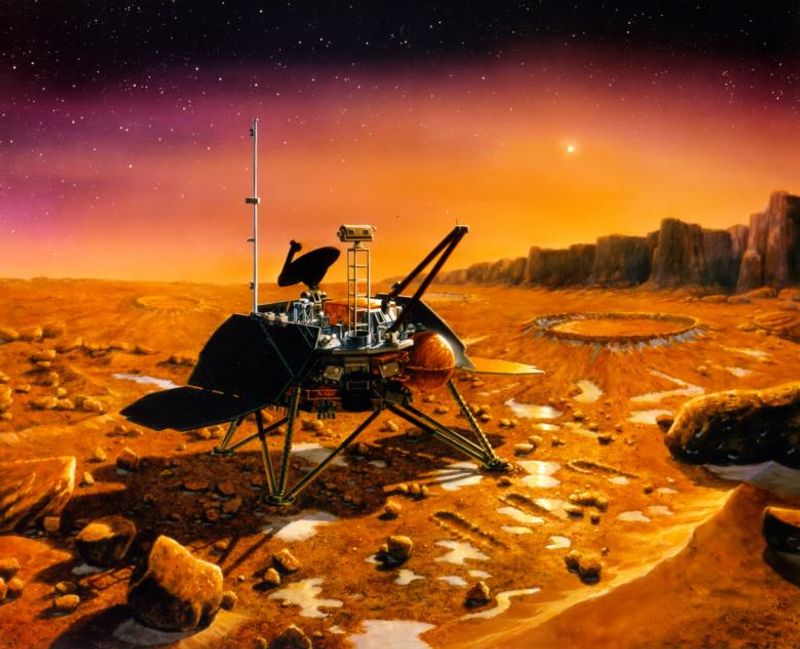
Each major discovery prompts policy updates. When Mars Reconnaissance Orbiter spotted seasonal dark streaks in 2011, protection guidelines needed revision. When Phoenix Lander found ice just beneath the surface in 2008, definitions expanded again. This evolving approach reflects responsible science adapting to new evidence rather than rigid rules ignoring reality.
12. Many Candidate Zones Remain Scientifically Unconfirmed
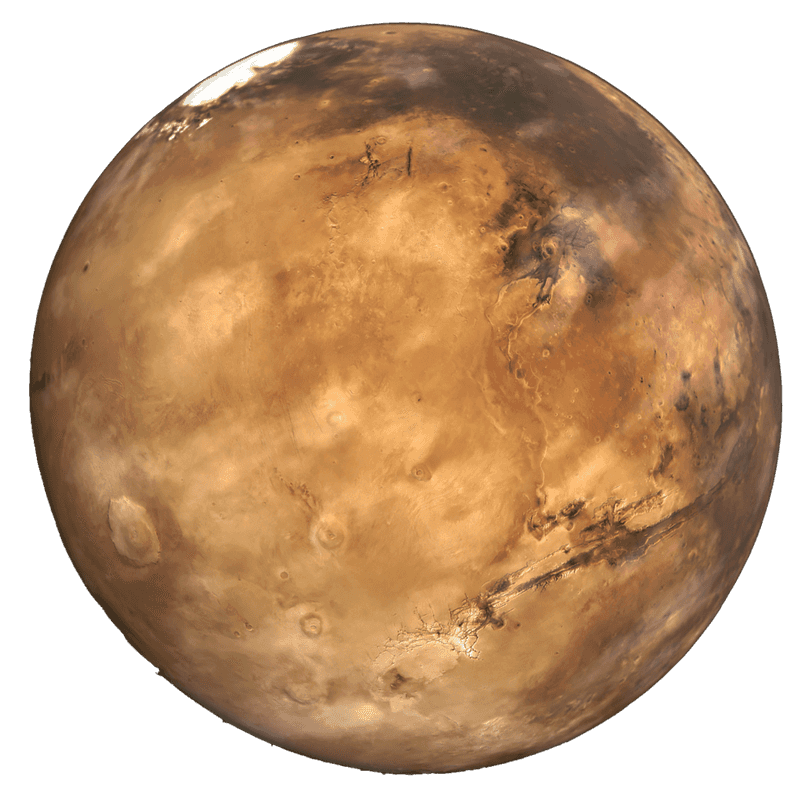
Remote sensing from orbit provides tantalizing clues but limited certainty. Most candidate Special Regions were identified through satellite imagery rather than direct ground investigation.
Without soil samples, in situ water detection, or on-the-ground measurements, many candidate zones remain scientifically ambiguous. We see features that might indicate water or habitability, but we lack confirmation.
This uncertainty drives the conservative treatment of questionable areas. Scientists prefer to err on the side of caution, restricting access to zones that might not actually be special. It’s better to be overly protective now than discover later that we contaminated truly special areas. The ambiguity frustrates exploration but reflects honest limitations of current knowledge.
13. Stable Brines and Transient Water Assumptions Are Now Questioned
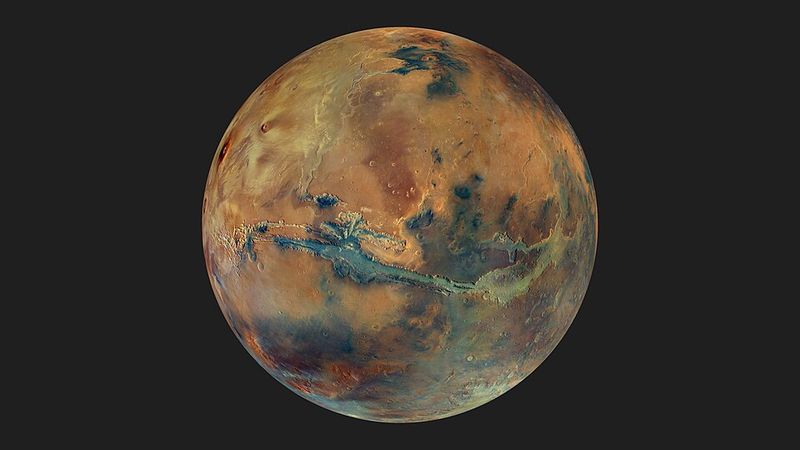
Early excitement about recurring slope lineae and potential brines has faced scientific pushback. Initial theories suggested that salty liquid water might flow seasonally on Mars, creating habitable environments.
Recent research paints a more complicated picture. Even if brines form occasionally, their extreme conditions, including very low temperatures and limited water activity, might not actually support microbial life as we know it.
This uncertainty weakens arguments that certain candidate zones truly qualify as special. If the water is too cold, too salty, or too transient for Earth microbes to survive, does it really need maximum protection? These scientific debates continue reshaping our understanding of where Mars might actually be habitable.
14. The Precautionary Principle Guides Current Exploration Policy
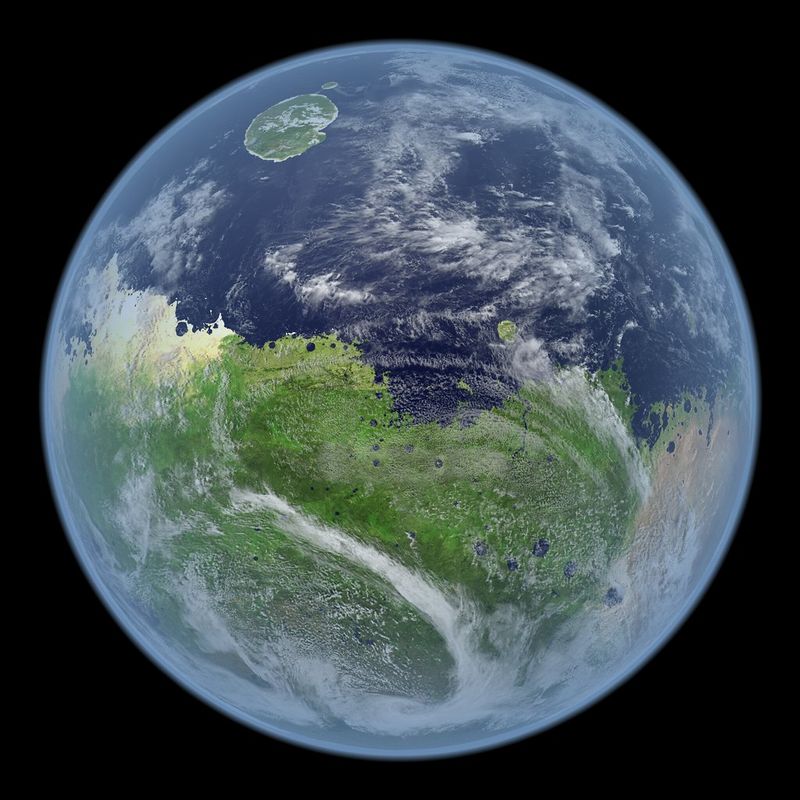
Faced with uncertainty, scientists have embraced the precautionary principle. This philosophical approach says that when facing potentially irreversible harm, caution should prevail even without complete scientific certainty.
Applied to Mars, this means treating questionable areas as special until proven otherwise. It prioritizes protecting potential discoveries over rushing to explore everywhere immediately.
Critics sometimes view this as overly cautious, arguing that excessive restrictions slow scientific progress. Supporters counter that we get only one chance to study pristine Mars, and contaminating it before properly searching for life would be an irreversible tragedy. Until definitive evidence clarifies which areas truly need protection, the precautionary approach remains the safest path forward.
15. Forbidden Means Heavily Regulated, Not Permanently Closed
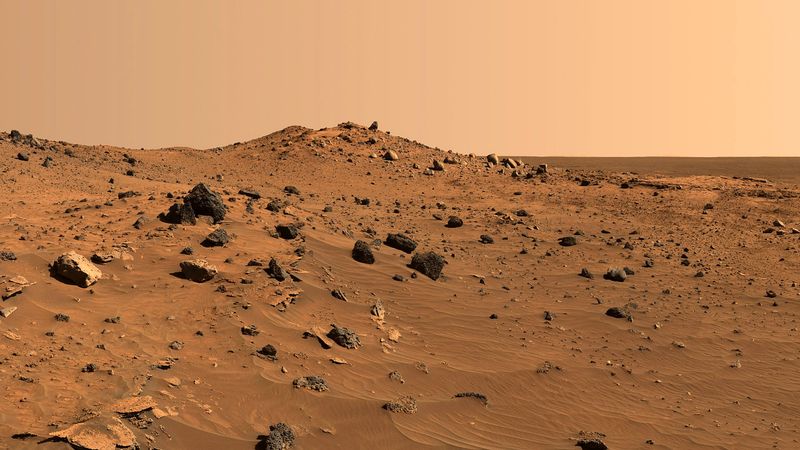
The word forbidden might sound absolute, but it’s actually more nuanced. Special Regions aren’t permanently sealed off from all human activity forever.
Instead, forbidden really means heavily regulated and accessible only under strict protocols. Missions can visit these zones if they meet demanding sterilization standards and receive appropriate approvals.
This distinction matters because it preserves hope for future exploration while maintaining current protections. As sterilization technology improves and our understanding of Mars grows, access to currently restricted zones may become more practical. The system balances scientific ambition with responsibility, allowing exploration to proceed thoughtfully rather than recklessly. It’s regulation, not prohibition, reflecting mature science navigating complex ethical and practical challenges.



