 Unearth The Voyage
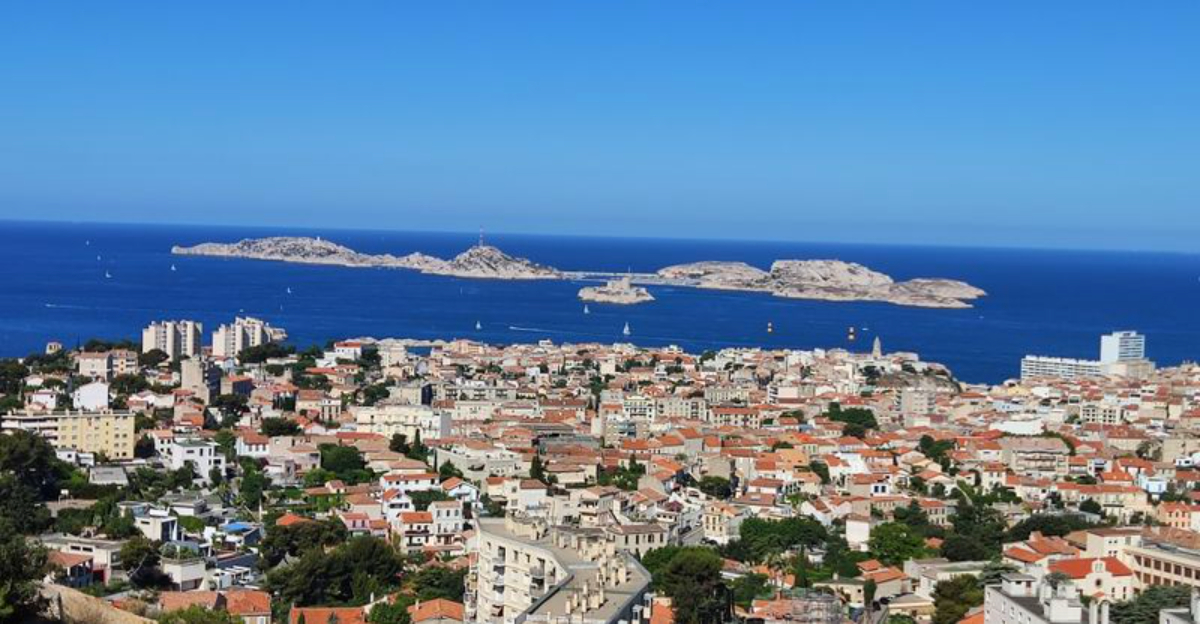
Marseille doesn’t try to impress you with polish or perfection. It hits you with noise, chaos, and a kind of honesty that most cities try to hide, and that’s exactly why it feels more authentic than almost anywhere else in Europe. If you’ve been to places that feel carefully curated for tourists, Marseille is the opposite.
It keeps its rough edges on purpose, from the loud markets and chipped paint to the contradictions that make it feel alive. Nothing here feels staged, and that’s the point. In this post, you’ll see what gives Marseille its raw Mediterranean soul, where that ‘grit’ actually shows up, and how to experience the city in a way that feels real instead of performative.
If you want a place that feels lived-in, not polished for postcards, you’re in the right city.
1. Start at the Vieux-Port (Old Port) early
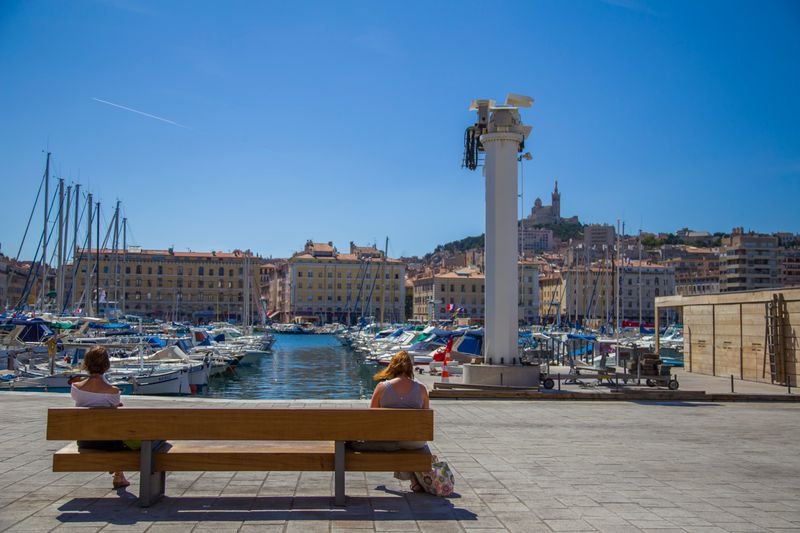
I dragged myself out of bed at 6 a.m. once just to see what the fuss was about, and honestly? Worth every yawn.
The Old Port at sunrise isn’t just pretty, it’s the city waking up in real time.
Fishermen haul in their overnight catches while locals line up for espresso at tiny counters that smell like butter and cigarettes. Boats rock gently in the harbor, and the light hits the water in that perfect Mediterranean gold that makes you forget you’re tired.
This isn’t a show put on for visitors—it’s just Marseille being Marseille.
If you arrive later, you’ll still enjoy the port, but you’ll miss the quiet magic of the morning rhythm. The cafes get louder, the crowds thicker, and the whole vibe shifts from intimate to bustling.
Nothing wrong with that—but sunrise is when the city feels like it’s letting you in on a secret.
Grab a croissant, find a bench facing the water, and just watch. You’ll understand why this spot is considered the heartbeat of the city.
It’s where everything starts, and where locals return again and again, no matter how long they’ve lived here.
2. Climb up to Notre-Dame de la Garde for the ‘wow’ view
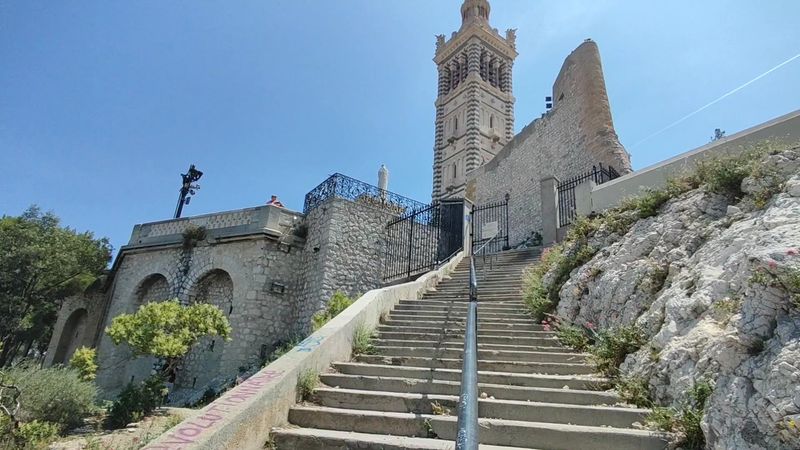
Perched above the city like a golden-crowned protector, Notre-Dame de la Garde doesn’t just offer a view, it offers the view. You can see the entire city sprawl out below you, the sea stretching endlessly, and boats looking like toys in the harbor.
Walking up is an option if you’re feeling ambitious (and your calves are ready for a workout), but bus 60 gets you there without the sweat and still delivers those epic sights along the way. The basilica itself is stunning, inside and out, with intricate mosaics, hanging ship models, and an atmosphere that feels both sacred and celebratory.
Locals call it “La Bonne Mère” (The Good Mother), and it’s clear she’s beloved.
What surprised me most wasn’t the basilica itself, but how many locals were up there too – praying, chatting, just hanging out. It’s not a tourist trap.
It’s a real part of city life, which makes the experience feel genuine rather than packaged.
Go in the late afternoon if you can. The light turns everything golden, and you’ll catch the city transitioning from day to evening.
Bring your camera, but also take a moment to just stand there and soak it in without a screen between you and the view.
3. Get lost in Le Panier (the oldest district)
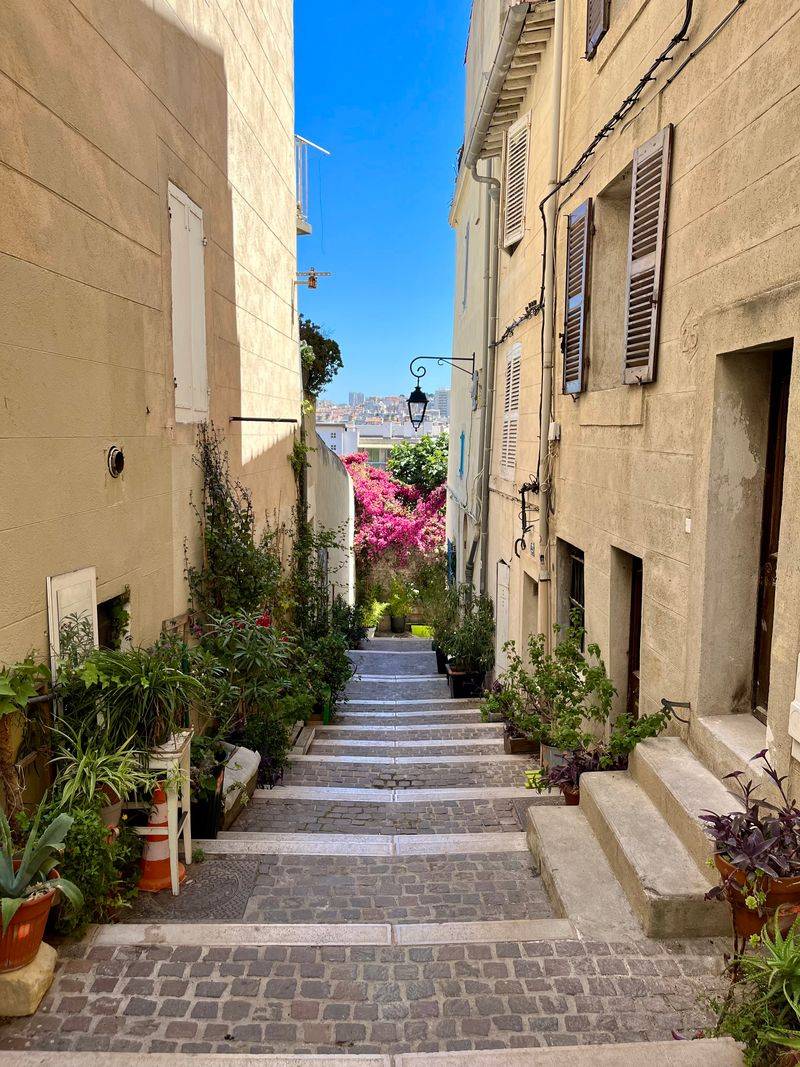
Le Panier is where Marseille’s story began, and wandering through it feels like flipping through the city’s oldest photo album. Narrow streets twist and turn unpredictably, opening onto small squares where old men play cards and cats nap in doorways.
Street art covers entire building facades, not the corporate kind, but raw, political, playful stuff that changes every few months. Pastel shutters frame windows filled with potted herbs, and tiny galleries sell ceramics, prints, and jewelry made by people who actually live in the neighborhood.
It’s gentrified enough to be charming but hasn’t lost its edge.
I got completely turned around here once, ending up at a dead-end staircase covered in painted tiles. Instead of feeling frustrated, I just sat down and watched a couple argue passionately in French while a dog ignored them both.
That’s Le Panier in a nutshell, unplanned moments that feel more memorable than any landmark.
Don’t follow a map too closely. The whole point is to wander.
Duck into a café when your feet hurt, buy a handmade soap from a shop that smells like lavender, and let yourself get a little lost. That’s when Le Panier shows you its best side.
4. Do MuCEM + Fort Saint-Jean as one connected visit
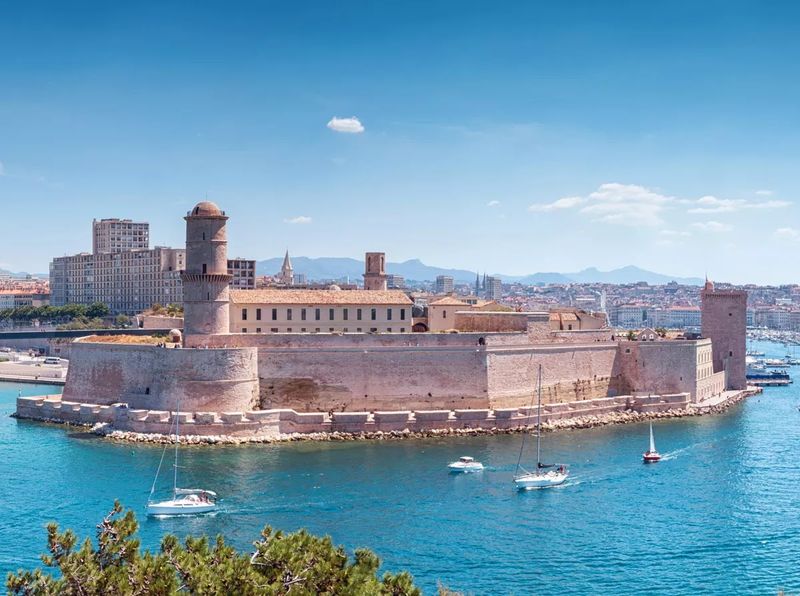
MuCEM isn’t just a museum, it’s a statement. Opened in June 2013, this bold, lattice-wrapped building sits right on the waterfront and celebrates Mediterranean culture in all its messy, beautiful complexity.
The exhibits rotate, but they always dig into themes like migration, identity, and tradition, stuff that feels urgent and human, not dusty and academic.
What makes this visit special is the connection to Fort Saint-Jean, a 17th-century fortress that MuCEM links to via sleek modern walkways. You move seamlessly between centuries, from cutting-edge exhibitions to ancient stone walls and wild gardens overlooking the sea.
It’s the perfect metaphor for Marseille itself: old and new crashing together in ways that somehow work.
I spent way longer here than planned, partly because the rooftop views are ridiculous, and partly because the exhibits actually made me think. The museum doesn’t pander or oversimplify, it trusts you to engage with complexity.
Budget at least two hours, maybe three if you’re a slow wanderer like me. Grab lunch at the museum café if the weather’s nice, it overlooks the harbor and feels like eating inside a postcard.
This combo is peak Marseille: layered, thought-provoking, and impossible to pigeonhole.
5. Walk the waterfront promenade from MuCEM toward the coast
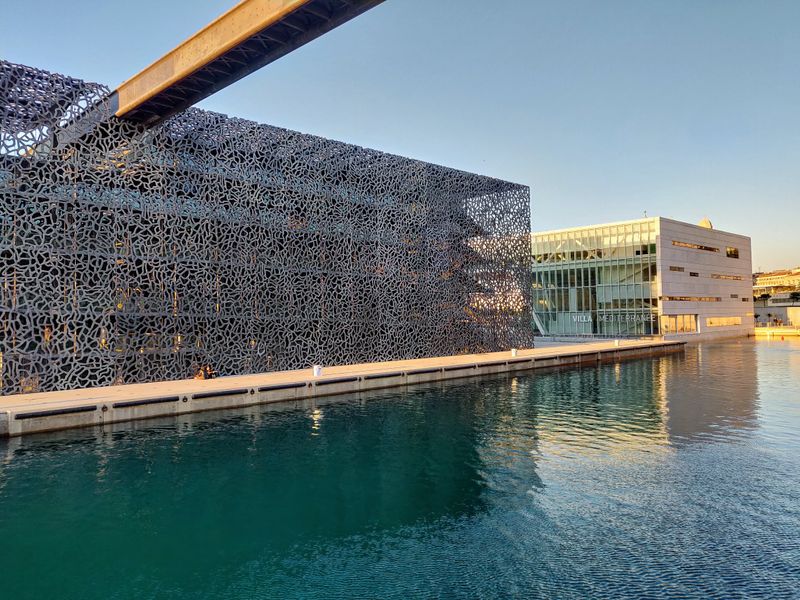
Sometimes the best thing you can do in a city is just walk with no particular agenda. The waterfront promenade stretching from MuCEM toward the coast is exactly that kind of walk – simple, breezy, and quietly restorative.
Limestone light bounces off the water in a way that feels uniquely Mediterranean. Locals jog, cycle, or just sit on benches staring at the horizon like they’ve got all the time in the world.
There’s no pressure to see or do anything specific – you’re just there, breathing in salt air and letting the rhythm of the city slow you down.
I walked this stretch after a long museum morning and it completely reset my brain. No map, no plan, just following the coastline and stopping whenever something caught my eye – a gelato stand, a guy playing saxophone, a random sculpture that looked like it washed ashore.
This is where you remember why you travel in the first place: not to check off sights, but to feel different, lighter, more present. Pack light, wear comfortable shoes, and let yourself drift.
If you need a break, there are cafes and benches everywhere. The whole point is to not rush.
6. Take a boat to Château d’If (yes, the Monte Cristo island)
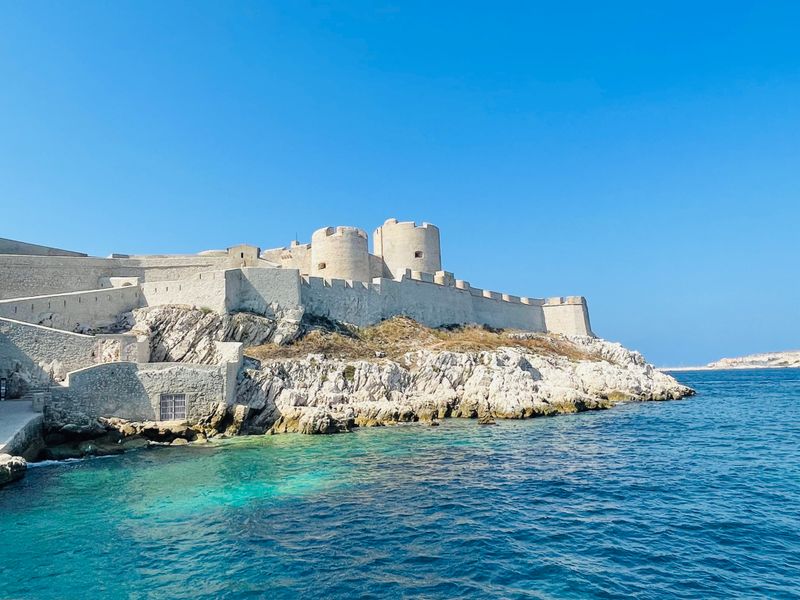
Built between 1524 and 1531 under King François I, Château d’If was meant to defend Marseille from sea attacks. Instead, it became a prison – and later, the setting for Alexandre Dumas’ The Count of Monte Cristo.
Even if you’ve never read the book, the island’s stark beauty and dark history hit hard.
The boat ride out takes about 20 minutes, and the fortress itself is surprisingly small but deeply atmospheric. You can explore the cells, climb the towers, and imagine what it must’ve been like to be locked up here with nothing but seagulls and waves for company.
Spoiler: it wasn’t pleasant.
What I didn’t expect was how stunning the views are from the island. Looking back at Marseille from the water gives you a completely different perspective – the city looks both grand and vulnerable, spread out along the coast like it’s daring the sea to come closer.
Boats leave regularly from the Old Port, and tickets are easy to grab. Go on a weekday if you can, weekends get crowded.
Bring a hat and sunscreen; there’s not much shade. And give yourself time to just sit on the rocks and listen to the water.
It’s haunting in the best way.
7. Hop over to the Frioul Islands for a half-day ‘escape’
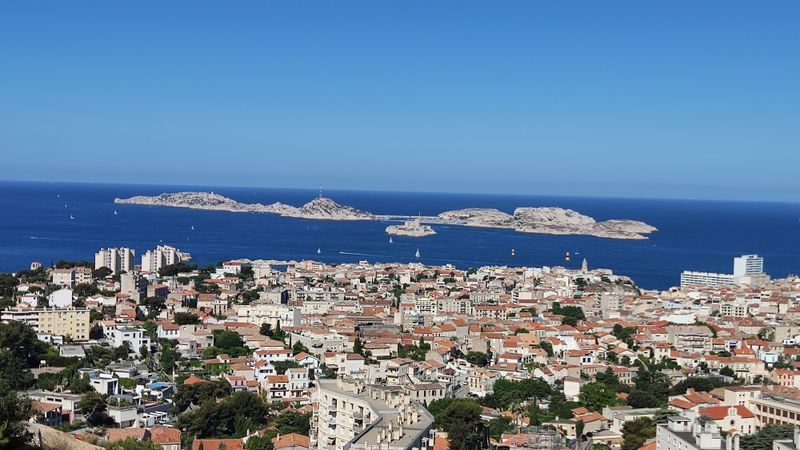
If you’re already heading to Château d’If, don’t rush back to the mainland. The Frioul archipelago is right there, and it feels like a completely different planet – rugged, windswept, and wonderfully quiet.
These islands are raw and salty, with rocky paths, hidden coves, and water so clear it looks photoshopped. There are a few small beaches where locals swim and sunbathe, plus trails that wind around the coastline offering views that make you want to just sit down and stare.
It’s the kind of place that reminds you nature doesn’t need to be manicured to be beautiful.
I spent a couple hours here once, scrambling over rocks and eating a sandwich I’d packed from the city. No plan, no schedule, just exploring and soaking up the wildness.
It felt like hitting pause on the urban noise and remembering what silence sounds like.
Pack water, snacks, and sunscreen, there’s not much infrastructure, which is part of the charm. Wear sturdy shoes if you plan to hike.
And give yourself at least a couple hours to really enjoy it. Rushing defeats the whole purpose of coming here in the first place.
8. Make the Calanques your ‘nature day’ (hike, boat, or swim)
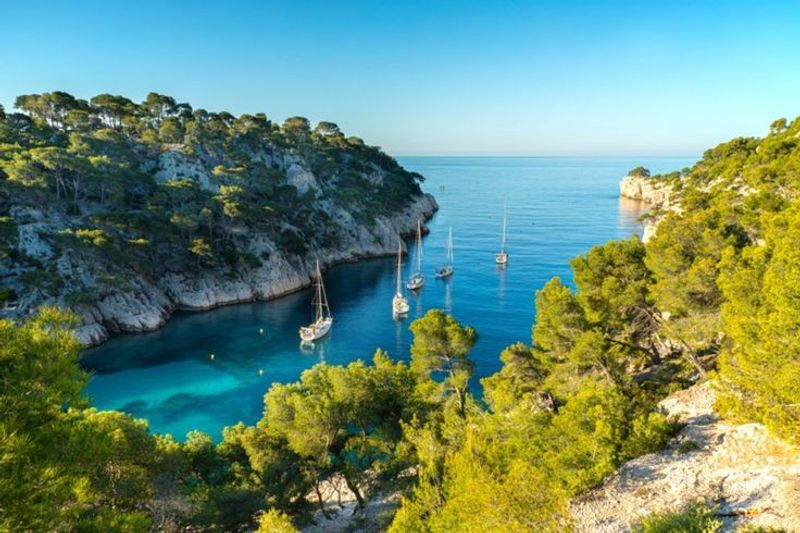
Created in 2012, Parc national des Calanques is one of the few national parks in Europe that protects both land and sea and it’s practically on Marseille’s doorstep. Dramatic white cliffs plunge into impossibly blue water, creating narrow inlets (calanques) that feel like secret hideaways.
You can hike to them, boat to them, or even kayak if you’re feeling adventurous. Each calanque has its own personality, some are wide and popular, others are tiny and tucked away.
My advice? Pick one and enjoy it properly instead of trying to see them all in a frantic checklist marathon.
I hiked to Calanque de Sormiou once, and by the time I reached the water, I was sweaty, thirsty, and completely hooked. The hike was steep in places, but jumping into that cold, clear water afterward felt like the best reward imaginable.
There’s a little beach, a casual restaurant, and not much else, just nature doing its thing.
Bring plenty of water, wear good shoes, and start early to avoid the midday heat. In summer, trails sometimes close due to fire risk, so check ahead.
And remember: this isn’t a zoo. Respect the environment, pack out your trash, and leave it as beautiful as you found it.
9. Go to Noailles for markets and everyday Marseille
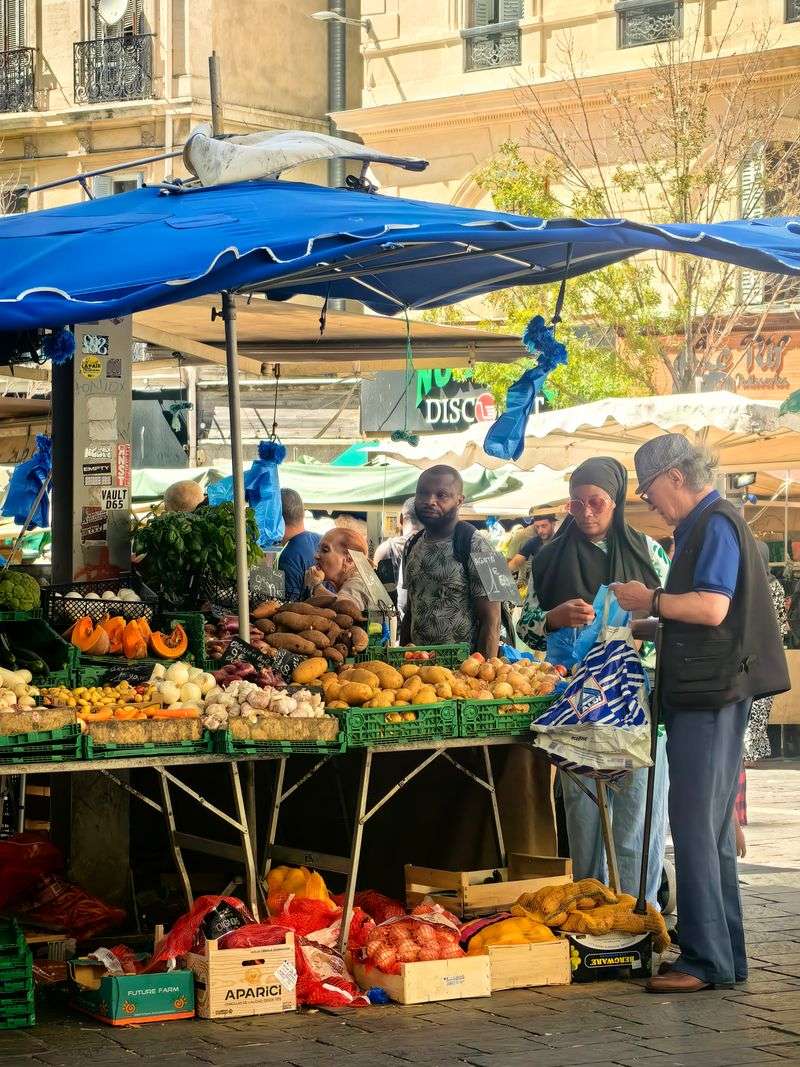
Noailles isn’t polished or Instagrammable in the traditional sense, but it’s where Marseille’s multicultural soul really shows up. This neighborhood pulses with energy, produce stalls overflowing with vegetables, spice vendors filling the air with cumin and coriander, and street noise that makes you feel like you’re inside the city, not just visiting it.
The market sprawls across several streets, and it’s chaotic in the best way. Vendors shout prices, shoppers haggle, and the whole scene feels alive and unfiltered.
You’ll find North African pastries, fresh fish, cheap clothes, and random household goods all crammed together. It’s not curated, it’s real.
I wandered through here on a Saturday morning and ended up buying olives, a bag of dates, and a scarf I didn’t need but couldn’t resist. The energy was infectious, and I loved that tourists were clearly outnumbered by locals doing their actual shopping.
Go with an open mind and a bit of cash. Some vendors prefer it over cards.
Don’t be afraid to try street food, grab a merguez sandwich or a pastry from a bakery that’s been there for decades. And take your time.
This isn’t a place to rush through. It’s a place to soak in.
10. Eat bouillabaisse the right way (at least once)
Marseille doesn’t try to impress you with polish or perfection. It shows up messy, loud, and unapologetically real and that’s exactly why it feels more authentic than almost anywhere else in Europe.
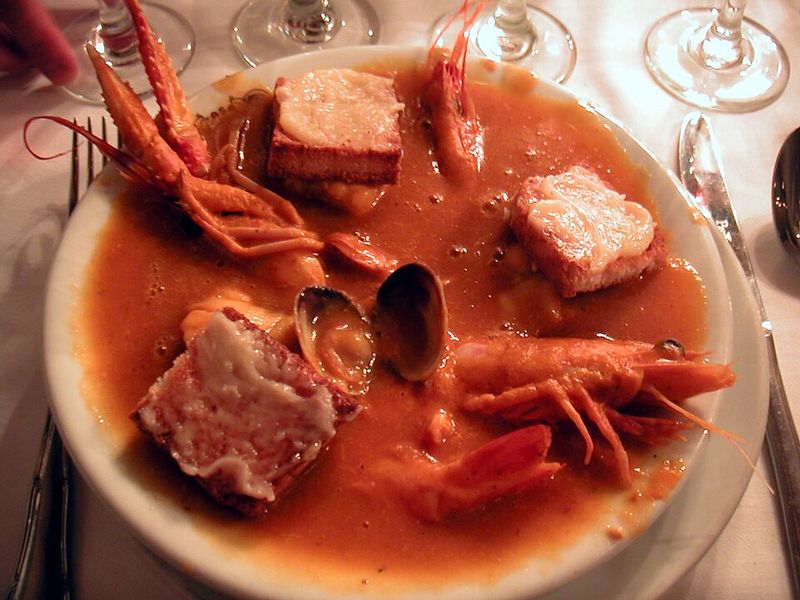
While other cities smooth out their rough edges for tourists, Marseille keeps its grit, its markets, its contradictions, and its salty Mediterranean soul intact. If you want a city that feels lived-in rather than staged, you’ve found it. isn’t just a dish – it’s a ritual, a tradition, and a point of pride for Marseille.
This iconic fish stew has rules: it must include at least four types of local fish, be served in two courses (broth first, then fish), and come with rouille (a garlicky saffron mayo) and crusty bread.
Order it at a reputable restaurant, not a tourist trap charging 15 euros for a watery imitation. Expect to pay at least 40-50 euros per person, and yes, it’s worth it.
The flavors are deep, complex, and unmistakably Mediterranean – saffron, fennel, tomato, and the sea itself all coming together in a bowl.
I’ll admit I was skeptical the first time I ordered it. Fish stew?
For that price? But watching the server present it properly, explaining each fish, and walking me through the ritual of spreading rouille on bread and dunking it in the broth, it turned lunch into an experience.
I left full, happy, and understanding why locals get defensive when people mess with the recipe.
Book ahead if you’re going to a well-known spot. Take your time, this isn’t fast food.
And approach it with curiosity rather than expectation. Bouillabaisse is Marseille in a bowl: layered, flavorful, and unapologetically itself.
11. Try navettes (orange blossom biscuits) with coffee
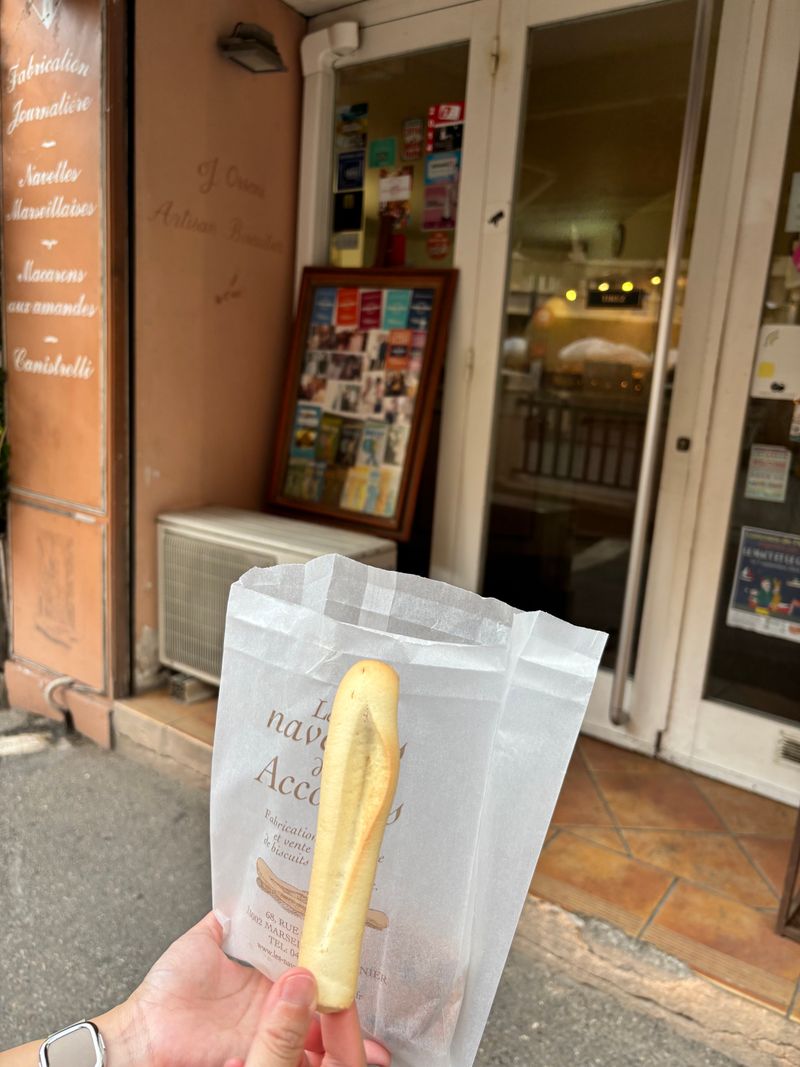
Navettes are small, boat-shaped biscuits flavored with orange blossom water, and they’re especially tied to Candlemas traditions in Marseille. They’re not fancy or Instagram-worthy – they’re simple, crunchy, and subtly floral.
But they taste like history, like something your grandmother might’ve made if she lived in Provence.
You’ll find them in bakeries all over the city, but the most famous spot is Four des Navettes, which has been making them since 1781 using the same recipe. That’s not marketing hype, it’s just how they do things here.
Tradition matters.
I grabbed a bag once to snack on during a long walk, and they were perfect for that: not too sweet, easy to carry, and surprisingly satisfying with a mid-afternoon coffee. They’re the kind of treat that doesn’t scream for attention but quietly wins you over.
Pair them with an espresso at a café and take a moment to slow down. They’re not life-changing, but they’re a tiny, edible piece of Marseille culture.
And sometimes those small, understated experiences are the ones that stick with you long after the big sights fade from memory. Plus, they make great gifts if you’re looking for something authentically local to bring home.
12. Explore Cours Julien for street art and indie energy
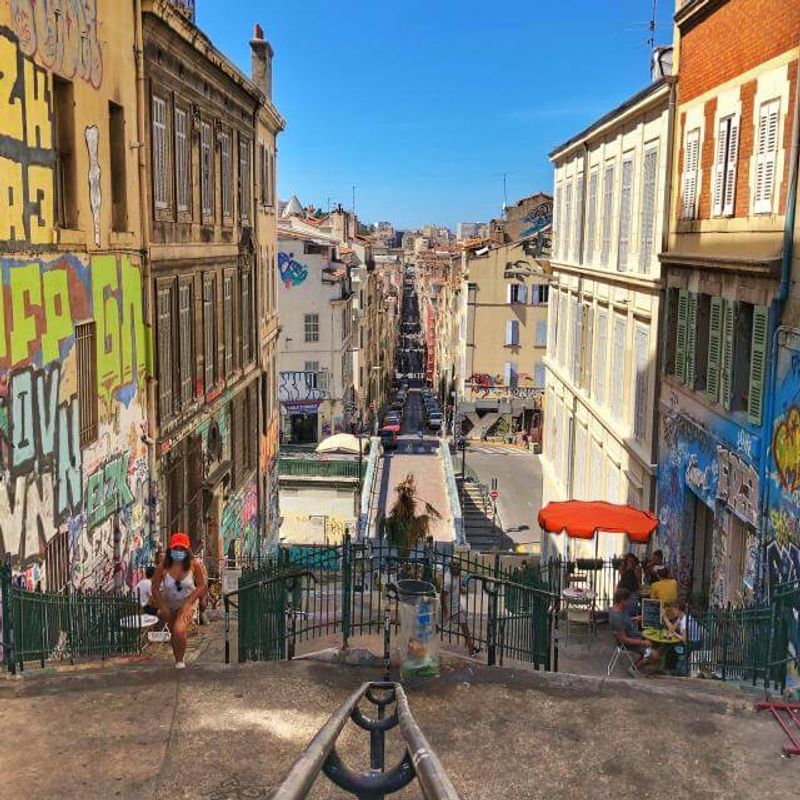
Cours Julien is where Marseille’s younger, creative side hangs out. Murals cover entire buildings – some political, some whimsical, all unapologetically bold.
Record shops, vintage stores, and indie cafés line the streets, and the whole area feels refreshingly unpretentious.
This isn’t the polished, museum-version of France. It’s scruffy, artsy, and alive with the kind of energy that makes you want to sit outside with a beer and just people-watch.
Musicians busk on corners, skaters practice tricks in the square, and the vibe is relaxed in a way that bigger, more touristy neighborhoods just can’t pull off.
I stumbled into a tiny café here once that served natural wine and played old jazz records. The owner didn’t speak much English, I didn’t speak much French, but we managed to communicate through enthusiastic gestures and shared appreciation for good music.
That’s Cours Julien, it rewards curiosity and punishes no one for not having a plan.
Go in the late afternoon or early evening when things start to wake up. Bring cash for small shops and street vendors.
And don’t just take photos of the murals, actually look at them. Many have messages, humor, or commentary that’s easy to miss if you’re rushing.
13. Visit La Cité Radieuse (Le Corbusier) for architecture that feels like a concept-city
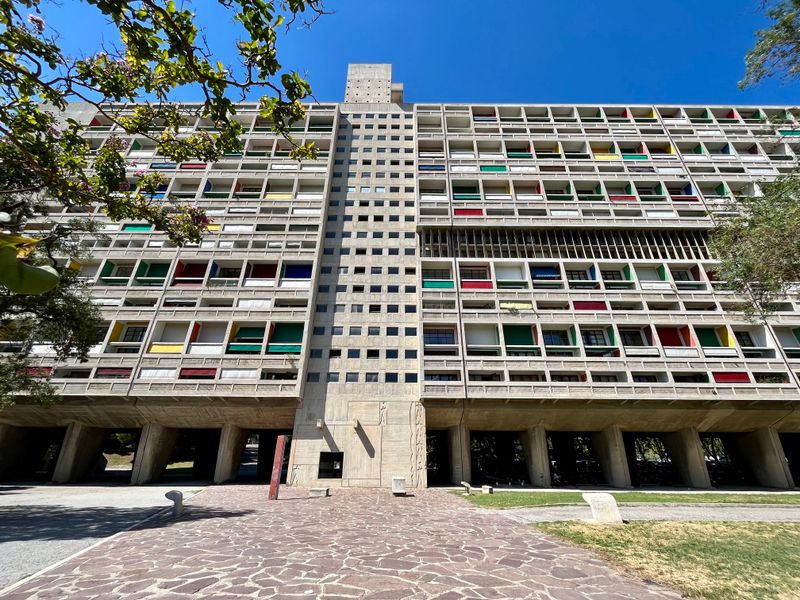
La Cité Radieuse is part of Le Corbusier’s UNESCO-listed architectural work, and even if you think you’re not into architecture, this building is a whole idea you can walk through. Completed in 1952, it was designed as a self-contained vertical village – apartments, shops, a school, even a rooftop pool and running track.
The design is brutalist, bold, and still feels futuristic decades later. Bright primary colors pop against raw concrete, and the proportions are based on Le Corbusier’s “Modulor” system, which was supposed to create harmony through human-scale measurements.
Whether it worked is up for debate, but it’s undeniably fascinating.
I visited on a rainy afternoon, which somehow made the building feel even more dramatic. Walking through the corridors and up to the rooftop, I kept thinking about how radical this must’ve seemed in the 1950s and how it still challenges conventional ideas about housing and community today.
You can visit the rooftop for free, where there’s a small museum, a bar, and panoramic views of the city and mountains. If you’re really into it, book a guided tour to see inside one of the original apartments.
Either way, give yourself time to absorb it. This isn’t a quick photo stop, it’s architecture as philosophy.
14. Step into Cosquer Méditerranée for prehistoric art under the sea, recreated
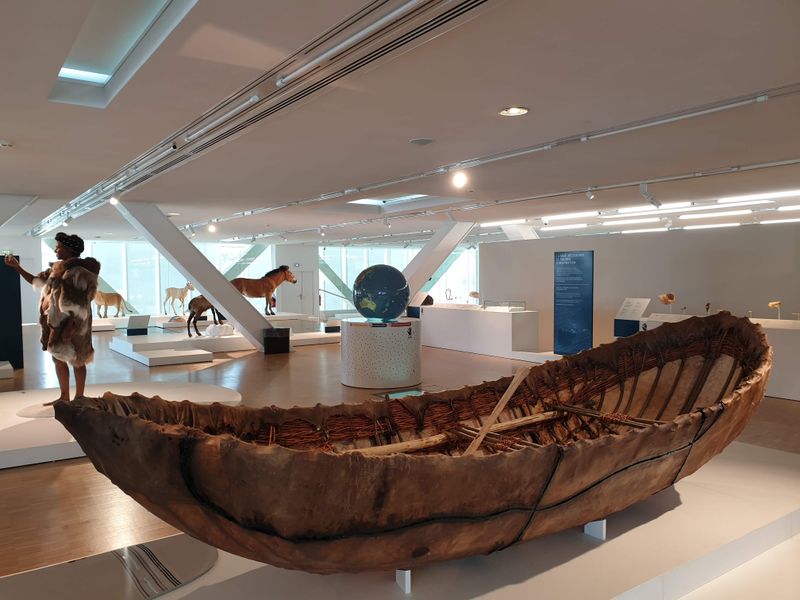
The Cosquer Cave replica experience opened on 4 June 2022, and it’s one of the most surprising attractions in Marseille. The original cave, discovered by diver Henri Cosquer in 1985, is submerged beneath the Mediterranean and contains prehistoric art dating back over 27,000 years.
Since the real cave is inaccessible and endangered by rising sea levels, this replica lets you experience it without scuba gear.
The exhibit is immersive and surprisingly moving. You descend in a simulated elevator as if diving underwater, then wander through recreated chambers filled with hand stencils, animal paintings, and engravings.
The lighting, sound, and temperature all work together to make you feel like you’re actually in a hidden, ancient space.
I went in expecting a gimmick and left genuinely impressed. There’s something humbling about standing in front of art created by people who lived before cities, before writing, before almost everything we consider civilization.
It connects you to a deeper human story.
Budget about 90 minutes for the full experience, including the museum section that explains the cave’s discovery and significance. It’s great for kids and adults alike, and it’s a fantastic rainy-day option.
This is totally different from the usual city attractions, and that’s exactly why it’s worth your time.
15. Use the RTM network to move like a local (and save your feet)
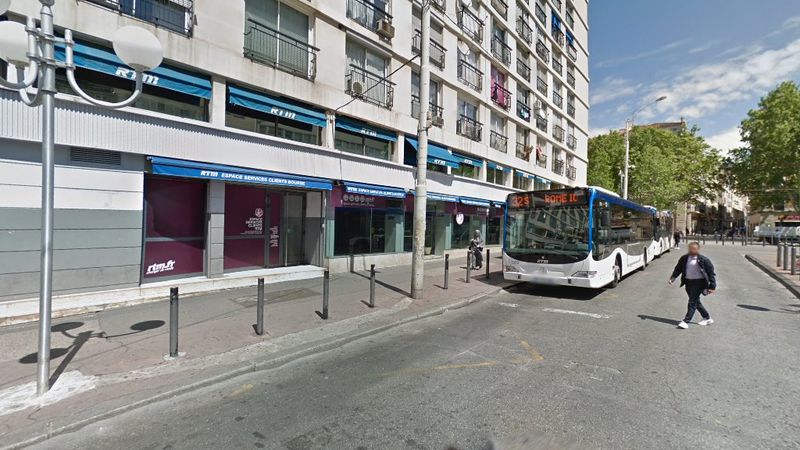
Marseille’s public transport network (metro, tram, and bus, plus a ferry line) is run by RTM, and it’s honestly designed for exactly what visitors need: hopping between neighborhoods without overthinking it. The system is clean, affordable, and way easier than trying to navigate the city’s chaotic traffic or hunt for parking.
A single ticket costs just a couple euros and is valid for an hour across all modes of transport. Day passes are available too if you’re planning multiple trips.
The metro has two lines that cover major stops, trams run along the coast and through key districts, and buses fill in the gaps. The ferry across the Old Port is technically part of the system and feels like a mini-cruise for pocket change.
I relied on RTM constantly during my visit, and it never let me down. Stations are clearly marked, announcements are bilingual, and locals are generally helpful if you look lost.
Plus, riding public transport gives you a glimpse of everyday Marseille life that you’d miss in a taxi or rental car.
Download the RTM app or grab a map at any station. Don’t stress about getting lost, it’s pretty intuitive.
And remember to validate your ticket before boarding, or you risk a fine. Trust the system, and it’ll save your feet and your sanity.



