Tucked into the rolling hills of western Massachusetts, there is a botanical garden that has been quietly growing and evolving since 1934. It spans nearly 24 acres, splits across two sides of a road, and holds dozens of distinct garden spaces that range from formal rose beds to wild meadow plantings.
This is not the kind of place you rush through on a quick weekend stop. The garden rewards those who slow down, wander without a plan, and let each new area pull them forward to the next.
From the Lost Bird Project sculptures scattered throughout the grounds to the working greenhouses and a charming Center House gallery, there is a surprising amount packed into this corner of Stockbridge. Whether you are a dedicated plant lover or just someone who appreciates a well-kept green space, this Berkshire landmark has something worth seeing in every season.
The Layout: Two Sides of a Road, One Big Experience
One of the first things that surprises new visitors about Berkshire Botanical Garden is that it actually straddles a road. The property is divided by West Stockbridge Road, with different garden collections and facilities on each side.
The main parking area and visitor center are located on one side, while the majority of the formal display gardens sit across the street. There is a marked crosswalk connecting the two sections, though the road does carry moving traffic, so it pays to be attentive when crossing.
The practical advice from those who have navigated the layout is to pick one side first, explore it fully, then cross over to complete the other half. Trying to bounce back and forth repeatedly adds unnecessary steps to the visit.
A printed map is available at the visitor center, and an audio guide can be accessed directly on a smartphone, making the self-guided experience easy to follow from the start.
The Vista Garden: Open Space With a Grand Perspective
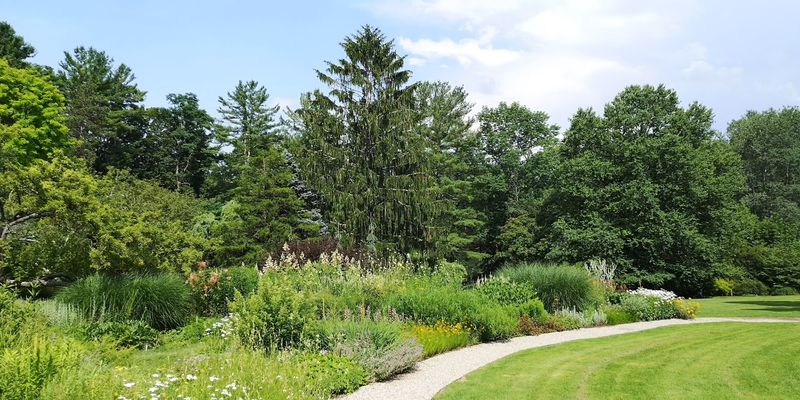
The Vista Garden is one of the standout spaces at Berkshire Botanical Garden, and it earns that reputation through its open, sweeping design. Unlike the more enclosed garden rooms elsewhere on the property, the Vista Garden offers a broad, unobstructed view across the grounds and toward the surrounding Berkshire hills.
The planting here is designed to complement the landscape rather than compete with it. Flowering perennials line the edges of the open turf, creating a frame that draws the eye outward.
Benches are placed at thoughtful intervals, giving visitors a place to sit and take in the full picture without rushing.
This section of the garden tends to be especially rewarding in midsummer, when the perennial borders are at their fullest. It is also a popular spot for photography, since the combination of cultivated plantings and natural backdrop creates a layered composition.
The Vista Garden sets the tone for the rest of the property in the best possible way.
The Rock Garden: Small Scale, Big Character
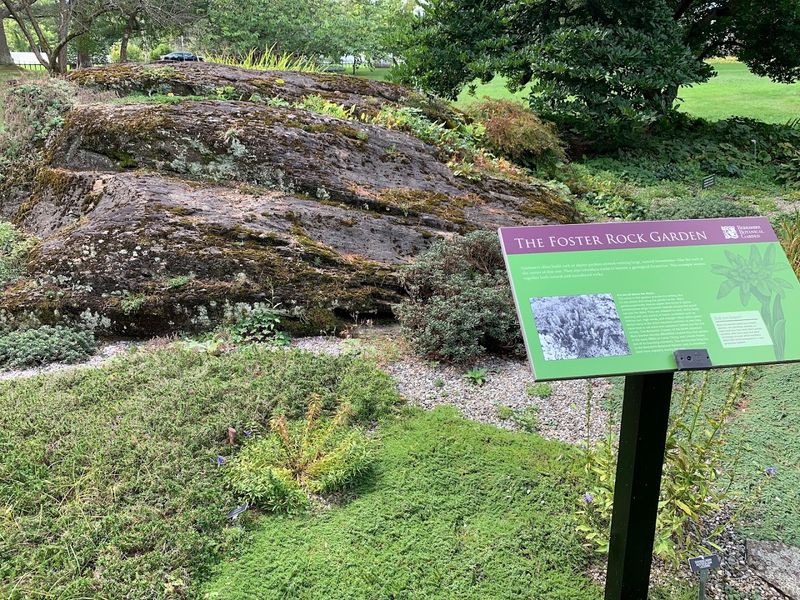
Rock gardens are a specialty unto themselves in the horticultural world, and the one at Berkshire Botanical Garden is a strong example of the form. Built around natural stone outcroppings and carefully arranged boulders, this garden showcases plants that thrive in well-drained, rocky conditions.
Alpine plants, low-growing sedums, and compact perennials fill the spaces between the stones, creating a textured planting that changes character through the seasons. The scale is intimate compared to some of the larger garden areas on the property, but that is part of the appeal.
Every detail here rewards a closer look.
The rock garden is a particularly useful resource for anyone who gardens on a sloped or rocky property at home, since many of the plants used here are labeled and well-suited to New England conditions. It demonstrates that challenging terrain does not have to mean bare ground or struggling plants.
With the right species selection, a rocky patch can become one of the most interesting spots in any yard.
The Rose Garden: Classic Beauty With Seasonal Timing
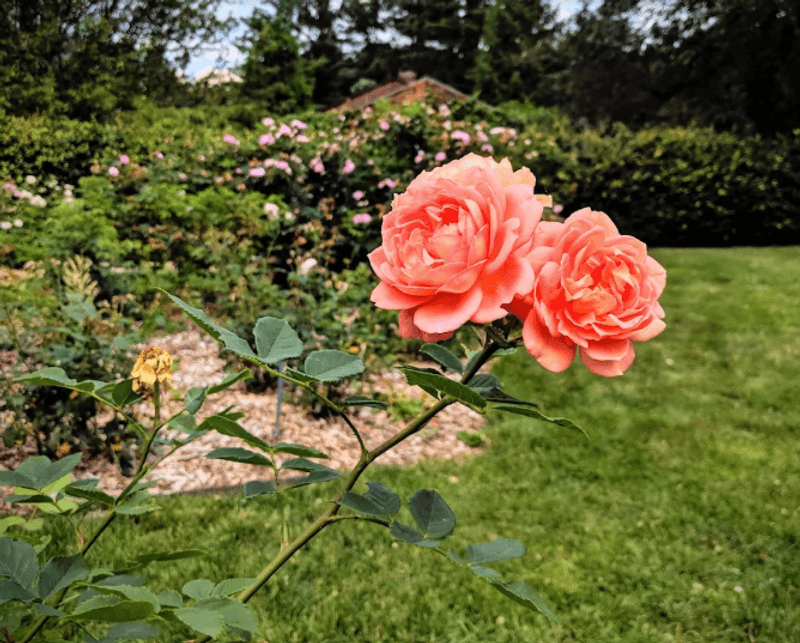
Few garden features carry as much traditional appeal as a well-maintained rose garden, and Berkshire Botanical Garden delivers one worth seeking out. The Rose Garden features a variety of cultivars arranged in formal beds, with peak bloom typically arriving in late June and early July.
Timing a visit to catch the roses at their best requires a bit of planning, since the window for full bloom is relatively short. That said, even when the roses are past their prime, the structure of the garden and the surrounding plantings keep it visually interesting.
The design holds up across the season.
Rose gardens also serve a practical educational purpose at a place like this. The labeled varieties give home gardeners specific names to research and potentially grow themselves.
New England rose culture has its own set of challenges, from harsh winters to late frosts, and seeing what thrives in a managed Berkshire garden is genuinely useful information for anyone tending their own patch of roses at home.
The Pond Garden: Water, Wildlife, and Quiet Corners
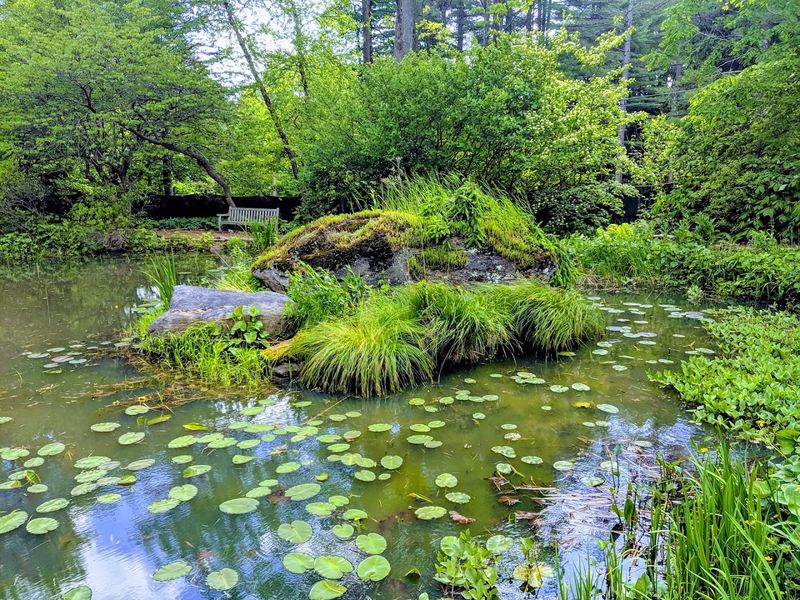
Water features have a way of anchoring a garden, and the Pond Garden at Berkshire Botanical Garden does exactly that. A small but well-kept pond sits at the center of this area, surrounded by moisture-loving plants and ringed with spots to pause and look out over the water.
The pond attracts wildlife naturally, adding a layer of activity to the space beyond the plants themselves. Dragonflies, frogs, and visiting birds are common sightings depending on the season.
The surrounding plantings include species that thrive in wet or boggy conditions, creating a distinct ecological zone within the broader garden.
Multiple benches are positioned around the pond, making this one of the more popular rest stops on the property. The combination of open water and lush surrounding greenery creates a particularly photogenic corner of the garden.
It is also a quieter part of the grounds, away from the main pathways, which makes it feel like a small discovery even on a busy visiting day.
The Herb Garden: Practical Plants With Deep Roots
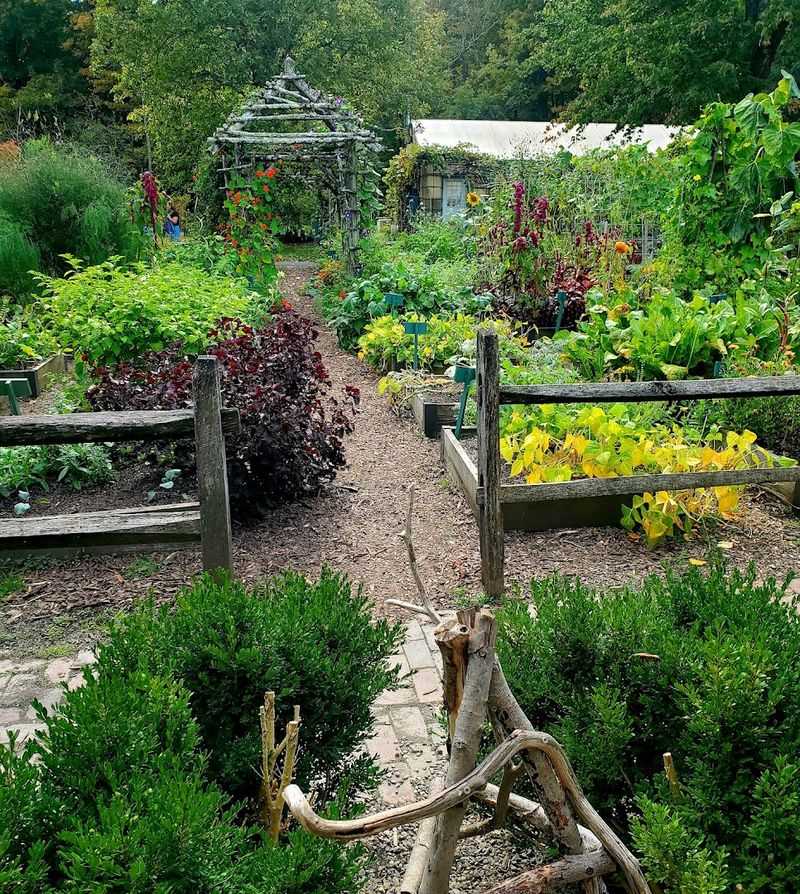
The herb garden at Berkshire Botanical Garden is one of its most beloved areas, and it consistently draws repeat attention from visitors who have an interest in growing their own food or medicinal plants. The collection here covers culinary standbys alongside less familiar medicinal and historical varieties.
Each plant is labeled, which adds genuine educational value to what could otherwise feel like just a nice-looking garden bed. Knowing the name, origin, and use of a plant changes how you look at it.
The herb garden encourages that kind of engagement in a low-key, accessible way.
The garden shop on site sometimes carries herb starts for purchase, which means a visit here can translate directly into a new addition for a home garden. Several visitors have noted picking up herb plants to take home after spending time in this section.
It is one of those areas that bridges the gap between appreciating a garden and actually participating in one, which gives the herb section a particularly hands-on energy.
The Topiary Garden: Where Patience Becomes Art
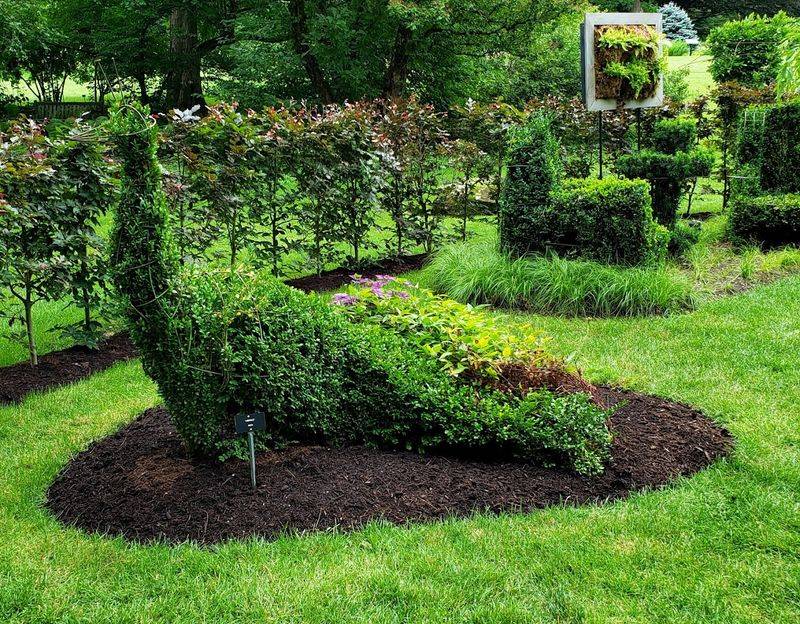
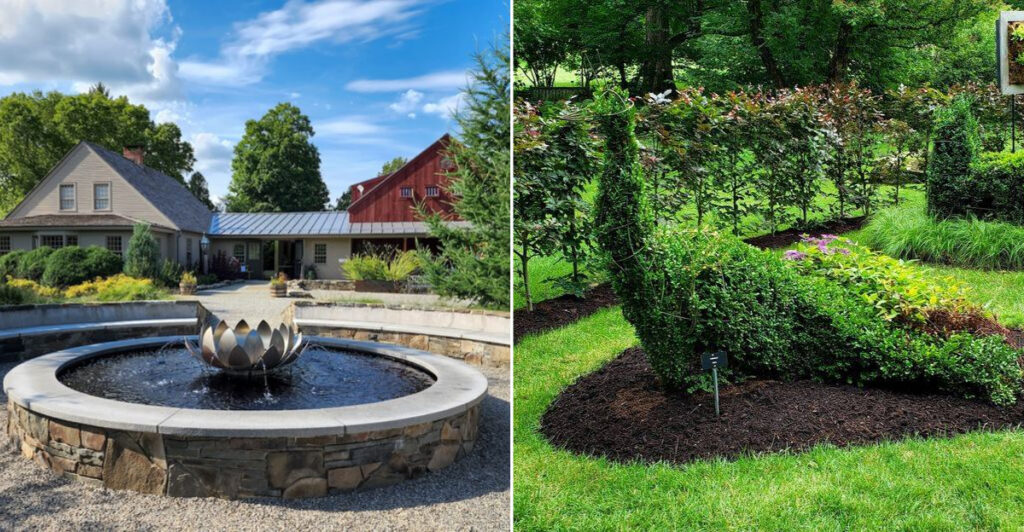
Topiary is one of the most labor-intensive forms of garden art, and Berkshire Botanical Garden maintains a collection of shaped hedges and sculpted plants that reflects years of careful tending. The topiary garden features both geometric forms and more playful sculptural shapes, including hedge furniture that visitors can actually sit on.
The idea of chairs and benches carved entirely from living bushes is the kind of detail that makes a garden visit memorable. It turns a passive stroll into something more interactive, and it is particularly popular with younger visitors and anyone who appreciates a touch of whimsy in a formal setting.
Topiary requires consistent pruning and training over multiple growing seasons to achieve the finished forms on display here. That level of horticultural commitment is part of what makes it worth pausing to appreciate.
These are not static objects but living plants that require ongoing attention. The topiary section is a good reminder that the best gardens are never really finished.
The Lost Bird Project: A Moving Tribute Woven Into the Grounds
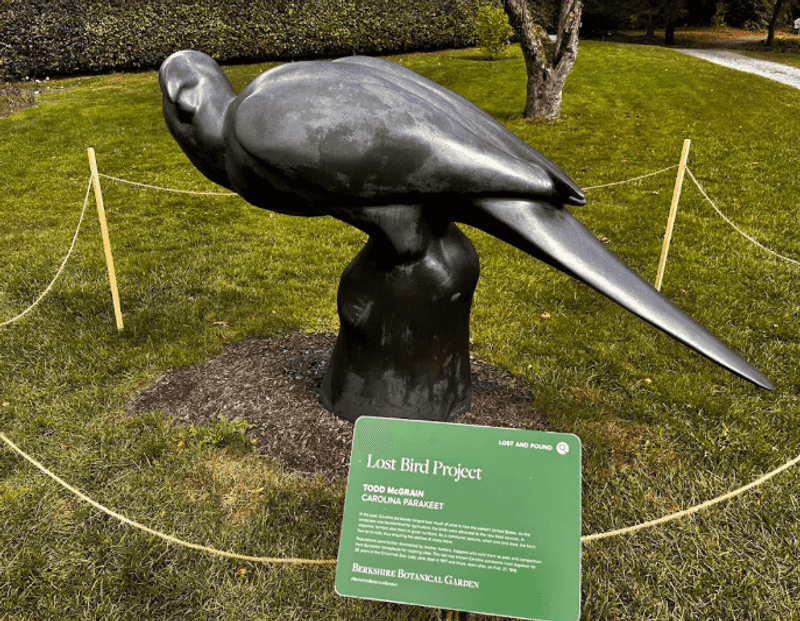
Scattered throughout the garden property, visitors encounter large, realistic sculptures of birds that no longer exist. These pieces are part of the Lost Bird Project, an art initiative by sculptor Todd McGrain that commemorates North American bird species driven to extinction.
The birds represented include the Passenger Pigeon, the Carolina Parakeet, the Great Auk, the Labrador Duck, and the Heath Hen. Each sculpture is rendered at life-size scale and placed in a naturalistic setting, creating quiet moments of recognition throughout the garden walk.
The effect is understated but genuinely affecting.
The Center House on the property displays additional information about each species and the broader context of their disappearance. Placards near the sculptures in the garden provide brief histories of each bird.
The Lost Bird Project adds a layer of reflection to what might otherwise be a purely horticultural experience, connecting the beauty of the living garden to the broader story of conservation and ecological loss. It is one of the most distinctive features of the entire property.
The Greenhouses: Year-Round Growing in Glass
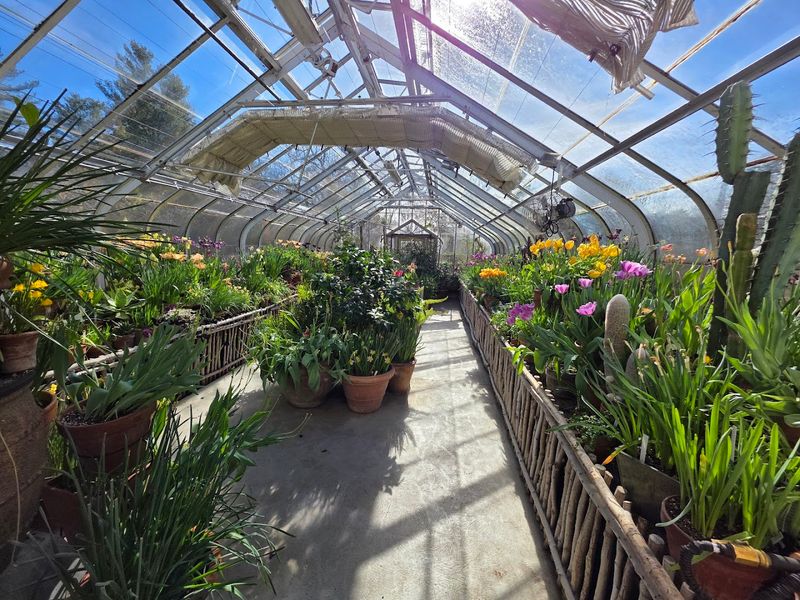
Three greenhouses on the property extend the garden experience beyond the outdoor growing season and into the colder months when the main display beds are dormant. These structures house a varied collection of plants that would not survive New England winters outdoors, giving the greenhouses a distinctly different character from the rest of the garden.
The greenhouse collections lean toward educational and horticultural interest rather than purely ornamental display. Unusual species, propagation areas, and plants at various stages of development make these spaces feel more like working growing environments than showrooms.
That authenticity is part of their appeal.
A larger greenhouse expansion has been planned to allow the garden to stay open year-round in a more robust way. When completed, this addition will significantly extend the visiting season and give the garden a stronger presence during the months when the outdoor areas offer less to see.
For now, the existing greenhouses provide a worthwhile extension of the experience, particularly for off-season visits.
The Center House Gallery: Art Inside the Garden
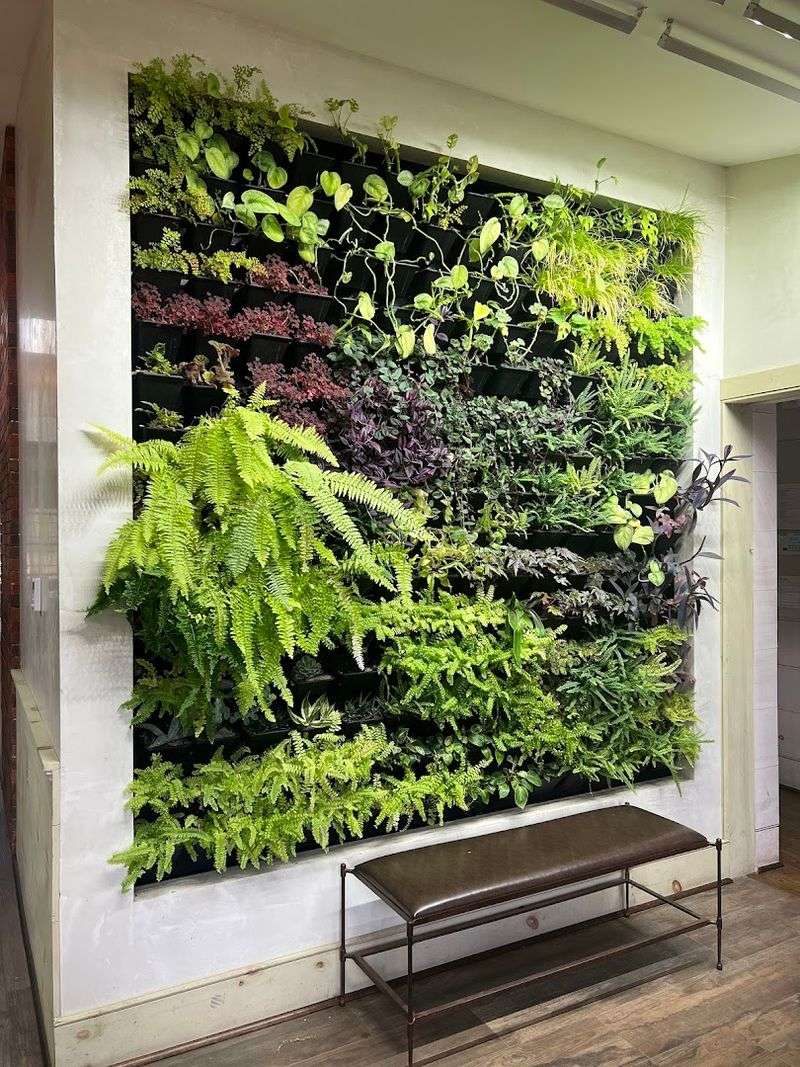
Tucked within the garden grounds, the Center House serves as both a gallery space and an informational hub for the property. Rotating art exhibitions are displayed inside, typically featuring work by regional artists with themes connected to nature, plants, or the broader landscape of the Berkshires.
The gallery component adds a cultural dimension to what is primarily a horticultural destination. Visitors who might not typically seek out a botanical garden sometimes find the combination of art and nature to be a compelling draw.
The exhibitions change throughout the season, giving repeat visitors a reason to check what is currently on display.
The Center House also contains public restrooms and additional information about the Lost Bird Project sculptures found throughout the grounds. It functions as a natural midpoint stop during a full garden tour.
The building itself is modest in scale but well-maintained, and the rotating artwork inside consistently generates positive attention from those who take the time to step in and look around.
The Visitor Center and Gift Shop: Practical Stops Worth Making
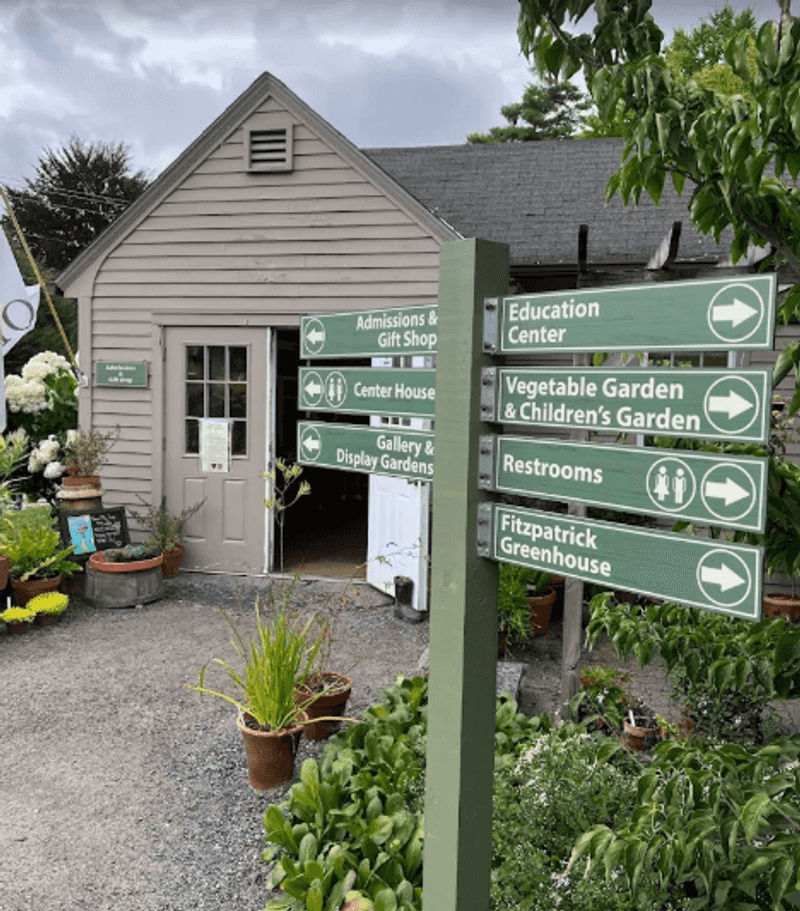
The visitor center at Berkshire Botanical Garden handles ticketing, questions, and orientation for arriving guests. Staff members there are consistently noted for being helpful and knowledgeable about the property, making it a worthwhile first stop before heading out onto the grounds.
Audio guides can be accessed on a personal smartphone by following instructions provided at the visitor center, adding a narrated layer to the self-guided tour experience. A printed map is also available, which proves useful given that the property spans two sides of a road and contains dozens of individual garden areas to navigate.
The on-site gift shop carries garden-related merchandise, plant starts, and items connected to the garden’s educational programming. It is not a large retail space, but the selection is curated around the garden’s identity rather than generic tourist goods.
Snacks and drinks are also available, which comes in handy on a warm day when a full two-hour walk through the grounds calls for a midpoint refreshment stop.
Planning Your Visit: Timing, Admission, and What to Expect
Berkshire Botanical Garden is open seven days a week from 9 AM to 5 PM throughout the main visiting season. General admission is set at $18 per adult, and Massachusetts EBT cardholders can bring themselves and up to four guests in for free, which reflects the garden’s commitment to broad community access.
The peak season for outdoor display runs roughly from late spring through early fall, with different areas of the garden reaching their best at different points in the season. Late April brings daffodils and budding magnolias.
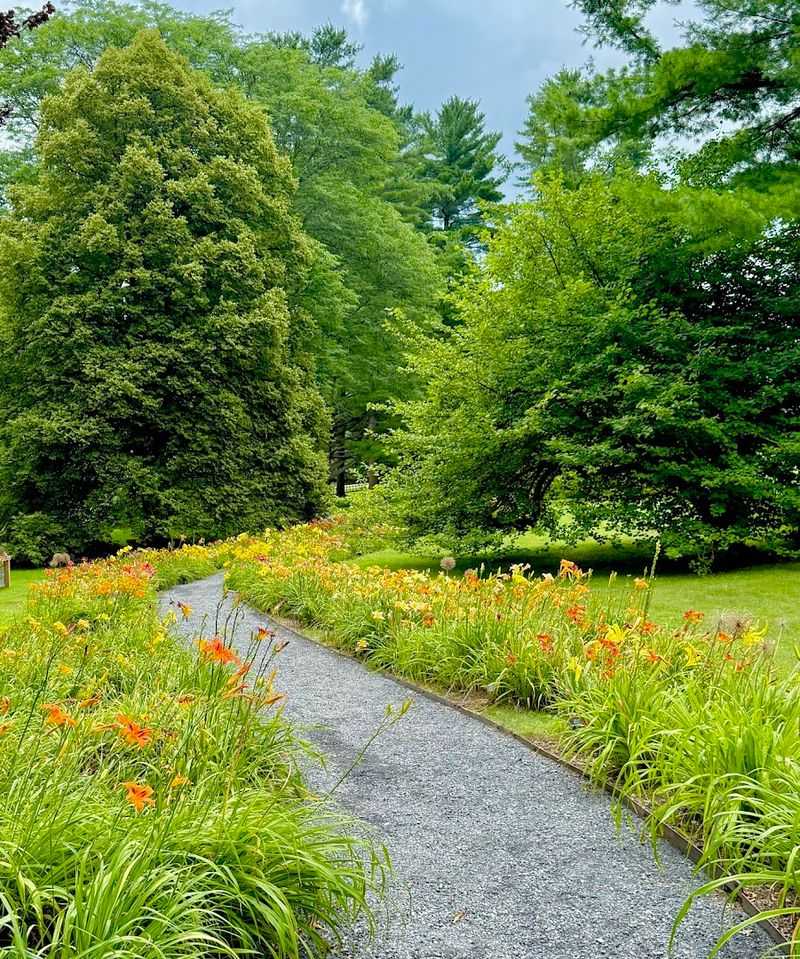
June and July deliver roses, perennials, and the wildflower meadow at full strength. Fall transitions the property into harvest festival territory, with special events drawing larger crowds.
Plan for approximately two hours to cover both sides of the property at a comfortable pace. Parking is available on site and is generally manageable outside of major event days.
The garden is easy to reach from downtown Stockbridge and sits close to several other Berkshire County destinations worth combining into a full day out.
Where It All Began: Address, History, and Location
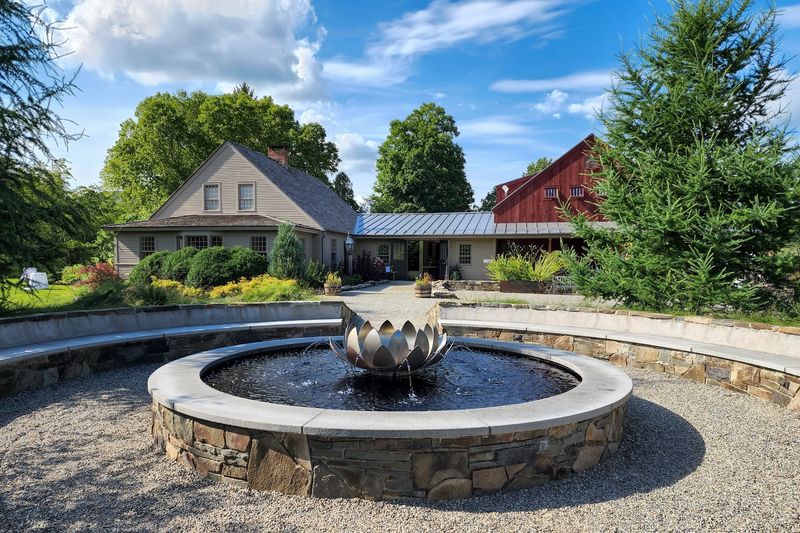
Founded in 1934, Berkshire Botanical Garden holds the distinction of being one of the oldest botanical gardens in New England. It sits at 5 W Stockbridge Rd, Stockbridge, MA 01262, right at the edge of town and close to several other well-known Berkshire attractions.
The garden was established by a group of local horticulture enthusiasts who wanted to create a public space dedicated to plants, education, and community. Over the decades, it has grown from a modest plot into a nearly 24-acre property that continues to expand its programming and physical footprint.
Stockbridge itself is a charming small town in Berkshire County, known for its Norman Rockwell connections and scenic New England character. The garden fits naturally into that setting, offering a green anchor in a region that already draws visitors for its arts, culture, and outdoor recreation.
Plan to spend at least two hours here to do it justice.
Share this story