There is a museum in Boston that proudly collects the worst art it can find, and somehow, that has made it one of the most talked-about cultural spots in the entire country. Not bad in a lazy way, but bad in a way that makes you stop, stare, and then burst out laughing at a painting of a swan doing something a swan should never do.
This musuem has built a reputation around celebrating creative failures, and the world has taken notice. From local curiosity to international headlines, this place has turned terrible technique and baffling subject matter into a full-blown art movement.
Whether you are a longtime Boston local or just passing through, this museum offers something that most galleries simply cannot: the freedom to laugh out loud in front of the art.
The Founding Story That Started It All
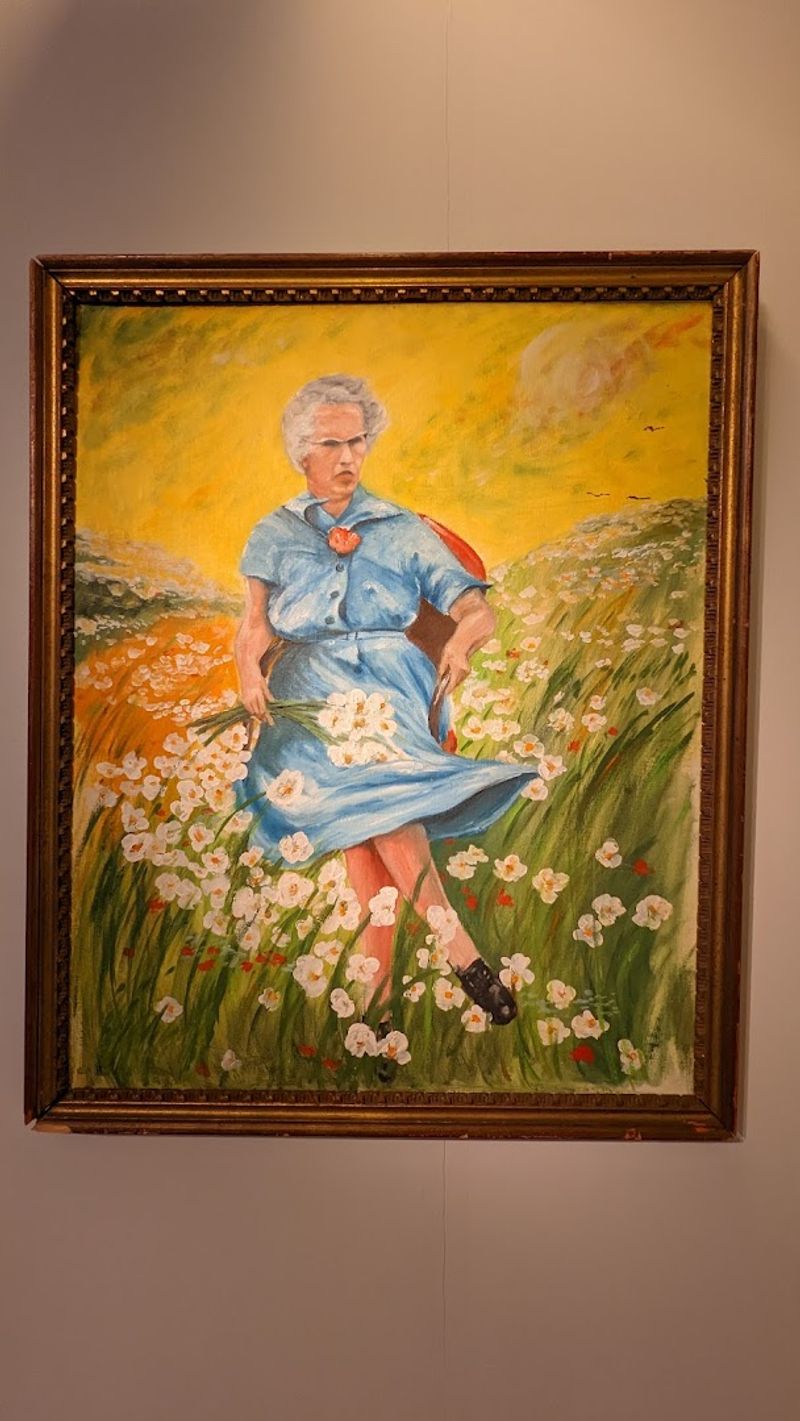
Every great institution has an origin story, and this one involves a painting rescued from a trash pile. About thirty years ago, a piece called “Lucy in the Field with Flowers” was pulled from the rubbish on a Boston street, and the person who found it could not look away.
That painting became the founding work of the Museum of Bad Art, and it still holds a kind of legendary status within the collection. There is something genuinely startling about it, in a way that demands attention even if the craftsmanship raises many questions.
The story of Lucy set the tone for everything the museum would become: a place that takes seriously the idea that failed art deserves an audience too. That founding moment was not a joke but a genuine curatorial decision that sparked three decades of joyfully terrible collecting, and the world has been better for it ever since.
What “Bad” Actually Means Here
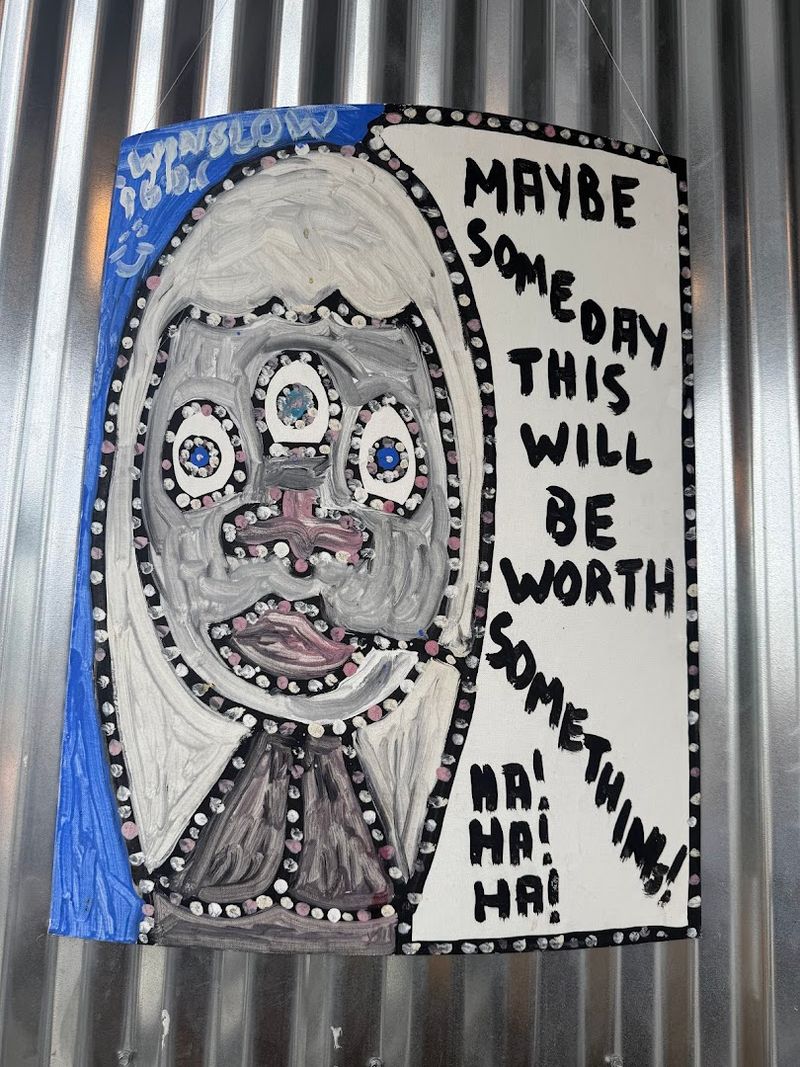
Not just any terrible painting makes the cut at this museum. The curatorial standard, if it can be called that, requires art that shows genuine effort and ambition, even when the result goes spectacularly wrong.
A simple doodle does not qualify.
The pieces in the collection range from anatomically questionable portraits to landscapes where the perspective seems to have given up entirely. Some works are baffling in subject matter, others in execution, and a rare few manage to be both at the same time.
The museum defines bad art as work that falls outside conventional aesthetics but still carries a clear creative intention behind it. That distinction matters because it separates the collection from pure mockery.
There is a real curatorial eye at work here, selecting pieces that occupy a strange middle ground between failure and fascination, which is exactly what keeps the whole enterprise feeling more like celebration than cruelty.
The Caption Game Changes Everything
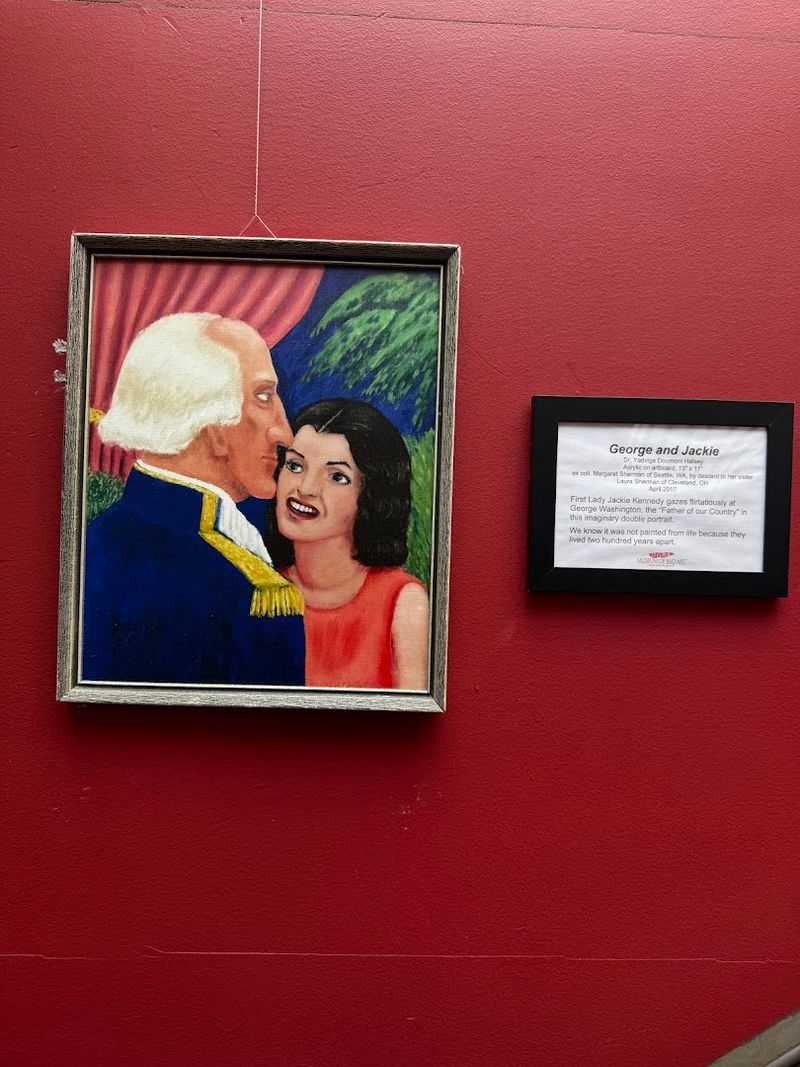
A lot of museums live or die by their wall labels, but few have turned those small descriptive cards into an art form of their own. At the Museum of Bad Art, the captions next to each piece are written with a dry wit that elevates the entire experience to something genuinely special.
The labels treat each work with the same level of scholarly seriousness you might find at a major fine arts institution, which makes the contrast with the actual paintings absolutely hilarious. Reading them carefully is where a large part of the entertainment comes from, and rushing through would mean missing the best jokes.
Many people who have spent time here agree that the captions alone are worth the trip. They add context, backstory, and a layer of absurdist commentary that transforms even the most baffling canvas into something worth standing in front of for a full five minutes.
How the Collection Keeps Growing
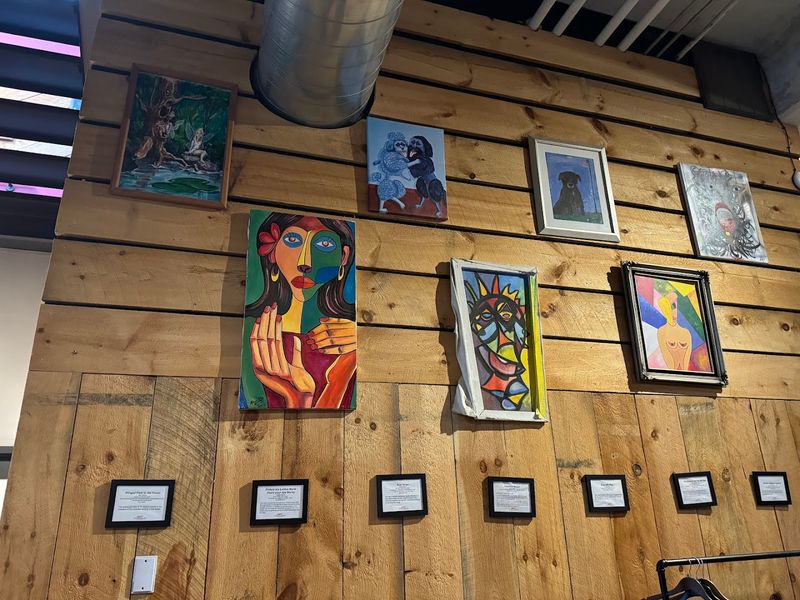
The Museum of Bad Art does not go shopping at prestigious galleries or auction houses to build its collection. Most of the works have been donated by individuals or rescued directly from thrift stores, which gives the whole place a wonderfully democratic feel.
Anyone can potentially contribute a piece, provided it meets the museum’s unusual standards for ambitious failure. That open-door policy has resulted in a collection that spans a wide range of subjects, styles, and levels of technical disaster, keeping things unpredictable from one visit to the next.
The collection also rotates, so returning visitors are likely to encounter new pieces that were not on display during a previous trip. That rotating nature makes the museum feel alive rather than static, and it rewards repeat visits in a way that more traditional institutions sometimes struggle to achieve.
The art keeps arriving, and the curatorial team keeps making the tough call on what qualifies as magnificently bad enough.
The Brewery Setting Adds a Whole New Layer
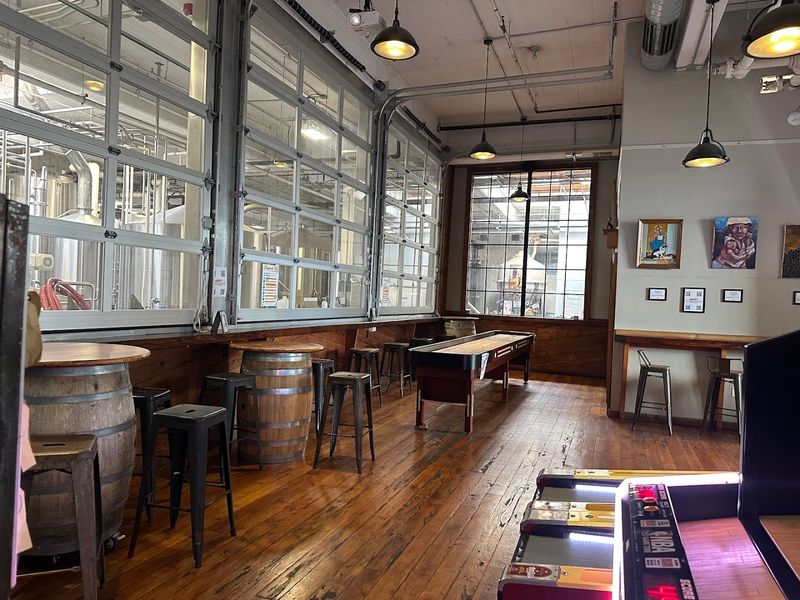
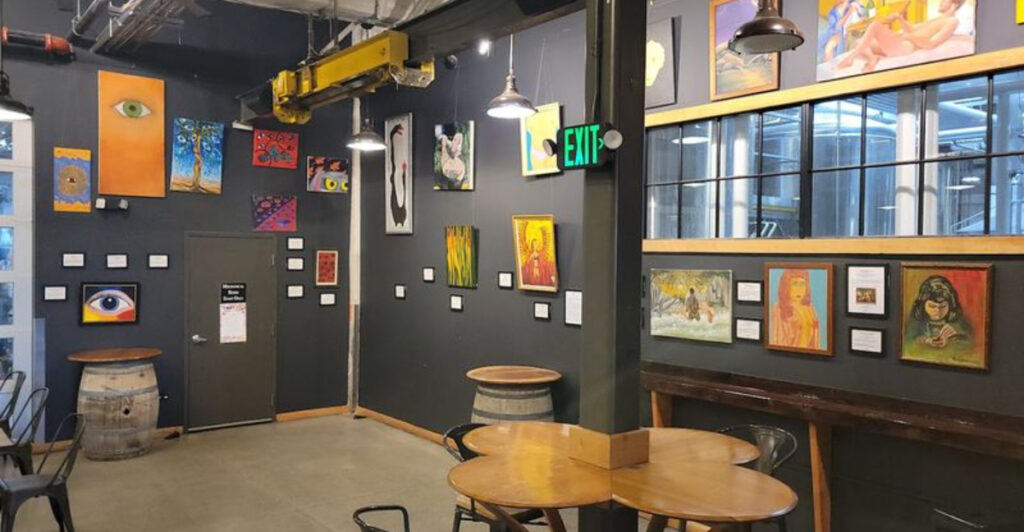
Pairing a collection of spectacularly bad art with a craft brewery was either a stroke of genius or a happy accident, and the result works remarkably well either way. The casual atmosphere of the brewery removes any pressure to behave like a reverent museum guest.
House-brewed beers on tap, a barbecue kitchen, board games, skee-ball machines, and a mini shuffleboard all share the floor with the art collection. The rooftop deck adds another dimension entirely, offering views of the Boston skyline above the industrial neighborhood below.
The combination means that a visit here rarely feels rushed or formal. People settle in, order something, and drift between the art and the games at whatever pace suits them.
It is the kind of place where an afternoon can stretch pleasantly without anyone noticing how much time has passed, which is not something most traditional museums can claim with a straight face.
How It Went From Local Secret to World Famous
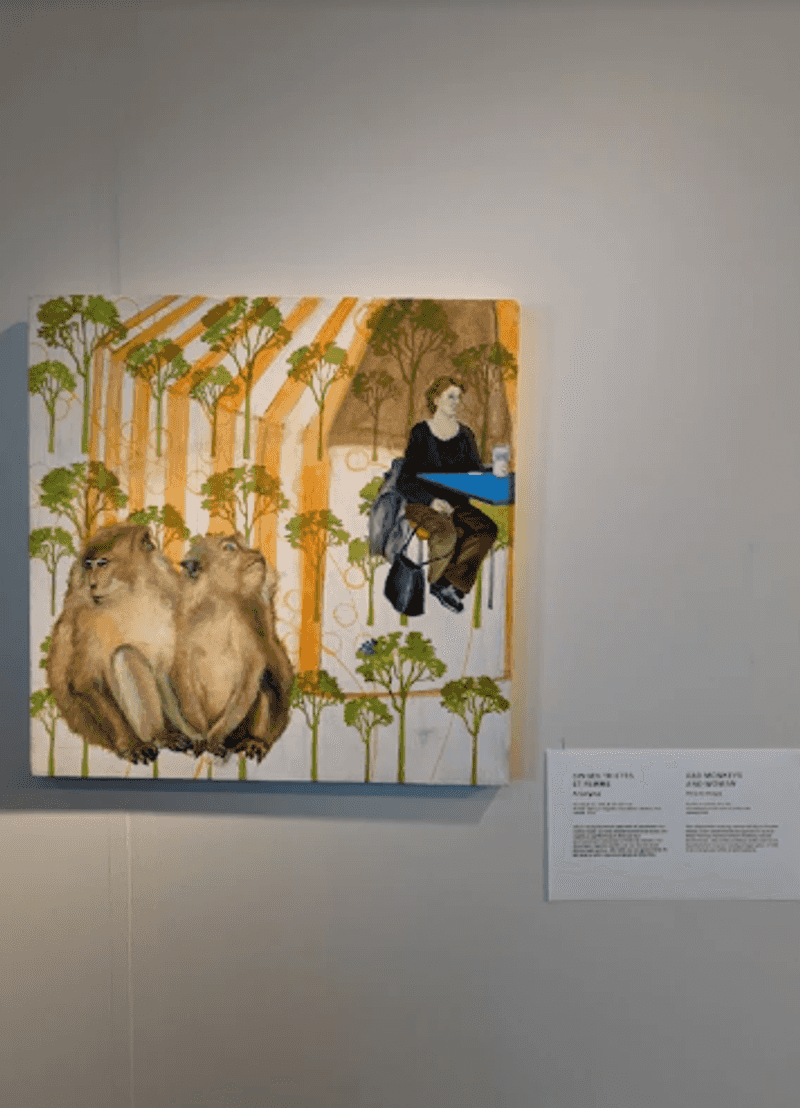
What started as a quirky side project built around one rescued painting eventually caught the attention of media outlets far beyond Boston. The concept was simply too strange and too specific to ignore, and journalists around the world found the story irresistible.
Coverage spread internationally, turning a small collection in Massachusetts into a recognized name in discussions about outsider art, humor in cultural spaces, and the nature of artistic judgment itself. The museum’s website at museumofbadart.org became a destination in its own right, extending the reach of the collection to people who could not visit in person.
The fame did not change the spirit of the place, which is a significant achievement in itself. It remains a genuinely grassroots operation run by people who take the mission seriously without taking themselves too seriously.
That combination of sincerity and self-awareness is probably the real reason the story kept spreading across continents and decades.
A History of Unusual Homes
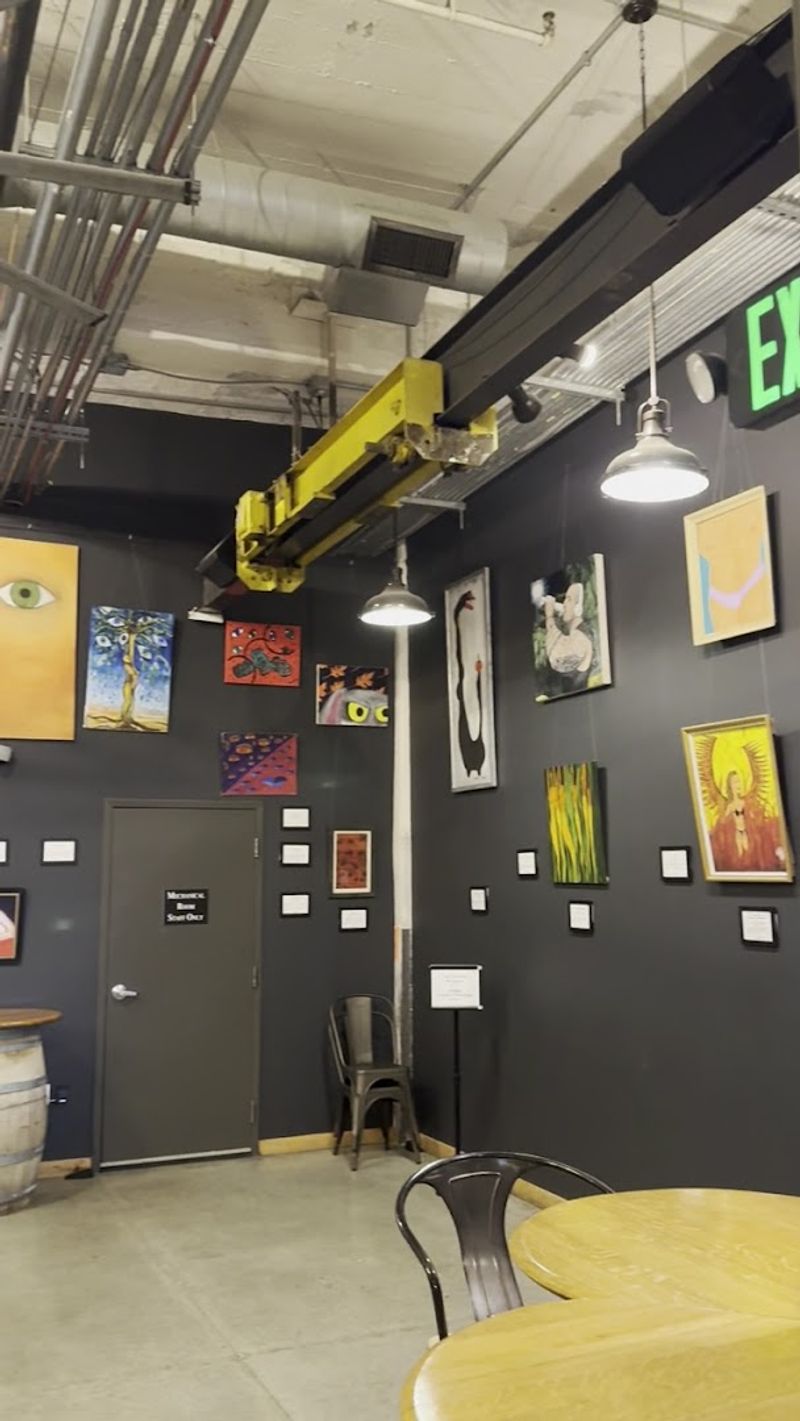
The Museum of Bad Art has not always lived inside a brewery. Earlier in its history, the collection was housed in a basement space that gave the whole experience a slightly underground, almost secretive quality that some early visitors found particularly charming.
The museum previously had a location in Somerville before eventually finding its current home in the brewery setting in Boston. Each move brought a different atmosphere to the collection, and the current location is notably more accessible and social than some of its previous incarnations.
The shift from a basement to a bustling brewery floor changed the way people interact with the art. It became less of a quiet pilgrimage and more of a shared social experience, which suits the work perfectly.
Bad art, it turns out, is far more fun to process in a group, and the current setting encourages exactly that kind of collective, laughing-together engagement that the founders probably hoped for all along.
The Merch That Lets You Take the Bad Home
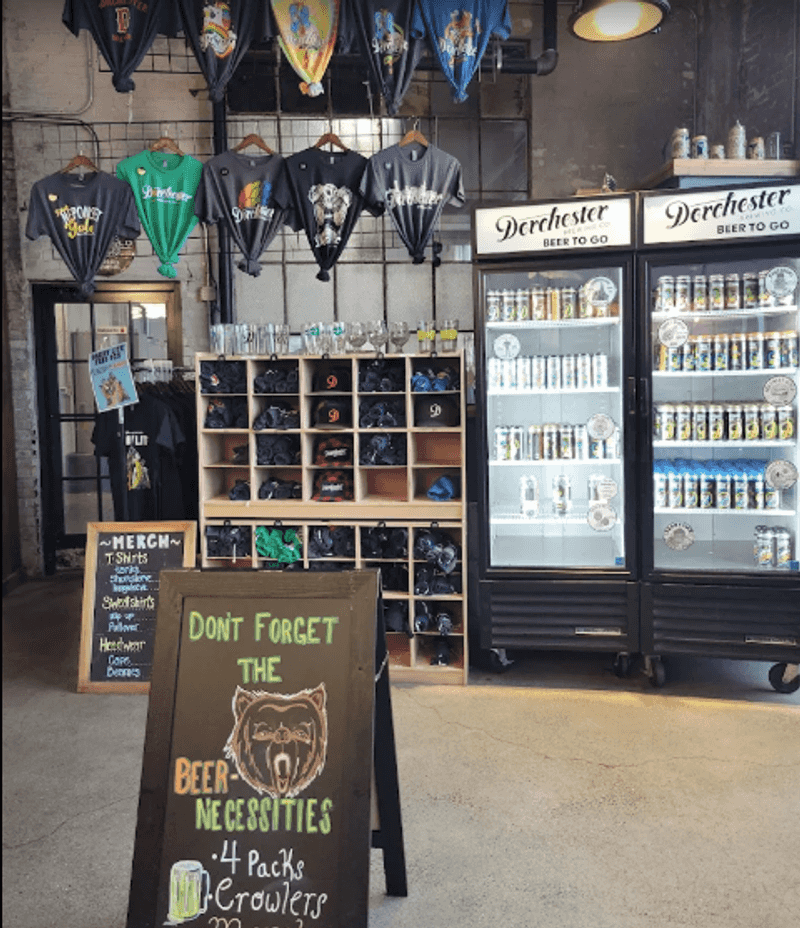
For those who want a piece of the experience to carry home, the museum offers a selection of branded merchandise that leans fully into the joke. The merch range includes items featuring imagery pulled from the collection, turning genuinely terrible paintings into wearable or displayable souvenirs.
Canned or bottled versions of the brewery’s house beers are also available to take away, which adds a practical bonus for those who want to extend the afternoon into the evening at home. The combination of art merch and craft beverages makes the gift options here more interesting than the average museum shop.
Taking a piece of bad art home in some form also works as a conversation starter, which fits perfectly with the museum’s overall identity. The whole place is designed to get people talking, and a t-shirt featuring a baffling portrait of a questionable swan tends to do exactly that at any social gathering worth attending.
What First-Timers Should Know Before Going
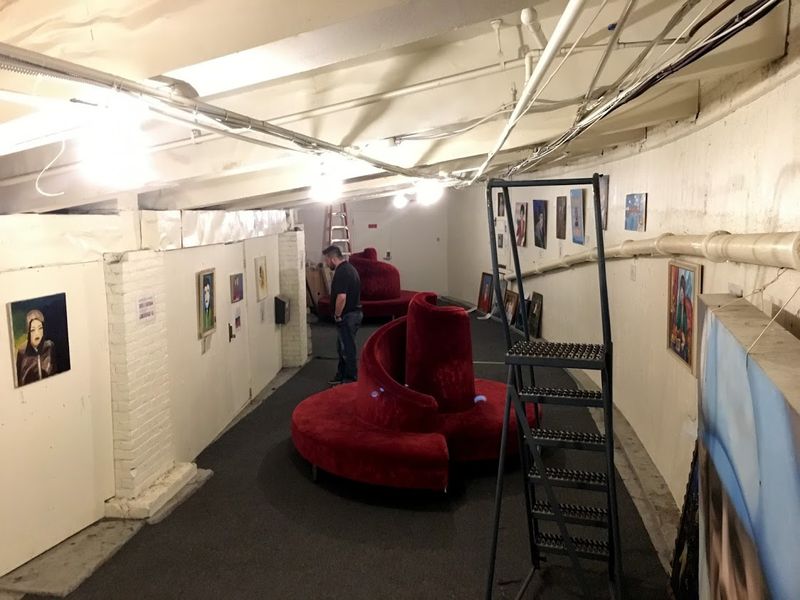
A few practical details can make the difference between a good visit and a great one. The museum is embedded within the brewery, so the surrounding atmosphere is more lively pub than quiet gallery, and that is worth knowing in advance if you are expecting a traditional museum experience.
Bringing a valid ID is useful if you plan to order anything from the bar, and arriving with enough time to read all the captions carefully is strongly recommended. Rushing through defeats the purpose, since the labels are where a significant portion of the entertainment lives.
Driving is the most comfortable option for reaching the location, particularly for evening visits, as the surrounding industrial neighborhood is not the most walkable area after dark. The large on-site parking lot removes the usual Boston parking frustration entirely.
Going with at least one other person also helps, since the art generates the best reactions when there is someone nearby to share the confusion with.
The Art That Makes You Stop and Stare
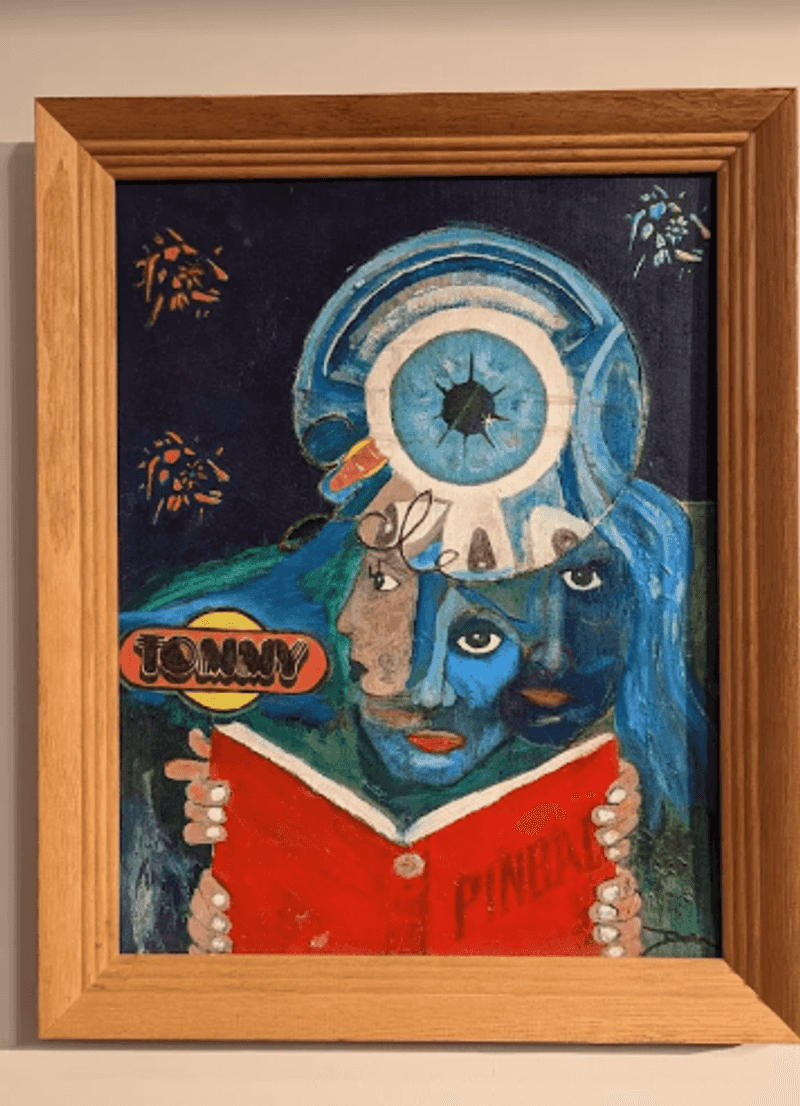
Some pieces in the collection are quietly strange, the kind of thing that takes a moment to fully register before the wrongness becomes clear. Others announce their problems immediately, with color choices that seem to have been made in defiance of how color actually works.
Portraits are a particular strength of the collection, featuring subjects whose eyes do not quite agree on a direction to look, or whose proportions suggest the artist had a complicated relationship with the human form. Landscapes appear where the horizon line has made unconventional decisions about where to be.
What keeps the collection from feeling mean-spirited is the genuine effort visible in nearly every piece. These are not lazy works.
They are ambitious paintings that simply did not arrive at the destination their creators intended, and that gap between intention and result is where all the humor and unexpected warmth of this museum actually lives.
Why Artists Actually Love This Place
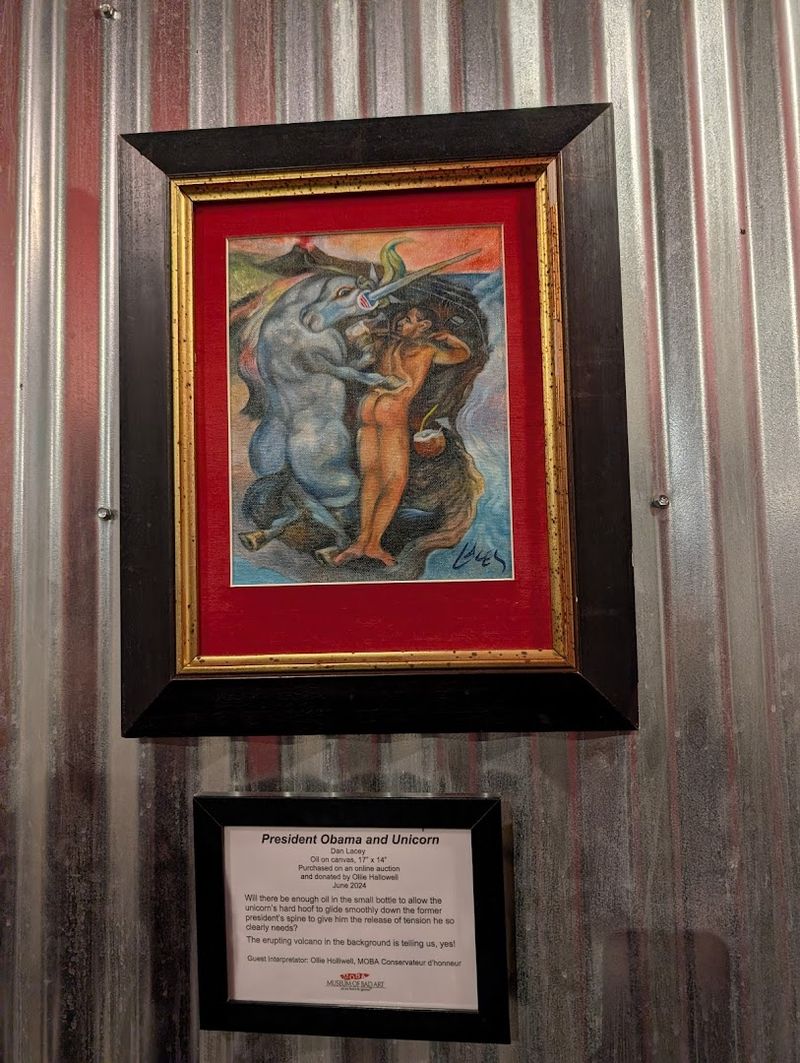
At first glance, a museum dedicated to bad art might seem like the last place a serious artist would want to spend time. In practice, many working artists find the collection genuinely thought-provoking in ways that more conventional galleries do not always deliver.
Studying work that went wrong in specific and identifiable ways can be instructive in its own right. Seeing where perspective collapsed, where color choices backfired, or where ambition outpaced skill offers a different kind of lesson than studying masterworks alone.
Beyond the technical observations, there is something freeing about a space that celebrates effort over outcome. The museum makes a quiet argument that the act of creating matters even when the result is objectively chaotic, and a lot of artists find that message genuinely encouraging rather than dismissive.
The collection has inspired more than one person who walked in laughing to walk out thinking seriously about their own work and what risk-taking in art actually looks like.
The Rooftop That Rewards the Visit
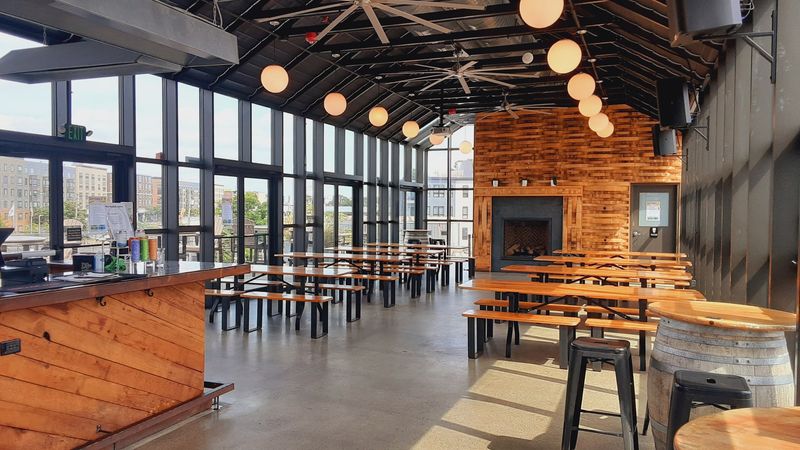
After making it through the full collection, the rooftop deck offers a different kind of reward. The views from up there take in a slice of the Boston skyline, framed against the industrial character of the surrounding neighborhood, which creates an unexpectedly appealing contrast.
On a clear day, the rooftop is a genuinely pleasant place to sit and process everything that just happened inside. The shift from staring at baffling canvases to looking out over the city gives the visit a natural and satisfying conclusion that most art experiences do not bother to provide.
The deck also works as a casual gathering spot for groups who want to extend the afternoon without heading back inside immediately. Seating is available, and the brewery’s offerings are accessible from up there as well.
It is the kind of bonus feature that turns a single-purpose trip into something that feels more like a full afternoon well spent in one of Boston’s more surprising corners.
Why This Museum Deserves a Spot on Any Boston Itinerary
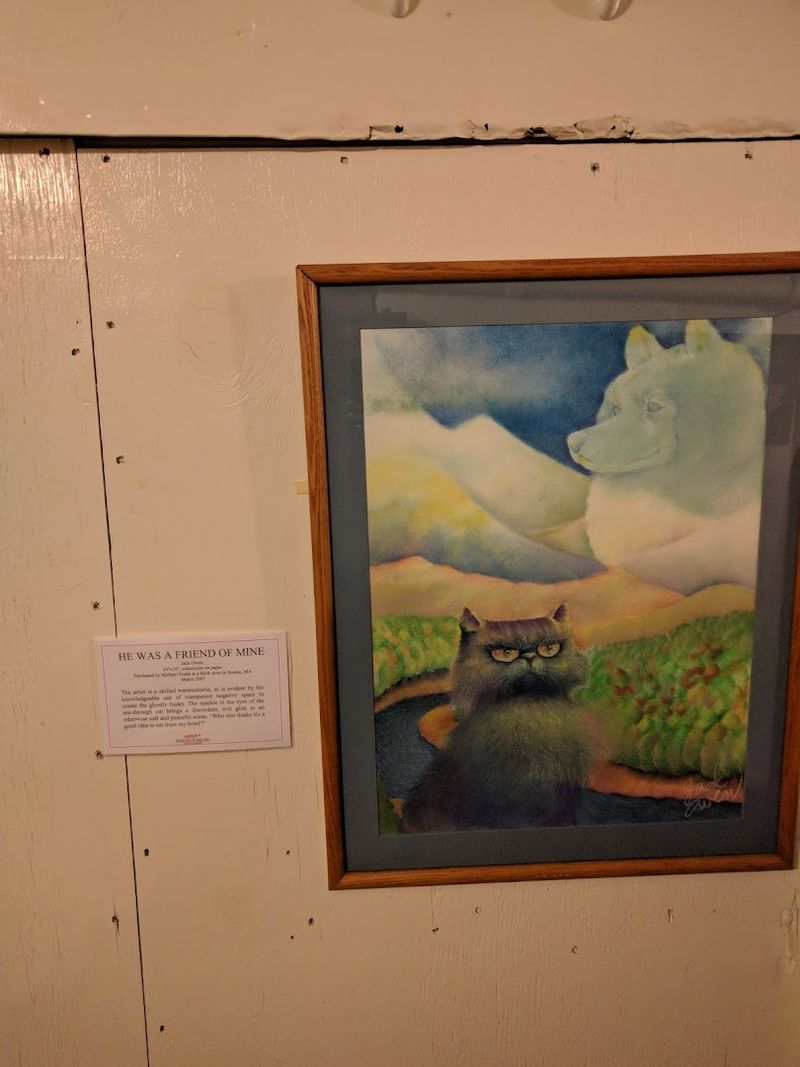
Boston has no shortage of serious cultural institutions, from world-class fine art museums to historic landmarks that carry the weight of centuries. The Museum of Bad Art sits comfortably outside all of that, offering something that none of the others can provide: permission to laugh at art without guilt.
The visit does not take all day, which makes it easy to fit into a broader Boston itinerary without sacrificing other stops. A couple of hours is usually enough to read the captions, study the collection, and spend some time on the rooftop before heading back out into the city.
What stays with people after leaving is harder to quantify. There is something genuinely refreshing about a cultural space that does not take itself seriously while still caring deeply about what it does.
The Museum of Bad Art has built something rare in Boston, a place where the bar for greatness is set at glorious failure, and somehow, it clears that bar every single time.
Where Exactly This Glorious Disaster Lives
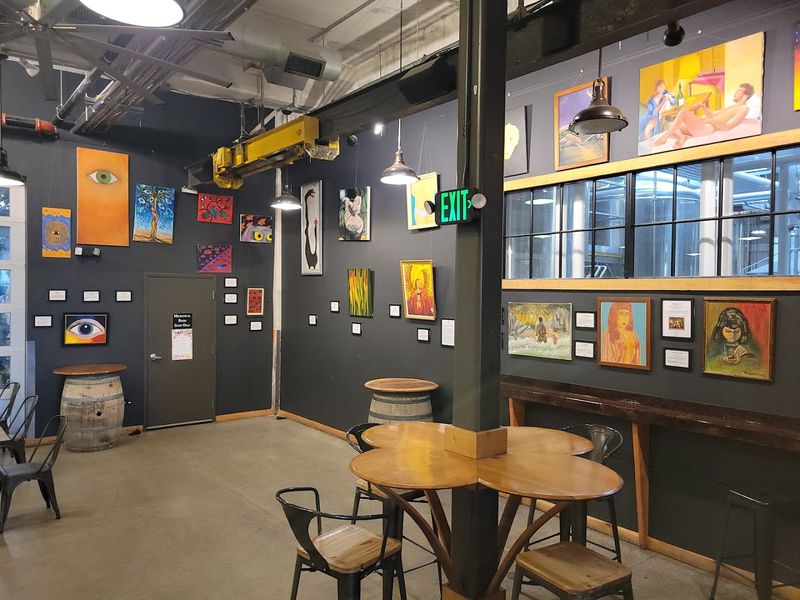
Tucked inside a working brewery in Boston, Massachusetts, the Museum of Bad Art occupies a space that is equal parts quirky and completely unexpected. The official address is 1250 Massachusetts Ave Suite 1, Boston, MA 02125, and finding it feels like discovering a secret hiding in plain sight.
The museum shares its home with a brewery and barbecue restaurant, which means the surrounding environment is lively and casual rather than hushed and formal. Board games, skee-ball machines, and a rooftop deck facing the Boston skyline all compete for attention alongside the art itself.
The location sits in an industrial part of the city, and there is a large parking lot on-site, which makes driving the most practical option. Hours run from 11:30 AM through late evening most days of the week, giving plenty of time to absorb the full collection at a relaxed pace.
Share this story