 Unearth The Voyage
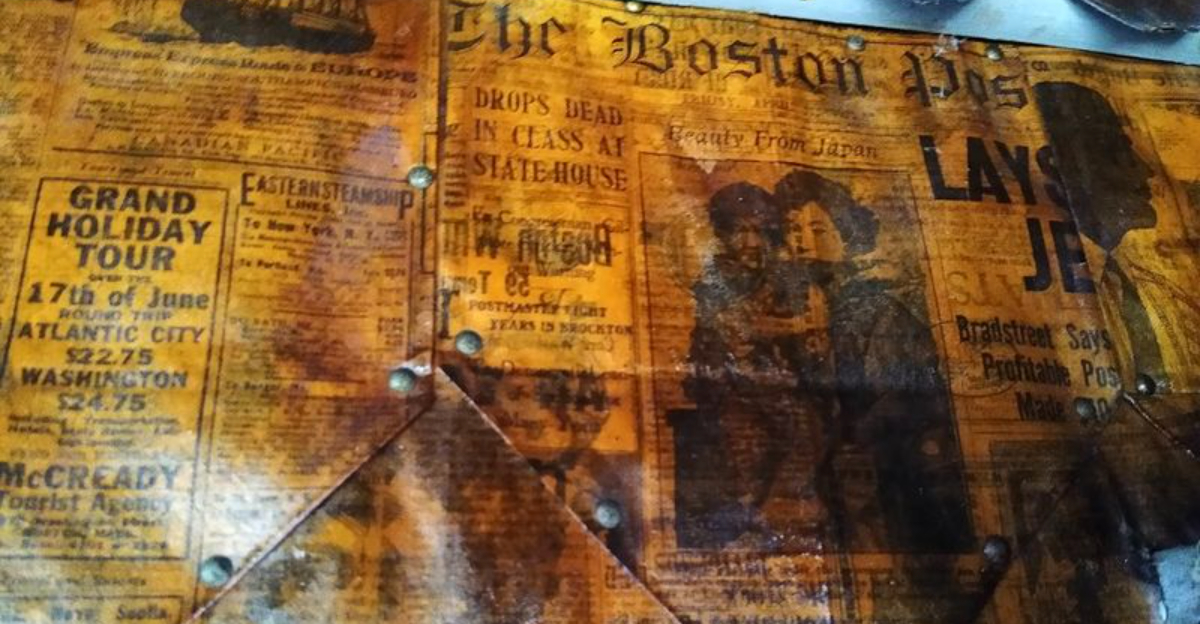
Most houses are built from wood, brick, or concrete. This one is built from old newspapers.
Tucked into a quiet neighborhood on the rocky coast of Massachusetts, a small cottage stands as proof that one person’s recycling pile can become another person’s architectural masterpiece. Back in 1922, a mechanical engineer named Elis Stenman decided to test just how useful rolled and varnished newspaper could really be, and what he created still draws curious visitors from across the country nearly a century later.
The walls, the furniture, the curtains, and even a grandfather clock are all made from newspaper. No, that is not a misprint.
This is the real story of a house that turned daily headlines into something that has genuinely stood the test of time, and it is one of the most wonderfully strange things you can visit in New England.
The Story Behind the Builder: Elis Stenman’s Newspaper Dream
Not every engineer spends his free time turning old newspapers into a house, but Elis Stenman was not every engineer. Born with a practical, problem-solving mind, Stenman began his unusual project in 1922 as a summer cottage experiment in Rockport, Massachusetts.
He wanted to see whether newspaper, properly rolled and varnished, could serve as a genuine building material.
Stenman started with a traditional wooden frame, as any sensible builder would. Then he began layering tightly rolled newspaper tubes into the walls, bonding them together with a homemade paste made from flour and water.
Once the walls were finished and varnished, he tested how well they held up against New England weather.
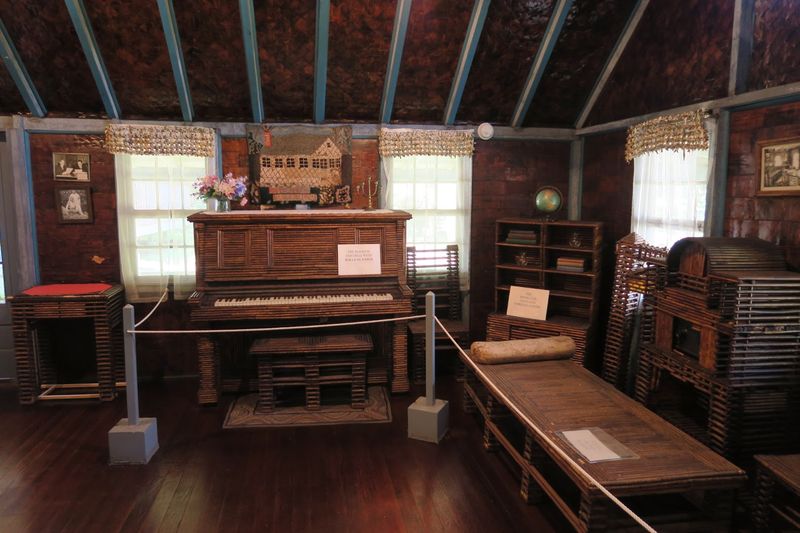
The results impressed even him. Stenman then spent the next two decades furnishing the house almost entirely with newspaper as well, crafting chairs, a writing desk, a piano, and more.
His neighbors reportedly helped with parts of the construction. He never intended for the house to become a tourist attraction, but curiosity has a way of finding truly original things, and visitors have been stopping by ever since.
Where to Find It: Address, Location, and Getting There
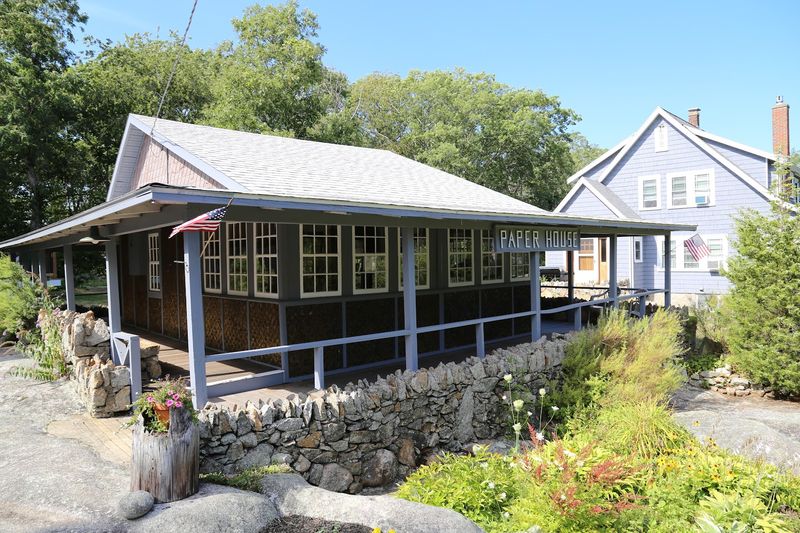
The Paper House sits at 52 Pigeon Hill Street in Rockport, Massachusetts 01966, tucked into a calm residential neighborhood not far from the Atlantic coastline. Rockport is a small, picturesque town on Cape Ann, about an hour north of Boston, making it an easy day trip from the city or a natural stop along the Massachusetts coast.
The house is genuinely easy to miss if you are not paying attention. It does not announce itself with flashy signs or a big parking lot.
Street parking is available along the road, and the neighborhood is quiet enough that finding a spot is rarely a problem during a weekday visit.
The Paper House website at paperhouserockport.com has updated seasonal hours, which is worth checking before you go since the attraction is typically open from April through October or November. The phone number on file is 351-444-8931.
Unlike flashier tourist spots you might find near Oklahoma City or other major destinations, this place relies entirely on word of mouth and genuine curiosity, and that understated quality is part of its charm.
How the Walls Were Built: Newspaper as a Construction Material
The walls of the Paper House are not just decorated with newspaper. They are literally made from it.
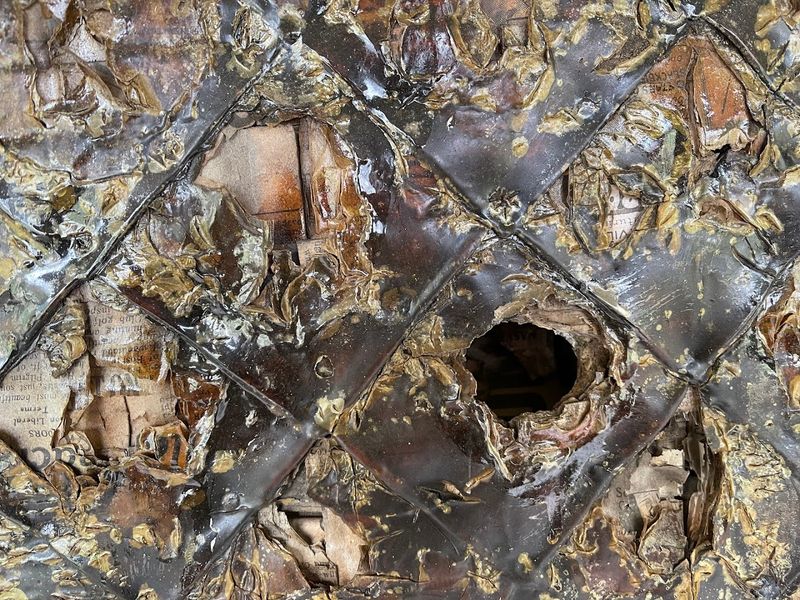
Stenman rolled individual sheets of newspaper into tight tubes, then stacked and bonded those tubes together using a paste he mixed himself from flour and water. Once dry, he coated the finished surfaces with varnish to protect them from moisture.
Each wall is roughly an inch thick, built up from layer after layer of rolled paper. A small hole has been cut into one section of the wall so visitors can peer inside and see exactly how the construction works up close.
The cross-section reveals a surprisingly dense, almost wood-like core that explains why the structure has survived for over a hundred years.
On the outside of the house, you can see areas where the newspaper layers have begun to peel back from decades of weather exposure, giving the building a texture that is part vintage scrapbook and part aged timber. Stenman reportedly used approximately 100,000 individual newspaper copies in the full construction of the house and its furnishings, a number that is hard to fully process until you are standing right in front of it.
The Furniture Inside: Chairs, Desks, and a Grandfather Clock Made of Headlines
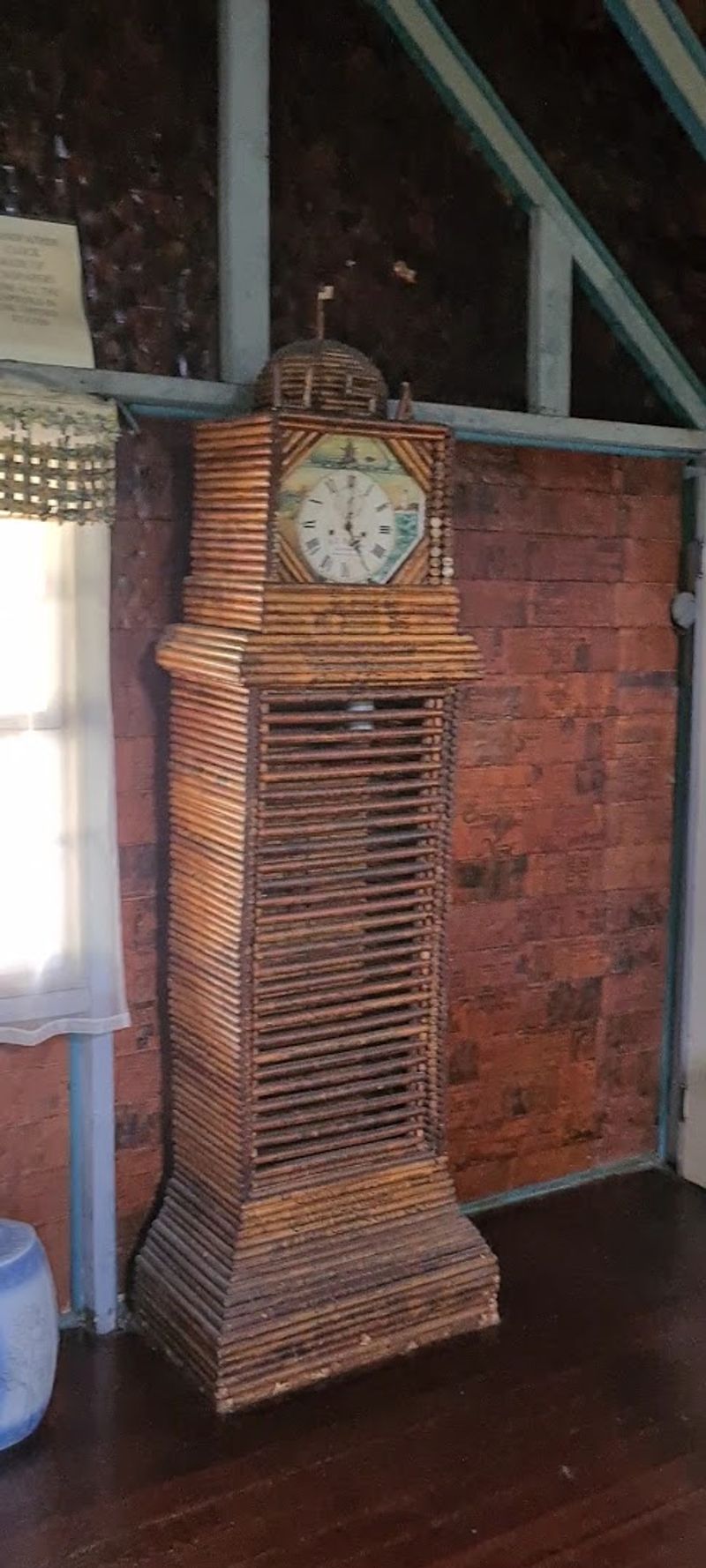
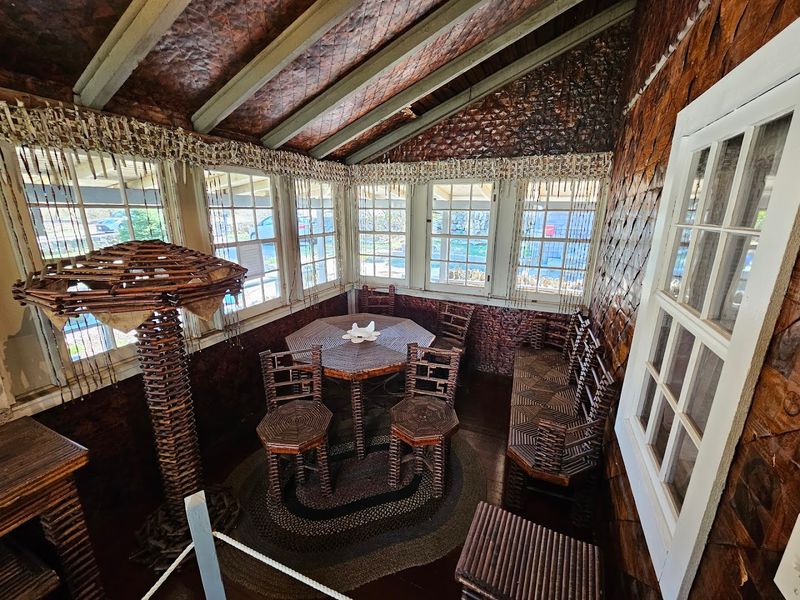
Once Stenman finished the walls, he did not stop there. The inside of the Paper House is furnished almost entirely with pieces he crafted from rolled newspaper as well, and the level of detail in each item is genuinely hard to believe until you see it in person.
There are several chairs built from newspaper tubes, each one varnished and shaped with the same patience and precision he brought to the walls. A writing desk sits in the room, and a close look reveals that the papers used to build it carry headlines about Charles Lindbergh’s transatlantic flight, making the desk a kind of historical document in furniture form.
A cot in the house was reportedly constructed from newspapers covering World War I.
The grandfather clock is perhaps the most jaw-dropping piece in the room, a fully formed clock case built entirely from newspaper. Curtains woven from newspaper strips hang in the windows.
Every object in the space asks you to look twice and then look again. The craftsmanship involved, especially given the fragile material, puts most modern DIY projects to shame and leaves you wondering what Stenman might have built with a few more decades to work with.
The Newspaper Piano: One of the Most Impressive Pieces in the House
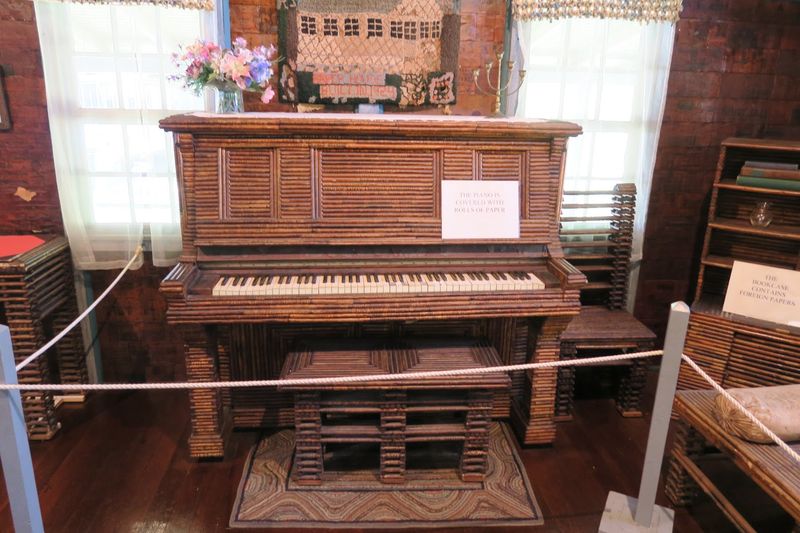
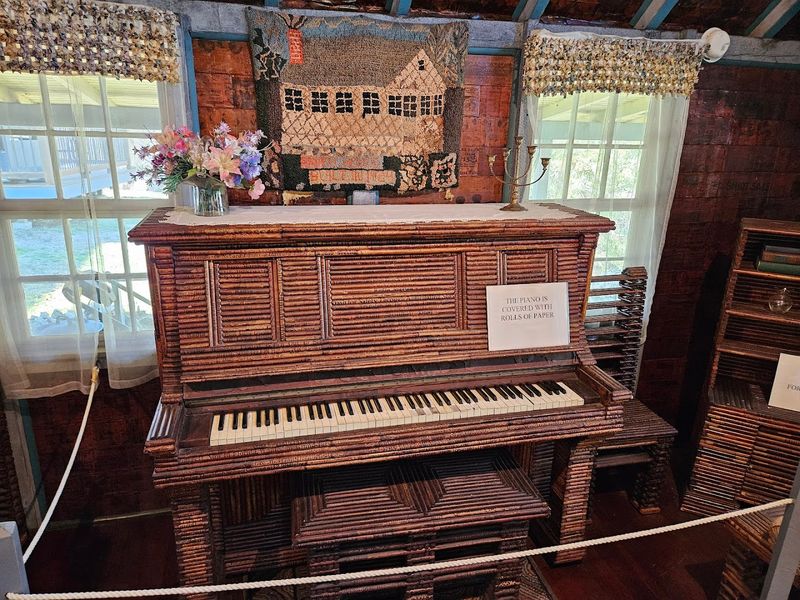
Among all the remarkable objects inside the Paper House, the newspaper piano tends to stop visitors cold. Built from rolled and varnished newspaper just like everything else, it is a full-sized upright piano case shaped with enough precision that it reads unmistakably as a piano, even though not a single piece of wood went into its construction.
Stenman reportedly arranged the newspaper headlines on the piano so that the text faces outward toward the viewer, a thoughtful detail that shows he was thinking about the visual experience of the finished piece, not just its structural integrity. That kind of intentionality is what separates a curiosity from a genuine work of craft.
Visitors who have seen pianos in concert halls and music rooms around the country often say the newspaper version is the one they remember longest. There is something almost playful about it, the idea that an instrument built to fill a room with sound was itself built from pages once filled with words.
The piano does not play, of course, but it communicates something all the same, a quiet statement about what patience and creativity can produce from the most ordinary materials imaginable.
The Honor System Entry: A $2 Donation and a Self-Guided Visit
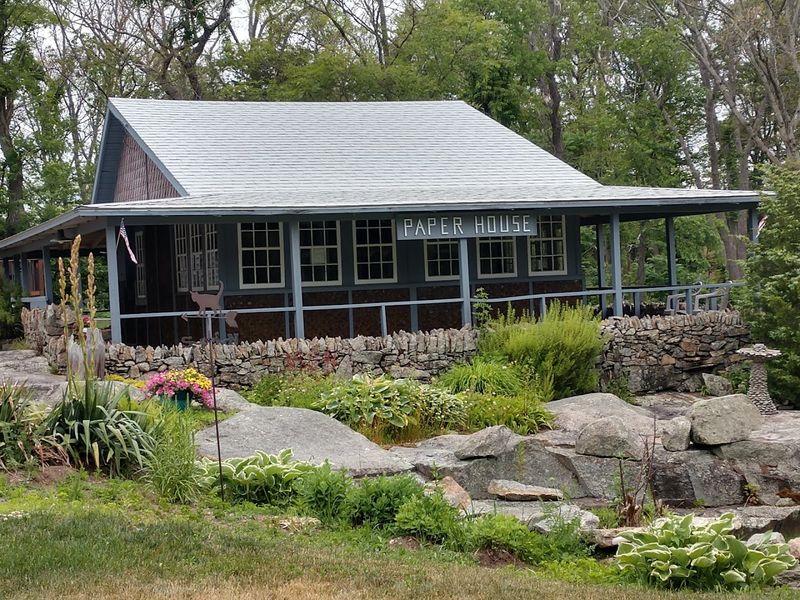
There is no ticket booth at the Paper House. There is no staff member waiting at the door with a clipboard and a name tag.
The entire entry system runs on the honor code, which feels perfectly fitting for a place built on one man’s quiet determination to do something worthwhile with his free time.
A donation box sits on the adjacent property, and visitors are asked to leave two dollars per person before heading inside. The house itself is open for self-guided exploration, meaning you can take your time, circle back to pieces that catch your eye, and linger over the writing desk headlines without anyone rushing you toward the exit.
That unhurried, unsupervised quality gives the visit a different feel from most tourist attractions. You are not shuffled through in a group or handed an audio tour.
You simply walk in, look around, and experience the place on your own terms. It is refreshingly low-pressure.
Compared to the ticketed, timed-entry experiences at larger museums, the Paper House operates more like a neighborly invitation, and the $2 suggested donation makes it accessible to just about anyone passing through the area.
Seasonal Hours and the Best Time to Visit
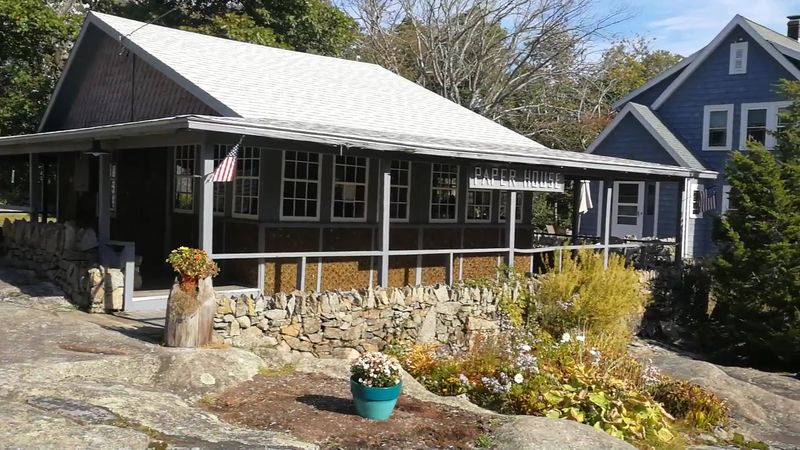
The Paper House is open seven days a week from 10 AM to 5 PM during its regular season, which typically runs from April through late October or early November. Checking the official website before visiting is a smart move, since the season end date can shift slightly from year to year and Google does not always update in real time.
The warmer months bring the most visitors, particularly summer weekends when Rockport fills up with tourists exploring Cape Ann. A weekday morning visit in late spring or early September tends to offer a quieter, more relaxed experience.
The neighborhood is residential and the house is small, so a crowd of even a dozen people can feel like a lot inside the single-room structure.
Fall is arguably the most atmospheric time to visit. The coastal New England air turns crisp, the leaves shift color, and the aged newspaper walls take on a warmer tone in the lower autumn light.
The place feels like it belongs to a different era on those kinds of days, which makes the visit feel less like a quick stop and more like a small, worthwhile detour from whatever else you had planned for the afternoon.
The Headlines That Built the House: History Pressed Into Every Wall
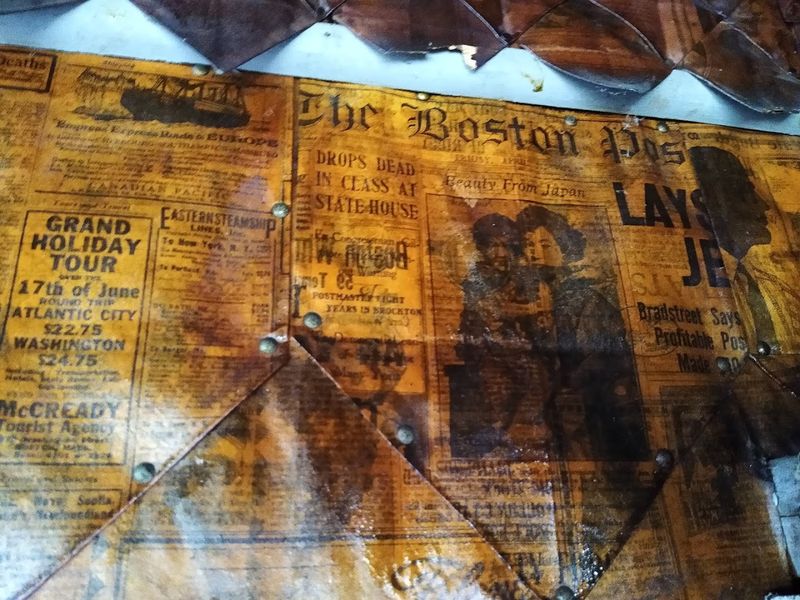
One of the quietest pleasures of visiting the Paper House is realizing that the walls themselves are full of readable history. The newspapers Stenman used date primarily from the early twentieth century, and in spots where the varnish has aged or the layers have worn thin, you can make out fragments of headlines, advertisements, and columns from a world that no longer exists.
The writing desk built from Lindbergh flight coverage is the most famous example, but similar stories are embedded throughout the house. The cot made from World War I newspapers carries its own weight in that sense, literally built from pages that documented one of the most significant conflicts in modern history.
There is something quietly moving about furniture that doubles as a historical archive.
Stenman was deliberate about which papers he used for which pieces, choosing headlines that felt meaningful or thematically connected to the object being built. That curatorial instinct gives the house an additional layer of interest beyond its engineering novelty.
You are not just looking at a construction experiment. You are looking at one man’s personal newspaper archive, shaped and varnished into a home that has outlasted the presses that printed every page inside it.
What Makes This Place Genuinely Different From Other Roadside Attractions
The United States has no shortage of unusual roadside attractions. From giant roadside sculptures in the Midwest to quirky museums in states like Oklahoma, there is always something odd and wonderful to find if you are willing to look for it.
The Paper House earns its place among the best of them, but for different reasons than most.
What sets it apart is not spectacle. The house is small, the entry fee is minimal, and there are no gift shops or snack stands nearby.
What makes it genuinely different is the density of craft and intention packed into a single room. Every object you see required hundreds of hours of patient, precise work from a person who had no template to follow and no guarantee the material would hold.
Most roadside attractions ask you to be impressed by size or strangeness. The Paper House asks you to be impressed by persistence.
Stenman built this over twenty years, quietly and methodically, while the rest of the world moved on to other things. That kind of long-haul dedication to a personal vision is rarer than any giant sculpture or novelty museum, and it is the quality that tends to stay with visitors long after they have driven away from Pigeon Hill Street.
Planning Your Visit: Practical Tips for a Smooth Trip to the Paper House
A visit to the Paper House rarely takes more than fifteen to thirty minutes, so it works best as part of a broader Rockport day rather than a standalone trip. The town itself has plenty to offer, including the famous Motif Number 1 fishing shack, rocky beaches, and a walkable downtown full of small shops and seafood spots.
Street parking on Pigeon Hill Street is available but limited, and the neighborhood is residential, so being respectful of the surroundings matters. Arriving early in the morning or on a weekday avoids the small parking crunch that can happen on busy summer weekends.
The self-guided format means there is no need to book in advance or worry about missing a scheduled tour time.
Bring two dollars in cash for the donation box, since there is no card reader on the honor system setup. The house is open to the public daily from 10 AM to 5 PM during the season, and the website at paperhouserockport.com is the most reliable source for current operating dates.
Unlike larger attractions in cities like Oklahoma, this one rewards visitors who come with low expectations and leave with a story they will be telling for years.



