 Unearth The Voyage
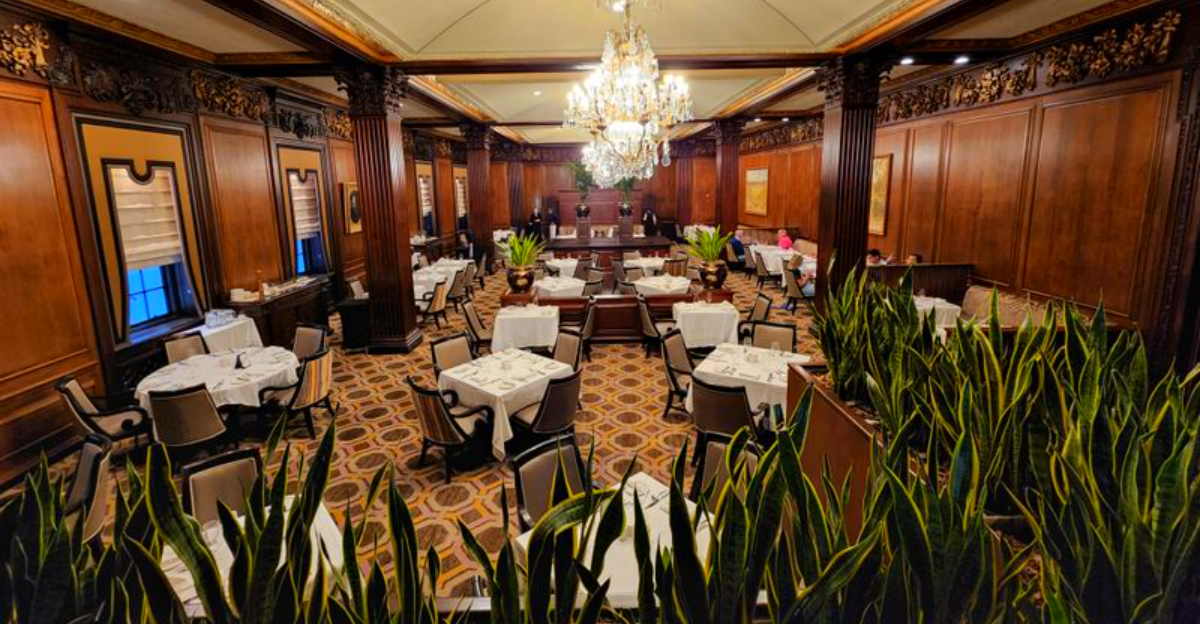
Step into Parker’s Restaurant and the room greets you with polished wood, portraits, and that hush you only hear in places that remember everything. The famous Boston cream pie may be the headline, but the small details are the story – warm rolls that sigh open, servers who know which table hosted a proposal decades ago.
You come curious, you leave feeling strangely connected to the city’s rhythm. Pull up a chair and let the room speak first.
The First Glimpse: A Room That Sets Its Own Pace
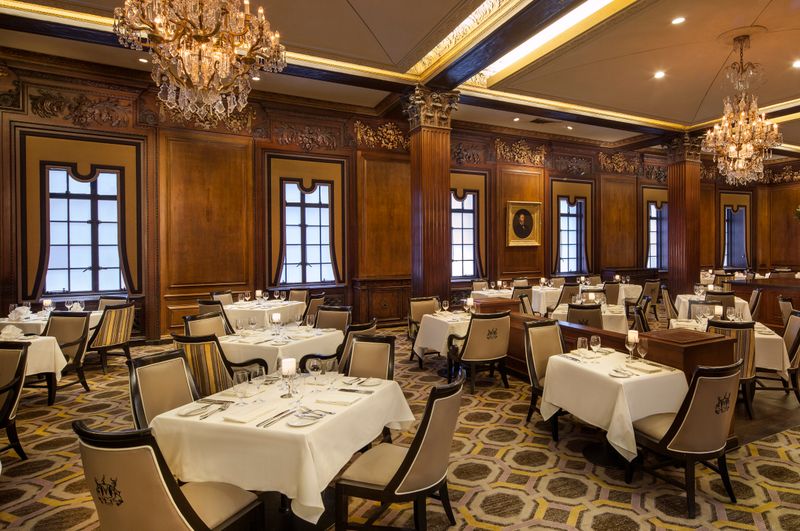
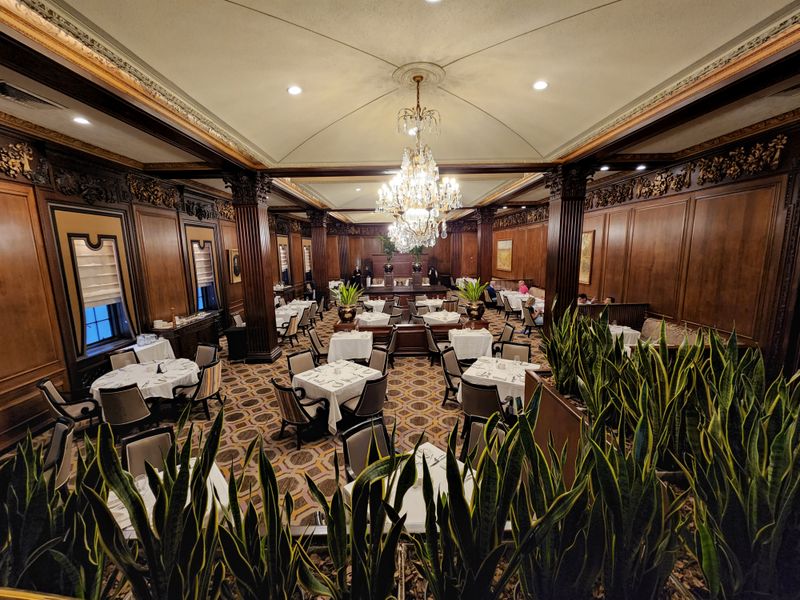
You push open the door and the air shifts, softer, cooler, scented faintly with coffee and warm butter. Light drifts across white tablecloths, catching brass sconces and the gleam of frames that hold Boston’s long memory.
Chairs slide with that hush particular to old hotels, the kind that have nothing to prove.
Servers move in unhurried arcs, attentive without hovering, like they have learned the room’s tempo and will not budge from it. The carpet muffles footsteps, and you notice a couple tracing initials on a napkin edge.
You settle in and feel time loosen its grip, replaced by ritual.
Here, the first decision is not what to eat but how to look. Do you face the portraits, or the door, or the light?
The menu can wait. A city’s history breathes best when you sit still, and Parker’s gives you permission to do exactly that.
Parker House Rolls: Steam, Butter, Memory
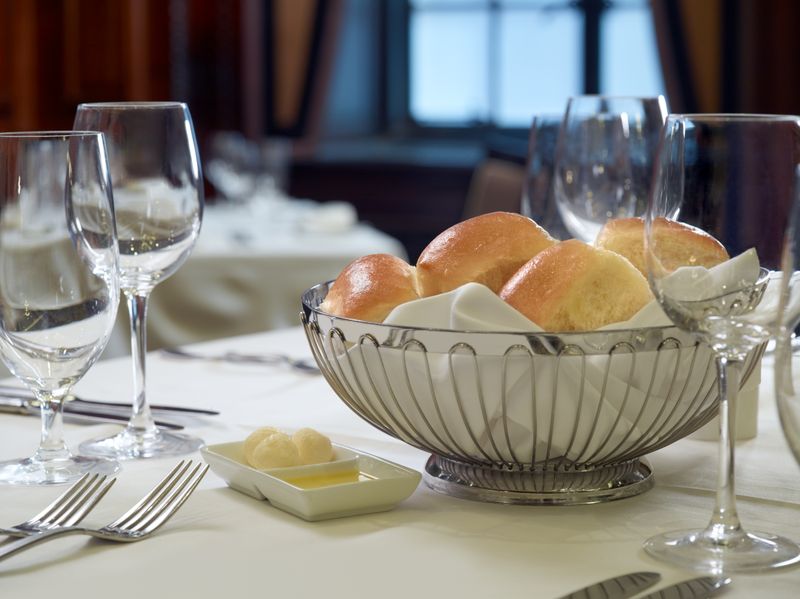
The server sets down a basket and the smell reaches you first—sweet, yeasty, unmistakably warm. Pull one apart and it exhales a little cloud, interior tender like cotton, edges glazed with butter.
The hinge fold catches salt in its crease, an invitation to keep tearing.
These rolls are house gospel, invented here and still treated like they matter. You learn to pace yourself, then abandon pacing.
A second arrives before the first cools, and you stop pretending restraint is possible.
They taste simple, but the simplicity is practiced. The kind that comes from repetition and good habits in a kitchen that respects its own past.
You butter again, add a pinch of salt, and understand why guests remember bread before courses. Some places start with a greeting.
Parker’s starts with an embrace.
The Boston Cream Pie Ritual
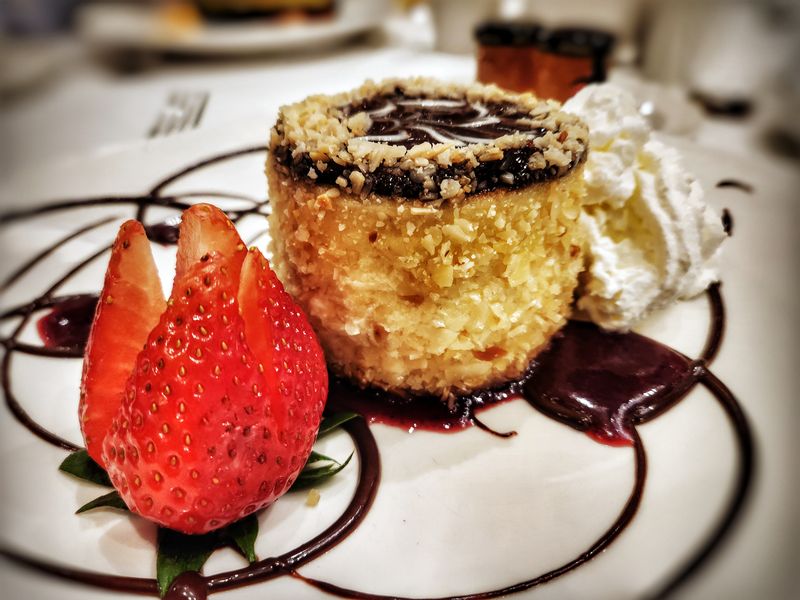
The plate arrives small, almost modest, a tidy cylinder under a gloss of chocolate. Almonds cling to the sides like sequins on a vintage dress.
The first forkful breaks clean—sponge, custard, cap of ganache—and you get why people detour for it.
This dessert is more conversation than sugar rush. The custard leans silky rather than rich, the cake springy, the chocolate focused.
Some say it is too restrained. That restraint is the point—balance over bravado.
History claims it was born here, and the room treats it accordingly. You taste continuity, not trend.
One portion feels like a promise kept. When the last bite vanishes, you consider ordering another and decide to leave the craving intact, something to carry back out into the city’s noise.
Breakfast Hours, City Tempo
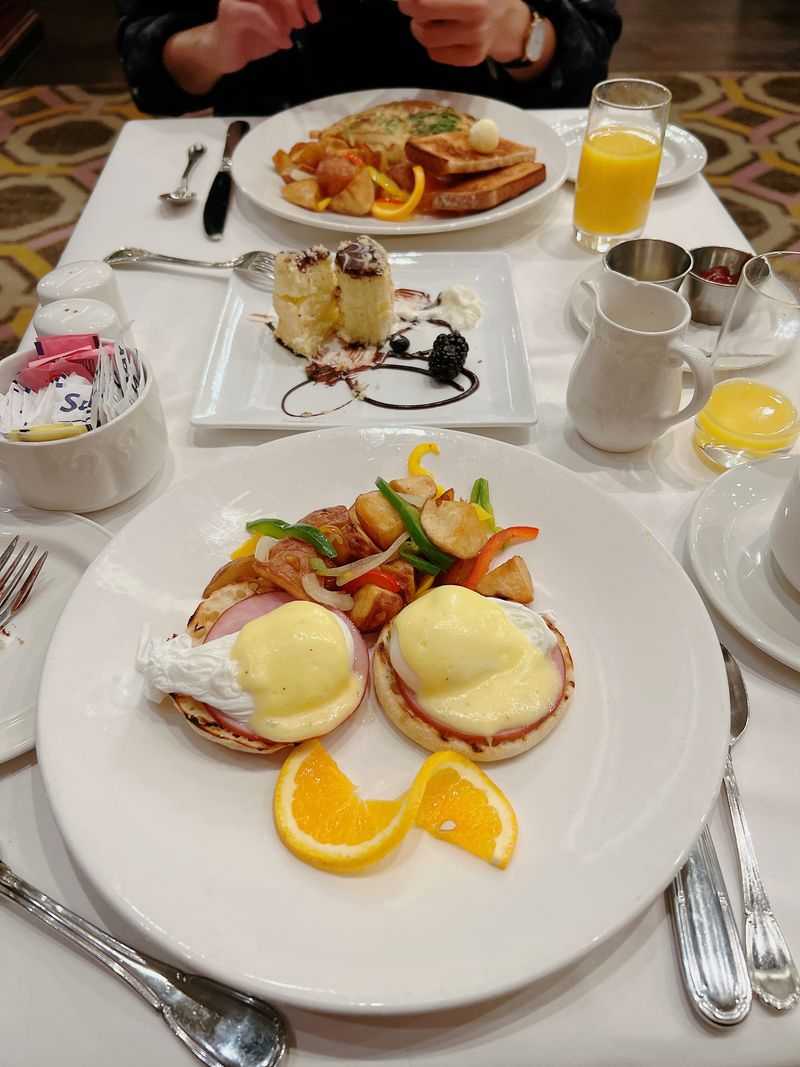
Mornings run seven to two, a generous window that suits jet lag and slow starts. The dining room wakes gradually—business jackets, travelers with daypacks, a family negotiating crayons.
Coffee arrives dark and steady. Fresh orange juice looks like it captured sunrise.
There is practicality beneath the polish. Downtown parking is costly, so you plan a walk or embrace valet.
Weekdays can feel hushed and efficient. Weekends stretch longer, conversations sticking to the air like steam over the tea service.
Breakfast here courts patience. Eggs lean classic, hash hearty, and that Monte Cristo leaves a pleasant weight in the afternoon.
The staff lets you linger without fuss. In a city known for pace, Parker’s keeps a different clock, and the difference feels earned.
Service That Remembers Faces
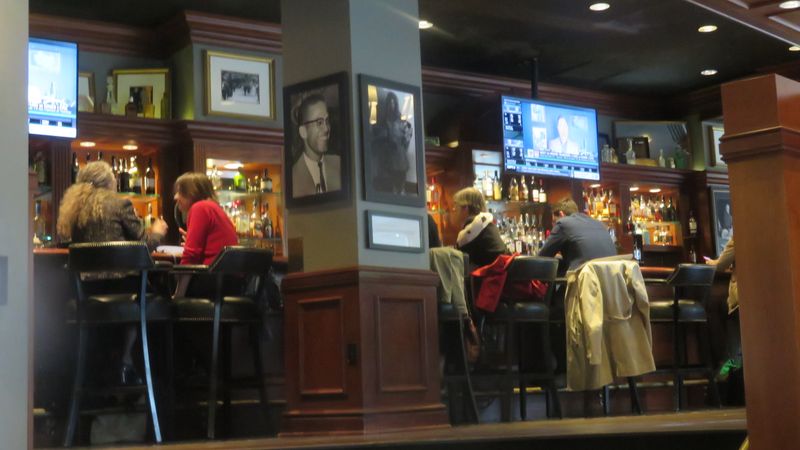
Service here skews old school in the best way—direct eye contact, napkin folded while you glance away, a water glass that never drops below half. There is a pride to it, professionalism that reads as calm rather than stiff.
You sense tenure in the room, names remembered and stories carried.
One manager checks on a child like an aunt would, then sends a treat upstairs later. Another recommends soup without overselling it.
These gestures stitch regulars to a place. They matter more than the flourish of a pour.
When something falters—a lukewarm coffee, a wait longer than expected—the staff tends to it quickly. You feel looked after, not managed.
In an industry defined by turnover, familiarity is luxury. It is also hospitality doing its quiet work.
What To Order When You’re Torn
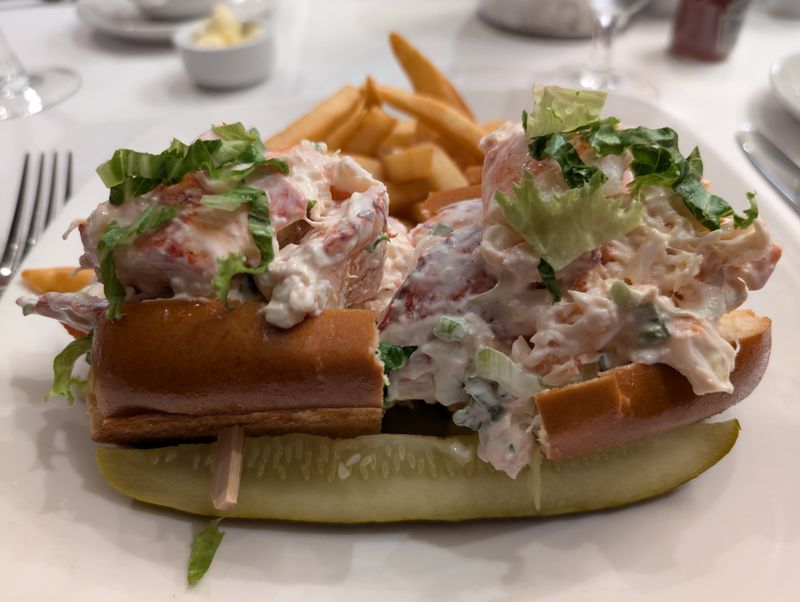
If indecision hits, start with onion soup or chowder, depending on mood – one caramelized and comforting, the other thick and maritime. Add Parker House rolls without apology.
The Monte Cristo arrives crisp at the edges, sweet-savory, the kind of sandwich you plan your afternoon around.
Those drawn to classics will find reliable eggs, a tidy Waldorf, and a lobster roll that whispers rather than shouts. Finish with the Boston cream pie, of course.
Portions lean reasonable, which makes ordering an extra course feel wise, not reckless.
There is pleasure in constructing a meal that matches the room. Think textures and pace: sip, tear, spoon, pause.
The menu does not chase novelty. It trusts repetition, and repetition, handled well, tastes like comfort.
History In The Walls
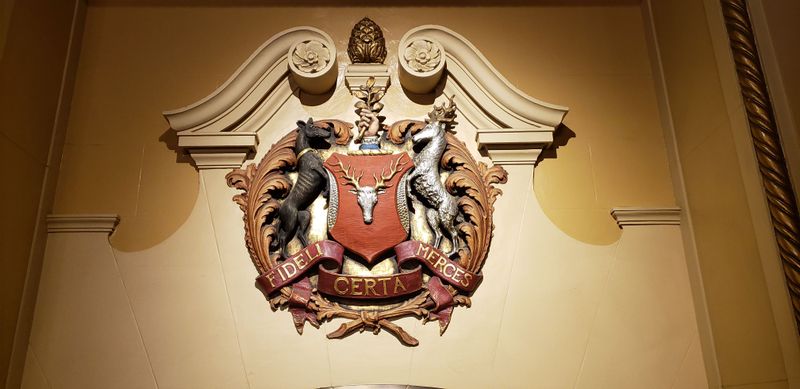
Look up between courses and the room starts narrating. Portraits and photographs map famous faces to familiar corners.
Someone will point out the table tied to a proposal and you will imagine the pause before yes. Old hotels hold emotional geography as tightly as architectural details.
Parker’s reputation rides on invention as much as consistency. Rolls and cream pie anchor the story, but so does continuity of staff.
The city changes outside – construction cranes tilt like metronomes – yet in here, ritual persists.
History can crowd a restaurant, but here it steadies it. You are not asked to marvel, only to notice.
That gentleness invites repeat visits. You leave feeling folded into a tradition, not pressed beneath it.
Practicalities: Location, Price, Timing
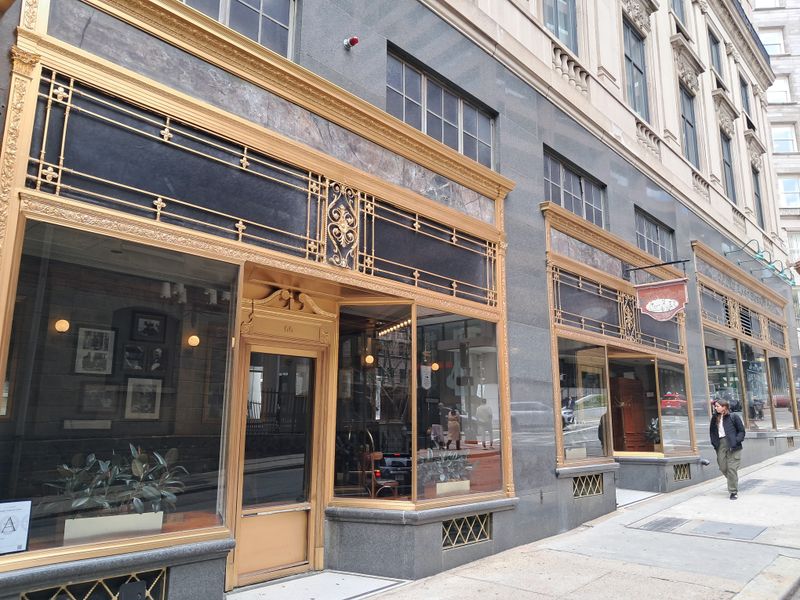
The address is 60 School Street, within easy reach of the Freedom Trail and offices that empty into the sidewalks at lunch. It is a hotel restaurant, yes, which means polished entrances and a lobby that smells faintly of citrus and linen spray.
Price skews $$$, consistent with the room’s polish.
Parking downtown can sting. Consider the T or a brisk walk from Government Center.
Valet is there for convenience, not thrift. If you are timing dessert to a meeting, give yourself cushion—this is a place that rewards lingering.
Hours run mornings into early afternoon. If you want the dining room at its quietest, come early on a weekday.
If you want to watch the room fill and breathe, slide in closer to noon. Either way, the staff manages flow with practiced ease.
When Expectations Meet Reality
No place with legend escapes mixed reviews. Some find the cream pie restrained, others wish for a bolder custard.
A few breakfasts arrive imperfect – hash running cool, eggs cooked past intention. The staff’s response typically rescues the moment, which is what matters most.
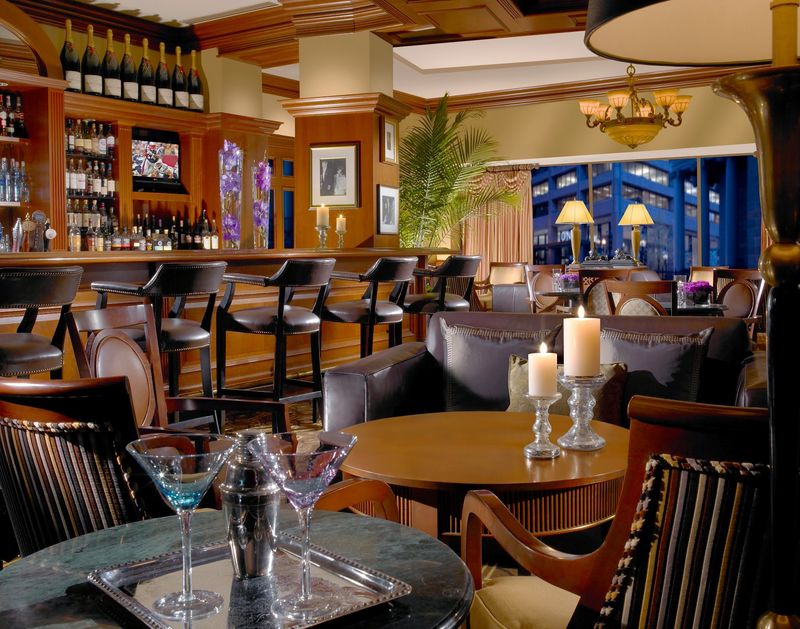
Ambiance divides opinion too. Stately can feel stuffy if you prefer neon and noise.
Here, conversation fits the room’s register – low, measured, content to take its time. That is not every appetite’s pace.
Still, you leave with a story more often than a gripe. The good outweighs the quibbles because the place cares about being itself.
That reliability is rare. Walk in with curiosity, not demands, and Parker’s meets you where you are.
Why It Endures
Restaurants last when they solve for hunger and something quieter – belonging, maybe, or continuity. Parker’s endures because it treats tradition like a living thing.
The recipes are steady, the room is steady, the people are steady. In a downtown that updates itself weekly, steadiness becomes a luxury.
You come for a roll or a slice of cake and learn the choreography. The napkin fold, the polite pause before clearing, the small humor from a server who has told the same story a thousand times.
Ritual done well never grows stale.
On the walk out, you pass back through the lobby and feel taller somehow, posture fixed by linen and light. Outside, horns and crosswalks reclaim the city’s rhythm.
Inside you, the restaurant’s softer tempo lingers. That is why you return.



