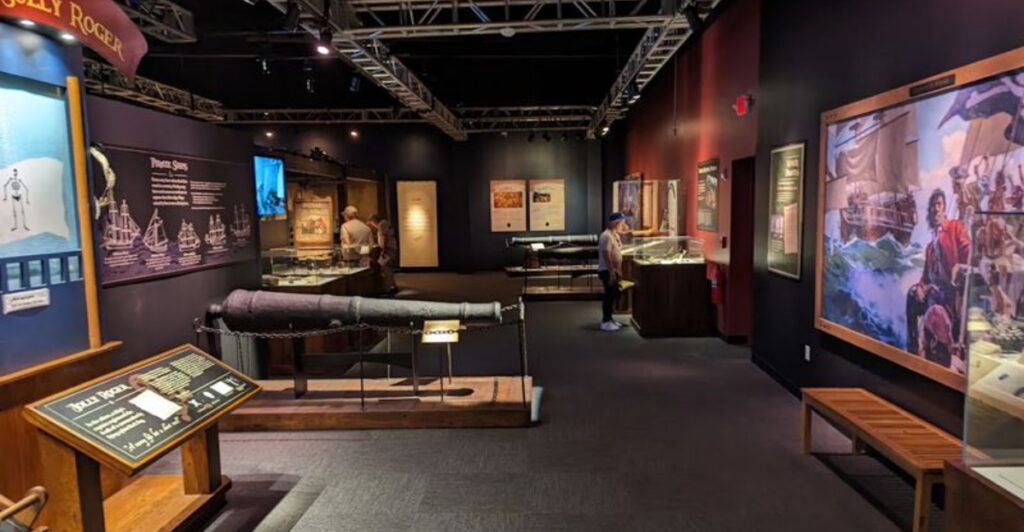
Salem, Massachusetts is already famous for its witch trials history, but there is another chapter of its past that does not get nearly enough attention. Just steps from the waterfront, a museum tells the true story of a real pirate, a real ship, and a real treasure that sat on the ocean floor for nearly 300 years.
The Whydah Gally sank off Cape Cod in 1717, and the artifacts recovered from that wreck are now on display in a way that no textbook could match. At the end of the tour, guests can actually hold gold coins that once belonged to pirates.
That kind of hands-on history is rare, and it makes this stop one of the most talked-about experiences in all of Salem.
The True Story Behind the Whydah Gally
Most pirate stories lean heavily on myth and fiction, but the tale of the Whydah Gally is backed by hard evidence pulled from the Atlantic Ocean floor. The Whydah was originally a slave ship before it was captured in 1717 by the pirate Samuel Bellamy, a man who went on to become one of the wealthiest pirates in recorded history.
Bellamy and his crew turned the ship into a pirate vessel and spent months raiding dozens of ships along the Atlantic coast. The Whydah was loaded with treasure from those raids when a violent storm drove it onto a sandbar near Cape Cod, Massachusetts.
The ship sank quickly, and most of the crew did not survive.
For centuries, the wreck sat undisturbed beneath the sand. When underwater explorer Barry Clifford located the site in 1984, it became the only fully authenticated pirate shipwreck ever discovered.
That discovery is the foundation of everything on display at Real Pirates Salem.
Samuel Bellamy: The Pirate King with a Complicated Legacy
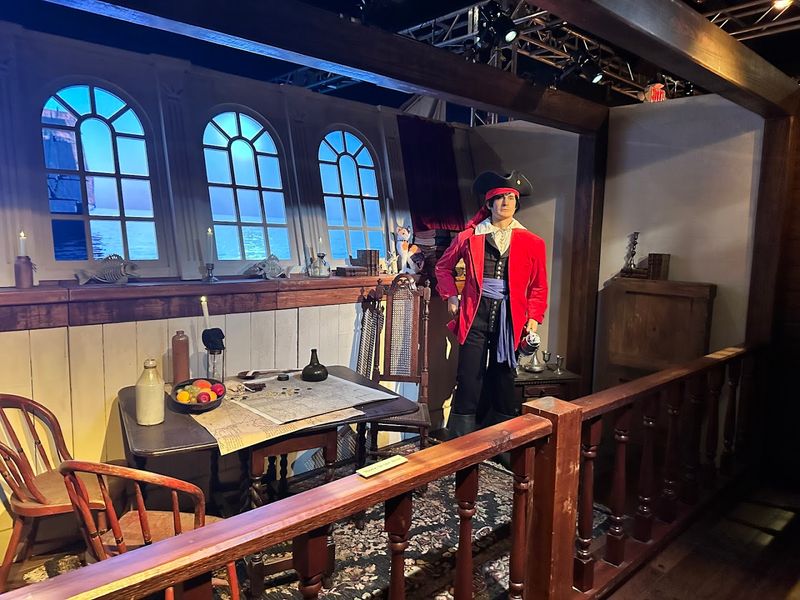
Samuel Bellamy, known as Black Sam, was only 28 years old when the Whydah sank. In his short but dramatic career, he captured over 50 ships and accumulated more wealth than almost any other pirate of his era.
The museum tells his story with a level of depth and nuance that goes well beyond the typical swashbuckling narrative.
What makes Bellamy stand out historically is his reputation among his own crew. He was known for giving captured sailors a choice to join his crew voluntarily, and he reportedly had strong opinions about the unfairness of the wealthy class exploiting working people.
That context adds a complicated dimension to the pirate story that most people do not expect to encounter in a museum.
Real Pirates Salem does not shy away from the harder parts of this history either, including the origins of the Whydah as a slave ship. The result is a portrait of a historical figure that feels honest, layered, and genuinely worth knowing about.
Real Artifacts From a Real Shipwreck
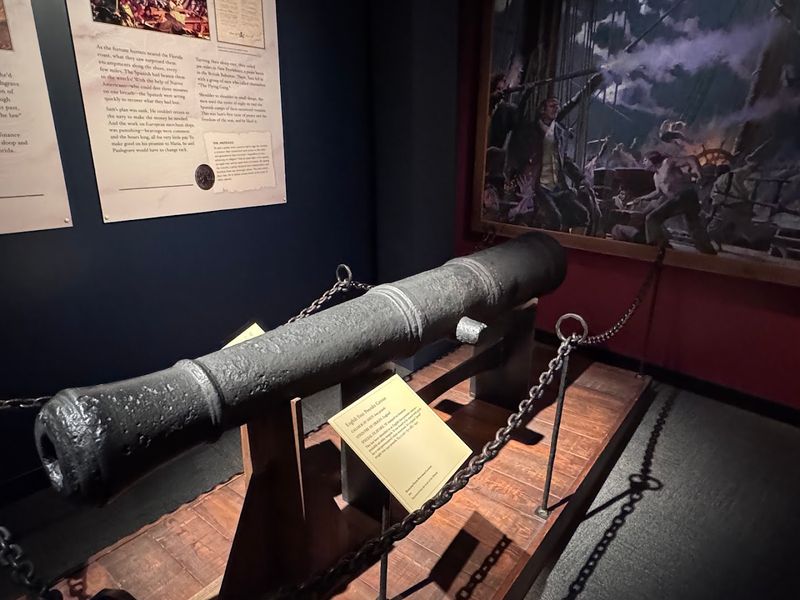
The word “real” in the museum’s name is not just marketing. The artifacts on display were physically recovered from the wreck of the Whydah Gally, pulled from the ocean floor off Cape Cod after nearly three centuries underwater.
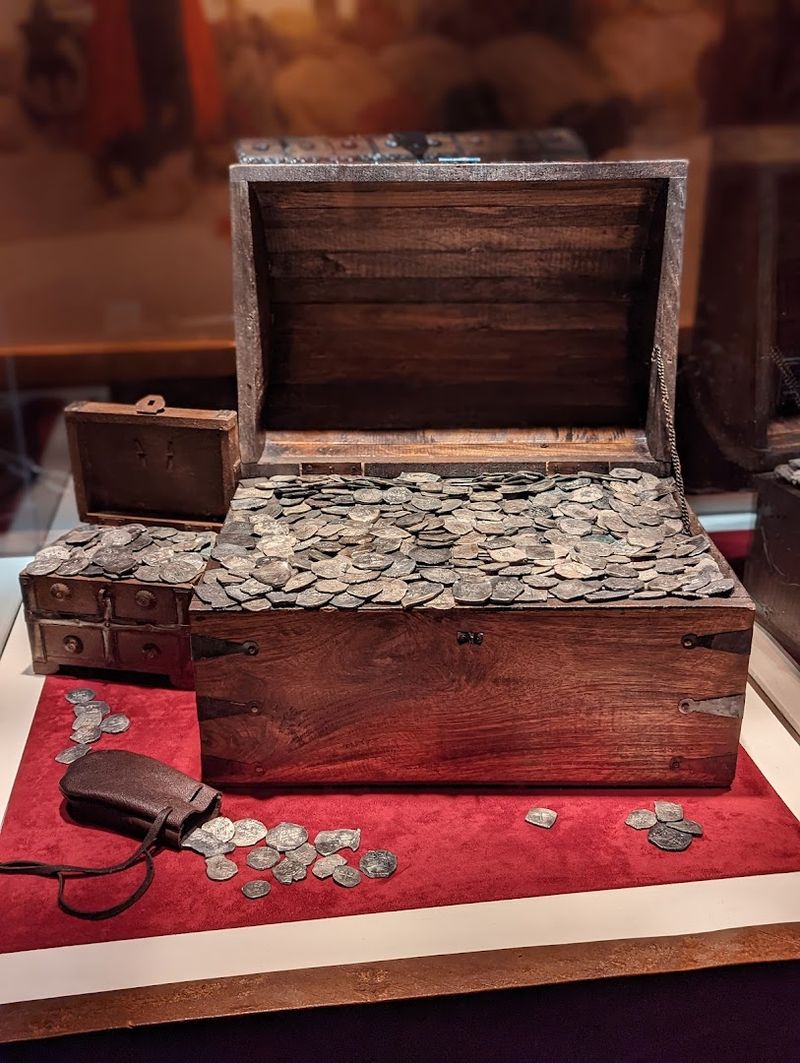
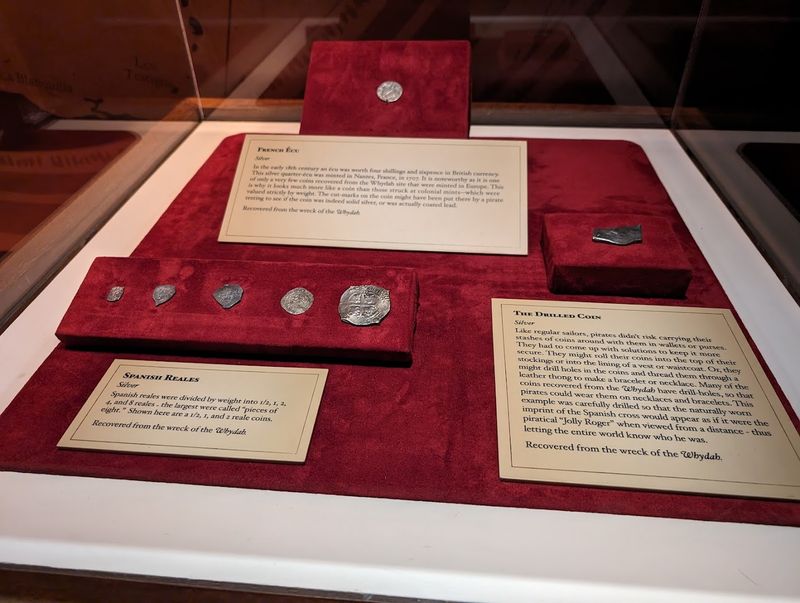
Cannons, weapons, personal belongings, and coins are among the items that have been cleaned, preserved, and put on display.
What makes these objects extraordinary is the chain of custody. Because the Whydah is the only authenticated pirate shipwreck in history, every artifact tied to it carries a verified connection to an actual pirate ship.
That is not something most museums can claim.
Some artifacts are still actively being treated on-site, meaning the conservation process is part of the exhibit itself. Guests can observe how archaeologists and conservators work to reveal objects that have been buried in salt water for centuries.
It turns the museum into something closer to a living laboratory than a static display case, and that energy is noticeable throughout the visit.
Touching Real Pirate Treasure: The Chest at the End
The highlight that most people talk about long after leaving the museum is the treasure chest at the end of the tour. Inside it are actual pieces of eight, gold coins recovered from the Whydah Gally, and guests are allowed to hold them.
Photography of the chest is not permitted, which only adds to the sense that something genuinely special is happening in that moment.
Holding a coin that was once part of a pirate’s plunder, recovered from the ocean floor after 300 years, is not something that happens at most museums. The experience is brief but memorable, and it tends to be the detail that sticks with people the longest after the visit.
For children especially, the chance to physically connect with history in that way can shift how they think about museums entirely. It is not just about looking at things behind glass.
At Real Pirates Salem, history becomes something you can actually hold in your hand.
The Introductory Film That Sets the Stage
Before guests move through the main exhibits, the experience starts with a short introductory film. The film provides background on Samuel Bellamy, the Whydah, and the discovery of the shipwreck, giving everyone a shared foundation before they begin exploring the artifacts.
The film does its job efficiently. It covers a lot of historical ground without feeling like a lecture, and it builds anticipation for what comes next.
Many people who visit say the film genuinely got them excited in a way they did not expect from a brief introductory video.
The storytelling in the film reflects the same approach taken throughout the museum: grounded in fact, but presented in a way that keeps people engaged. It avoids the dry, detached tone that sometimes makes historical content feel distant.
By the time the film ends, most guests are already curious about the specific artifacts they are about to see, which is exactly the effect it is designed to create.
Guided Tours vs. Self-Guided Exploration
Real Pirates Salem offers both guided and self-guided tour options, which gives guests flexibility depending on what kind of experience they are looking for. The self-guided option lets people move at their own pace, spending extra time on the sections that interest them most without feeling rushed by a group schedule.
The guided tours, however, are widely considered to be the more rewarding option. The guides at this museum are not reading from a script.
They bring deep knowledge of pirate history, genuine enthusiasm for the subject, and a sense of humor that keeps the tour entertaining from start to finish. Tours can run well past the scheduled time when a group is engaged and asking questions.
There is also a Directors Tour available for those who want an even more in-depth experience. That option comes with additional historical context, more time in the museum, and a closer look at exhibits that the standard tour may cover more briefly.
For serious history enthusiasts, it is worth the extra consideration.
The Museum’s Interactive Elements for All Ages
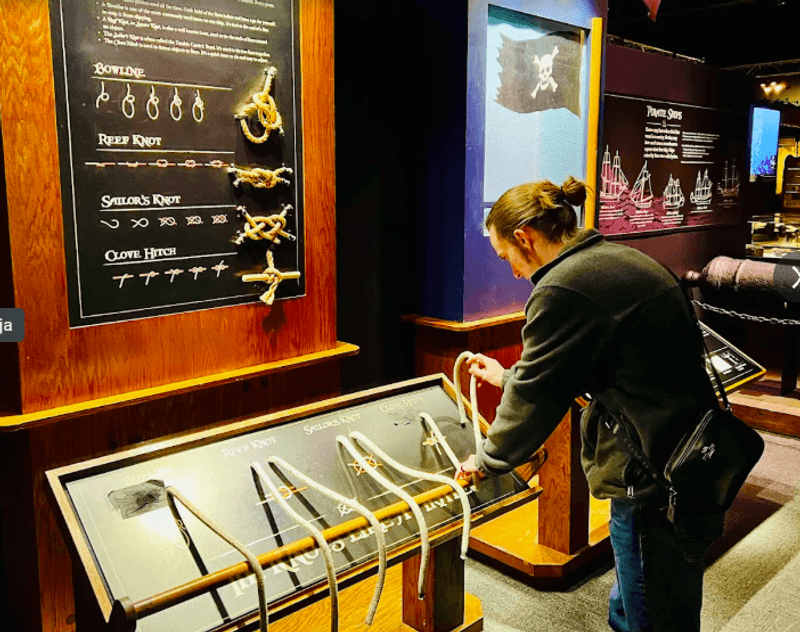
Real Pirates Salem is designed to be more than a walk-through exhibit. Throughout the space, there are interactive stations that invite guests to participate rather than just observe.
Visitors can sign their names in a pirate crew book, practice tying nautical knots, and peer into a real cannon, among other hands-on activities.
Digital photo booth stations are included with admission, giving families and groups a chance to take themed photos that serve as a fun souvenir from the visit. The photo opportunity is an unexpected addition that catches many guests off guard in the best possible way.
The interactive design makes the museum genuinely suitable for a wide range of ages. Young children stay engaged because there is always something to do or touch, while adults find the historical depth satisfying.
The layout moves logically from one section to the next, making it easy to follow the story from beginning to end without getting lost or confused along the way.
How the Exhibits Are Designed and Displayed
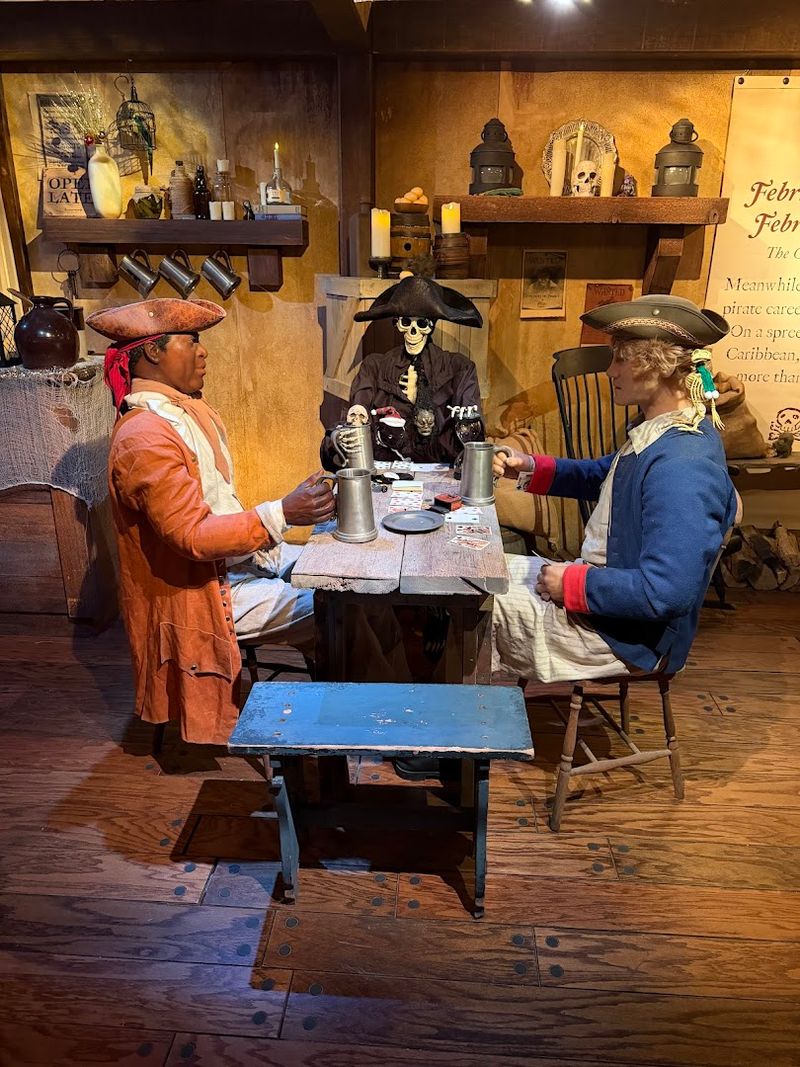
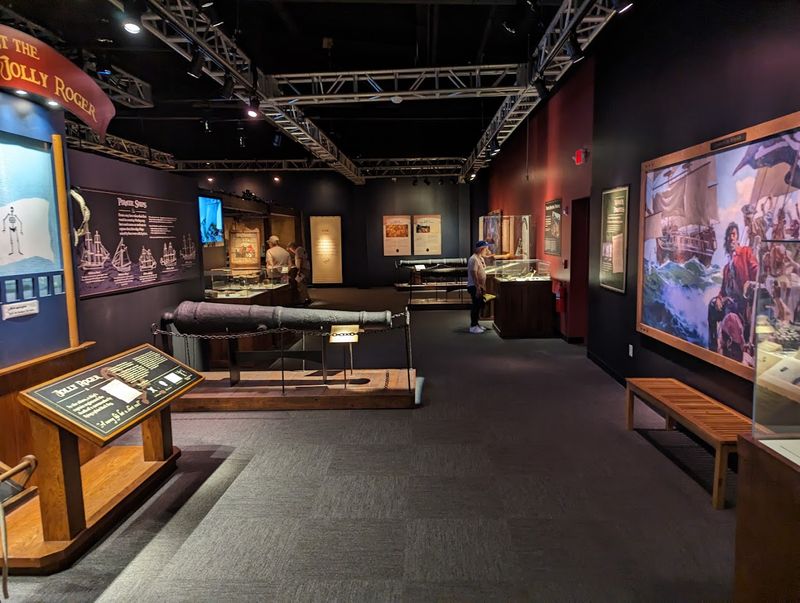
The physical design of Real Pirates Salem sets it apart from more conventional museum layouts. The exhibits are built around detailed scenes that place artifacts in context, using mannequins dressed in period-accurate costumes to recreate moments from life aboard the Whydah.
The attention to detail in the staging is hard to miss.
Lighting plays a significant role in how the exhibits feel. Each display is carefully lit to draw attention to specific objects and create a focused, dramatic presentation that keeps guests moving through the space with sustained interest.
The overall effect is closer to a theatrical installation than a traditional museum gallery.
The written content accompanying each exhibit is also worth noting. The informational panels are written to be genuinely engaging rather than academically dense, which means guests who take the time to read them come away with a much richer understanding of the history.
The museum clearly put significant effort into making sure the story is told well at every level of the experience.
Planning Your Visit: Tickets, Hours, and Tips
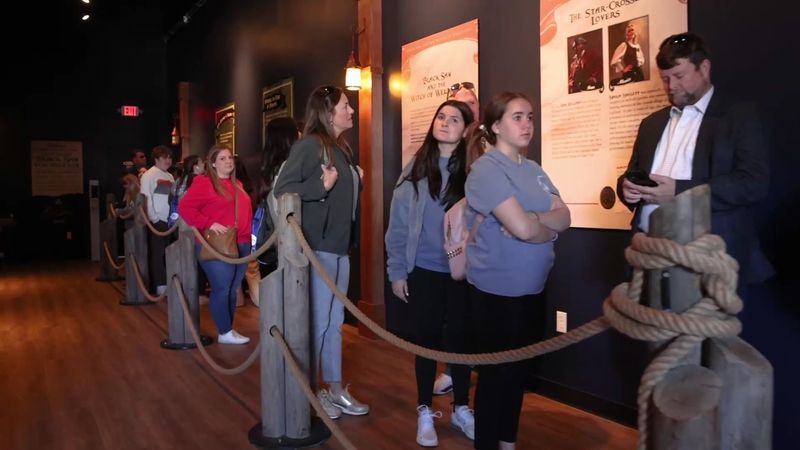
Real Pirates Salem is open every day of the week from 10 AM to 4:30 PM. Tickets can be purchased in advance through the museum’s website at realpiratessalem.com, which is recommended during peak seasons, particularly around Halloween when Salem draws large crowds from across the country.
The museum is also included with the Go City pass, which covers multiple Salem attractions and can offer good value for visitors planning a full day or weekend of exploration in the area. Booking the Directors Tour in advance is especially advisable since it involves a smaller group and limited availability.
A few practical notes worth keeping in mind: the restrooms inside the museum are on the smaller side, so planning accordingly during busy periods is smart. The gift shop is accessible even without a museum ticket, making it a worthwhile stop on its own.
Arriving close to opening time tends to mean smaller crowds and a more relaxed pace through the exhibits.
A Perfect Stop for Families With Kids
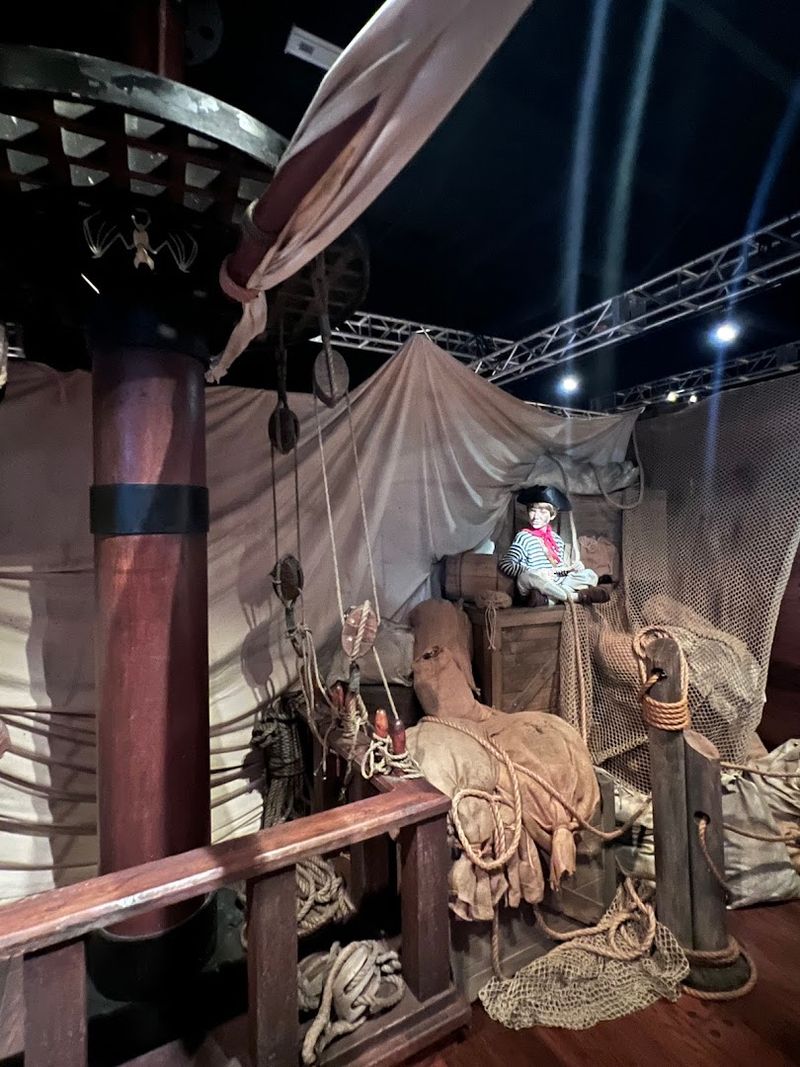
Families with children of almost any age tend to get a lot out of Real Pirates Salem. The combination of hands-on activities, costumed guides, and genuinely dramatic history creates an environment where kids stay engaged throughout the entire visit rather than losing interest after the first ten minutes.
The museum has hosted themed tours tied to popular characters like Captain Hook and Mr. Smee, leaning into the connection between pirate mythology and the real history on display. Staff members are patient with young guests, encouraging questions and letting children touch and explore at a comfortable pace.
Parents often report that the museum sparked a lasting interest in history for their kids, which is a meaningful outcome beyond just an entertaining afternoon. The balance between education and fun is handled well enough that children do not feel like they are being taught and adults do not feel like the experience has been oversimplified for a younger audience.
It genuinely works for everyone.
Salem as the Right Setting for This Story
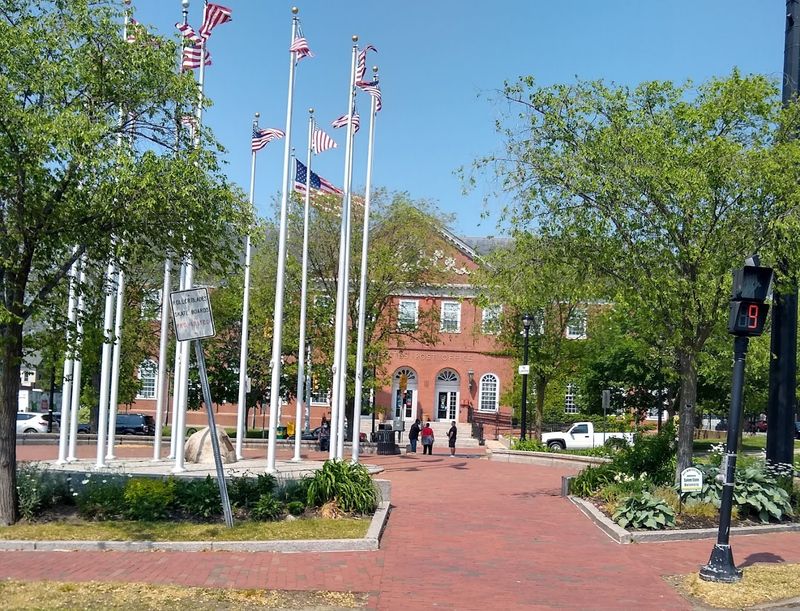
Salem is a city that already knows how to hold a complicated history. The same quality that makes it a compelling destination for its 17th-century past also makes it the right home for a museum about piracy, maritime history, and the gray areas of colonial-era life.
The two histories share more thematic ground than most people initially expect.
The waterfront location of Real Pirates Salem reinforces the connection between the city and the sea. Derby Street sits close to the harbor that once made Salem one of the most important ports in early America, and that maritime legacy gives the museum a physical and historical context that feels earned rather than forced.
Combining a visit to Real Pirates Salem with other Salem attractions makes for a well-rounded day or weekend itinerary. The museum fits naturally alongside the Peabody Essex Museum, the Salem Heritage Trail, and the many historic sites clustered around the downtown area.
The city rewards curiosity, and this museum is one of the best examples of why.
Why This Museum Stays With You After You Leave
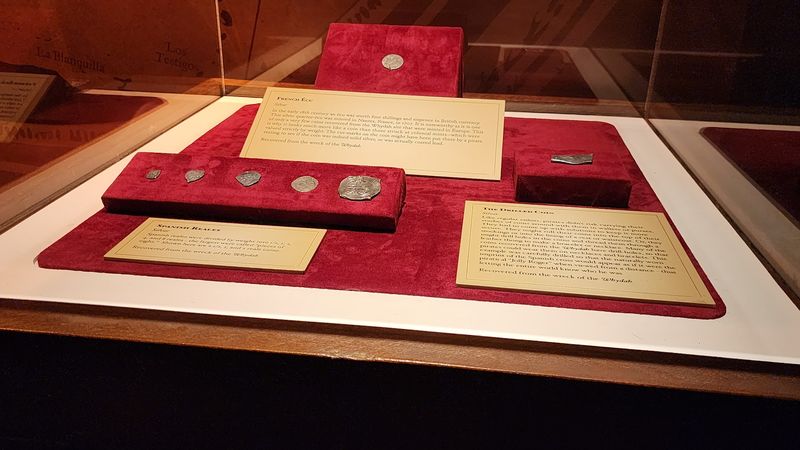
Most museum visits fade from memory within a few days. Real Pirates Salem tends to stick around longer, and the reason comes down to how the experience is structured.
By the time guests reach the treasure chest at the end and hold a real gold coin from 1717, they have already spent an hour or more building an emotional connection to the story behind that coin.
The combination of verified artifacts, compelling storytelling, and interactive moments creates a layered experience that hits differently than a standard exhibit walk-through. The history is real, the objects are real, and the people telling the story are genuinely invested in making sure guests understand why it matters.
Real Pirates Salem is the kind of place that turns casual visitors into people who go home and start reading more about the Whydah, Samuel Bellamy, and the broader world of 18th-century piracy. That is the mark of a museum that has done its job exceptionally well, and it is exactly what this one delivers.
Where the Adventure Begins: Address and Location
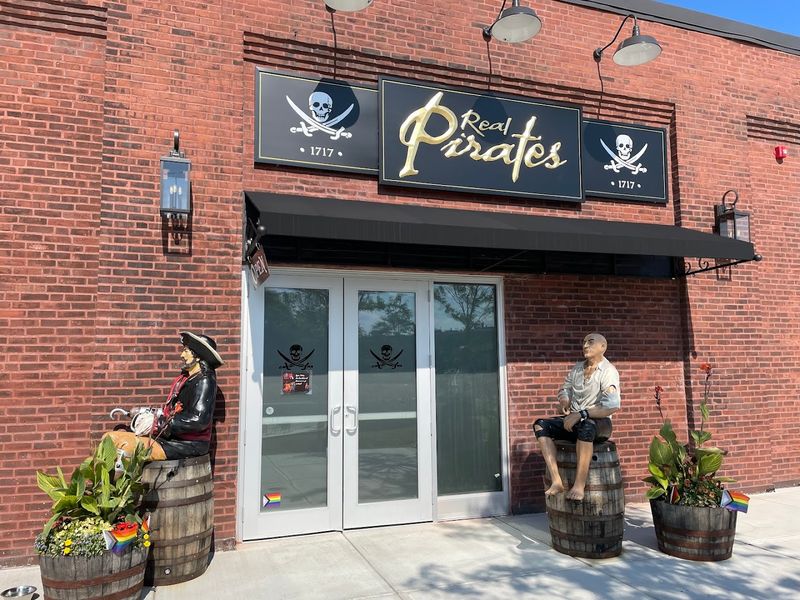
Right in the heart of Salem’s historic waterfront district, Real Pirates Salem sits at Charlotte Forten Park, 285 Derby St #5, Salem, MA 01970. The location alone sets the tone before anyone even steps through the door.
Derby Street is one of Salem’s most storied corridors, lined with historic buildings and steps from the harbor that once welcomed merchant ships and, apparently, pirates.
The museum is open daily from 10 AM to 4:30 PM, making it easy to work into any Salem itinerary. Whether someone is visiting for a long weekend or just passing through for the day, the hours are consistent across all seven days of the week.
Parking and public transit options make it accessible for families, couples, and solo travelers alike. The waterfront setting adds a layer of atmosphere that feels perfectly matched to the story being told inside.
It is the kind of location that makes you feel like the history is still happening just around the corner.
Share this story