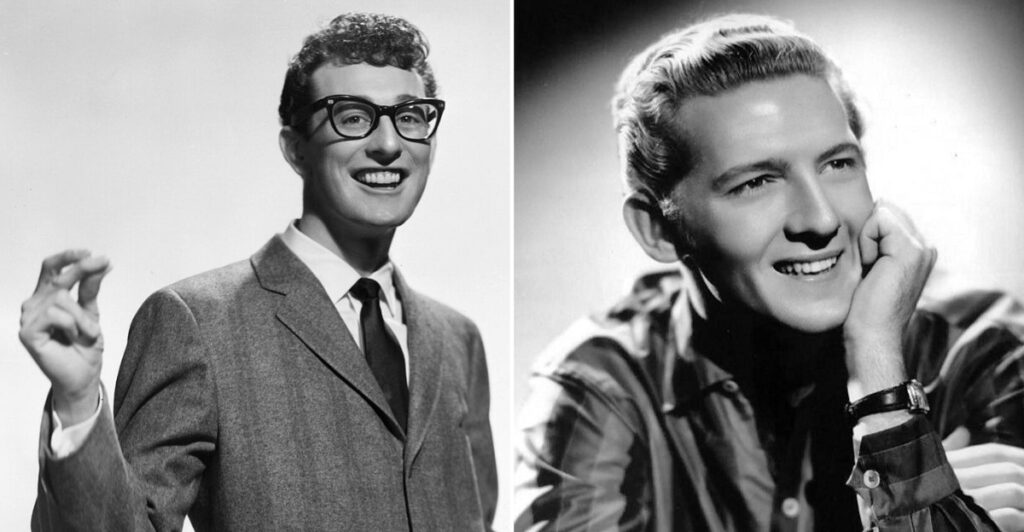
The year 1957 helped define the future of popular music. Rock and roll was surging, new stars were breaking through, and a remarkable mix of styles was competing for listeners’ attention.
The thirteen songs on this list were more than hits. They helped shape the sound of modern music and remain influential decades later.
1. Jailhouse Rock, Elvis Presley
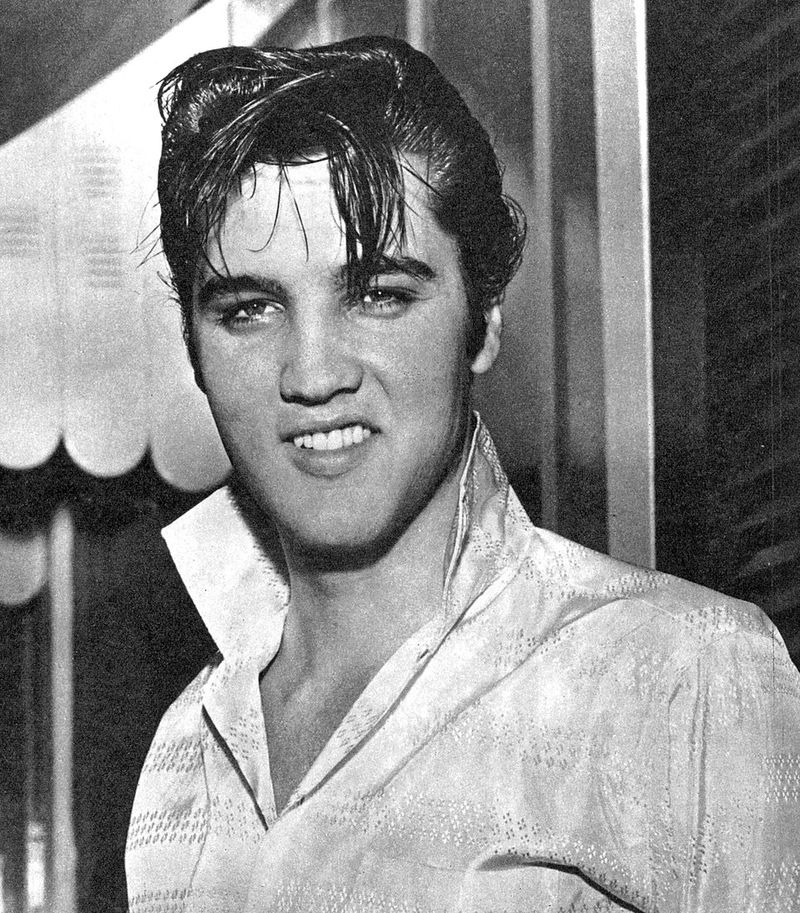
Elvis Presley released Jailhouse Rock in September 1957, and it hit No. 1 on the Billboard pop chart within two weeks of release. The song was written by Jerry Leiber and Mike Stoller, the same songwriting duo responsible for several other Presley hits during this period.
It was tied directly to the MGM film of the same name, which opened in theaters that same month.
The production was tighter and more percussive than many of Elvis’s earlier recordings, with a driving guitar riff that became instantly recognizable. RCA Victor recorded the track at Radio Recorders in Hollywood, marking a shift from the Sun Studios sound that had launched his career.
The song spent seven weeks at No. 1 and became one of the fastest-selling singles in RCA history at the time.
2. Wake Up Little Susie, The Everly Brothers
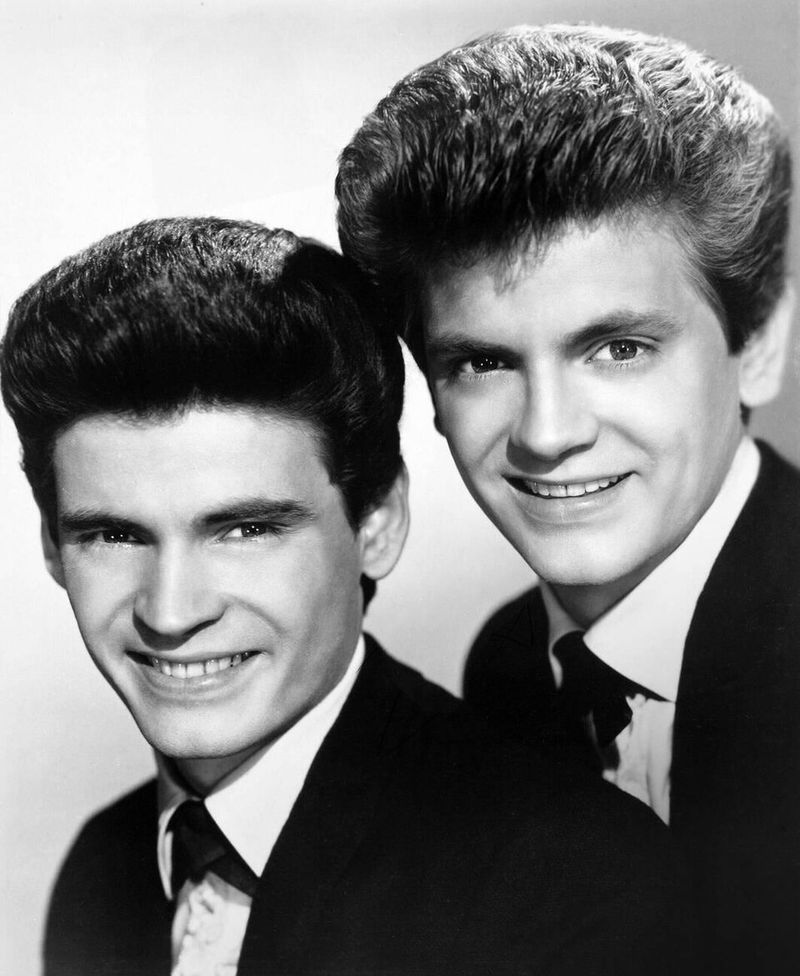
The Everly Brothers released Wake Up Little Susie in September 1957, and it reached No. 1 on the Billboard pop chart almost immediately. The song was written by the husband-and-wife team of Boudleaux and Felice Bryant, who became closely associated with the brothers throughout their peak years.
Its subject matter, two teenagers falling asleep at a drive-in movie, felt immediately relatable to young audiences.
The close harmony vocal style that Don and Phil Everly brought to the track was rooted in country music tradition but adapted perfectly for the pop radio format of the late 1950s. Their blend was precise and natural-sounding in a way that few other duos could replicate.
The song was actually banned by some radio stations in Boston due to its suggestive premise, which only increased its notoriety. It became one of the defining crossover hits of the year, charting on pop, country, and rhythm-and-blues charts simultaneously.
3. Peggy Sue, Buddy Holly

Buddy Holly recorded Peggy Sue in July 1957 at Norman Petty Studios in Clovis, New Mexico. The song was originally titled Cindy Lou but was renamed after Peggy Sue Gerron, the girlfriend of drummer Jerry Allison.
That small backstory became part of rock and roll folklore almost immediately.
What separated this record from other hits of the period was its drumming. Allison played the entire song on a snare drum without the standard kit, creating a relentless, galloping rhythm that pushed the track forward with unusual urgency.
Holly’s vocal hiccuping style was equally distinctive and widely copied afterward.
The song reached No. 3 on the Billboard pop chart and became Holly’s first major solo hit, separate from his work with The Crickets. Its stripped-down production approach influenced how many future rock bands thought about arrangement.
4. Bye Bye Love, The Everly Brothers
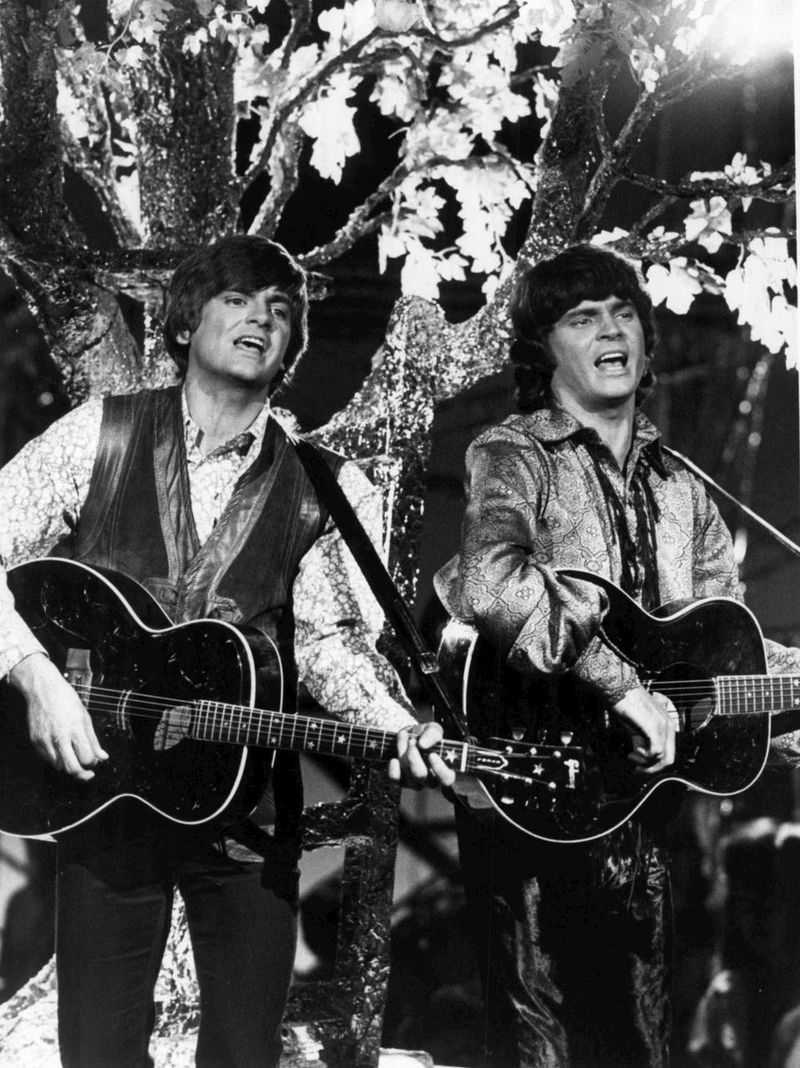
Before Wake Up Little Susie arrived in the fall, the Everly Brothers had already established themselves with Bye Bye Love earlier in 1957. The song was also written by Boudleaux and Felice Bryant and had reportedly been rejected by over thirty other artists before the brothers recorded it.
That fact alone says something about how well-matched the song was to their specific sound.
It reached No. 2 on the Billboard pop chart and crossed over to both the country and rhythm-and-blues charts, an unusual achievement for a white duo in that era. The clean acoustic guitar introduction and the tight vocal harmony made it immediately distinctive on radio.
Bye Bye Love launched the brothers from regional performers into national stars within months of its release. It also helped establish Cadence Records as a credible pop label.
The song’s structure, concise verses and a hook-driven chorus, became a template that many producers studied carefully.
5. Great Balls of Fire, Jerry Lee Lewis
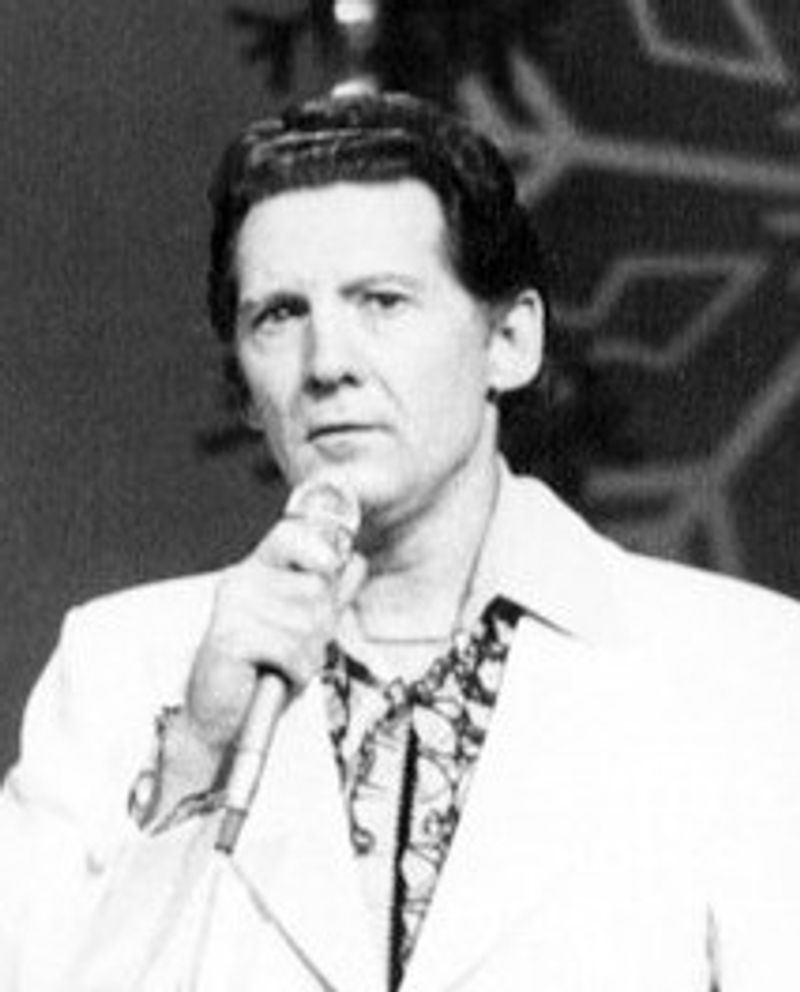
Jerry Lee Lewis recorded Great Balls of Fire at Sun Studio in Memphis in October 1957, and the session itself became legendary. Producer Sam Phillips encouraged Lewis to lean into the track’s explosive energy, and the result was one of the most physically intense recordings of the decade.
The song reached No. 2 on the Billboard pop chart and went to No. 1 on the country and rhythm-and-blues charts.
Lewis was already known for his wild stage presence before this record, but Great Balls of Fire gave that reputation a permanent soundtrack. His piano style combined barrelhouse blues with a gospel fervor that was completely his own.
The song was written by Otis Blackwell, the same songwriter who had written All Shook Up for Elvis Presley earlier that year. That one songwriter contributed two of 1957’s biggest hits is a remarkable fact about how centralized pop songwriting was during this period.
6. That’ll Be the Day, Buddy Holly and The Crickets
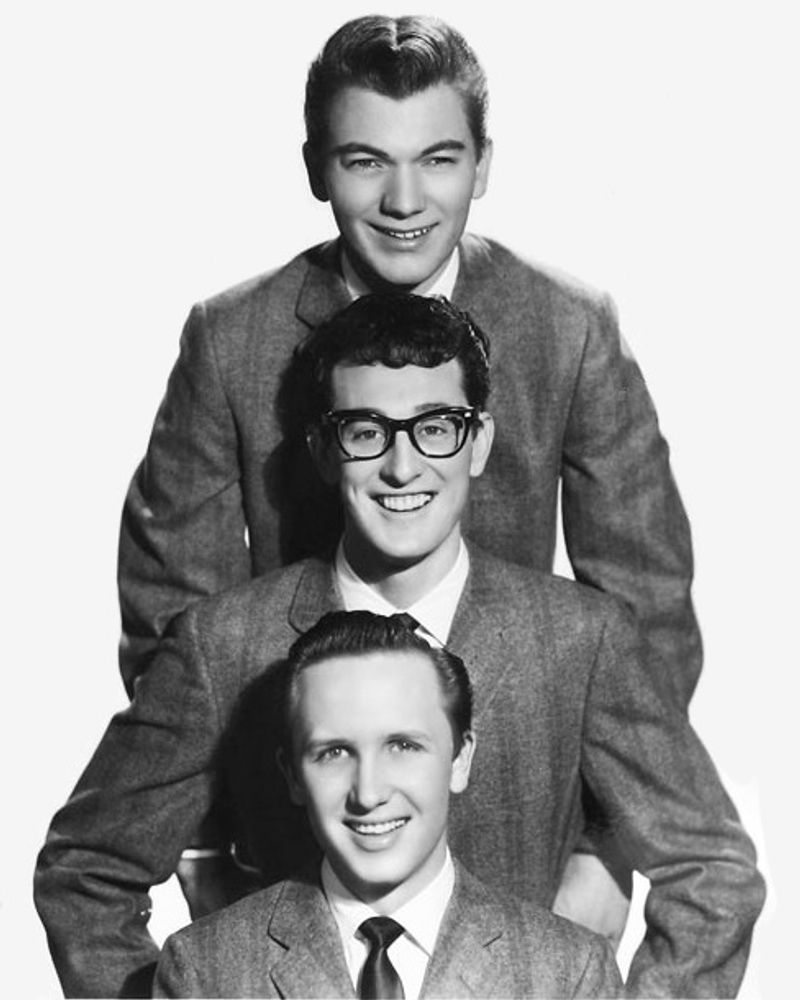
That’ll Be the Day reached No. 1 on the Billboard pop chart in September 1957 and became Buddy Holly’s commercial breakthrough. The song was recorded at Norman Petty’s studio in Clovis and released under the name The Crickets rather than Buddy Holly alone, partly for strategic reasons related to his existing contract.
The title phrase was borrowed from a line John Wayne repeated in the 1956 film The Searchers.
The recording quality and guitar tone on the track were ahead of what most major studio productions were achieving at the time. Holly’s clean Stratocaster work and the song’s tight structure made it a reference point for bands learning to record in the late 1950s.
John Lennon later said that hearing this record was a turning point for him as a young musician in Liverpool.
7. All Shook Up, Elvis Presley
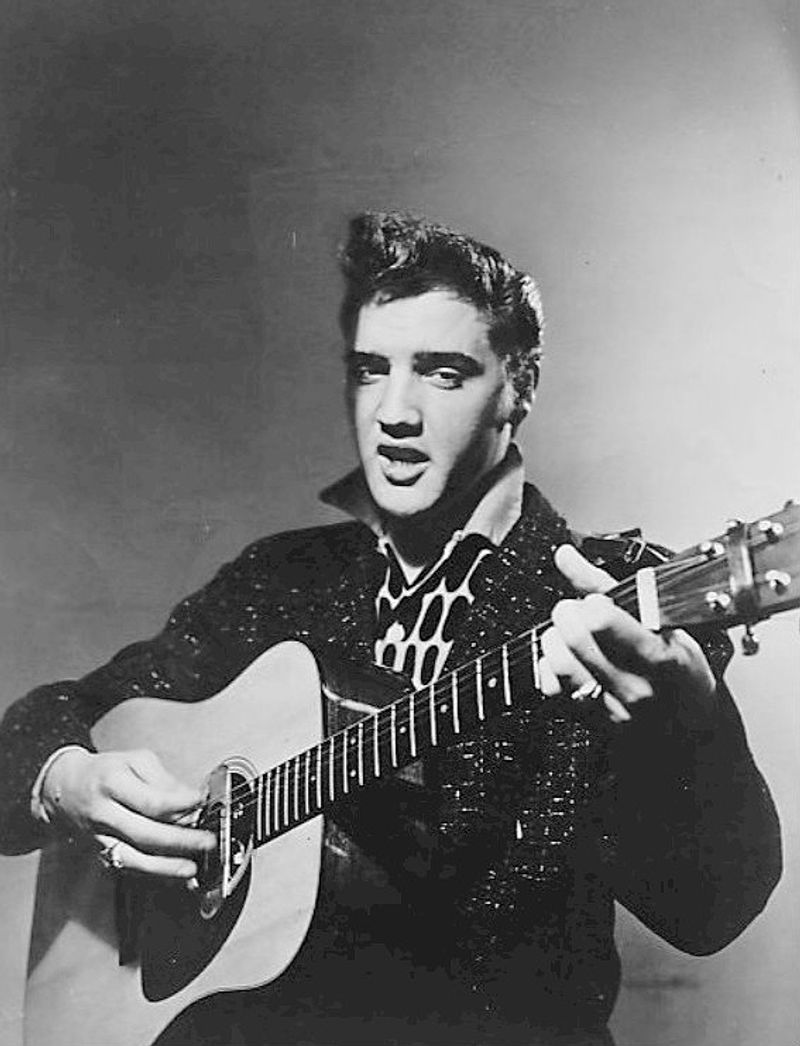
All Shook Up spent eight consecutive weeks at No. 1 on the Billboard pop chart in 1957, making it the biggest-charting single of the entire year. It was written by Otis Blackwell, who composed the song in roughly ten minutes after being inspired by a bottle of Pepsi-Cola that someone was shaking in front of him.
That casual origin story contrasts sharply with the record’s enormous commercial impact.
The song showcased a more playful side of Elvis’s vocal range, with its stuttering phrasing and lighthearted romantic theme appealing to listeners who might have found his earlier rockabilly material too rough. It crossed over effectively to pop, country, and rhythm-and-blues audiences simultaneously.
By the time All Shook Up topped the charts, Elvis had already scored multiple No. 1 hits and was preparing for his film career to expand. The song represented the peak of his commercial dominance in the pre-military draft period of his career.
8. Young Love, Tab Hunter
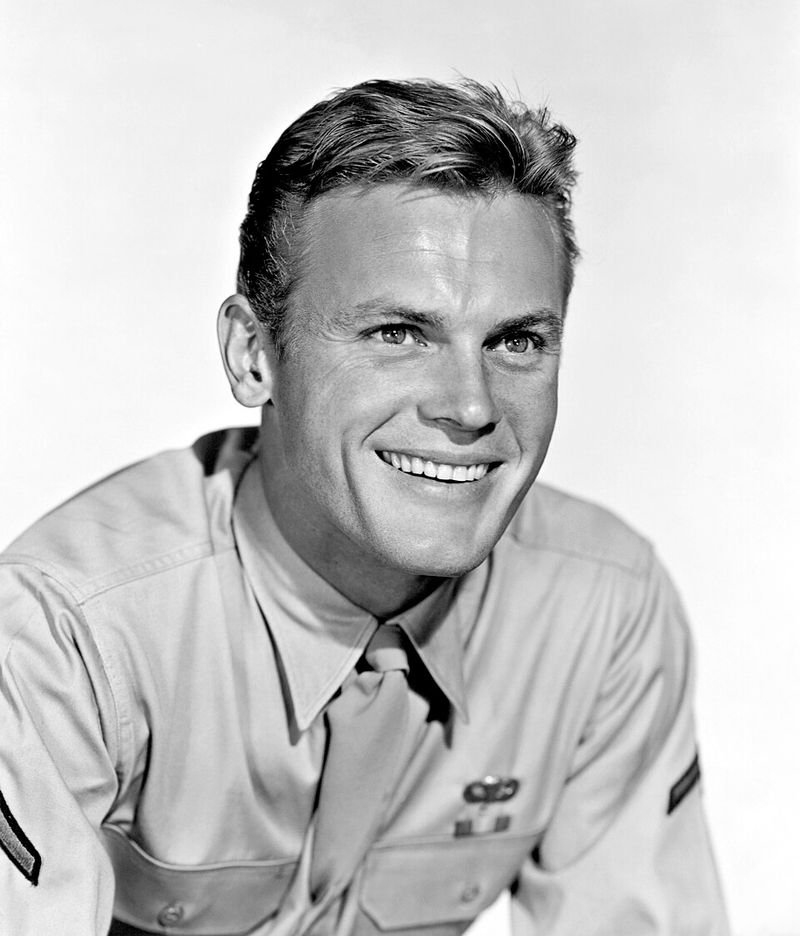
Tab Hunter was already a well-known film actor when Young Love became one of the biggest pop hits of early 1957. The song had originally been recorded by country artist Sonny James, but Hunter’s version reached No. 1 on the Billboard pop chart and outsold the original significantly.
His label, Dot Records, had positioned him carefully for the teen market.
Young Love connected with a generation of listeners who were drawn to the softer, more romantic side of popular music rather than the harder-edged rock and roll dominating other parts of the charts. Its success reflected how diverse the 1957 pop landscape actually was.
Hunter’s crossover from film to music was managed as a deliberate career strategy, and it worked. He appeared on American Bandstand and various television programs to promote the single, demonstrating how television was becoming central to music promotion.
The song sold over one million copies and remained one of the top-charting singles of the year.
9. Love Letters in the Sand, Pat Boone

Pat Boone spent much of 1957 at the top of the charts, and Love Letters in the Sand was his most successful single of the year. The song actually dated back to 1931 and had been recorded multiple times before Boone’s version, but his smooth, polished delivery transformed it into a massive modern pop hit.
It reached No. 1 on the Billboard pop chart and remained there for seven weeks.
Boone represented a deliberate counterpoint to the rougher edges of rock and roll. His image was wholesome and carefully cultivated, appealing to parents and older listeners who were uneasy with the music Elvis and Jerry Lee Lewis were making.
That contrast was commercially useful for his label, Dot Records.
The song was included on the soundtrack of the film Bernardine, in which Boone also starred, giving it additional promotional visibility. At his peak in 1957, Boone was outselling most of his contemporaries on a consistent basis.
10. Searchin’, The Coasters
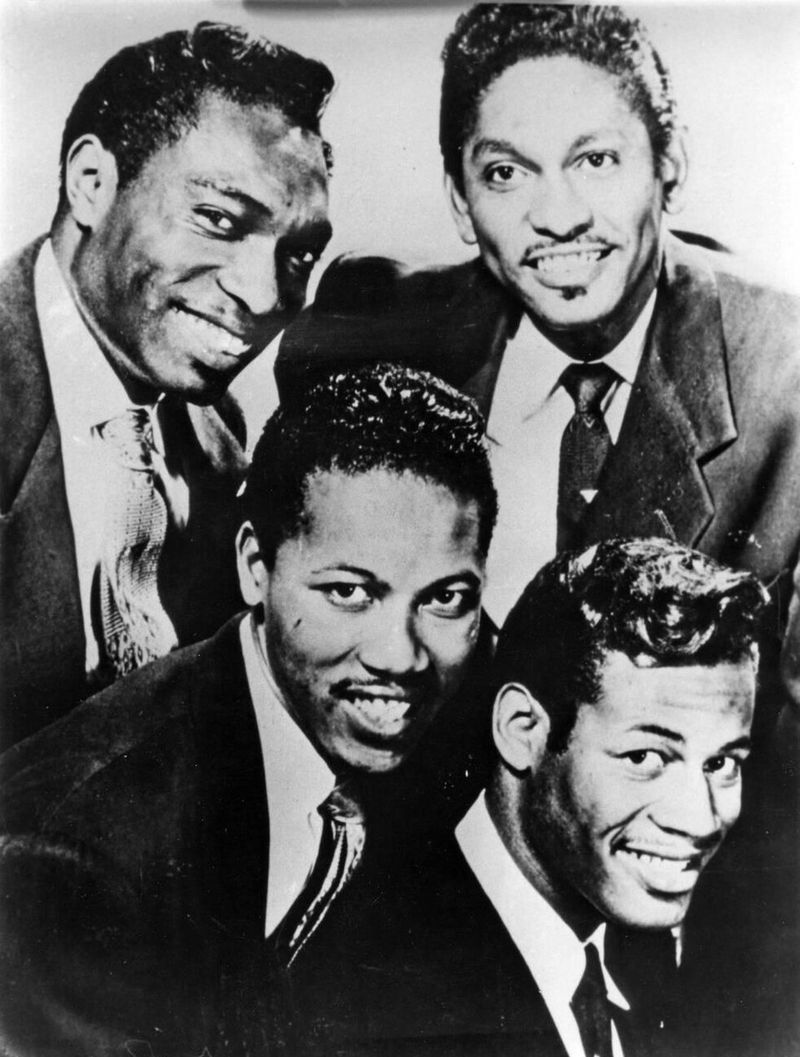
The Coasters released Searchin’ as a double A-side single with Youngblood in 1957, and both sides charted simultaneously, a rare commercial achievement. Searchin’ reached No. 3 on the Billboard pop chart and went to No. 1 on the rhythm-and-blues chart.
It was written by Jerry Leiber and Mike Stoller, who had developed a sharp ear for comedic storytelling in pop format.
The song’s narrator compares his pursuit of a woman to famous fictional detectives, including Sam Spade and Charlie Chan. That kind of specific, humorous cultural reference was unusual in pop music at the time and gave The Coasters a distinct identity that set them apart from other vocal groups.
Leiber and Stoller produced the record with a loose, almost theatrical quality that matched the group’s personality perfectly. The Coasters went on to have several more hits in this style, but Searchin’ established the formula.
Its rhythm-and-blues energy delivered through a comedic lens influenced the novelty rock genre that developed through the late 1950s and early 1960s.
11. Little Darlin’, The Diamonds
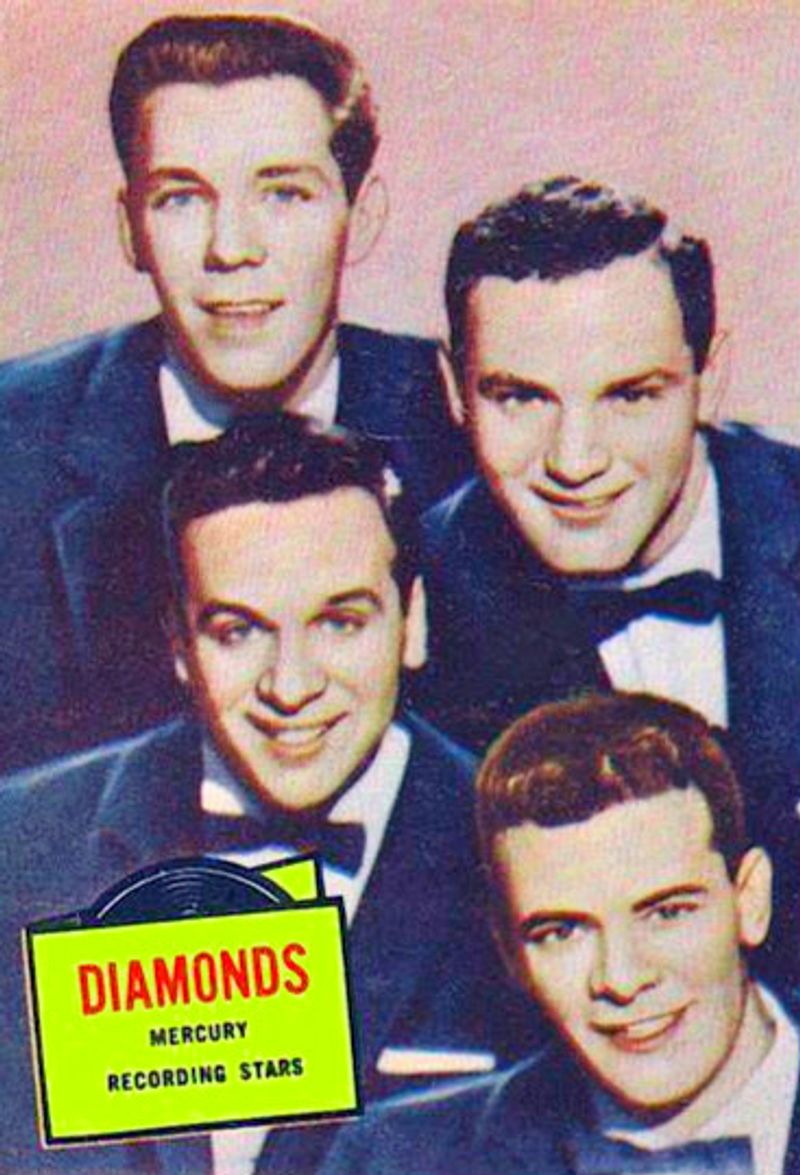
The Diamonds recorded Little Darlin’ as a cover of a song originally released by Maurice Williams and The Gladiolas on Excello Records. The Diamonds’ version, released on Mercury Records, dramatically outsold the original and reached No. 2 on the Billboard pop chart in 1957.
That outcome reflected a common and often criticized pattern of the era, in which white groups covered rhythm-and-blues material for mainstream pop audiences.
What made the Diamonds’ version distinctive was its exaggerated vocal delivery. The bass singer Carl Trick delivered a spoken section in an exaggerated baritone that leaned into comedy, while the group’s tight harmonies carried the romantic melody above it.
The contrast between the two elements gave the record an unusual personality.
Little Darlin’ became the group’s biggest commercial success and one of the defining doo-wop recordings associated with 1957. The song’s structure, balancing romantic sentiment with theatrical humor, helped it stand out on radio.
12. You Send Me, Sam Cooke
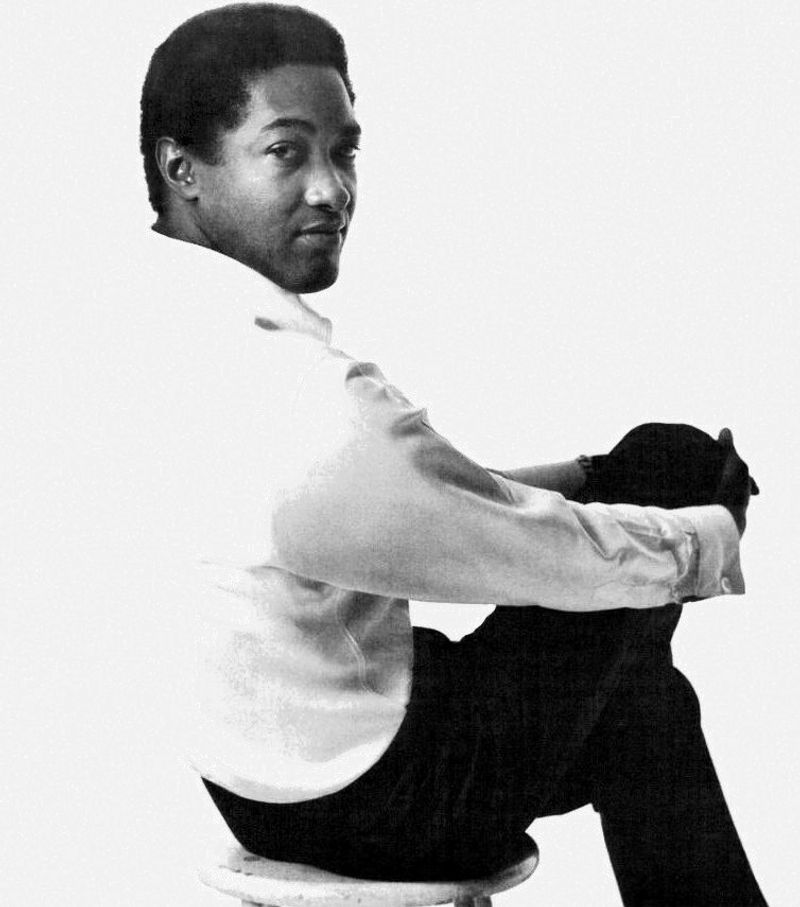
Sam Cooke released You Send Me in October 1957, and it immediately rose to No. 1 on both the Billboard pop chart and the rhythm-and-blues chart. Cooke had previously recorded gospel music as the lead singer of the Soul Stirrers, and his move to secular pop was considered controversial by some in the gospel community.
The song’s success proved the transition was commercially sound.
The recording was made independently and initially released on the small Keen Records label before being picked up for wider distribution. Its production was intentionally understated, keeping Cooke’s voice at the center with minimal instrumental arrangement.
That simplicity highlighted the extraordinary control and warmth in his vocal performance.
You Send Me sold over two million copies and launched one of the most important careers in American popular music. Cooke’s approach, combining gospel technique with pop accessibility, became a foundation for soul music as a genre.
Aretha Franklin, Al Green, and Marvin Gaye all acknowledged his influence.
13. Whole Lotta Shakin’ Goin’ On, Jerry Lee Lewis
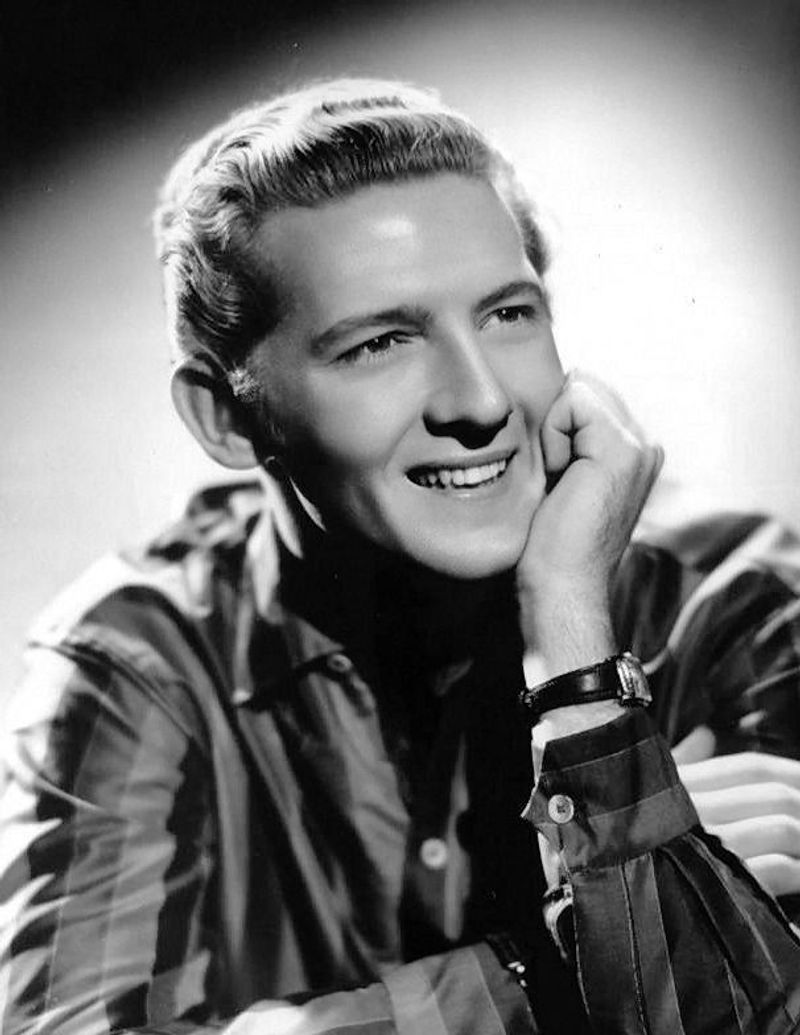
Jerry Lee Lewis recorded Whole Lotta Shakin’ Goin’ On at Sun Studio in Memphis earlier in 1957, before Great Balls of Fire made him a household name. The song had been written and previously recorded by Big Maybelle and others, but Lewis’s version transformed it into something entirely different.
His performance on The Steve Allen Show in July 1957 introduced the song to a national television audience and triggered an immediate surge in sales.
The recording reached No. 1 on both the country and rhythm-and-blues charts and climbed to No. 3 on the pop chart. Its raw energy and Lewis’s unrestrained piano attack made it one of the most visceral recordings of the decade.
Sam Phillips at Sun Records had initially hesitated about releasing the track, concerned about its suggestive content. That hesitation turned out to be unfounded commercially.
The song sold over six million copies worldwide and established Lewis as one of rock and roll’s central figures.
Share this story