Most people drive through Chelsea, Michigan without realizing that just a few miles away sits the largest state recreation area in Michigan’s Lower Peninsula, stretching across more than 20,000 acres of forests, wetlands, and glacier-carved lakes. I had no idea what I was getting into the first time I visited, and honestly, that turned out to be the best part.
The trails here twist through ecosystems that feel like they belong in a nature documentary, and the lakes are so calm on early mornings that you can hear a fish break the surface from 50 yards away. From mountain biking and disc golf to birdwatching a rare bog ecosystem and camping under a sky full of stars, this place has a way of surprising even the most seasoned outdoor explorer.
Keep reading, because the details of what this park holds are far better than anything a quick roadside sign could ever tell you.
Finding Your Way to the Park
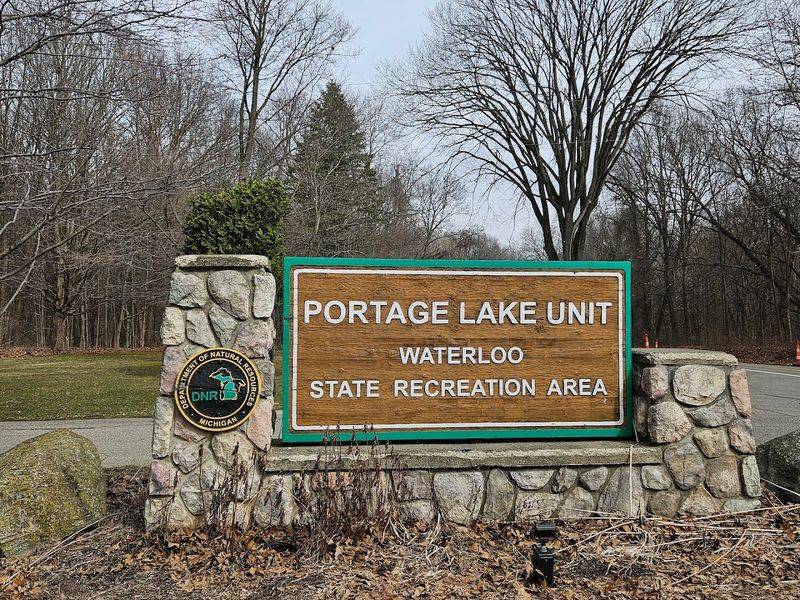
There is something quietly exciting about turning onto McClure Road and knowing that 20,000-plus acres of Michigan wilderness is about to open up in front of you. Waterloo State Recreation Area sits at 16345 McClure Rd, Chelsea, MI 48118, nestled in Washtenaw County about 15 miles west of Ann Arbor.
The park is open daily from 8 AM to 10 PM, and the phone number for the main office is +1 734-475-8307. You can also find detailed maps and reservation info at michigan.gov/waterloo.
A Recreation Passport is required for vehicle entry, which you can add when renewing your Michigan license plate or purchase at the gate. The staff at headquarters are genuinely friendly and ready to point you toward the right trail, campground, or lake for your plans.
First-timers should stop at the office before heading in, because the park is large enough that a little guidance saves a lot of wandering.
A Park That Grew from Glaciers
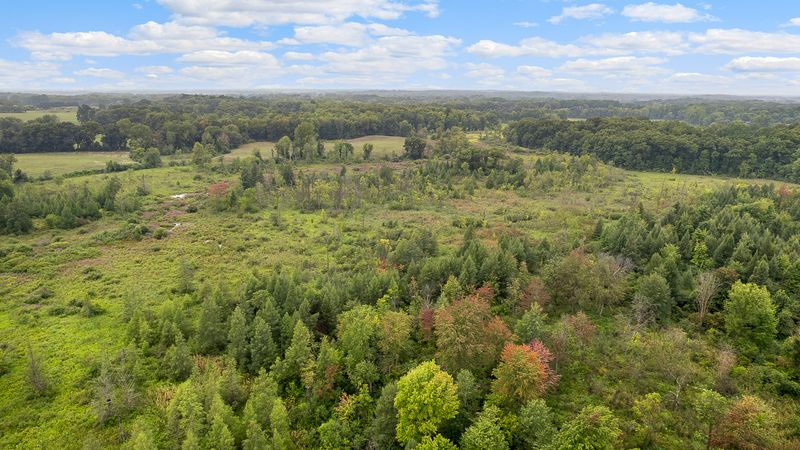
The land that makes up Waterloo State Recreation Area was shaped by retreating glaciers thousands of years ago, and the evidence is everywhere you look. The rolling hills, the kettle lakes, and the scattered wetlands are all direct results of glacial activity, giving the park a terrain that feels both ancient and alive.
That geological history is part of what makes the park so ecologically rich. You get forests, open meadows, marshes, and bogs all existing within the same massive landscape, each one supporting its own cast of plants and animals.
The park covers portions of several townships and contains more than 20 lakes within its boundaries. Visiting here feels less like a single-day outing and more like exploring a small region of its own.
The deeper you wander into the park’s interior, the more the outside world fades, replaced by birdsong, rustling leaves, and the occasional splash of a turtle dropping off a log into still water.
The Trail Network That Keeps Going
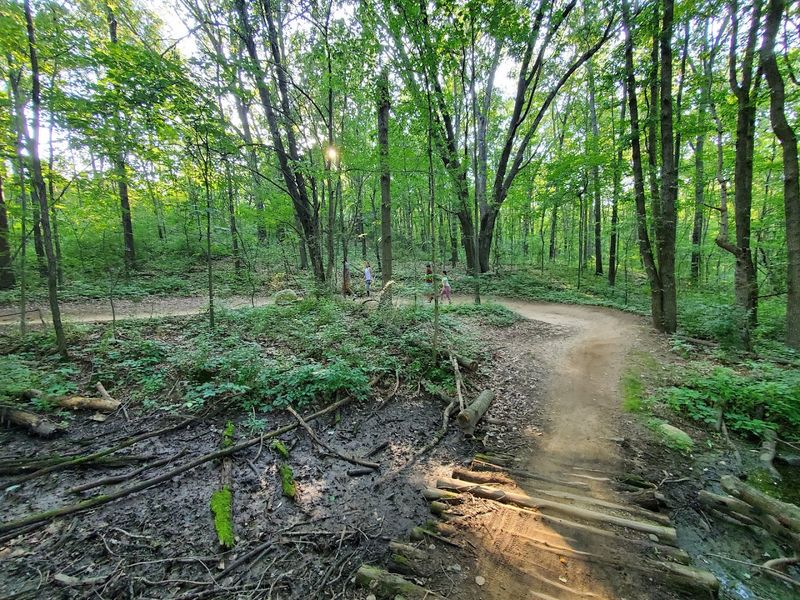
Forty-seven miles of multi-use trails run through the park, and that number alone is enough to make serious hikers, mountain bikers, and equestrians plan repeat visits. The trails range from easy flat loops around lake edges to more technical routes that climb through forested ridges and cross wooden bridges over marshy lowlands.
The crown jewel of the trail system is the Waterloo-Pinckney Trail, a long-distance route that connects Waterloo to the neighboring Pinckney Recreation Area. It passes through some of the most beautiful mixed forest in southeastern Michigan, with views of lakes and wetlands appearing around nearly every bend.
Mountain bikers especially love the trail network here, with flowing singletrack sections that reward skilled riders. Hikers can spend a full weekend covering different sections without retracing a single step.
The trail markers are clear and well-maintained, so getting truly lost is harder than it sounds, though the park is big enough to make you feel like you are completely alone in the woods.
Lakes Scattered Like Mirrors Across the Land
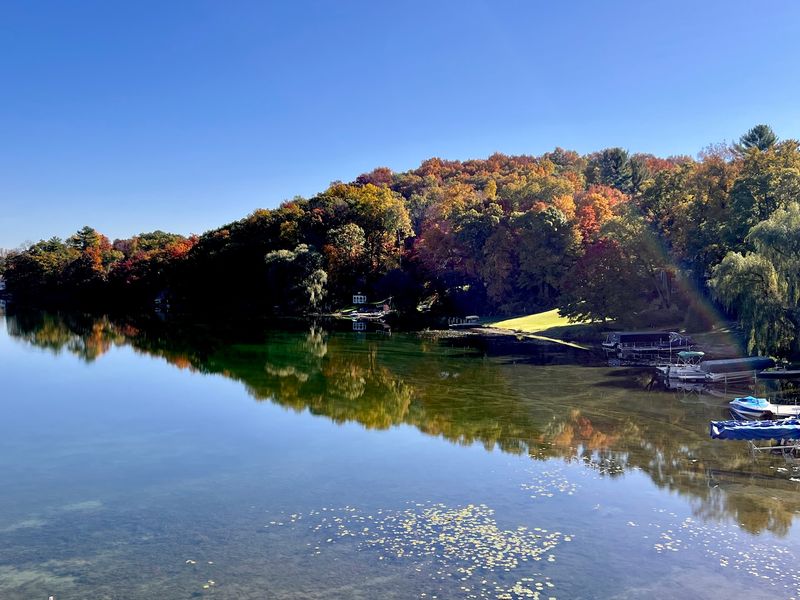
More than 20 lakes dot the park’s interior, each one with its own character. Portage Lake is the most popular, offering a sandy beach, a boat launch, a fishing pier, and two playgrounds that make it a natural gathering spot for families.
Sugarloaf Lake draws a quieter crowd, mostly campers and anglers who prefer a more relaxed pace. The bluegill fishing there is genuinely productive, and the surrounding campsites have a shaded, woodsy feel that is hard to beat on a warm summer evening.
Green Lake sits farther into the park and rewards visitors who seek it out with peaceful views and a sense of real seclusion. The lakes here are not just scenic backdrops but active parts of the experience, offering swimming, paddling, fishing, and simple lakeside sitting for anyone who just wants to watch the water.
Canoe and boat rentals are available seasonally, which means you do not need to haul your own gear to get out on the water.
Camping Options for Every Kind of Traveler
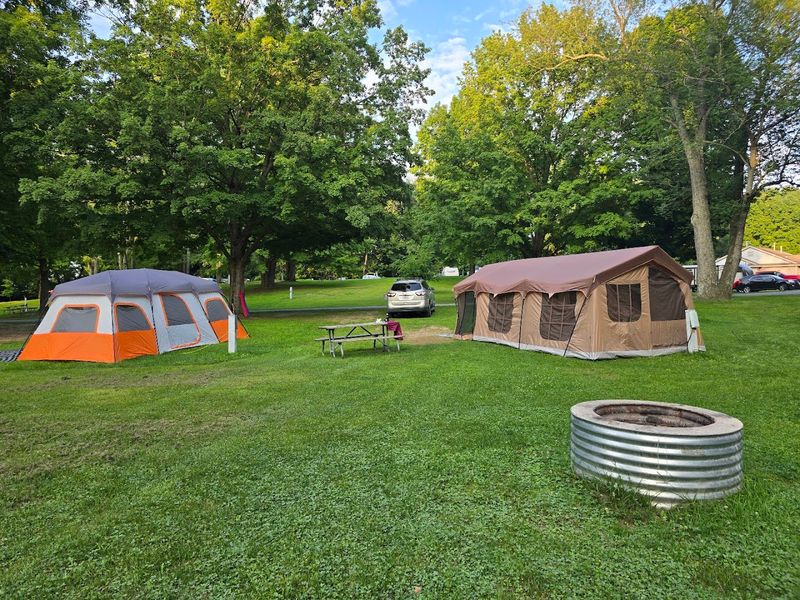
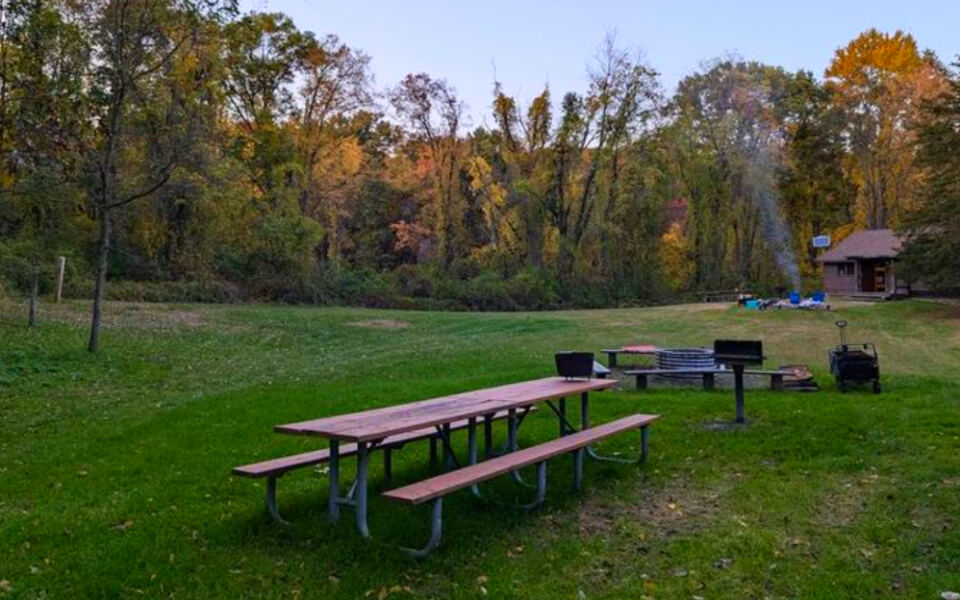
The park runs two main campgrounds, each offering a different camping experience. Portage Lake Campground has paved and grassy sites, pull-through options for larger rigs, clean restrooms with showers, and easy access to the beach and playground.
It is a comfortable setup that works well for families or anyone who appreciates a few creature comforts alongside their outdoor time.
Sugarloaf Lake Campground has a more natural feel, with sites tucked among the trees and a quieter atmosphere that appeals to those who want to hear the frogs at night rather than their neighbors’ generator. Both campgrounds are open to tents and RVs, and firewood and ice are available for purchase at the park office.
The park also offers cabin rentals and tiny house accommodations for visitors who want a roof overhead without sacrificing the outdoor setting. Reservations fill up fast during summer weekends, so booking well in advance is the smartest move anyone planning a trip here can make.
The Black Spruce Kettle Bog That Feels Like Another World
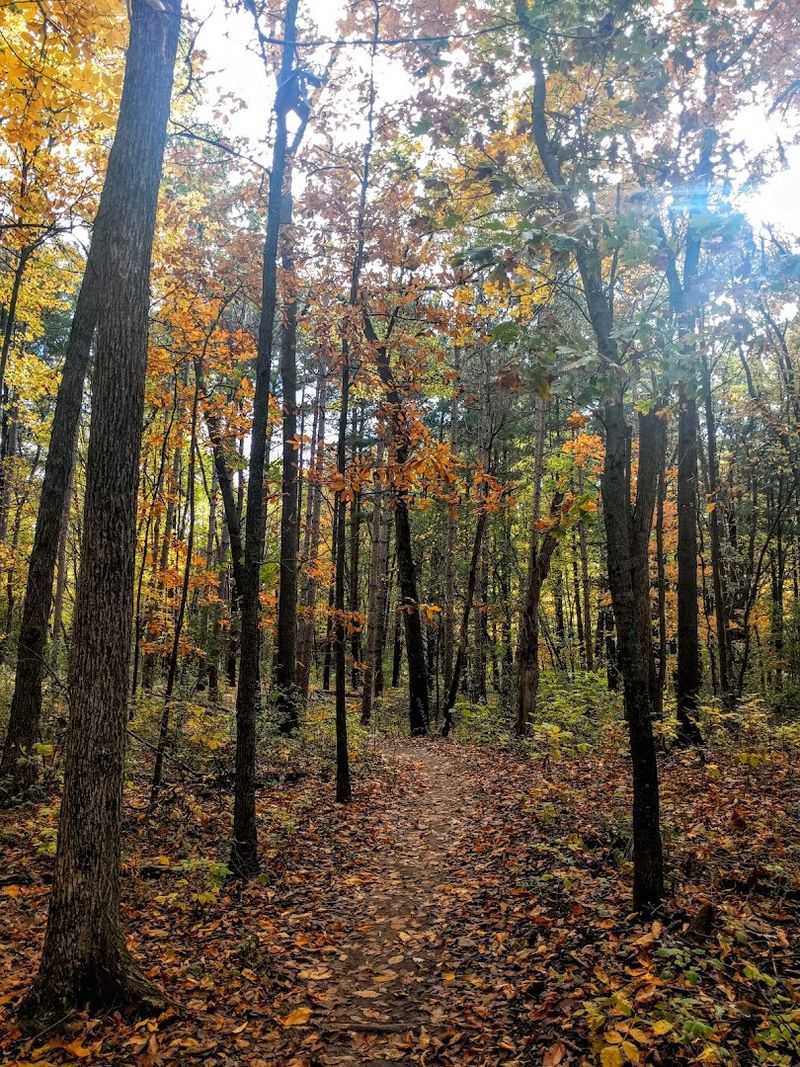
Hidden within the park is one of its most unusual and memorable features: the Black Spruce Kettle Bog. This rare ecosystem formed in a glacial depression and supports plant species that are not commonly found in southern Michigan, including carnivorous plants and specialized mosses that thrive in the bog’s acidic, waterlogged conditions.
The best way to find it is to navigate using the Eddy Discovery Center address, a tip that regular visitors swear by. The Discovery Center itself is a worthwhile stop, offering exhibits about the park’s natural history, wildlife, and the unique ecosystems found throughout the area.
The bog has a genuinely otherworldly quality to it. The dark water, the floating mat of sphagnum moss, and the stunted spruce trees create a scene that looks more like northern Canada than central Michigan.
Visiting during different seasons reveals different plant communities and wildlife, making it a spot worth returning to more than once. The bog alone is reason enough to make the trip.
Wildlife Watching Worth Waking Up Early For

The park’s mix of habitats makes it a genuinely productive place for wildlife observation. Deer are common throughout the forest edges and meadows, especially at dawn and dusk when they move between feeding and resting areas.
Chipmunks are practically everywhere in the campgrounds, boldly investigating anything left unattended on a picnic table.
Birdwatchers find the park especially rewarding. The wetlands attract herons, egrets, and a variety of waterfowl, while the forested areas support woodpeckers, warblers, and raptors.
The park’s ADA-accessible hunting and birding blinds are well-maintained and positioned to give visitors good sightlines into key wildlife areas.
Turtles, frogs, and various fish species round out the aquatic side of the wildlife experience. The diversity here is a direct result of having so many different habitat types within a single park boundary.
A slow walk along any trail with binoculars and a field guide turns into a genuinely rewarding morning, no matter what time of year you visit.
Disc Golf, Beaches, and Rentals Round Out the Fun
Beyond the trails and the lakes, the park packs in a solid lineup of recreational options that give it something for almost every kind of visitor. The disc golf course winds through the forest with a series of tunnel-style fairways, each one presenting a slightly different challenge based on the width of the tree corridor and the angle of the turn toward the basket.
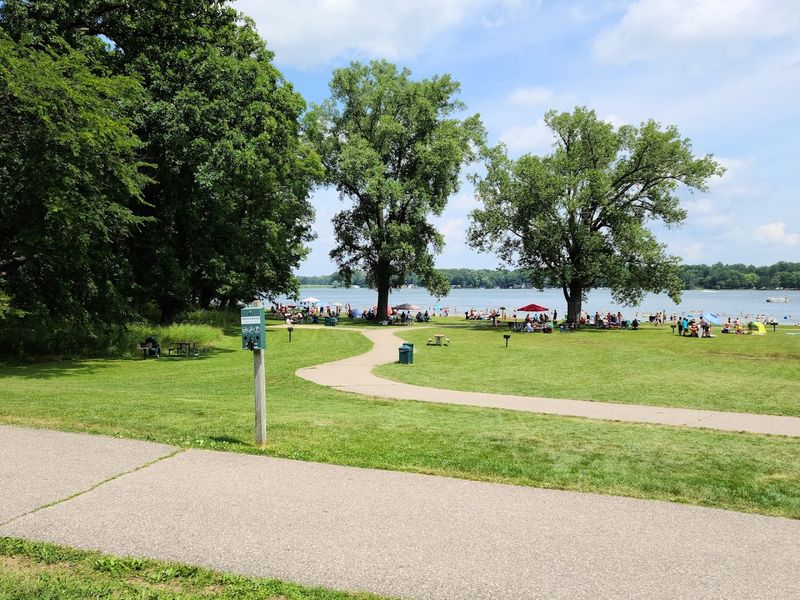
The beach at Portage Lake is a genuine highlight during summer months, with sandy shoreline, lawn areas, grills, and enough space that it never feels cramped even on a busy weekend. Paddle board and other watercraft rentals are available seasonally, which is a welcome convenience for visitors who did not bring their own gear.
The paved path from the parking area down to the beach makes access easy, though bringing a wagon for chairs, coolers, and kids’ gear is a smart call. The concession stand operates during peak season, so you will not have to pack everything in for a full day at the water.
Fishing the Lakes and the New Pier
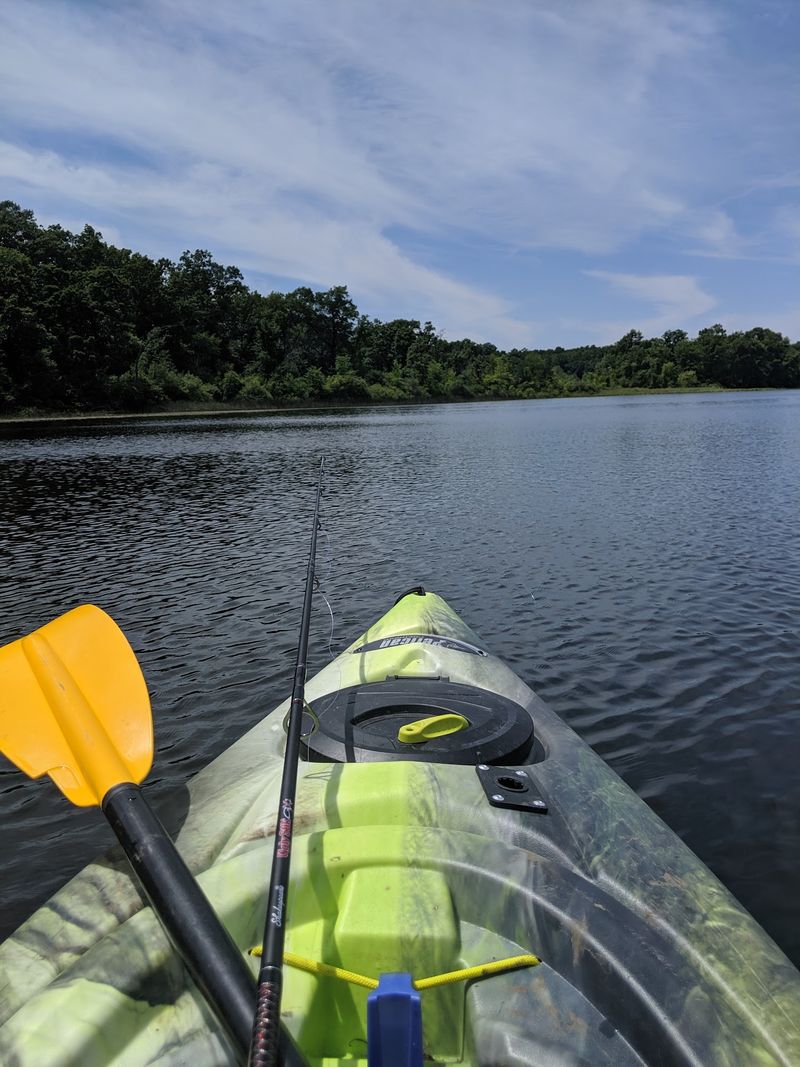
Fishing is one of the quieter pleasures the park offers, and the variety of lakes means anglers can target different species across different water bodies. Portage Lake has a newer fishing pier that extends out over the water and offers a stable, accessible platform for both experienced anglers and kids trying their luck for the first time.
Bluegill are plentiful in Sugarloaf Lake, and catching a steady stream of them on light tackle is genuinely fun even if the larger fish are not cooperating. The water in some areas runs shallow and clear, which can make spotting fish easier but also means they spook a bit faster, so patience and quiet movement go a long way.
Boat fishing is possible with the available launch facilities, and rental canoes give non-motorized anglers a way to reach spots that pier fishers cannot access. Early morning is reliably the best time on the water here, when the surface is glassy and the fish are active before the day heats up.
Planning Your Visit the Right Way
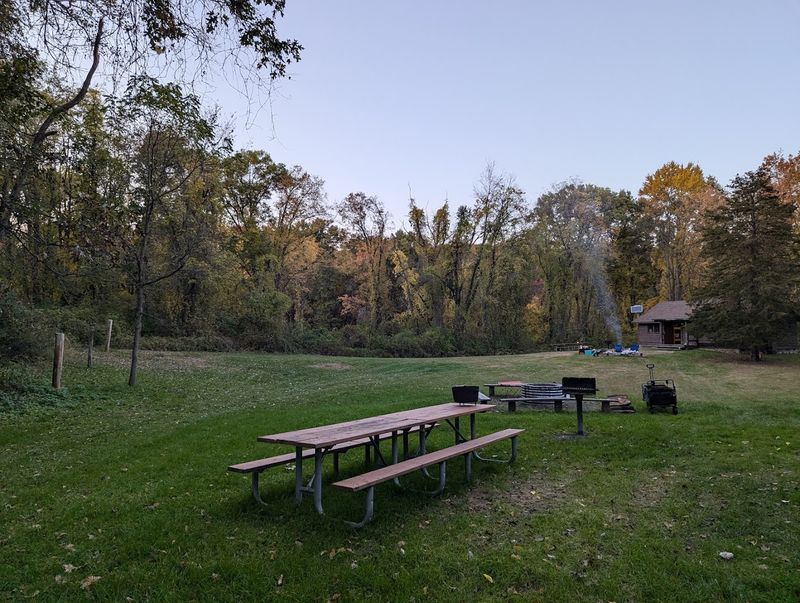
A few practical details make the difference between a smooth visit and a frustrating one. The park is open year-round, though weekend-only access applies during winter months.
Summer weekends draw the largest crowds, particularly at the Portage Lake beach area, so arriving early in the morning secures better parking and a wider choice of spots on the sand.
Campground reservations should be made well ahead of time, especially for holiday weekends in June, July, and August. The park office staff are consistently described as helpful and knowledgeable, making a quick stop there at the start of your visit worthwhile for maps, trail conditions, and any seasonal updates.
Bringing a wagon for beach gear, packing your own firewood or budgeting to buy it on-site, and downloading an offline map before you lose cell service are all habits that regular visitors have picked up over time. The park rewards those who come prepared, and it has a way of turning a single visit into an annual tradition that is hard to break.
Share this story