 Unearth The Voyage
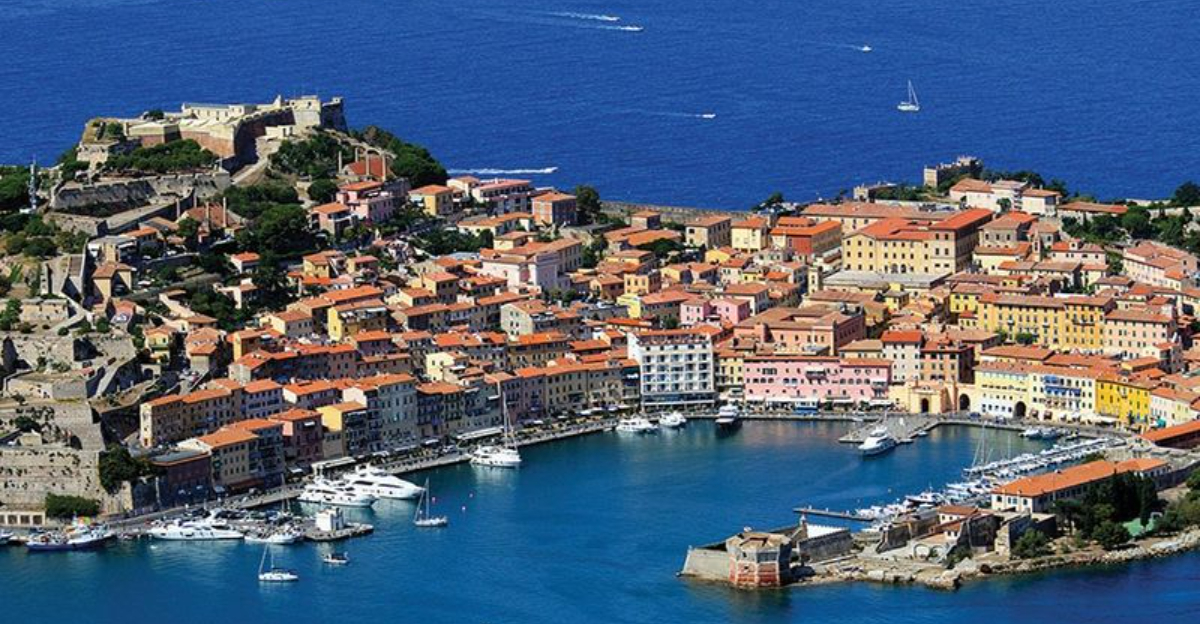
Santorini is stunning, no question about it. But the Mediterranean has dozens of gorgeous islands that offer everything you love about Greece’s famous white-and-blue gem without the overwhelming crowds and sky-high prices. From secret beaches and ancient ruins to car-free villages and volcanic landscapes, these 15 islands deliver unforgettable experiences with a more relaxed, authentic vibe.
1. Milos, Greece
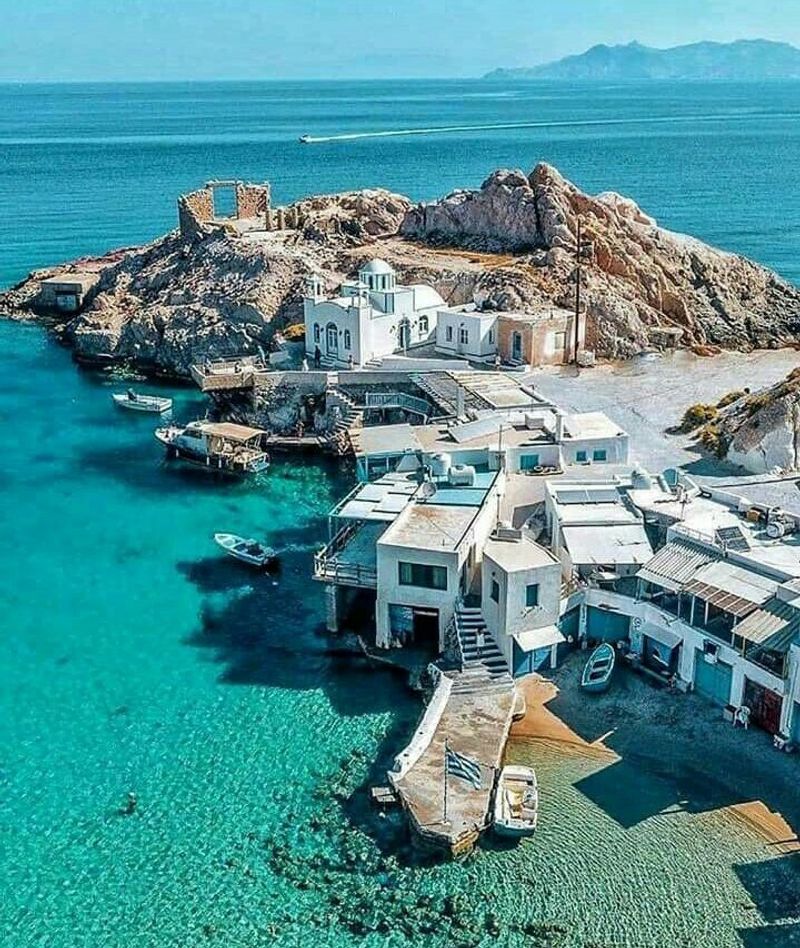
If Santorini is a postcard, Milos is a whole photo album. The island’s showstopper is Sarakiniko, famous for its chalk-white, sculpted lunar landscape beside neon-blue water. Walking across these smooth, wave-carved rocks feels like stepping onto another planet, and the contrast with the vivid sea is absolutely jaw-dropping.
Don’t skip a boat day while you’re here. The sea-cave coastline around Kleftiko is a classic Milos experience, where towering rock formations rise from crystal-clear water and you can swim through hidden arches and caves. You’ll find over 70 beaches scattered around the island, each with its own personality.
Why it might be better: otherworldly beaches plus explore-by-boat energy, not just viewpoints.
2. Naxos, Greece
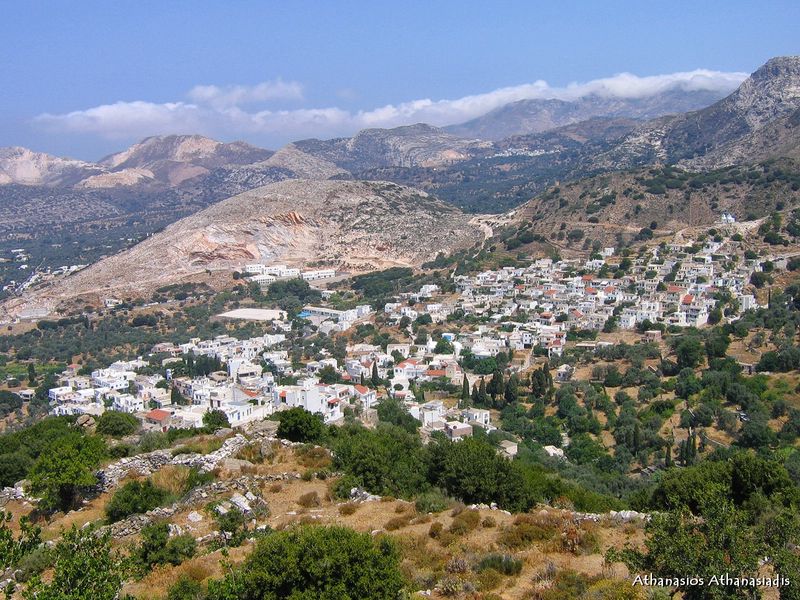
Naxos pairs seriously good beaches with real-deal island life, plus mountain villages inland. Discover Greece calls it the largest and most fertile Cycladic island, and its beach lineup ranges from family-friendly to wild and quiet. You can spend your morning on golden sand, then head to a hillside taverna for lunch with locals who actually live here year-round.
Then there’s the Portara, the colossal marble doorway from an unfinished temple on Palatia islet, dated to the late 6th century BC. Standing beneath this massive ancient frame as the sun sets over the Aegean is a moment you won’t forget.
Why it might be better: it’s not just a view, you get beach days and depth.
3. Folegandros, Greece

Folegandros is the Cyclades’ slower, moodier cousin. Its capital Chora sits dramatically on a high cliff above the Aegean, offering that same heart-stopping view Santorini is famous for but without the tour buses lining up behind you. Narrow cobblestone paths wind between whitewashed houses, and you can actually hear yourself think.
Recent travel coverage consistently frames it as a calmer alternative to Santorini’s intensity and infrastructure. The island has kept its authentic character intact, with family-run tavernas, quiet squares, and a pace that encourages long dinners and slow walks.
Why it might be better: the same cliff drama without the constant next photo pressure.
4. Hydra, Greece
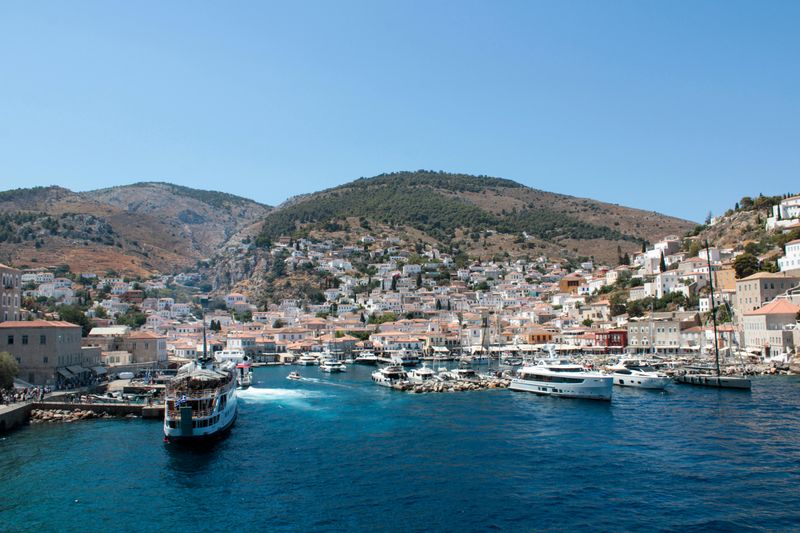
Hydra is famously car-free, and National Geographic notes the island bans cars and even bicycles to preserve its character. So you move on foot, by boat, or with the help of working animals. Donkeys still carry supplies through the narrow stone streets, just like they have for centuries, and the clip-clop of hooves on cobblestones becomes the island’s soundtrack.
The harbor is a crescent of elegant stone mansions built by wealthy ship captains in the 18th and 19th centuries. Artists and writers have long been drawn to Hydra’s timeless beauty and creative energy, and you’ll feel that magic the moment you step off the ferry.
Why it might be better: you can’t do too much, Hydra basically schedules relaxation for you.
5. Formentera, Spain
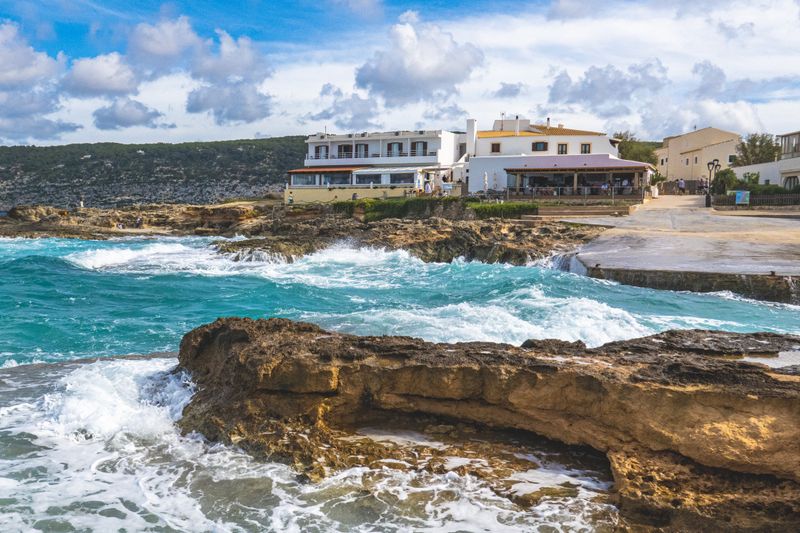
Formentera’s ace card is simplicity: beaches, bike rides, and that weightless, clear-water feeling. The official tourism site highlights Ses Salines d’Eivissa i Formentera Natural Park, spanning Ibiza, Formentera, and the sea between them. This protected area keeps development in check and preserves some of the most stunning coastal scenery in the Mediterranean.
Nearby, UNESCO’s Ibiza listing specifically includes dense meadows of Posidonia oceanica seagrass, key to Mediterranean marine ecosystems. These underwater meadows filter the water and create that impossible turquoise color Formentera is famous for. Rent a bike, pack a picnic, and spend the day hopping between beaches.
Why it might be better: you get the wow water without needing a caldera.
6. Menorca, Spain
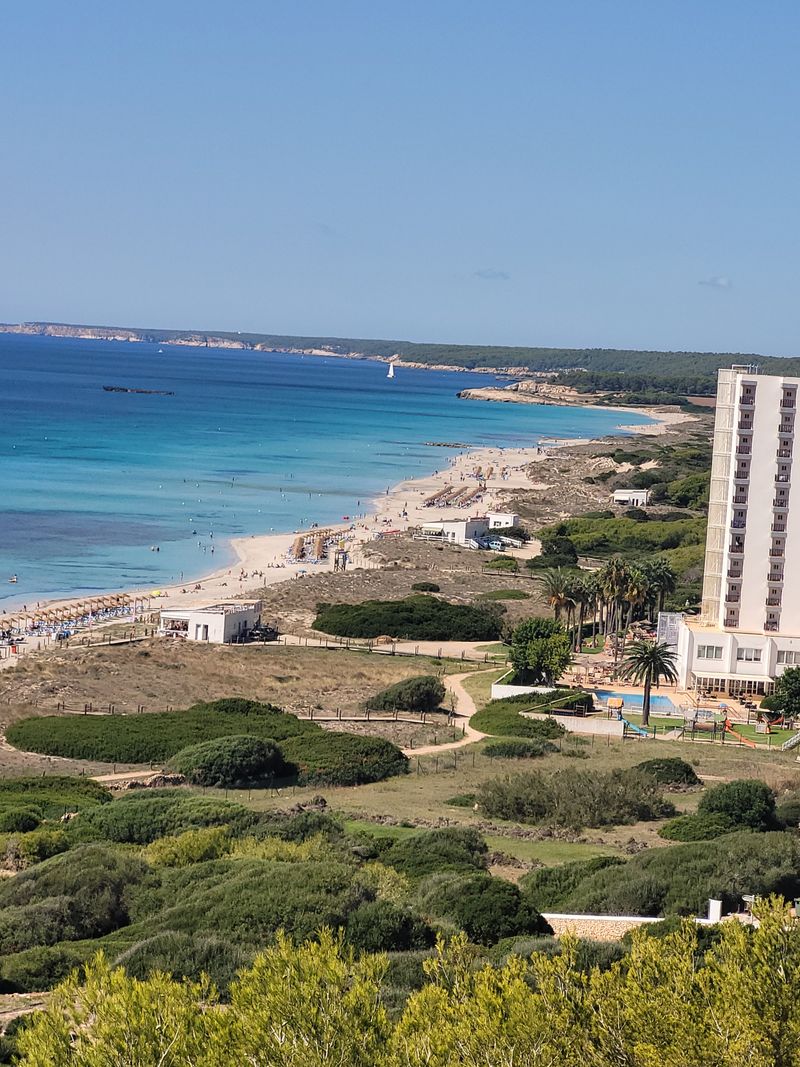
Menorca is where you go when you want Balearic beauty with a more nature-forward identity. UNESCO notes it was declared a Biosphere Reserve on 8 Oct 1993 for balancing development and conservation. Unlike its party-island neighbors, Menorca has protected its landscapes and kept mass tourism at bay, creating an island that feels refreshingly unspoiled.
Spain’s official tourism site also highlights the island’s habitat variety: ravines, wetlands, dunes, beaches. You can hike the Cami de Cavalls, a historic 185-kilometer coastal trail that circles the entire island, passing through all these different ecosystems. Each cove you discover feels like your own secret find.
Why it might be better: more quiet coves, more hiking, more real island rhythm.
7. Corsica, France
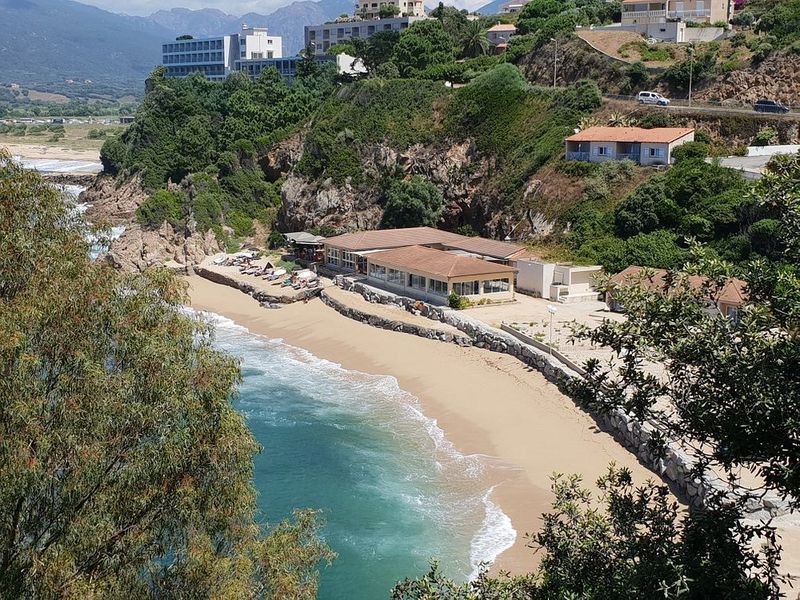
Corsica is rugged, mountainous, and proudly itself. If you like your island holiday with a side of adrenaline, the GR20 is widely described as a brutal, legendary route. The Guardian frames it as the hardest trail in Europe, a 180-kilometer mountain traverse that challenges even experienced hikers with steep climbs, rocky terrain, and stunning alpine scenery.
But you don’t have to tackle the full GR20 to appreciate Corsica’s wild beauty. The island offers dramatic coastal cliffs, mountain villages where Corsican language and traditions remain strong, and a cuisine that blends French and Italian influences with local wild herbs and charcuterie. Napoleon was born here, and Corsicans will proudly remind you of that fact.
Why it might be better: it’s not curated, Corsica feels earned.
8. Porquerolles, France
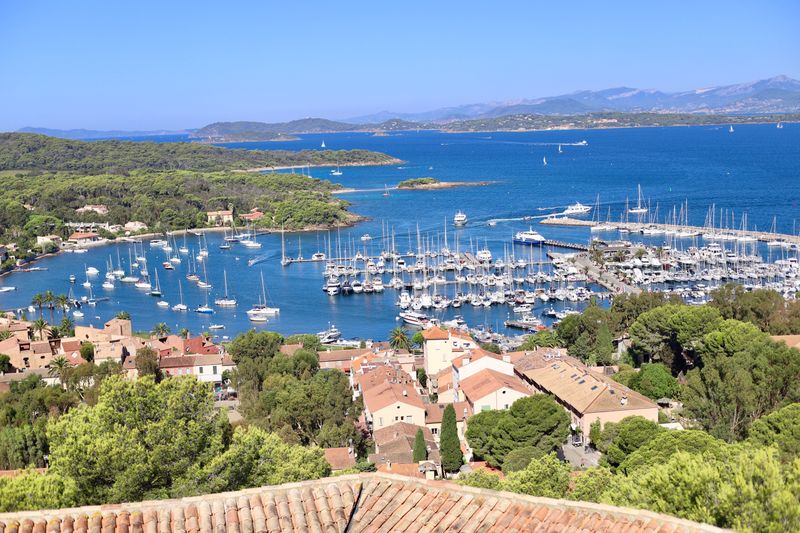
Porquerolles is part of the Port-Cros & Porquerolles National Park, created in 1963, one of France’s oldest national parks and the first marine park. This protected status means the island has stayed remarkably pristine, with pine forests, vineyards, and beaches that could be straight out of a travel fantasy. Cars are restricted, so you explore by bike or on foot.
Local tourism info highlights beaches and coves you can visit year-round. The water here has that perfect French Riviera clarity, but without the Riviera crowds and price tags. Cycle through eucalyptus groves to secluded swimming spots, then stop at a casual beachside spot for fresh fish and local wine.
Why it might be better: Riviera water plus protected landscapes plus a more low-key pace.
9. Elba, Italy

Elba delivers classic Tyrrhenian coast vibes with a history flex: Napoleon was exiled there in 1814 and famously escaped. You can visit his two residences on the island, Villa dei Mulini in Portoferraio and Villa San Martino in the countryside, and imagine what the former emperor thought while staring out at the sea, plotting his return to France.
Beyond the Napoleon connection, Elba offers beautiful beaches, hiking trails with Mediterranean views, charming harbor towns, and excellent seafood. The island is large enough to feel varied but small enough to explore thoroughly in a week. Local wines, especially the whites, pair perfectly with the fresh catch of the day.
Why it might be better: you can do beaches and a genuinely interesting history day without trying.
10. La Maddalena Archipelago, Italy
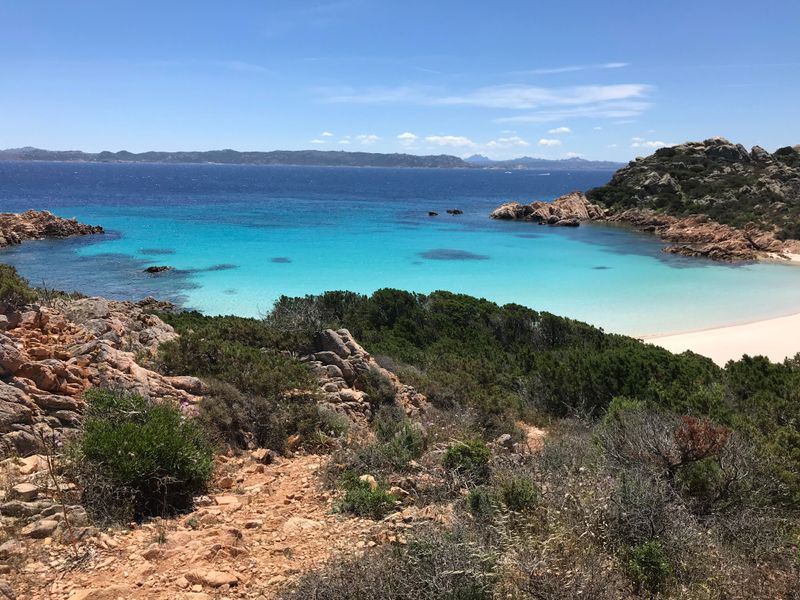
For that boat-between-secret-coves fantasy, La Maddalena is the move. SardegnaTurismo notes the Maddalena archipelago national park was created in 1994 and covers over 20,000 hectares of sea and land with about 180 kilometers of coastline. These granite islands rise from water so clear and colorful it looks photoshopped, with shades ranging from pale turquoise to deep sapphire.
Italy’s environment ministry also links the park’s establishment to a 1994 law. The main island of La Maddalena has a charming town with pastel buildings and excellent restaurants, but the real magic happens when you take a boat tour to the smaller islands like Budelli, Spargi, and Santa Maria, each with its own perfect beaches.
Why it might be better: Sardinia-level water, with built-in island-hopping.
11. Aeolian Islands, Italy
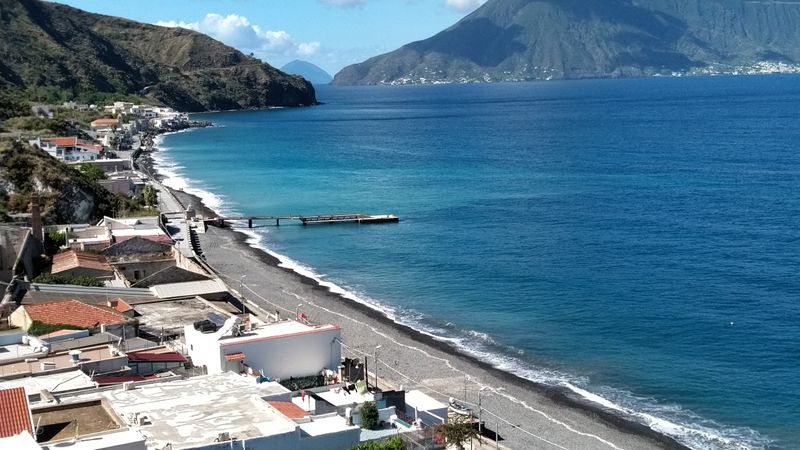
If you like your Mediterranean pretty with a little danger-at-a-distance, UNESCO lists the Aeolian Islands for their outstanding record of volcanic processes and ongoing phenomena. Stromboli erupts regularly, putting on a natural fireworks show you can watch from a boat at night. The glowing lava against the dark sky and sea is absolutely mesmerizing and slightly terrifying in the best way.
The archipelago includes seven main islands, each with its own character. Lipari is the largest and most developed, Vulcano lets you bathe in thermal mud, Salina is green and produces excellent capers, and Panarea attracts a chic crowd. Island-hopping here means experiencing different volcanic personalities and landscapes.
Why it might be better: Santorini’s volcanic story turned up, and spread across multiple islands.
12. Vis, Croatia
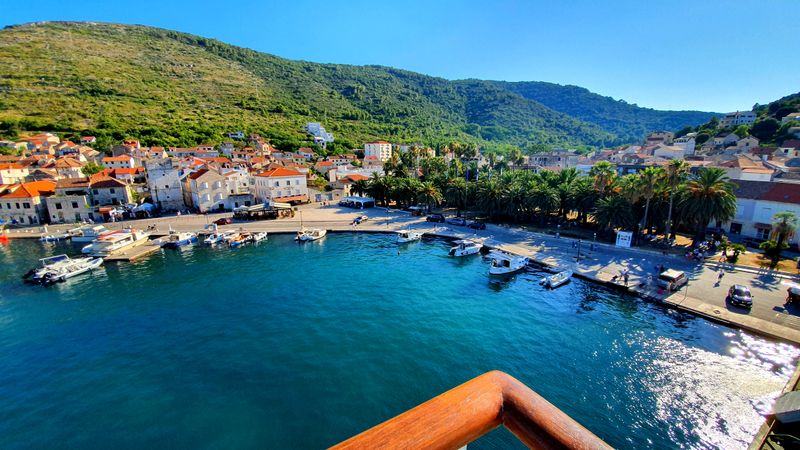
Vis is beloved for its mellow vibe and sea-day adventures. The Guardian notes the contrast between quick-hit mass excursions to the Blue Cave and Vis’s slower, more immersive pace. The island was closed to foreign visitors until 1989 because of its military importance, which accidentally preserved its authentic character and kept overdevelopment away.
Nearby Biševo is home to the famous Blue Cave, Modra špilja, where sunlight enters through an underwater opening and creates an ethereal blue glow inside the cavern. Back on Vis, you’ll find excellent local wine, especially from indigenous grape varieties, hidden beaches like Stiniva that require some effort to reach, and restaurants serving the freshest seafood you’ve ever tasted.
Why it might be better: you can still do the wow stuff, then disappear into calm.
13. Mljet, Croatia
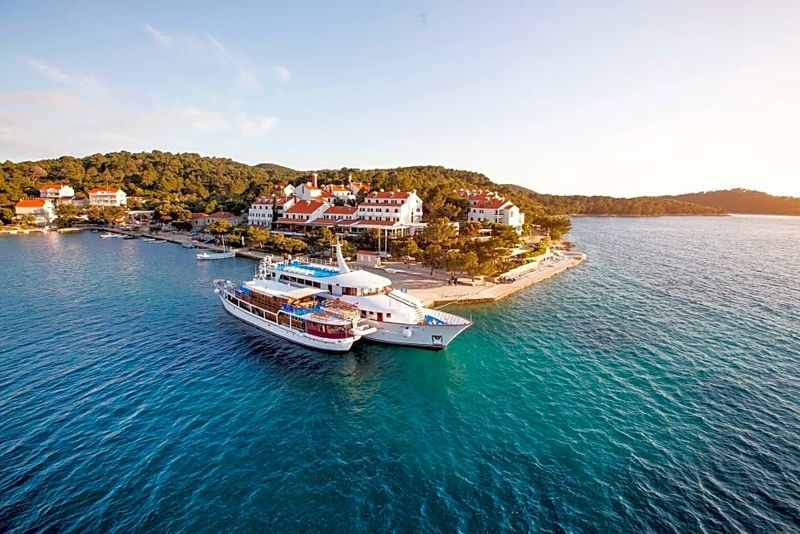
Mljet is for people who hear island and think green. The park’s official site states Mljet National Park was founded on 11 Nov 1960 and describes it as the oldest marine protected area in the Mediterranean. The park’s centerpiece is two stunning saltwater lakes surrounded by dense pine forest, connected to the sea by a narrow channel.
On the larger lake sits a tiny island with a 12th-century Benedictine monastery you can visit by boat. You can kayak on the lakes, cycle through the forest on well-marked paths, or simply swim in water that stays calm and warm. The island’s western end remains wild and less visited, perfect for hiking and finding your own quiet beach.
Why it might be better: it’s the opposite of crowded, more swim, kayak, nap, repeat.
14. Gozo, Malta
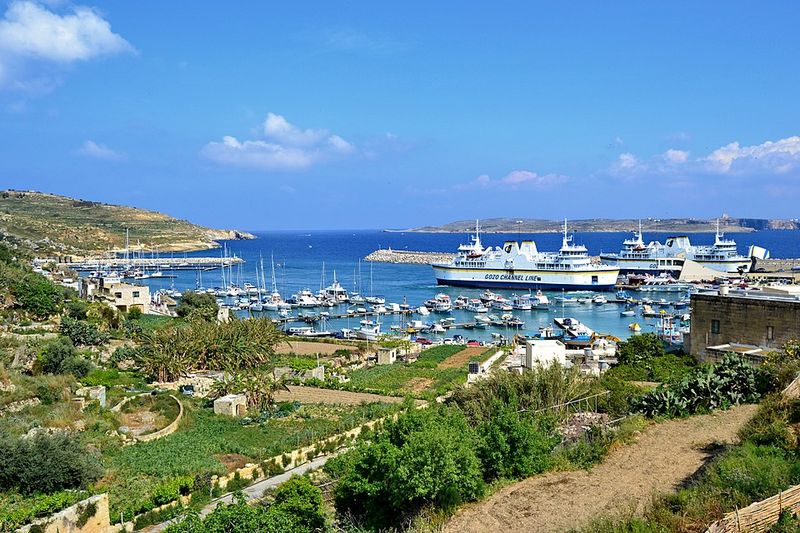
Gozo’s headline act is Ġgantija, a prehistoric temple complex on the Xagħra plateau. Heritage Malta dates the structures to roughly 3600 to 3200 BC, making them older than Stonehenge and the Egyptian pyramids. Standing before these massive stones, you realize people were building sophisticated ceremonial spaces here over 5,000 years ago, which puts your daily problems in perspective.
UNESCO includes Ġgantija as part of the Megalithic Temples of Malta World Heritage site across Malta and Gozo. Beyond the ancient temples, Gozo offers dramatic coastal scenery, charming villages, excellent diving, and a slower pace than Malta’s main island. The Inland Sea and Azure Window site remain popular despite the arch’s 2017 collapse.
Why it might be better: fewer crowds, deeper history, and a slower pulse than Malta’s main island.
15. Djerba, Tunisia
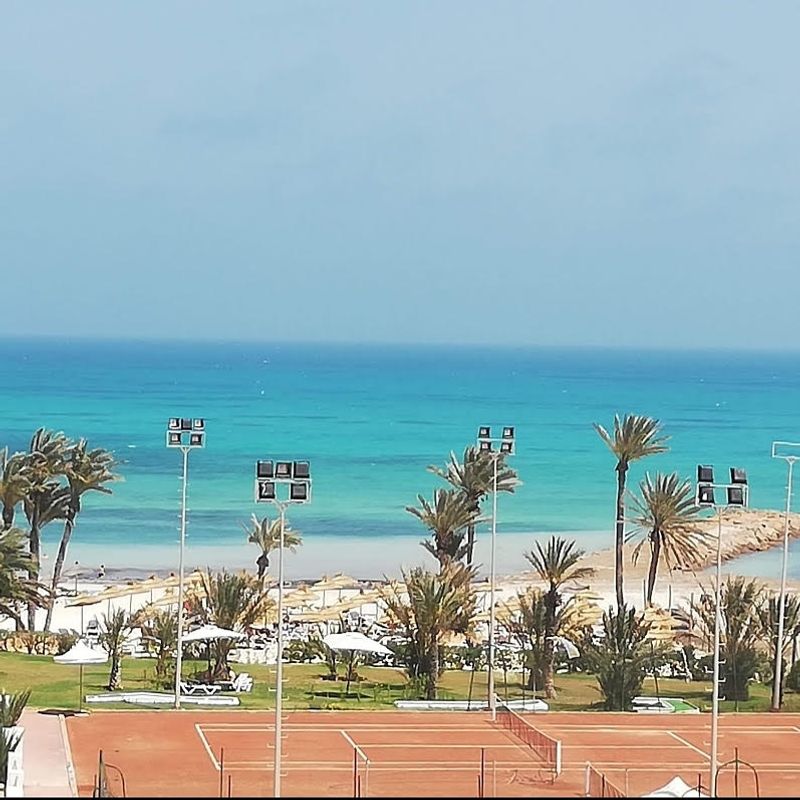
If you want something that feels genuinely different in the best way, Djerba brings culture, architecture, and a long settlement story. UNESCO’s listing describes it as a serial property testifying to a settlement pattern developing around the 9th century CE in a semi-dry, water-scarce environment. The island’s distinctive architecture includes fortified mosques and a unique system of traditional farms called menzels.
Djerba has been home to one of the world’s oldest Jewish communities for over 2,000 years, and the El Ghriba synagogue remains an important pilgrimage site. The island’s markets overflow with colorful pottery, woven goods, and spices. Beautiful beaches stretch along the coast, and the warm hospitality and different cultural perspective make Djerba feel like a true adventure.
Why it might be better: it’s not the same Mediterranean script you’ve already seen.



