Tucked into the heart of Atlantic County, New Jersey, there is a small town with a very big title. This town has officially earned the nickname the Blueberry Capital of the World, and that is not just local pride talking.
The town produces a remarkable share of the blueberries consumed across the United States, and its agricultural roots run deeper than most people realize. Beyond the berry fields, it has a rich cultural identity, a lively downtown, and a community that takes serious pride in where it comes from.
Whether you know the town by name or are hearing about it for the first time, the story of how this New Jersey community became a global agricultural landmark is genuinely fascinating. From its Italian immigrant heritage to its thriving farm economy, Hammonton is the kind of place that surprises you with just how much history and character can fit into one small town.
Where Exactly Hammonton Sits on the Map
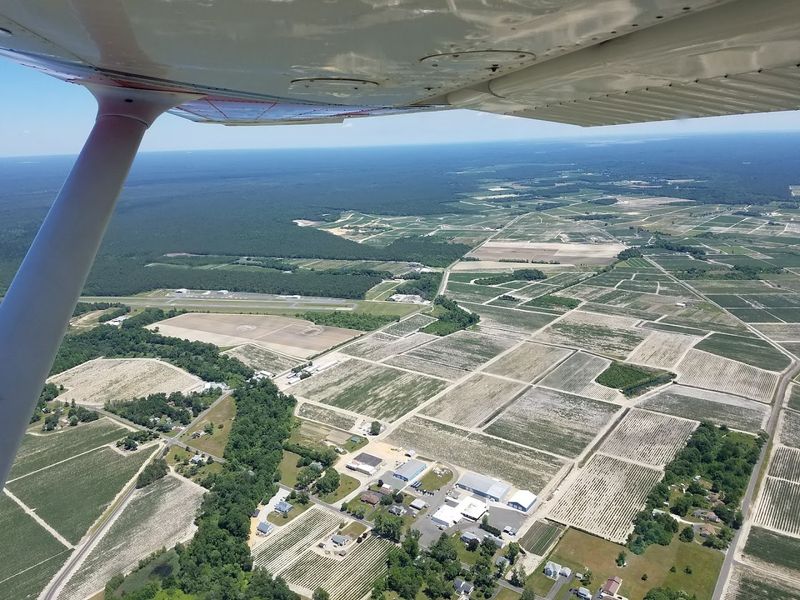
Hammonton is a town in Atlantic County, in the U.S. state of New Jersey. It sits roughly in the center of the state, positioned between Philadelphia to the west and Atlantic City to the east, making it a geographic crossroads of southern New Jersey.
The town is part of the Pine Barrens region, a vast stretch of forested land that covers much of central and southern New Jersey. That sandy, acidic soil that makes the Pine Barrens so distinctive also happens to be exactly what blueberry plants thrive in.
The official address for the town government is the Town of Hammonton, located in Hammonton, Atlantic County, New Jersey, and more information is available at townofhammonton.org. With a population hovering around 14,000 residents, it is not a sprawling city, but its agricultural footprint extends far beyond its town limits, giving it an outsized presence in the blueberry industry.
How the Blueberry Capital Title Was Earned
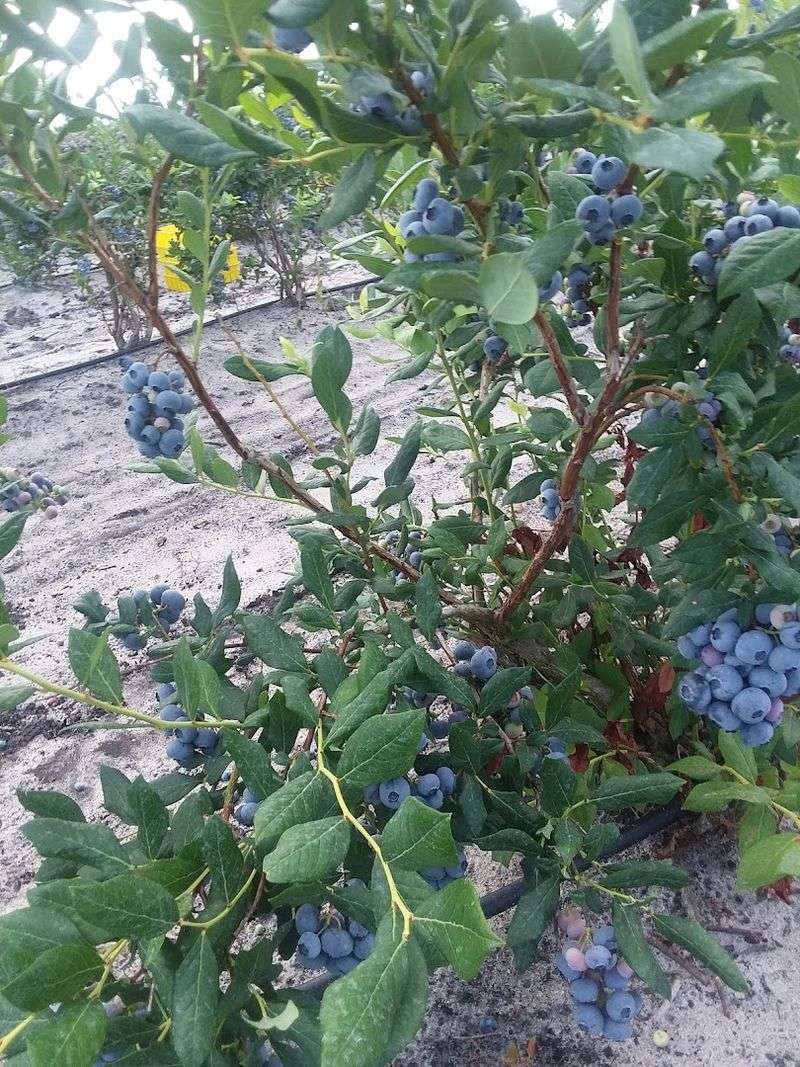
New Jersey is the third-largest blueberry-producing state in the country, and Hammonton sits at the center of that production. The region around the town accounts for a significant portion of the state’s annual blueberry harvest, which regularly reaches tens of millions of pounds each year.
The title of Blueberry Capital of the World is not an official designation handed down by any government body, but it has been widely recognized and repeated for decades. The combination of ideal growing conditions, a long farming tradition, and a concentrated network of blueberry farms in and around the town makes the claim hard to argue with.
Atlantic County as a whole produces more blueberries than most entire states, and Hammonton is the hub of that activity. The farms surrounding the town have supplied grocery stores, food manufacturers, and fresh markets across the country for well over a century, cementing the title in the process.
The Soil Secret Behind the Success
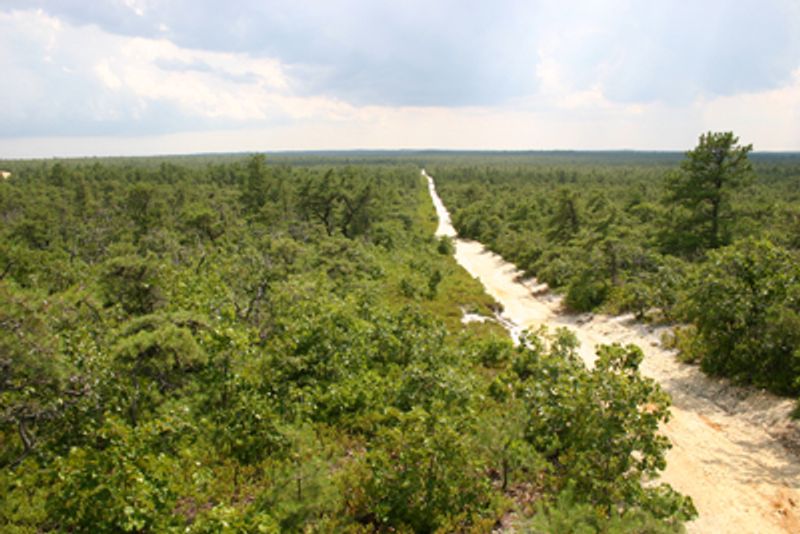
Not every piece of land can grow a great blueberry. The fruit requires very specific conditions, and Hammonton happens to sit on some of the most naturally suited agricultural land in the eastern United States.
The sandy, acidic soil of the Pine Barrens region is a perfect match for blueberry cultivation. Blueberry plants prefer a soil pH between 4.5 and 5.5, which is far more acidic than what most crops need.
The naturally low pH of the Pine Barrens soil means farmers in Hammonton spend far less time and money adjusting their fields compared to growers in other states.
The region also benefits from a relatively mild climate with enough rainfall to support healthy crops without excessive irrigation. That combination of soil chemistry, climate, and geography is not something that can be easily replicated elsewhere.
It is genuinely one of the reasons Hammonton became a blueberry powerhouse rather than just another farming community.
A Town Built by Italian Immigrants
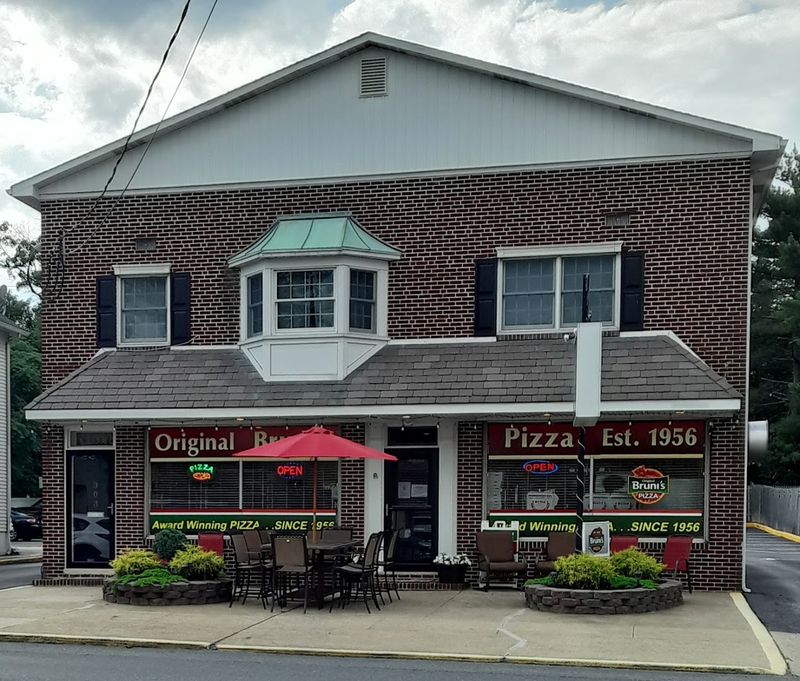
One of the most compelling parts of Hammonton’s story is its deep Italian immigrant heritage. Starting in the late 1800s and continuing well into the early 20th century, a large wave of Italian immigrants settled in Hammonton and transformed its agricultural landscape.
Many of these families came from southern Italy, particularly from regions like Calabria and Sicily, where farming was a way of life. They brought with them a strong work ethic and a willingness to cultivate land that others had overlooked.
The sandy Pine Barrens soil, which seemed unattractive to many, was something they were willing to work with.
Today, the Italian influence is still very visible in Hammonton. Family surnames, local traditions, Catholic parish life, and community festivals all reflect that heritage.
Some of the blueberry farms operating today are still run by descendants of those original immigrant families, which gives the town a sense of continuity that spans generations.
The Long History of Blueberry Farming Here
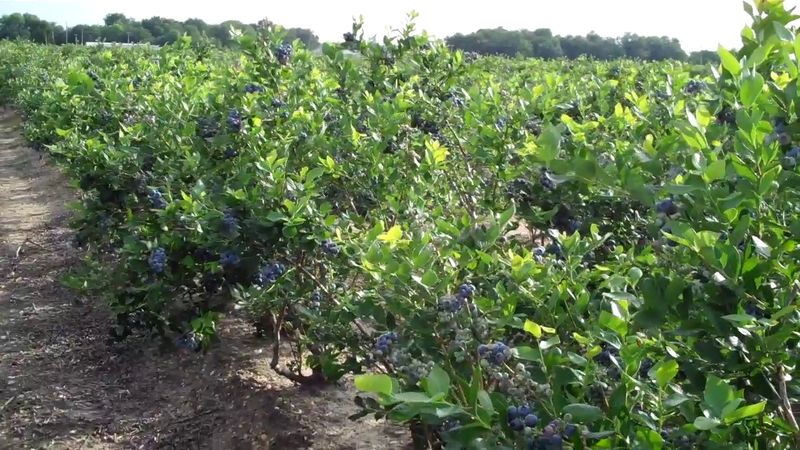
Commercial blueberry farming in New Jersey has roots going back to the early 1900s. Elizabeth Coleman White, a botanist and horticulturalist from the nearby Whitesbog area, is widely credited with pioneering the cultivation of wild blueberries into a commercially viable crop around 1916.
Her work, done in collaboration with USDA botanist Frederick Coville, led to the development of the first cultivated highbush blueberry varieties. Once those varieties proved successful, farmers across the region, including those in and around Hammonton, began adopting them rapidly.
By the mid-20th century, Hammonton had become firmly established as the center of blueberry production in New Jersey. The farming community expanded, packing houses were built, and the infrastructure around blueberry harvesting and distribution grew into a regional industry.
That early investment in agricultural development created a foundation that the town continues to build on today, more than a century after those first cultivated blueberry plants took root.
The Annual Blueberry Festival That Draws Big Crowds

Every summer, Hammonton hosts one of the most well-attended agricultural festivals in New Jersey. The Hammonton Blueberry Festival brings thousands of people into the town each year, celebrating the crop that made the community famous.
The event typically features local vendors, farm-fresh produce, craft booths, live entertainment, and activities for all ages. It is a genuine community celebration rather than a purely commercial event, and that spirit comes through in how the town comes together to host it.
For many families, attending the festival has become an annual tradition. People travel from across New Jersey and neighboring states specifically to participate.
The festival also serves as an important economic event for local businesses, giving downtown Hammonton a boost during the blueberry harvest season.
Beyond the fun, the festival functions as a way of educating the public about where their food comes from and the farming traditions that sustain communities like Hammonton. That educational element adds a layer of meaning to what might otherwise just be a fun summer outing.
Downtown Hammonton and Its Local Character
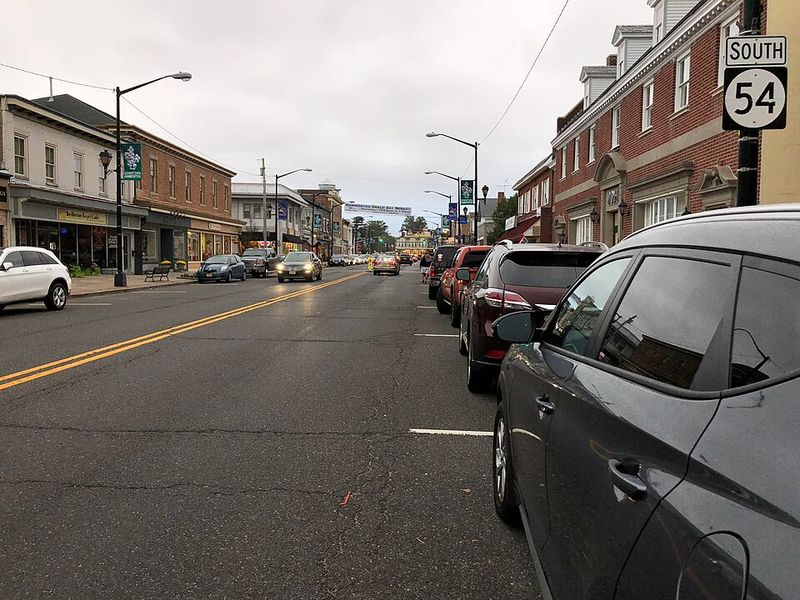
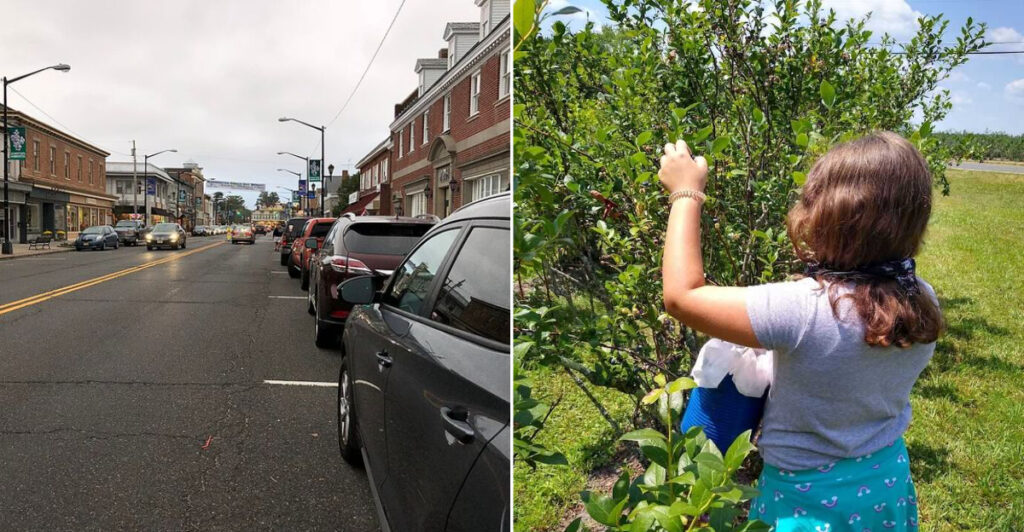
The downtown area of Hammonton has the kind of character that larger towns often try to manufacture but rarely achieve naturally. Bellevue Avenue, the main commercial corridor, is lined with locally owned shops, small businesses, and community spaces that reflect the town’s identity rather than a generic retail template.
The streetscape is walkable and approachable, with a mix of historic architecture and updated storefronts that give the area a lived-in, genuine feel. It is the kind of downtown where people actually know each other and where the businesses have real histories tied to the community.
Community events, seasonal decorations, and local gatherings regularly animate the downtown area throughout the year. The town has made consistent efforts to maintain and revitalize its commercial center, and those efforts are visible in the variety of businesses that have chosen to stay and grow there.
For anyone visiting Hammonton, spending time in the downtown area gives a clearer picture of what the town values and how it presents itself to the outside world.
Pick-Your-Own Farms That Welcome the Public
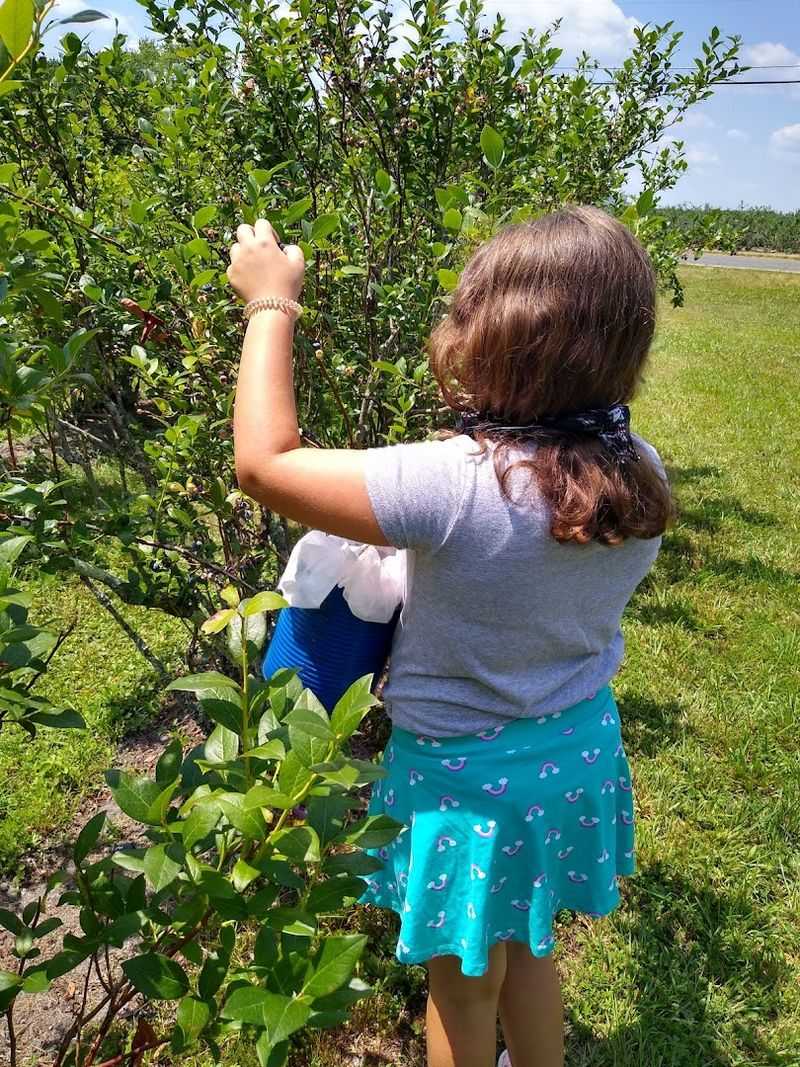
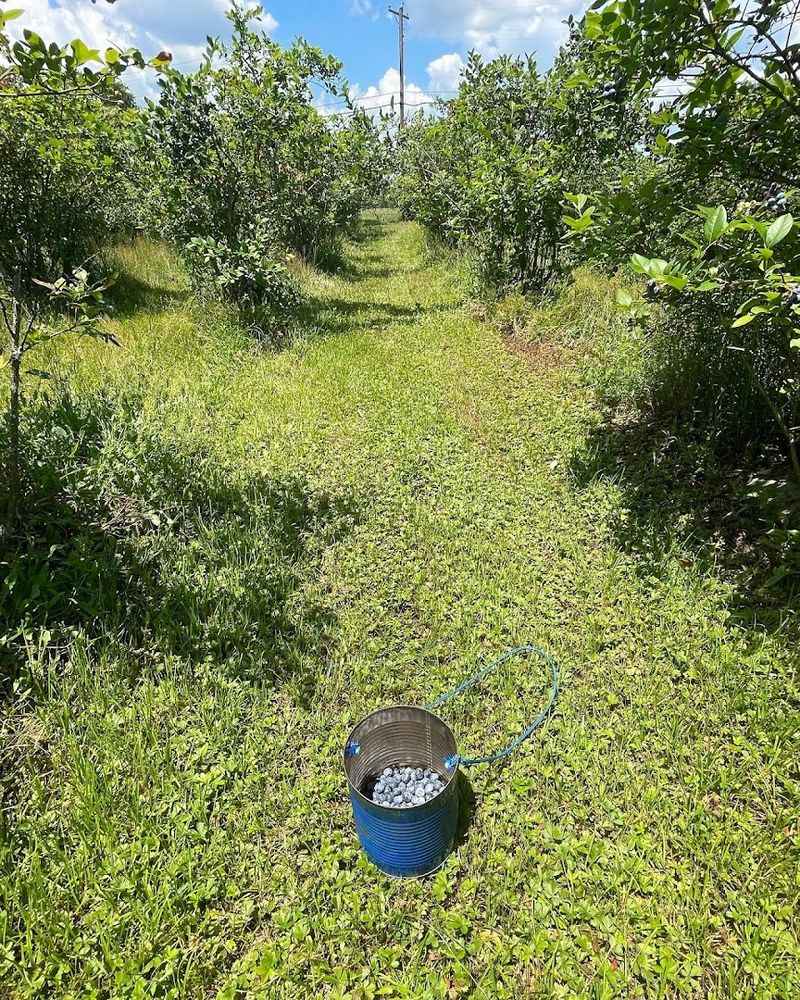
One of the most popular ways to experience Hammonton during blueberry season is by visiting one of the many pick-your-own farms that open to the public each summer. These farms allow guests to walk directly into the blueberry fields and harvest the fruit themselves, which is both a practical and genuinely enjoyable experience.
The season typically runs from late June through early August, though the exact timing varies depending on weather conditions each year. During peak weeks, the fields are busy with families, couples, and groups who come out specifically for the picking experience.
Several farms in and around Hammonton have been operating pick-your-own programs for decades. The farms are generally well-organized, with clear rows, staff on hand to assist, and containers provided for harvesting.
Many visitors return year after year, treating the outing as a seasonal ritual.
The experience connects people directly to the agricultural process in a way that a grocery store simply cannot replicate, which is part of why it remains so popular season after season.
The Role of Agriculture in the Local Economy
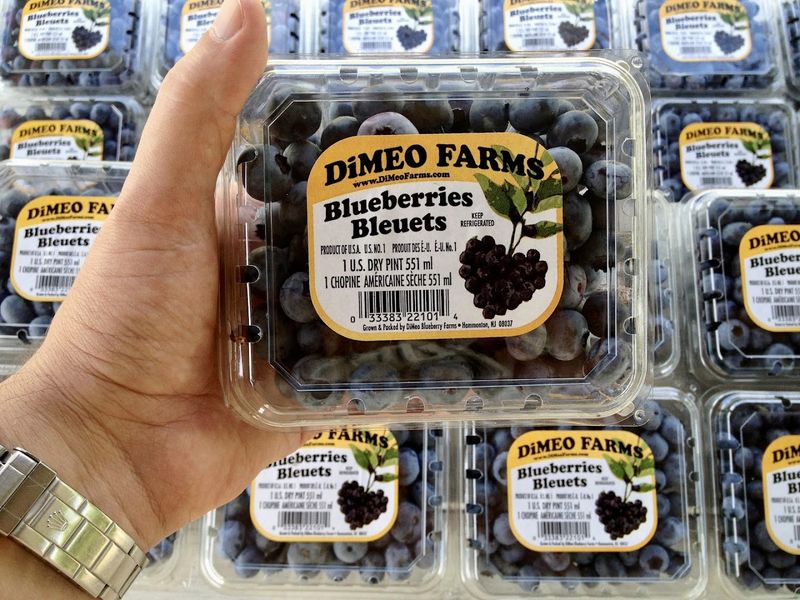
Agriculture is not just a backdrop in Hammonton, it is a core driver of the local economy. The blueberry industry supports a broad network of jobs that extends well beyond the farms themselves, including packing houses, transportation, equipment suppliers, and agricultural services.
Atlantic County, where Hammonton is located, is consistently one of the top blueberry-producing counties in the entire country. The economic activity generated by that production flows through the local community in meaningful ways, supporting families and businesses that have been part of the industry for generations.
The town and county have also worked to attract agritourism, which brings additional economic activity during the growing season. Visitors who come to pick berries, attend festivals, or tour farms spend money at local businesses, adding another layer of economic benefit.
That combination of direct agricultural income and tourism-related spending gives Hammonton a more diversified economic base than its small-town size might suggest, and it reflects how strategically the community has built around its primary natural asset.
Community Pride and the Blueberry Identity
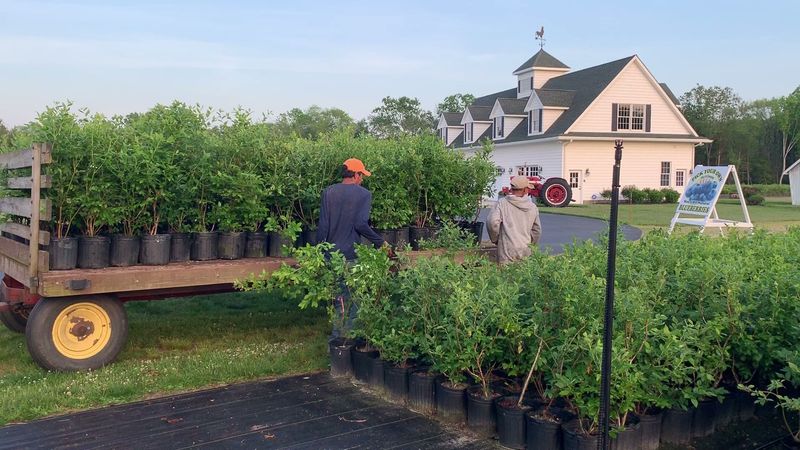
In Hammonton, the blueberry is more than a crop. It functions as a symbol of community identity that shows up in local branding, public art, school mascots, and everyday conversation.
The town has genuinely embraced its agricultural heritage as a source of pride rather than treating it as a quaint footnote.
That pride is reflected in how the community talks about itself. Residents are generally aware of the town’s history and significance in the blueberry industry, and many have personal or family connections to farming.
That shared knowledge creates a sense of collective ownership over the town’s identity.
The blueberry theme also appears in public spaces around town, from murals to signage to community gardens. These visual reminders reinforce the connection between the town and its most famous product.
For a town of roughly 14,000 people, having a globally recognized identity tied to a specific agricultural product is genuinely unusual. Hammonton has leaned into that distinction in a way that feels authentic rather than forced, which makes it all the more compelling to outsiders.
The Pine Barrens Setting and Natural Landscape
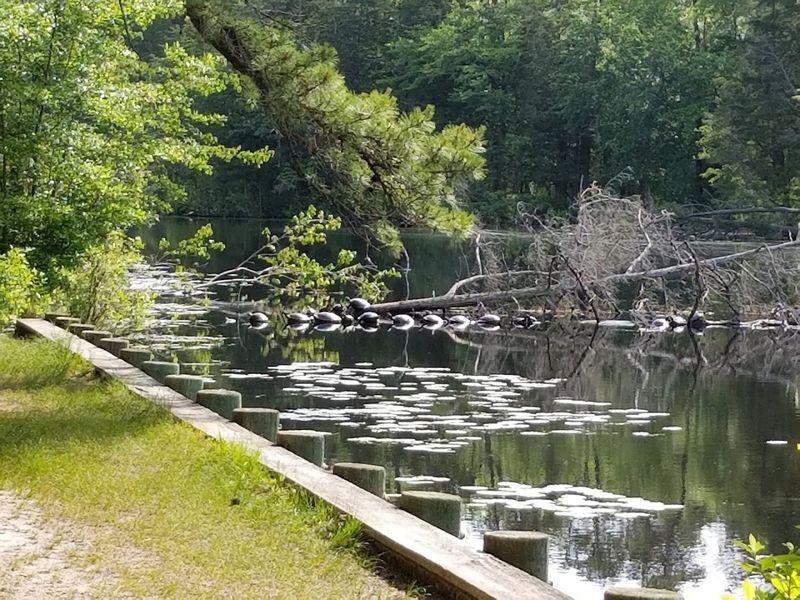
Hammonton is surrounded by the New Jersey Pine Barrens, a federally designated National Reserve that covers nearly 1.1 million acres across southern New Jersey. That natural setting shapes everything about the town, from its soil composition to its tourism appeal.
The Pine Barrens is one of the most ecologically significant regions on the East Coast of the United States. It supports a wide range of native plant and animal species, and its vast expanse of undeveloped land makes it a striking contrast to the heavily urbanized areas of northern New Jersey.
For residents and visitors, the surrounding landscape offers access to hiking trails, wildlife observation, and natural exploration. The Wharton State Forest, one of the largest state forests in New Jersey, is accessible from the Hammonton area and provides extensive outdoor recreation opportunities.
That proximity to protected natural land is one of the less-discussed assets of living in or visiting Hammonton, offering a quality of environment that is increasingly rare along the densely populated northeastern corridor of the United States.
Religious and Cultural Traditions That Run Deep
The Italian immigrant heritage of Hammonton brought with it a strong Catholic tradition that remains central to the town’s cultural life. The parish of Our Lady of Mount Carmel is one of the most historically significant in the region, and its annual feast celebration is among the oldest and most attended in New Jersey.
The Mount Carmel Feast, held each summer, draws tens of thousands of people to Hammonton from across the state and beyond. It is a multi-day event that combines religious observance with community celebration, and it has been running continuously for well over a century.
That kind of long-running tradition speaks to the depth of cultural continuity in Hammonton. The town has not lost its heritage to time or development, and the feast remains a living expression of the community’s roots rather than a reconstructed historical event.
For anyone interested in understanding what makes Hammonton distinct from other small New Jersey towns, the religious and cultural calendar is just as important as the agricultural one.
Education and Community Infrastructure

Hammonton operates its own public school district, which serves students from kindergarten through twelfth grade. The Hammonton School District has a reputation within Atlantic County for maintaining strong community involvement and a clear connection to the town’s local identity.
The high school’s athletic teams, known as the Blue Devils, compete across multiple sports in New Jersey’s state athletic association, and school events are well-attended by community members. That level of local engagement around the school system reflects the tight-knit character of the town overall.
Beyond the schools, Hammonton has a public library, parks, recreational facilities, and civic organizations that contribute to the quality of life for residents. The infrastructure, while modest in scale, is functional and actively used by the community.
For families considering a move to southern New Jersey, Hammonton’s combination of affordable housing relative to the rest of the state, a strong community identity, and access to both natural land and regional amenities makes it a genuinely attractive option worth examining closely.
Getting to Hammonton and Practical Visit Tips
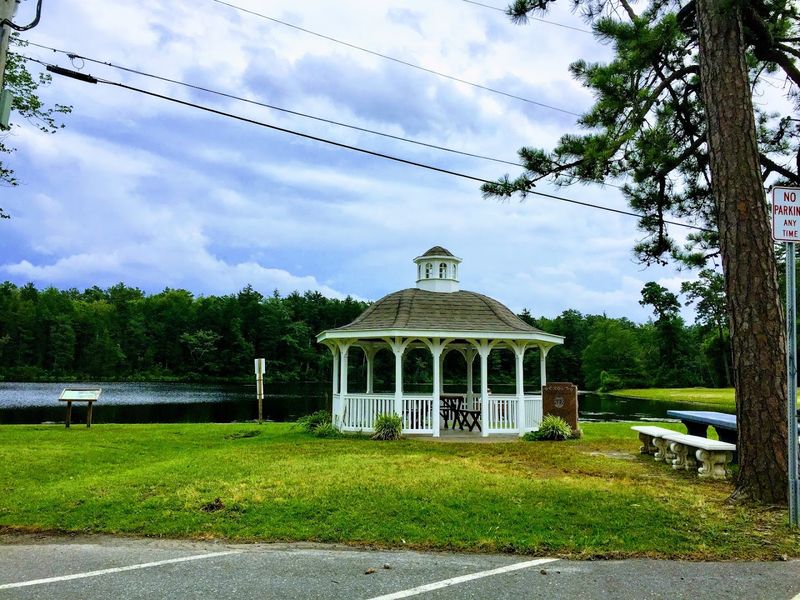
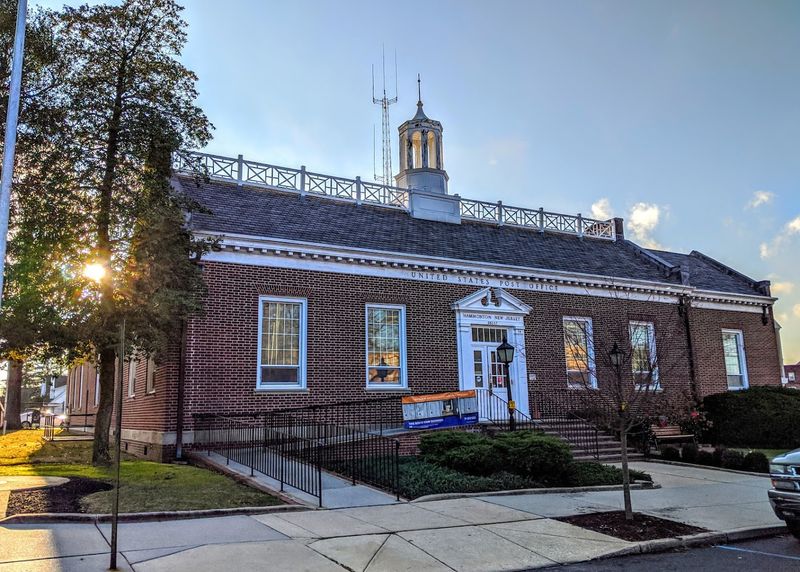
Hammonton is easily accessible by road, sitting near the intersection of U.S. Route 30 and the Atlantic City Expressway in Atlantic County.
That central location makes it reachable from Philadelphia in under an hour and from Atlantic City in about 30 minutes, which contributes to its appeal as a day-trip destination.
NJ Transit also provides rail service to Hammonton through the Atlantic City Rail Line, which connects the town to Philadelphia’s 30th Street Station. That train connection makes it possible to visit without a car, which is a practical advantage not every small New Jersey town can offer.
The best time to visit for the full blueberry experience is late June through late July, when the harvest is at its peak and the farms are most active. The Blueberry Festival typically falls within that window as well, making it possible to combine a farm visit with the festival in a single trip.
Parking in town is generally straightforward, and the compact downtown area is easy to explore on foot once you arrive.
Why Hammonton’s Story Still Resonates Today
There is something genuinely compelling about a small town that built an international reputation around a single crop grown in sandy soil. Hammonton’s story is not about luck or accident, it is about a community that recognized what its land could do and committed to doing it exceptionally well over more than a century.
That kind of focused, multigenerational effort is increasingly rare. Most agricultural communities across the United States have seen their farming traditions diminish as land gets developed and younger generations move away.
Hammonton has managed to hold onto its identity in a way that many similar towns have not.
The blueberry industry continues to evolve, with new farming techniques, expanded distribution networks, and growing consumer interest in locally sourced produce all working in the town’s favor. Hammonton is not coasting on its history, it is actively building on it.
For a town of its size, the combination of agricultural significance, cultural depth, natural surroundings, and community cohesion makes Hammonton one of the more quietly remarkable places in the entire state of New Jersey.
Share this story