 Unearth The Voyage
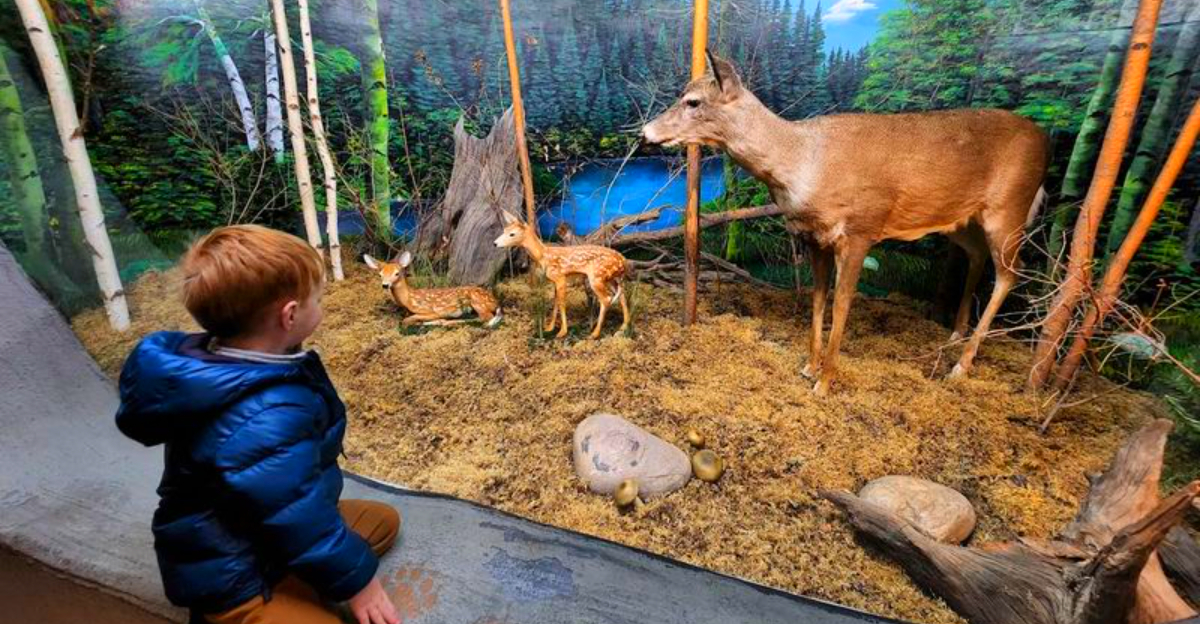
Somewhere in northern Michigan, a museum stops road-trippers in their tracks – and once you hear what’s inside, you’ll understand why. Hundreds of North American animals appear in lifelike scenes with hand-painted backdrops, creating an experience that feels part natural history exhibit, part storytelling.
With friendly staff, modest admission, and even a fudge shop on the way out, it’s the kind of hidden gem that quickly turns a quick stop into an unforgettable visit.
Where It All Begins: Address, Location, and First Impressions
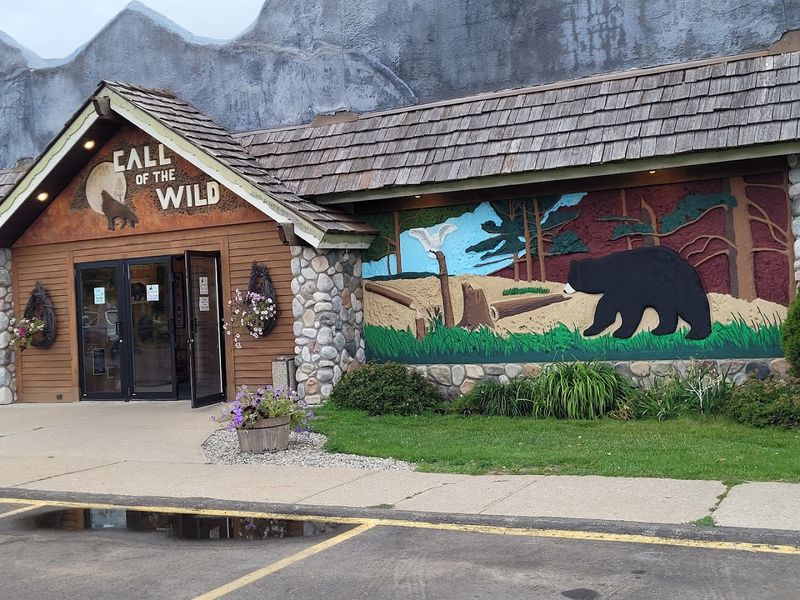
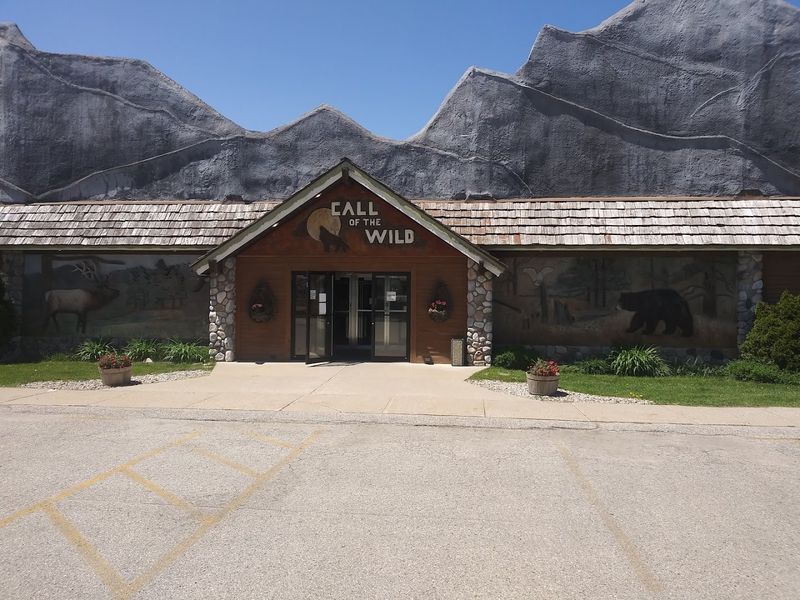
The first thing that strikes you about the Call of the Wild Museum, located at 850 S Wisconsin Ave, Gaylord, MI 49735, is how unassuming the building looks from the outside. You almost wonder if you have the right address.
Then the doors open, and the whole mood shifts instantly. The museum sits right in the heart of Gaylord, a small city in Otsego County in northern Michigan, surrounded by forests and lakes that make the wildlife theme feel completely natural.
Gaylord is a popular stop for families heading to the Upper Peninsula, and this museum has become one of the most talked-about attractions along that route. The parking lot is easy to access, and the staff at the front desk greets you like they have been expecting you all day.
With a 4.7-star rating from over 1,300 reviews, the reputation here is well earned before you even take your first step inside.
Over 60 Wildlife Displays That Fill Every Wall and Corner
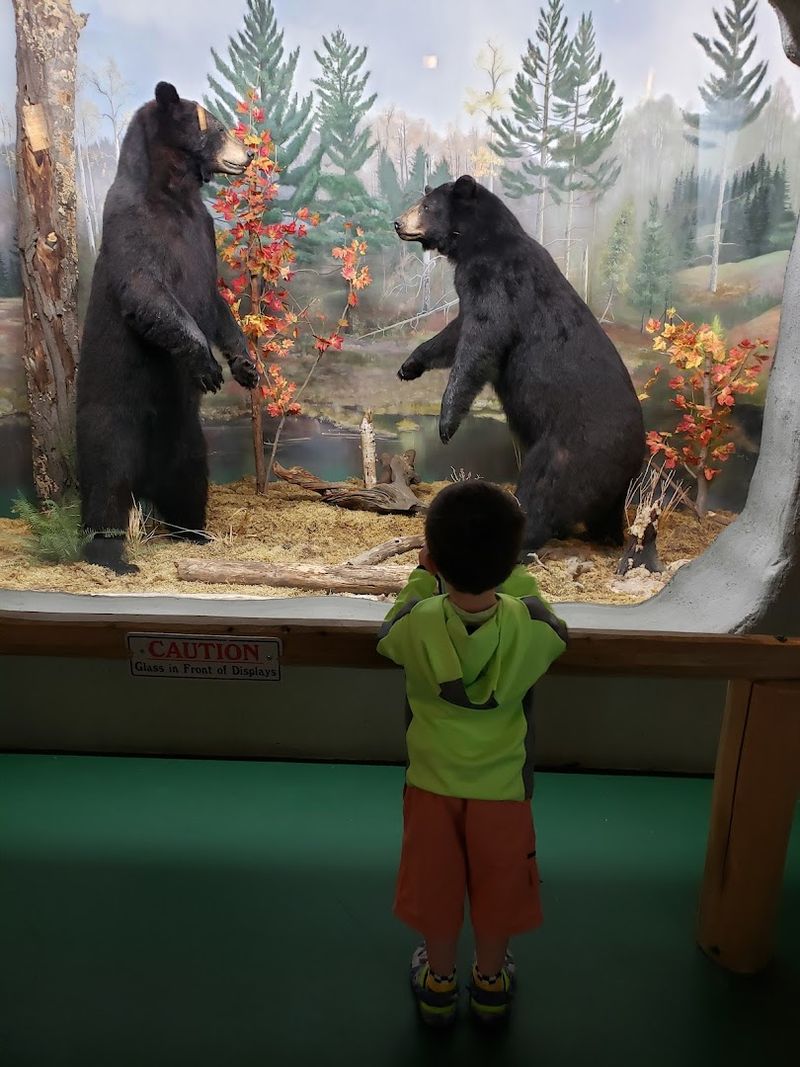
Nothing quite prepares you for the sheer volume of animals on display inside this museum. More than 60 taxidermy exhibits line the walls, crowd the corners, and occupy entire rooms, each one crafted with a level of care that borders on artistry.
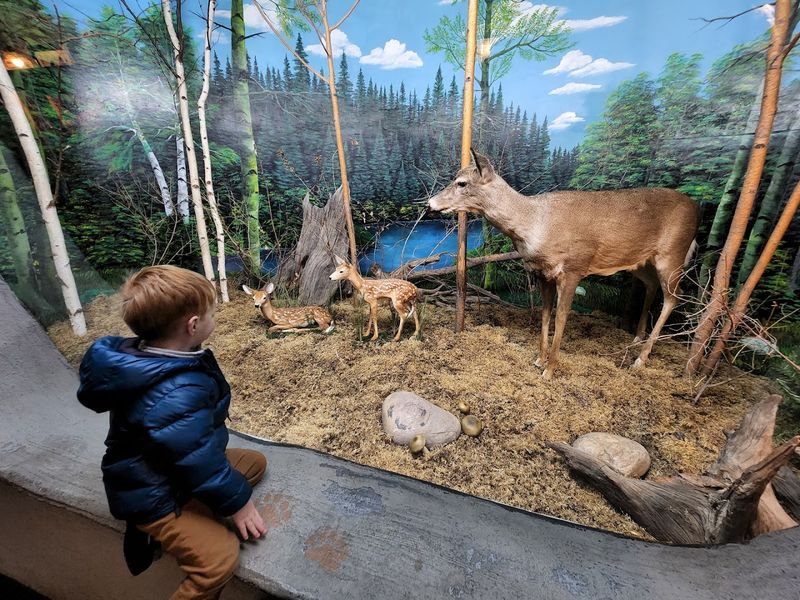
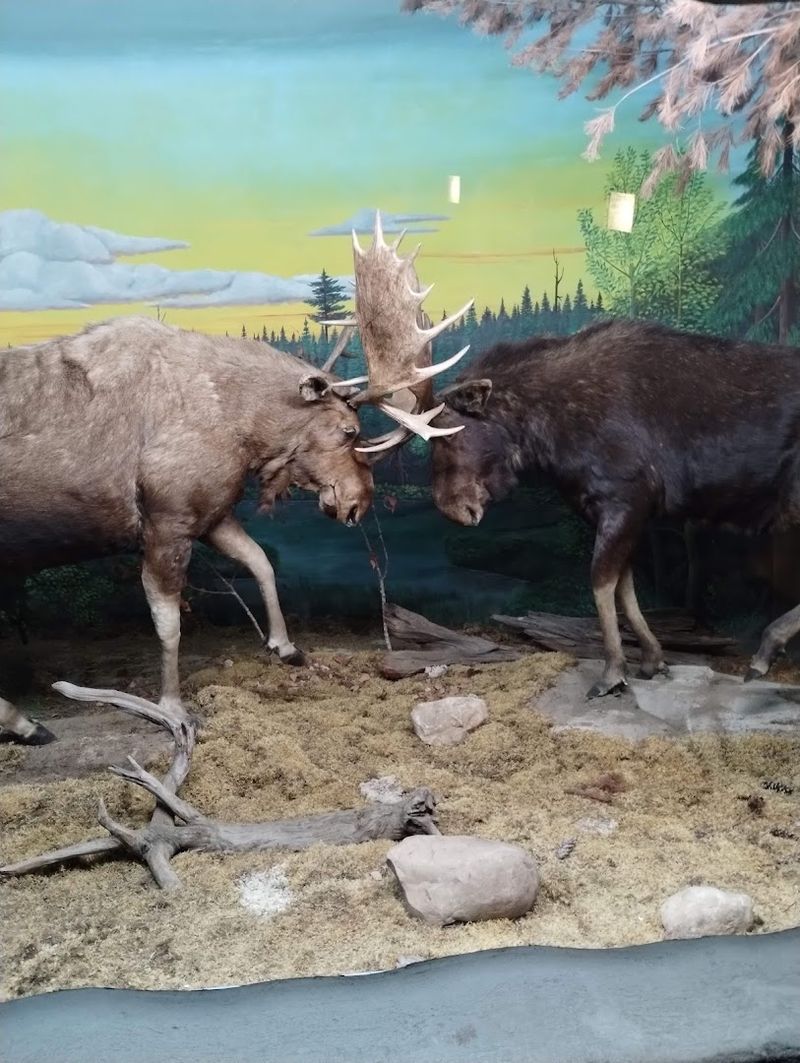
White-tailed deer stand alert in autumn forest scenes. A massive moose towers over visitors nearby.
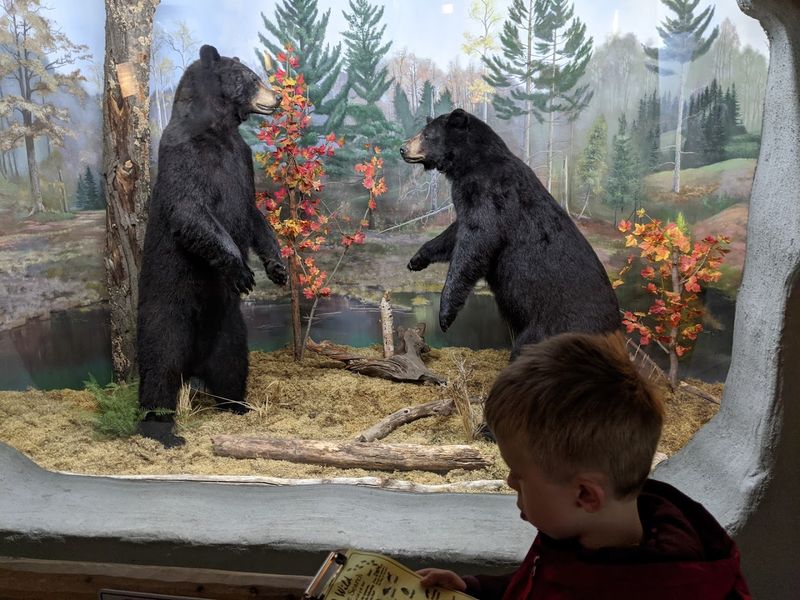
Black bears rear up on their hind legs in poses that genuinely make you take a half-step back, even though you know they are not real.
Every display is set against a hand-painted backdrop that recreates the animal’s natural habitat with surprising detail. The combination of realistic posing and painted scenery gives each exhibit a diorama quality that feels more immersive than a typical museum case.
Families with young children tend to move slowly through this section, because every new animal around the corner seems to earn a fresh round of wide eyes and pointed fingers from the little ones.
The Sound Effects That Bring Michigan Wildlife to Life
Seeing a wolf is one thing. Hearing one howl in a quiet museum corridor is something else entirely, and the Call of the Wild Museum leans hard into that second experience.
Many of the exhibits are paired with audio buttons that play authentic animal sounds when pressed. Wolves howl.
Elk bugle. The effect is surprisingly powerful, especially in a space that is otherwise hushed and still.
Kids absolutely love this feature, but honestly, so do adults. There is something genuinely moving about hearing a loon call echo through a room while you stand inches from a lifelike display of the bird itself.
The sounds are not gimmicky or cartoonish. They feel accurate and well-matched to each exhibit.
The listening horns, which are old-school cone-shaped audio devices mounted near some exhibits, have reportedly been part of the museum since at least the mid-1980s, and they still work beautifully, adding a charming vintage touch to the whole experience.
Wolves, Elk, Grizzlies, and Polar Bears: The Star Exhibits
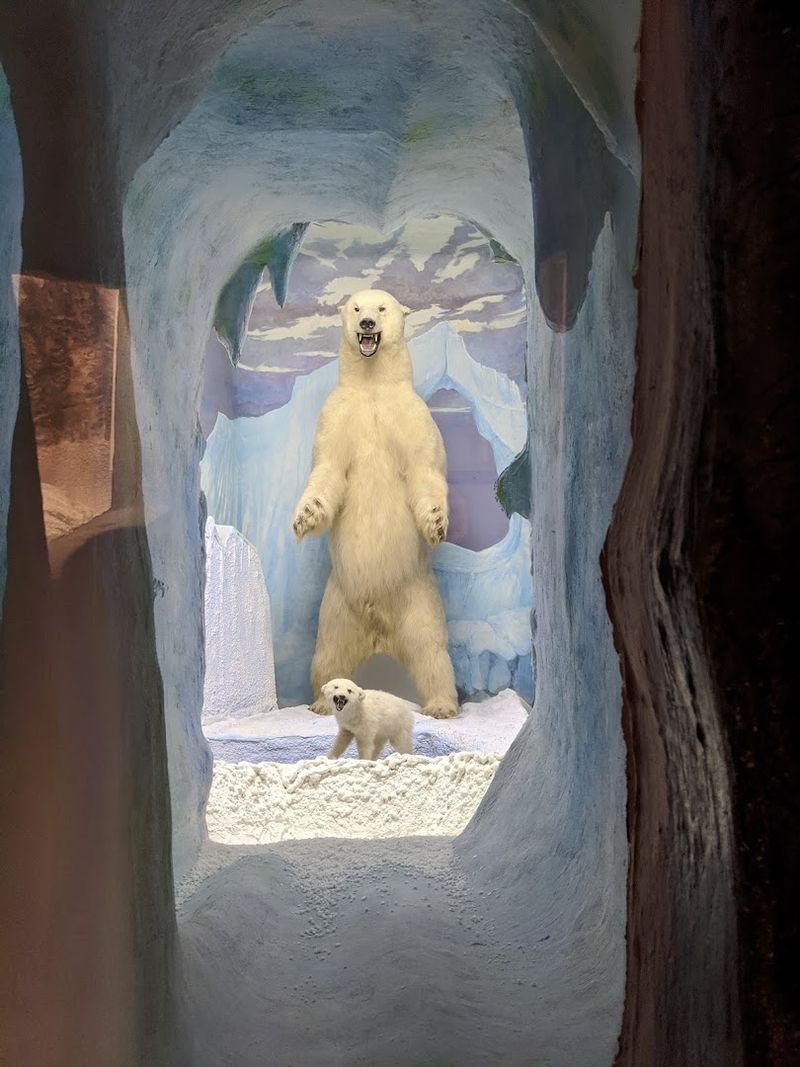
Some museums have one or two showstopper exhibits. This one seems to have a new one waiting around every turn.
The wolf pack display is a crowd favorite, with multiple wolves arranged in a scene that captures the social nature of the animals without feeling staged.
The elk display impresses with sheer scale. Elk are much larger than most people realize until they are standing right next to one, and the museum uses that size to full effect.
Then there are the grizzly and polar bears, which several visitors have described as genuinely startling even when you know what is coming.
A full-grown bear on its hind legs is not something your brain easily dismisses, no matter how many times you remind yourself it is a display. The science facts posted on plaques near each exhibit are updated regularly, so the educational content keeps pace with current knowledge about each species.
Every single exhibit here earns its space on the floor.
The Great Lakes Interactive Display and Small Theater
Wildlife is the main event here, but the museum does not stop at animals. One of the most educational corners of the building is the interactive Great Lakes display, which covers the natural history, shipping industry, and even shipwrecks of the Great Lakes region.
It is the kind of content that sneaks up on you. You walk in expecting to read a few plaques and move on, and then thirty minutes pass without you noticing.
The display touches on Michigan’s industrial past, the ecosystems that depend on the lakes, and the dramatic history of vessels that did not survive the crossing.
The small theater nearby plays wildlife films on a loop, and it doubles as a calm space for younger children who need a break from the stimulation of the main exhibits. Parents of toddlers will appreciate having a spot to sit and regroup.
Together, the theater and Great Lakes section add real educational depth to what could have been a purely visual experience, and they reward visitors who take their time.
The Hands-On Learning Center for Young Explorers
Not every museum manages to keep young children genuinely engaged, but this one has clearly thought hard about what kids actually want to do. The Hands-On Learning Center is a dedicated space filled with interactive activities designed for younger visitors.
There are discovery drawers to open, specimens to examine, and questions to puzzle over. One reviewer described the joy of guessing answers and then opening little doors to reveal how wrong they were, which sounds like exactly the kind of playful learning that sticks with a child long after the visit ends.
The room also features children’s music and a wildlife film playing on a screen, giving smaller kids a sensory-friendly space to settle into. Strollers and wheelchairs are available for guests who need them, which is a thoughtful detail that makes the museum accessible to a wider range of families.
Children under five get in free, and annual passes are available for local families at a very reasonable rate, making repeat visits easy to justify.
The Scavenger Hunt That Turns a Museum Walk Into an Adventure
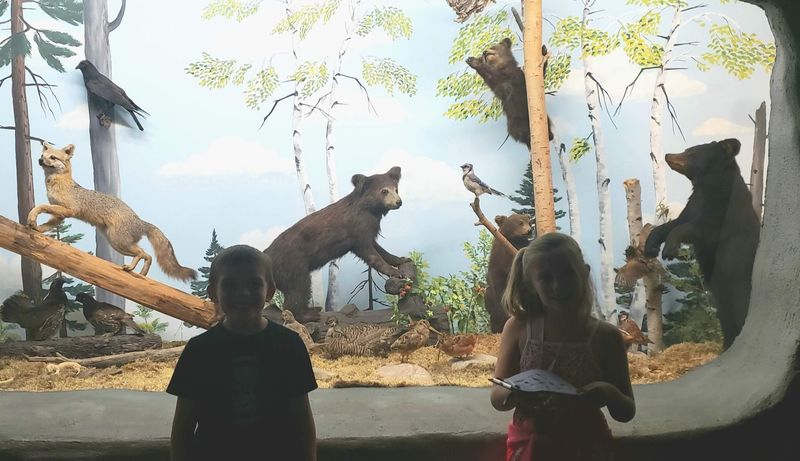
Few things transform a museum visit faster than handing a child a mission. The scavenger hunt available at the front desk does exactly that, and it works for multiple age levels, from young children just learning to read to adults who are more competitive than they want to admit.
The hunt sends visitors through the exhibits with a list of things to find and questions to answer, which naturally slows everyone down in the best possible way. Instead of rushing past displays, you find yourself actually reading the plaques and studying the details of each scene.
Families consistently mention the scavenger hunt as a highlight of their visit, and it is easy to see why. It adds structure to an open-ended space and gives kids a sense of accomplishment when they finish.
The museum hands them out for free at the entrance, so there is no extra cost involved.
It is a small touch that makes a big difference in how engaged everyone feels from the moment they walk in.
The Poetry and Discovery Room: A Quiet Surprise
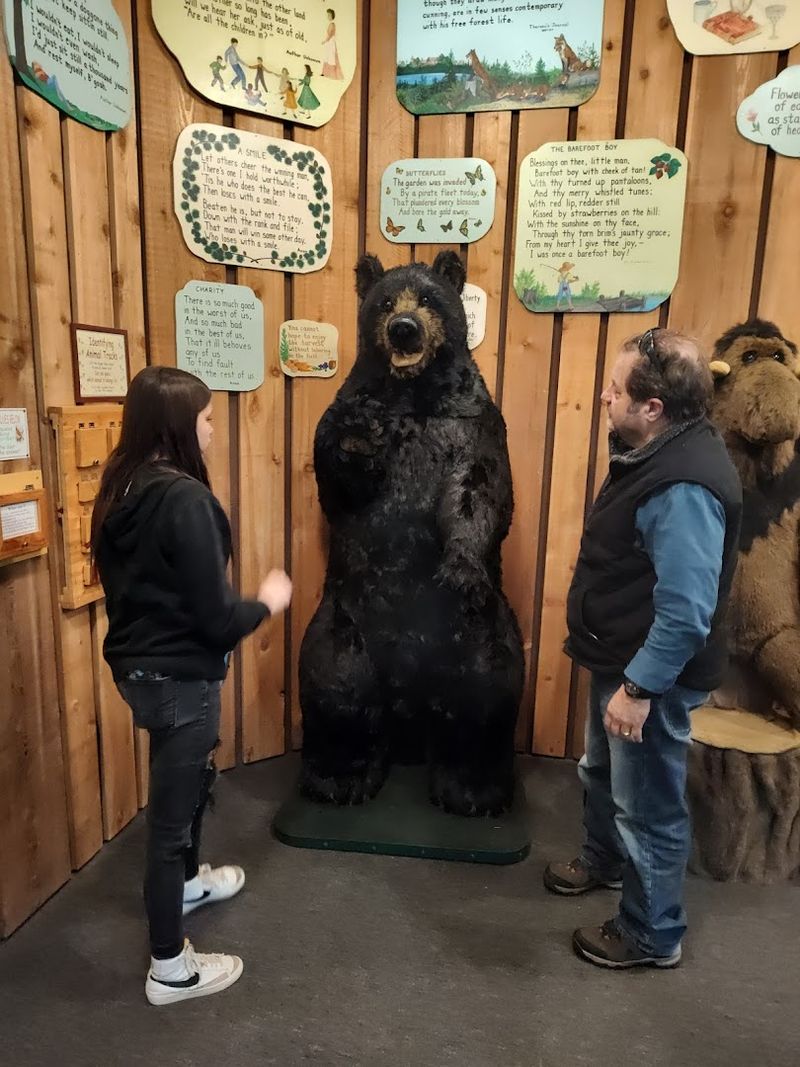
Tucked inside the museum is a room that tends to catch visitors off guard in the most pleasant way. The poetry and discovery room blends written reflections on nature with hands-on discovery activities, creating an atmosphere that feels meditative compared to the busier exhibit halls.
The interactive elements here follow the same open-the-door format found in the Hands-On Learning Center, but the tone is quieter and more reflective. Adults traveling alone have specifically mentioned this room as a personal favorite, which says a lot about its ability to appeal beyond the typical family audience.
The poetry displayed here is not decorative filler. It connects to the themes of the museum, drawing lines between the animals on display and the natural world outside the building.
It gives the whole experience an emotional grounding that a purely scientific exhibit might miss.
For anyone who wants a moment to slow down and absorb everything they have seen, this room provides exactly the right kind of pause before heading back into the main galleries.
The Gift Shop and Fudge Counter: Worth the Trip Alone

Some gift shops feel like an afterthought. This one is a destination in its own right.
The gift shop at the Call of the Wild Museum stocks a wide range of items with a distinctly northern Michigan personality, including clothing, home decor, and collectibles featuring moose, wolves, loons, black bears, and white-tailed deer.
The price range is broad enough that there is something for every budget, from small souvenirs to higher-end items. Educational toys, puzzles, and books for both kids and adults round out the selection, and the staff behind the counter is consistently described as friendly and genuinely helpful.
Then there is the fudge. Homemade and offered in samples, it has become a signature part of the visit for many repeat customers.
Families regularly report leaving with a full pound of fudge, and based on the enthusiasm in those reviews, no one seems to regret that decision.
The gift shop also carries cowboy boots, which is a fun and unexpected addition to a wildlife museum experience.
Bavarian Falls Park: Go-Karts and Mini Golf Right Next Door
The museum itself could easily fill a morning, but the adjacent Bavarian Falls Park means there is no reason to leave until the afternoon sun starts to drop. The park sits right next to the museum and includes a putt-putt golf course built around a large waterfall feature, along with a go-kart track that draws in visitors of all ages.
The mini golf course is described as both fun and genuinely challenging, which is a combination that tends to produce the best kind of family competition. The go-kart track has earned its own loyal fans, including at least one visitor who cheerfully admitted losing a race to their daughters.
Having outdoor activities immediately available makes the whole property feel like a full day out rather than just a quick stop. You can move between the museum’s cool, quiet interior and the outdoor park depending on the weather and the energy level of your group.
For families planning a longer visit to Gaylord, this combination of indoor and outdoor entertainment is genuinely hard to beat.
Admission, Hours, and Everything You Need to Plan Your Visit
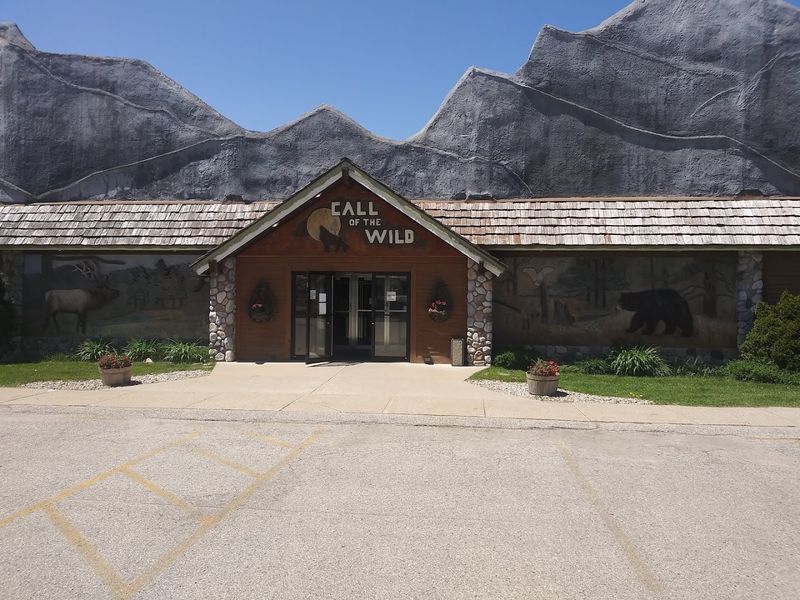
Planning a visit here is refreshingly straightforward. The museum is open Monday through Saturday from 9:30 AM to 6 PM, and on Sundays from 11 AM to 5 PM, which gives most travelers a comfortable window to fit it into a road trip schedule.
Admission is very reasonably priced, with adult tickets historically around $7.50 and children under five getting in free. Local families can purchase an annual pass for approximately $15, making this a spot that rewards return visits without straining a household budget.
The museum can be reached by phone at +1 989-732-4336, and more current pricing and hours can be confirmed at callofthewildgaylord.com. The building is fully accessible, with strollers and wheelchairs available at no extra charge for guests who need them.
Plan to spend at least 45 minutes to an hour moving through the exhibits at a comfortable pace, though two hours passes easily if you take your time with the audio stations, the scavenger hunt, and the discovery room.
A Family-Run Museum With Decades of History Behind It
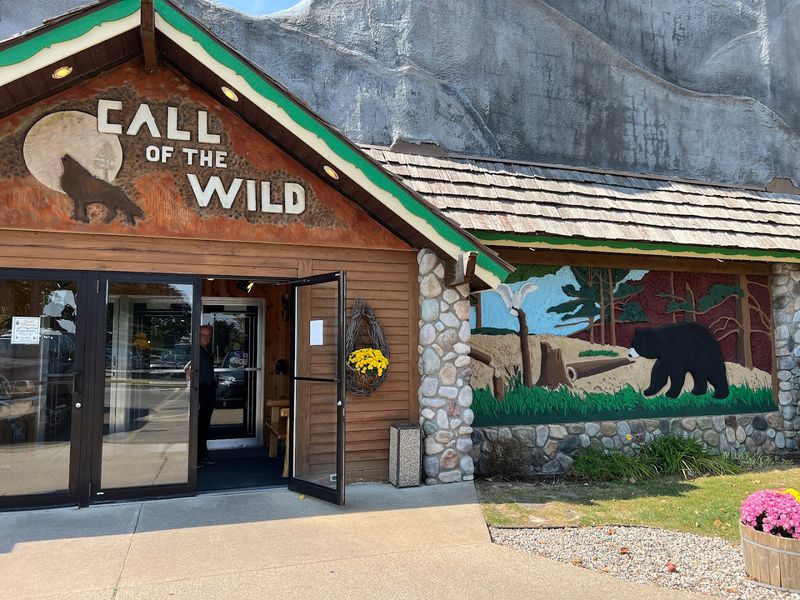
There is something different about a place that has been passed down through generations rather than managed by a corporation, and the Call of the Wild Museum carries that quality in every corner. The museum is family-owned and has operated in Gaylord for decades, with some visitors recalling trips here as children in the mid-1980s and now returning with their own kids.
That kind of generational loyalty does not happen by accident. It comes from consistent quality, genuine care for the visitor experience, and a staff culture that treats every guest like they matter.
The listening horns from the 1980s are still in place and still working, which feels like a small but meaningful statement about how this place values its own history.
The science content has been updated over the years to stay current, so the museum respects both its past and its present at the same time. For a solo traveler, a couple, or a family of four, this is the kind of place that earns a spot on your annual road trip list and keeps it there.



