 Unearth The Voyage
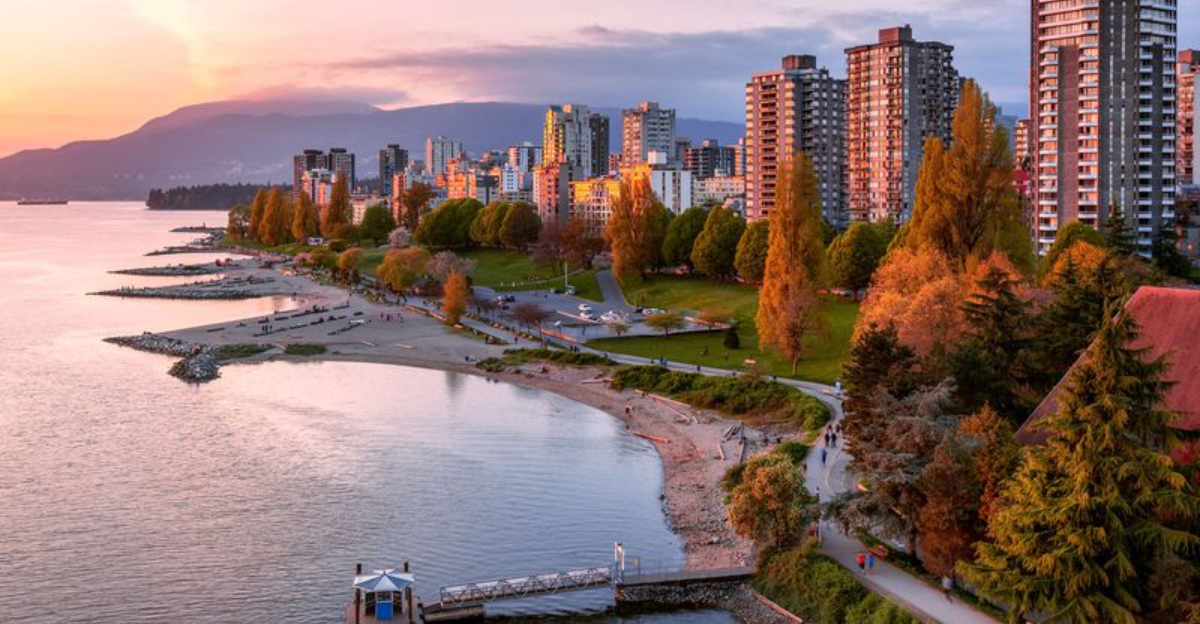
The Michelin Guide has just unveiled its most exciting food travel list yet, spotlighting 16 incredible cities and regions around the globe that deserve a spot on your 2026 travel calendar. From historic European towns reinventing their culinary traditions to emerging Asian destinations earning their first Michelin recognition, this year’s selection celebrates both timeless flavors and bold new dining scenes.
Whether you crave coastal Italian seafood, smoky American barbecue, or delicate Chinese freshwater dishes, these destinations promise unforgettable meals and cultural discoveries worth planning your entire trip around.
1. Venice, Italy
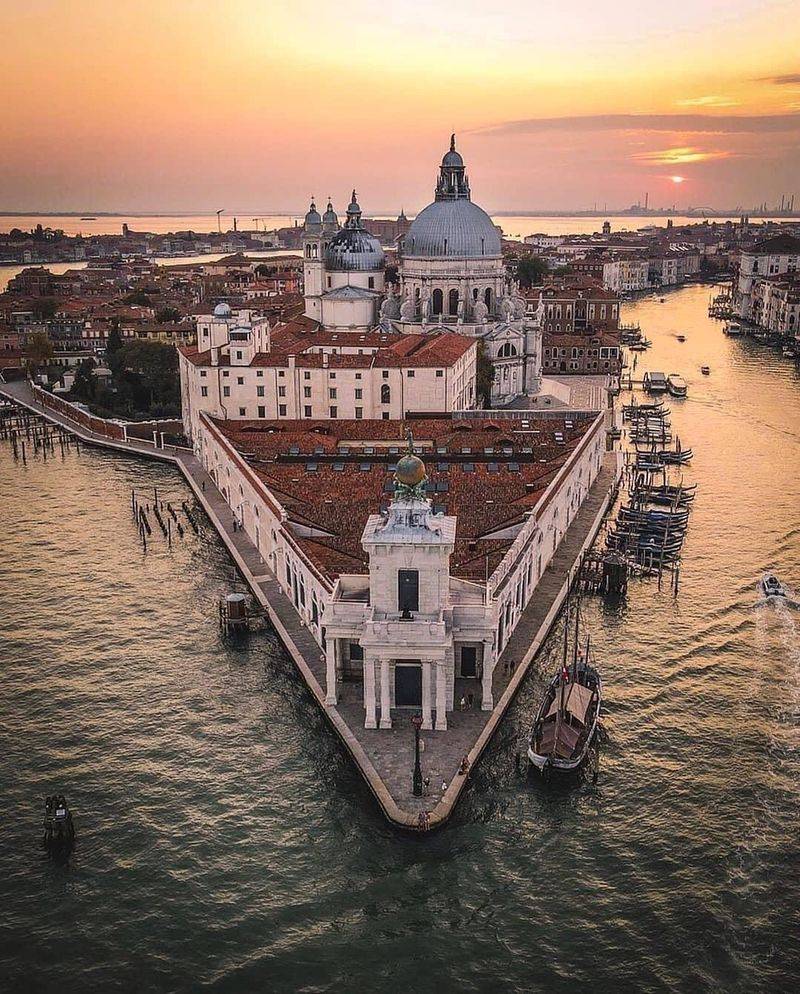
A fresh wave of exciting restaurant openings is transforming Venice into more than just a postcard-perfect city. Creative chefs are reimagining traditional lagoon dishes with modern flair, breathing new life into centuries-old recipes.
Visiting during the quieter winter months offers a bonus: fewer crowds mean you can actually snag reservations at top spots without the summer chaos. The canals feel more magical when you are not dodging tour groups, and the food tastes even better when you have time to savor every bite in peace.
2. Czechia (Beyond Prague)
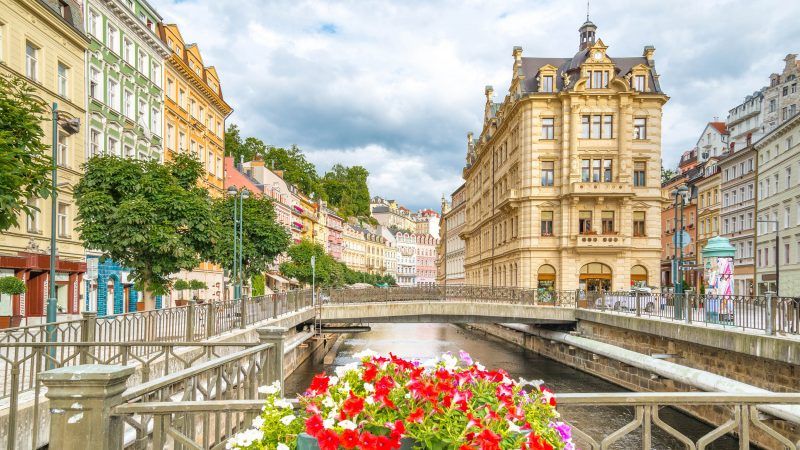
Forget everything you thought you knew about Czech food being just dumplings and beer. With the country’s first nationwide Michelin Guide, hidden gems in spa towns and rural inns are finally getting their moment in the spotlight.
Local chefs are celebrating ingredients like earthy potatoes, fresh-caught river fish, and foraged wild mushrooms in ways that feel both comforting and surprisingly creative. Exploring beyond Prague means discovering authentic seasonal cooking that has been quietly perfected for generations, far from the tourist-packed capital streets.
3. The Dolomites, Italy

The Winter Games buzz has catapulted the Dolomites into the culinary conversation, and honestly, it’s about time. Mountain kitchens here work with a pantry that reads like an alpine dream: nutty buckwheat, smoky speck ham, and rich local cheeses that melt on your tongue.
Modern cooking techniques are elevating these rustic ingredients without losing their soul. Picture hearty dishes refined with precision, served against dramatic mountain backdrops.
The Games wrap up February 22, 2026, making early spring the perfect window to experience this food renaissance before everyone else catches on.
4. Wrocław, Poland
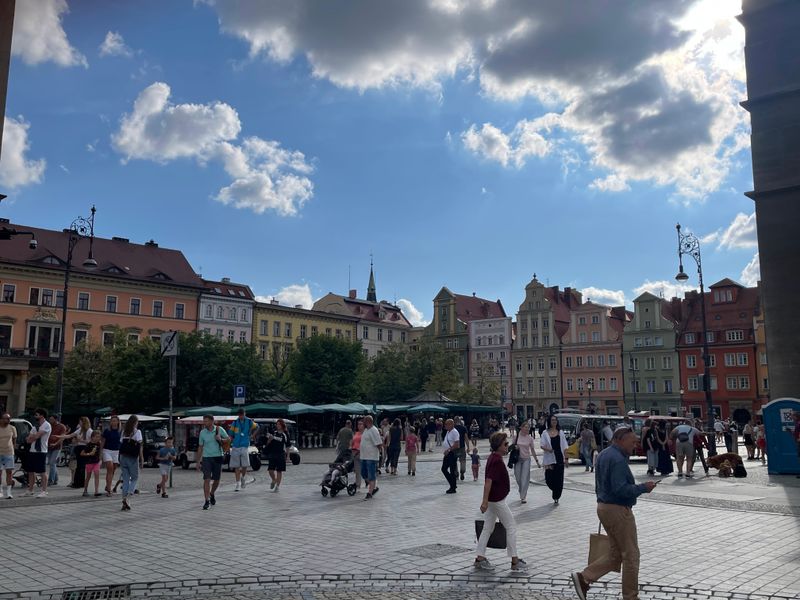
University students and innovative chefs have turned Wrocław into Poland’s most energetic dining scene. Young cooks are taking grandmother’s pierogi recipes and giving them bold, contemporary twists that honor tradition while pushing boundaries.
Silesian cooking—think rich game meats and tangy fermented vegetables—gets a modern makeover here. The city pulses with youthful creativity, fueled by a college crowd hungry for both knowledge and exceptional food.
Wrocław proves that respecting culinary heritage and experimenting wildly can coexist beautifully on the same plate.
5. Amalfi Coast, Italy
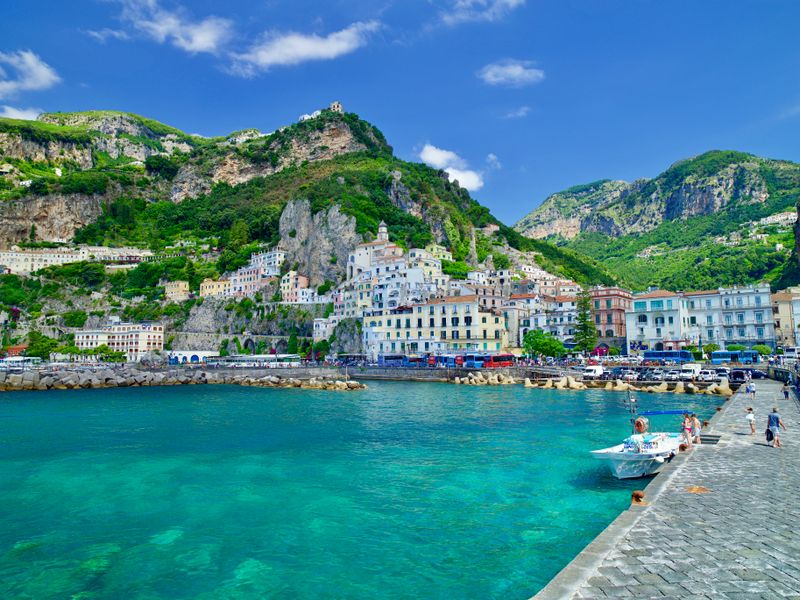
A brand-new arrival experience is changing how travelers reach this legendary coastline, making the journey smoother and the destination even more appealing. Once you arrive, the food tells the real story: plump anchovies, impossibly fragrant lemons, and pasta rolled by hand each morning.
These elemental ingredients shine brightest in simple preparations that let their quality speak volumes. Cliffside restaurants serve dishes that taste like sunshine and sea breeze, proving that sometimes the best cooking requires nothing more than perfect produce and generations of know-how passed down through fishing families.
6. Saudi Arabia
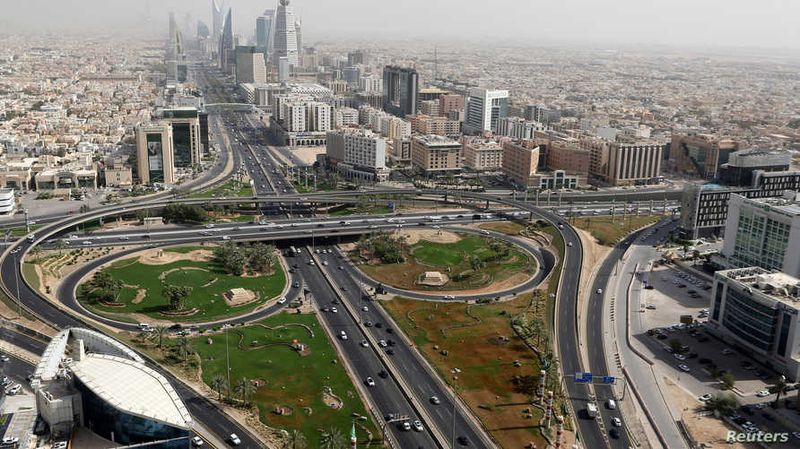
Saudi Arabia just earned its first Michelin Guide, and suddenly the world is paying attention to what locals have known forever: the food here is extraordinary. Riyadh and Jeddah are leading the charge with ambitious restaurants showcasing fragrant rice dishes, perfectly charred grilled meats, and Red Sea seafood that tastes like the ocean itself.
Culinary ambition is skyrocketing as chefs blend traditional Arabian flavors with global techniques. This is your chance to experience a dining destination in its exciting early chapter, before it becomes everyone’s go-to Middle Eastern food pilgrimage.
7. Cappadocia, Türkiye

Those famous fairy chimneys and hot-air balloons now share the spotlight with Cappadocia’s debut Michelin Guide. Local restaurants are embracing farm-to-table philosophy with genuine passion, not just trendy buzzwords.
Volcanic soil produces vegetables with intense flavors, while traditional clay-pot cooking methods create dishes that taste both ancient and alive. Chefs here are proving that spectacular scenery and spectacular food can coexist, giving travelers double reasons to linger longer.
Watching sunrise from a balloon is magical, but tasting sunset over a locally sourced feast might be even better.
8. Jiangsu, China

Jiangsu cuisine whispers where other Chinese regional styles shout, relying on delicate technique and freshwater ingredients that require serious skill to prepare properly. Michelin is steering adventurous eaters toward this less-traveled culinary path, away from the usual China itinerary stops.
Expect dishes that showcase refinement over fire: silky fish, tender river shrimp, and vegetables cooked to preserve their natural sweetness. This is food that rewards patience and attention, the kind that makes you slow down and actually taste each carefully balanced bite instead of rushing to the next attraction.
9. The Philippines

From sizzling street-food carts to elegant destination restaurants, the Philippines delivers bold flavors that refuse to be ignored. Michelin highlights the country’s confident culinary identity, built on iconic dishes that balance sour, sweet, salty, and savory in every mouthwatering bite.
Timing your visit during the best weather window means you can island-hop without monsoon interruptions while sampling regional specialties. Filipino cooking tells stories of trade routes, family traditions, and creative resourcefulness, all served with warmth that makes every meal feel like a homecoming, even for first-time visitors.
10. Route 66, USA

Route 66 turns 100 in 2026, and Michelin says the centennial celebrations make this the year to finally take that classic American road trip. The food along this legendary highway tells the story of mid-century America: towering slices of pie, smoky barbecue that falls off the bone, and chili bowls big enough to fuel another few hundred miles.
Major celebrations are planned across the entire corridor, from Illinois to California. Eating your way down Route 66 means tasting nostalgia, Americana, and the kind of honest cooking that has kept roadside diners alive for generations.
11. The American South
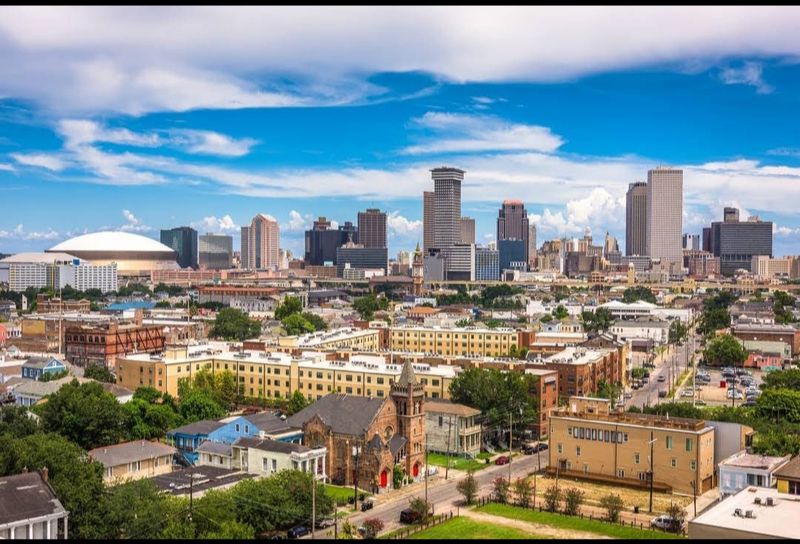
The American South is not one food story but dozens, woven together across multiple states and centuries of tradition. Creole and Cajun kitchens simmer with complex spice blends, whole-hog barbecue pits smoke for hours, and Gulf seafood arrives so fresh it practically swims onto your plate.
Michelin Guides are now covering multiple Southern locations, giving official recognition to what locals have celebrated forever. This multi-state culinary journey rewards travelers willing to eat their way through different regions, discovering how geography and history shape every sauce, seasoning, and family recipe passed down through generations.
12. Florida, USA

Michelin is expanding its Florida coverage into a proper statewide perspective, pushing beyond the obvious hotspots to reveal a connected year-round food destination. Stone crab claws, Key lime everything, Cuban sandwiches pressed to perfection, and citrus that tastes like liquid sunshine all play starring roles.
Florida’s culinary identity draws from Caribbean influences, Latin American traditions, and Southern roots, creating a flavor mashup that feels uniquely its own. With pleasant weather most of the year, you can chase great meals from the Panhandle to the Keys without seasonal limitations ruining your plans.
13. Boston, USA
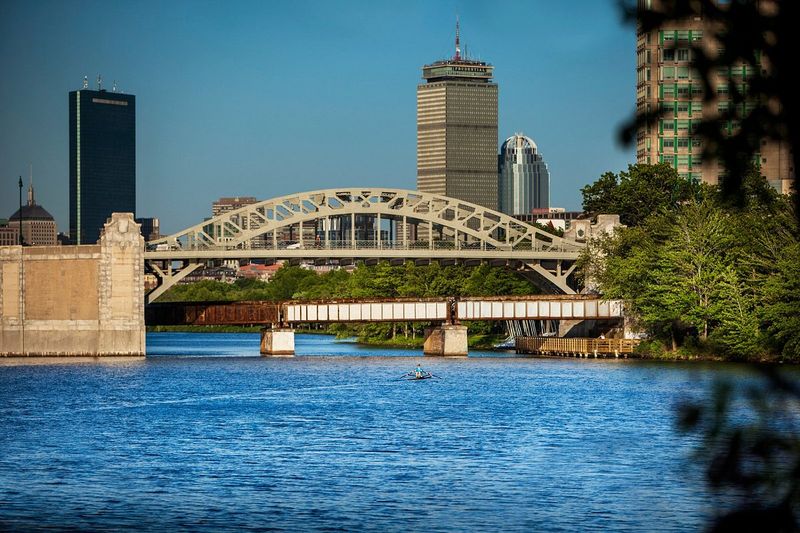
Boston’s newly launched Michelin Guide arrives just as a new generation of chefs is reimagining the city’s legendary seafood traditions. Clam chowder gets deconstructed, lobster rolls receive global technique upgrades, and oysters are paired with unexpected flavors that somehow make perfect sense.
Late spring and early fall offer ideal visiting windows when the weather cooperates and seasonal menus shine brightest. This is not your grandfather’s Boston seafood scene anymore, though the respect for quality ingredients and maritime heritage remains rock-solid beneath all the creative innovation happening in neighborhood kitchens across the city.
14. Philadelphia, USA
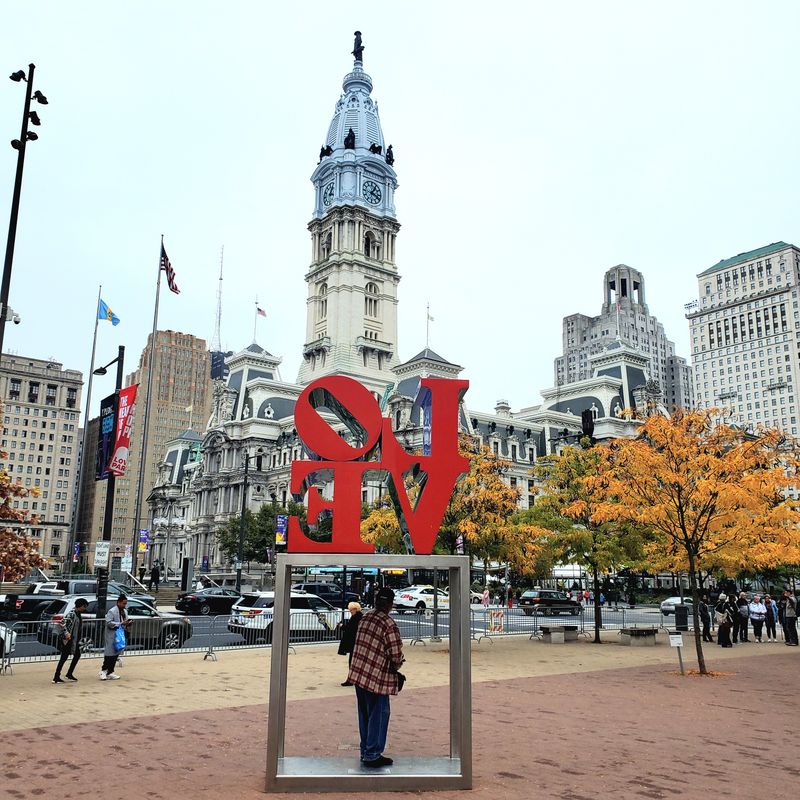
Philadelphia’s food confidence runs deep, shaped by waves of immigrant traditions and a neighborhood-by-neighborhood dining culture that rewards exploration. Michelin recognizes how the city blends these diverse culinary roots with serious seasonal sourcing, creating menus that honor heritage while embracing what’s fresh right now.
Major events in 2026 are bringing extra attention to Philly’s already thriving scene. Beyond the famous cheesesteaks, you will discover Vietnamese bakeries, Italian markets, and contemporary restaurants that make this historic city feel urgently modern and deliciously unpredictable with every single bite.
15. Québec, Canada

Québec feels international yet deeply rooted in its own distinct identity, where French techniques meet North American ingredients in the most delicious cultural conversation. Michelin highlights the province’s commitment to seasonality, with a pantry starring maple syrup, wild game, and cold-water seafood pulled from the Gulf of St. Lawrence.
Harvest season transforms Québec into a food lover’s paradise, when markets overflow and restaurant menus celebrate the short growing season’s bounty. The food here tastes like place—specific, proud, and impossible to replicate anywhere else on Earth.
16. Vancouver, Canada
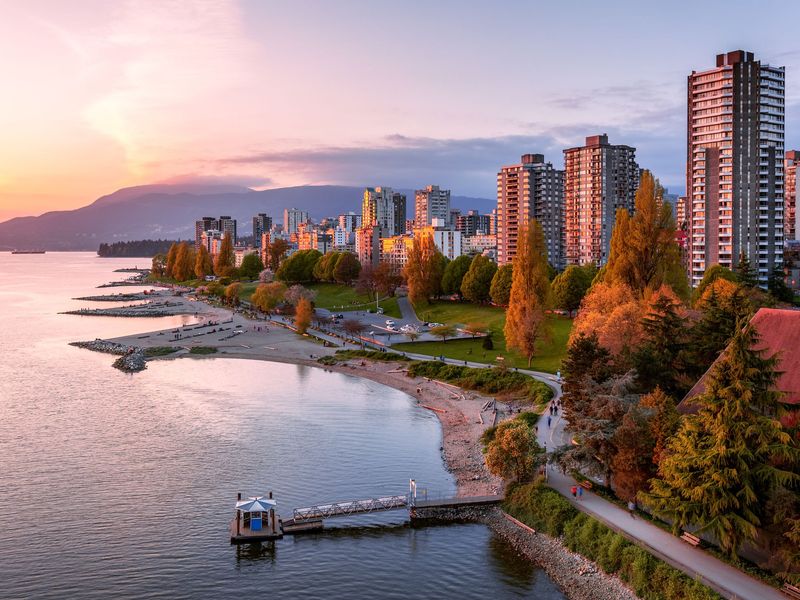
Vancouver’s culinary strengths read like a greatest-hits list: pristine Pacific seafood, dynamic Asian influences, and a growing spotlight on Indigenous cooking traditions that are finally receiving proper recognition. Michelin points out that the city’s role as a 2026 World Cup host will bring travel momentum and international eyes to this already exceptional food scene.
Ocean-to-table restaurants serve spot prawns and wild salmon alongside dim sum that rivals Hong Kong and sushi that honors Japanese precision. Vancouver proves that geographic location and cultural diversity can create something truly special when chefs embrace both with equal passion.



