 Unearth The Voyage
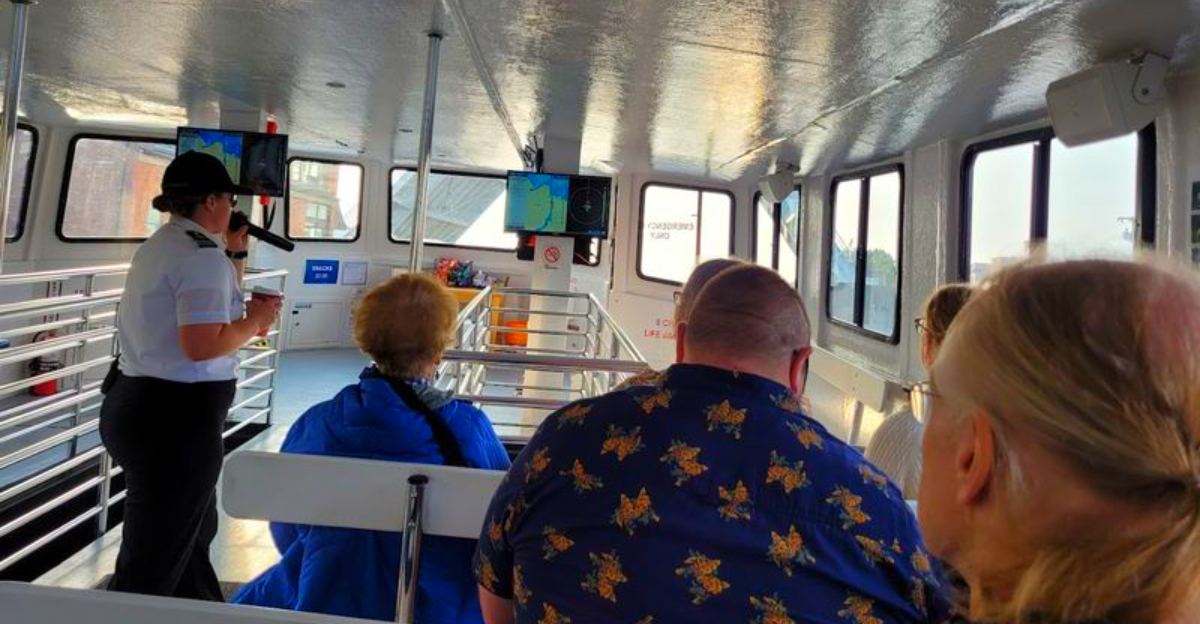
Lake Huron keeps secrets the way a great storyteller saves the best line for last. Out on Alpena’s bay, the water turns glassy green, and history appears beneath you like a photograph sharpening into focus.
I went looking for a peaceful cruise and found a front row seat to maritime drama, archaeology, and geology all playing out under one hull. Keep reading, because the most surprising part is how easy it is to see it all without getting wet.
Where The Adventure Begins: Address, Dock, And Bay
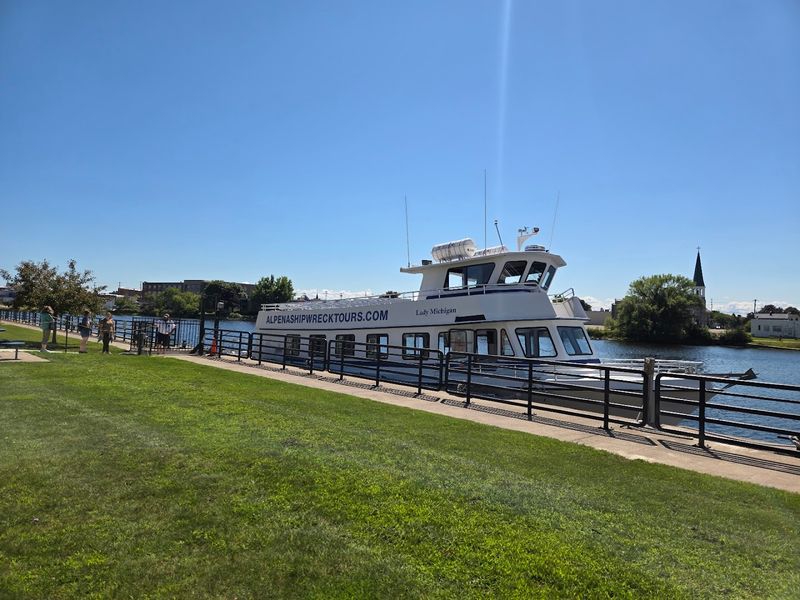
The day starts at Alpena Shipwreck Tours, 500 W Fletcher St, Alpena, MI 49707, right on the Thunder Bay River where it meets Lake Huron’s broad blue. The dock scene is simple and practical, with crew moving lines, gulls slicing the sky, and families comparing snacks before boarding.
I check the time, stash sunscreen, and glance toward the lift bridge that swings for us like an opening cue.
Inside the ticket office, staff confirm reservations and share that visibility shifts with wind, sun, and the lake’s mood. It feels like a partnership with nature, not a scripted show.
Once onboard, the glass bottom wells become the star, waiting for the lake to turn pages of history.
The boat noses past Alpena’s waterfront into Thunder Bay, a sanctuary that protects a dense concentration of shipwrecks. The air cools a notch, so a light jacket proves smarter than bravado.
By the time the channel widens, you can feel the lake’s deep story just under your shoes.
Glass Bottom Windows And How To Use Them
The viewing wells look like portals, but success comes from timing and angle. I lean in when the crew calls out a wreck, then shift left or right to dodge glare on the water.
Polarized sunglasses help, and the crew rotates decks so everyone gets a prime look.
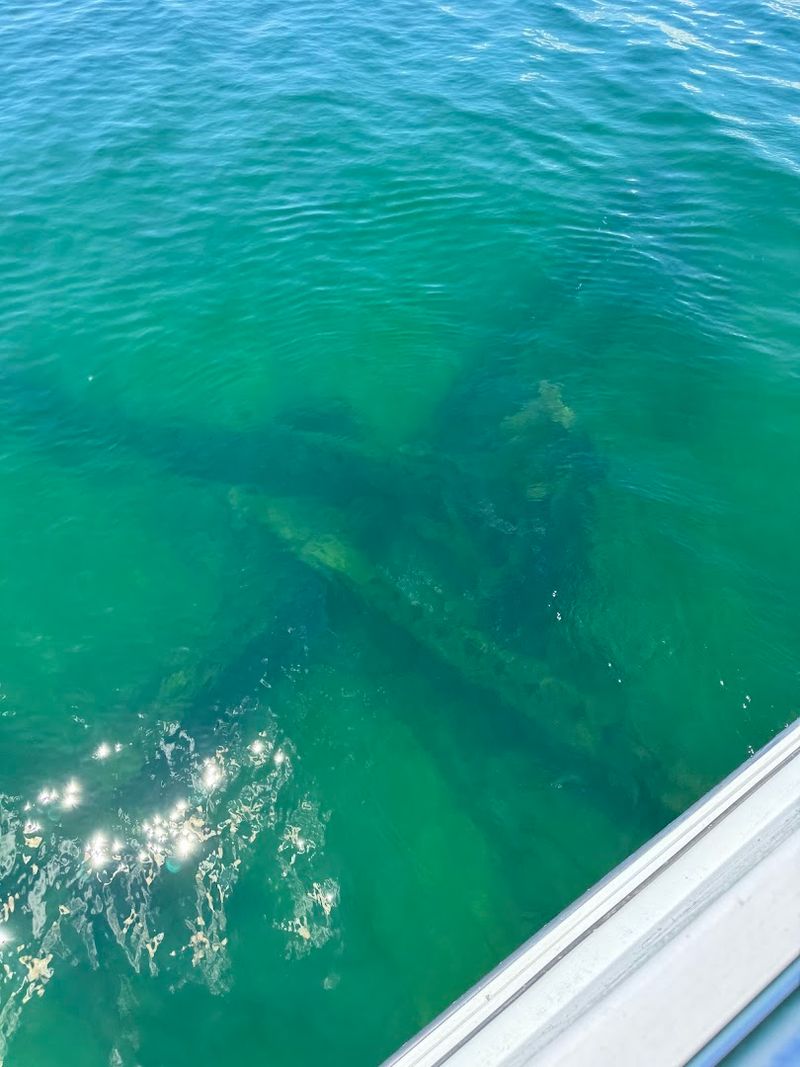
When the boat settles over a site, the lake turns cooperative. Planks, ribs, and iron fittings sharpen into lines, and you start building the ship in your head.
I switch between the lower well and top deck, because sometimes the wider silhouette reads best from above.
Mild motion can sneak up if you stare too long without a breath, so short breaks help. A photo through glass works if you wait for the captain to fine tune the position.
The best shots arrive the instant the sun clears a cloud and the water becomes a window.
Shipwreck Alley’s Living Classroom
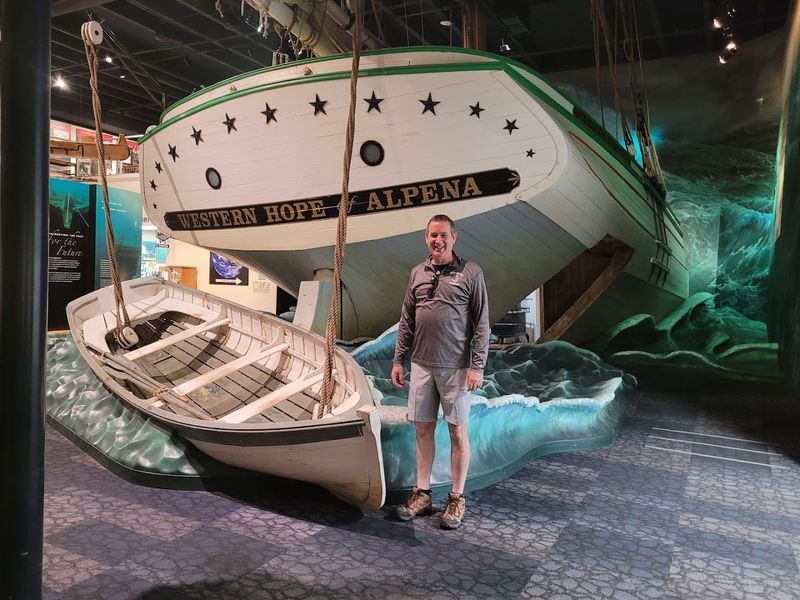
They call this stretch Shipwreck Alley for a reason. Thunder Bay National Marine Sanctuary shelters an extraordinary concentration of vessels, many preserved by cold fresh water.
Standing over the glass, it feels like a museum where the floor keeps telling new stories.
Names surface as the crew narrates, tying each hull to storms, industry, and navigation choices. You hear about wooden schooners and steel freighters that carried timber, stone, and grain along the Great Lakes highways.
The calm today contrasts with the decisions captains once made under pressure.
Interpretation matters as much as clarity. The guides weave together construction details, trade routes, and lighthouse roles, so the timbers below become a timeline.
By the second stop, the pattern clicks and every bolt starts to look like a clue.
Reading The Water: Visibility, Weather, And Timing
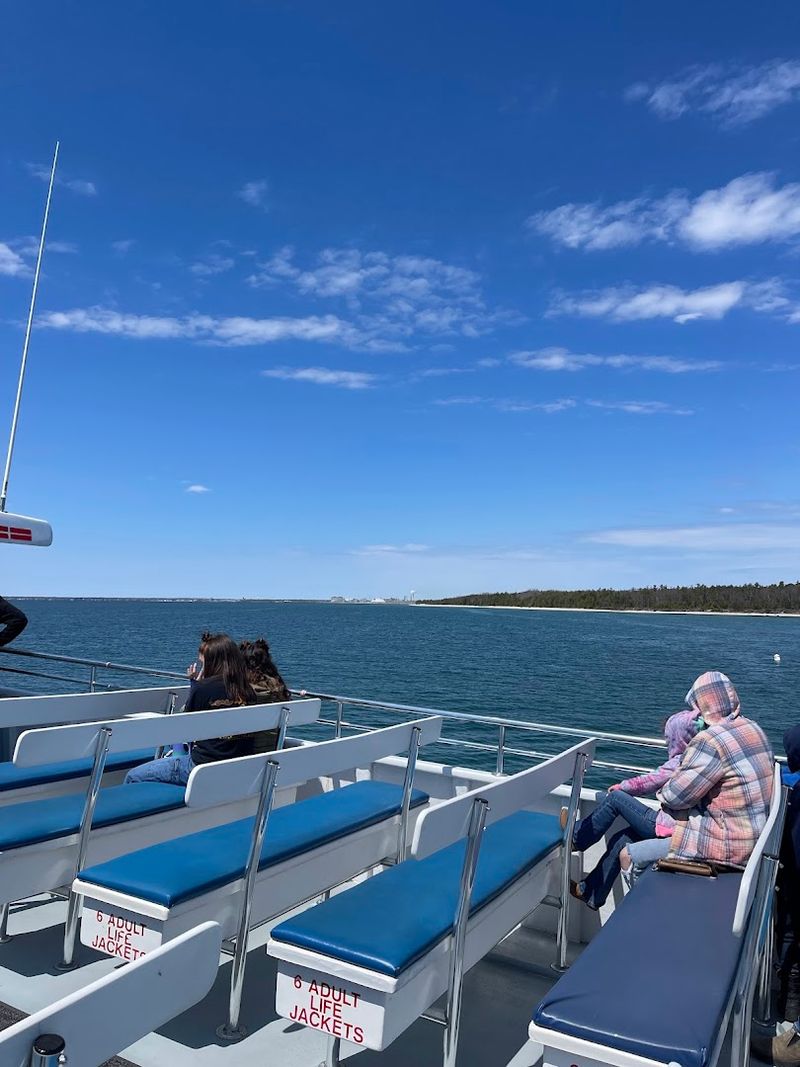
Clarity here changes like a playlist. A sunny morning with light wind can make every joint in a frame snap into view, while a quick fog bank can cancel plans before the bay fully opens.
The crew watches forecasts and adjusts routes to pair the clearest spots with the right light.
Afternoons sometimes bring a little chop that scuffs the mirror finish. I like early departures, not because they guarantee perfection, but because the odds tilt your way.
When visibility drops at one wreck, the next site can surprise you with postcard conditions.
Layering clothing keeps the ride comfortable since the air cools once the river gives way to open water. A hat and sunscreen matter on the top deck, balanced by a light jacket for the return.
The big lesson is simple: flexibility lands the best views.
Stories In Wood And Iron
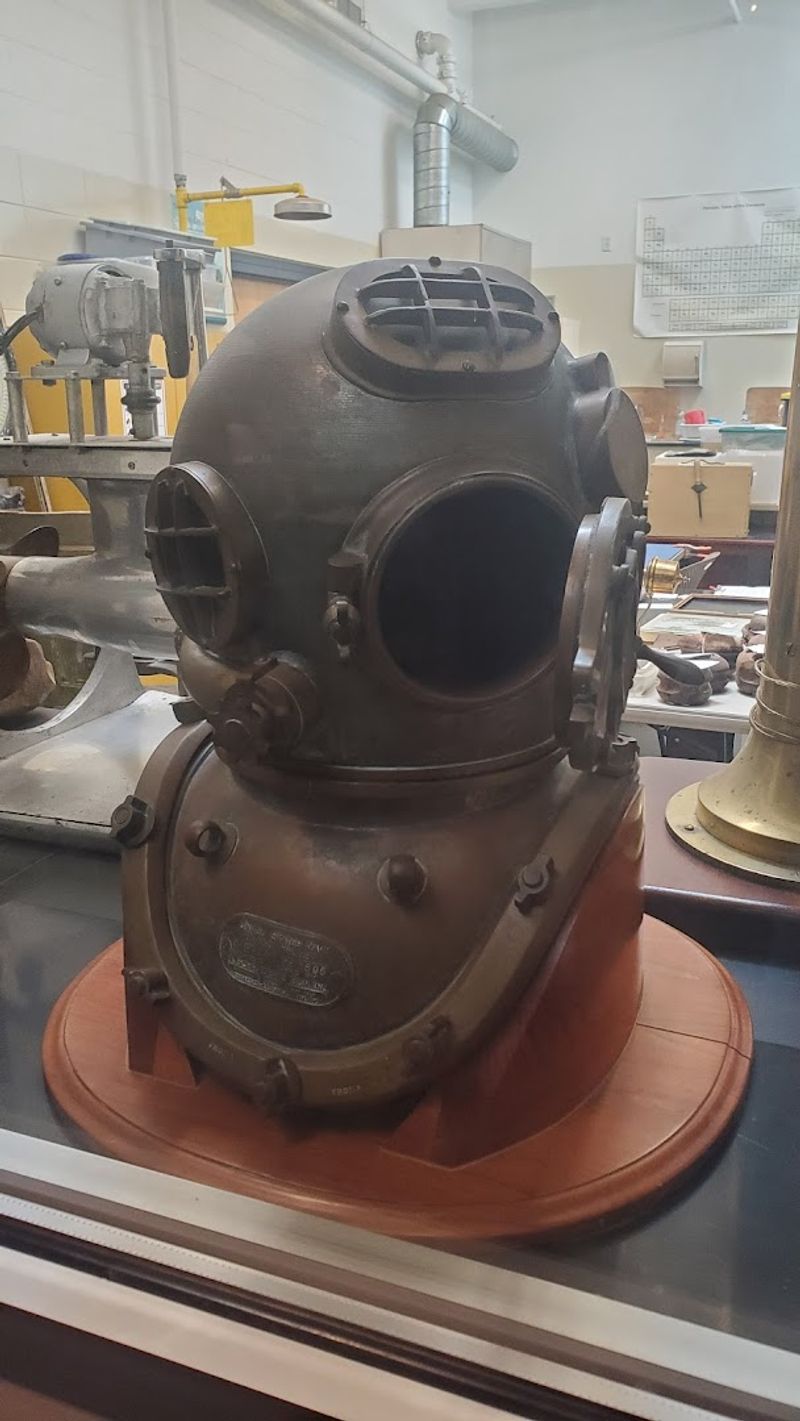
Seeing a keel appear below feels like opening a trunk you did not know belonged to your family. The patterns in the timbers show craft and problem solving, not just cargo hauling.
Iron straps, cleats, and knees fix themselves in the mind because the water edits out everything unimportant.
The guides talk about repairs made on the fly, routes taken to shave time, and the chain of ports that connected lumber towns to big cities. With each pass, the boat gives both a wide outline and a focused look.
I start to imagine hand tools and busy docks every time a fastener glints below.
Silence spreads on deck when the lines turn crisp. Cameras click, but people mostly whisper, as if the lake prefers a low voice.
It feels respectful to leave with one last glance and a new detail pinned to memory.
Ancient Pathways Under The Waves
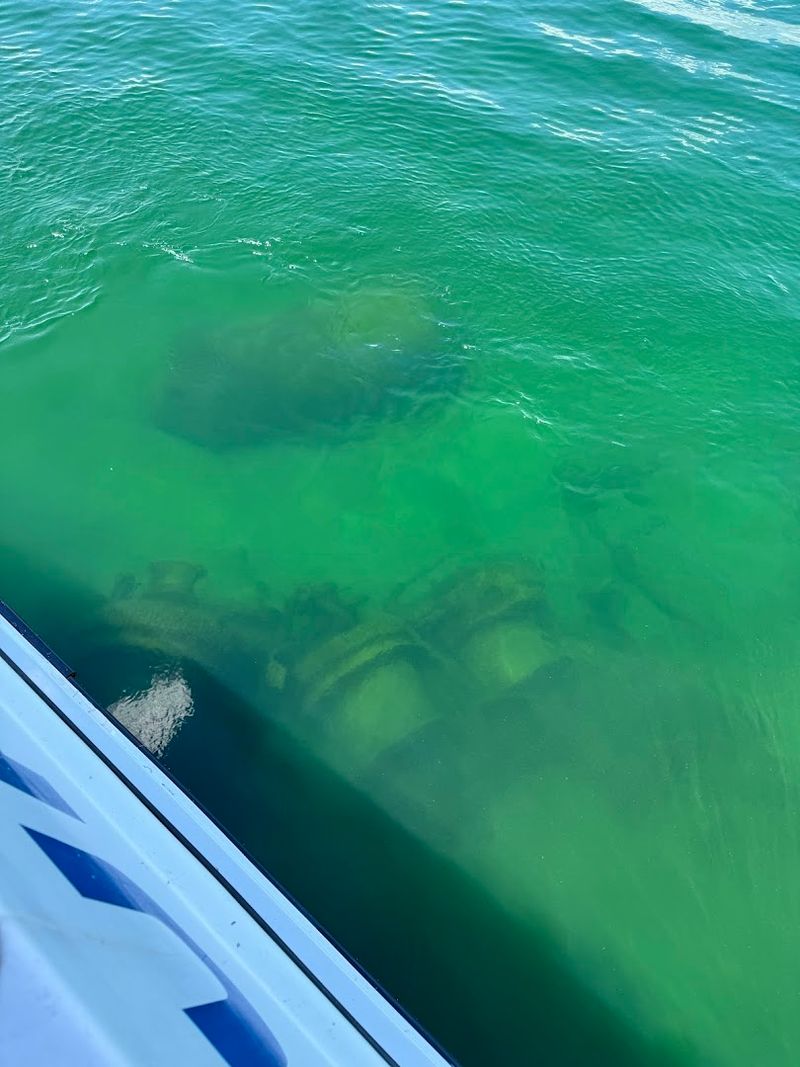
The lake hides more than ships. Beneath these waters once stretched the Alpena-Amberley Ridge, a land bridge used around 9,000 years ago, and research has documented stone hunting blinds and organized drive lanes.
Hearing that while hovering over a modern wreck turns the bay into a layered timeline.
Archaeologists mapped patterns that point to seasonal movement and coordination by early communities. The sanctuary’s outreach explains how these features survive and what they reveal about travel, hunting, and settlement.
You come for schooners and leave thinking about footpaths and camps now under green water.
That shift widens the meaning of the tour. The boat becomes a classroom that leaps centuries in a single hour.
When the captain eases throttle, it is easy to picture people scanning this same horizon, only on dry ground.
Sinkholes And Strange Science
Geology sneaks into the script with Lake Huron’s submerged sinkholes. These spots create unusual chemistry and support microbial communities that thrive in conditions far from the open lake.
The crew describes research missions that treat Thunder Bay like a living laboratory.
The idea that a quiet patch of water can host a microbial mat that echoes ancient Earth is a plot twist I did not expect on a sightseeing tour. It adds texture to the experience, placing science right beside storytelling.
You end up watching for color shifts in the water as much as ship outlines.
Not every sinkhole lies on the tour path, but the sanctuary’s work shapes the interpretation for visitors. Understanding that the lakebed is dynamic makes each wreck feel carefully set into its surroundings.
The water stops being only a lens and becomes part of the story.
Crew, Captains, And The Rhythm Of The Route
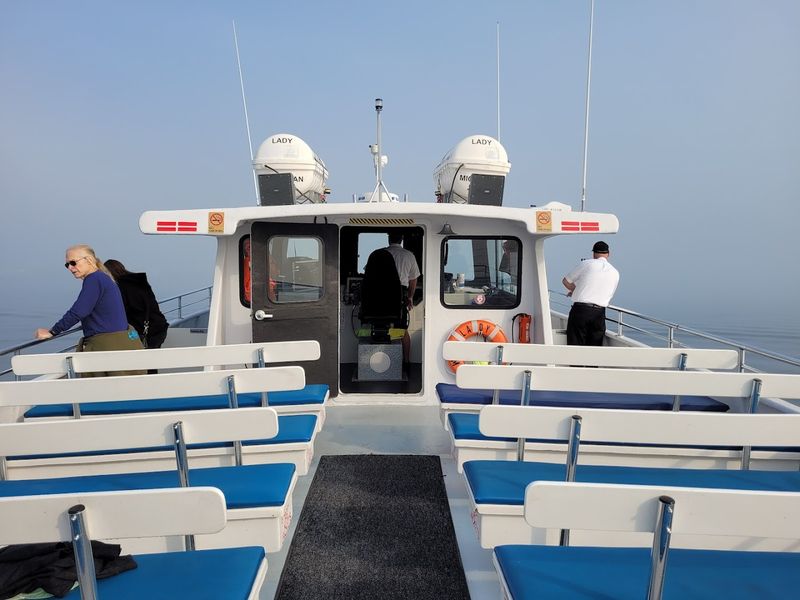
The crew sets the tone with a mix of precision and easy humor. Captains talk to each other by radio to hold the hull right over key features, while a guide narrates from above the wells.
That choreography keeps the wreck centered long enough for eyes to adjust and cameras to behave.
Questions are welcome, and good ones lead to small detours for better angles. On calm days, the boat seems to hover like a tripod.
When wind nudges the bow, a quick burst on the throttle slides the window back into alignment.
Their enthusiasm is genuine, and it travels fast across the deck. A laugh at a corny lighthouse pun makes the history land softer.
By the return leg, the whole group moves with unspoken timing that feels earned.
Practical Playbook: Tickets, Comfort, And Timing Your Day
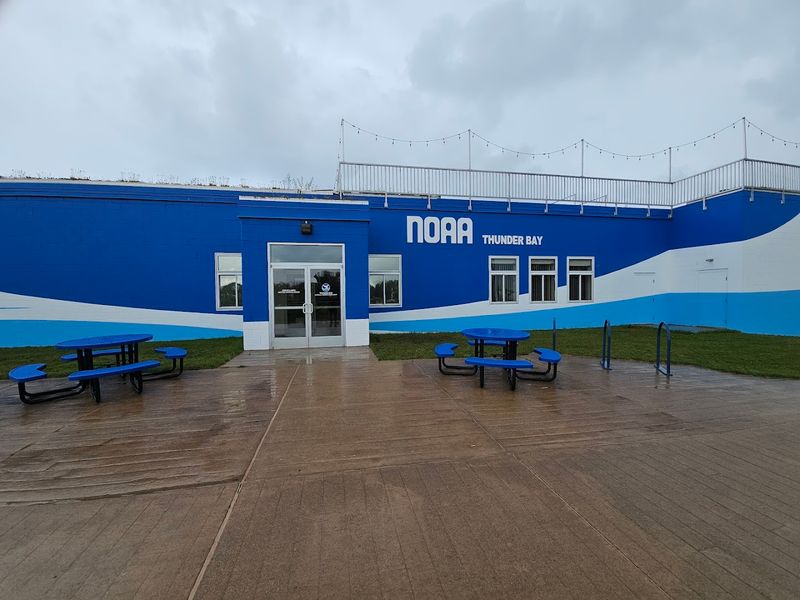
Booking ahead makes life easy in peak months, and morning departures often sell fastest. I arrive early to handle tickets, use the restroom, and find a seat that suits my plan to alternate decks.
Snacks and simple drinks are available, but I bring water and confirm a full battery for photos.
It can feel cooler on the bay, so a light jacket rides along even in July. Polarized sunglasses change the game, and sunscreen saves the top deck experience.
If fog creeps in or water turns murky, the crew may adjust or cancel, with communication handled through the office or website.
The tour usually runs about two to three hours, including transit out and back. A flexible schedule helps since visibility can shift and the best wreck might not be the closest.
Treat the boat ride as part of the show and the clock feels friendly.
Photography Without The Headache
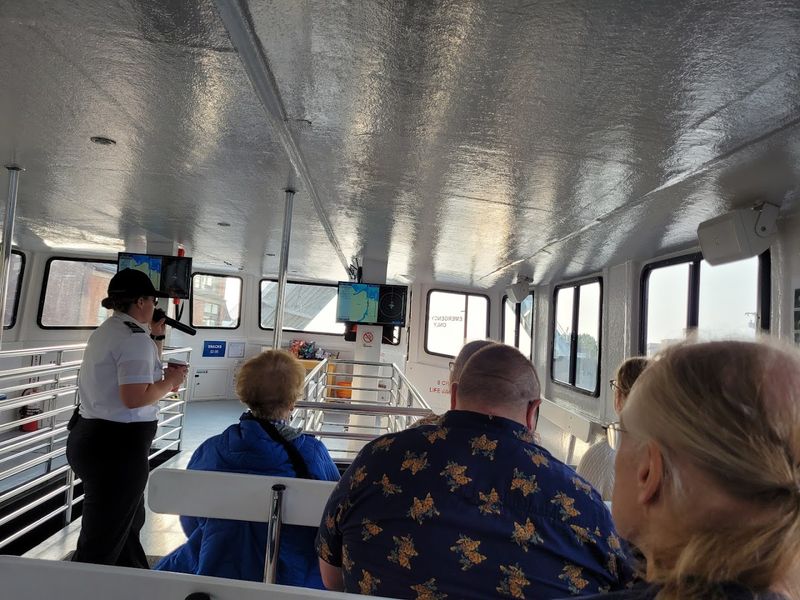
Great shots start with patience more than gear. I clean the phone lens, kill the flash, and wait for the captain to lock position before framing.
Tilting slightly off vertical reduces reflections from sky and faces.
From the top deck, a wider scene shows the full footprint of a hull, especially in shallow clear water. Down below, I go for texture and joinery where light falls through.
Switching quickly between both views gives a set that feels like a story instead of repeats.
Short video clips work well when the boat drifts over features like a bow or centerboard. Keep them to a few seconds to avoid motion wobble.
The best souvenir is often a still image where a single rib line leads your eye across time.
Polarized sunglasses can double as a handy trick for cutting glare if you angle your phone behind the lens. Sometimes simply shading the glass with your hand sharpens the wreck instantly.
I also lower screen brightness slightly so reflections don’t trick the camera’s exposure. Clear Lake Huron water does the rest, turning even a quick snapshot into something frame worthy.
By the end of the tour, you’ll have more than pretty pictures. You’ll have layered images that connect sky, surface, and ship in one seamless story.
Lighthouses, Channels, And Cameos On The Way
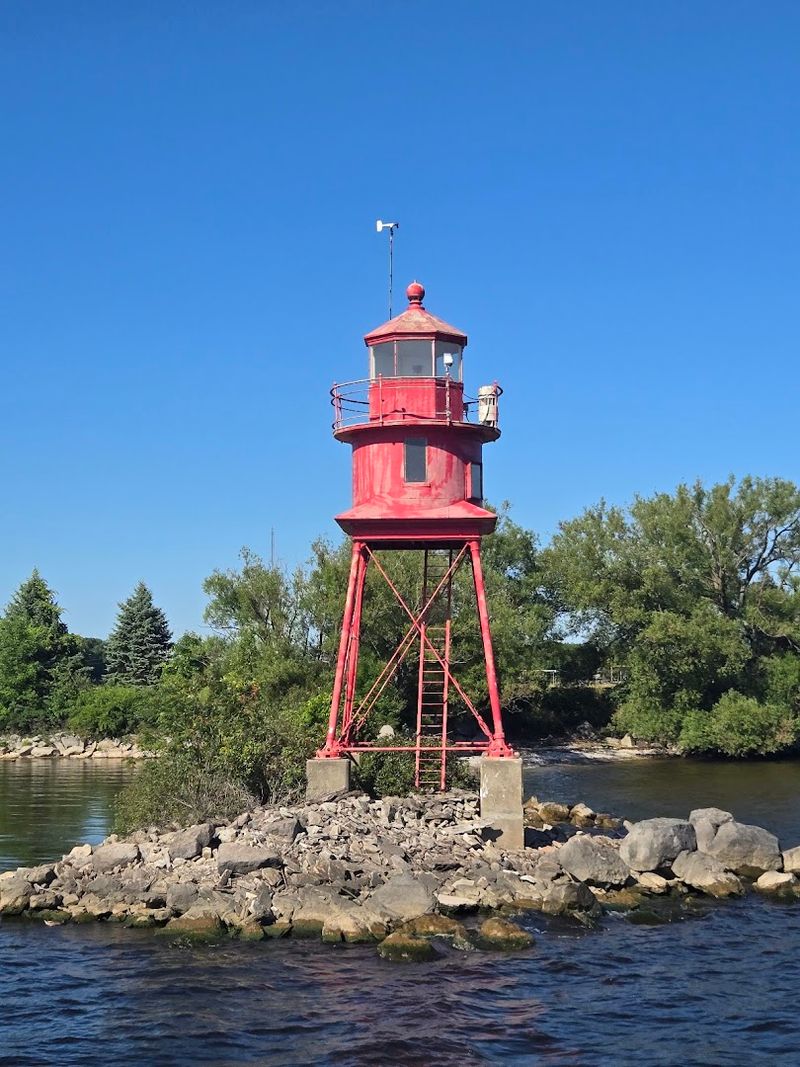
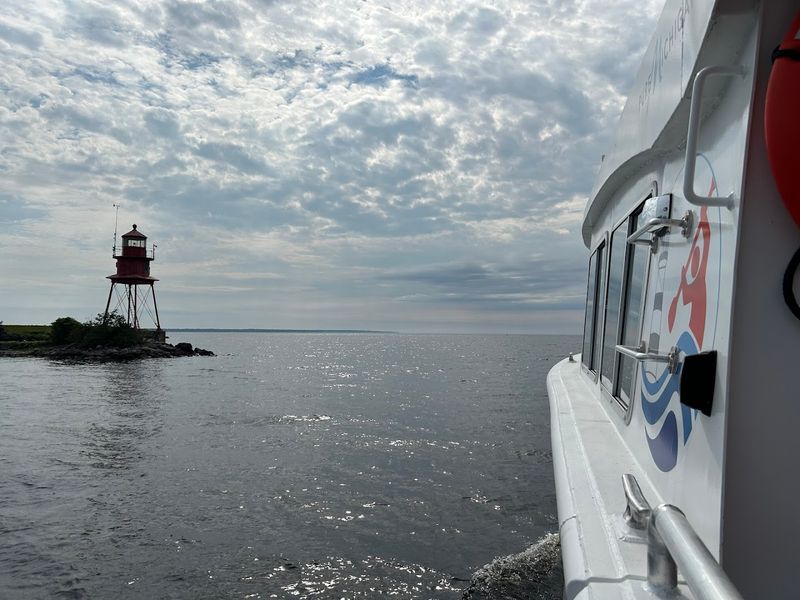
The route serves up cameos that frame the history lesson. A small red harbor light marks the channel like a punctuation mark, and Thunder Bay Island Lighthouse sometimes appears farther out.
Freighters cross the horizon on lucky days and make an old trade lane feel current.
These sights help anchor the wrecks in a working landscape. The guide points out islands, shoals, and previous beacons that shaped safer routes.
I like how a simple light structure can feel like a co narrator with its own steady cadence.
Photos of these landmarks pair well with the underwater shots later. Above water context gives your album balance and keeps the timeline clear for friends.
It is a tidy reminder that navigation is half the story and the lake writes the rest.
The wind off Lake Huron adds its own texture to the ride. You can feel how quickly calm water could turn serious for captains a century ago.
As the boat glides past the channel markers, it becomes easier to imagine schooners lining up for safe passage. The shoreline looks peaceful now, but every beacon once carried real urgency.
By the time you reach the wreck sites, those surface landmarks make the story feel whole. The lake stops being just scenery and starts feeling like a living archive.



