 Unearth The Voyage
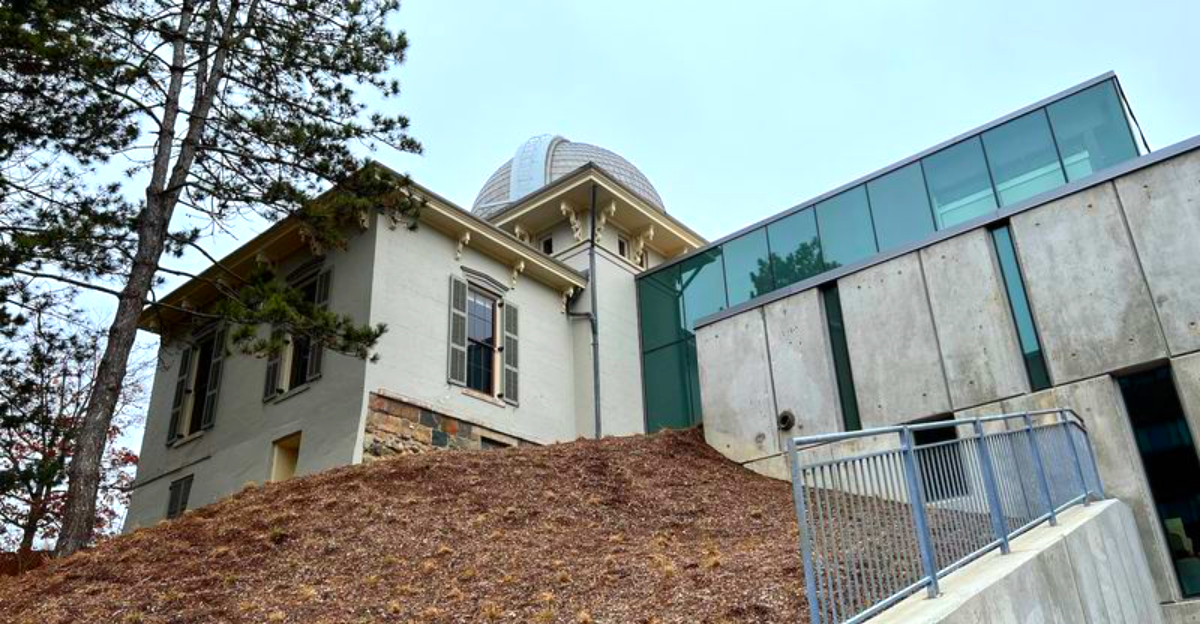
You can still use a working telescope from the 1800s at this Ann Arbor observatory. Located on the University of Michigan campus, it gives visitors a chance to view the moon, planets, and deep-sky objects through historic equipment that remains in active use.
The draw is simple but rare. Free admission, knowledgeable guides, and a Victorian-era refractor telescope make it one of the few places where you can experience both astronomy and scientific history in the same visit.
If you are looking for a unique, low-cost activity with real educational value, this spot delivers. Here is what to know before you go.
A Historic Address Worth Finding
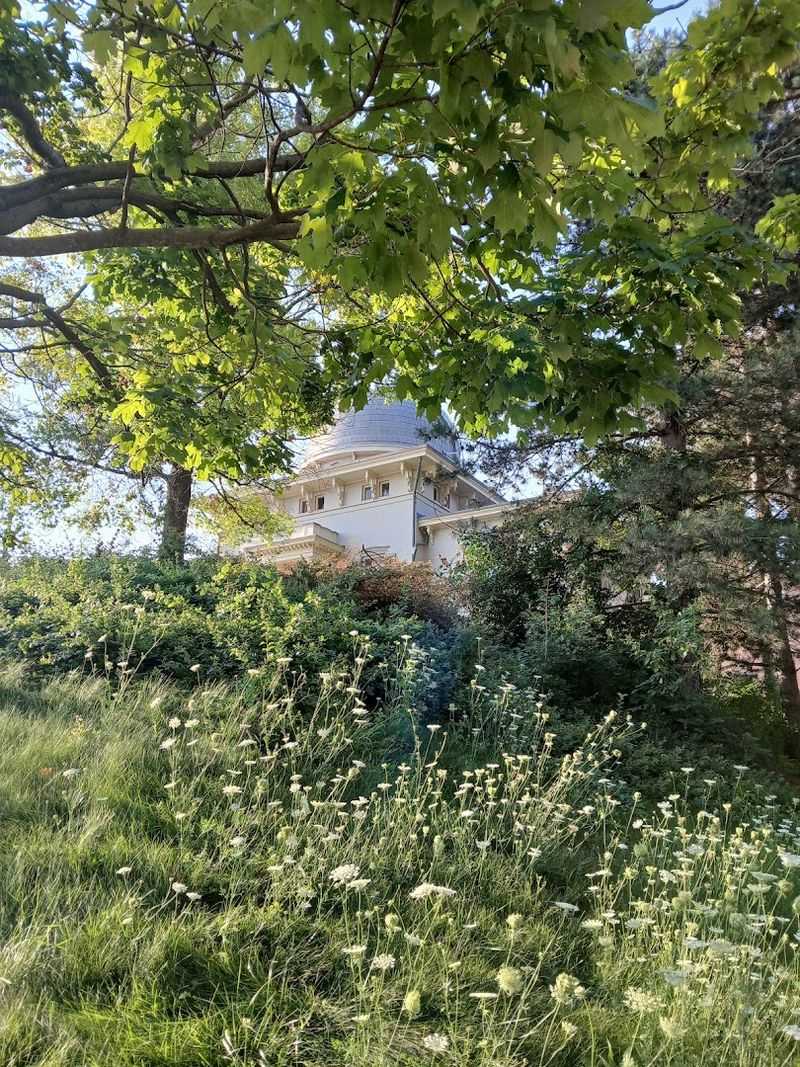
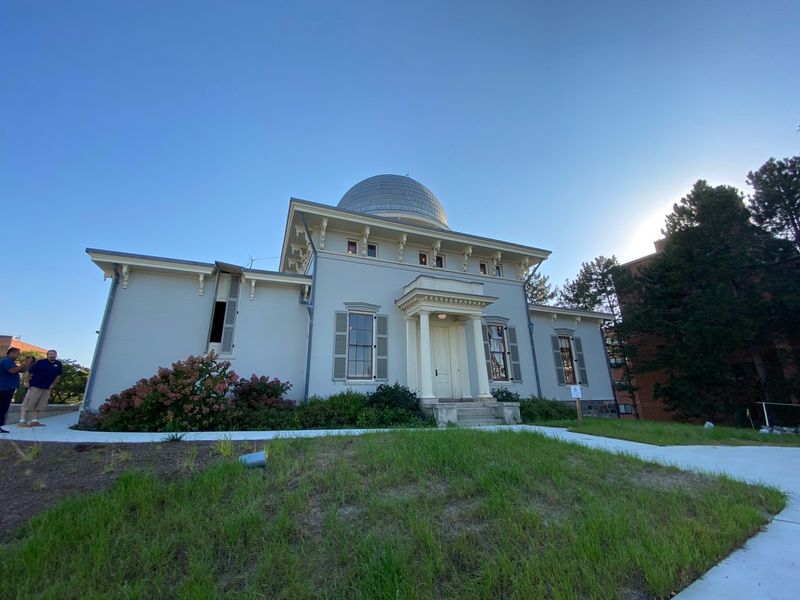
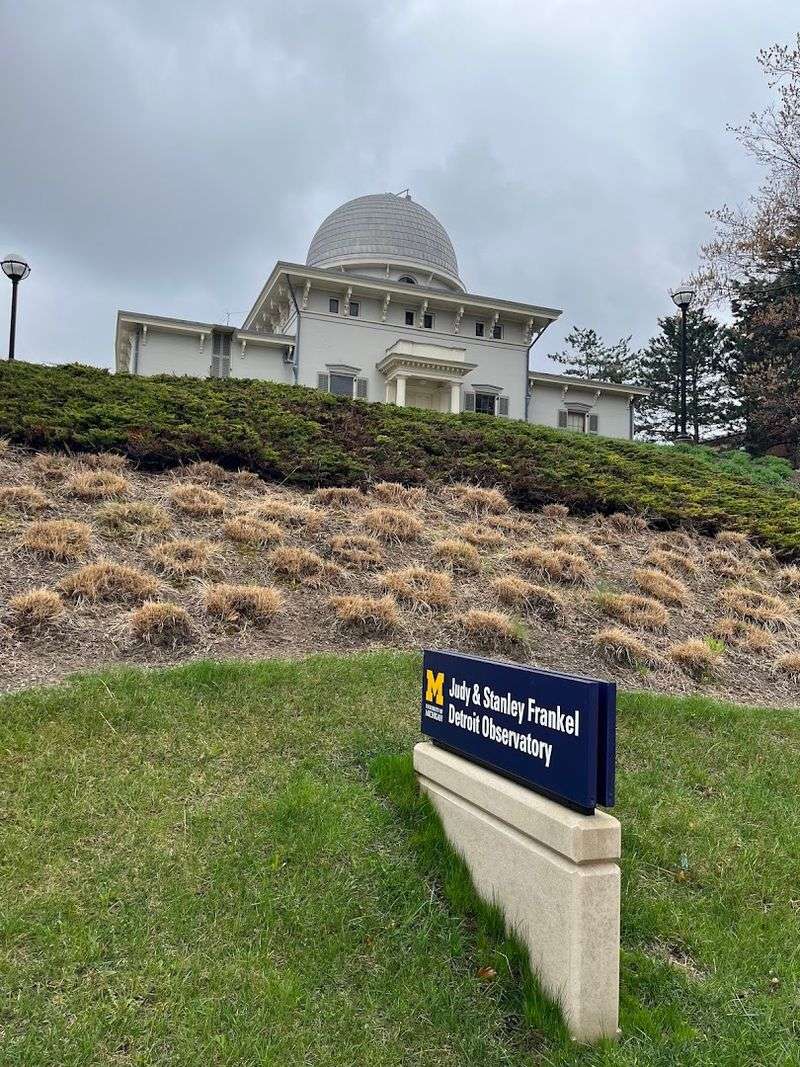
Some buildings announce themselves loudly; this one lets its history do the talking. The Judy and Stanley Frankel Detroit Observatory sits at 1398 E Ann St on Observatory Street, Ann Arbor, Michigan 48109, right on the University of Michigan campus.
To reach the entrance, you follow a short path that winds up a gentle hill, and the red-brick dome comes into view almost like a reward for the walk. The address is easy to find on a map, but the approach on foot gives you a moment to appreciate how deliberately this structure was placed, slightly apart from the rest of campus, as if it needed a clear view of the sky above.
Public transit lines run through the area, which is useful since street parking nearby can be limited on busy days. Plan your route in advance, arrive a few minutes early, and you will be set up perfectly for everything the observatory has to offer.
The Story Behind the Dome
Built in the mid-1800s, the Detroit Observatory holds the distinction of being the third oldest building on the University of Michigan campus, a fact that becomes more impressive the longer you stand inside it. The university made a bold early commitment to world-class science research by constructing this facility, and that ambition shaped the institution’s identity for generations to come.
Funding for the original structure came largely from Detroit business leaders who believed that a serious research observatory would put Michigan on the national scientific map. They were right.
The observatory quickly became a center for astronomical measurement, timekeeping, and data collection that researchers across the country paid attention to.
Over the decades, the building went through periods of heavy use, quiet dormancy, and careful restoration, each chapter adding another layer to its already rich character. Understanding that layered history makes every corner of the building feel more alive when you finally get to explore it in person.
The Fitz Refractor Telescope Up Close
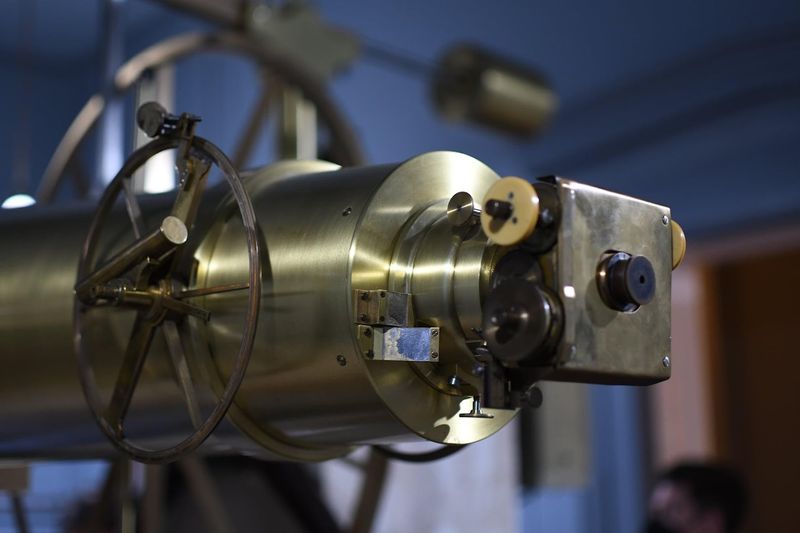
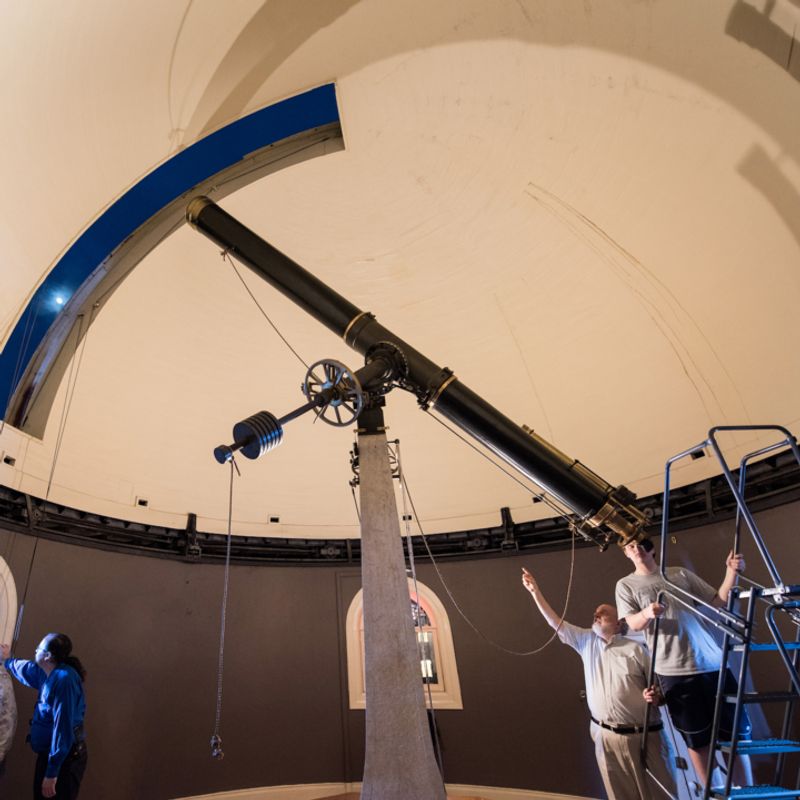
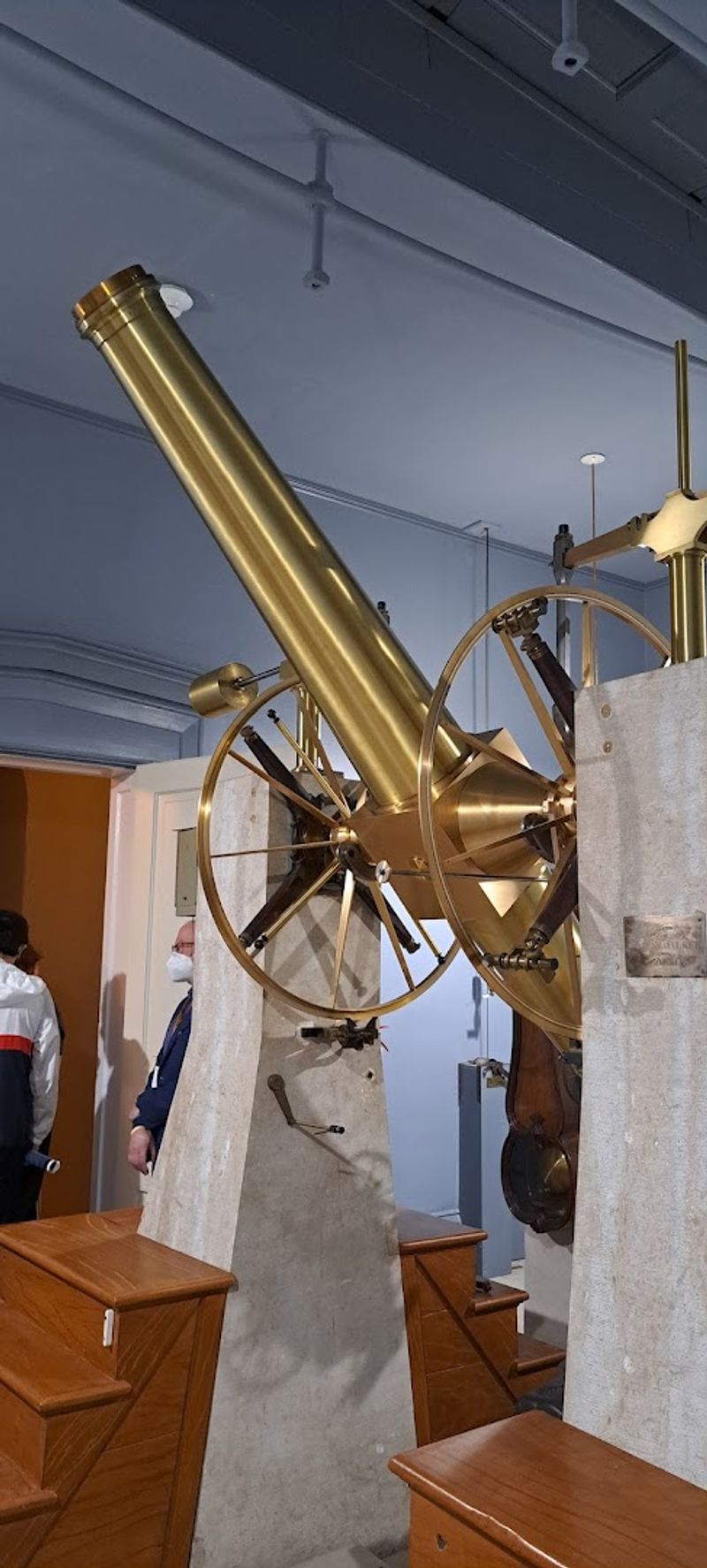
The centerpiece of the entire experience is the 17-foot Fitz refractor telescope, a Victorian-era instrument that looks like it belongs in a science fiction novel but is very much a piece of real scientific history. Henry Fitz of New York crafted this refractor in the 1850s, and it remains one of the oldest functioning telescopes of its kind in North America.
On clear evenings, visitors get scheduled time slots to climb up to the dome and look through the eyepiece themselves. The moon appears in startling detail, craters and ridges mapped out with a sharpness that catches most first-time viewers completely off guard.
Depending on the season and sky conditions, the telescope can also be pointed at planets, star clusters, and other deep-sky objects. The experience of looking through an instrument this old and realizing it still performs beautifully is something that no photograph can quite replicate for you.
Free Admission and What That Really Means
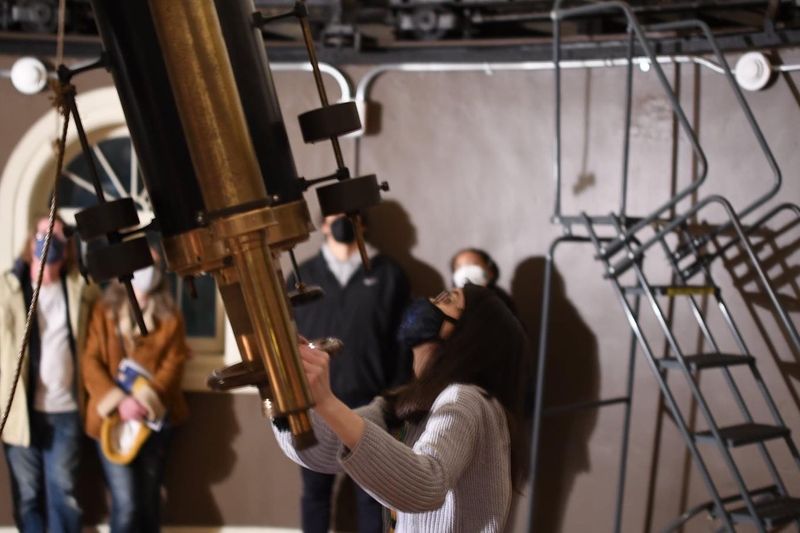
Free admission at a place this historically significant feels almost too good to be true, but the Detroit Observatory genuinely charges nothing to walk through the door. There are no hidden fees, no suggested donations at the entrance, and no ticketing system that makes you feel guilty for not upgrading.
That open-door policy reflects the university’s commitment to making science accessible to everyone, not just students or researchers. Families, solo visitors, tourists passing through Ann Arbor, and longtime Michigan residents all share the same space and the same experience without any financial barrier getting in the way.
The free tours come with knowledgeable docents who clearly love what they do, and the quality of information you receive rivals what you might expect from a paid museum experience in a major city. Honestly, the generosity of this place makes you want to tell everyone you know about it, which is probably the best form of appreciation you can offer.
Friday Open Nights and How They Work
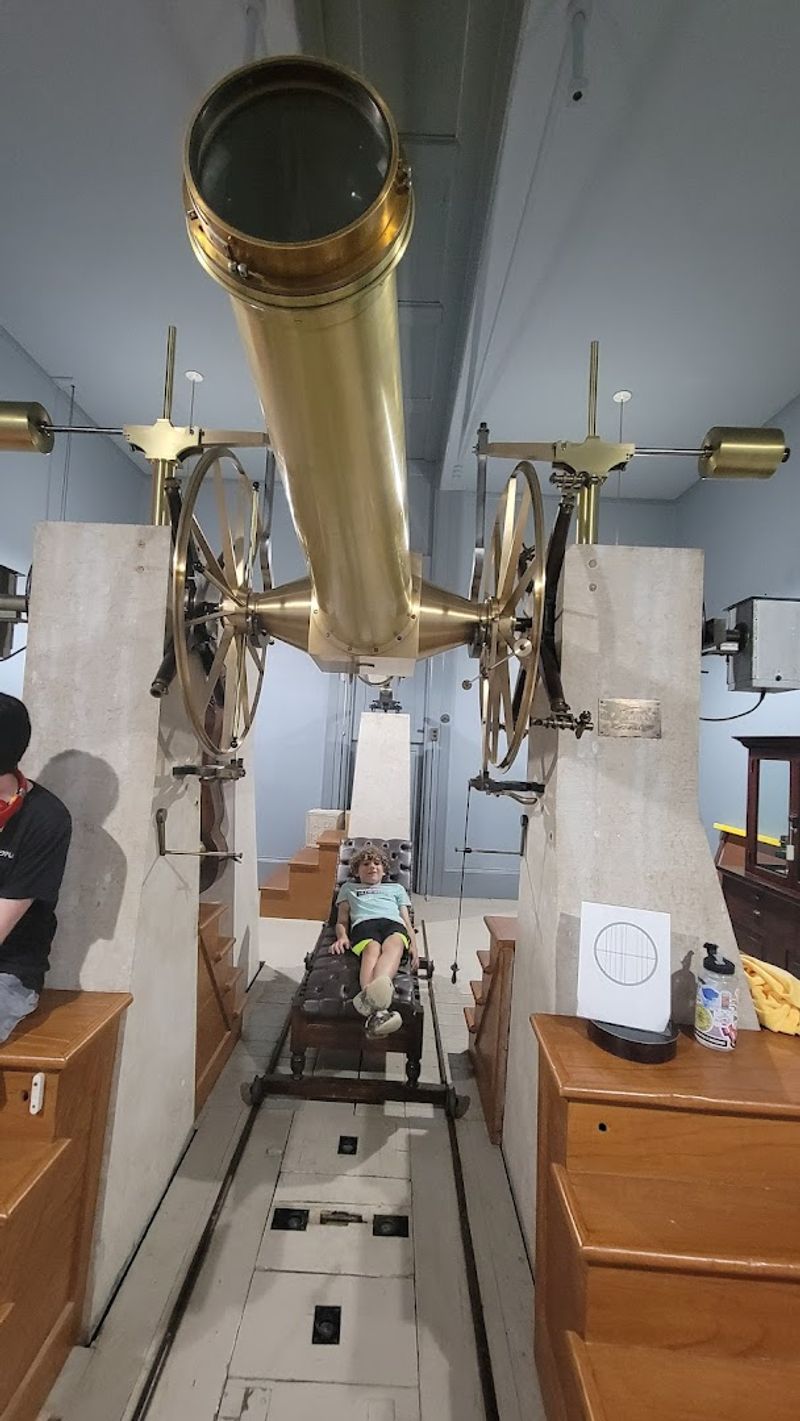
Friday evenings are when the observatory truly comes alive for the public, with open nights running from 1 PM to 5 PM Thursday through Friday as regular visiting hours, and special evening viewing sessions scheduled throughout the year. The Friday open house format is straightforward: you arrive, check in, and receive a time slot for your turn at the telescope.
While you wait, docents walk visitors through the building’s history, explain how the instruments work, and answer questions with the kind of enthusiasm that makes even complicated astronomy feel approachable. The wait itself rarely feels long because there is genuinely a lot to look at and learn inside the building.
Note that August viewings are sometimes paused, so checking the observatory’s official website before you plan a Friday visit is always a smart move. Clear skies obviously improve the telescope experience significantly, but even on cloudy nights the indoor history and instrument displays make the trip worthwhile.
The 2022 Renovation and New Addition
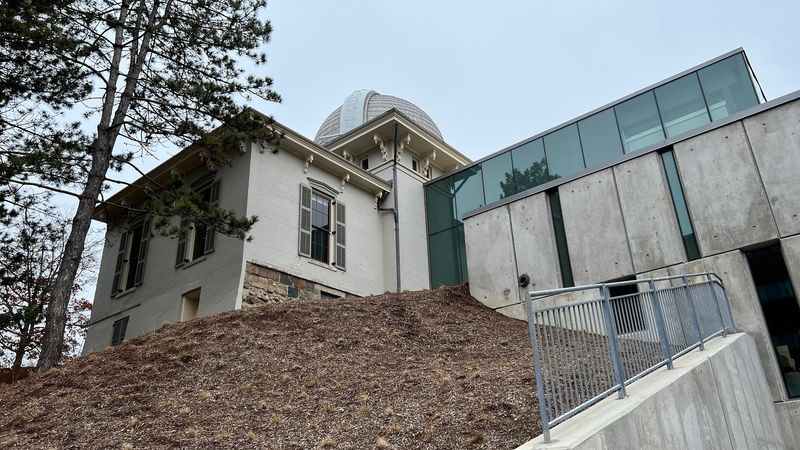
A newly completed addition opened in 2022, giving the observatory a fresh classroom and event space that works alongside the original historic structure rather than competing with it. The renovation was careful and respectful, preserving the character of the 19th-century building while making the overall facility functional for a much wider range of programming.
The new annexe means that lectures, school group visits, and special events can now happen simultaneously with telescope viewings, which eliminates the bottleneck that used to form when too many visitors arrived on a busy night. Groups waiting for their telescope slot now have a comfortable, engaging space to occupy instead of standing around outside.
The addition also houses updated exhibits that provide context for the original instruments and the scientific work that happened here. Seeing the contrast between the modern classroom and the Victorian dome makes the timeline of astronomy feel tangible in a way that a textbook description simply cannot achieve.
What the Guides Actually Know
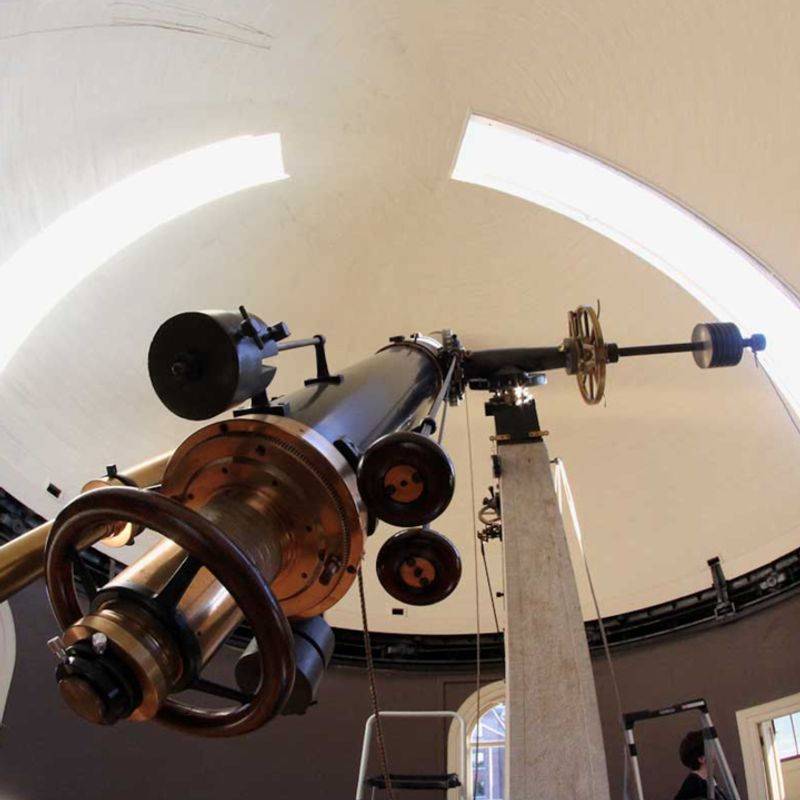
The guides and docents at the observatory are not reading from a script, and it shows immediately. Many of them are University of Michigan students or faculty members with genuine backgrounds in astronomy, history of science, or related fields, and they bring that depth of knowledge into every conversation.
Ask a question about the mechanics of the Fitz refractor, the history of the building’s construction, or the science of what you are actually seeing through the eyepiece, and you will get a real, detailed answer rather than a rehearsed two-sentence reply. That kind of authentic engagement transforms a simple building tour into something closer to a private lesson.
The passion these guides carry for the subject is contagious in the best possible way. Visitors who arrived with only mild curiosity often leave with a full reading list and a renewed interest in astronomy that they did not expect to find on what started as a casual afternoon outing.
Seeing the Moon Through a Victorian Lens
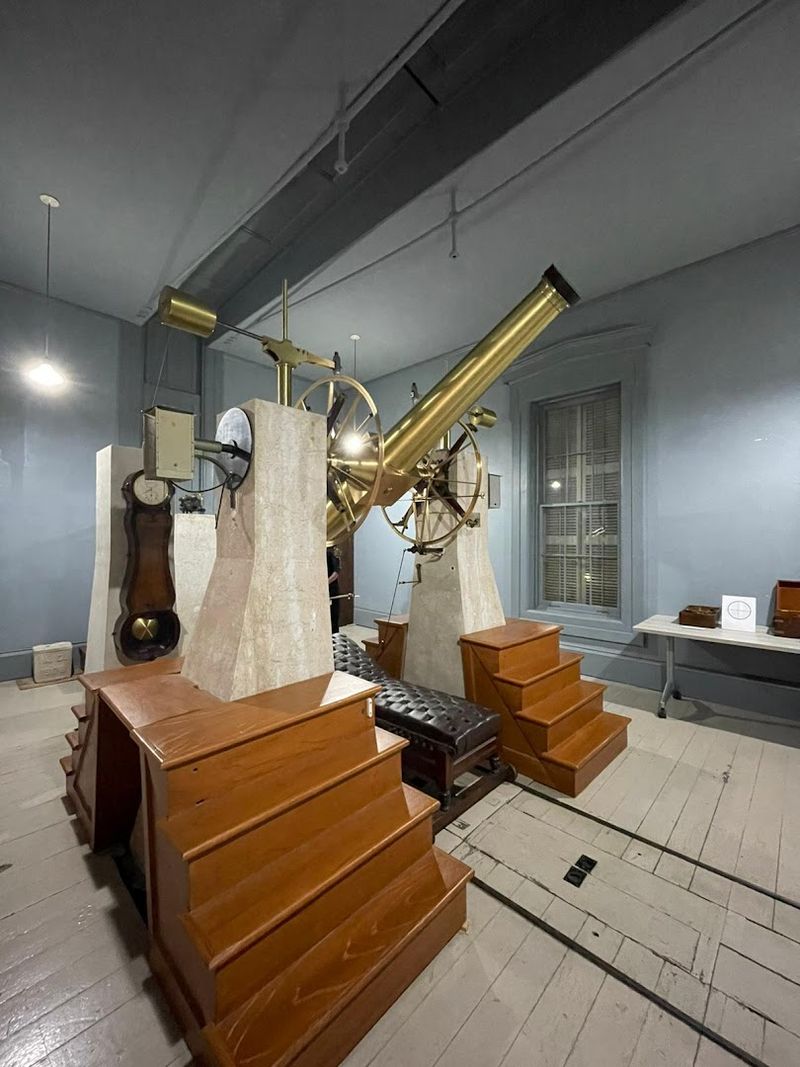
There is a specific kind of quiet that settles over a room when a group of people all take turns looking at the moon through a 170-year-old telescope and realize they can see individual craters with their own eyes. The Fitz refractor delivers that moment reliably on clear nights, and visitors consistently describe it as one of the most memorable things they have done in Ann Arbor.
The magnification brings the lunar surface close enough that the texture of the terrain becomes real rather than abstract, which is a very different feeling from looking at a photograph in a book or on a screen. Something about knowing the same optical glass that is focusing the image for you tonight also focused it for astronomers in the 1850s adds a layer of meaning that is hard to shake.
Depending on the time of year, planets like Saturn with its rings or Jupiter with its moons may also be on the viewing menu, making each visit feel like a slightly different adventure.
Special Events and Cultural Evenings
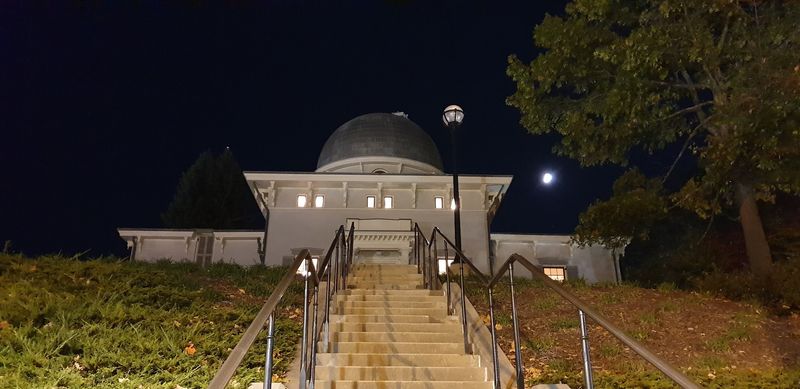
Beyond the regular Friday open nights, the observatory hosts a rotating calendar of special events that connect astronomy with culture, community, and celebration. The Mid-Autumn Festival event is one standout example, drawing visitors who want to observe the moon in the context of a cultural tradition that has honored it for thousands of years.
These themed evenings attract a broader and more diverse crowd than the standard tour format, and the atmosphere takes on a distinctly festive quality that makes the historic building feel even more alive than usual. Staff members at these events bring the same level of knowledge and warmth that characterizes every visit, but the added programming gives the night an extra dimension.
Checking the observatory’s official event calendar regularly is worth the habit, because the special evenings fill up faster than the regular open nights do. Arriving early on event nights is a simple but effective strategy for securing a comfortable spot and a good position in the telescope queue.
Great for Kids and Families
Taking kids to the observatory turns out to be one of those rare parenting wins where the children are genuinely engaged rather than politely tolerating an educational outing. The combination of a dramatic dome, a towering brass telescope, and the actual act of looking at the moon creates a sensory experience that holds attention in a way that a classroom lesson about space rarely does.
The guides are skilled at adjusting their explanations for younger audiences without dumbing down the content so much that the adults in the group lose interest. That balance is harder to strike than it sounds, and the staff here manages it with obvious practice.
The building itself is fascinating to explore even before you get to the telescope, with historical instruments, old charts, and architectural details that spark questions from curious kids at every turn. Parents who visit once almost always mention wanting to come back, which is probably the clearest sign that the experience genuinely delivers.
Practical Tips for Planning Your Visit
A few logistical details can make the difference between a smooth visit and an unnecessarily stressful one. The observatory is open Thursday and Friday from 12 PM to 5 PM, with the phone number (734) 763-2230 available for questions and the official website at detroitobservatory.umich.edu carrying the most current schedule information.
Street parking near the observatory can be genuinely tricky, especially on busy university days, so arriving via a University of Michigan public parking lot and walking the remaining distance is often the more reliable option. Several bus lines serve the area, making public transit a stress-free alternative that also avoids the parking headache entirely.
Dress for the weather if you plan to attend an evening viewing event, since the dome area can feel cool even when the day was warm. Clear nights are obviously ideal for telescope viewing, but the indoor experience alone is rich enough to justify the visit regardless of what the clouds decide to do.
Why This Observatory Stays With You
Most tourist stops fade from memory within a week, replaced by the next thing on the list. The Detroit Observatory has a way of sticking around in your thoughts longer than that, partly because the experience is so specific and sensory, and partly because it connects you to something genuinely vast.
Looking through a telescope that has been pointed at the same sky for over 170 years, in a building that helped define one of the country’s great research universities, puts your own moment in time into a perspective that is hard to manufacture artificially. The observatory does not try to be flashy or dramatic about any of this; it simply lets the instruments and the history speak for themselves.
The combination of free admission, expert guides, a working Victorian telescope, and a beautifully restored historic building makes this one of the most rewarding stops in Ann Arbor, and easily one of the most underrated science experiences in the entire state of Michigan.



