 Unearth The Voyage
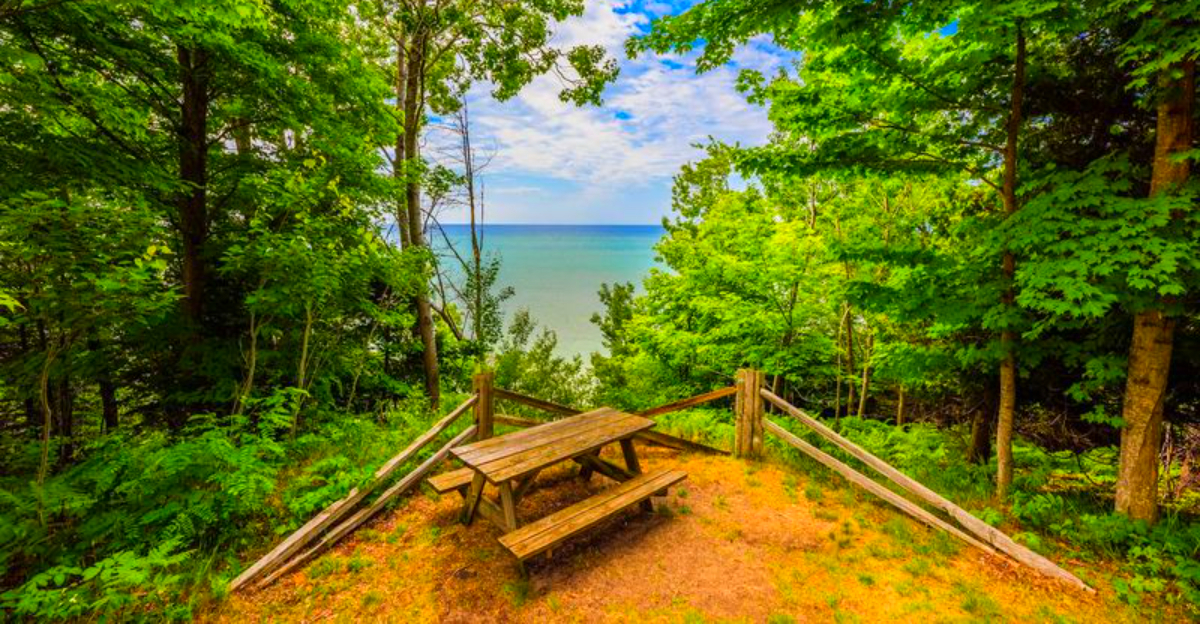
After sunset, the sky turns so dark the stars take over completely. Out in Lake Michigan, about 32 miles from the mainland, this island moves at its own pace- no stoplights, no rush, just quiet routines and long stretches of open space.
Fewer than 600 people live here year-round, but the past is anything but quiet. Spend a little time digging in, and the stories start to feel stranger than the setting itself.
Where Exactly This Island Sits and How to Get There
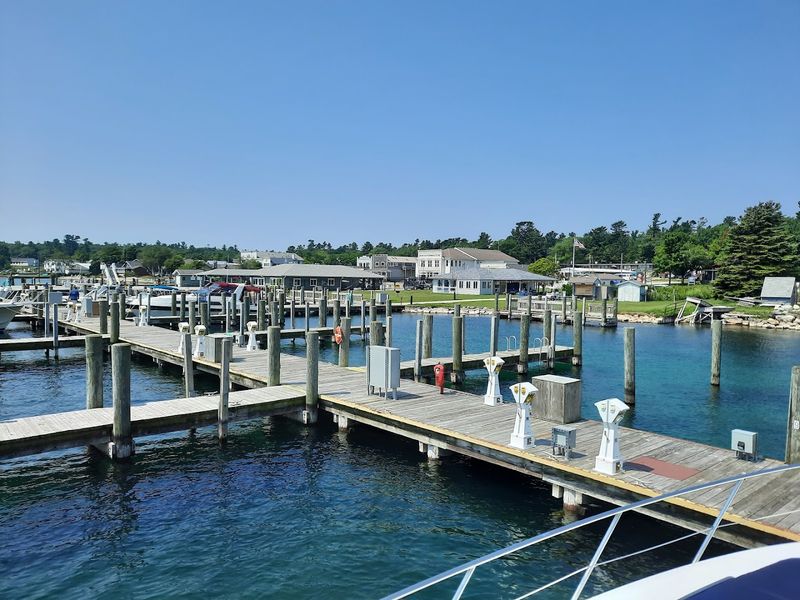
Beaver Island is the largest island in Michigan, tucked inside Lake Michigan at coordinates 45.6467627, -85.5520726. The closest mainland departure point is Charlevoix, Michigan, a charming harbor town about a two-hour ferry ride away.
The Beaver Island Boat Company operates the ferry service, and yes, you can bring your car aboard, which makes exploring the island much easier once you arrive. The crossing covers roughly 32 miles of open lake water, so sea bands are a smart idea if your stomach tends to protest on boats.
For those who prefer speed over scenery, Island Airways offers small plane flights from Charlevoix that get you there in about 20 minutes. The island itself has two airports, which feels surprising for a community of just over 600 residents.
Whether you sail in or fly in, the moment you arrive, the mainland pace simply evaporates.
The Wildest Chapter in the Island’s History
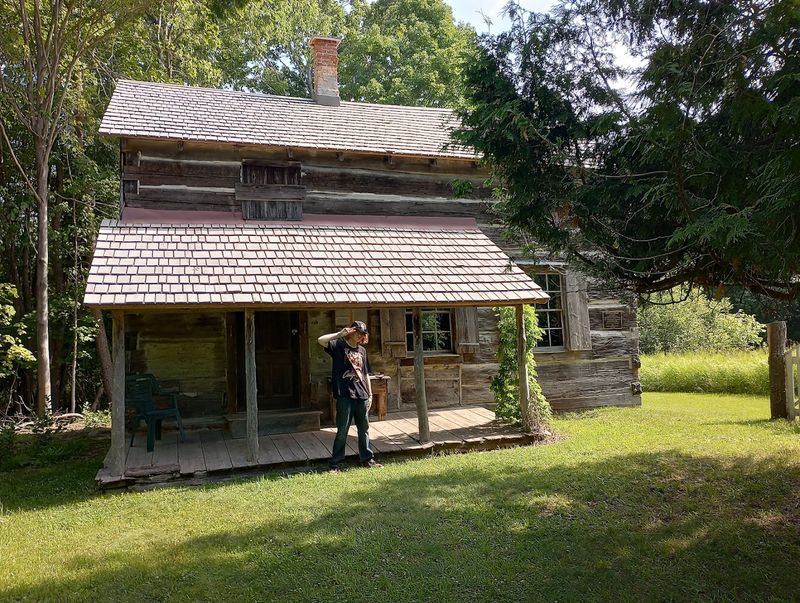
Most islands have interesting histories, but Beaver Island has one that genuinely stops people mid-sentence when they hear it. In 1848, a man named James Strang led a group of Mormon followers to the island, declared himself king, and established a full theocracy in the middle of Lake Michigan.
Strang ruled with increasing strictness, eventually ordering women to wear bloomers instead of dresses and demanding tight control over daily life. His own followers grew frustrated, and in 1856 he was shot by two of his own men.
He passed away shortly after, ending one of the strangest chapters in American Midwest history.
After Strang’s rule collapsed, Irish-American fishermen who had been pushed out reclaimed the island, and their cultural influence is still felt today. The island’s historical museum preserves this story remarkably well, and visiting it feels like uncovering a secret that most of the country has somehow forgotten.
The Irish Roots That Still Shape the Island Today
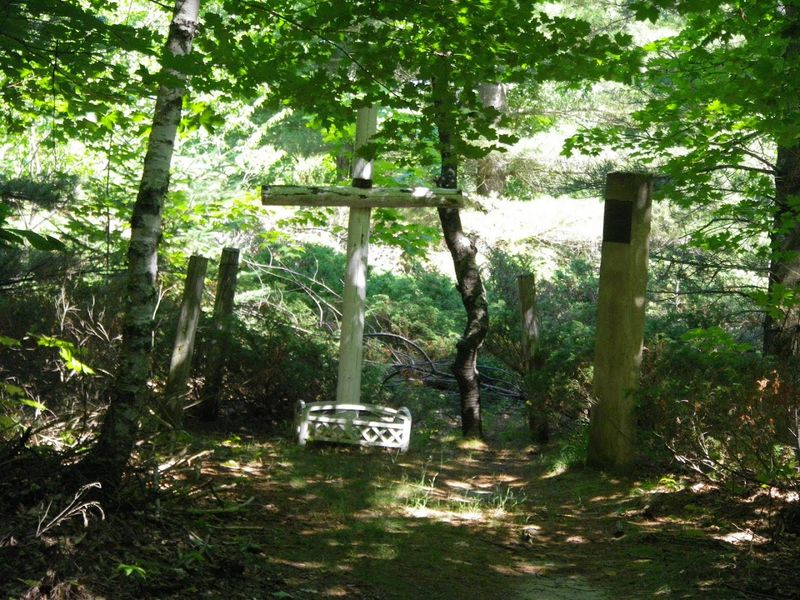
After the Mormon era ended, Irish immigrants from County Donegal and other parts of Ireland settled Beaver Island and built a fishing community that thrived for generations. Their presence is woven into the fabric of the island so deeply that it still shows up in family names, local traditions, and community events.
The island hosts an Irish Festival each summer that celebrates this heritage with music, dancing, and storytelling. It draws visitors from across the Midwest who come specifically for the cultural experience, and the warmth of the event matches the warmth of the community itself.
Local surnames on mailboxes and business signs reflect those original settler families, and longtime residents speak about their ancestry with genuine pride. The blend of Great Lakes ruggedness and Irish community spirit gives Beaver Island a personality that feels completely unlike any other Michigan destination.
That cultural backbone is a big part of why people return year after year.
Beaches That Rival Anything on the Mainland
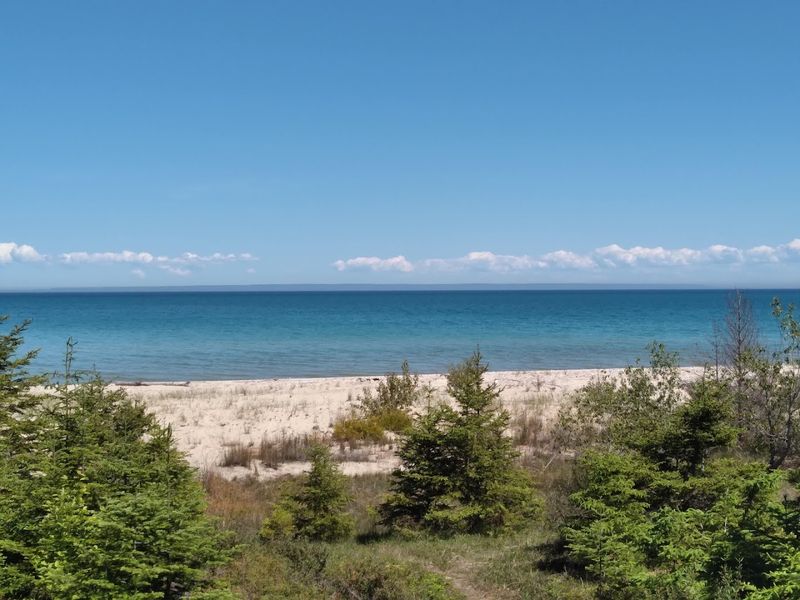
The water surrounding Beaver Island is the kind of clear, cold blue that makes you stop and stare. With over 40 miles of Lake Michigan coastline, the island offers beaches ranging from wide sandy stretches to rocky shorelines perfect for hunting Petoskey stones and other Great Lakes treasures.
Paradise Bay on the eastern side of the island is a favorite for families and swimmers, with calm water and easy access from the main town of St. James. The western shores tend to be wilder and more dramatic, with bigger wave action and stunning sunset views that are genuinely hard to describe without sounding like you are exaggerating.
Bug spray is a real necessity here, especially near wooded beach access points, since mosquitoes are part of the natural package. Bring tick protection too if you plan to hike to more remote shoreline areas.
The tradeoff for a little extra preparation is a beach experience with almost no crowds and views that stretch endlessly across the lake.
What Wildlife You Can Spot Across the Island
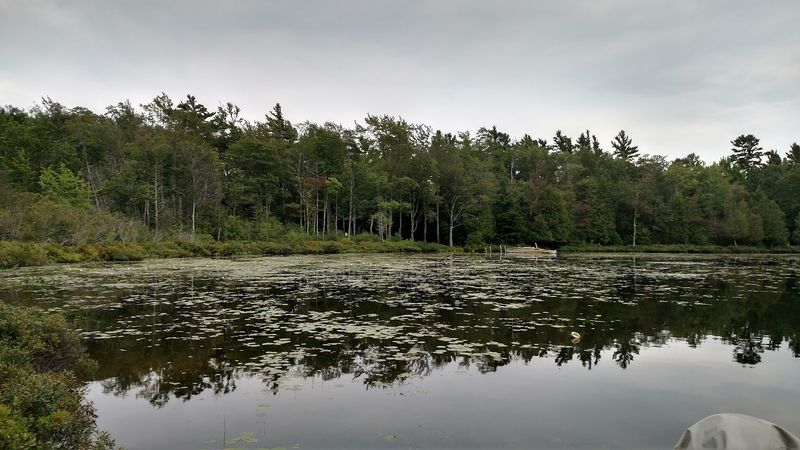
Beaver Island is a genuine wildlife destination, and the variety of animals you can encounter during a single day is remarkable. Deer wander through the forest roads without much concern for passing cars, and wild turkeys are a common sight near the tree lines in the early morning.
Bald eagles circle overhead with enough frequency that spotting one stops feeling extraordinary and starts feeling like a regular afternoon event. Coyotes, turtles, and various snake species also call the island home, and yes, there are actual beavers here, which never stops being a satisfying fact.
Spring and fall migrations bring thousands of birds through the island, making it a serious destination for birding enthusiasts. Central Michigan University operates a biological research station on the island, studying the natural environment and running community programs.
Every natural habitat found in Michigan is represented here in some form, which is exactly why the wildlife variety feels so rich and surprising at every turn.
Hiking Trails Through Dense Northern Forests
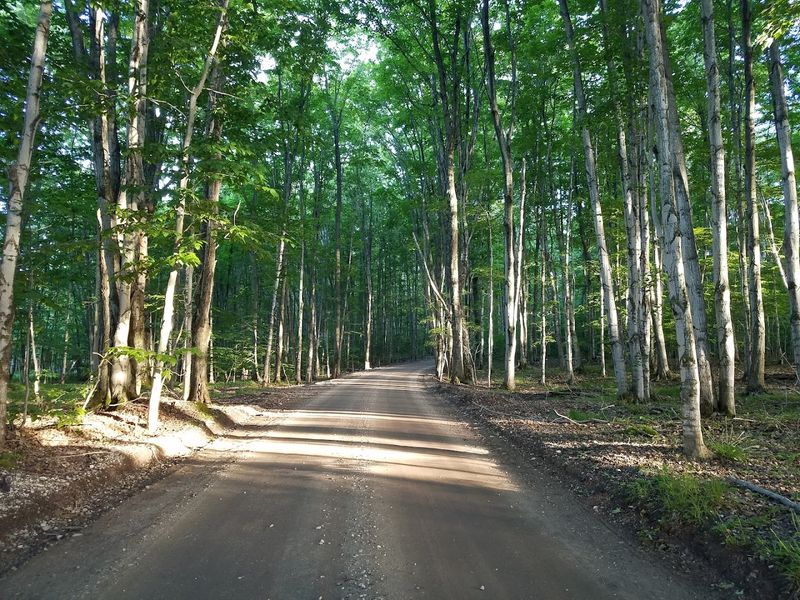
Hundreds of miles of trails crisscross the island’s forests, wetlands, and shoreline, offering everything from short nature walks to full-day backcountry hikes. The terrain shifts between sandy pine forests, hardwood stands, and boggy wetland areas, giving each trail a distinct feel that keeps things interesting.
Trail lengths and difficulty levels vary enough that both casual walkers and serious hikers find routes that suit them. Some paths lead to inland lakes where fishing is excellent, while others wind toward secluded beach access points that most day visitors never discover.
The backroads and forest trails are genuinely what give the island its magical quality.
Tick awareness is important on any wooded trail here, so checking yourself after a hike is a habit worth building. The reward for a few hours on the trails is a kind of quiet that feels almost rare in the modern world.
There is something grounding about walking through a northern forest knowing the nearest stoplight is 32 miles away across open water.
The Lighthouses That Guard the Shoreline
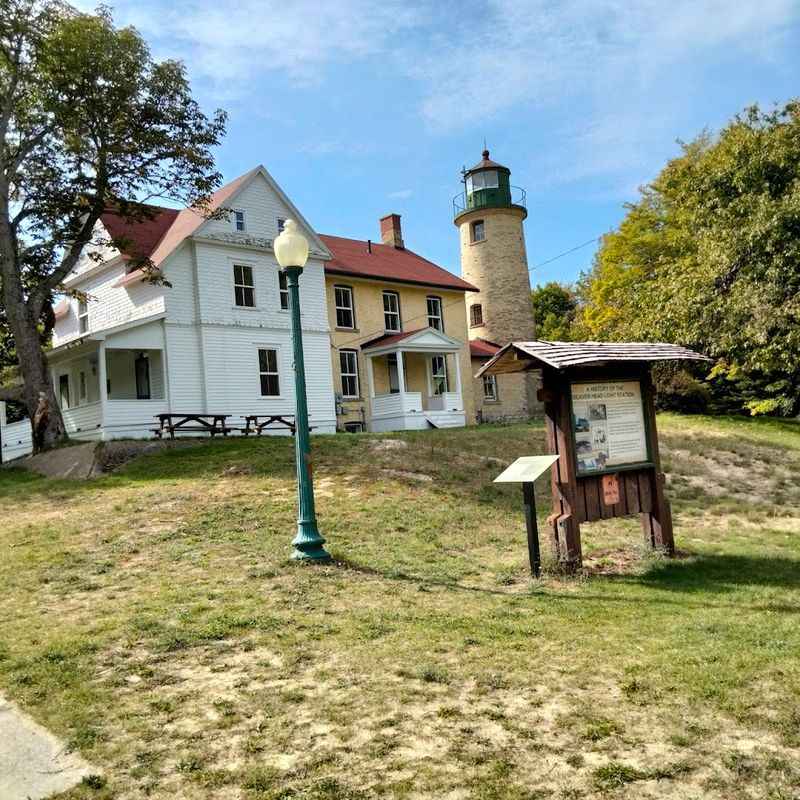
Two historic lighthouses mark the edges of Beaver Island, and both are worth visiting for different reasons. The Beaverhead Lighthouse stands at the southern tip of the island and has guided ships through Lake Michigan since 1851, making it one of the older navigational landmarks in the Great Lakes.
Whiskey Point Lighthouse sits near the main harbor in St. James and is more accessible for a quick visit during a walk through town. Its location near the marina makes it a natural backdrop for photos, especially in the golden hour before sunset when the light turns everything warm and cinematic.
Lighthouse enthusiasts often plan their entire trip around visiting both structures, and the island’s historical society preserves their stories carefully. The waters around Beaver Island have seen their share of dramatic Great Lakes weather, and standing near either lighthouse on a windy day gives you a real sense of why these structures mattered so much to the sailors who depended on them.
Museums That Tell the Full Story of the Island
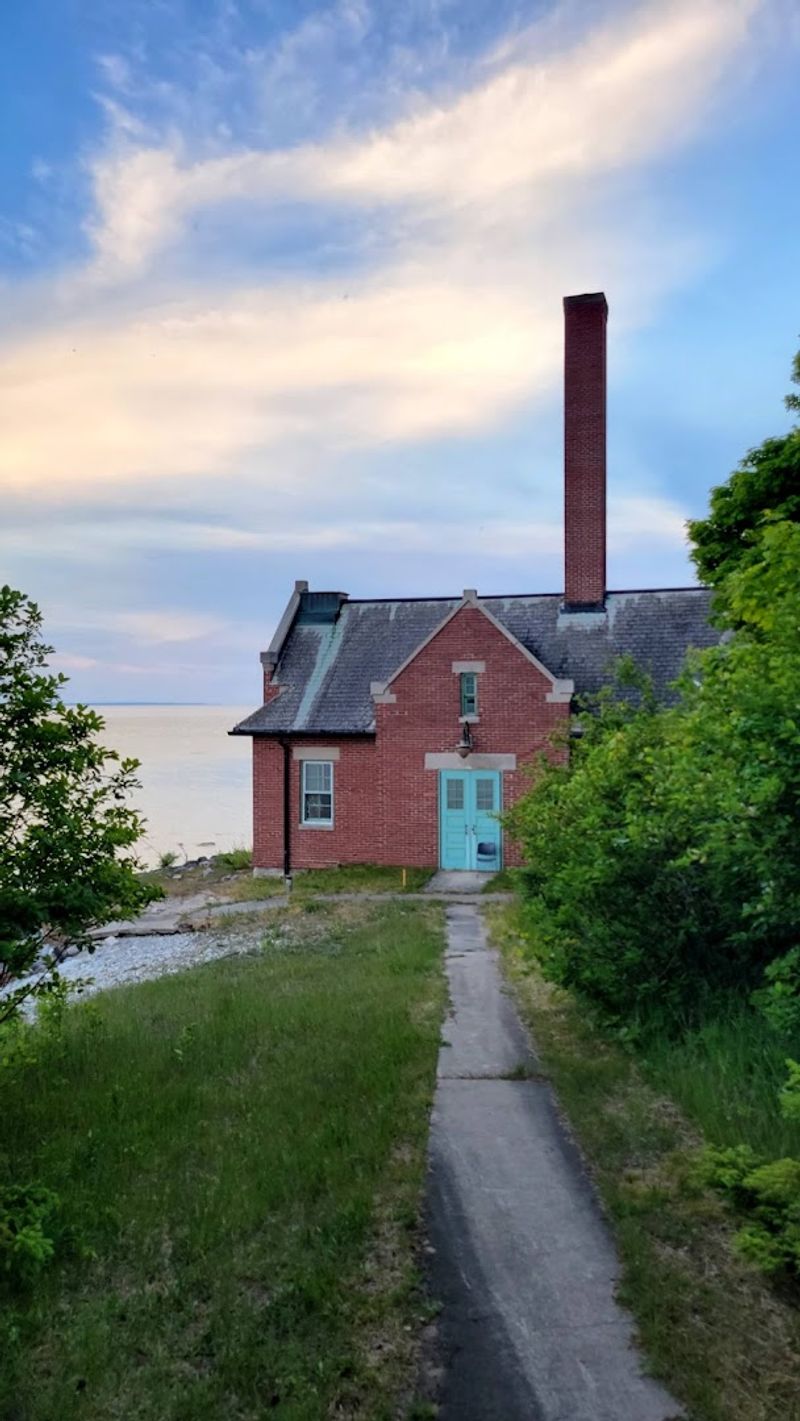
Four museums sit within walking distance of each other in the town of St. James, which is an impressive cultural offering for a community of 600 people. The Marine Museum, the Toy Museum, the Protar Home, and the Mormon Print Shop Museum each cover a different slice of the island’s layered past.
The Mormon Print Shop Museum is the one that tends to draw the most fascination, housing artifacts from the Strang era and telling the full story of the island’s theocratic period in detail that no history book summary can quite capture. The Toy Museum is a cheerful surprise, packed with vintage toys and games that spark nostalgia for visitors of all ages.
The Marine Museum digs into the island’s fishing heritage and Great Lakes maritime history, which turns out to be far more gripping than it sounds on paper. Spending a morning moving between these four spots gives you a surprisingly complete picture of how this small island became such a distinctive place over the past two centuries.
The Slow, Unhurried Pace of Daily Life in St. James
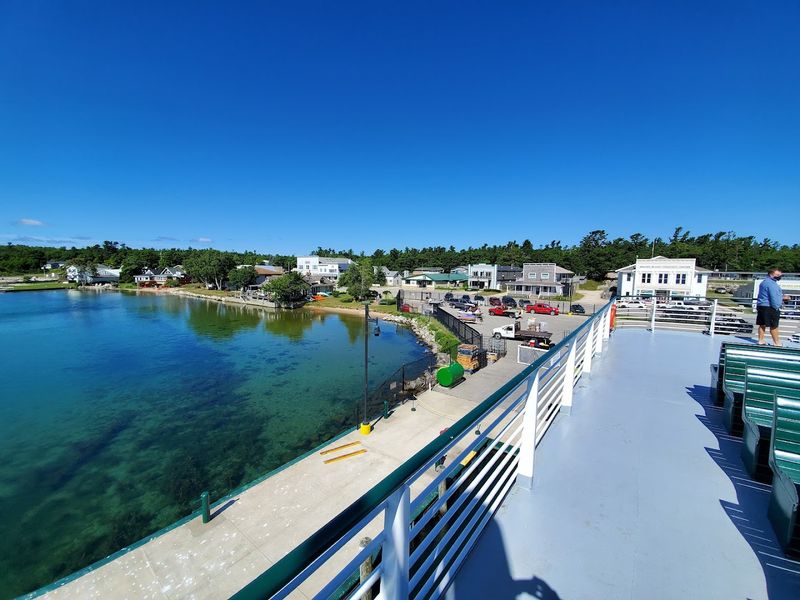
St. James is the only real town on Beaver Island, and its main street captures everything that makes the island feel like a step sideways in time. A hardware store anchors one end, a family-owned grocery sits at the other, and a community center fills the middle with a warmth that chain-store towns simply cannot replicate.
There are no stoplights anywhere on the island. No chain restaurants, no big box stores, no fudge shops designed to extract tourist dollars.
What exists instead is a small collection of genuine local businesses run by people who actually live here and care about the place.
Prices are higher than the mainland because nearly everything arrives by ferry or barge, so bringing your own groceries is a practical tip worth taking seriously. Gas runs expensive too.
But the tradeoff is a daily rhythm so unhurried that leaving your keys in the car feels completely normal, and waving at strangers on the road quickly becomes second nature.
Where to Eat and What to Expect at Local Restaurants
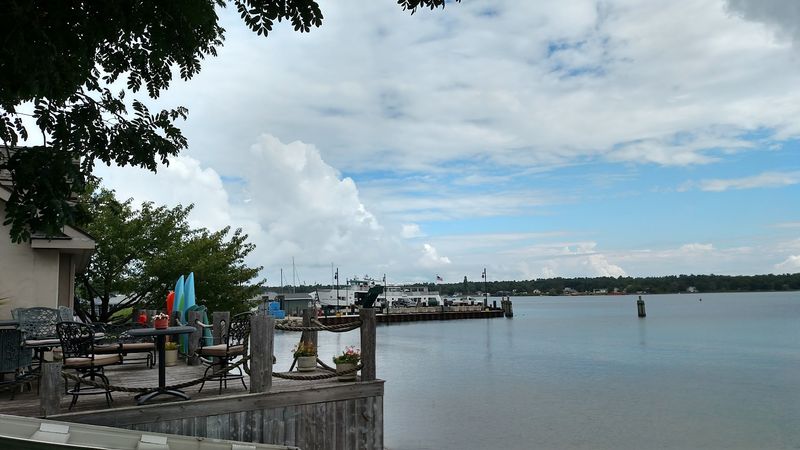
Dining on Beaver Island is a casual, unhurried experience, and that is worth knowing before you arrive with big expectations. The island has a handful of restaurants and a bakery-deli that locals swear by for fresh baked goods and sandwiches that are genuinely worth the trip on their own.
Beaver Island Lodge restaurant comes up repeatedly as the spot for a proper sit-down meal, with a menu that leans into fresh whitefish and lake trout caught by local fishermen. Daddy Frank’s ice cream shop near the library is a community institution, serving burgers and frozen treats with the kind of cheerful energy that only a student-staffed small-town spot can deliver.
Service runs at island speed, meaning patience is part of the dining experience. Restaurants close early, and hours shift depending on the season, so checking ahead before you plan an evening out is genuinely useful advice.
The food itself reflects honest, straightforward cooking rather than culinary showmanship, and that simplicity is part of its charm.
How to Get Around Once You Arrive
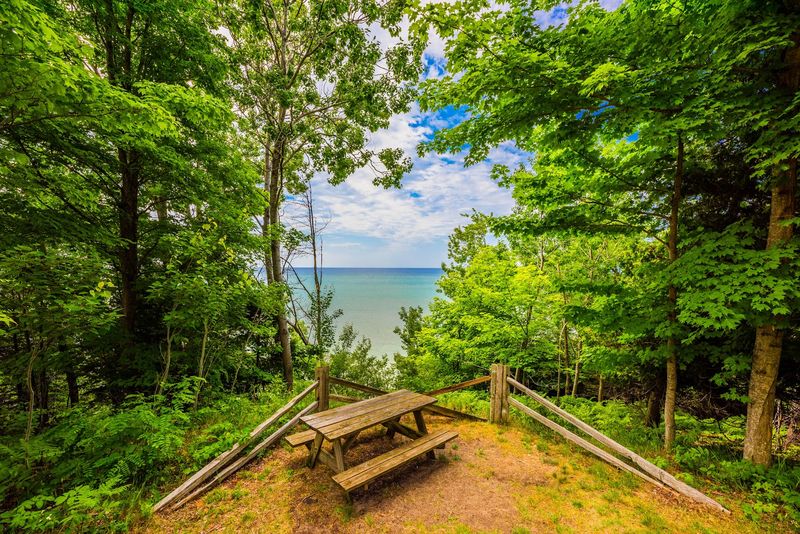
Getting around Beaver Island without a plan can leave you stranded, since the island covers nearly 56 square miles and the town of St. James is just one small corner of it. Renting a car, bicycle, moped, or kayak from local outfitters gives you the freedom to explore properly, and most visitors find that a combination of options works best.
Biking the backroads is a genuinely wonderful way to experience the island, especially on the quieter forest routes where the only sounds are wind and birdsong. Mopeds are popular for covering more ground without the commitment of a full car rental.
Guided fishing and diving tours are also available for those who want an expert to show them the best spots.
Taxis operate on the island as well, and the community is small enough that getting a ride rarely takes long. The key advice from experienced visitors is simple: bring your own transportation plan, arrive with snacks and supplies, and give yourself enough time to actually wander rather than just rush between landmarks.
Why the Night Sky and Sunsets Make This Place Unforgettable
One detail that longtime residents mention with consistent pride is the night sky above Beaver Island. With no light pollution from nearby cities and 32 miles of dark lake water between the island and the mainland, the stars appear in a density that genuinely surprises first-time visitors.
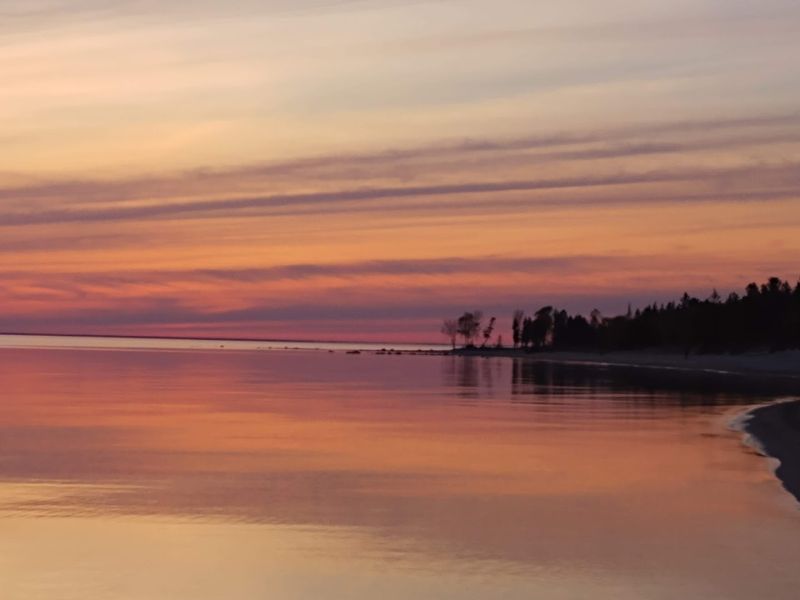
On clear nights, the Milky Way is visible to the naked eye, and the Northern Lights have been spotted from the island’s shores on enough occasions that locals treat aurora sightings as a regular seasonal possibility rather than a once-in-a-lifetime event. Sunsets over the western shoreline are equally dramatic, painting the lake in colors that shift from orange to deep violet as the light fades.
Sunrise on the eastern side is its own quiet reward, especially on mornings when the lake is calm and the water reflects the sky like a mirror. These are the kinds of moments that make people start researching property listings before they even board the ferry home, and honestly, that reaction makes complete sense.



