 Unearth The Voyage

A science museum does not usually make me slow down just to admire the road leading in, but this one absolutely did. Before I even reached the exhibits, I had the feeling that I was headed somewhere far more layered than a typical afternoon attraction, with grand architecture, wooded paths, and a few surprises that keep the visit from feeling routine.
Inside, I found dinosaurs, glowing minerals, deep space, and the kind of hands-on learning that makes adults forget they are supposed to act calm and composed. Keep reading, because this Bloomfield Hills favorite is not only packed with natural history and astronomy, it also sits on a campus so beautiful that the setting becomes part of the experience.
The address that starts the adventure
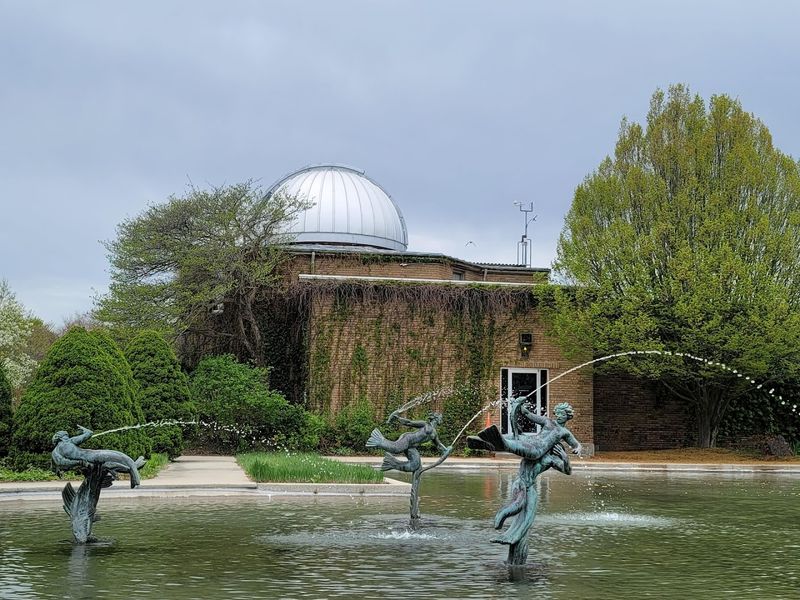
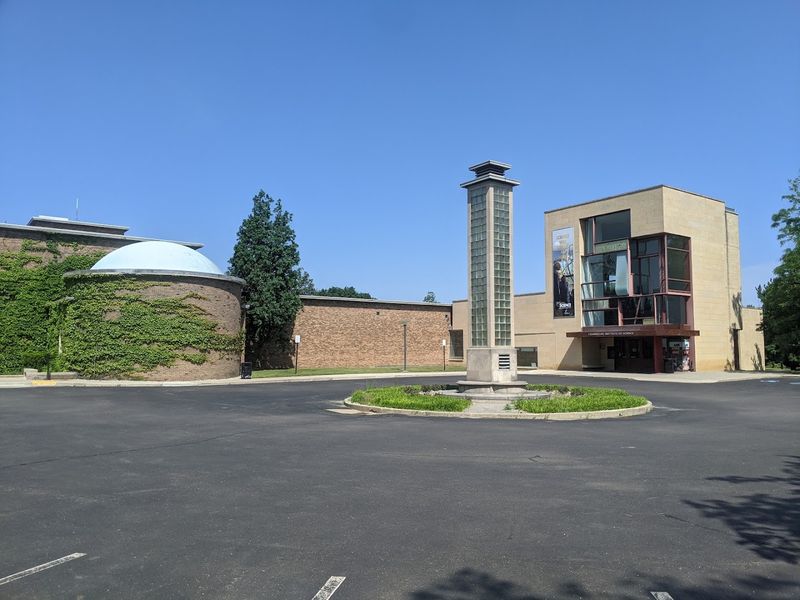
The first thing I want you to know is exactly where this place lives: Cranbrook Institute of Science, 1 Institute Way, Bloomfield Hills, MI 48304, in the United States. That address drops you onto the Cranbrook Educational Community campus, and the setting immediately changes the mood from regular errand energy to full-on day-out anticipation.
The museum is tucked into grounds that feel polished, spacious, and quietly impressive without trying too hard. I liked that it was not shouting for attention from the road, because finding it felt a bit like earning access to something special.
Once I arrived, the combination of mature trees, careful landscaping, and striking buildings set the tone before I saw a single fossil or planetarium screen. It is rare for a science museum to start working on your imagination in the parking lot, but this one absolutely does, and the campus is only the beginning of the story.
A campus that steals part of the show
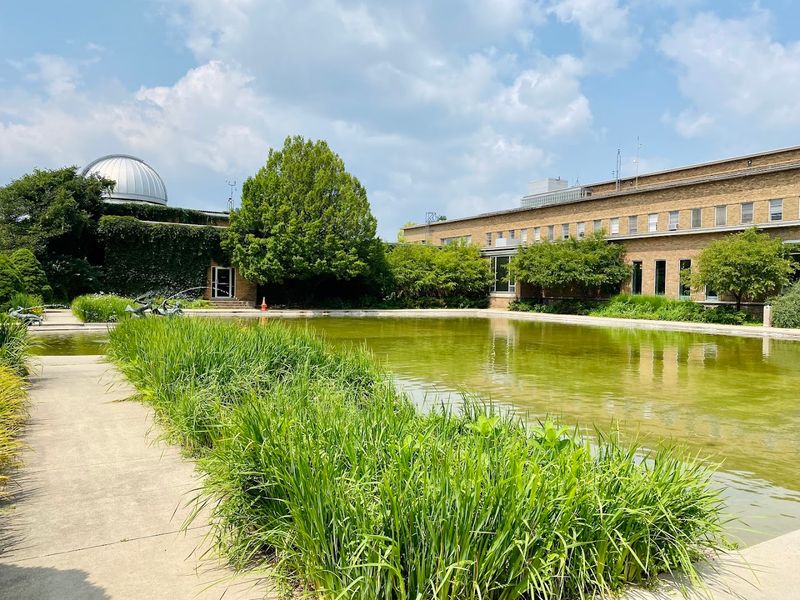
Some museums ask you to ignore the outside world and focus only on the galleries. Here, the campus keeps pulling your eyes back outdoors, because the broader Cranbrook grounds are genuinely gorgeous and add a sense of occasion to the visit.
I loved the balance of architecture and nature across the National Historic Landmark campus, where buildings by Eliel Saarinen and other notable designers sit among lawns, wooded areas, and carefully planned spaces. Even before I entered the exhibits, I had the feeling that curiosity was built into the landscape itself.
That beauty matters more than you might expect, because it makes a visit feel less compressed and more like a full experience. You can spend time inside with meteorites and minerals, then step outside and reset your brain with fresh air and elegant surroundings, which is a very nice way to keep museum fatigue from sneaking up on you.
The next surprise is how much the building itself contributes once you head through the doors.
The building sets a smart, calm tone
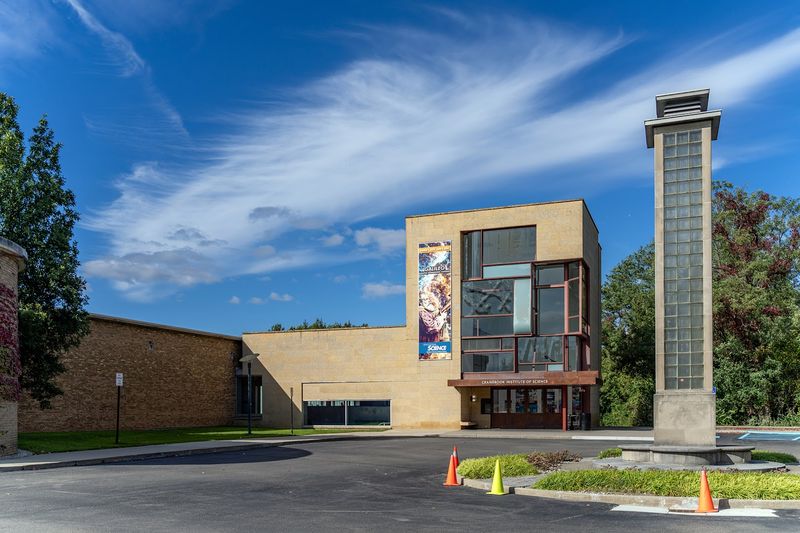
Plenty of science museums lean hard into noise and flashing buttons, but this one felt more composed from the start. I noticed a calm, thoughtful atmosphere that made it easy to focus, read, and actually enjoy the displays instead of racing through them.
The building carries a clean, academic personality that fits the larger Cranbrook setting, and that gives the museum a different rhythm than louder family attractions. Children still have plenty to do, but adults are not treated like they are just waiting on a bench near the exit.
I appreciated that mix because it kept the visit accessible without making it chaotic. The museum is family friendly, interactive, and welcoming, yet it still leaves room for quiet observation, which is ideal when you are staring at a crystal specimen or trying to absorb details in a natural history hall.
That balance became even clearer once I reached the museum’s most instantly recognizable resident, a giant prehistoric scene-stealer waiting inside.
The dinosaur moment everyone remembers
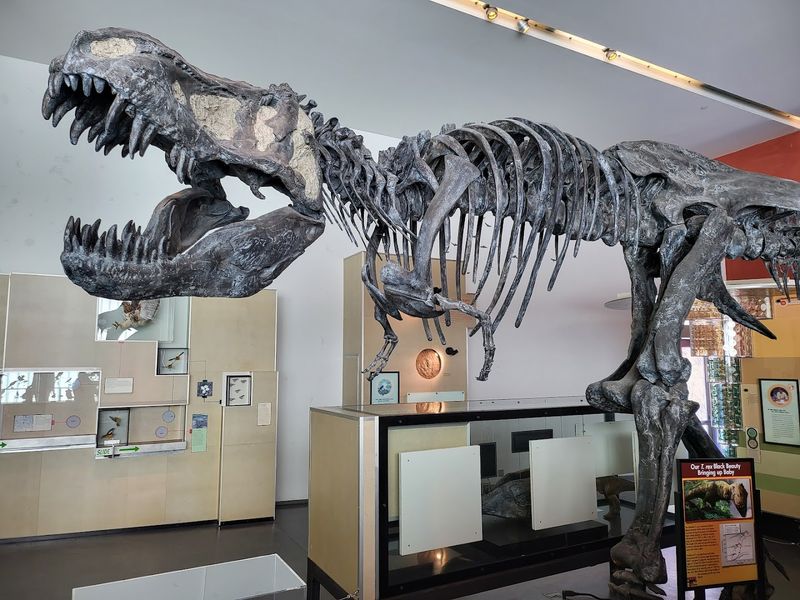
No matter how grown-up and dignified I intended to be, the Tyrannosaurus rex skeleton cast ended that plan immediately. Seeing a towering dinosaur form in the museum creates the kind of instant excitement that turns every visitor, at least briefly, into an enthusiastic kid.
This is one of the museum’s signature sights, and it earns that status fast. The display has real visual impact without needing gimmicks, and it works as both a crowd-pleaser and a gateway into the broader natural history collections nearby.
I also liked that the dinosaur material does not try to pretend the museum is only about giant prehistoric stars. The T. rex gives you that wow factor, but it opens into a fuller experience that includes evolution, wildlife, geology, and cultural material, so the museum feels varied instead of one-note.
In other words, the dinosaur may get your attention, but it is far from the whole plot, and the mineral galleries prove that rocks can absolutely compete for your affection.
Where the minerals quietly win you over
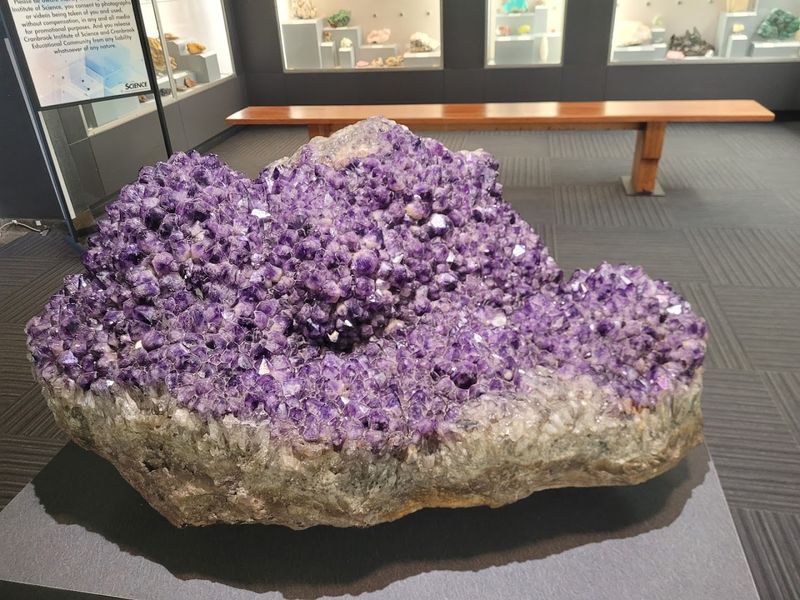
I did not expect the mineral collection to be one of my favorite parts, yet there I was lingering over crystal cases like I had suddenly developed professional geologist energy. The Mineral Study Gallery is extensive, colorful, and surprisingly hypnotic in person.
With more than 1,800 specimens in the collection, the displays give you plenty to examine without feeling cluttered. I found the range especially satisfying, because you move from sparkling showstoppers to pieces that reveal texture, structure, and the strange artistry of the natural world.
This section rewards patience more than speed. If you slow down, the gallery stops being a row of nice-looking rocks and starts becoming a lesson in color, pressure, time, and the sheer oddness of Earth, which is a pretty good return on an admission ticket.
It also pairs well with the rest of the museum because it keeps the wonder level high while changing the scale from massive dinosaur drama to intricate detail, and soon enough your eyes get lifted from the ground to the stars.
The planetarium earns extra time
Then the ceiling became the main event. The Acheson Planetarium gives the museum a completely different mood, trading display cases and fossils for a shared, lights-down experience that feels immersive in the best possible way.
I can see why so many visitors make time for a show, because the planetarium adds movement and storytelling to a museum day that might otherwise stay mostly gallery-based. Space content has a way of resetting your attention span, and this theater does that nicely with astronomy programs that are engaging, informative, and easy to fit into a visit.
There is something refreshing about sitting back and letting the universe do the heavy lifting for a while. The shift from examining artifacts to tracing stars overhead kept my trip from feeling repetitive, and it made the museum seem broader than its footprint might suggest at first glance.
Friday nights are especially worth noting since the museum stays open later then, and that extended schedule leads naturally into another reason this place works so well for curious families and adults alike.
Hands-on exhibits keep it lively
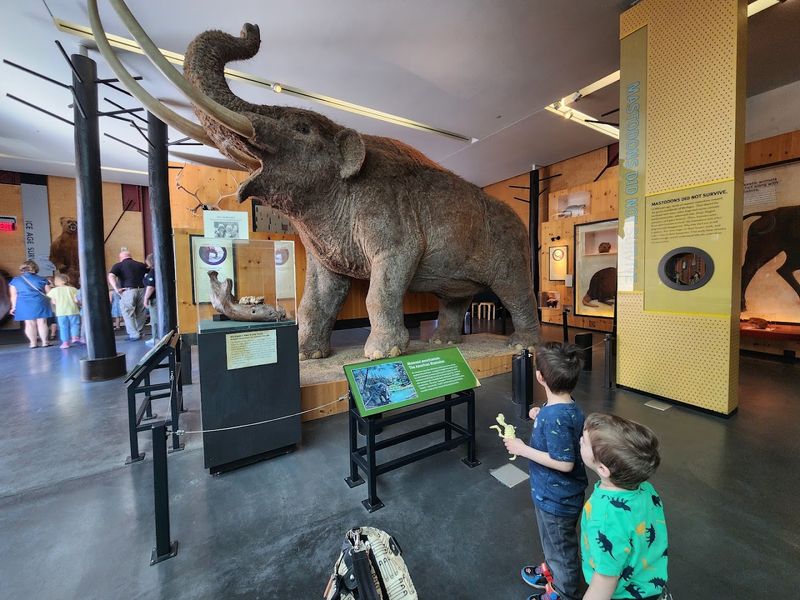
Science lands better when you can poke at it a little, and this museum understands that. Across the exhibits, I found enough interactive elements to keep younger visitors engaged while still leaving room for adults to read, notice, and think.
That matters because hands-on museums sometimes lean so heavily into activity that the substance gets lost. Here, the interactive pieces feel like bridges into the topics rather than distractions from them, and that makes the visit more satisfying for mixed-age groups.
I also noticed that the scale of the museum works in its favor. Instead of feeling endless, it is manageable enough that you can see a lot in a few hours, which is ideal if you want a full outing without the mental fog that can arrive halfway through giant institutions.
Many people can comfortably cover the main exhibits and catch a show in about half a day, and that makes it much easier to recommend. The staff help keep that experience smooth, and they are part of the reason the museum feels welcoming instead of overwhelming.
Temporary exhibits add a reason to return
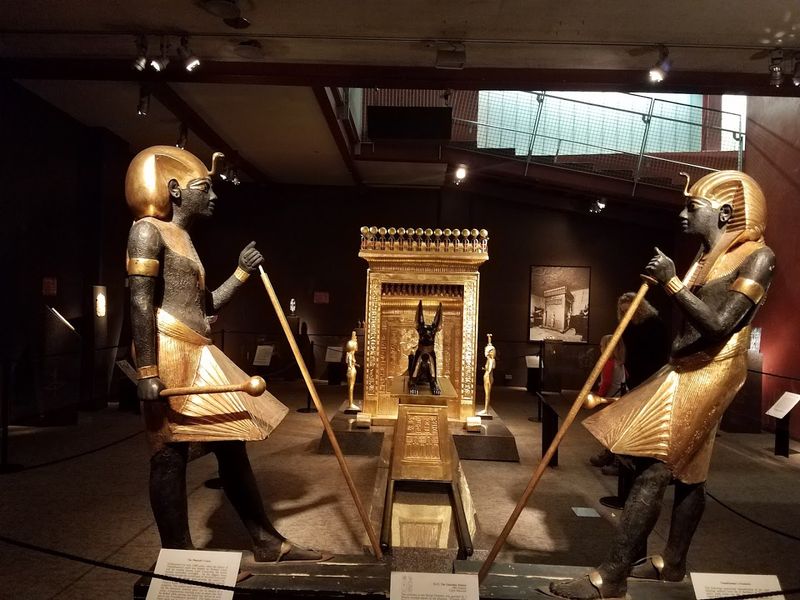
Regular collections give a museum its backbone, but changing exhibits give it momentum. Cranbrook Institute of Science benefits from both, and that combination makes repeat visits much more tempting than a one-and-done stop.
I like museums that respect my memory by giving me something new to see next time, and this one seems to do that well through rotating exhibits and special programs. Since the permanent halls already cover dinosaurs, minerals, wildlife, and astronomy, temporary additions can sharpen the focus and make a return trip feel fresh.
That flexibility is useful for families, local visitors, and anyone planning around a specific theme that catches their attention. It also means the museum can appeal to different ages and interests without losing its identity, which is harder to pull off than it sounds.
You can come for a featured exhibition, then still get the reliable pleasures of the classic galleries and the planetarium in the same outing. Add the wider campus beyond the doors, and the museum begins to feel like part of a larger day rather than the whole map.
Outside, the visit keeps unfolding

One of my favorite parts of the day happened after I had already seen plenty indoors. The surrounding campus gives you room to stretch the visit, take a walk, and let everything you just learned settle in without immediately jumping back into traffic.
That outdoor breathing space is a real advantage. On a beautiful day, the grounds around the museum feel like a bonus attraction, with landscaped areas, mature trees, and a sense of calm that is increasingly rare near busy suburban corridors.
I would absolutely recommend leaving a little unplanned time for the campus itself. Even a short stroll can make the museum visit feel richer, especially because the Cranbrook setting connects science, design, and place so naturally that none of it seems forced.
It is also helpful for families who need a reset between exhibits or after a planetarium show. The museum’s manageable size and the campus layout create a rhythm that suits many kinds of visitors, which brings me to the practical question most people ask next: how much time should you actually set aside?
How long to stay and when to go

This is the kind of museum that rewards a plan without demanding military precision. I think three hours is a very comfortable target if you want to explore the exhibits at a relaxed pace and also fit in a planetarium show.
Current hours generally run Wednesday through Saturday from 10 AM to 5 PM, with Friday extended to 10 PM, and Sunday from 12 PM to 4 PM, while Monday and Tuesday are closed. That Friday evening option stands out if you prefer a less hurried visit or want a date-night version of science that still keeps things educational.
Admission is also fairly straightforward, with standard pricing for adults, seniors, and children, and free entry for children under two. I would still check the official website before visiting, especially if you are hoping for a specific show, event, or free admission day, because schedules and offerings can shift.
The nice part is that the museum’s scale makes it easier to match your visit to your energy level, and that flexibility is a big reason the place stays appealing from first trip to repeat outing.
Why this museum lingers after you leave
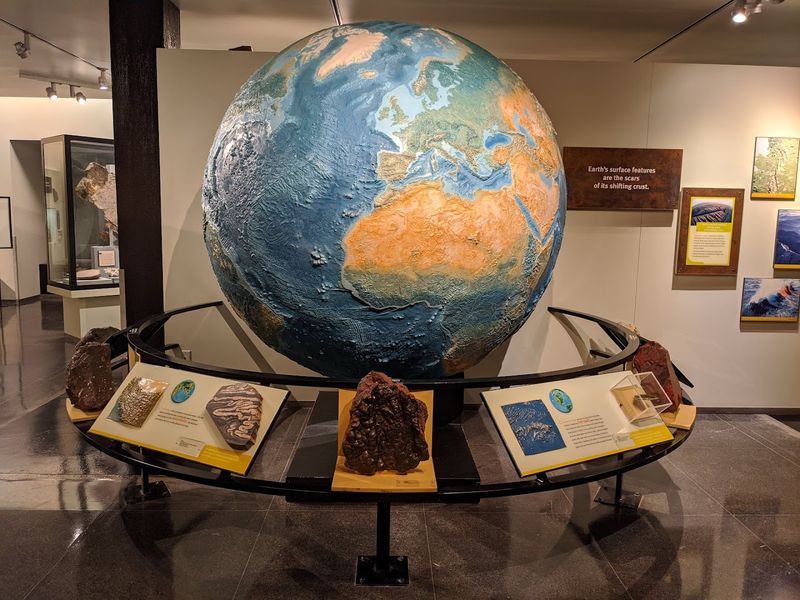
Some places are fun for an afternoon and then slip right out of memory by dinner. This one stayed with me because it manages to be several things at once: a natural history museum, a planetarium stop, a family outing, and a chance to spend time on one of Michigan’s most beautiful campuses.
I appreciated that it never tried to overwhelm me with scale. Instead, it offered variety, thoughtful presentation, and enough memorable highlights to make the whole visit feel complete, from the T. rex and mineral gallery to the immersive planetarium and the peaceful grounds outside.
That combination is what makes Cranbrook Institute of Science so easy to recommend. You can arrive curious about dinosaurs, stars, or rocks and leave talking just as much about the setting, the atmosphere, and the way the place gently pulls learning into a genuinely pleasant day out.
In Bloomfield Hills, that is the real trick this museum pulls off: it teaches, entertains, and slows you down just enough to notice how good a science museum can feel when the surroundings are as smart as the exhibits.



