 Unearth The Voyage
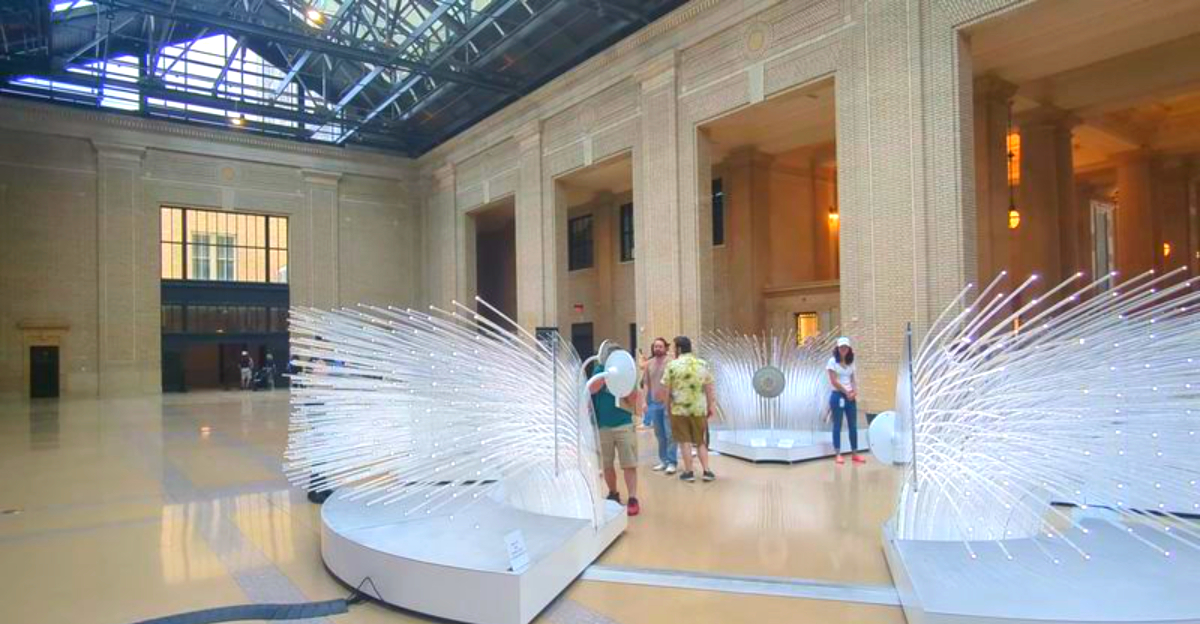
A building can hold a whole city’s mood, and this one practically hums with memory the second you see it. I came expecting a famous old station with a comeback story, but what I found was stranger and better – a place where carved stone, bright new energy, and Detroit pride all share the same floor.
For years, people knew it as the giant landmark that seemed frozen in a dramatic pause, and now it reveals what happened after that long silence. Keep reading, because I am taking you through the details that make this visit stick: the exact spot, the restored grandeur, the public spaces, the surrounding Corktown setting, and the small design choices that prove this is not just a renovation but a full rewrite of one of Michigan’s most recognizable addresses.
The address that changes everything
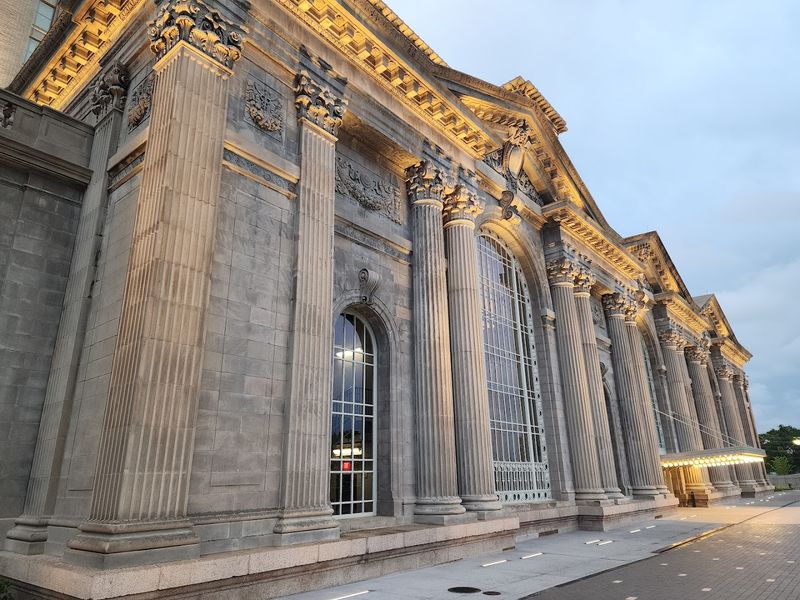
The mystery ends at 2001 15th St Suite 101, Detroit, MI 48216, where Michigan Central rises over Corktown with the kind of confidence most buildings can only dream about. I had seen photos for years, but standing there in person made the scale click immediately.
The limestone exterior, tall windows, and commanding tower still carry the drama of a 1913 rail gateway, yet the site no longer feels trapped in a distant chapter. It feels active, polished, and very much part of present-day Detroit.
Roosevelt Park spreads out in front, giving the station breathing room and giving visitors the perfect first look. I liked approaching slowly because every few steps revealed another detail in the facade.
That first impression matters, and Michigan Central knows it. Before I even reached the doors, I could tell this place was going to deliver more than nostalgia, and the interior proves that almost immediately.
A comeback story written in stone
Some buildings age quietly, but this one carried its rough years in full public view and still managed to keep its dignity. I think that is part of why seeing it restored feels so satisfying.
Michigan Central opened in 1913 as a major passenger rail station, and its long period of disuse turned it into one of Detroit’s most talked-about landmarks. For a long time, it symbolized pause, uncertainty, and unrealized potential.
Now the story has shifted without scrubbing away the past. The restoration respects the building’s original grandeur while giving it a practical new role tied to offices, retail, events, and innovation-focused use.
What impressed me most was how the comeback feels specific rather than generic. This is not a hollow facelift with pretty lighting and no substance.
The building still carries history in its bones, yet it also feels future-facing in a way that suits Detroit. Once I got inside, that balance became even clearer, especially in the main public spaces.
The lobby still knows how to stun
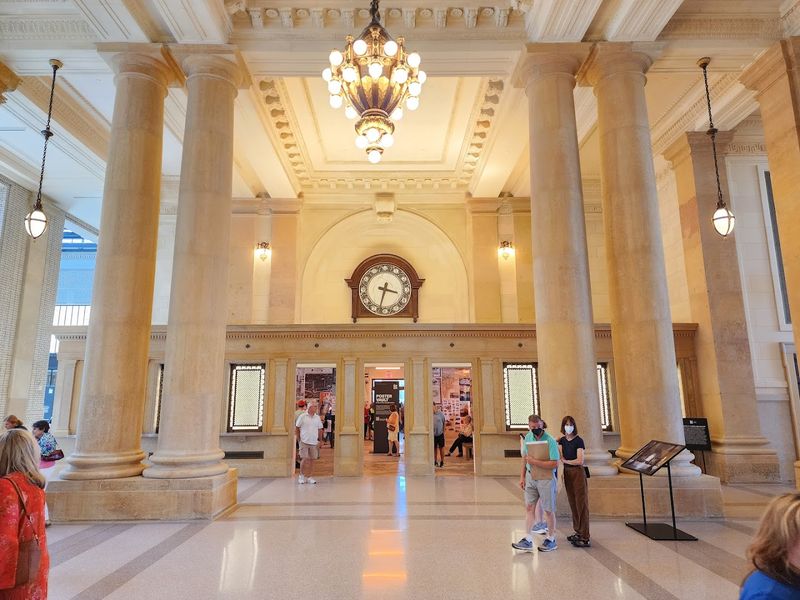
The lobby does not bother with subtlety, and honestly, that is the right choice. I walked in and immediately understood why so many visitors talk about the interior with a slightly dazed look.
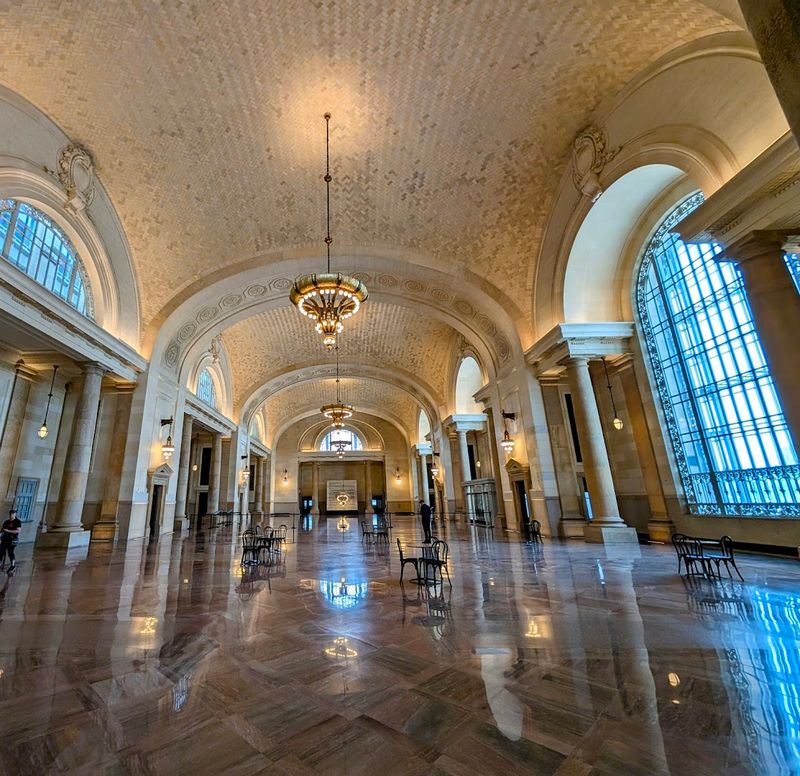
High vaulted ceilings pull your eyes upward, while marble floors and restored details keep dragging your attention back down again. The room feels grand without feeling dusty, and refined without becoming stiff.
Natural light helps the whole space breathe, especially when it catches the stone, metal, and warm finishes at the same time. I found myself slowing down just to take in how carefully everything had been put back together.
There is also a welcome sense of openness here. Even when parts of the building are not publicly accessible, the areas you can explore feel generous rather than limited.
I appreciated that the restoration did not flatten the station into a museum mood. It still has beauty, but it also has movement, conversation, and a little buzz, which becomes even more obvious around the public seating and retail spaces.
Old bones, new purpose
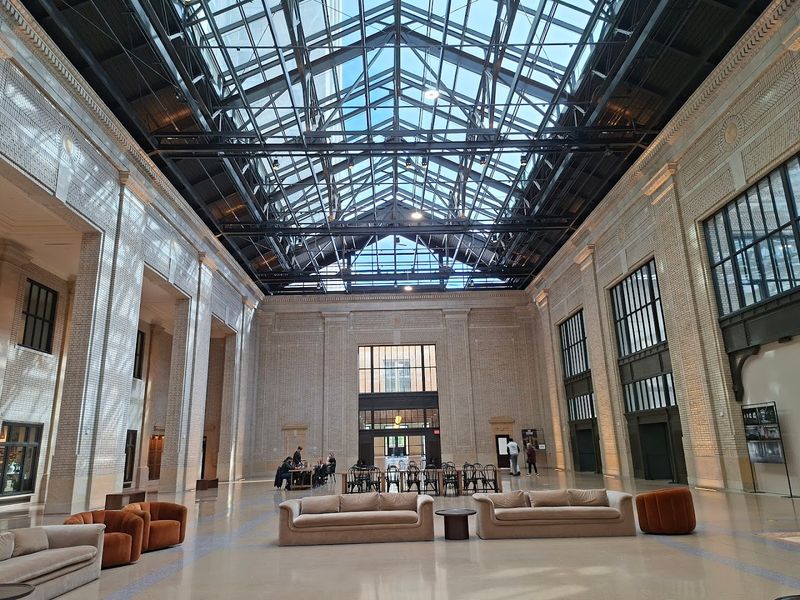
What makes this place especially interesting is that it does not stop at looking beautiful. I could feel that Michigan Central is trying to be useful again, not just admired from a respectful distance.
The station now includes office and retail space, which gives the restoration a practical heartbeat. That matters, because a landmark survives best when people have reasons to return beyond taking one photo and heading home.
I liked seeing modern functions tucked inside such a historic shell. The contrast works because the design does not fight the architecture, and the architecture does not bully the new uses.
There are spots to sit, work, browse, and pause, so the building feels civic rather than sealed off. It welcomes people who want to linger, not just those chasing a quick checklist stop.
That mix of heritage and current purpose gives the station unusual energy. It feels like a place Detroit can use, which is far more interesting than a polished relic, and the atmosphere changes again when events bring even more life indoors.
When the station feels alive again
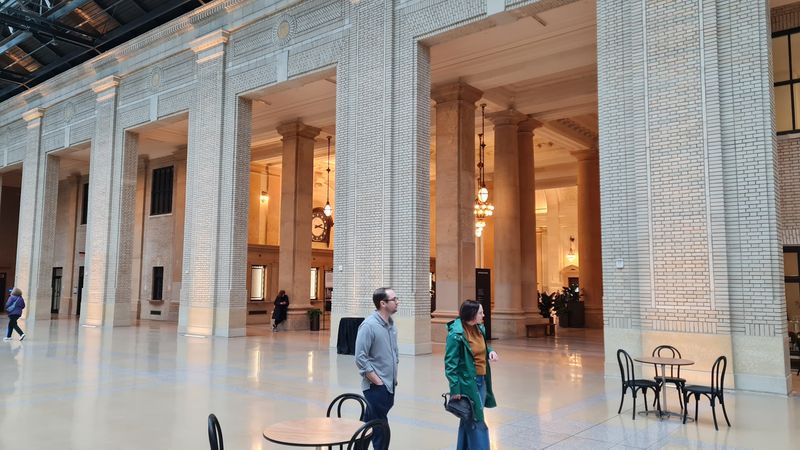
Buildings reveal their character differently when a crowd arrives, and this one seems to enjoy the attention. I visited with enough activity around me to sense how naturally Michigan Central handles public life.
Seasonal displays, tours, performances, and community-oriented programming have helped turn the station into more than an architectural attraction. Even casual visitors can feel that the place is meant to host people, not simply impress them.
I like that these events seem to highlight both the building and Detroit itself. The mood is welcoming, family-friendly, and curious rather than overly formal, which makes a huge landmark feel surprisingly approachable.
You can tell that the station has become a destination for locals as well as travelers. That local use gives it authenticity and keeps the experience from feeling staged.
Even on a quieter day, traces of that energy remain in the seating areas, displays, and flow of the rooms. I left thinking this building has figured out a tricky balance: it can hold grandeur and everyday life at the same time, which says plenty about Detroit too.
Corktown gives it a perfect frame
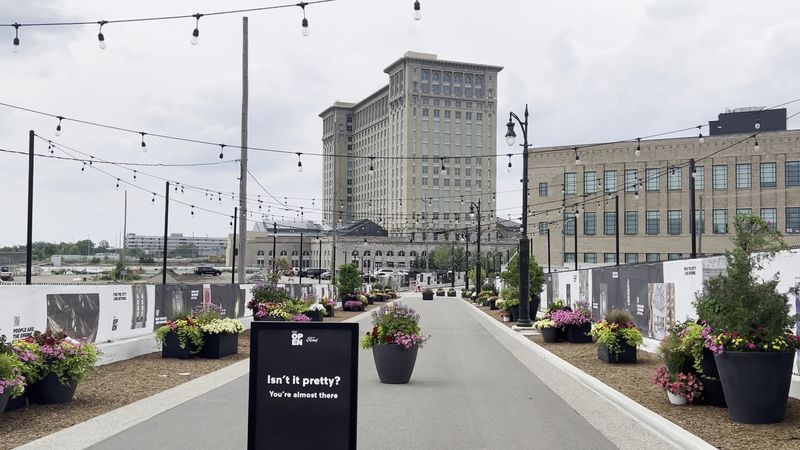
A great landmark needs a setting that supports the mood, and Corktown absolutely does the job. I never felt like Michigan Central was stranded on its own island of significance.
The neighborhood adds texture to the visit with historic character, walkable streets, and a lived-in Detroit personality that suits the station beautifully. Roosevelt Park in front gives the building breathing space, while the surrounding blocks keep the experience grounded.
I recommend spending time outside before or after you go in. The views from different angles help you understand the station’s scale, and the neighborhood context makes its revival feel even more meaningful.
There is also something satisfying about seeing such a prominent building woven back into daily city life. It no longer feels detached from the streets around it.
That relationship between structure and neighborhood is part of the appeal. Michigan Central is impressive on its own, but Corktown helps it feel connected rather than ceremonial, and that connection becomes even more visible when you start paying attention to the smaller design details up close.
The details reward slow looking
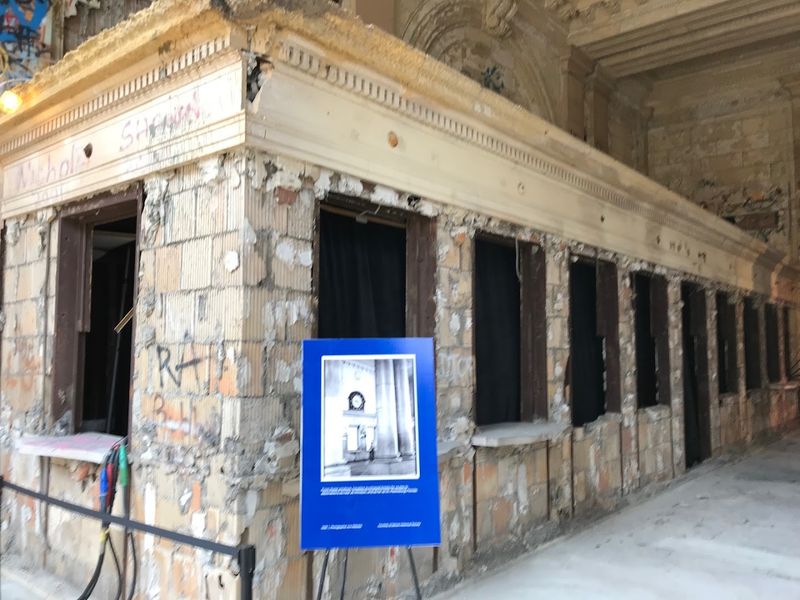
Big landmarks often win you over with scale first, then keep you around with details, and that is exactly how this visit unfolded for me. The closer I looked, the more the station started showing off in the best way.
Decorative stonework, arched openings, metal accents, and carefully restored surfaces all give the building a layered visual richness. None of it feels random, and none of it feels rushed.
I spent a surprising amount of time examining corners, trim, and transitions between original features and updated elements. Those are the spots where you can really sense the patience behind the restoration.
What I appreciated most was the restraint. The project seems interested in clarity, craftsmanship, and honoring the building’s original personality instead of turning every surface into a spectacle.
That makes slow looking worth it. Michigan Central rewards visitors who glance up, step back, and then glance up again like they are in a very classy staring contest, and the station’s practical visitor setup makes that kind of unhurried exploration easy.
A visit that feels easy to plan
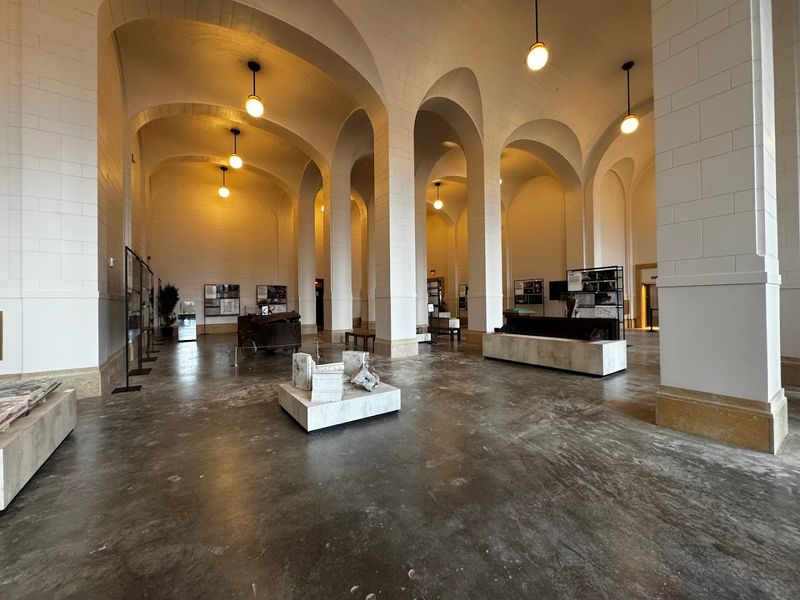
Some famous places are wonderful once you arrive and mildly annoying every step before that. Michigan Central, thankfully, feels fairly straightforward for a casual visit.
The station generally operates during daytime hours, commonly from 8 AM to 5 PM, though I would still check the official website before heading over because access, tours, and event schedules can shift. That quick bit of planning saves guesswork.
Once inside, the public areas are easy to navigate, and there are enough places to pause that the experience never feels rushed. I liked that I could browse, sit down, look around again, and move at my own pace.
It is also helpful to remember that not every part of the building is always open to general visitors. Instead of seeing that as a drawback, I treated it as a reason to return.
That mindset suits the station well. A first visit gives you the essentials without overwhelming you, and with the right timing, a guided tour can add the kind of context that makes the next room feel even more meaningful.
Why the guided tour matters
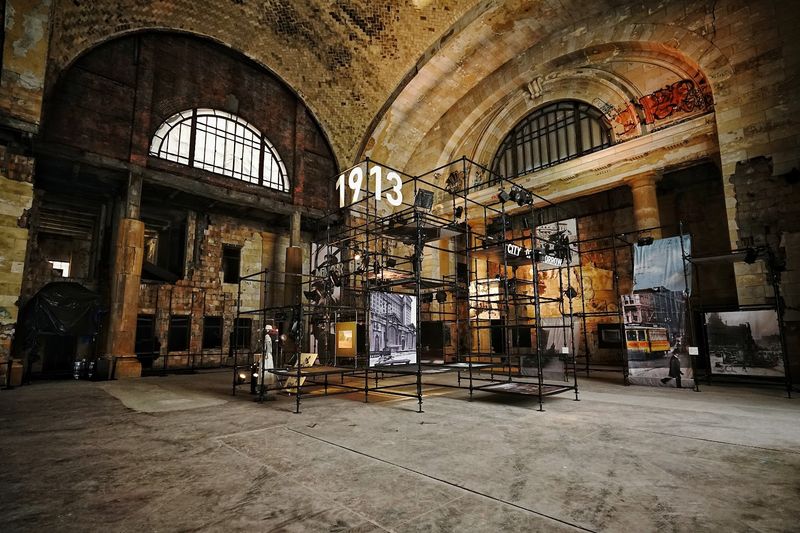
I enjoyed wandering on my own, but this is the kind of place where a guided tour can sharpen everything you are seeing. The building has too many layers to rely on surface-level admiration alone.
Tour experiences have helped visitors understand the restoration process, original station functions, and the decisions behind what was preserved or adapted. That added context turns beautiful rooms into readable spaces.
I always like when a landmark offers both freedom and interpretation. You can admire the architecture independently, then let a tour fill in the backstory that makes a staircase, corridor, or waiting area suddenly click.
At Michigan Central, those stories matter because the station’s public identity has changed so dramatically over time. Hearing how it moved from rail hub to dormant icon to active destination adds emotional depth without becoming heavy-handed.
That is where the visit really starts to stick. The building stops being just photogenic and starts feeling legible, and once that happens, even the areas designed for simple hanging out take on a stronger sense of purpose.
Not just for architecture fans
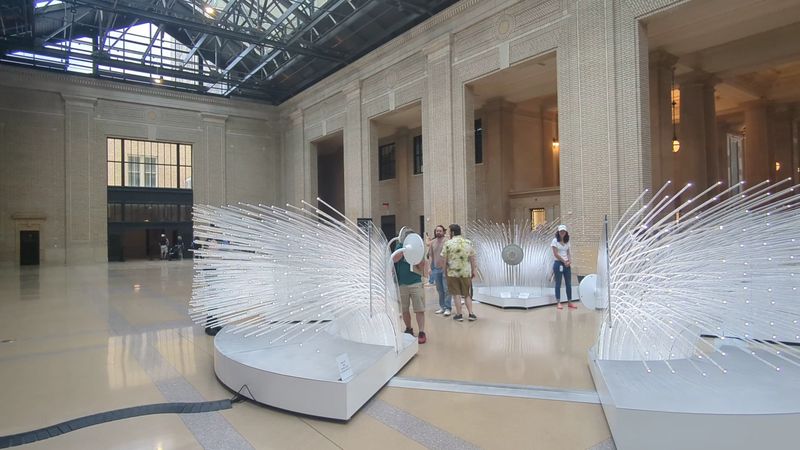
Plenty of landmarks are admired mainly by design obsessives, but this station has broader appeal than that. I could see families, curious locals, history fans, and casual weekend explorers all finding something to enjoy here.
The public atmosphere helps a lot. Seating areas, shops, and informal gathering spaces soften the grandeur and make the building feel genuinely welcoming instead of intimidating.
I appreciate places that let you experience them at different speeds. You can study architectural details, take a few photos, browse for souvenirs, sit for a while, or simply enjoy being in a room that once seemed unreachable.
That flexibility makes Michigan Central a smart stop for out-of-town guests too. It delivers history, design, and current Detroit energy in one place without demanding a complicated agenda.
Even people who are not usually drawn to historic landmarks may be won over by the station’s combination of beauty and ease. It does not lecture you into caring, which is probably why the emotional side of the visit sneaks up when you least expect it.
The kind of place that stays with you
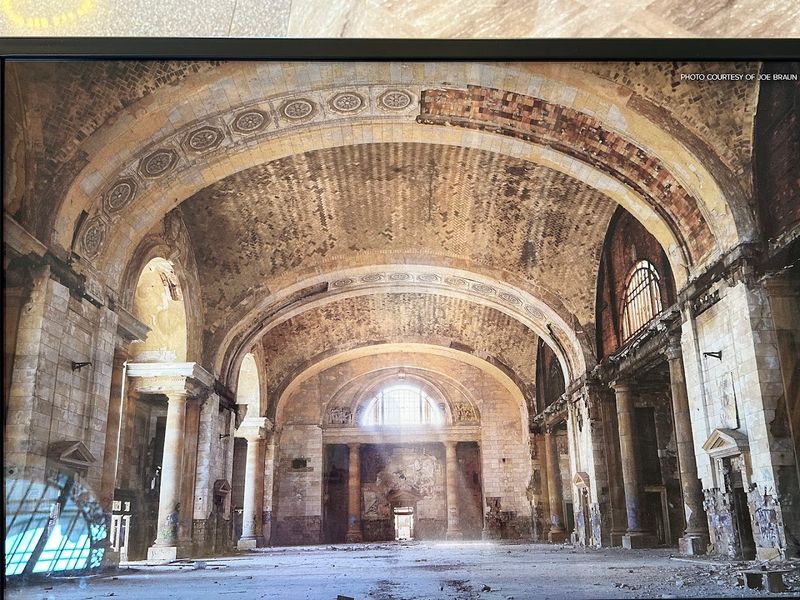
By the time I left, the station had done something I always hope for and rarely get. It had changed shape in my mind more than once during a single visit.
At first, Michigan Central felt like a famous facade with a dramatic backstory. Then it became an architecture destination, then a neighborhood anchor, and finally something more personal: a reminder that cities can reintroduce themselves through one extraordinary place.
I think that is why the experience lingers. You are not only admiring a restored station in Detroit, Michigan.
You are watching a landmark carry memory, daily life, and future ambition without dropping any of them.
That combination gives the building real staying power. Even after I walked back through Corktown, I kept replaying the lobby, the exterior details, and the sense of momentum inside.
If you go, give yourself time and let the visit unfold slowly. Michigan Central is not suspended in time after all – it is using time well, and that makes the whole trip worth every minute.



