 Unearth The Voyage
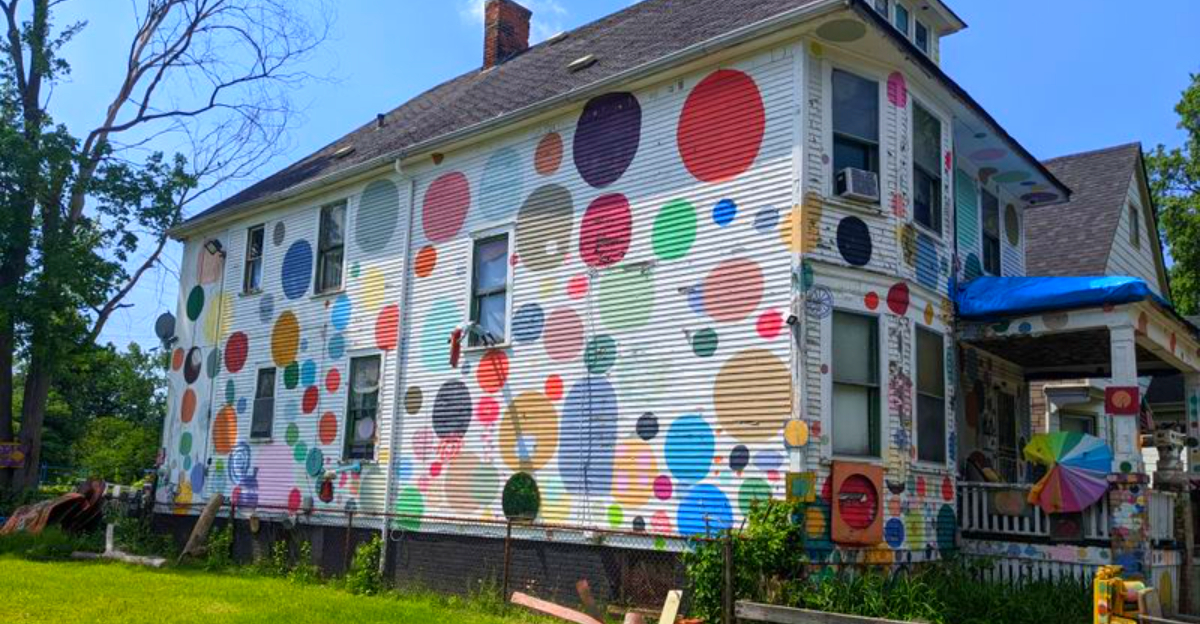
Color splashes across porch rails, polka dots parade over plywood, and front lawns turn into conversation starters that you can stroll right through. I came to Detroit’s East Side to see art that refuses to sit quietly on a gallery wall, and I left with shoes dusted by neighborhood stories.
This is the kind of place that makes you tilt your head, smile, frown, and then smile again as a new layer clicks into focus. Keep reading and I will show you how a few city blocks became a living studio where found objects point to big ideas and everyday life steals the spotlight.
Finding The Address And First Impressions
First things first, the address is 3600 Heidelberg St, Detroit, MI 48207, and it sits in the McDougall-Hunt neighborhood on the city’s East Side in the United States. I parked on the street, kept aware of driveways, and started walking slowly because here the sidewalks behave like museum corridors that never end.
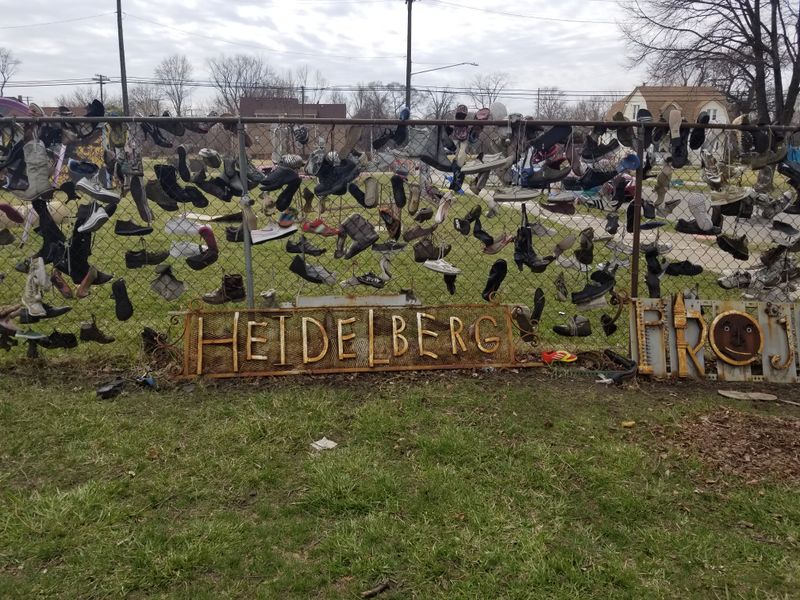
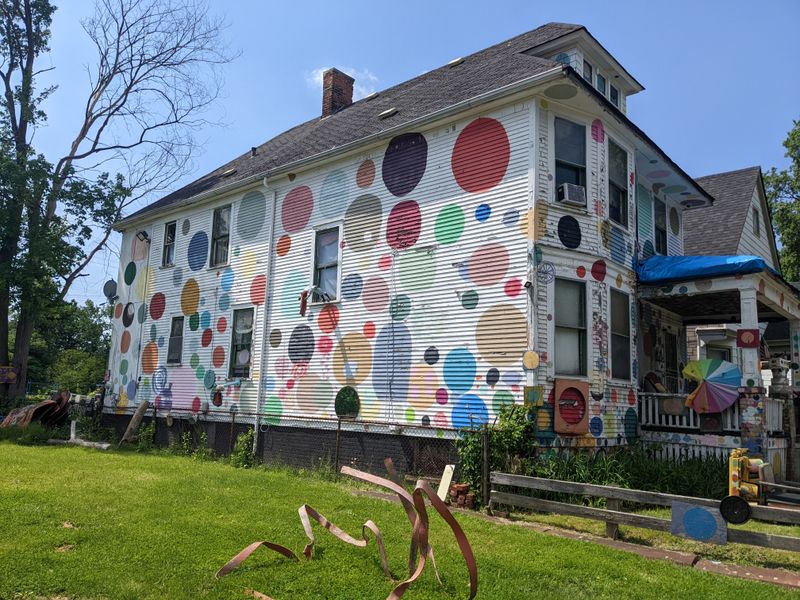
Bright circles bloom across facades, and shoes dangle like punctuation marks above fences. The Heidelberg Project feels open yet intimate, inviting you to scan porches, front yards, and the spaces between them where small details glow once your eyes adjust.
Visitors come and go in an easy rhythm, some whispering as if they are inside a library of color. You can wander independently during daylight hours, read posted signs, and remember this is an active neighborhood where courtesy matters.
Phones buzz for photos, but pausing is better than rushing because messages hide in repetition, pattern, and play. I like keeping a small donation ready, as this nonprofit runs on community support and steady goodwill.
Sound drifts from passing cars, sometimes music, sometimes quiet, always part of the piece. Street by street, the art stretches ahead like a thoughtful walk that lets the block speak for itself.
Tyree Guyton’s Vision And Roots
Stories here carry Tyree Guyton’s fingerprints, a vision that began in 1986 with paint, persistence, and a belief that art could sharpen conversations. The idea was simple and brave, using found materials to reclaim a street that felt overlooked and asking the city to see possibility again.
Guyton’s polka dots became a language that anyone can learn. Each circle feels like a note in a song, looping across siding, signs, and salvaged boards until rhythm arrives.
This project has survived controversy, demolitions, and policy shifts while keeping its pulse steady. Strength shows in how it adapts without losing the spark that first lit these yards.
Community members remember earlier versions, and new visitors meet the latest chapter. The continuity rests in the act of making, the faithful return to paint and assemble and rethink.
I think of it as a long-form artwork that grows like a diary, one day at a time. When you stand on the curb and watch the colors settle, the city’s past and present share the frame.
Walking The Blocks Like A Gallery
Movement is the method here, so I drifted block to block like a slow visitor in a sprawling gallery. Each lawn forms a room, and the curb makes a threshold that turns footsteps into transitions.
Some installations spill from porches, others collect at the base of trees. Objects repeat until patterns gather weight, then they pivot to surprise with a clever twist.
Nothing hides behind velvet ropes, though boundaries still matter because residents live beside the artwork. I stay on sidewalks, read context clues, and avoid stepping into yards unless signs clearly invite me in.
It helps to loop twice, once for a wide view and once to chase details that slipped by. On a second pass, handwriting on a sign or a stack of clocks might rearrange your thoughts.
The city speaks through texture here, not just through slogans. Chipped paint carries its own timeline, while repurposed objects hold memories that the wind keeps turning over.
The Language Of Dots And Objects
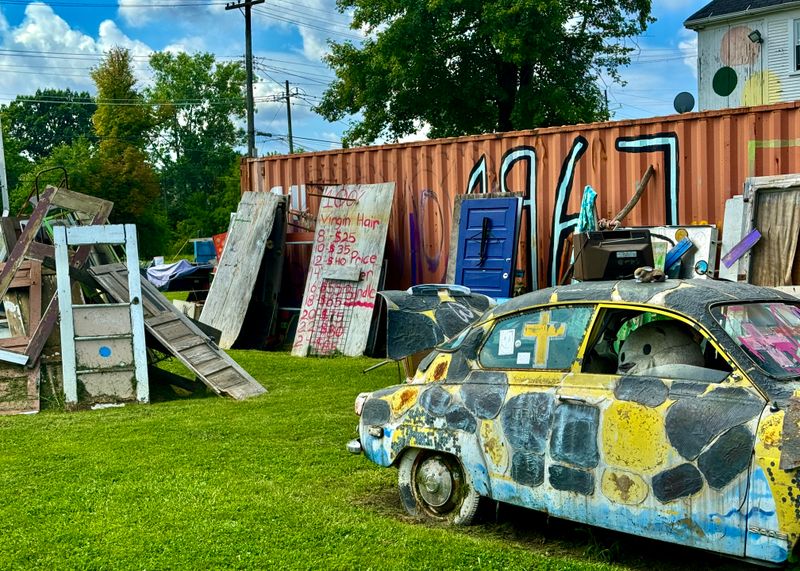
Patterns do a lot of talking, and dots are the headline that keeps repeating until meaning builds. I treat them like guideposts that push my gaze along siding, around corners, and back to the street.
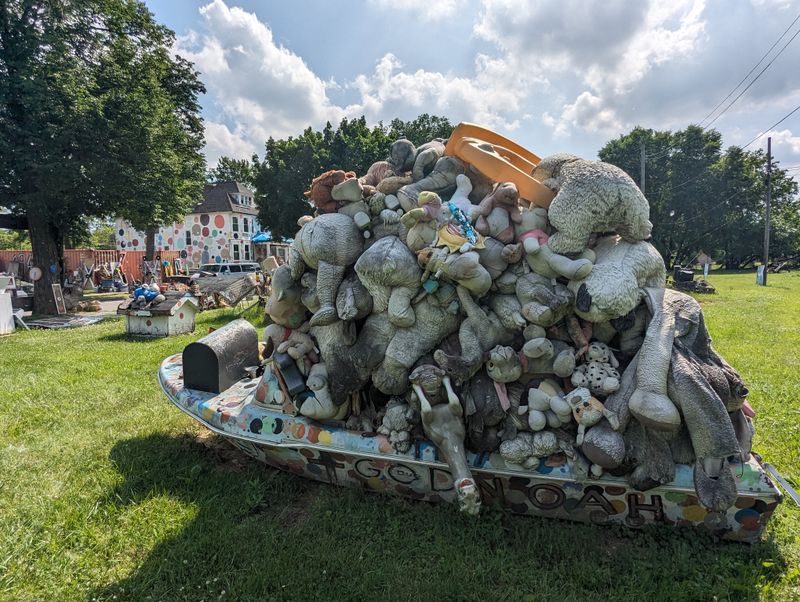
Found objects add a second vocabulary with humor, grit, and everyday honesty. Toys and tools share space, nudging you to rethink what materials can carry when grouped and staged.
This language is not exclusive, and you do not need art-school notes to read it. Just notice how repetition gathers force, then notice where that rhythm breaks to make a point.
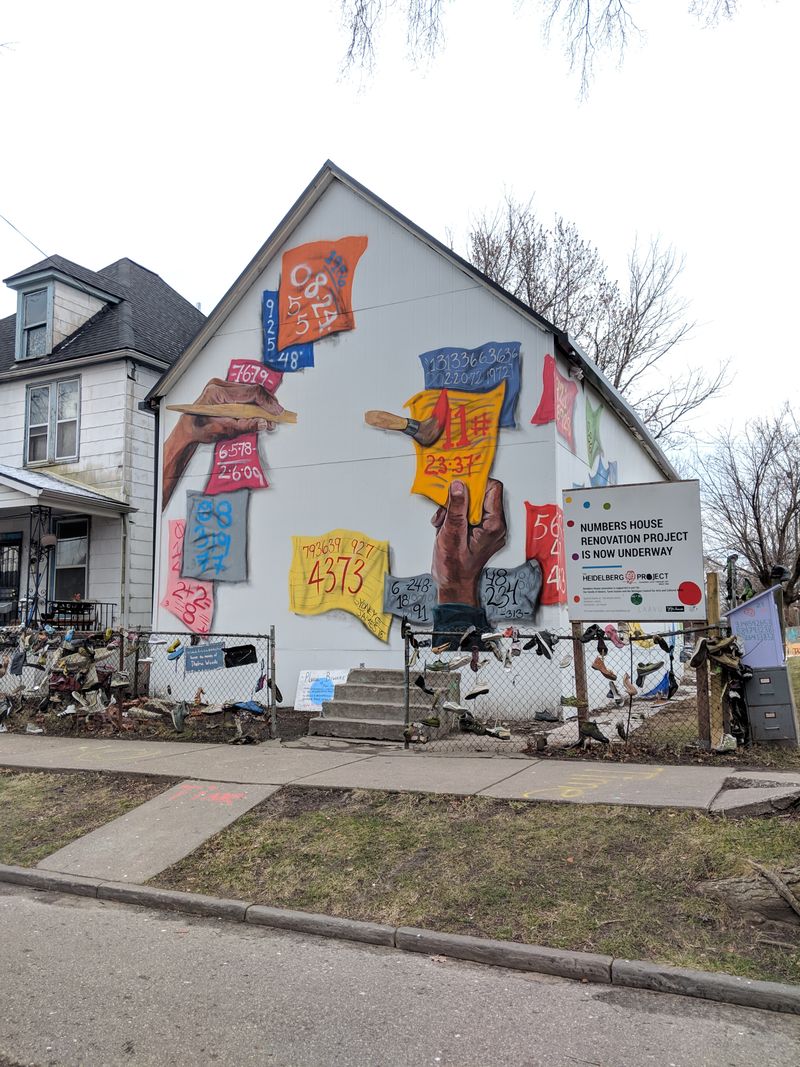
The signs are part of the grammar too. Hand-painted letters amplify a voice that prefers plain speech over tidy captions.
By the third lawn, you start hearing it in your own tempo. The blocks begin to hum, and ordinary items reveal the stories they have been holding.
Community Presence And Respect
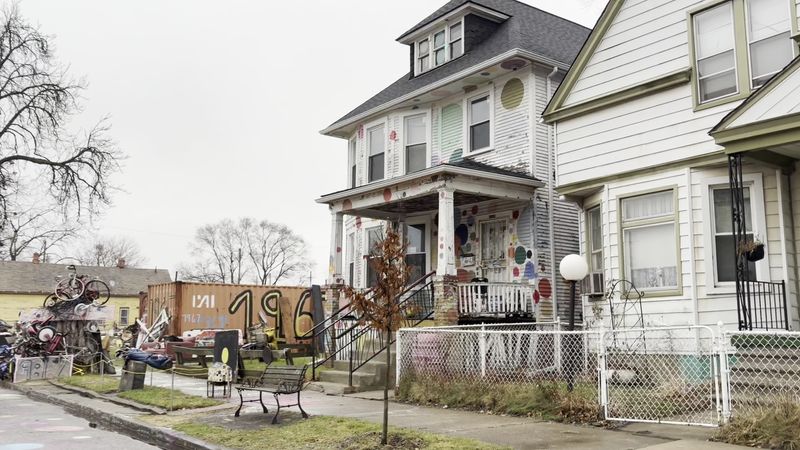
Art lives beside front doors here, so respect is the ticket that gets you in. I keep volume low, park thoughtfully, and treat each yard as someone’s living space first.
Small courtesies make the visit feel right. A wave to a neighbor, a hello to someone passing, and a pause for a car to move through the narrow street go a long way.
Donations support maintenance, education, and future builds, and I like using the official website to pitch in. It feels good to contribute to something that keeps its porch light on for the public.
Safety is basic city common sense, which means daylight hours and awareness. I stick with a friend when possible and keep gear light so I can stay present.
When the community sees care, the atmosphere changes in the best way. The experience turns collaborative, as if the street and visitors are co-curating the day.
Best Times And Practical Logistics
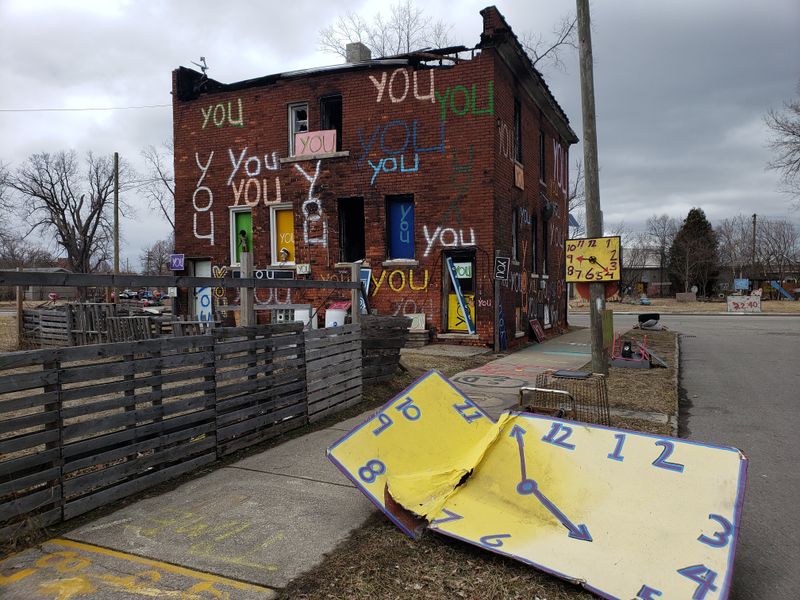
Morning paints the dots with gentler light, and late afternoon makes textures glow. I like arriving early or sliding in before closing time to avoid the busiest stretch.
The posted hours run 8 AM to 7 PM daily, which keeps timing simple. I check the official site for updates and special programs that might change the flow.
Parking lines the surrounding blocks, and I leave space for driveways because courtesy matters more than a perfect photo angle. Comfortable shoes help, since the art extends across multiple lots.
Weather shifts the experience as the seasons rotate. Fresh snow outlines shapes, spring wakes up the lawns, and summer delivers that saturated color pop.
Bring water and an easy bag for your phone or notebook. The less you carry, the more freely you can trace the story written across these streets.
Photography Without Losing The Plot
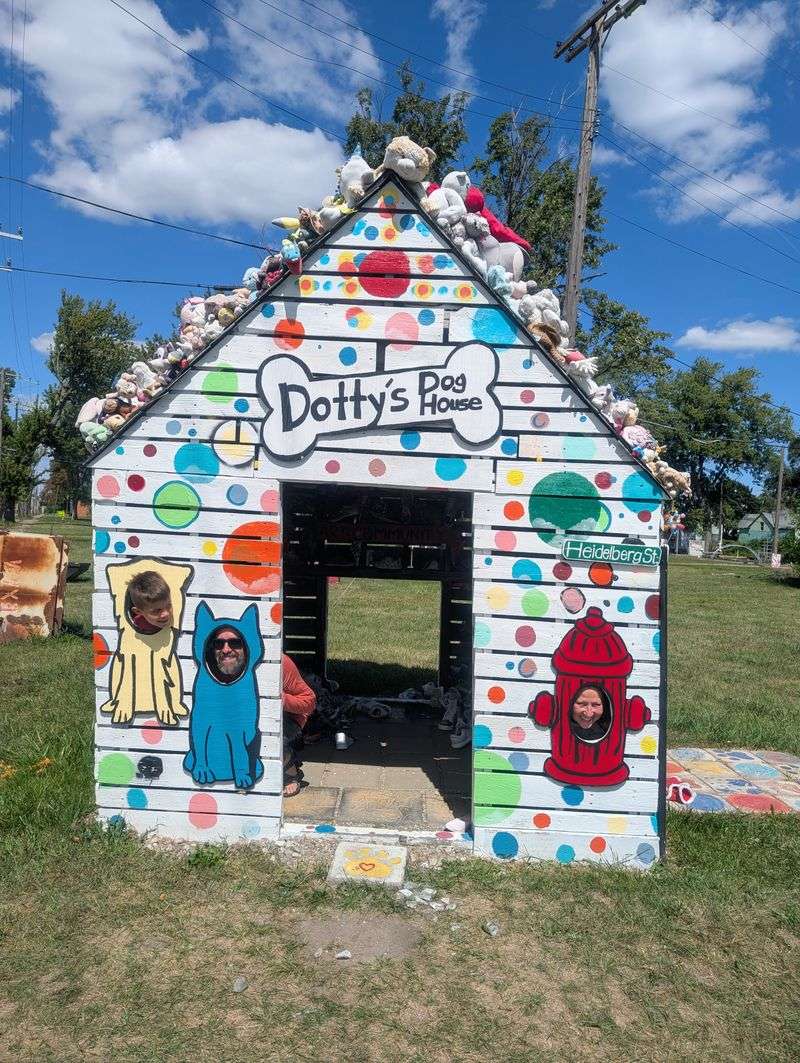
Photos come easy here, but the strongest images usually follow a few minutes of looking. I set the frame, then pause to let the street settle into the shot.
Sidewalk vantage points keep the composition honest and respectful. Low angles exaggerate patterns, while a step back helps the dots breathe.
Reflections in windows and puddles make sly companions for color. When clouds roll in, the palette softens and details step forward like stage actors taking a bow.
It helps to photograph signs that share context, then pair those frames with the wider scenes. Later, the sequence reads like a short visual essay that holds together.
Even so, I try to pocket the camera sometimes and just listen to the place work. The mind develops pictures that last longer when distraction sits out.
Education, Tours, And Programs
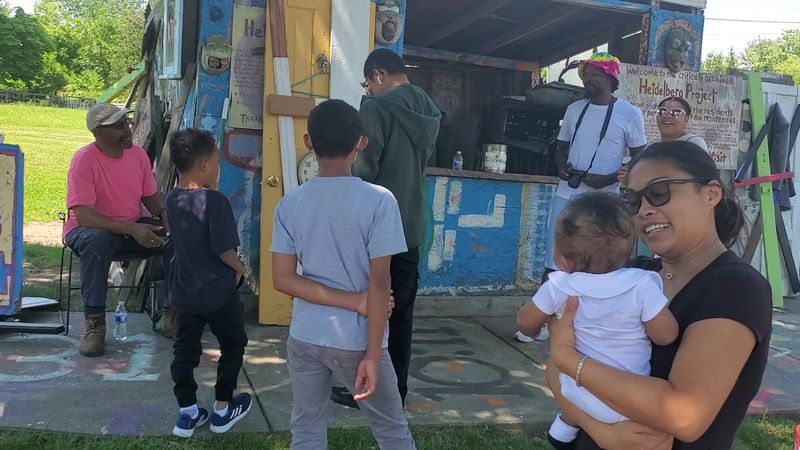
Learning threads through this place like a steady bass line. Tours, workshops, and youth programs add structure to what can feel delightfully unstructured at first glance.
I have joined small groups that slow down to decode symbols and history. A guide’s prompt can flip a familiar object into a fresh idea faster than you expect.
School visits bring bright questions that tug at the deeper meaning of reuse and renewal. The project’s nonprofit mission keeps that curiosity anchored to real-world impact.
Schedules shift with seasons and funding, so I check the official calendar before planning. Sometimes a special event adds voices that turn the street into a forum.
Walking away with a booklet or an artist talk in my pocket changes how I revisit the blocks. The next lap feels layered, and the neighborhood opens further.
Sustainability And Reuse In Practice
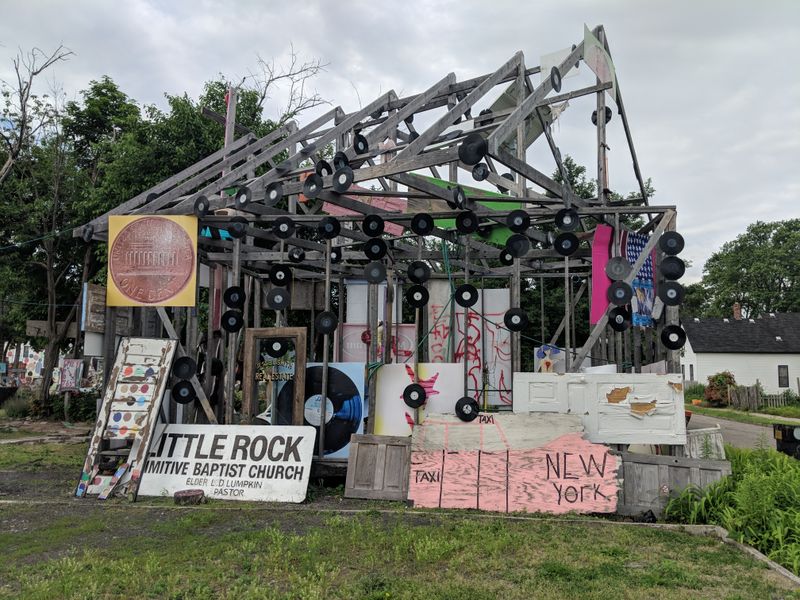
Reuse is not a side note here, it is the central studio technique. Materials return to service carrying scratches, dates, and hometown patina.
I notice how repetition turns leftovers into structure. Stacks form columns, painted patterns become mortar, and the street learns a new grammar of assembly.
This approach mirrors Detroit’s long habit of making do and making better. Resourcefulness shows up as form, not just philosophy, and the art wears it proudly.
The effect is both practical and poetic because waste gets rerouted into signal. Viewers leave with ideas for their own corners of the world, one small fix at a time.
When a breeze moves through a cluster of objects, the sound is part of the lesson. You can hear salvage speaking, as if the block is tutoring the future.
Context Among Detroit’s Art Landscape
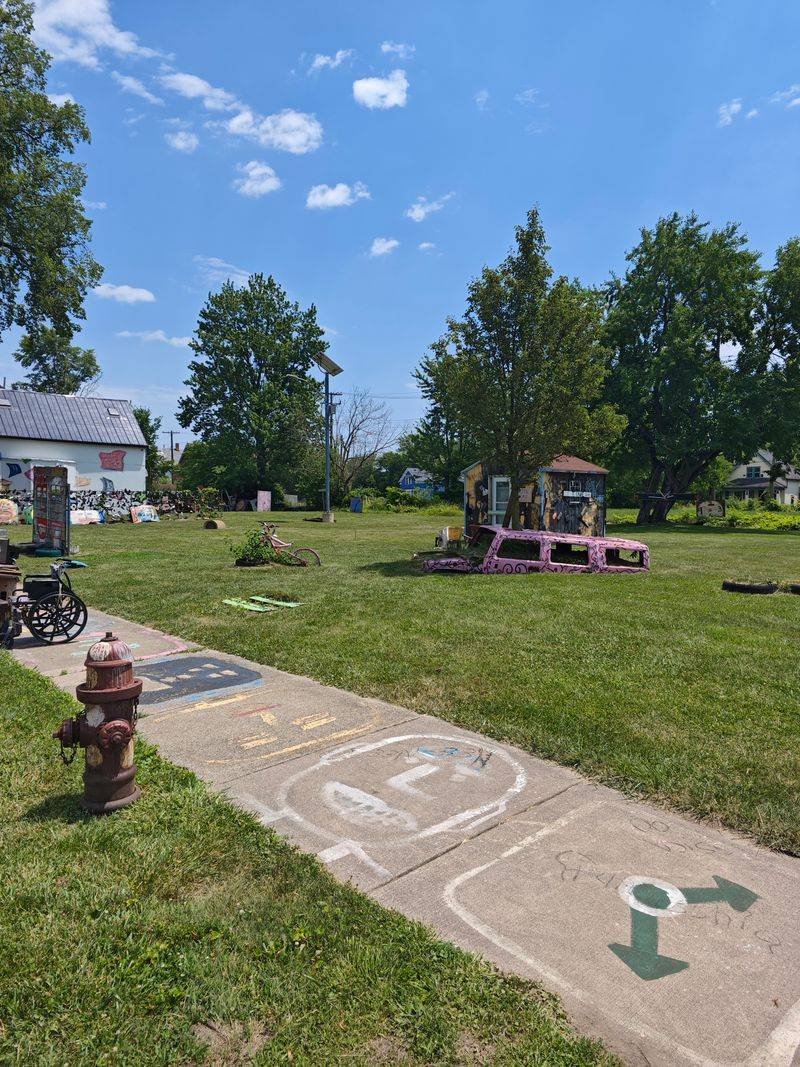
Detroit loves outdoor art that grows from lived experience, and this project stands tall in that lineage. The city’s walls and greenways carry murals, sculptures, and stories that echo across neighborhoods.
What makes this street singular is the total environment built from domestic architecture. Houses, yards, and sidewalks become the canvas while the city keeps turning around it.
Conversations spark between here and other public works around town. The dialogue feels local in accent and wide in scope, grounded in place yet reaching beyond it.
I think that is why travelers make time for these blocks. The narrative fits the city’s creativity and adds a chapter that only this address can write.
After a day of exploring, I return to the dots for one more lap. The colors close like a well-told story that still leaves room for your notes.
Tips For A Thoughtful Visit
A little planning makes the whole experience smoother and kinder to the neighborhood. I bring water, wear good shoes, and keep my group small enough to move lightly.
Daylight visits help with both safety and detail spotting. I stay aware of traffic, keep voices calm, and give residents room to come and go.
Cash or online donations support maintenance and programs, which feels like paying for the privilege of these open-air galleries. Checking the website before arrival avoids surprises and might reveal an event worth timing.
Photography works best from sidewalks and public edges. If I am unsure about entering a space, I assume it is off limits and enjoy the view from the line.
Most of all, I let the art set the pace instead of rushing to collect photos. The slower the steps, the louder the ideas speak.



