 Unearth The Voyage
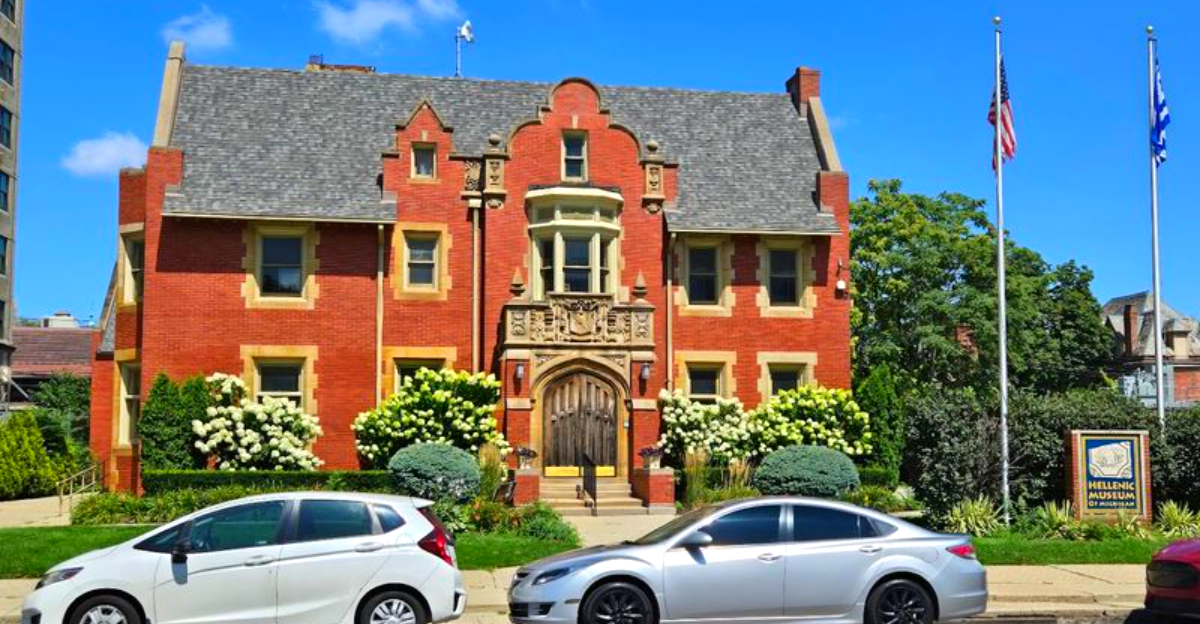
There is a quiet corner of Detroit where ancient Greek culture feels surprisingly alive, and I mean that in the most delightful way. I had no specific plans to visit a museum dedicated to Hellenic heritage that afternoon, but curiosity got the better of me, and I am genuinely glad it did.
Tucked inside a charming historic building near some of Detroit’s most celebrated cultural institutions, this small museum punches well above its weight. From centuries-old artifacts to rotating contemporary art exhibitions, the collection manages to feel both scholarly and personal at the same time.
The building itself has a story worth hearing, and the exhibits inside cover everything from ancient Greek philosophy to the immigrant experience in Michigan. Whether you know a lot about Greek history or practically nothing at all, this place has a way of pulling you in and keeping you there far longer than you expected.
Keep reading, because this one is absolutely worth your time.
Where You Will Find It: Address, Location, and Setting
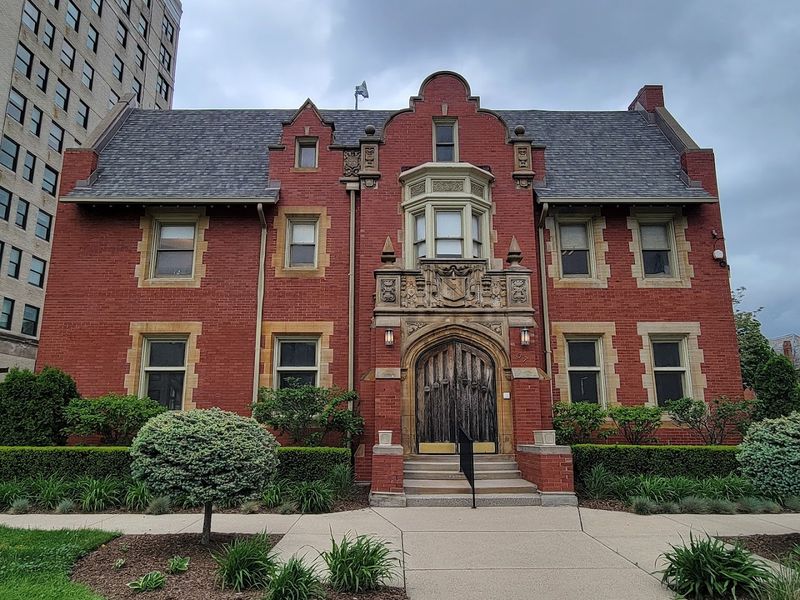
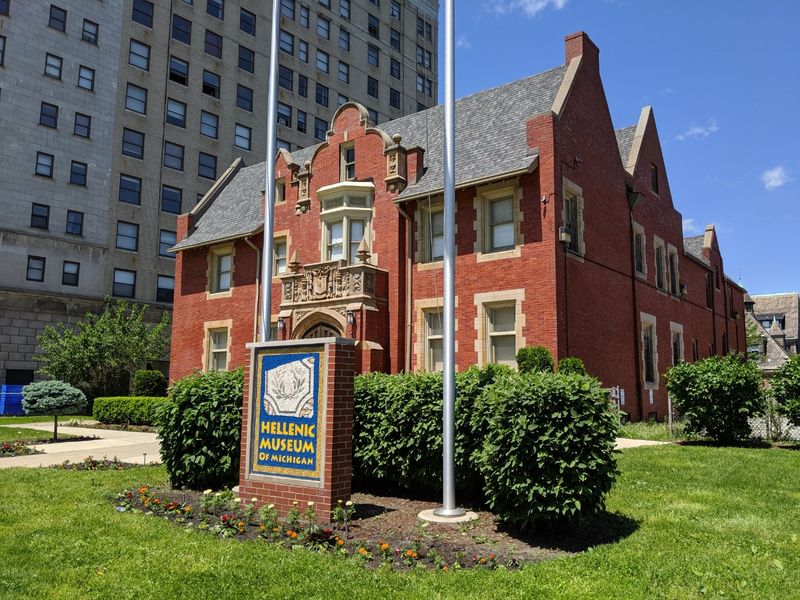
Right in the heart of Detroit’s celebrated Museum District, the Hellenic Museum of Michigan sits at 67 E Kirby St, Detroit, MI 48202, just a short walk from the Detroit Institute of Arts. That proximity to one of America’s great art museums is no accident; this neighborhood has long been a hub for culture, history, and creative energy.
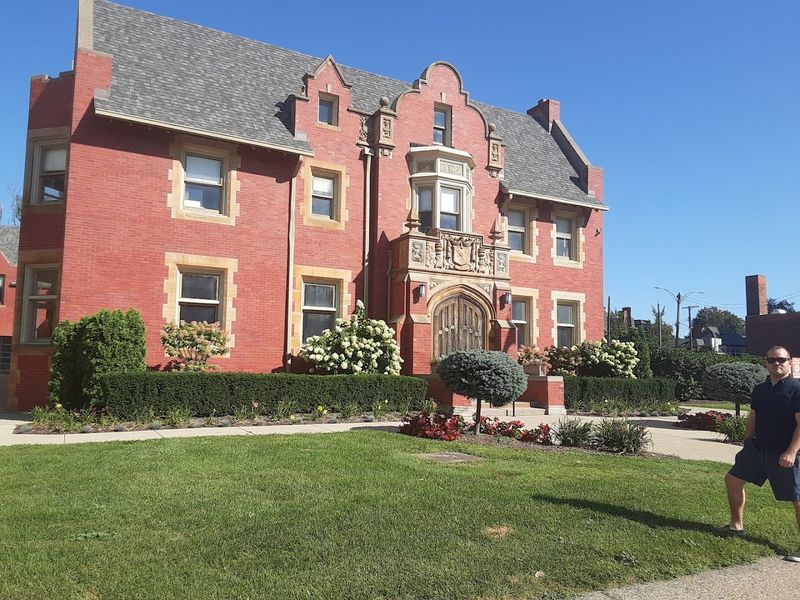
The building itself is a classic piece of Americana, a handsome historic structure that once served as a private residence. Its architecture gives the museum an intimate, house-like quality that larger institutions simply cannot replicate.
You feel more like a welcomed guest than a ticket-holding visitor the moment you approach the front door.
Parking is available on the street, and Sunday visits come with the bonus of free downtown parking, which is always a welcome surprise in any city. The museum is reachable by public transit as well, making it genuinely accessible to anyone curious enough to show up.
Few museums this size have a setting this well-placed.
The Story Behind the Museum: How It All Began
Before 2013, Detroit had no single dedicated space where the full breadth of Greek and Greek-American culture could be explored under one roof. That gap felt significant, given how deeply the Greek community had woven itself into the city’s social, artistic, and commercial fabric over the decades.
The Hellenic Museum of Michigan was established to fill exactly that void. Its founders envisioned a place where art, music, literature, history, philosophy, and language could all be presented together, giving visitors a complete picture of what Hellenic culture has contributed to both Michigan and the wider world.
The mission statement is refreshingly clear: share the richness of Hellenic heritage and conserve its contributions for current and future generations. That sense of purpose is visible in every corner of the museum, from carefully curated artifact displays to thoughtfully written exhibit labels.
A community’s decision to preserve its own story is always a meaningful act, and this museum carries that responsibility with real pride.
Artifacts and Collections That Tell a Layered Story
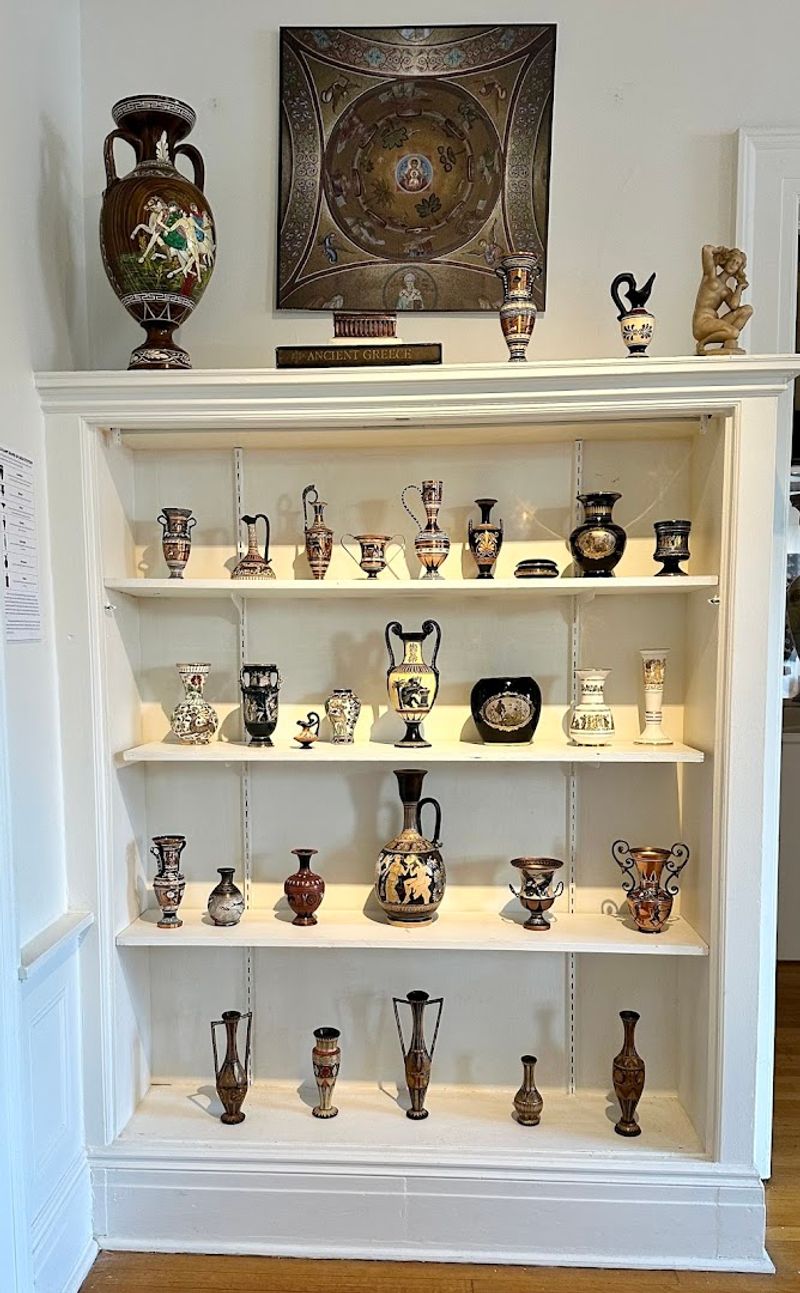
The collection at this museum covers an impressive range of Hellenic material culture, from pottery and textiles to musical instruments and fine art. Each piece has been chosen to represent a specific thread in the broader tapestry of Greek history and identity, both in Greece itself and within the Greek-American diaspora.
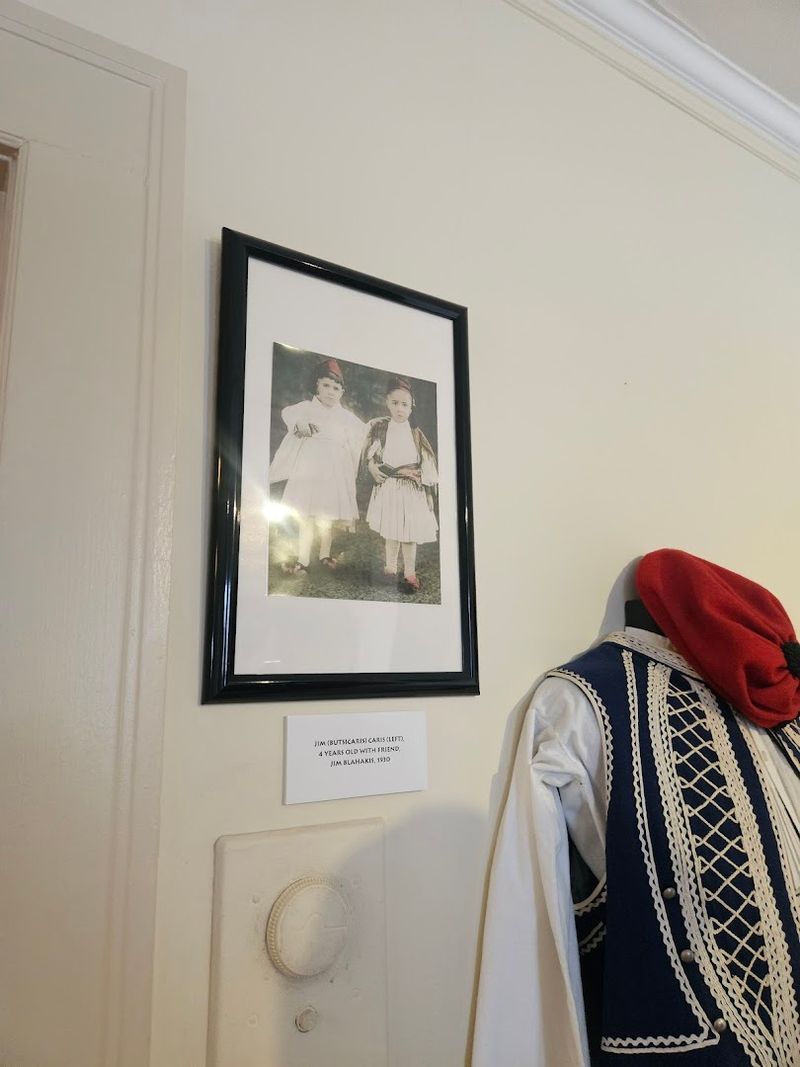
What makes the displays particularly engaging is how they connect the ancient world to the modern one. You might find yourself looking at a traditional woven textile from a Greek village and then turning around to see a photograph of a Greek family arriving in Detroit decades ago.
That juxtaposition is intentional and effective.
The museum also highlights Greek contributions to philosophy, literature, and language in ways that feel accessible rather than academic. Exhibit labels are written to inform without overwhelming, making the collection approachable for visitors of all ages and backgrounds.
A collection this thoughtfully arranged deserves far more foot traffic than a museum of this size typically receives.
Greek Detroit: The Immigrant Experience on Display
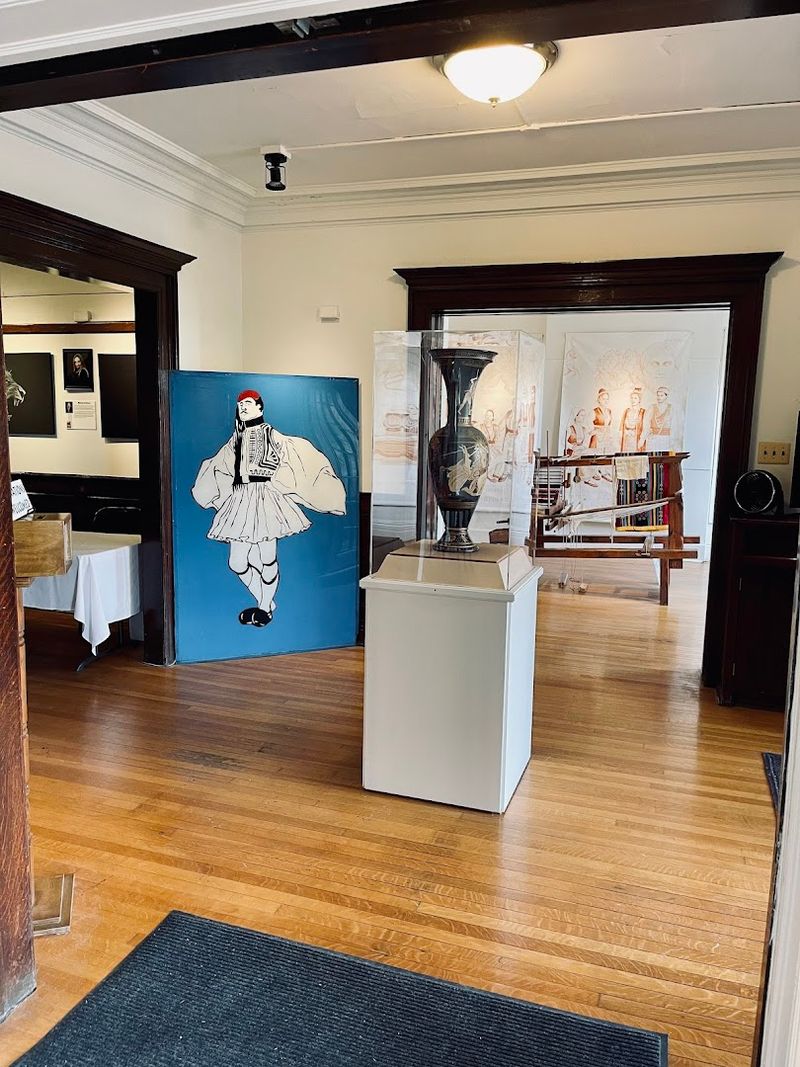
One of the most compelling sections of the museum focuses on the Greek immigrant experience in Detroit and the broader metropolitan area. Greek families began arriving in Michigan in significant numbers during the late 19th and early 20th centuries, and their influence on the city’s culture, business, and civic life has been substantial ever since.
The exhibits trace this journey with photographs, personal items, and community documents that humanize the broader historical narrative. Seeing the faces of real families who built new lives in a new country brings the story to life in a way that textbooks simply cannot match.
The museum also touches on how Greek communities established social organizations, churches, and cultural associations that helped preserve their identity across generations. That kind of community infrastructure is a fascinating subject in its own right, and the museum treats it with the respect it deserves.
Detroit’s Greek story is not a footnote; it is a full chapter, and this museum makes sure you understand that.
A WWII Exhibit That Leaves a Lasting Impression

Among the exhibits that visitors mention most often is the display dedicated to Greece’s role during World War II, and specifically the remarkable story of Mayor Loukas Karrer and Bishop Chrysostomos of Zakynthos. During the occupation, these two men reportedly refused to hand over a list of Jewish residents on the island, an act of extraordinary courage that saved hundreds of lives.
Seeing that story told in a small Detroit museum, far from the Ionian Sea where it unfolded, is genuinely moving. The exhibit contextualizes Greece’s broader wartime experience, including the resistance movement and the enormous hardships the Greek population endured.
This section of the museum demonstrates something important: Greek heritage is not only about ancient philosophy and beautiful pottery. It also encompasses moments of profound moral courage in the face of impossible circumstances.
That dimension of the story deserves to be known far and wide, and the Hellenic Museum of Michigan tells it with appropriate gravity and care. Some stories simply need to be heard.
Art Exhibitions That Keep the Museum Fresh
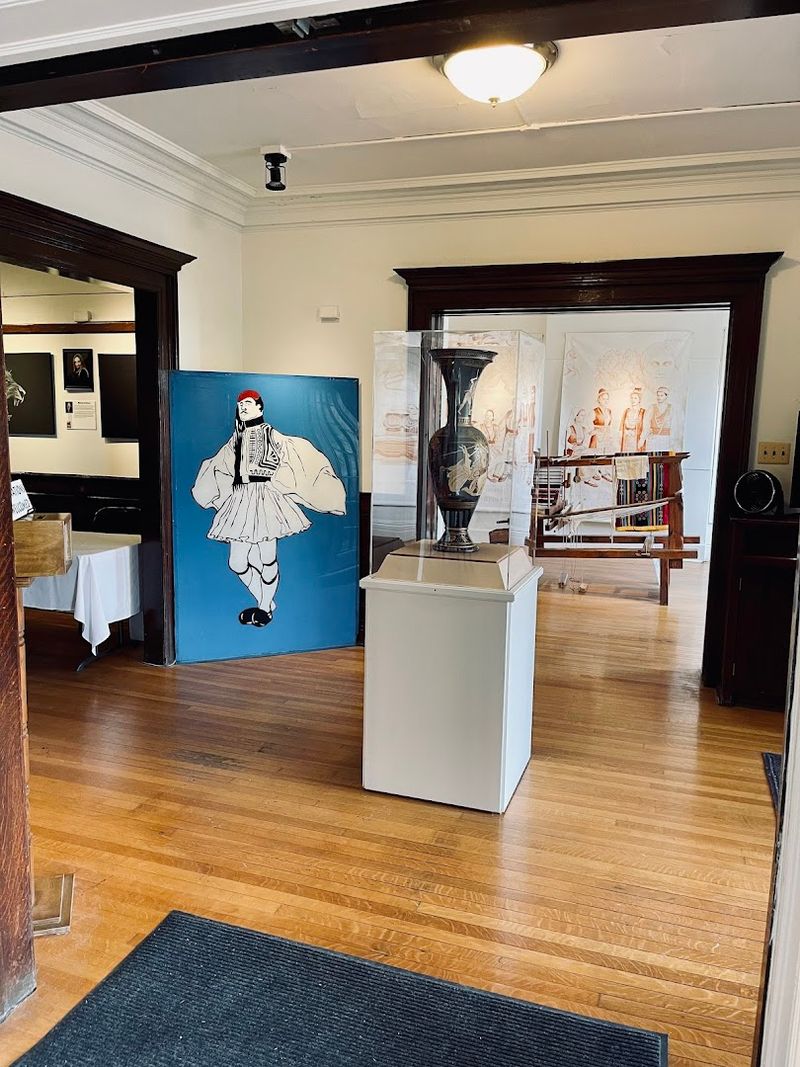
The Hellenic Museum of Michigan is not a static institution content to simply display the same artifacts year after year. Rotating exhibitions keep the experience fresh and give repeat visitors a compelling reason to return.
The “Odyssey of Colors” exhibition, running from May through October 2025, is a prime example, celebrating contemporary Greek artistry with vibrant works from modern artists.
Past exhibitions have included juried art shows featuring mostly Greek artists, nostalgic retrospectives on beloved Detroit institutions, and tributes to Greek musicians who shaped the city’s cultural landscape. The range is genuinely impressive for a museum of this scale.
The rotating exhibition model also means the museum stays connected to living artists and current creative conversations rather than existing purely as a historical archive. That balance between honoring the past and engaging the present is one of the things that makes this place feel alive rather than frozen in time.
Every visit has the potential to offer something you have not seen before.
Music, Culture, and Community Events

The museum’s connection to the broader Greek-American community in Detroit goes well beyond its permanent collection. It participates actively in events like the Annual Detroit Greek Independence Day Parade, which celebrates Greek independence with genuine enthusiasm and civic pride.
The 23rd edition of that parade took place in April 2025, and the museum’s involvement underscored its role as a true community anchor.
Music has also been central to the museum’s identity from early on. The carriage house on the property served as the home base for the Aegean Roots band, a group with a devoted following in the Detroit Greek community.
That musical heritage adds a warm, human dimension to a place that could otherwise feel purely academic.
Cultural programming at the museum creates opportunities for people who might not typically visit a museum to engage with Greek heritage in an approachable, celebratory way. Community events have a way of turning a building into a living institution, and that is exactly what has happened here.
The music, the parades, and the gatherings all matter.
Greek Fraternal and Academic Influence on Campus Life
Greek culture’s influence on American higher education is a subject that some visitors wish the museum explored more deeply, and it is easy to understand why. Greek-letter organizations, fraternities, and sororities have shaped campus life at colleges and universities across the United States for well over a century, and their roots trace directly back to Hellenic philosophical traditions.
The museum touches on Greek contributions to philosophy and academic thought, which provides useful context for understanding why Greek letters became the shorthand for scholarly societies in the first place. That intellectual lineage is genuinely fascinating and often overlooked in popular discussions of Greek culture.
There is room for this dimension of Greek influence to grow within the museum’s programming, and it would make a natural addition to future exhibitions. The connection between ancient Hellenic thought and the modern American university experience is a rich subject with broad appeal.
A museum this thoughtful and community-focused seems like exactly the right place to tell that story in full.
Admission, Hours, and What to Expect on Arrival
One of the most pleasant surprises about the Hellenic Museum of Michigan is that admission is completely free, with donations warmly welcomed. For a museum of this quality and depth, that price point feels almost too good to be true, but it reflects a genuine commitment to making Greek heritage accessible to everyone regardless of budget.
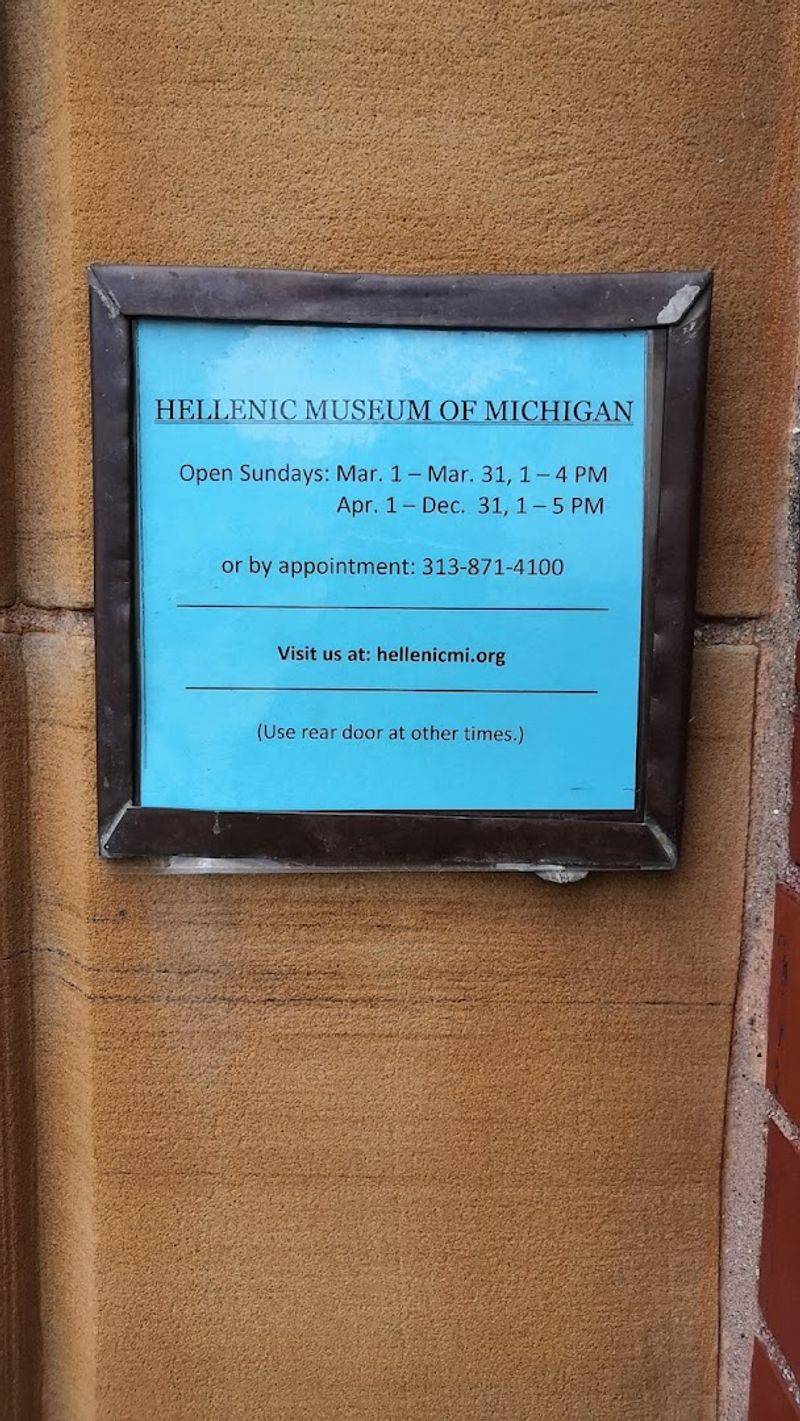
The museum is open Wednesday through Sunday from 11 a.m. to 3 p.m. and is closed on Mondays and Tuesdays. Those hours are worth noting before you plan your trip, since several visitors have mentioned arriving outside those windows and missing out.
The experience inside is intimate rather than overwhelming, which suits the space perfectly. You will not need an entire day; a focused visit of one to two hours covers the collection comfortably without rushing.
Sunday visits have an added practical advantage: downtown parking tends to be free on that day, which makes the entire outing even more cost-friendly. Call ahead at 313-737-3240 if you have any questions before visiting.
The Museum District Neighborhood: What Else Is Nearby
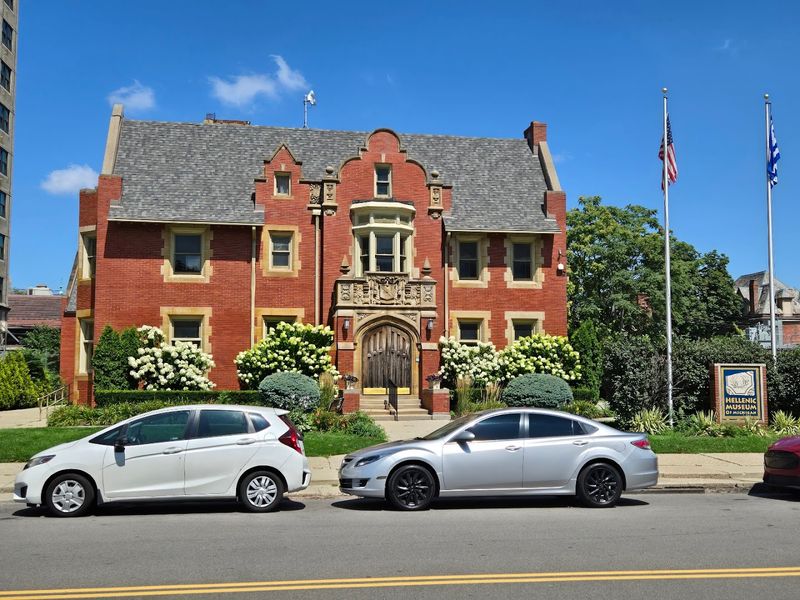
The Hellenic Museum of Michigan benefits enormously from its location in Detroit’s Museum District, one of the most culturally dense neighborhoods in the entire Midwest. The Detroit Institute of Arts, one of the largest and most respected art museums in the country, is practically a neighbor, and several visitors have mentioned discovering the Hellenic Museum after parking nearby for a DIA visit.
That kind of happy accident is part of what makes this neighborhood so rewarding to explore on foot. Within a short walk, you can encounter an extraordinary range of cultural institutions, each with its own distinct focus and personality.
The surrounding streets are lined with historic architecture, and the area has a walkable, intellectually energizing atmosphere that encourages lingering. Combining a visit to the Hellenic Museum with a stroll through the broader Museum District makes for a genuinely satisfying afternoon in Detroit.
The city’s cultural infrastructure here is something residents and visitors alike should celebrate far more loudly than they typically do.
Why This Small Museum Deserves a Spot on Your Detroit Itinerary
A 4.7-star rating from visitors who have actually been through the doors says a great deal about what the Hellenic Museum of Michigan delivers. The reviews paint a consistent picture of a welcoming, well-curated space that surprises people with its depth and warmth, often winning over visitors who stopped in almost by accident.
The museum manages something that many larger institutions struggle to achieve: it feels personal. The collection is not so vast that it becomes exhausting, and the staff creates an atmosphere where curiosity is genuinely encouraged rather than just tolerated.
For anyone building a Detroit itinerary, this museum deserves a deliberate spot rather than an afterthought. It offers a perspective on the city’s cultural history that you simply will not find anywhere else, and it does so with heart, intelligence, and a clear sense of purpose.
Free admission, a fascinating building, and rotating exhibitions make every visit feel like a worthwhile investment of your afternoon. Detroit has always had more stories than it gets credit for, and this museum tells one of the best.



