 Unearth The Voyage
A church can change a skyline, but the real surprise is how it can also change the mood of an entire neighborhood. In Corktown, I found one that once rose above Detroit like a giant punctuation mark, and even now it has a way of stopping you mid-thought.
The brickwork, the stories, the candlelit calm, and the sense of community all reveal themselves slowly, which is exactly why this place is worth your time. Keep reading, and I will show you where its height mattered, why its interior feels so memorable, and how one historic parish still holds a powerful place in the city around it.
Where the story begins
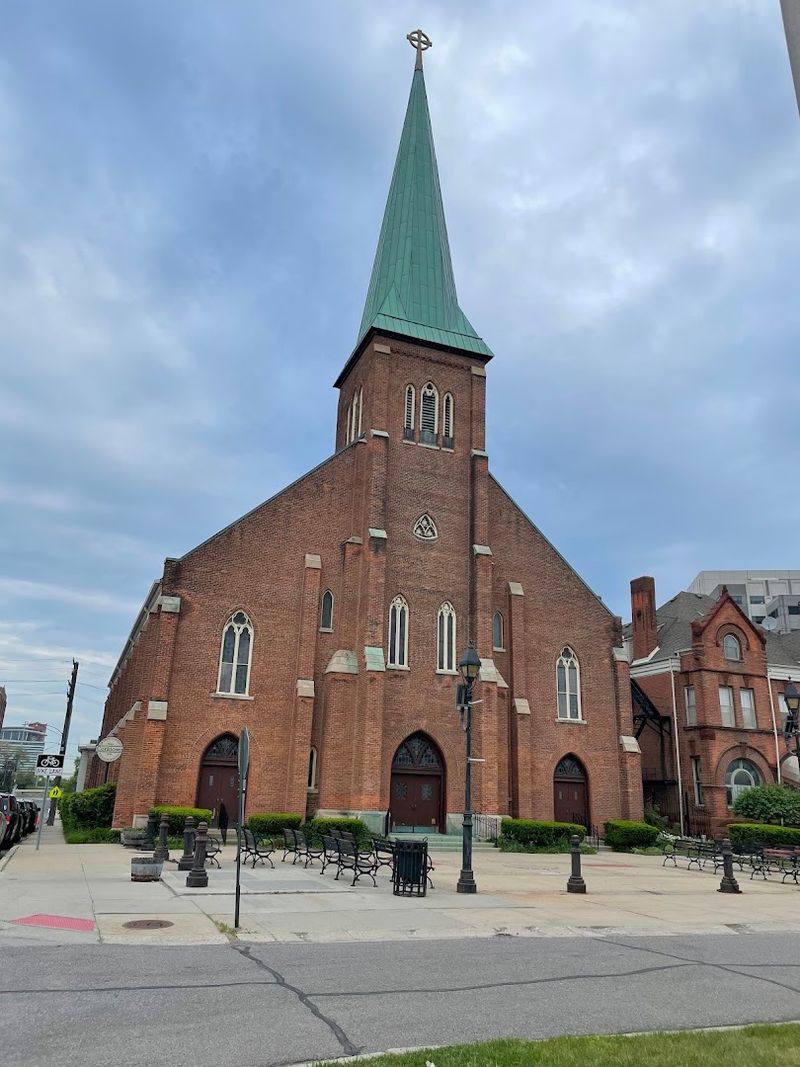
My visit started at Most Holy Trinity Church, 1050 Porter St, Detroit, MI 48226, in the Corktown neighborhood of Michigan, and the setting immediately explained why this place still matters. The church stands with quiet confidence, surrounded by streets that carry layers of Detroit history without needing to shout about any of it.
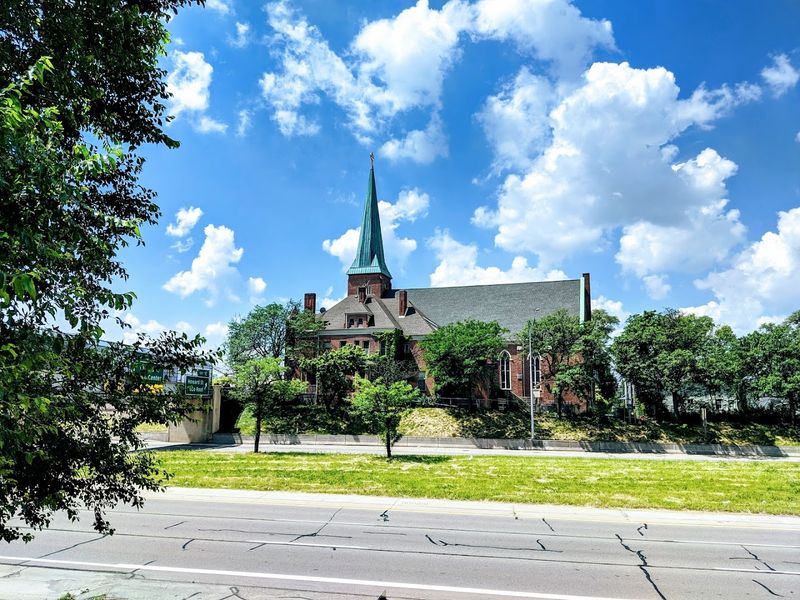
From the sidewalk, I could feel how the building anchors the block. Its red brick exterior, tall tower, and Gothic Revival details give it a seriousness that fits the neighborhood, yet it never feels stiff or distant.
I liked that balance right away.
Corktown has changed, polished up, and kept moving, but this church remains one of the visual constants. It tells you where you are before you even read a sign.
That is part of the magic here: the building works as architecture, neighborhood memory, and orientation point all at once, and the deeper story only gets better from here.
The tower that ruled the skyline
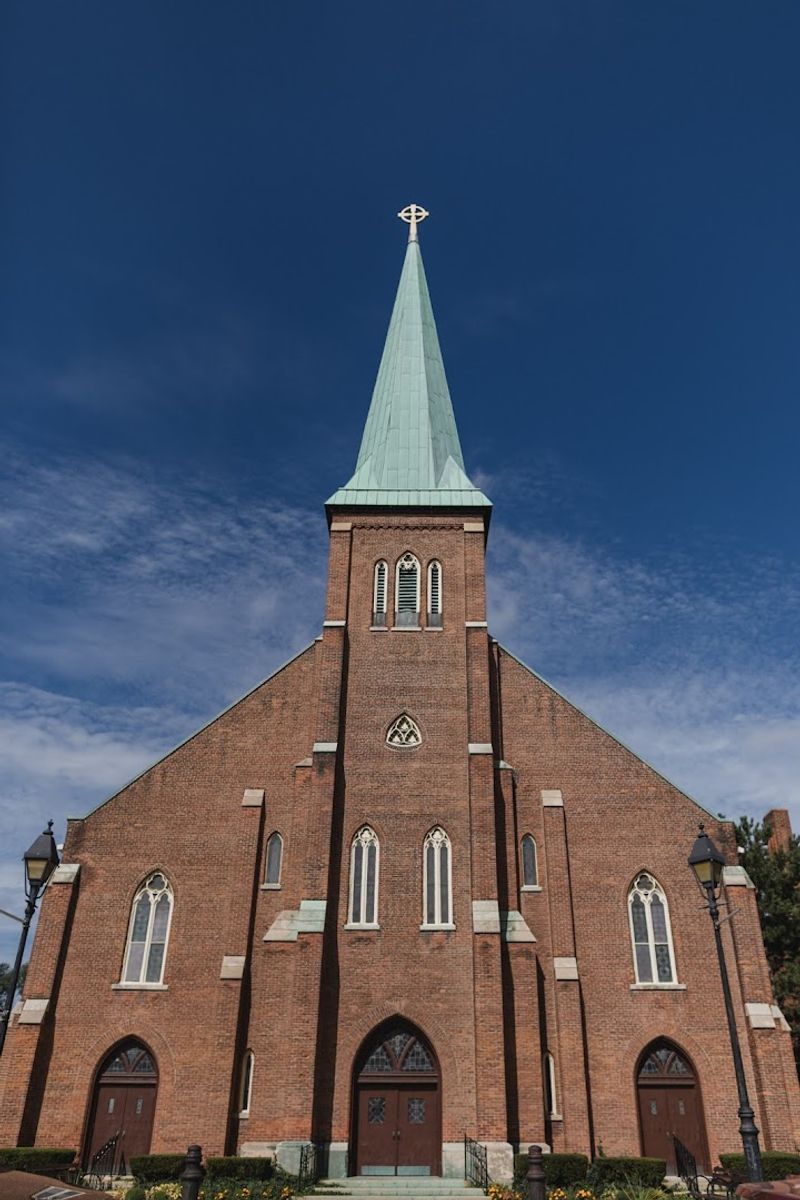
The first fact that grabbed me was its former status as Detroit’s tallest building. That sounds like a trivia card at first, but standing there in person gave the idea real weight.
Before modern towers rewrote the skyline, this church towered over the city in a way that made faith, craftsmanship, and civic pride visibly inseparable.
I found that especially compelling because the tower does not feel flashy. It feels purposeful, as though height here was meant to lift the eye and steady the neighborhood at the same time.
The vertical lines pull your attention upward, and for a moment the surrounding traffic, brick houses, and city noise seem to organize themselves around that gesture.
Detroit has no shortage of bold architecture, so for one church to have held that title says plenty about its presence. Even now, long after other buildings have surpassed it, the tower still behaves like the lead actor in the scene.
The interior, though, is where the church really starts showing off.
A room built to slow your heartbeat
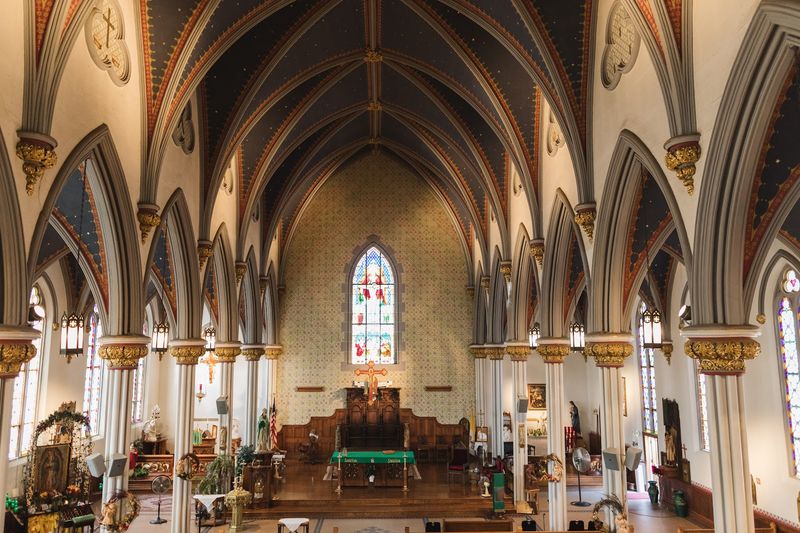
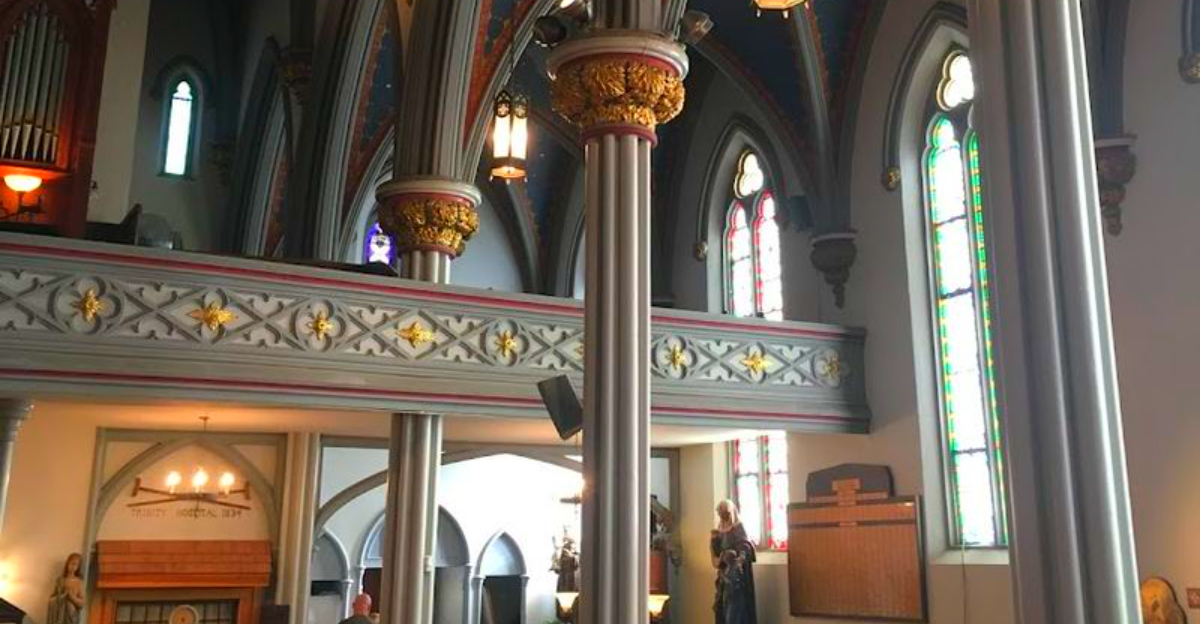
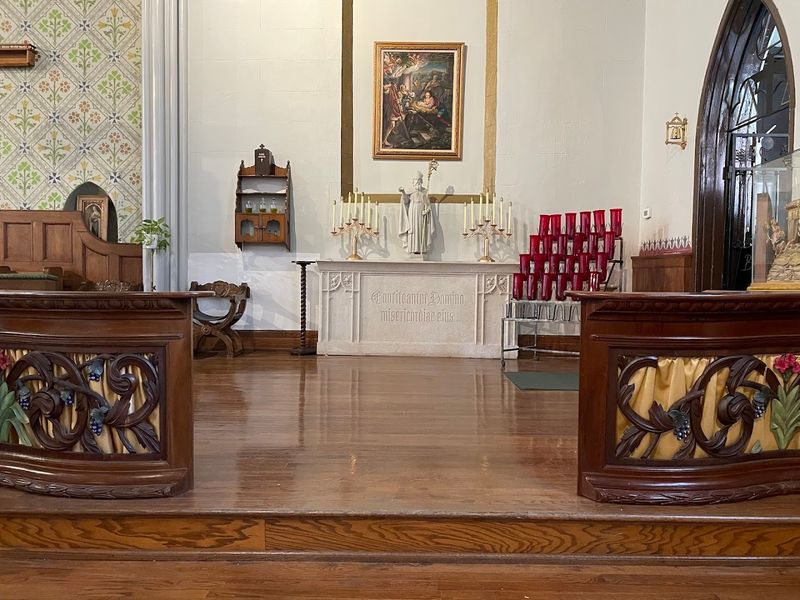
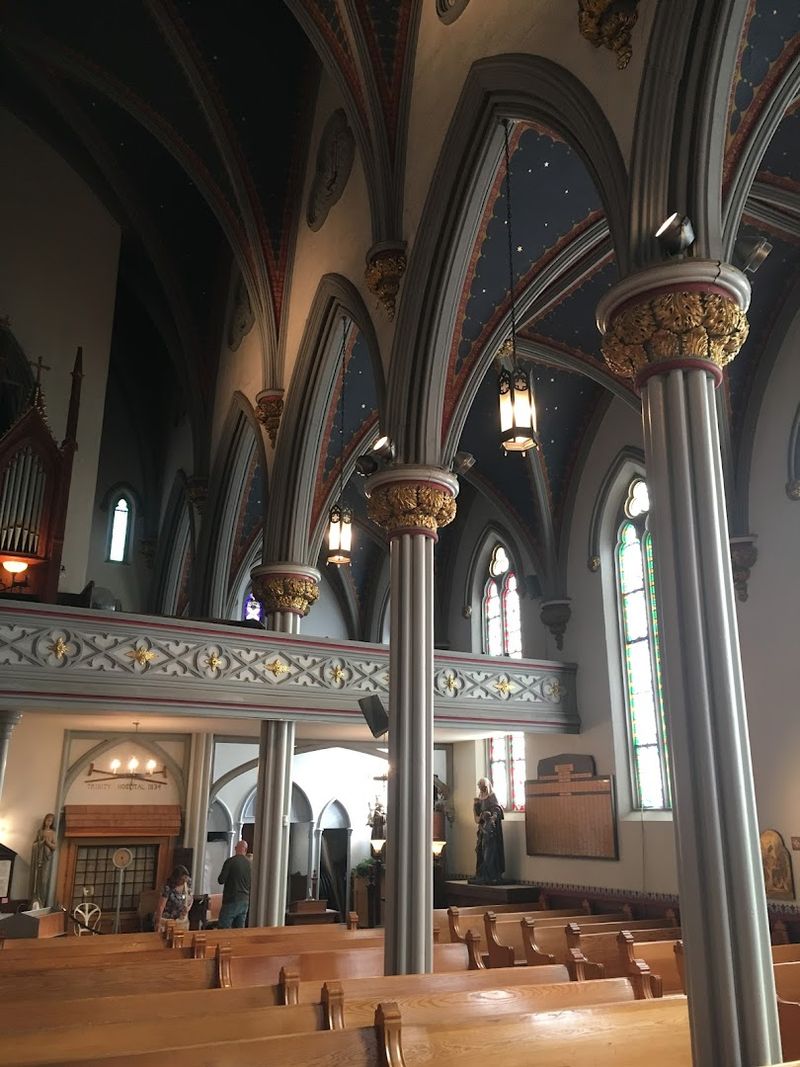
Inside, the mood changes fast in the best possible way. The church has that rare interior that makes you lower your voice without being told, not from pressure, but because the space seems to ask for a little respect.
Light, wood, stone, and color all work together with impressive restraint.
I noticed how the nave guides your attention forward while side details reward anyone who looks carefully. The proportions feel generous rather than overwhelming, and the decorative elements do not crowd each other.
Instead, everything seems composed to create steadiness, which is harder to achieve than dramatic clutter and much more satisfying.
One of the most memorable qualities is the atmosphere during lower light. People often mention candlelit services here, and I understand why the effect sticks with them.
The church becomes softer, more intimate, and almost theatrical without turning into a stage set. That shift in feeling opens the door to an even richer part of the story: the people who keep the place alive.
More than brick and stained glass
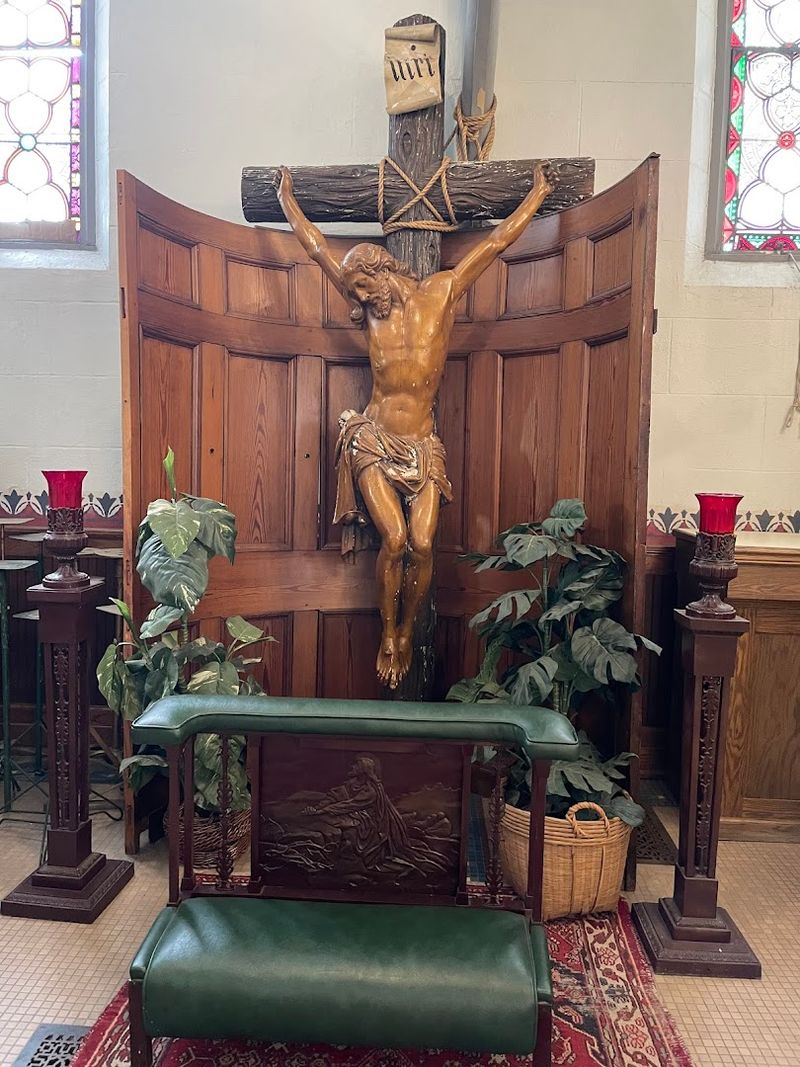
A beautiful church can impress you in ten seconds, but a welcoming one earns a much longer memory. At Most Holy Trinity, I kept running into descriptions of kindness, openness, and real community connection, and that reputation feels central to understanding the place.
Architecture may bring people through the door, yet the human atmosphere seems to give them reasons to return.
That matters in a neighborhood church, especially one with such a long history. The building is historic, yes, but it does not seem trapped behind museum glass.
It functions as a living parish, a gathering point, and a familiar spiritual home for people who have been coming for years and for newcomers who just wandered in curious.
I appreciated that the church’s story includes both beauty and service. The strongest impression is not exclusivity or grandeur, but steadiness and care.
When a landmark still feels genuinely used and loved, its history becomes more convincing. Next comes one of my favorite angles on the church: its deep connection to Corktown’s Irish roots.
Corktown roots that still show
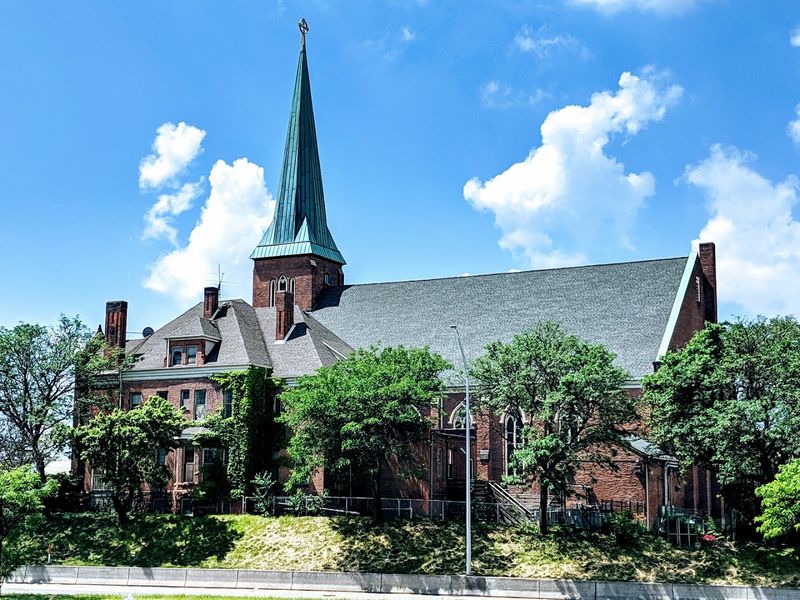
Corktown and this church naturally go hand in hand. The parish has long been tied to Detroit’s Irish community, giving the building cultural depth beyond its architecture.
You can still feel it in the neighborhood, where old Detroit stories linger along the streets and brick facades.
What stood out is how the church blends into Corktown’s identity rather than standing apart. Even with new development and modern energy nearby, it holds onto an older rhythm that helps explain the area’s past and why locals value its character.
That continuity makes a visit more meaningful. It’s not just a beautiful building, but a place that helped shape the community and still plays a role today.
For me, that turned a quick stop into something much more layered – especially once you start looking up at the details above.
Details worth craning your neck for
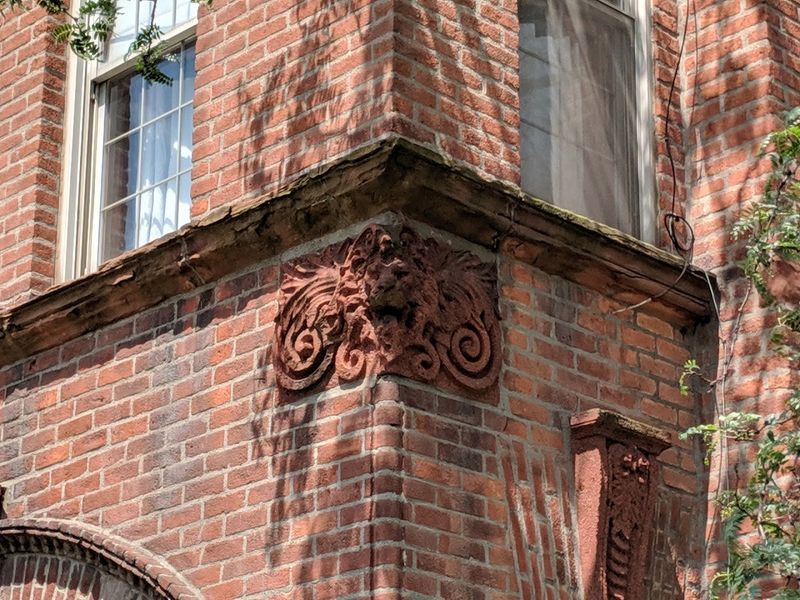
Some buildings ask for a glance. This one asks for a slow circle around the block and a slightly sore neck by the end of it.
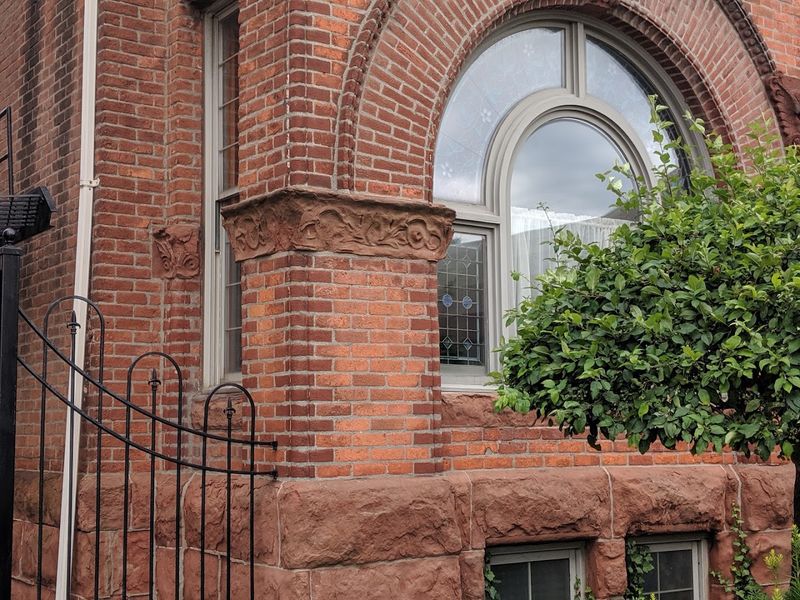
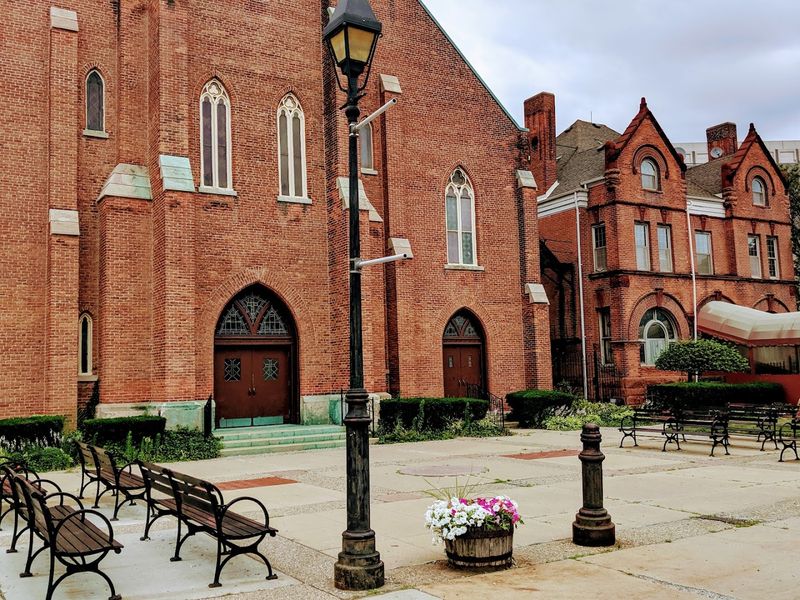
I kept noticing new exterior details each time I changed position: pointed arches, carefully composed brickwork, vertical emphasis, and the kind of trim that rewards patience rather than speed.
The tower naturally takes center stage, but the rest of the facade deserves equal respect. The proportions feel disciplined, and the materials have aged with dignity.
Nothing looks accidental. Even the way the windows sit within the walls contributes to that sense of order, giving the church a visual rhythm that feels deliberate from top to bottom.
I also enjoyed how the building photographs differently depending on distance. From farther away, it reads as a commanding landmark.
Up close, it becomes a collection of smaller crafted decisions. That double personality makes it fun to study and surprisingly easy to revisit without feeling repetitive.
Inside, another feature can quietly steal the show: the sound.
When sound fills the sanctuary
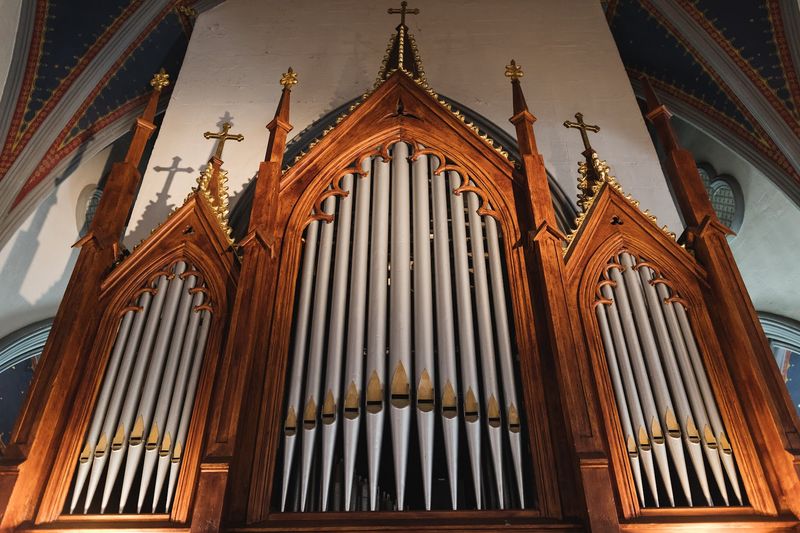
Not every church leaves you thinking about acoustics, but this one certainly can. The interior has the kind of volume and shape that lets music and spoken words linger just enough to feel textured.
That quality gives services and special events an added dimension, even before you focus on any specific instrument or voice.
I was especially interested to learn about support for the pipe organ over the years. That detail says a lot about how seriously people take the church as both a worship space and a place of shared cultural memory.
Music belongs here, not as decoration, but as part of the building’s identity and emotional pull.
Even without hearing a full performance, I could sense how the room would respond. Some spaces flatten sound.
This one seems to cradle it, shape it, and send it back with a little extra richness. That helps explain why certain services leave such a vivid impression on visitors.
Timing, of course, matters too, and the next section is all about when to go.
The best time to catch its mood
Timing can change this place completely. In brighter daytime hours, I found the church easier to read architecturally, with brick, lines, and details showing themselves clearly.
During dimmer periods, especially near evening, the atmosphere shifts toward something softer and more intimate, which many people find especially moving.
That contrast gives you options depending on what you want from a visit. Daylight is ideal if you are interested in design, neighborhood context, and photography.
Lower light works better if you want to feel the emotional texture of the interior and understand why candlelit services are remembered so strongly by those who attend.
I would not call one better than the other. They simply reveal different personalities in the same building.
A practical visitor might even aim for both, because the church offers two distinct experiences without changing address. That is a pretty good deal in travel terms.
Before planning a stop, though, it helps to know how to fit the church into the rest of Corktown.
How to fit it into a Corktown stroll
I found this church especially rewarding as part of a slower Corktown walk rather than a rushed checklist stop. The neighborhood invites wandering, and the church gives that wandering a strong focal point.
Once I had taken in the exterior and spent time inside, the surrounding streets made more sense, as though the area had offered up its table of contents.
Practically speaking, this is an easy landmark to pair with a broader look at Corktown’s architecture and street life. The church adds gravity to the outing, a reminder that neighborhood history is not only preserved in homes and storefronts.
It also survives in gathering places that continue to shape the feel of the block around them.
I would suggest giving yourself enough time to pause rather than simply snap a photo and move on. This is not a drive-by kind of place, even if the tower tempts you to treat it that way.
The more patient your pace, the more the church gives back. That patience also helps when you start noticing the small signs of ongoing care.
Signs that the church is still working hard
What stayed with me most was not just age, but usefulness. Most Holy Trinity Church still appears deeply woven into community life, and that makes its history feel active rather than sealed off in the past.
A landmark earns extra respect when it continues serving real needs while carrying the weight of earlier generations.
I noticed that many impressions of the parish focus on warmth, guidance, and practical care. Those details matter because they push the story beyond architecture.
The church is not only admired from the curb. It is entered, relied on, and remembered through relationships, routines, and the comfort of familiar rituals in a rapidly changing city.
That ongoing role gives the building a different kind of beauty. Clean spaces, regular worship, community programs, and parish life all suggest maintenance in the broadest sense of the word.
People are clearly tending to more than bricks. They are tending to belonging.
With that in mind, the church’s age starts to feel less like nostalgia and more like continuity.
What surprised me most on repeat look
The biggest surprise for me was how the church improved on a second look. At first, the tower and historic significance dominate your attention, and fairly so.
Then quieter things begin to take over: the calm inside, the neighborhood connection, the way the building holds both grandeur and everyday parish life without straining to do either.
I also appreciated that the church does not rely on novelty. It wins you over through steadiness.
In a city filled with bold stories and dramatic visuals, this place manages to be memorable by being composed, deeply rooted, and refreshingly sincere. That is a harder trick than flashy architecture often gets credit for.
By the time I left, I was no longer thinking only about what the church once was in relation to the skyline. I was thinking about what it still is right now: a landmark, a neighborhood anchor, and a meaningful destination in its own right.
That makes the final takeaway less about nostalgia and more about why you should go.
The reason it lingers after you leave
Some places impress you on site and fade by the next morning. This church does not work that way.
Most Holy Trinity Church lingered with me because it combines a skyline story, neighborhood identity, architectural dignity, and real community presence in one compact, memorable visit. That is a rare mix, and it feels especially powerful in Corktown.
I came for the historic angle and stayed interested because the building kept revealing more than one version of itself. It is a former skyline giant, a beautiful Catholic church, a cultural touchstone, and a welcoming parish wrapped into the same red brick package.
Not bad for a stop that could easily be underestimated by anyone moving too fast.
If you are exploring Detroit and want a place that rewards curiosity rather than hype, this is an easy recommendation from me. Give it time, look up often, and let the neighborhood frame the experience.
The church once towered over the city, and in a quieter way, it still rises above the ordinary.



