 Unearth The Voyage
There is a building on East Jefferson Avenue in Detroit where time seems to have made a quiet agreement to slow down. Inside, potters still shape clay by hand, glazes still shimmer with that unmistakable iridescent depth, and the kilns still fire pieces the same way they did when Theodore Roosevelt was in the White House.
The studio has sent its handcrafted tiles into some of the most celebrated buildings in America, and most people have probably walked across its work without ever knowing it. This is the story of Pewabic Pottery, a place where over 120 years of tradition, artistry, and Detroit pride are baked right into every single tile.
A Historic Address on East Jefferson Avenue
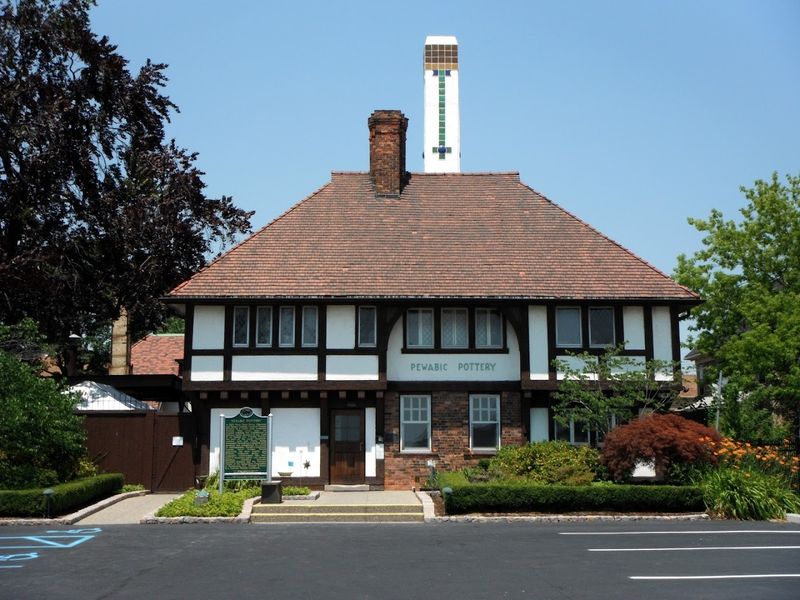
Some buildings announce themselves with bold signage and neon lights. Pewabic Pottery at 10125 E Jefferson Ave, Detroit, MI 48214, does the opposite.
The Tudor Revival structure sits quietly along the riverfront corridor, its red brick exterior and arched windows giving it the look of a place that has earned its confidence over many decades.
Founded in 1903 by Mary Chase Perry Stratton and Horace James Caulkins, the studio has operated from this same location for over a century. The building itself feels like a physical promise that craftsmanship matters here.
You can visit Tuesday through Saturday from 10 AM to 5 PM, with extended Friday hours until 6:30 PM and Sunday hours from 11 AM to 4 PM. The studio is closed on Mondays.
Reaching the team is easy at +1 313-626-2000, and more details are available at pewabic.org. The moment you step through the front door, the scent of clay and history greets you in equal measure.
The Meaning Behind the Name Pewabic
The name “Pewabic” carries more history than most people realize. It comes from the Ojibwa word “wabic,” which translates roughly to metal or iron, a nod to Michigan’s Upper Peninsula mining heritage.
Mary Chase Perry Stratton’s father worked as a physician for the Pewabic copper mine in that region, and the name became a way of anchoring the studio’s identity to the land and culture of Michigan. That connection to place was never just symbolic.
It shaped the spirit of everything produced here.
The founders wanted their work to feel rooted, not decorative for decoration’s sake. That philosophy shows up in the weight of the tiles, the depth of the glazes, and the deliberate pace of production that has never chased speed over quality.
Knowing where the name came from changes how you look at a Pewabic tile. It stops being just a beautiful object and becomes a small piece of Michigan’s longer story, fired and glazed into permanence.
Mary Chase Perry Stratton and the Vision That Started It All
Co-founder Mary Chase Perry Stratton was not someone who followed a conventional path. At a time when women rarely led industrial arts studios, she was already experimenting with clay, glaze chemistry, and kiln technology with the kind of obsessive curiosity that tends to produce breakthroughs.
Her partnership with Horace James Caulkins, who had invented a dental kiln, gave her access to firing equipment that most ceramic artists of her era could only dream about. Together they pushed the boundaries of what American studio pottery could look like and how it could function in architectural settings.
Stratton’s most celebrated contribution was the development of the studio’s signature iridescent glazes, which created surfaces that seemed to shift color depending on the light. That discovery did not happen overnight.
It came from years of careful experimentation, failed batches, and relentless refinement. Her legacy is not just in the tiles themselves but in the standard of curiosity and craft that Pewabic has maintained long after her passing in 1961.
The Famous Iridescent Glazes That Set Pewabic Apart
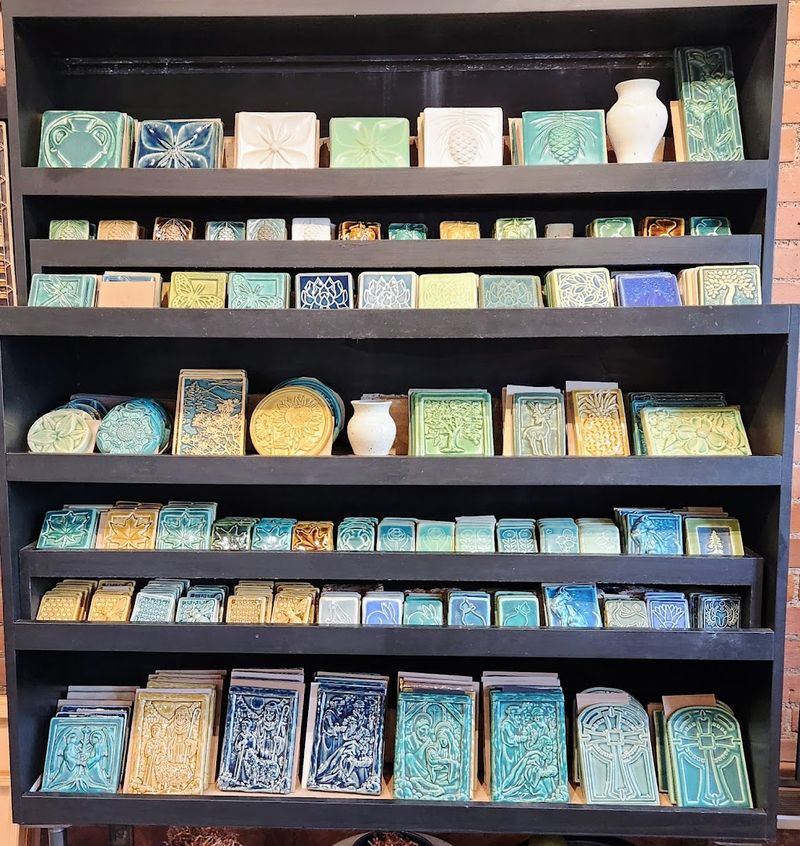
No feature of Pewabic Pottery draws more admiration than the glazes. They are not simply colorful.
They seem to hold light inside them, shifting from deep blue to green to bronze depending on where you stand and how the light falls across the surface.
Stratton developed these iridescent formulas through years of painstaking experimentation, and the exact recipes have been guarded and refined across generations of studio potters. The glazes are applied by hand, which means no two tiles are ever truly identical.
That variability is considered a feature, not a flaw.
When you hold a Pewabic tile up to the window in the studio shop, the surface seems almost alive. Collectors describe the experience as seeing something new in a piece they have owned for years, noticing a color shift they had not caught before.
The glazes are the reason Pewabic tiles have been specified for major architectural commissions across the country, because nothing else quite replicates what happens on that fired surface.
Architectural Landmarks That Carry Pewabic Tiles
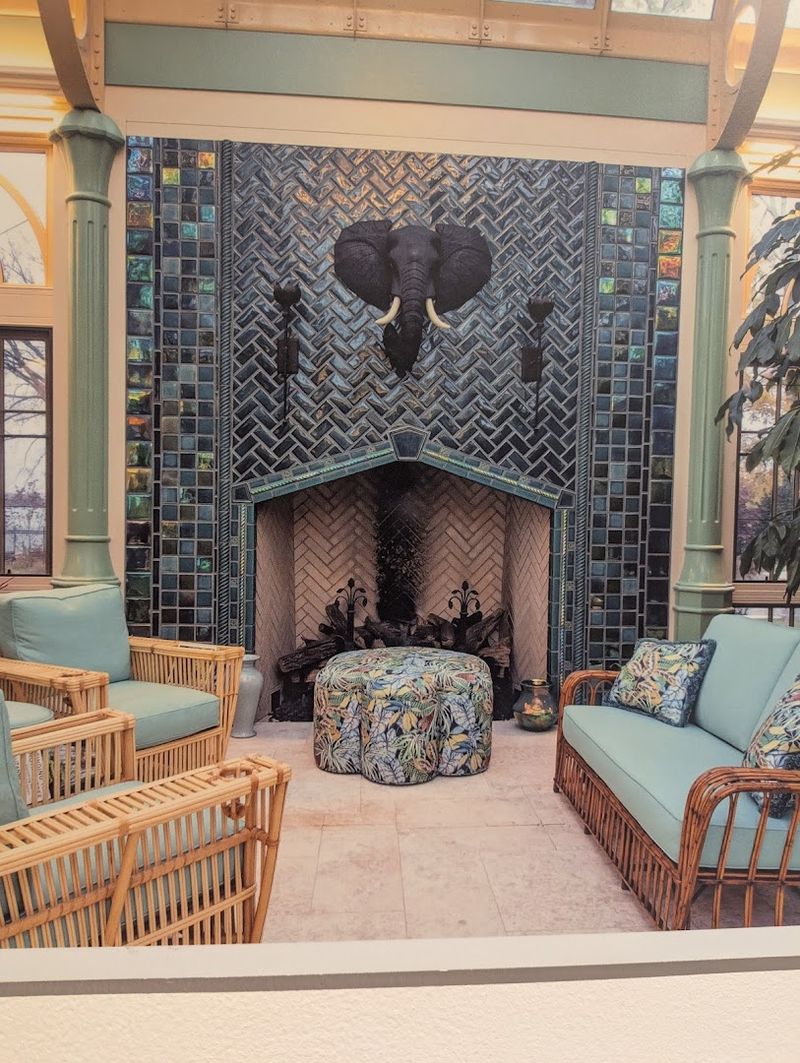
Most people encounter Pewabic tiles without realizing it. The studio’s work has been installed in some of the most visited public buildings in the country, and the list reads like a tour of American architectural ambition.
The Shedd Aquarium in Chicago features Pewabic tile work. The Guardian Building in downtown Detroit, one of the finest Art Deco structures in the world, carries Pewabic installations throughout its interior.
The Detroit Institute of Arts has Pewabic floors that countless visitors have crossed over without looking down to notice what they were walking on.
These commissions were not accidents. Architects specified Pewabic tiles because the quality was simply not available elsewhere.
The durability of the fired ceramic combined with the visual depth of the glazes made them the right choice for spaces meant to last generations. Today, restoration projects across the country still call on Pewabic to produce replacement tiles, matching century-old originals with the same handmade methods used when the buildings were first constructed.
How the Tiles Are Still Made by Hand Today

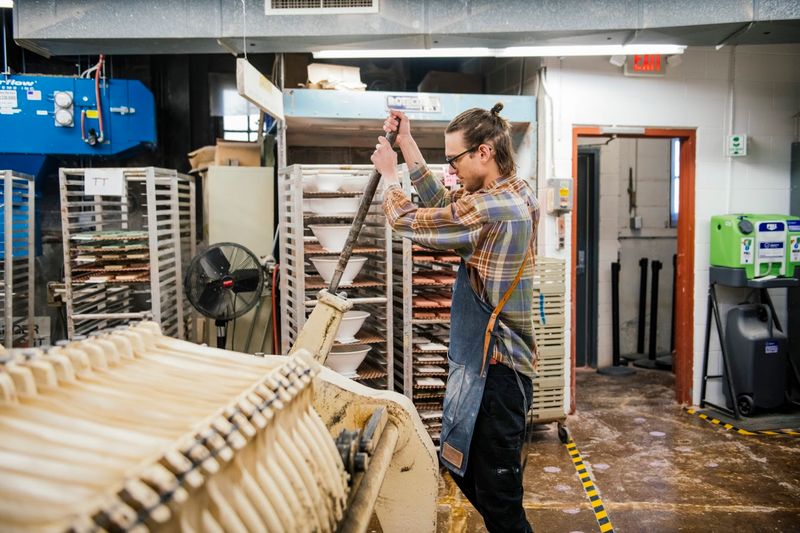
The production process at Pewabic has not chased modernity for its own sake. Tiles are still pressed, shaped, and finished by hand, following methods that would be recognizable to the studio’s founders if they walked in today.
Clay is prepared and wedged to remove air pockets, then pressed into molds or hand-formed depending on the design. Each piece is allowed to dry slowly before bisque firing in the kilns.
After that first firing, glazes are applied by hand, often in multiple layers to achieve the depth of color the studio is known for. A second firing locks everything in.
The entire process from raw clay to finished tile takes days, and the results of each firing carry a small element of unpredictability that no machine process can fully replicate. That unpredictability is part of what makes each piece feel genuinely handmade rather than manufactured.
Visitors who take the studio tour often say that watching the process changed how they thought about the objects they had been casually admiring in the shop.
The Free Museum Upstairs and What It Teaches You
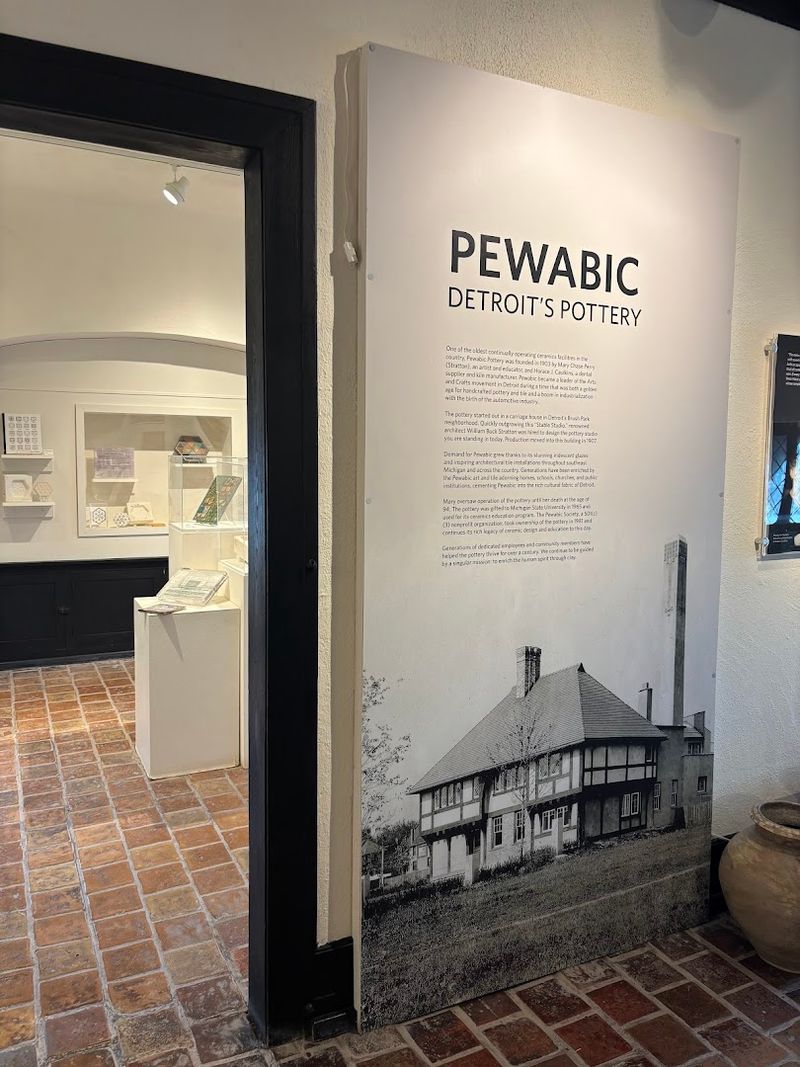
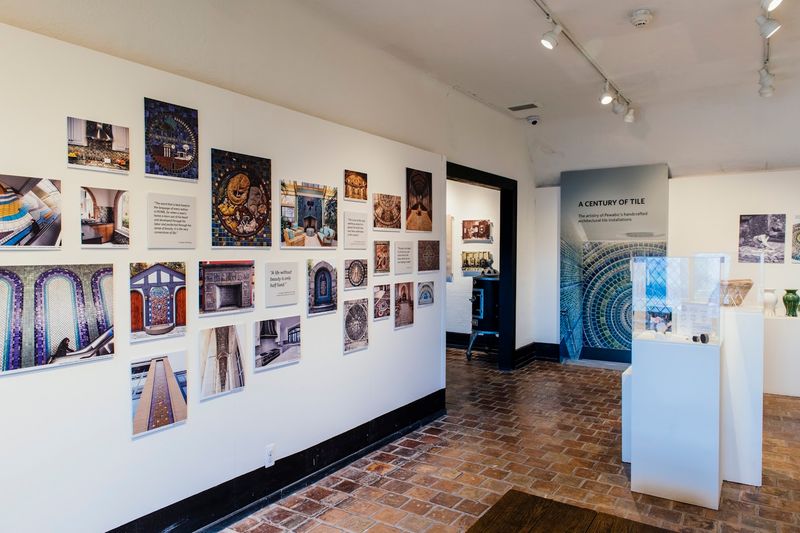
One of the most underrated parts of a visit here is the free museum on the upper floor. It is compact but genuinely well-curated, telling the story of the studio’s founding, its role in Detroit’s cultural identity, and the development of the glazing techniques that made Pewabic famous.
The displays include historic tiles, archival photographs, and information about major commissions across the decades. There is something satisfying about reading the history of a place while standing inside the original building where that history was made.
The museum does not feel like an afterthought. It feels like a room that respects the visitor’s curiosity and trusts them to engage with the material at their own pace.
There are no audio tours barking instructions at you. Just well-labeled objects and clear writing that lets the story breathe.
Many visitors report that the museum was the highlight of their trip, not because the shop downstairs lacks appeal, but because the context it provides makes everything else richer.
The Studio Shop and What You Can Bring Home
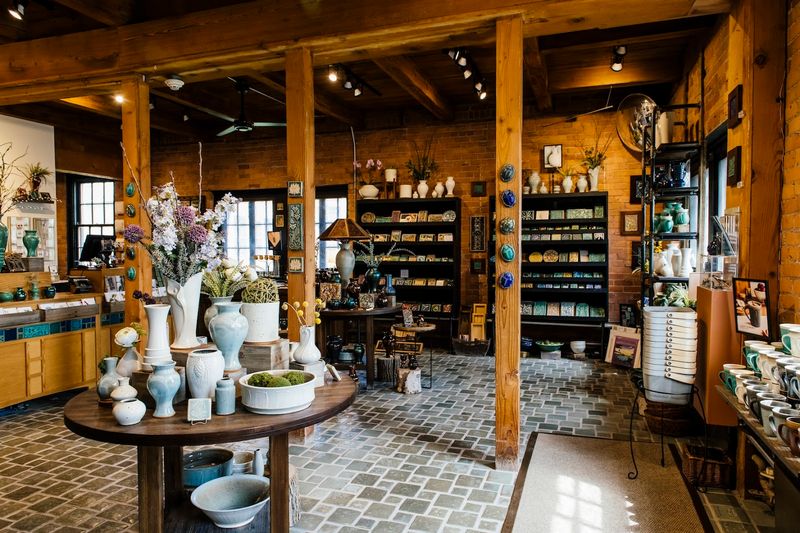
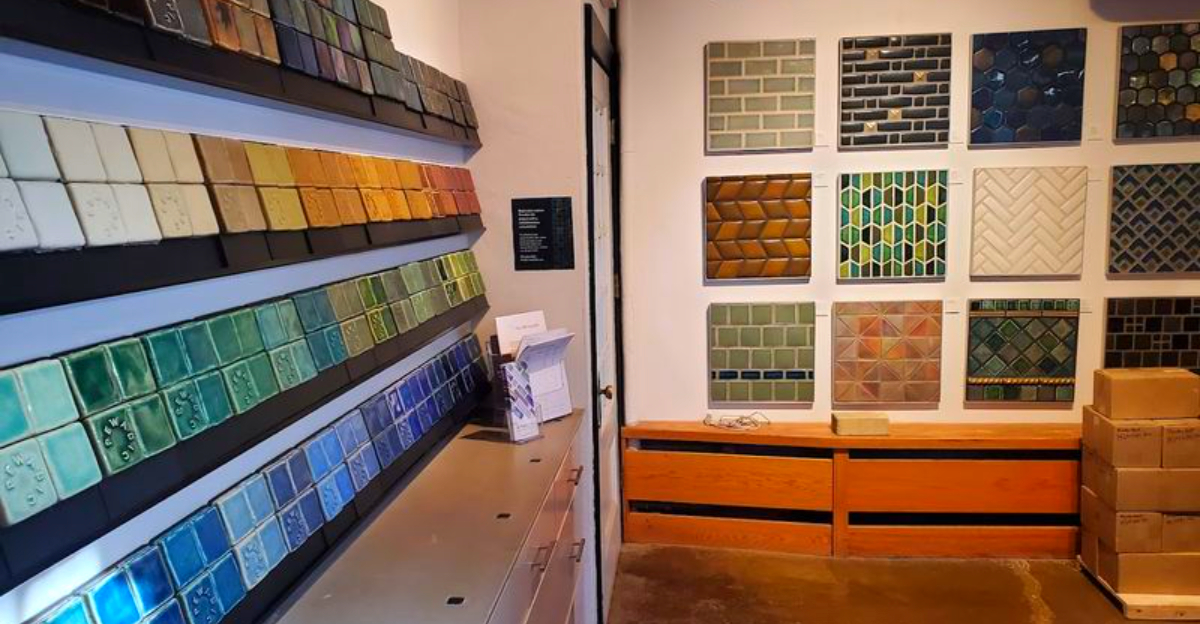
The shop at Pewabic is the kind of place that makes budgeting feel like an act of optimism. The front room holds pieces made on the premises, including tiles, vases, mugs, ornaments, and decorative objects that carry the studio’s signature glazes.
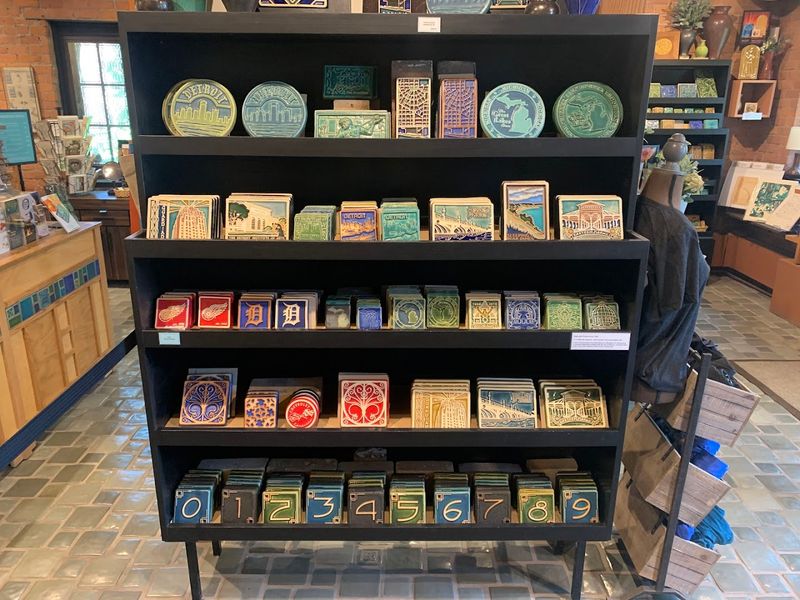
Prices range widely. Small tiles start at around five dollars, making them accessible souvenirs that carry a genuine piece of Detroit craft history home with you.
Larger statement pieces and custom orders occupy the higher end of the range, and they are worth every cent for anyone who understands what goes into making them.
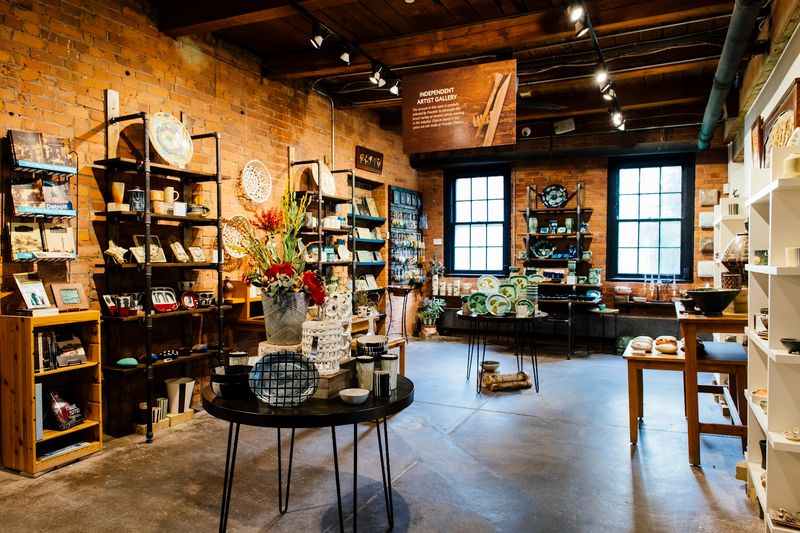
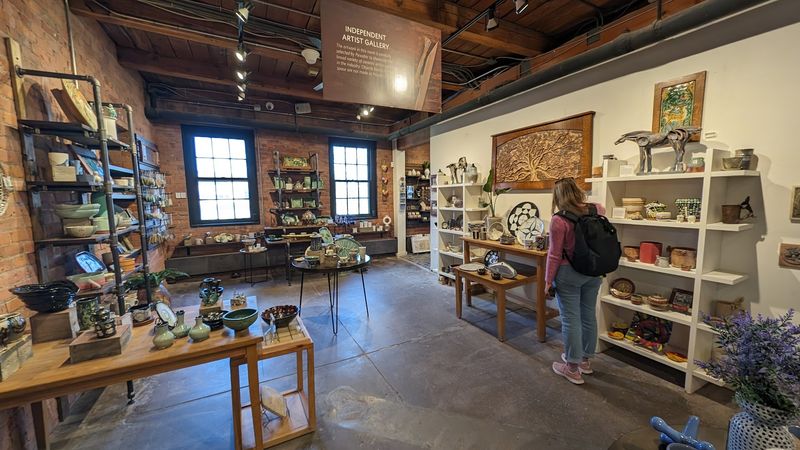
The back room features work from ceramic artists beyond the Pewabic studio, offering a broader view of the contemporary craft world. Staff in the shop are consistently described as knowledgeable and unhurried, willing to explain the history of a piece or walk you through the custom tile ordering process without any sales pressure.
The shop also carries sports team tiles for Detroit’s beloved teams, which makes for a very specific kind of local pride on your kitchen wall.
Custom Tile Orders and Design Services
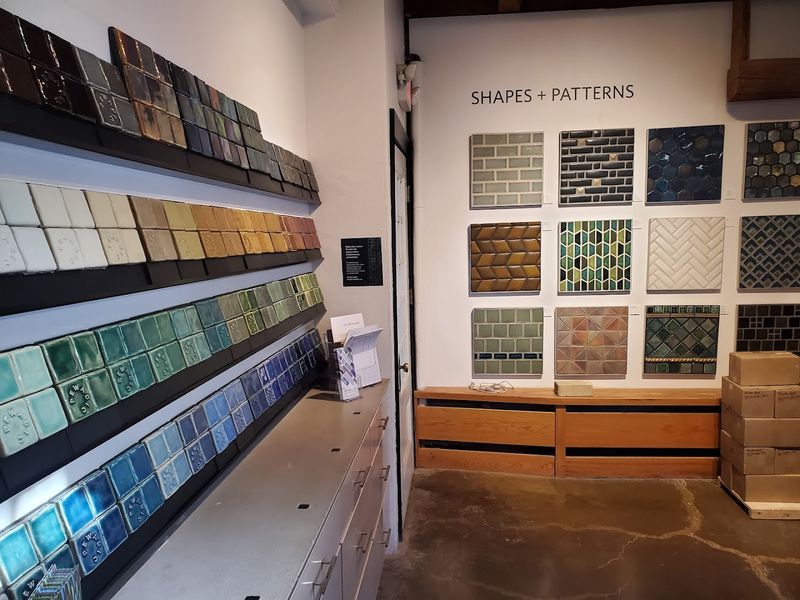
Beyond what sits on the shelves, Pewabic offers a custom tile ordering service that has been used for everything from fireplace surrounds to bathroom walls to major architectural installations. The studio maintains a design room stocked with glaze samples and tile format options that help clients visualize what a larger commission might look like.
The process begins with a consultation, and the studio works with both individual homeowners and professional architects or contractors. Lead times can be significant depending on the scope of the order, so planning ahead is genuinely important.
Anyone who has dreamed about replacing a dated bathroom backsplash with something that will still look remarkable in fifty years should make an appointment.
The ability to have handmade tiles produced to a custom specification, using the same glazing techniques that have been in place for over a century, is not something you can replicate by ordering from a big box tile supplier. That distinction matters to the people who choose Pewabic, and the results speak clearly enough on their own.
Classes, Workshops, and the Educational Mission
Pewabic operates as a non-profit educational institution, which means the studio’s mission extends well beyond selling beautiful objects. Classes and workshops are offered regularly, covering hand-building, wheel throwing, glaze chemistry, and tile making for students at various skill levels.
The education program attracts everyone from curious beginners to experienced ceramic artists looking to refine specific techniques. Workshop registration can fill up quickly, particularly for popular sessions tied to seasonal themes or special techniques.
Checking the website and booking early is a practical move for anyone with a serious interest.
The studio’s commitment to education reflects something Mary Chase Perry Stratton understood from the beginning: craft knowledge only survives if it is passed on. Pewabic has been doing exactly that for generations, training potters and ceramic artists who carry those skills forward into their own work.
Taking a class here is not just a fun afternoon activity. It is a chance to connect directly with a living tradition that has shaped American ceramic art for over a century.
Pewabic’s Role in Detroit’s Cultural Identity
Detroit has a complicated and fascinating relationship with its own history, and Pewabic sits comfortably at the center of that conversation. The studio has outlasted economic booms and contractions, urban transformations, and decades of change along East Jefferson Avenue, remaining a constant presence in a city that has had to reinvent itself more than once.
The tiles in Detroit’s public buildings are not just decorative. They are physical evidence of a creative economy that existed here long before the auto industry defined the city’s global identity.
Pewabic reminds visitors and locals alike that Detroit has always produced things of lasting value.
The studio’s non-profit status means its survival depends on community support, which is part of why purchasing something from the shop feels like more than a retail transaction. You are contributing to the continuation of a cultural institution that has been quietly enriching this city for over 120 years.
That is a different kind of souvenir than anything you will find at an airport gift shop.
Planning Your Visit and Making the Most of It
A visit to Pewabic Pottery deserves more than a quick pass-through. The shop, upstairs museum, and studio tour each offer something different, and rushing through all three would shortchange the experience.
Plan for at least an hour – longer if you’re considering a custom tile order or want to fully browse the shop. The museum is free and takes about 20 to 30 minutes if you take time to read the exhibits.
Parking along East Jefferson Avenue is usually manageable, and the riverfront location makes it easy to pair with other nearby stops. The staff are warm and enthusiastic, so don’t hesitate to ask questions about the work or its history.
That openness is part of what makes every visit feel worthwhile.



