 Unearth The Voyage
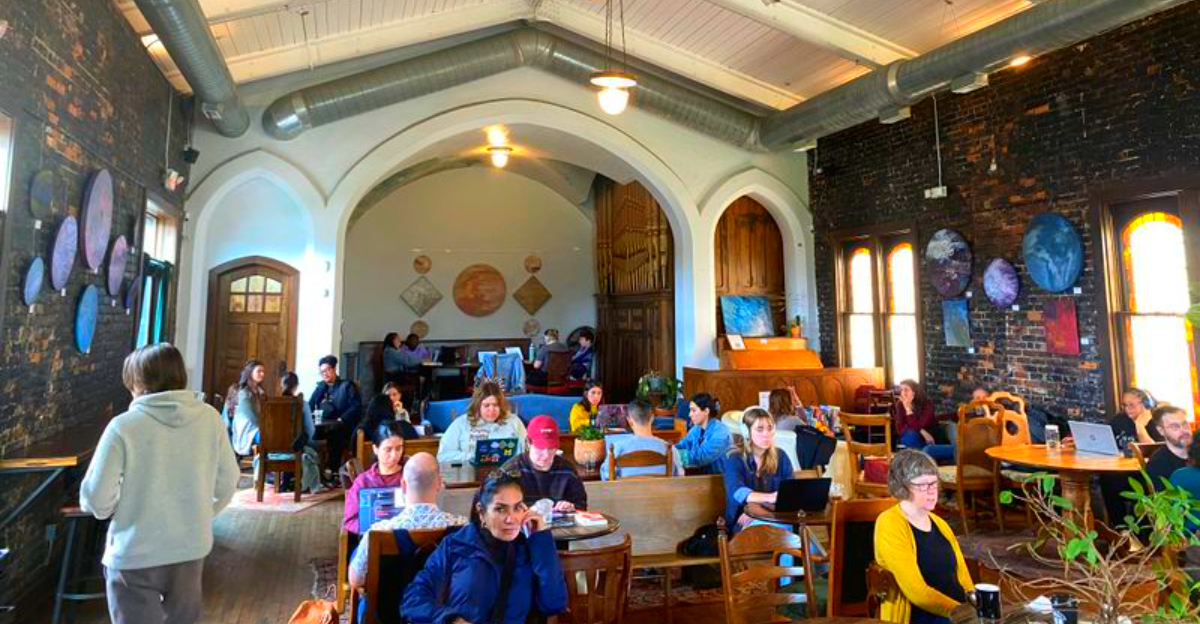
Step through the heavy wooden doors on Rosa Parks Boulevard at The Congregation in Detroit, Michigan, and you immediately notice the contrast. What was once a historic Boston-Edison church now hums with conversation, laptops, and the steady rhythm of an espresso machine.
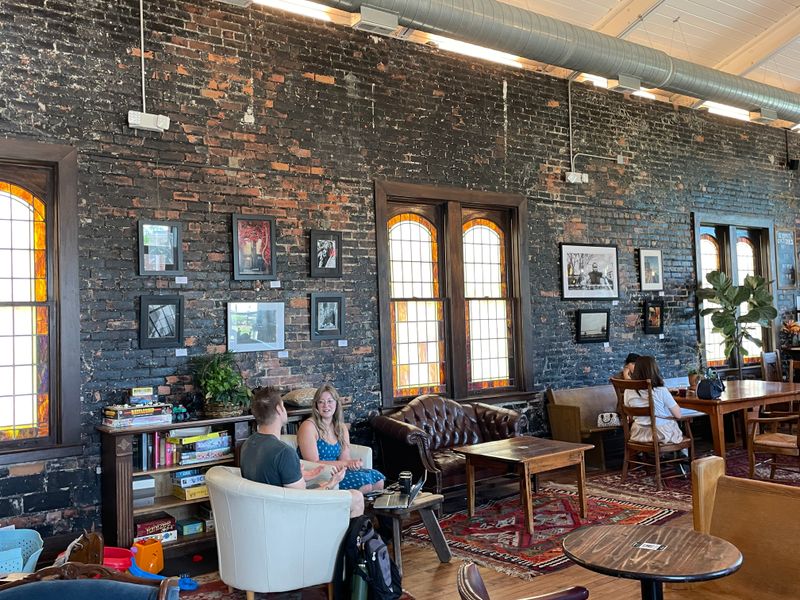
Stained glass windows frame the room, and repurposed pews serve as communal tables for neighbors, students, and remote workers. The space feels both historic and modern – a place where Detroit’s architecture and everyday life meet over coffee.
First glimpse through the nave
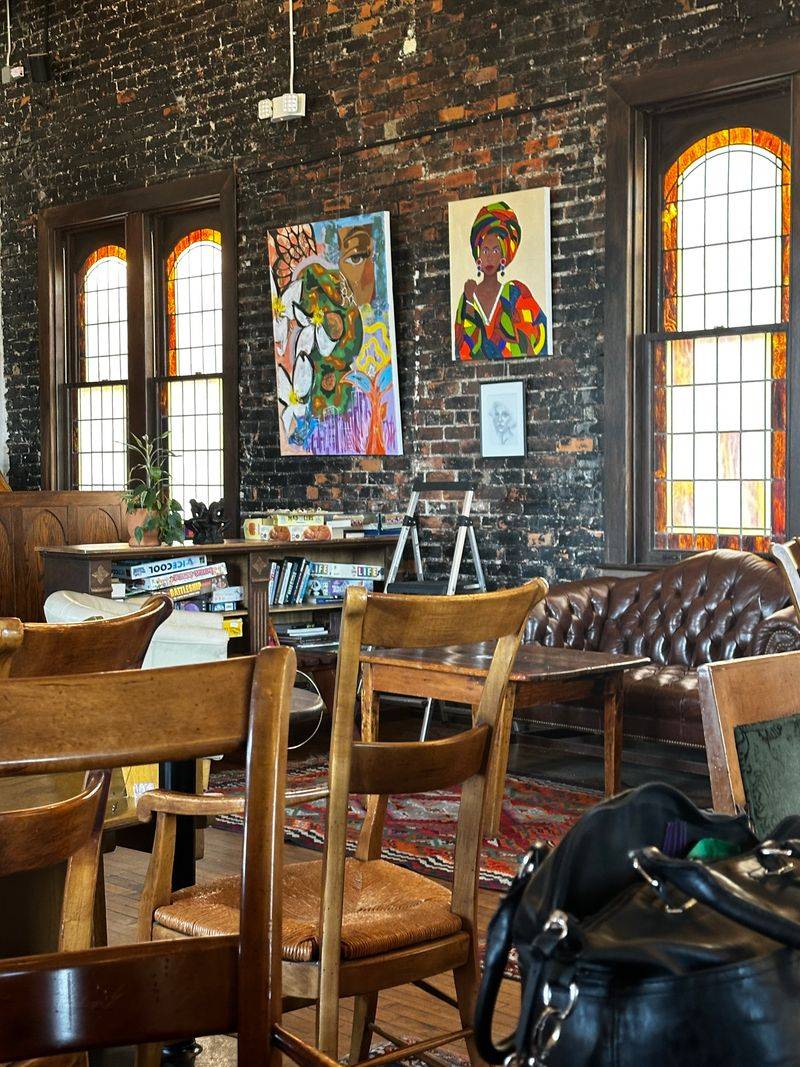
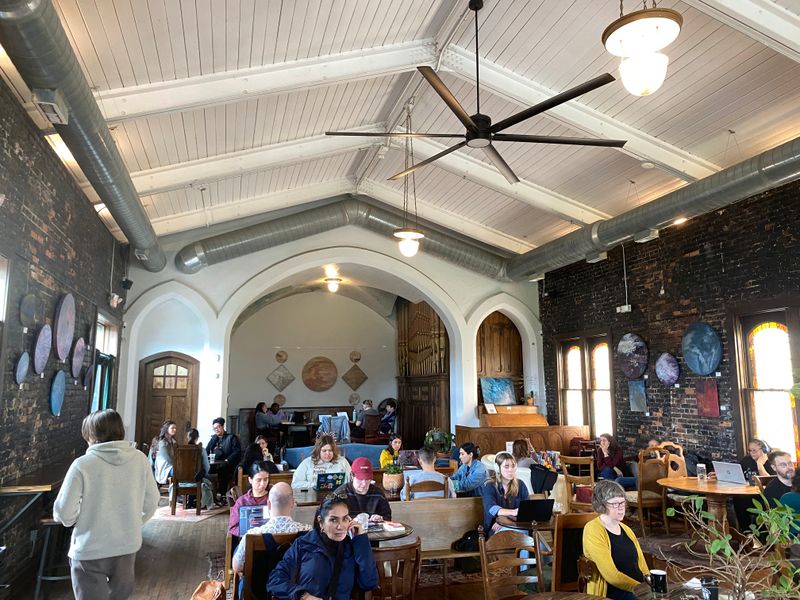
The doors open into a wide, open room that immediately reveals the building’s past. The former church layout remains intact, with high ceilings and long sightlines from entrance to counter.
Stained glass windows line the walls, and the original architecture frames the café’s modern setup. The balance between preservation and adaptation is clear from the start.
At the front, pews have been repurposed into shared seating areas. Their structure naturally organizes the room into rows that feel intentional rather than improvised.
Guests settle in with laptops, notebooks, and coffee cups arranged neatly along the wood surfaces. The former altar area now functions as the main service counter.
The layout encourages conversation but also supports quiet work. You do not need to lower your voice, but you also do not feel pressured to fill the silence.
Historic details remain visible throughout the space. Decorative trim, wood beams, and original fixtures anchor the café in Detroit’s architectural history.
The transformation feels thoughtful rather than dramatic. It respects what was there before while giving the building a new role in the neighborhood.
Stained glass that changes the coffee
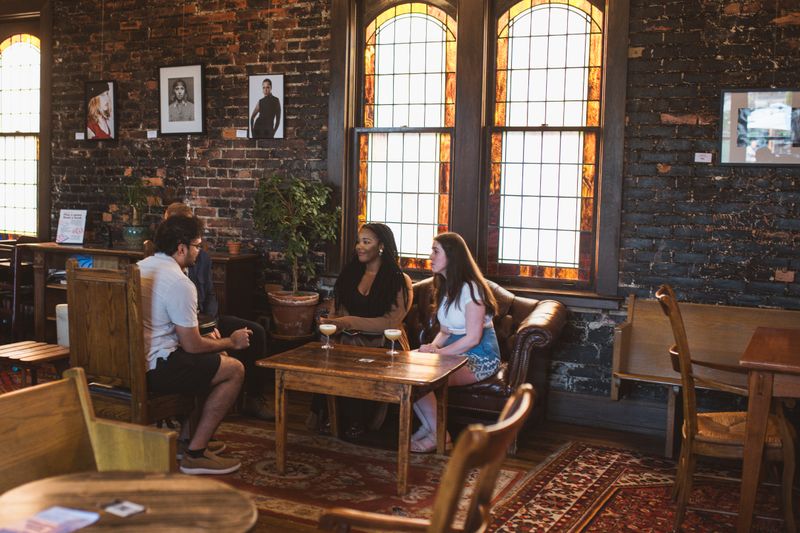
The stained glass windows are more than decoration. They define how the space feels throughout the day.
Light shifts across tables and seating areas as the hours pass. The room changes subtly without any adjustments to fixtures or lighting systems.
Different windows cast different tones across the interior. Depending on where you sit, your view of the space may look slightly different.
Guests often choose their seats based on the windows nearby. Some prefer brighter sections, while others settle into quieter corners.
The glass creates natural focal points throughout the café. It gives the building a distinct identity compared to other Detroit coffee shops.
In the afternoon, shadows stretch longer across the floor. By evening, the windows frame the interior against the surrounding neighborhood.
The preserved glass is a reminder of the building’s original purpose. Today, it simply supports a different kind of gathering.
Pews, pulpits, and perfect posture
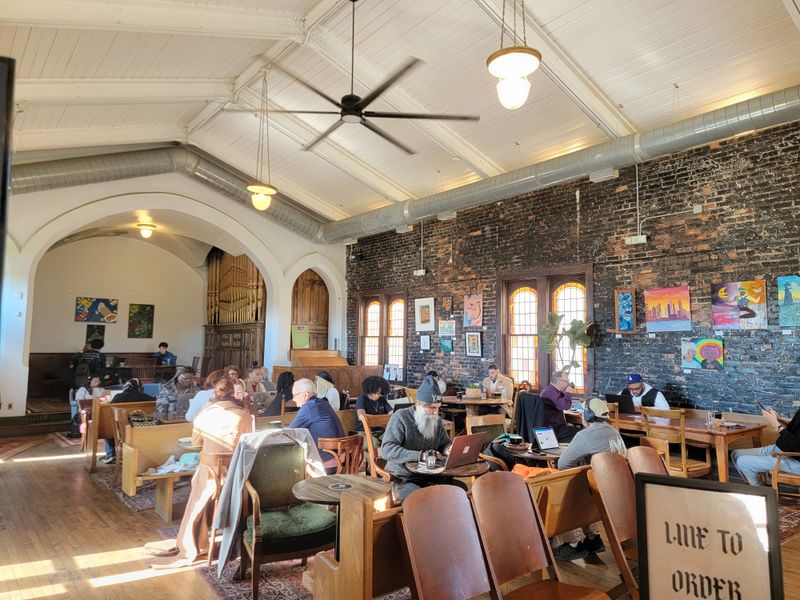
The original pews now function as structured bench seating. Their design naturally shapes posture and workspace layout.
Small tables fit alongside the pews, giving guests room for laptops, drinks, and notebooks. The arrangement feels organized rather than crowded.
You can still see engravings and marks from decades past. Those details remain part of the building’s story.
Across the aisle, former church elements have been adapted into standing work areas. These spots work well for quick emails or short meetings.
The seating encourages focus. It is not overly plush, which makes it practical for both work sessions and casual visits.
Guests rotate in and out smoothly. The layout supports steady movement without feeling rushed.
Every adjustment to the furniture keeps the original structure visible. Nothing feels hidden or overbuilt.
The espresso altar
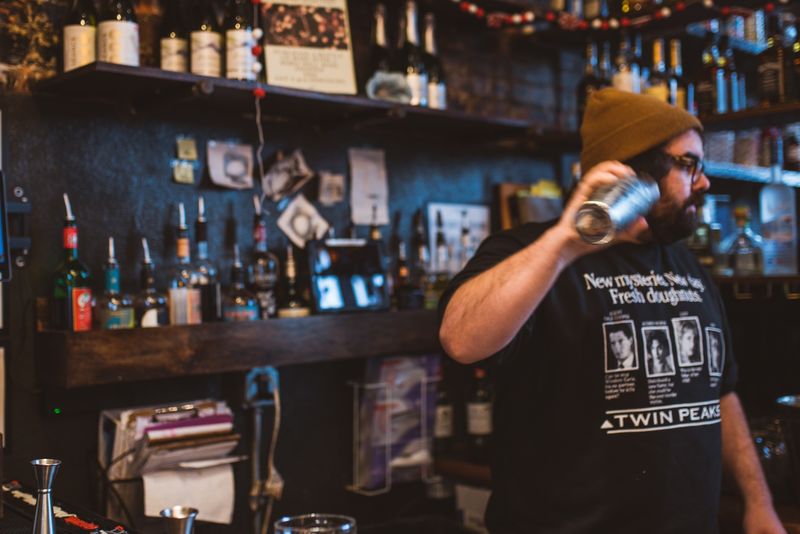
The service counter sits where the altar once stood. It is now the operational center of the space.
Baristas move through orders efficiently, maintaining a steady pace even during busy hours. The process feels structured and consistent.
The menu focuses on core coffee drinks like espresso, pour overs, and matcha. Seasonal additions rotate throughout the year.
Alternative milk options are readily available. Customizations are handled without hesitation.
Food offerings include sandwiches and pastries sourced locally. The selection is streamlined but dependable.
Orders move quickly from counter to guest. The workflow keeps the line manageable, even during peak times.
The ritual of ordering and pickup repeats throughout the day. It is routine, but it never feels mechanical.
Soundtrack under cathedral ceilings
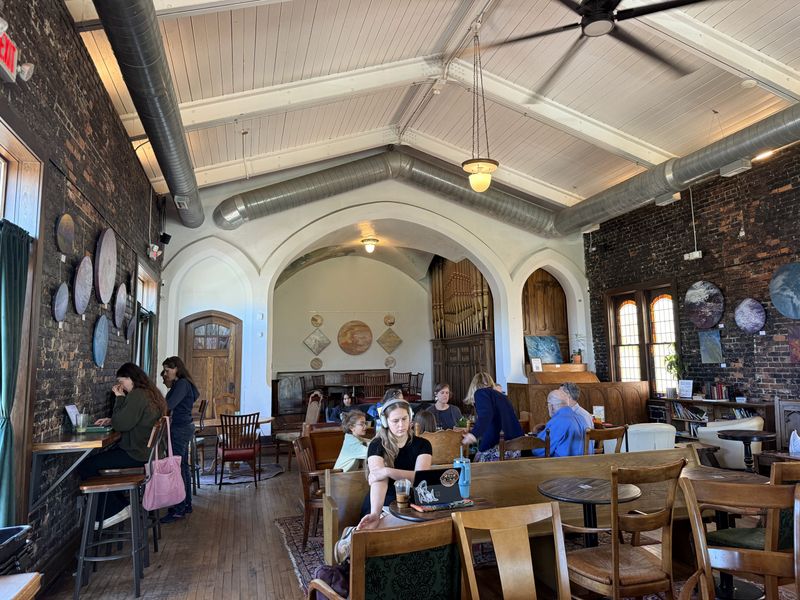
The high ceilings influence how sound travels through the café. Conversations carry, but rarely overwhelm the room.
In the early hours, the space supports quiet work sessions. Later in the day, the energy gradually increases.
Music plays in the background, typically subtle and modern. On select evenings, DJs set up in designated areas.
Events draw a mixed crowd of neighborhood residents, students, and visitors. The environment remains welcoming rather than exclusive.
Even during busier times, the acoustics prevent the space from feeling chaotic. The building absorbs activity in a balanced way.
Small everyday sounds mark the rhythm of the day – the door opening, orders being called, chairs shifting.
Together, these elements create a steady atmosphere that fits both work and social visits.
Outside like a pocket park
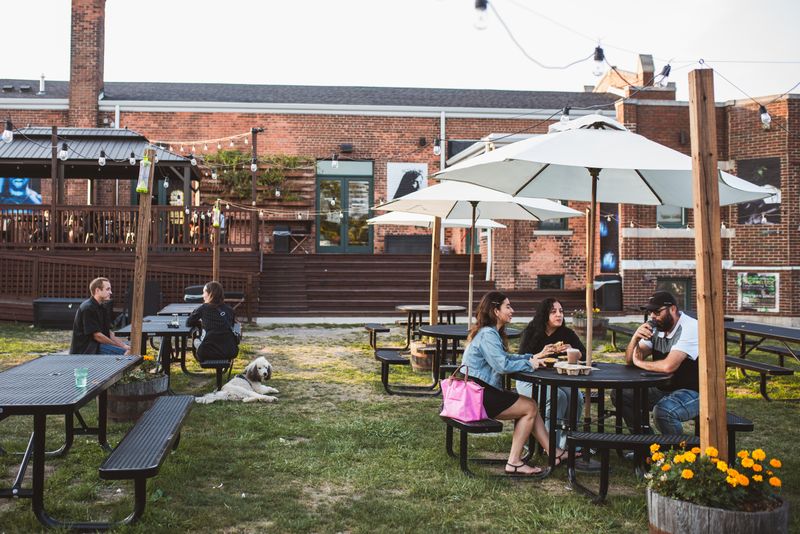
Step outside and the patio extends the experience into the neighborhood. A wooden deck and lawn area create additional seating.
Tables are spaced with enough room for conversation. The setup feels integrated into the block rather than separated from it.
String lights and covered seating make the patio usable across multiple seasons. Heaters extend its comfort into cooler months.
Traffic along Rosa Parks Boulevard remains present but unobtrusive. The patio feels connected to the city without being dominated by it.
On market days, local vendors set up along the lawn. These events increase foot traffic and bring additional energy to the block.
The outdoor space functions like a shared front yard for Boston-Edison. It encourages longer visits and repeat returns.
What to order when you mean it
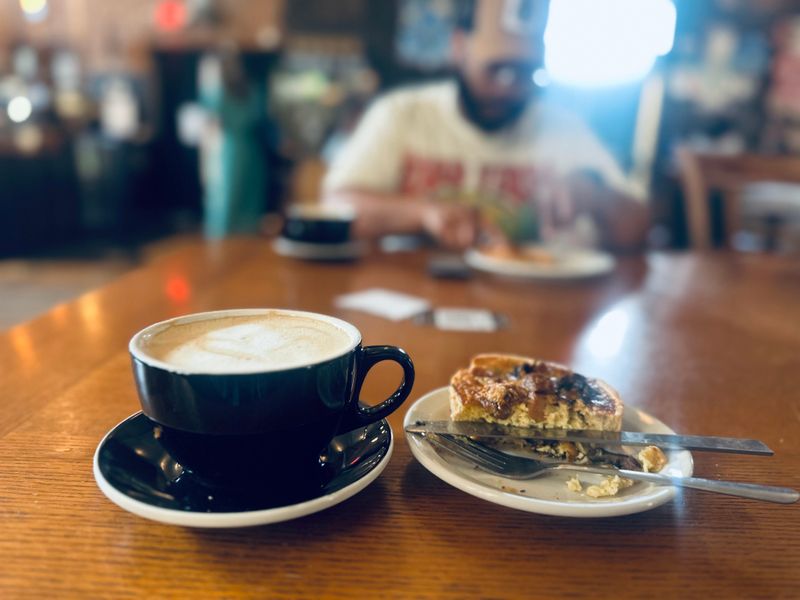
If you want a litmus test, start with the lavender latte. It lands floral but not perfumey, a top note that lifts rather than perfumes.
Ask for it with oat milk if you like the texture creamier and the edges rounder.
Sandwiches come honest: turkey melt, beet, or chickpea, built on sturdy bread that takes heat well. The turkey can lean mild, so add a mustard packet and a pinch of salt, and it wakes up.
The beet sandwich surprises, earthy and sweet with a vinegar flick that sharpens the sip after.
Pastries rotate from local bakers. Look for the almond croissant or anything with cardamom.
If soup appears on the board, trust it when the day is gray.
For a non coffee lane, chase the carrot cake chai. It tastes like spice drawer and birthday memory, not frosting.
If you want fewer sweets, a straight double pulls tight and clean, best sipped near a window where the crema catches color.
Working rules that actually help
There is WiFi and a two hour limit, and it is not a threat. It keeps seats moving, which means latecomers actually find a table and the room avoids that stale study hall grind.
Most people finish what they came to do because constraints sharpen outlines.
Outlets hide under pews and along side walls. You learn to choose a seat for power or light, not both, and the trade makes you deliberate.
Midday is peak laptop hour, so mornings before ten or a late afternoon slide after three feel better for focus.
Conversations hum at table height. If you need to pitch on a call, step to the patio or toward the vestibule corner where sound pools less.
The bar staff keeps the line crisp, which lowers overall friction and keeps the day polite.
Bring headphones if the Thursday house set is on your calendar. Leave room in your bag for a pastry you did not plan on.
When you pack up, wipe the crumbs and tuck the chair; everybody notices, nobody claps, and the place works because of it.
Neighbors and numbers that matter
The Congregation anchors a corner of Boston Edison where historic homes wear slate roofs and deep porches. Walk a block and you hear wind in big maples and the low thrum of a mower.
Free parking tucks along side streets, and most folks drift in on foot when the weather cooperates.
Detroit’s independent coffee scene keeps expanding, with citywide café counts up in the last few years as small businesses refit old spaces. Here, the repurpose is not a gimmick.
It is neighborhood infrastructure with caffeine.
Reviews tilt high, near five stars, and the comments read like notes to a friend: come for the light, stay for the vibe, the staff makes it easy. There are quibbles about sandwich pricing and a rare service misfire, which is honest context you can use.
The presence of The Rectory next door means dinner can follow your afternoon without moving the car.
On market days, vendors multiply foot traffic and slow departures. On quiet mornings, you can hear the mail truck idle across the boulevard.
The block functions like a front yard you share with strangers who feel less strange by the second.
Timing, lines, and small advantages

Arrive just after opening on weekdays and you will catch the room in a gentle exhale. Seats are open, the bar moves quick, and you can mark a whole hour of work before emails turn feral.
By eleven, the hum thickens and the pews fill like a matinee.
Weekends run on family time and friend clusters. The patio carries overflow when the forecast smiles.
If you want a corner inside, skim the stained glass wall first and slide into the shadow of the pillar near the side aisle.
Lines look longer than they are. The bar’s precision clears them in steady strokes, but order food and a drink together if you are racing a deadline.
If an event is posted, pad your plan by fifteen minutes and treat it as a buffer, not a bother.
Closing hour stretches soft, not abrupt. Last calls happen with clarity, not barked.
Step outside with your cup and the neighborhood’s evening sounds pick you up where the machine leaves off.
A soft exit and a reason to return
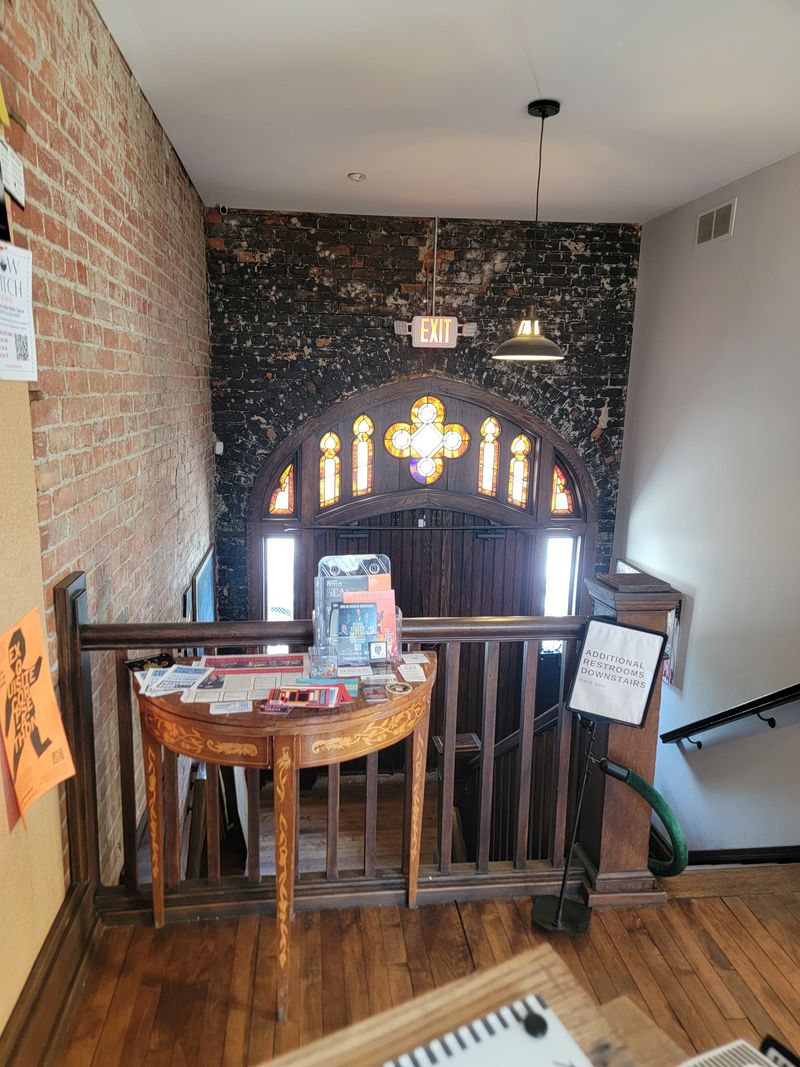
Dusk tucks the building into itself and the windows glow like embers. You push the door and the hinge gives a small hymn, then the city air meets milk and toast on your coat.
Streetlights click on along Rosa Parks, and the brick holds one last warmth.
Across the lawn, The Rectory sign flickers, promising pizza if you are not done being here. A couple peels off toward their car carrying compostable cups like little lanterns.
A neighbor with a dog nods hello as if you have met, which in a way you have.
By the time you reach the corner, the coffee is gone and a fine lemon sugar note lingers. You catch yourself planning another morning, another desk, another beam of color to write under.
The building has already outlived several lifetimes. It can handle one more of yours.
If you have been, what light did your cup taste like. If you have not, which hour will you borrow first.
Either way, the door remembers every exit and welcomes you back by name.



