 Unearth The Voyage
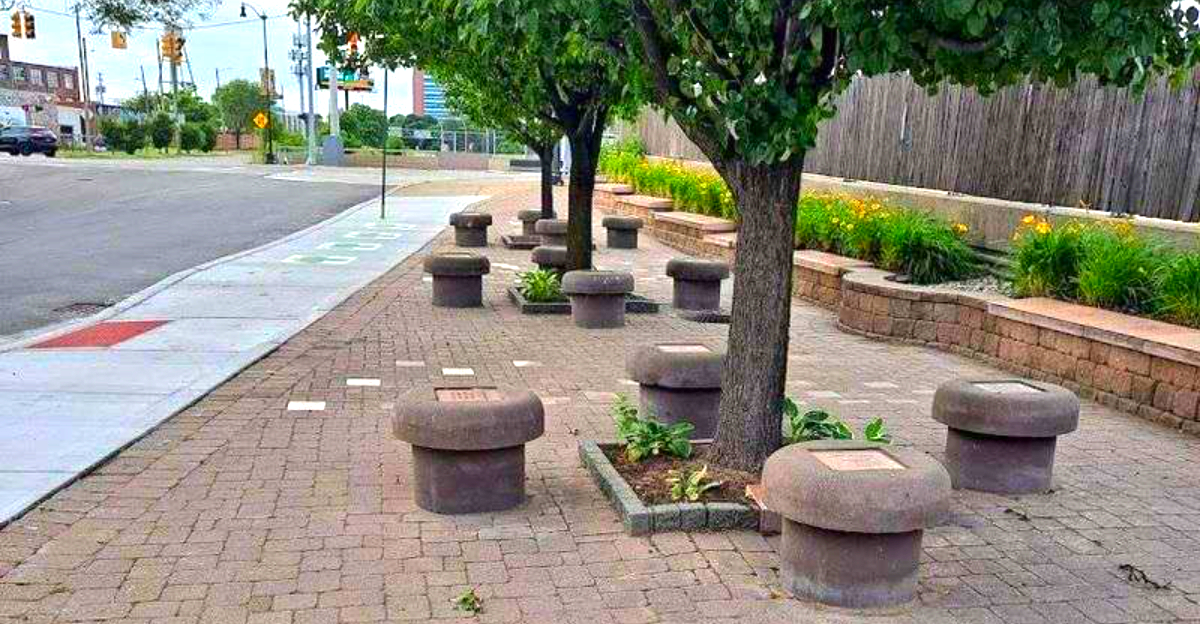
In Corktown, a small park carries more weight than its footprint suggests. It marks the start of a major Detroit tradition and reflects a chapter of the city that often goes overlooked.
Step inside and the details – stonework, layout, even the atmosphere – start telling a quieter story about Irish Detroit. It doesn’t take long to realize this isn’t just another patch of green space.
Where History Has a Home Address
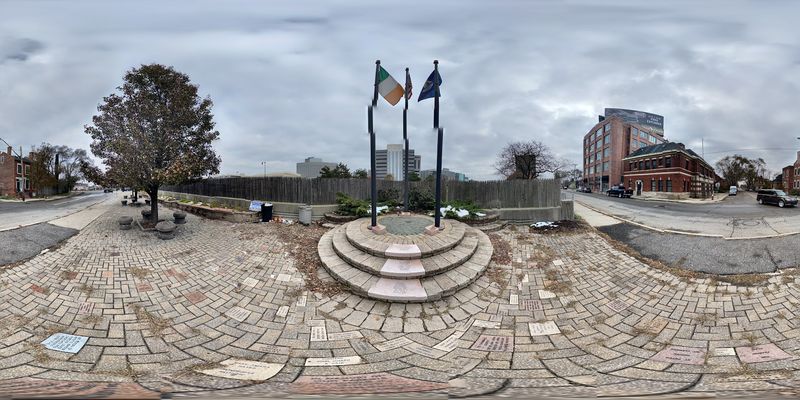
Not every park comes with a story worth telling, but UIS Irish Plaza at Michigan Avenue in Detroit’s Corktown neighborhood, Detroit, MI 48226, earns its place on the map with history and heart.
Corktown is Detroit’s oldest surviving neighborhood, and it takes its name from County Cork in Ireland, where many of its earliest settlers originated. The plaza sits right in the middle of this legacy, grounding visitors in a place where Irish immigrants once built their lives from scratch.
The location is not accidental. Planners chose this spot deliberately to honor the community that once filled these streets with culture, labor, and determination.
You can reach the plaza by calling +1 313-963-5745, and more details are available at detroitirish.org. The park is open daily from 6 AM to 10 PM, making it easy to visit at your own pace, morning or evening.
The Year That Started It All
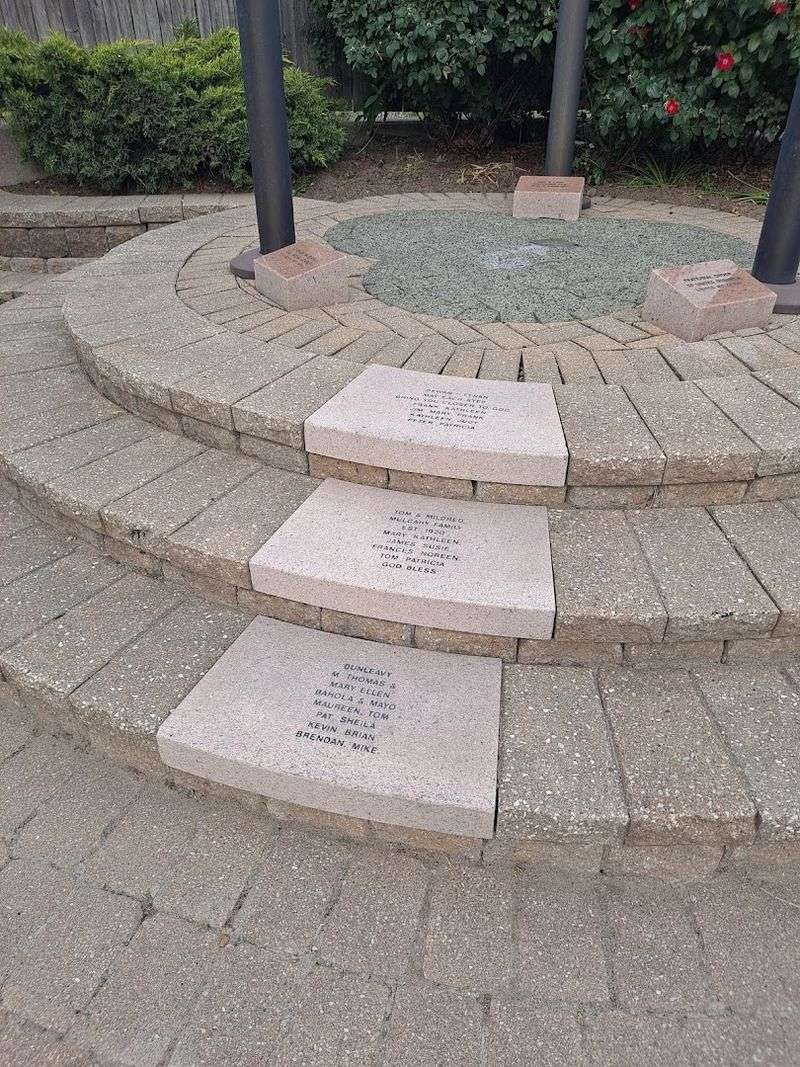
A park does not simply appear overnight, and UIS Irish Plaza is proof that community vision takes time to turn into something real and lasting.
Established in 2006, the plaza was created to give Metro Detroit’s Irish immigrant community and their descendants a dedicated space to gather, remember, and celebrate. Before the plaza existed, there was no single focal point in Corktown where that heritage could be honored in a permanent, physical way.
The year 2006 marked a turning point for the Detroit Irish community, giving them something tangible to point to and say, this is ours. The creation of the plaza was driven by the United Irish Societies, whose initials UIS are proudly included in the park’s official name.
That founding energy still feels present when you walk through the space today, as if the intention behind its creation never fully left the ground it stands on.
What the Name Actually Means
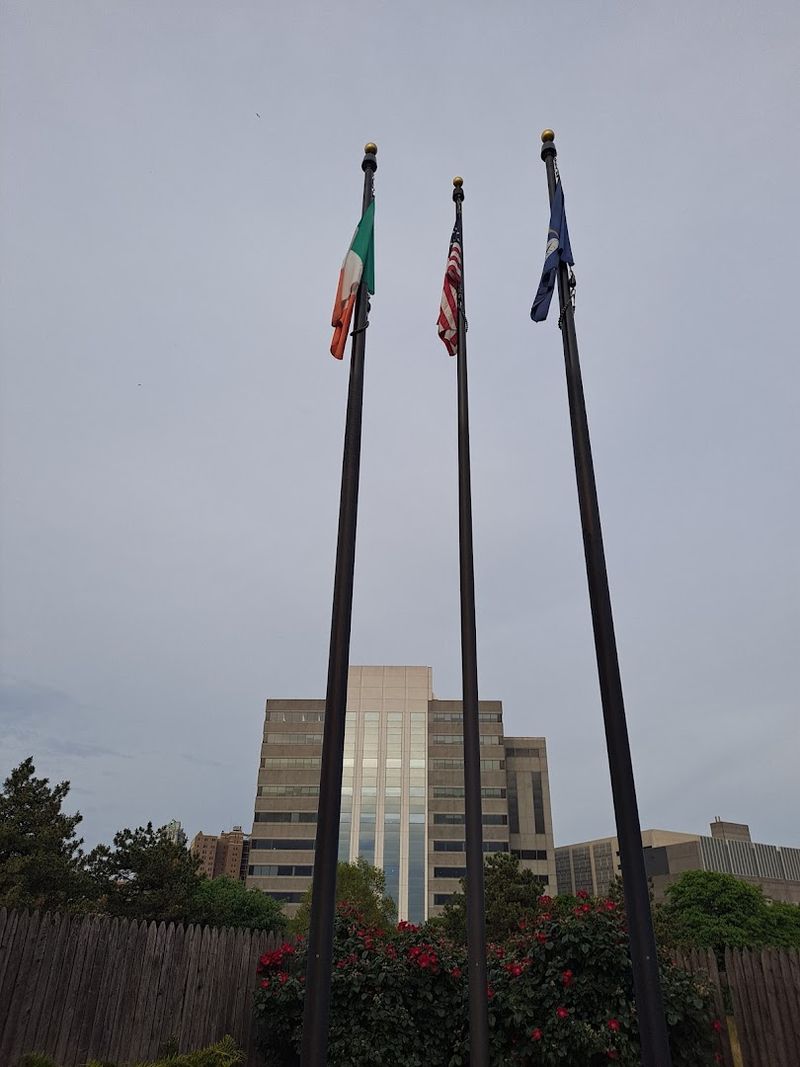
The three letters in front of the plaza’s name carry more weight than most visitors initially realize, and unpacking them adds a whole new layer to the experience.
UIS stands for United Irish Societies, an organization that has been central to Detroit’s Irish community for generations. The group coordinates cultural events, supports Irish heritage programs, and plays a leading role in organizing the annual Detroit St. Patrick’s Parade, which is one of the largest and most spirited parades in the Midwest.
Naming the plaza after the UIS was a deliberate statement of gratitude and recognition, acknowledging the organization’s decades of work keeping Irish culture alive in a city far from the Emerald Isle. It also signals to every visitor that this is not just a decorative green space.
It is a living symbol of a community that organized, advocated, and celebrated together, and still does today.
A Parade’s Official Starting Line
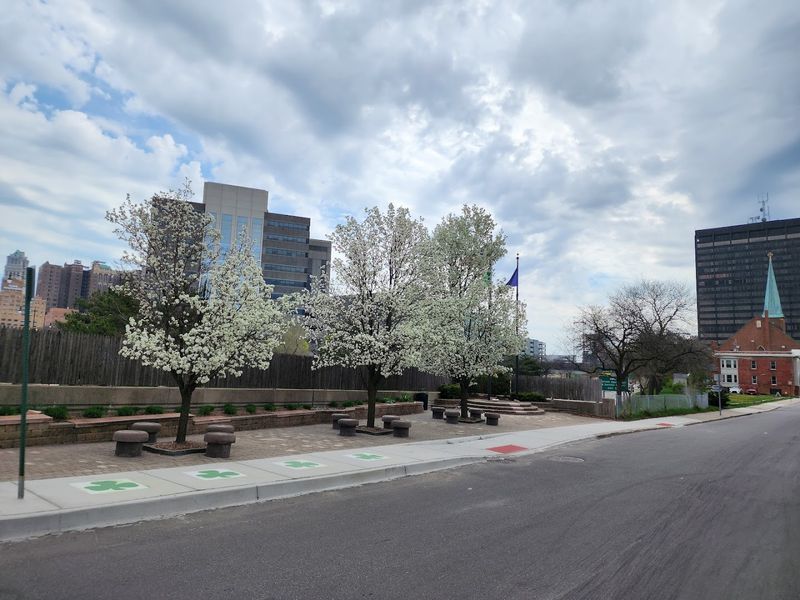
Every great parade needs a great starting point, and for Detroit’s St. Patrick’s Day Parade, that place is right here at the plaza.
Each year, the streets around Corktown fill with green flags, marching bands, and thousands of proud participants who trace the parade route back to this very spot. The Detroit St. Patrick’s Parade is one of the oldest and most well-attended parades in the region, drawing crowds from across Southeast Michigan and beyond.
Standing at the plaza on parade day feels electric in a way that is hard to describe without actually being there. The energy builds slowly in the morning, then reaches a peak when the first groups step off.
For regular attendees, the plaza is not just a geographic marker but an emotional anchor, the place where anticipation turns into celebration every single March, year after year, with no signs of slowing down.
The Art That Tells the Story
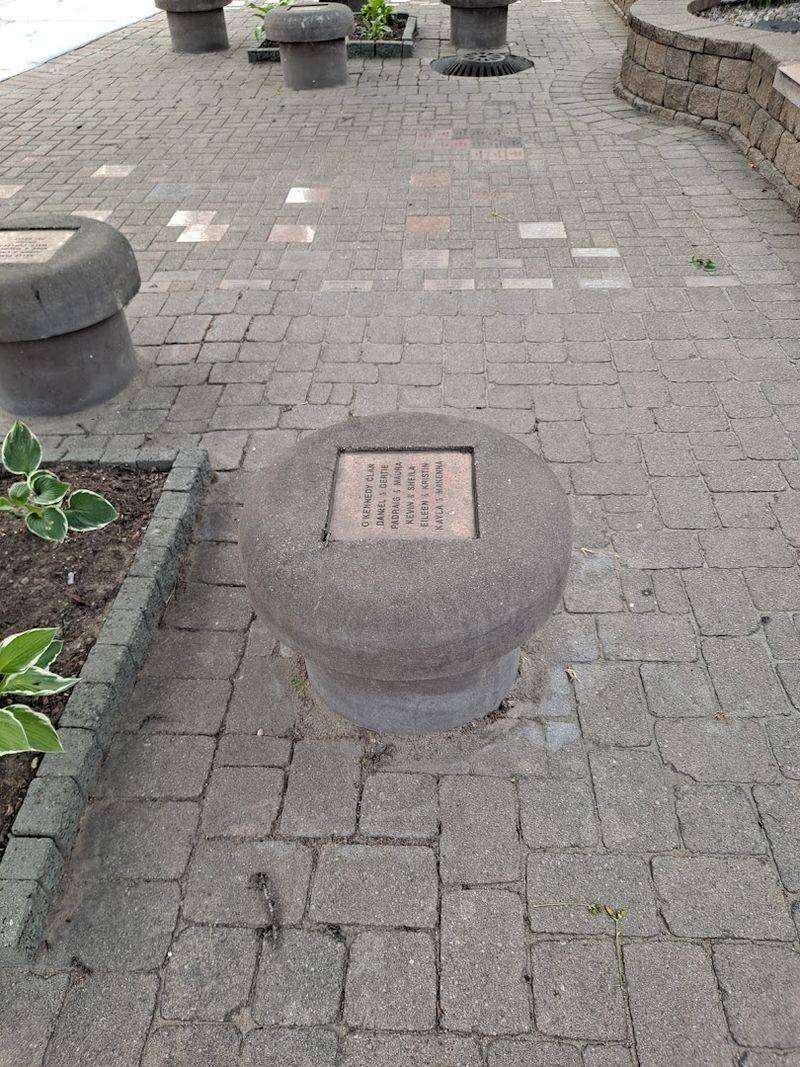
Art has a way of saying what plain language cannot, and the visual elements throughout the plaza do exactly that with quiet confidence.
The park features artwork and design elements that reflect Irish cultural identity, including stonework and decorative details that draw on Celtic traditions. These are not generic decorations placed for the sake of appearance.
Each element was chosen to communicate something specific about the Irish experience, from immigration to community building to cultural pride.
Visitors who take the time to look closely often notice details they missed on a first pass, a carved motif here, an inscription there, each one adding depth to the overall experience. The artistry also makes the plaza genuinely photogenic, which is why it tends to attract not just history enthusiasts but also photographers and curious passersby who end up staying longer than they planned, drawn in by the craftsmanship on display.
Corktown’s Oldest Neighborhood Energy
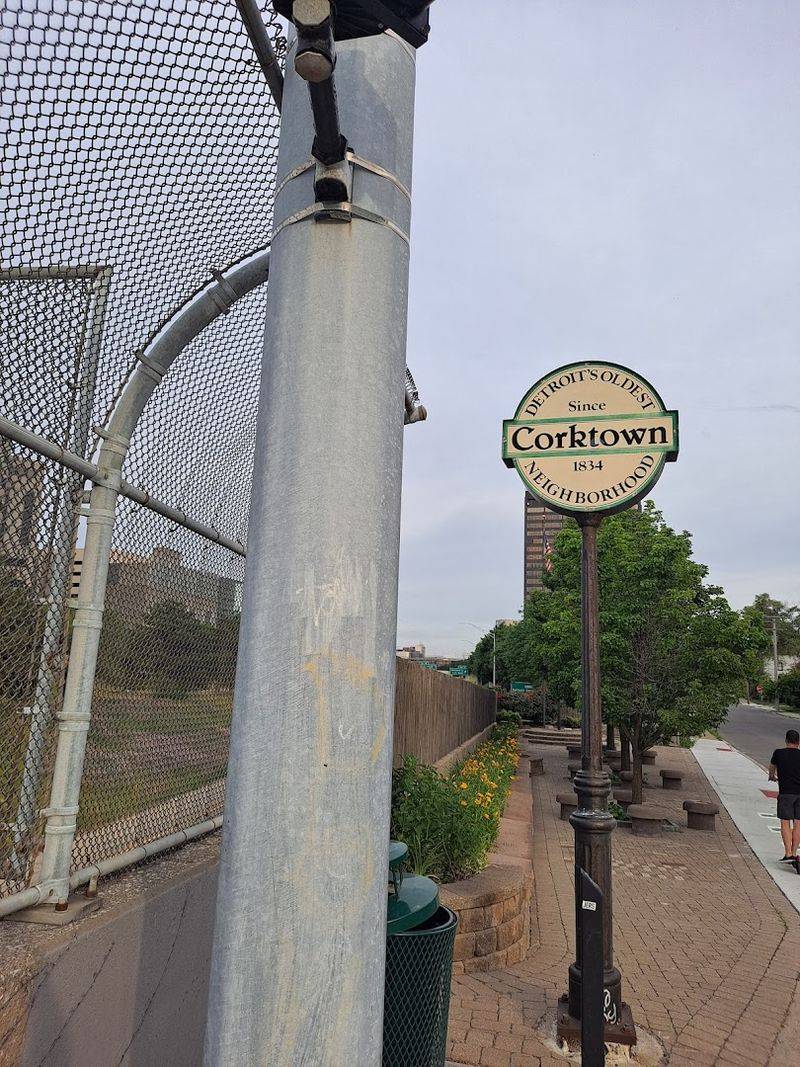
The plaza does not exist in isolation. It is surrounded by one of the most historically rich neighborhoods in all of Michigan, and that context matters enormously.
Corktown earned its status as Detroit’s oldest surviving neighborhood through decades of preservation, community effort, and genuine affection from the people who live and work there. The streets around the plaza are lined with 19th-century architecture, independent businesses, and a cultural atmosphere that feels distinctly different from the rest of the city.
Spending time in Corktown before or after visiting the plaza adds real dimension to the experience. The neighborhood’s Irish roots are not just a historical footnote.
They are woven into the street names, the building styles, and the general character of the area. Corktown has evolved significantly over the years, but it has never completely shed the identity that Irish immigrants gave it, and the plaza stands as the most concentrated expression of that enduring connection.
A Gathering Place for the Community

Some parks are meant for solitary reflection, but this one was built for togetherness, and that purpose shows in how the space is actually used.
Throughout the year, the plaza serves as a gathering point for various events connected to Detroit’s Irish community. Cultural celebrations, commemorative gatherings, and community meetings all find a natural home here, reinforcing the plaza’s role as a living social space rather than a static monument.
The sense of community that surrounds the plaza is something visitors pick up on quickly, even when no formal event is taking place. There is a welcoming quality to the space, a feeling that you are entering somewhere that belongs to people who care about it deeply.
That kind of emotional ownership is rare in public spaces, and it makes the plaza feel genuinely warm rather than simply well-maintained. The next section reveals something specific about how the space looks and feels up close.
The Physical Layout Worth Exploring
The physical design of the plaza is compact but thoughtful, organized in a way that rewards slow exploration rather than a quick glance from the sidewalk.
Stone pathways, open green space, and carefully placed memorial elements create a layout that feels intentional at every turn. The scale is human-sized rather than monumental, which makes the experience feel personal rather than overwhelming.
You are not standing in front of something distant. You are standing inside something meaningful.
Benches and open areas invite visitors to sit and absorb the surroundings rather than simply passing through. The design reflects a philosophy that public memory should be accessible and comfortable, not just impressive.
For families visiting with children, the manageable size makes it easy to explore together without anyone losing interest halfway through. The care put into the physical space mirrors the care the community has invested in preserving the heritage it represents, which says something worth noticing.
What the Ratings Reveal About the Experience
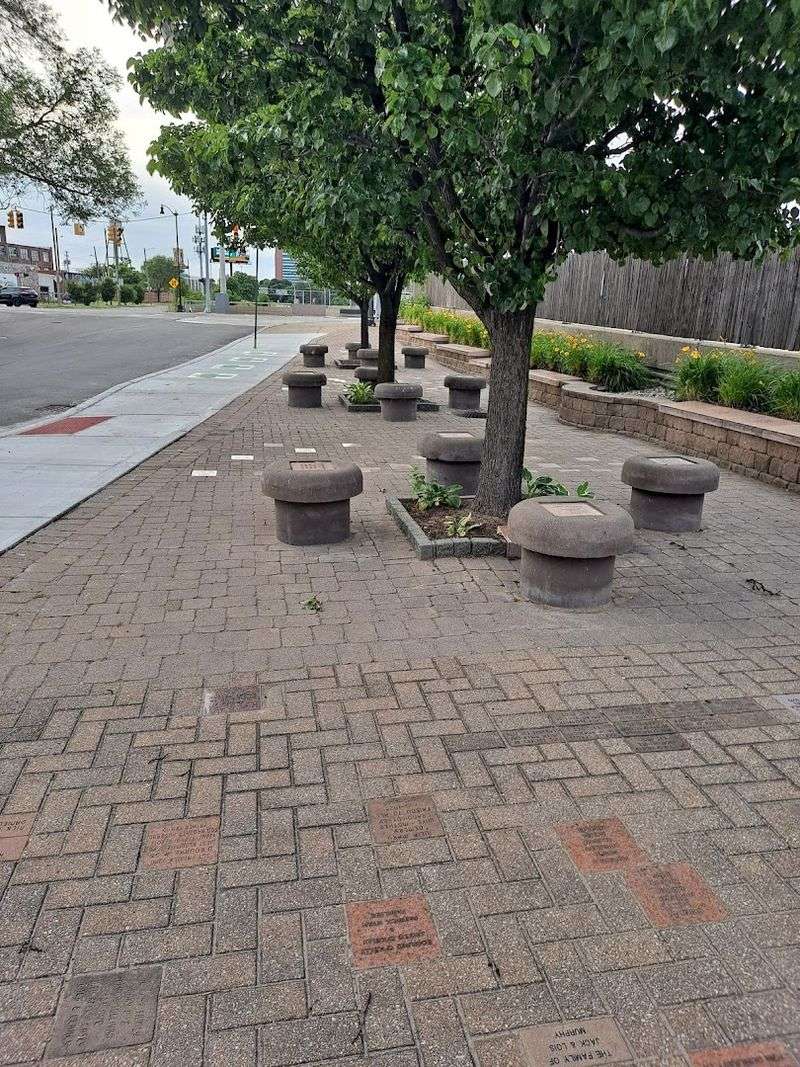
A 4.8-star rating from visitors is a quiet endorsement, and the comments people leave paint a consistent picture of a place that delivers on its promise.
Visitors describe the plaza as a cool and unique spot filled with interesting art and meaningful dedications. The surrounding area gets mentioned frequently as an added bonus, with many noting that there is more to see nearby than they expected.
The consensus is that the plaza rewards curiosity and repays the time you invest in actually looking around rather than just snapping a photo and moving on.
Even visitors who stumbled upon the plaza by chance, with no prior knowledge of its history, tend to leave with a positive impression. The space manages to communicate its purpose clearly without needing a tour guide or an audio program.
That kind of self-explanatory design is harder to achieve than it looks, and it reflects well on everyone who planned and built it.
The Irish Immigrant Story Behind the Stone
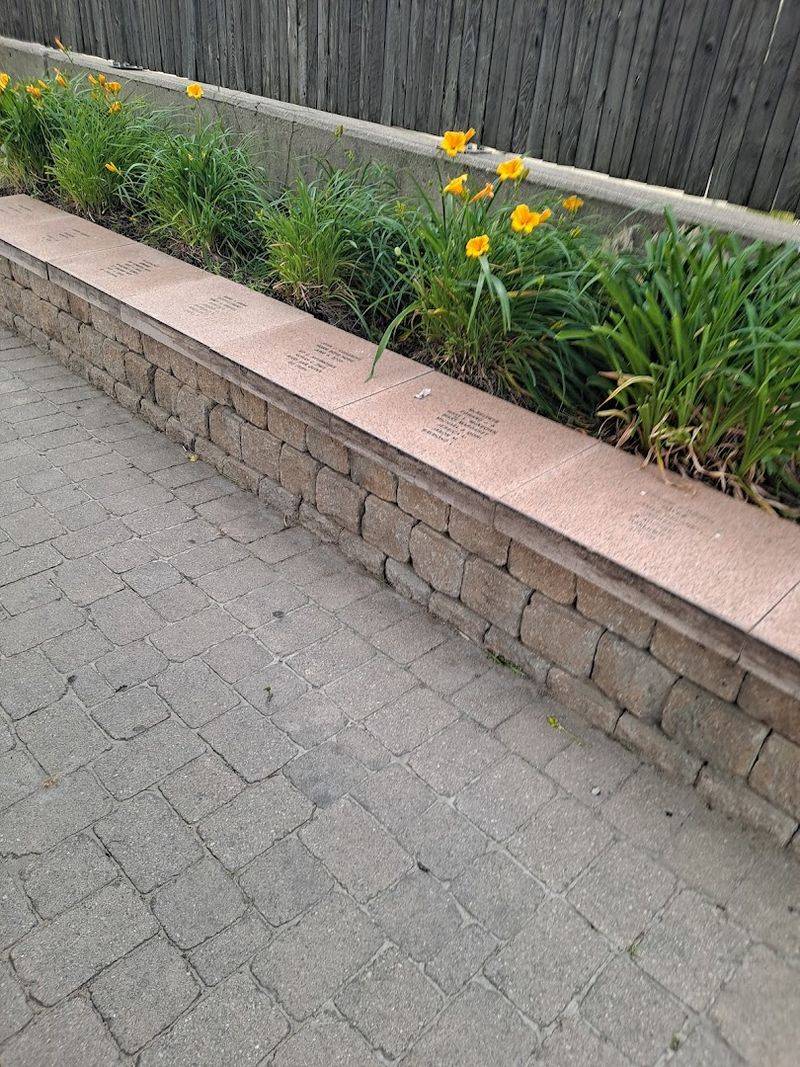
Behind every stone and inscription at the plaza is a human story, and the broader Irish immigrant narrative gives those details real emotional weight.
Irish immigrants began arriving in Detroit in significant numbers during the 19th century, many fleeing hardship and seeking opportunity in a growing industrial city. They settled in Corktown, built churches, established businesses, and formed the tight-knit community structures that helped them survive and eventually thrive.
The plaza honors all of that without romanticizing the difficulty involved.
Understanding the history behind the memorial changes how you read the space. What might look like decorative stonework starts to feel like a record of real lives and real struggles.
The plaza does not shy away from the weight of that history, but it also does not dwell in sorrow. It frames the immigrant experience as a story of resilience and contribution, which is exactly the kind of narrative that public spaces should help preserve for future generations.
Best Times to Visit and What to Expect
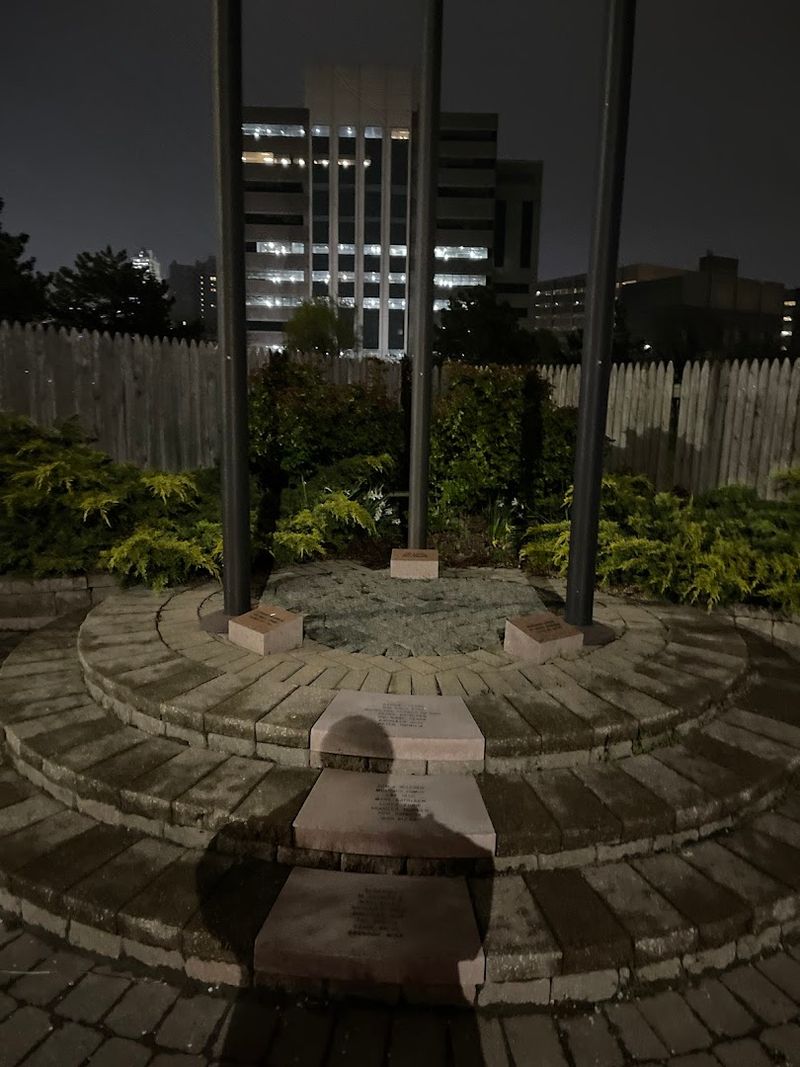
Timing a visit to the plaza can make a meaningful difference in the kind of experience you walk away with, and there are a few windows that stand out above the rest.
The plaza is open every day of the week from 6 AM to 10 PM, giving visitors plenty of flexibility. Morning visits tend to be quiet and reflective, ideal for anyone who wants to take in the space without crowds.
The weeks surrounding St. Patrick’s Day in March transform the entire Corktown area into something festive and lively, and visiting during that period adds a whole new dimension to the experience.
Summer evenings bring a gentle warmth to the plaza that makes it a pleasant spot to unwind after exploring the neighborhood. Weekday visits outside of major events are reliably calm, while weekends draw more foot traffic from tourists and locals alike.
No matter when you go, the plaza tends to offer exactly what you come looking for.
A Corner of Detroit Worth Every Minute
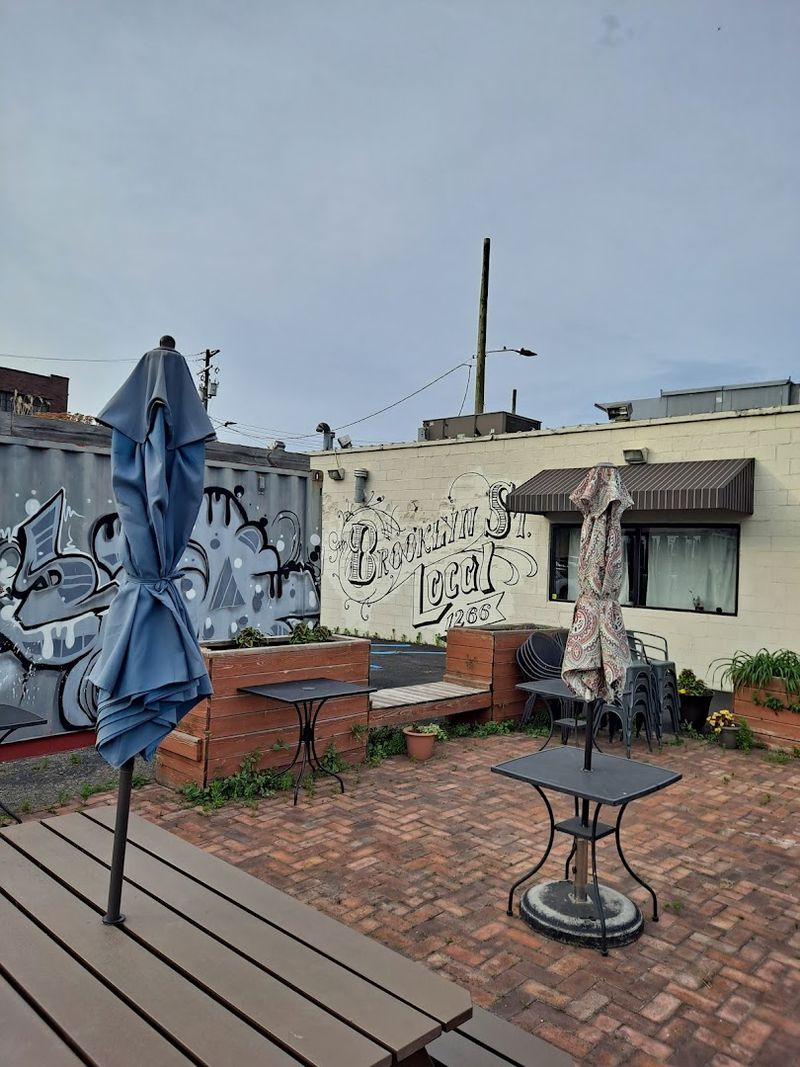
Some places earn their reputation through size or spectacle, but the plaza earns its place in Detroit’s cultural landscape through something quieter and more durable: genuine meaning.
The combination of thoughtful design, deep historical roots, and active community use makes this plaza one of the most rewarding small parks in Michigan. It does not try to be everything to everyone.
It knows exactly what it is, and it delivers that with confidence and consistency.
Visiting the plaza is a reminder that public spaces can carry real stories without becoming heavy or inaccessible. The Irish community of Detroit built something here that speaks across generations, inviting anyone with curiosity or appreciation for history to come and connect with a chapter of the city’s past that deserves far more attention than it typically gets.
That quiet generosity of spirit, the willingness to share the story with anyone who shows up, might be the most Irish thing about it.



