 Unearth The Voyage
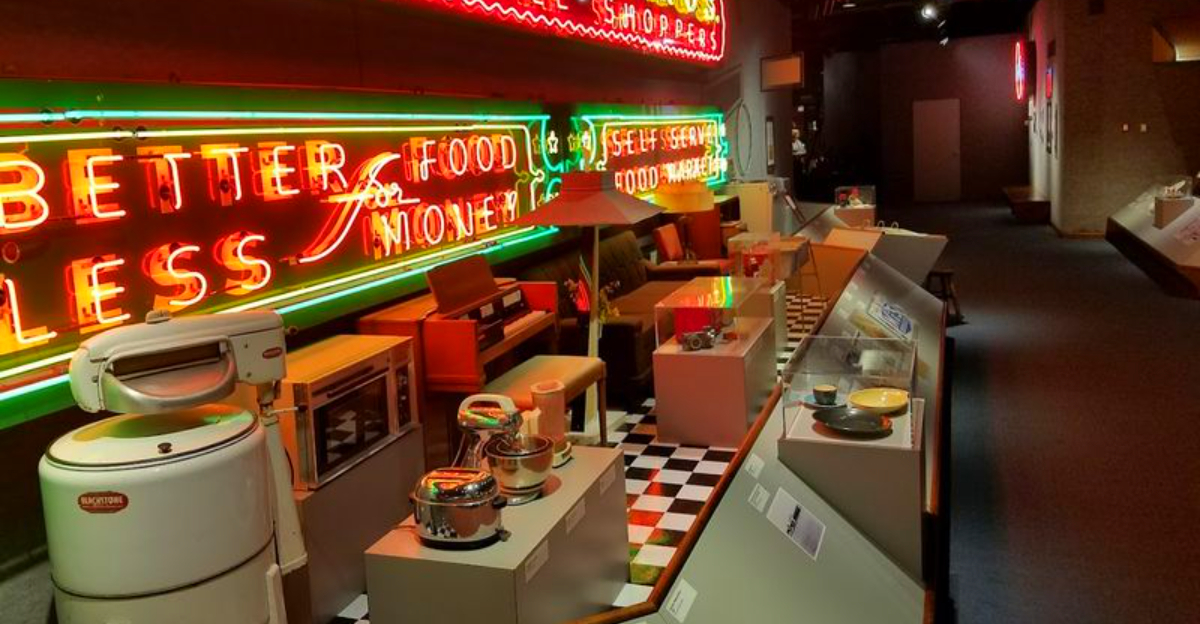
Imagine a place where you can stand next to a rare 1950s concept car with a backup camera, then walk twenty feet and build a water current with your bare hands. That is the kind of afternoon that catches you completely off guard in the best possible way.
I had no idea what to expect when I first heard about a museum in Flint, Michigan that somehow combined automotive history, hands-on science, and a full children’s discovery center under one roof. By the time I left, I had spent nearly three hours inside and still felt like I had missed a few corners worth exploring.
The museum holds a 4.6-star rating from over 1,300 visitors, and after my own visit, that number made complete sense. This article walks you through every major highlight, from the iconic car collection to the toddler-sized neighborhood, so you know exactly what to expect before you go.
Where to Find It and What to Expect at the Entrance
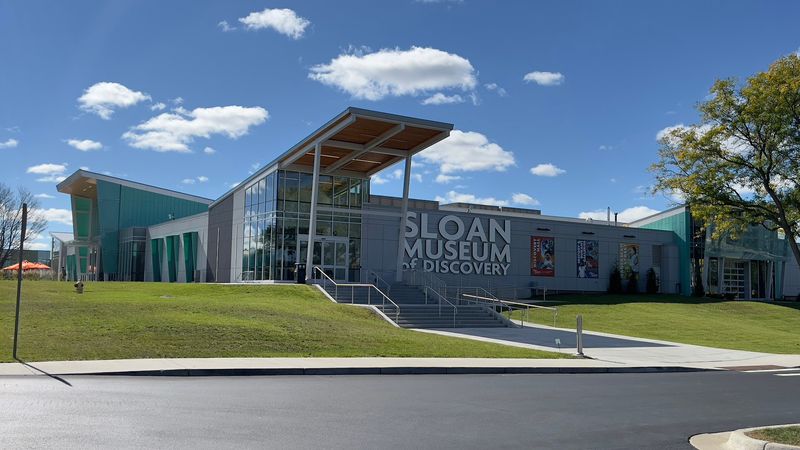
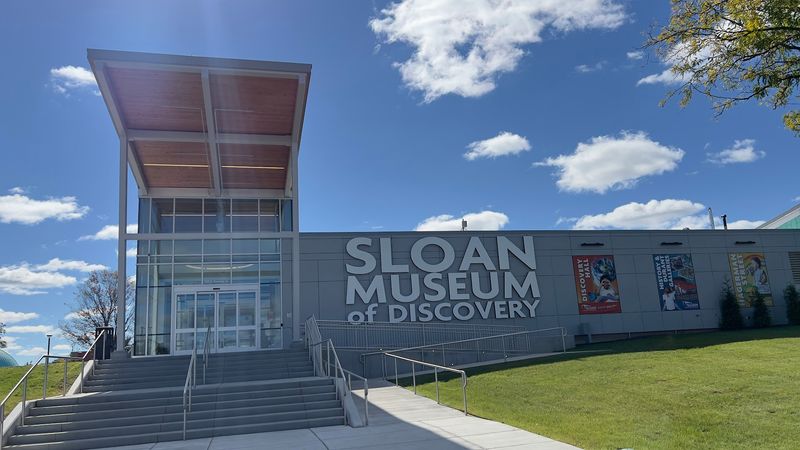
The museum sits at 1221 E Kearsley St, Flint, MI 48503, right inside the Flint Cultural Center, which is one of those compact arts and education districts that packs a surprising amount into a few blocks.
Free parking is available on site, and the building is fully handicap accessible with multiple entrances designed for easy navigation. The lobby is spacious, almost generously so, with clear signage pointing you toward the four main galleries.
Hours run Tuesday through Saturday from 10 AM to 5 PM, and Sunday from 12 PM to 5 PM. The museum is closed on Mondays, so plan accordingly.
You can reach them at +1 810-237-3450 or visit sloanlongway.org/sloan for current ticket prices and special exhibit details.
Genesee County residents get free general admission with proof of residency, while out-of-county visitors pay a modest entrance fee that still represents solid value for a 107,000-square-foot experience.
The Durant Vehicle Gallery and Its Rare Automotive Treasures
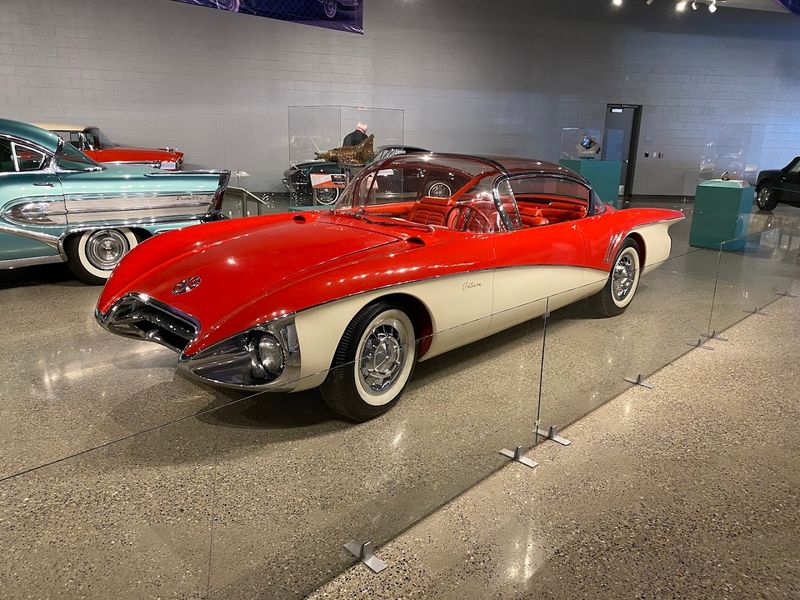
There is something quietly thrilling about standing next to a car that exists nowhere else on earth, and the Durant Vehicle Gallery delivers that feeling more than once.
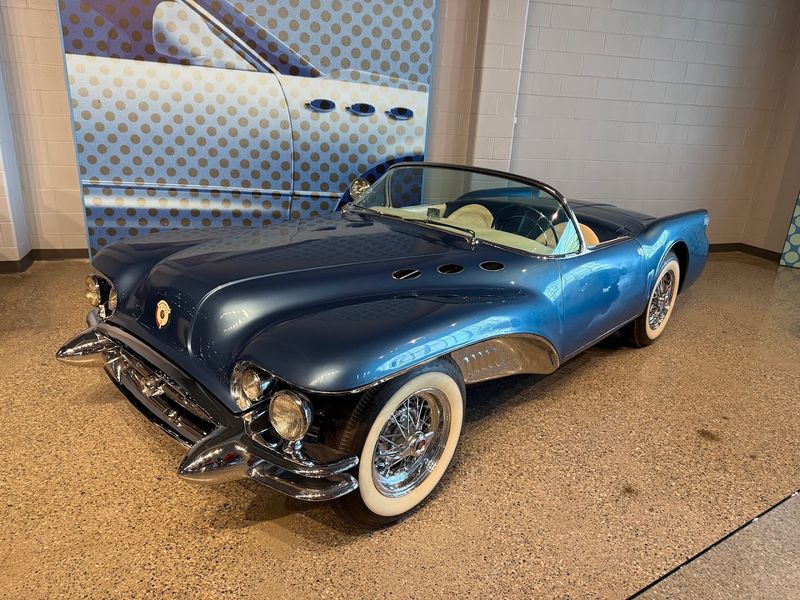
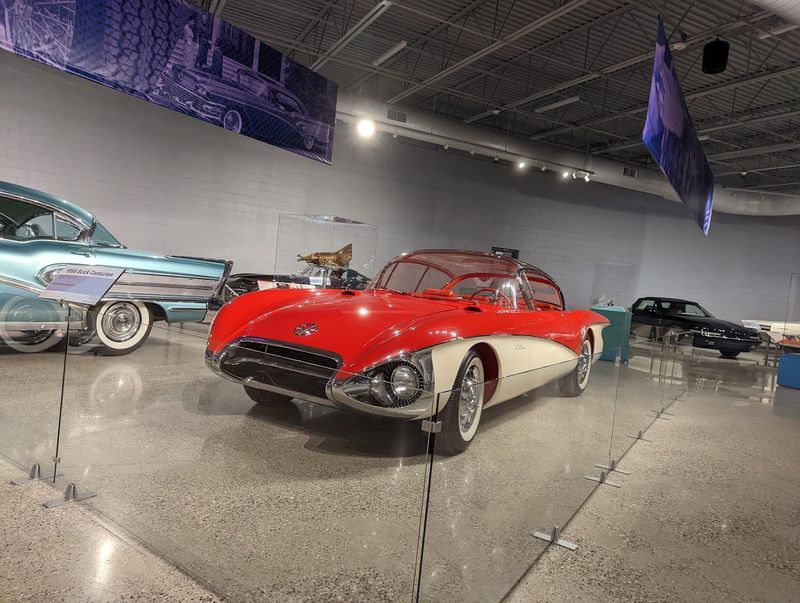
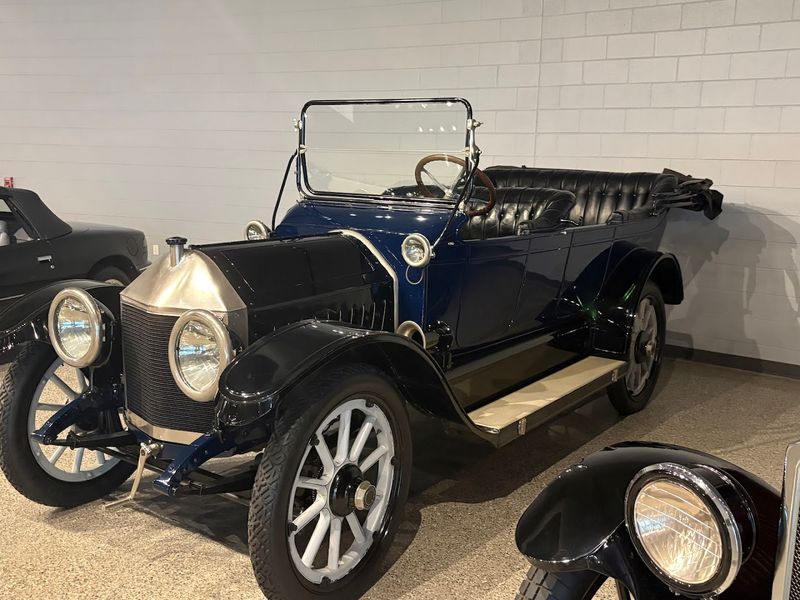
The collection focuses on vehicles built in Genesee County, and the range is genuinely impressive. You will find the world’s second oldest surviving Chevrolet, the Pontiac Phantom concept car, and a 1950s concept vehicle that actually came equipped with a backup camera decades before the technology became standard.
A rotating pedestal displays a different GM concept car each year, so repeat visitors always have something fresh to discover. The interactive assembly line exhibit lets you physically handle car parts and experience a simplified version of how these machines were put together on the factory floor.
The last Buick LeSabre produced at the Buick City Car Factory is also on display here, giving the gallery a sense of closure and tribute to Flint’s manufacturing legacy that feels both honest and moving.
Discovery Hall and the Science of Hands-On Learning
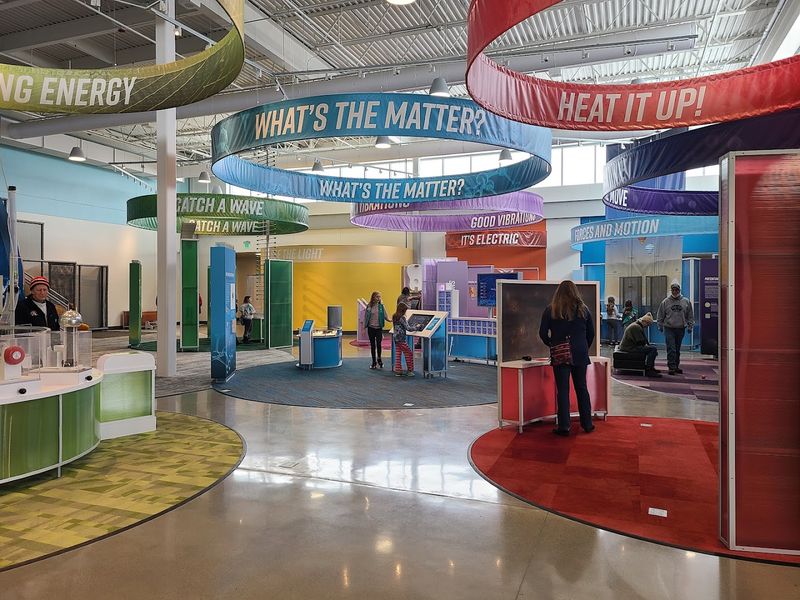
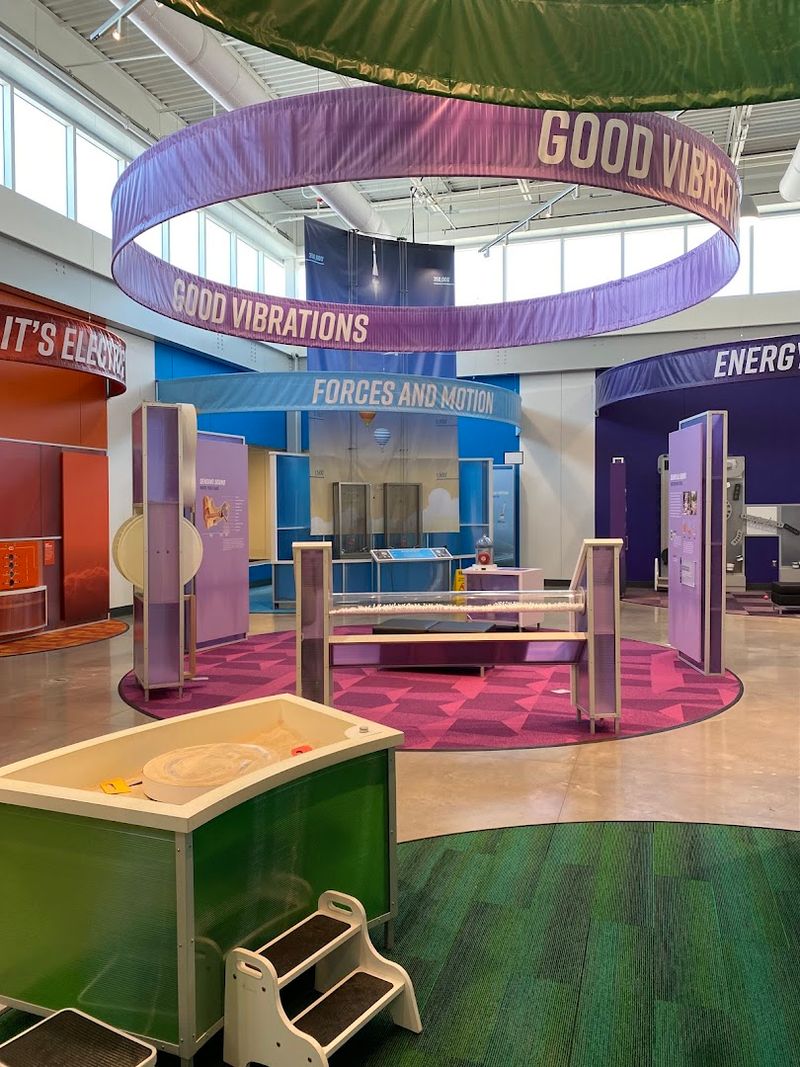
Discovery Hall is where the museum shifts gears entirely, trading chrome and horsepower for physics, earth science, and the kind of curiosity that makes kids forget they are technically learning.
The multi-story earth climber is a standout feature, a physical structure that lets visitors climb through layers representing different geological concepts. The water table nearby draws consistent crowds, and the museum installed a new non-slip floor after early visitors noted the surface could get slippery during enthusiastic play sessions.
Exhibits cover air pressure, aerodynamics, and energy transfer through activities that are tactile rather than text-heavy. You are not reading about how air pressure affects moving objects; you are watching it happen in front of you and adjusting variables yourself.
The staff in this section are noticeably engaged, ready to explain concepts without making it feel like a classroom. Discovery Hall works equally well for curious adults and for kids who just want to touch everything, which is basically everyone.
The History Gallery and Flint’s Layered Past
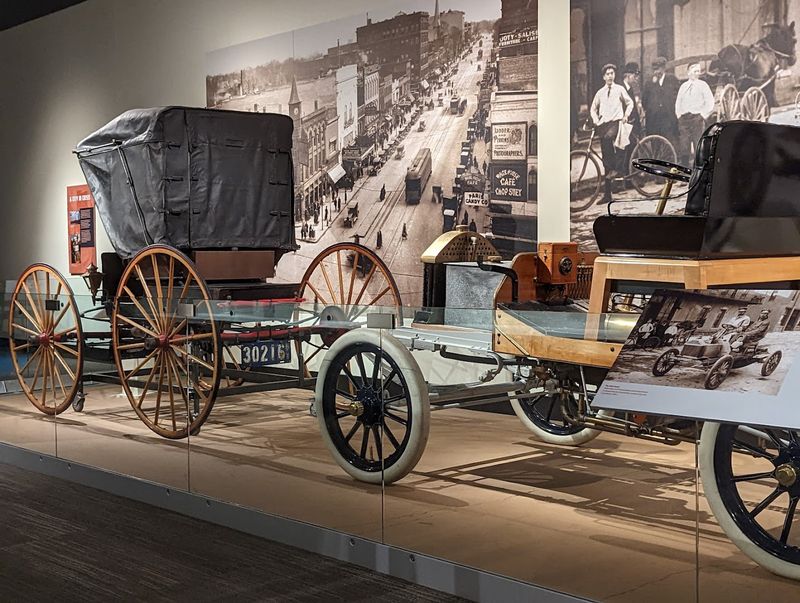
Flint’s history is complicated, layered, and worth understanding, and the History Gallery handles that complexity with more nuance than you might expect from a regional museum.
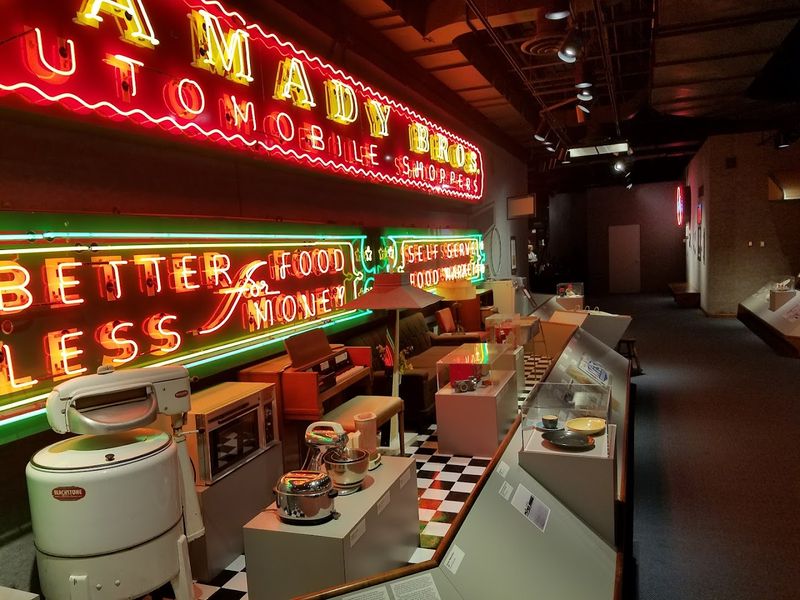
The exhibit begins with the area’s earliest inhabitants, offering a thoughtful and detailed account of Native American life in Genesee County before European settlement. It then traces the rise of the lumber industry, the explosive growth of automotive manufacturing, and the city’s more recent struggles and ongoing recovery.
World War II artifacts are woven into the narrative, connecting local factory output to the broader national effort in a way that makes the history feel personal rather than distant. The exhibit does not shy away from difficult chapters, and that honesty gives the whole gallery a credibility that resonates.
Videos and audio recordings accompany many of the artifacts, which adds context and helps visitors of different ages engage at their own pace. The History Gallery alone justifies a visit for anyone genuinely curious about how American industrial cities were built and what shaped them.
Hagerman Street Early Childhood Learning Gallery for the Youngest Visitors
Designed specifically for children aged zero to six, the Hagerman Street Early Childhood Learning Gallery is one of the most thoughtfully constructed early learning spaces I have seen in a regional museum.
The gallery is built as a child-sized community, complete with a grocery store, post office, ambulance, and mechanic shop. Kids can role-play real-world scenarios using props and costumes, building social and cognitive skills through play that feels completely natural to them.
There is also a dedicated baby area for the youngest visitors, which makes it easy for families with a mix of ages to spend time together without anyone feeling left out. The space is designed to align with kindergarten readiness benchmarks, so the play has genuine educational scaffolding behind it even when it looks like pure fun.
Older kids occasionally wander in and join the imaginative play without any self-consciousness, which says a lot about how inviting the environment feels. It is a well-executed concept carried out with real care.
The Museum’s Impressive Scale and Overall Layout
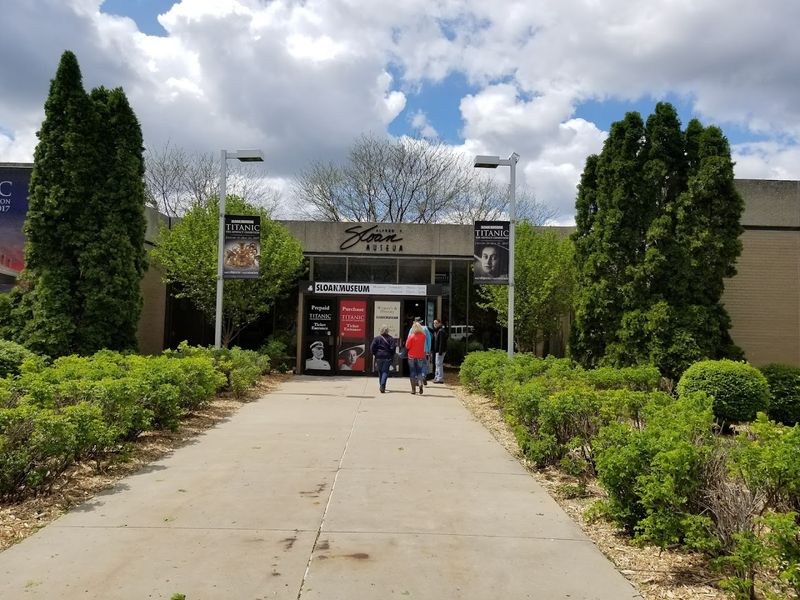
At 107,000 square feet, the Sloan Museum of Discovery is considerably larger than its reputation might suggest to first-time visitors, and the scale becomes apparent the moment you move past the lobby.
The museum expanded from its original 58,000 square feet specifically to accommodate the new hands-on science center while preserving the existing history and automotive galleries. That expansion means you genuinely need two to three hours to cover the highlights, and a full afternoon to feel unhurried about it.
Navigation inside is generally clear, though a few visitors have noted that interior signage could be more intuitive in certain transition areas between galleries. The overall flow moves logically from the entrance through the vehicle and history sections before opening into the science and children’s areas.
Bathrooms are plentiful and well-maintained throughout the building, which is the kind of practical detail that matters enormously when you are visiting with young children. The sheer variety packed into this space is one of the museum’s strongest arguments for repeat visits.
Special Traveling Exhibits That Keep Things Fresh
One of the smartest things the museum does is rotate special traveling exhibits every few months, which gives regular visitors a genuine reason to come back rather than feeling like they have seen everything.
The upcoming Ice Dinosaurs exhibit, running January 20 through May 3, 2026, explores polar dinosaurs that lived in cold, dark, snowy environments year-round. It is the kind of subject that sounds unusual enough to pull in visitors who might not otherwise prioritize a museum day trip.
Past traveling exhibits have included a Real Bodies display and Mazes and Brain Games, showing a deliberate range of topics designed to appeal to different age groups and interests. Some traveling exhibits carry an additional charge beyond general admission, so checking the website before your visit helps you budget accurately.
The museum is transparent about which exhibits are included in general admission and which require a separate ticket. That transparency, combined with the consistent quality of the rotating programming, keeps the calendar worth watching throughout the year.
The Annual Auto Fair and Community Events
The museum’s connection to Flint’s automotive identity extends well beyond its indoor galleries, most visibly through the Annual Sloan Museum Auto Fair held each summer at Crossroads Village and Huckleberry Railroad.
The 54th Annual Auto Fair is scheduled for June 27 and 28, 2026, and the event draws car enthusiasts, families, and community members together for a weekend that blends vehicle displays with live music and food vendors. It is one of the longer-running automotive events in Michigan and carries the kind of local pride that makes it feel like a genuine community gathering rather than a commercial production.
The museum also hosts seasonal events throughout the year, including a Christmas tree lighting that draws visitors for free admission during the holiday season. Birthday parties are another popular offering, with packages that include dedicated space, staff support, and food, making the museum a practical and memorable venue for young children’s celebrations.
These events extend the museum’s reach well past its Tuesday through Sunday operating hours and reinforce its role as a community hub.
Educational Programs and School Field Trip Opportunities
Beyond walk-in visits, the museum runs a structured suite of educational programs that connect directly to Next Generation Science Standards and Michigan Curriculum benchmarks for children aged zero to eight.
Field trip packages give school groups access to over 40 exhibits along with guided programming that reinforces chemistry, physics, and earth science concepts through hands-on, imaginative play. Teachers appreciate that the content aligns with what students are already studying in the classroom, making the trip feel like an extension of learning rather than a break from it.
In-classroom programs are also available for educators who cannot arrange transportation to the museum, bringing museum-quality materials and facilitated activities directly to students. The range of programming reflects a genuine commitment to the surrounding community, particularly given that Flint has faced significant educational resource challenges in recent decades.
Booking in advance is strongly recommended for group visits, especially during the school year when field trip slots fill quickly. The museum’s education team is reachable through the main website for scheduling and program details.
Practical Tips for Getting the Most Out of Your Visit
A few practical details can make the difference between a smooth visit and a mildly frustrating one, so here is what I wish I had known before arriving.
The Coffee Beanery inside the museum is a convenient spot for a mid-visit break, but beverages cannot be carried into the exhibit galleries, so plan your coffee timing around your tour rather than during it. The gift shop near the entrance is worth a quick stop, particularly for science-themed items that extend the learning conversation after you leave.
Non-slip shoes are a smart choice if you are bringing young children, especially near the water table area in Discovery Hall, even though the museum has since installed a new non-slip floor surface. Arriving close to the 10 AM opening on weekdays tends to mean smaller crowds and more room to move through the exhibits at your own pace.
Budget at least two to three hours for a thorough visit, and keep the website bookmarked so you catch traveling exhibit announcements before they sell out.
Why the Sloan Museum of Discovery Deserves a Spot on Your List
Not every museum manages to serve toddlers, teenagers, car enthusiasts, and history buffs equally well, but this one comes remarkably close to threading that needle.
The combination of a serious automotive collection, a comprehensive regional history gallery, and a genuinely excellent children’s science center gives the museum a range that is unusual for a mid-sized American city. The 4.6-star rating across more than 1,300 reviews reflects consistent satisfaction rather than a single exceptional visit or a viral moment.
Admission pricing is reasonable for out-of-county visitors and free for Genesee County residents, which lowers the barrier enough that a spontaneous weekday visit is entirely practical. The rotating traveling exhibits and annual community events mean the experience evolves throughout the year rather than staying static.
Flint has a story worth knowing, and this museum tells it with honesty, creativity, and enough interactive energy to keep any visitor engaged from the first gallery to the last. It earns every one of those stars.



