 Unearth The Voyage
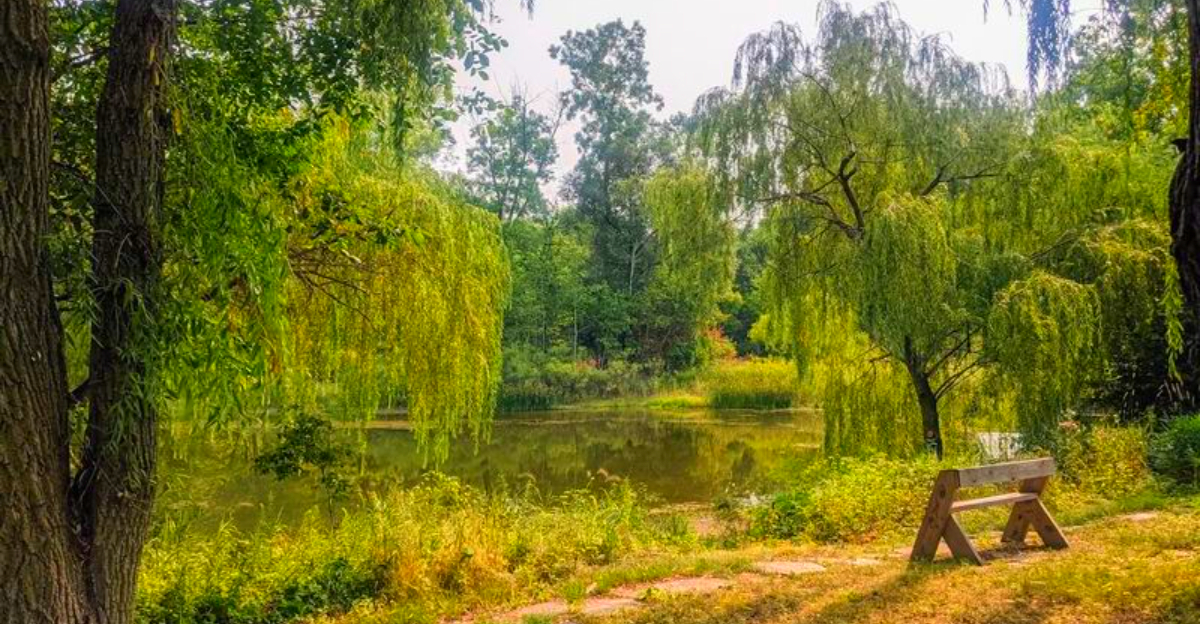
There is a place in Grand Rapids, Michigan, where painted turtles sun themselves on logs, great blue herons stand perfectly still at the water’s edge, and deer move quietly through the trees just a few minutes from busy city streets. I had no idea a spot like this existed until a friend mentioned it almost as an afterthought, and now I keep coming back every season because something new is always happening out there.
The trails wind through native prairie, dense woodland, and wetland habitat, and the whole experience feels worlds away from downtown even though you are practically still in it. What makes this preserve genuinely special is the combination of accessible paths, rich biodiversity, and a calm that is surprisingly hard to find this close to an urban center.
Read on, because this place deserves a lot more attention than it gets.
Where to Find This Hidden Natural Treasure
The full address is 1750 E Beltline Ave SE, Grand Rapids, MI 49546, and the preserve sits right on the edge of the Calvin University campus in the southeast part of the city.
From downtown Grand Rapids, the drive takes roughly ten minutes, which still surprises me every time I make the trip. You pull into a modest parking area and suddenly the noise of the Beltline fades behind you as the tree line takes over.
The preserve is managed by Calvin University and is open to the public seven days a week from 7 AM to dusk, so early risers and evening walkers are both welcome. More information is available at calvin.edu/ecosystem-preserve, where you can find trail maps and seasonal updates before you visit.
A Living Classroom Built Into the Landscape
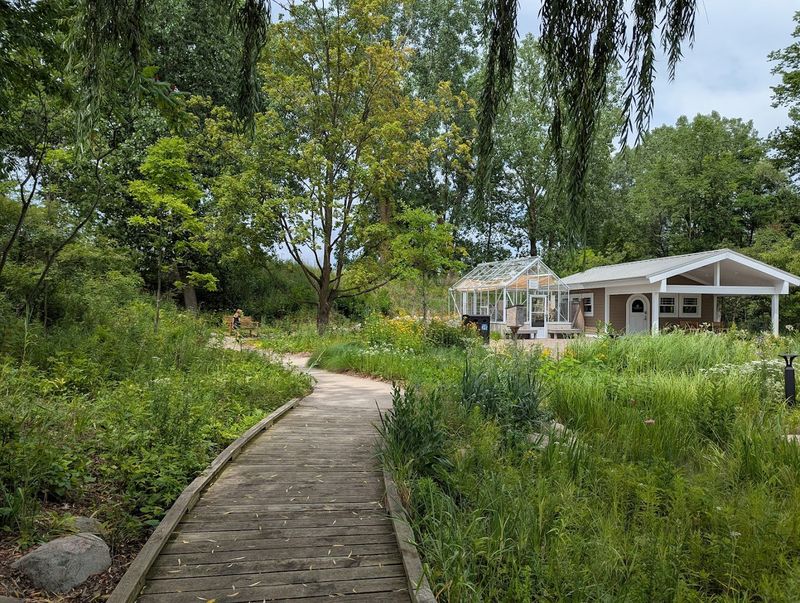
Calvin University did not just set aside land and call it a preserve. The entire ecosystem has been intentionally designed to function as an outdoor learning environment where ecology, biology, and environmental science come alive for students and curious visitors alike.
Interpretive signs are placed along the trails at thoughtful intervals, explaining the plants, the animals, and the ecological processes happening right in front of you. Kids genuinely stop and read them, which is not something you see every day on a nature trail.
Adults find the signage just as useful, especially when trying to identify a particular wildflower or understand why a certain patch of wetland looks the way it does. The preserve manages to educate without lecturing, which is a balance that is harder to strike than it sounds.
Walking through here feels less like a hike and more like a conversation with the land itself.
Native Prairie Sections That Change With Every Season
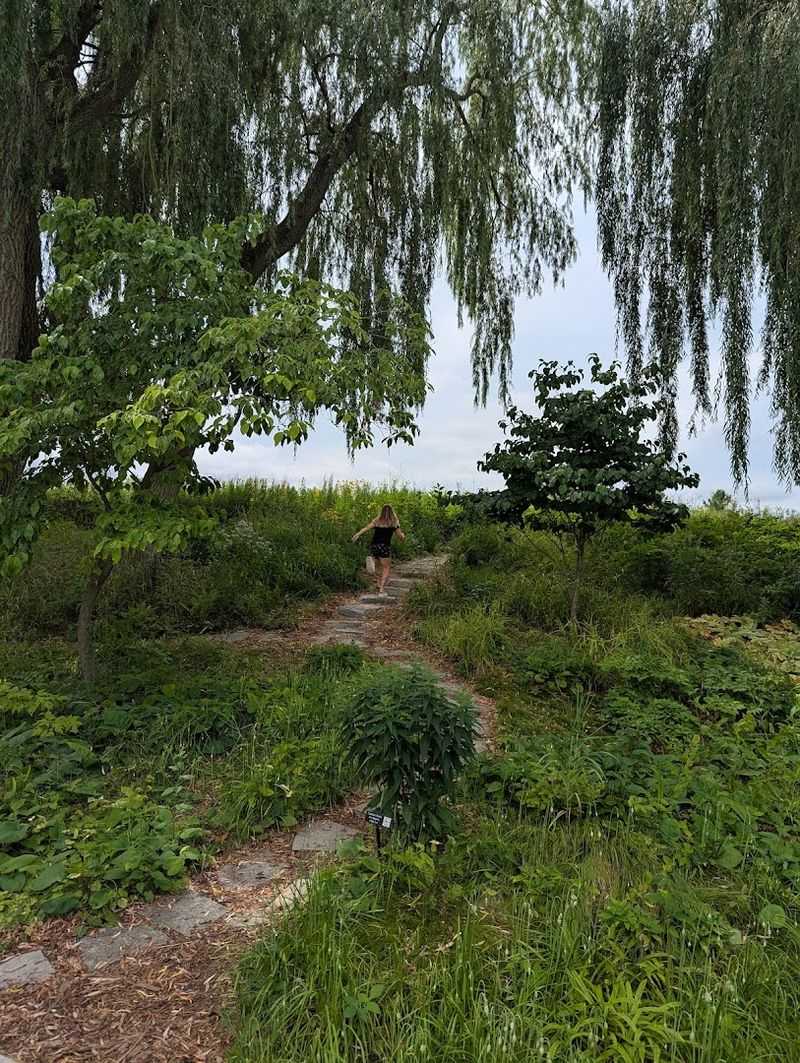
The prairie sections of the preserve are where the seasonal drama really plays out. In spring, the ground wakes up with low green growth and the first brave wildflowers pushing through.
By midsummer, the native grasses reach waist height and the blooms attract clouds of pollinators that make the whole meadow buzz and flutter.
Fall is arguably the most underrated time to visit the prairie areas, when the seed heads catch the low afternoon light and everything turns amber and rust. Winter strips it back to bare stems and frozen soil, but even then there is a quiet beauty to the skeletal forms standing against a grey sky.
What I appreciate most is that these are not ornamental plantings chosen for looks alone. Every species serves a function in the larger ecosystem, and that intentionality shows in how rich and layered the prairie feels compared to a typical landscaped park.
Wetland Habitat and the Wildlife That Calls It Home
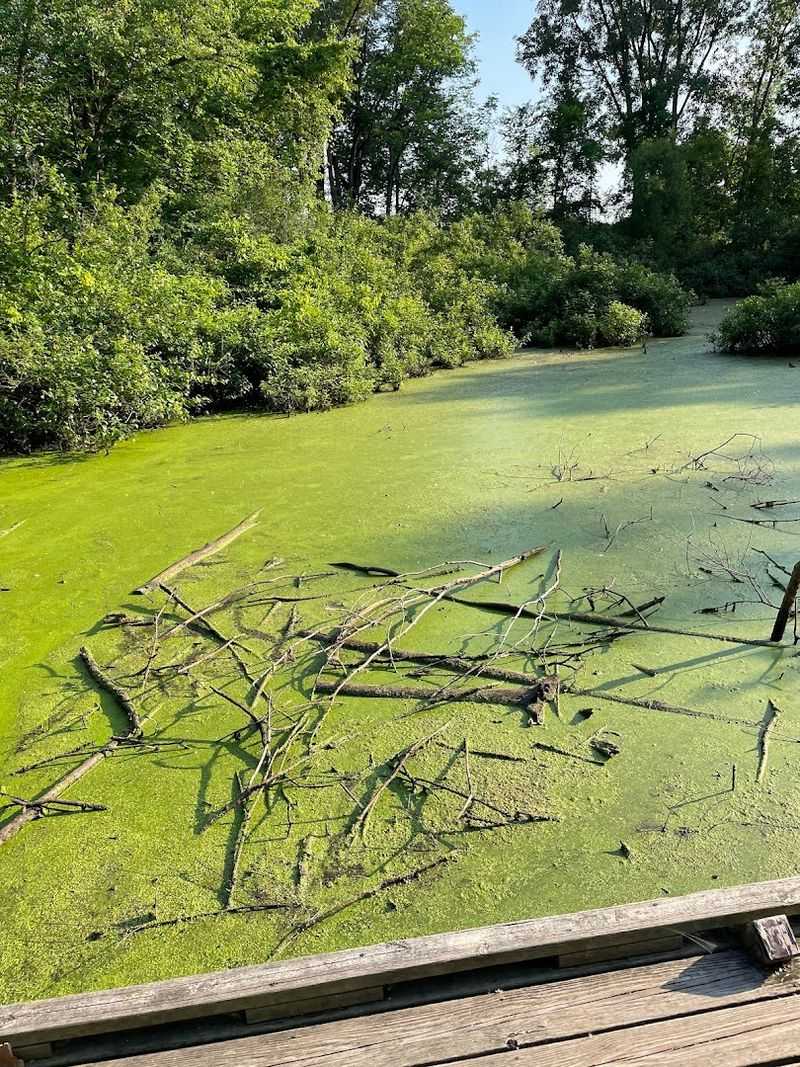
The wetland areas are where the wildlife watching gets genuinely exciting. Painted turtles and common snapping turtles share the pond, and spotting both species in the same afternoon is a real possibility if you move quietly and give them space.
Great blue herons are a regular sight, standing motionless at the water’s edge with the kind of patience that makes you feel a little impatient by comparison. Frogs call from the reeds in spring and early summer, and if you crouch down near the bank you might catch a glimpse of one floating just below the surface.
The wetland also draws an impressive variety of bird species throughout the year, making it a worthwhile stop for birders of any experience level. The combination of open water, emergent vegetation, and surrounding woodland creates the kind of layered habitat that supports a food web complex enough to keep a naturalist busy for hours.
Woodchip Trails That Are Easy on the Feet and the Knees
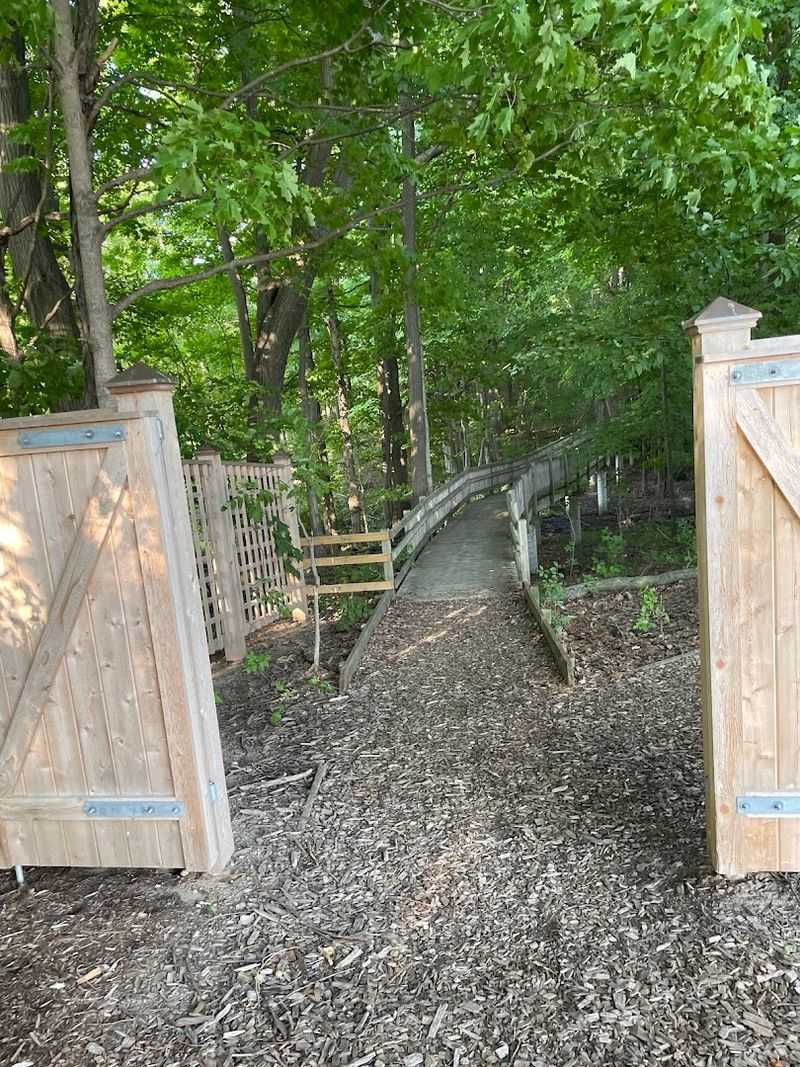
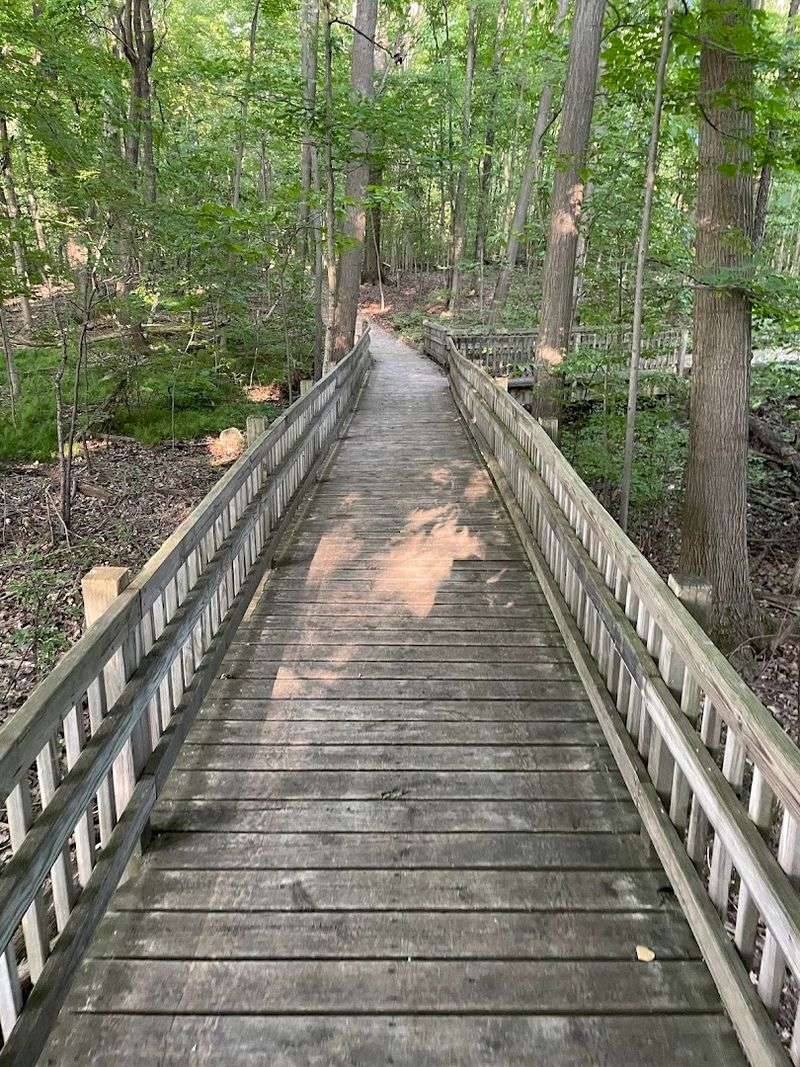
One of the first things you notice on the trails here is the surface underfoot. The woodchip paths are soft, forgiving, and well-maintained, which makes a real difference if you plan to spend an hour or two exploring rather than just passing through.
The trails are not paved, but they are clearly defined and easy to follow, even for younger children or visitors who are not regular hikers. There is enough of a natural feel to make it interesting without any of the ankle-twisting unpredictability of a rough backcountry path.
The layout allows you to loop through different habitat types without backtracking, so you can move from woodland to prairie to wetland in a single continuous walk. That variety keeps the experience fresh and gives you a reason to slow down in each new environment rather than rushing through to reach the next one.
Good trail design is genuinely underappreciated, and this preserve gets it right.
Deer, Owls, and the Quiet Reward of Slow Walking
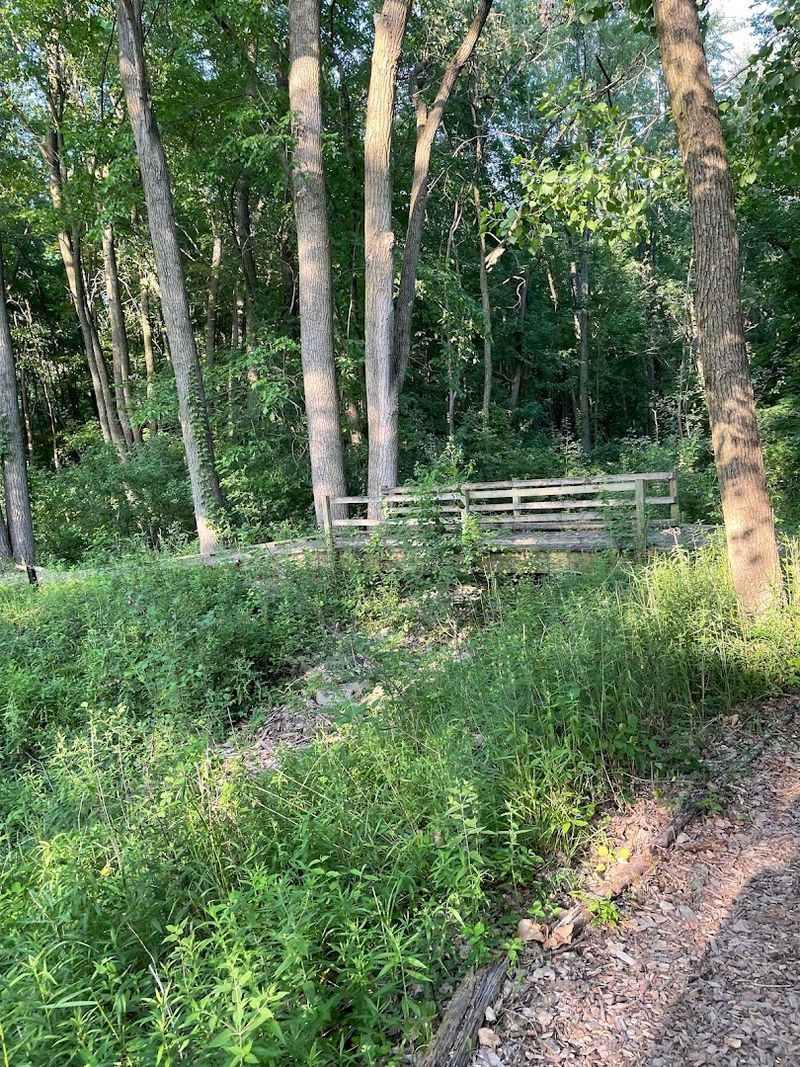
Slowing your pace on these trails pays off in ways that are hard to predict but consistently satisfying. Deer appear without warning at the edge of the tree line, pausing just long enough to assess whether you are a threat before melting back into the forest.
Owls are harder to spot but not impossible, especially in the quieter corners of the preserve where the canopy is dense and the foot traffic is lighter. I have heard the low call of a great horned owl on an early morning visit, and the sound carries a particular kind of weight when the rest of the world is still quiet.
Groundhogs are another surprisingly common sighting, often spotted near the edges of clearings where they can retreat quickly if needed. The preserve rewards visitors who resist the urge to rush, and the animals seem to have figured out that the trails are safe enough to treat as part of their daily routine.
The Stations of the Cross Trail During Easter Season
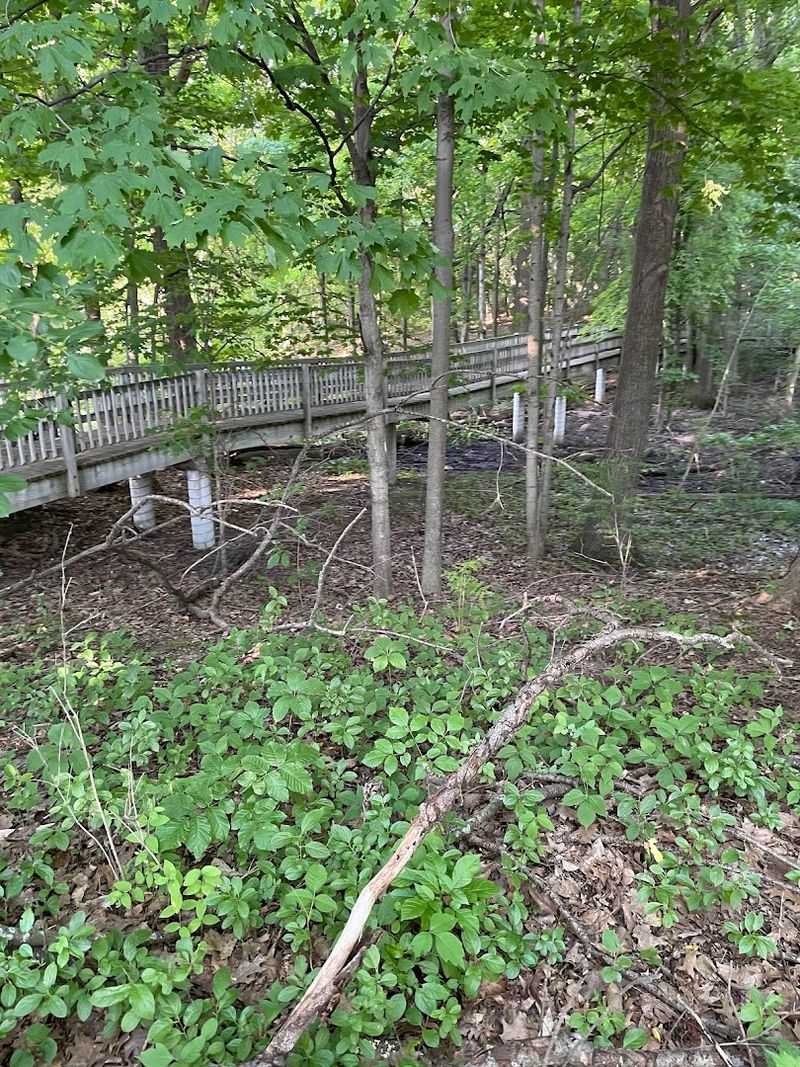
During the Easter season, the preserve takes on an additional layer of meaning for many visitors. A Stations of the Cross route is set up along the trails, weaving the spiritual tradition into the natural setting in a way that feels genuinely contemplative rather than out of place.
The combination of bare spring trees, emerging wildflowers, and the quiet of the preserve creates an atmosphere that suits reflective walking better than almost any indoor space could. Families, students, and individuals from the wider Grand Rapids community come out specifically for this seasonal experience.
It is one of those details that reveals how the preserve functions as more than just a nature area. The space holds different meanings for different visitors, and the Stations of the Cross trail is a good example of how the Calvin University community has woven their values into the physical landscape of the preserve without closing it off to anyone who simply wants a quiet walk.
What a First Snow Walk Feels Like Here
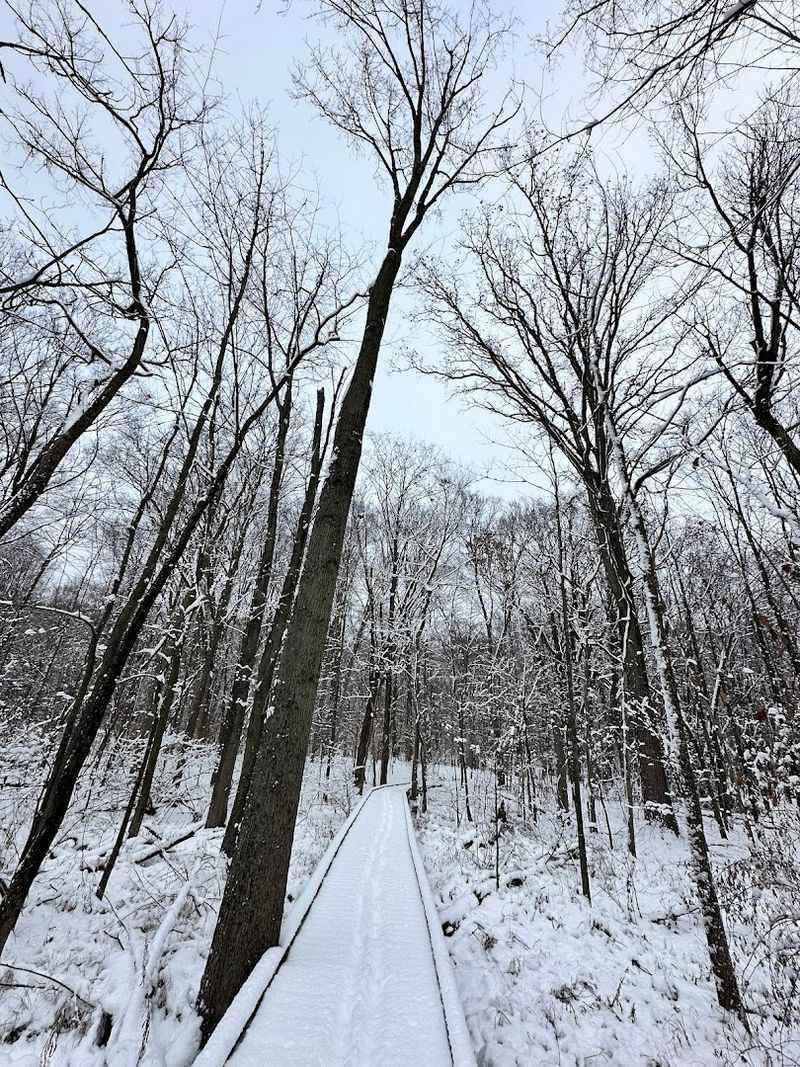
Winter transforms the preserve in ways that are worth experiencing at least once. The first snowfall of the season turns the trails into something almost cinematic, with fresh white covering the woodchip paths and the native grasses bending under the weight of it.
The preserve is quiet in winter in a way that feels different from the calm of other seasons. Fewer visitors, fewer bird calls, and a stillness that amplifies small sounds like the crunch of snow underfoot or the distant knock of a woodpecker working a dead tree.
Tracking animal footprints in fresh snow is one of those simple pleasures that connects you to the wildlife you might not always see directly. Deer trails cross the paths, and smaller prints near the wetland edge hint at activity happening just out of sight.
Winter visits require a warm layer or two, but the preserve stays open through the cold months, making it a genuinely year-round destination worth returning to.
Native Gardens That Support Pollinators and People
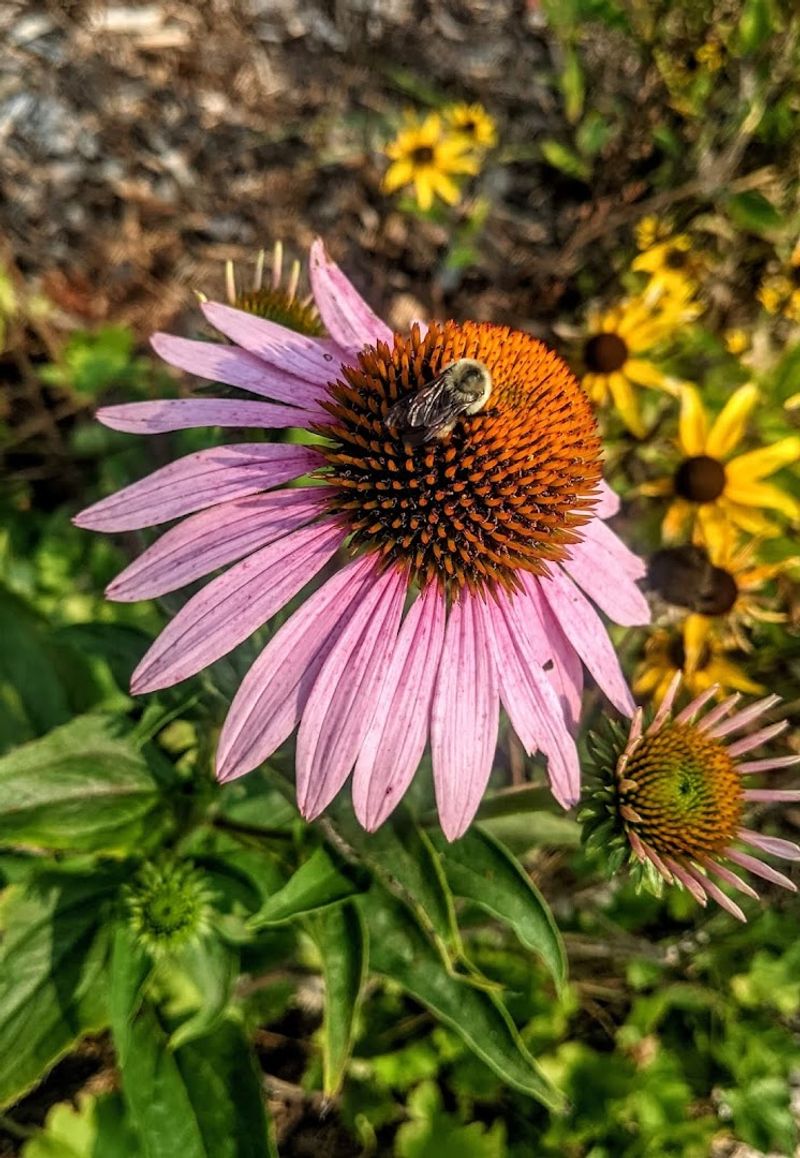
The native gardens portion of the preserve is a celebration of what intentional planting can do for a local ecosystem. Coneflowers, milkweed, native grasses, and a rotating cast of seasonal bloomers fill the garden beds with color and movement from late spring through early fall.
Monarch butterflies are a regular presence during migration season, drawn to the milkweed that has been planted specifically to support them. Bees of several species work the flowers steadily throughout the warmer months, and the gardens have a productive, purposeful energy that is satisfying to watch up close.
The gardens also serve as a practical demonstration of what home gardeners in the Michigan region can do with native species instead of conventional landscaping. Many visitors leave with plant ideas they want to try in their own yards, which is exactly the kind of ripple effect a place like this can have on the broader community.
Beauty and function rarely align this neatly.
A Family-Friendly Destination With Real Educational Value
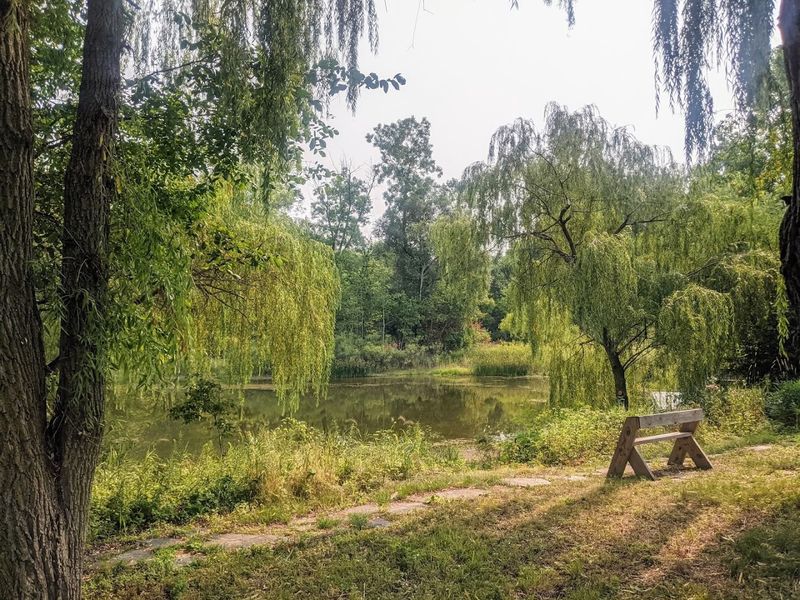
Bringing kids to this preserve is a genuinely good idea, and not just as a way to fill an afternoon. The combination of easy trails, interesting wildlife, and well-placed educational signs gives children enough to engage with that they rarely ask to leave early.
A hike here with a young child naturally turns into a series of small discoveries: a turtle in the pond, a spider web strung between two prairie stems, a frog that jumps before you can get a close look. Each one becomes a moment of genuine curiosity rather than a manufactured activity.
The woodchip trails are manageable for little legs, and the relatively compact layout of the preserve means you are never too far from the parking area if someone needs a snack break or a rest. Families with children of mixed ages tend to do well here because the experience scales naturally, offering something real to both a curious six-year-old and a teenager who thinks nature is boring.
How the Preserve Fits Into the Broader Grand Rapids Outdoors Scene
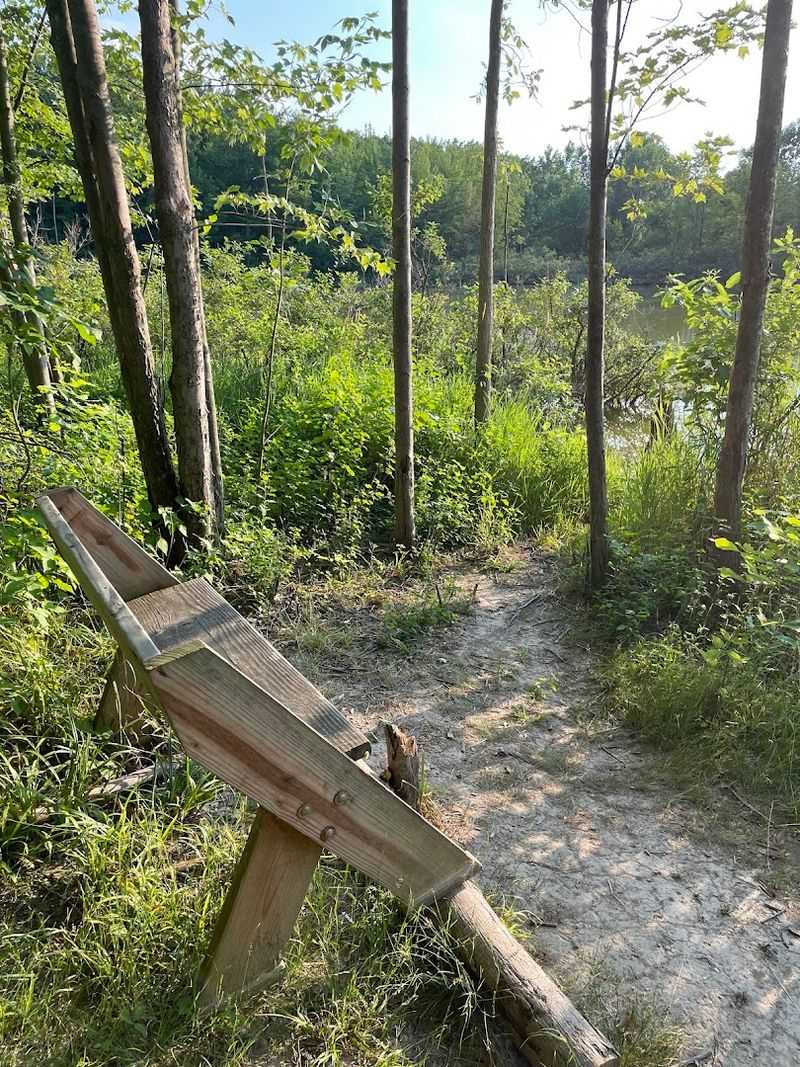
Grand Rapids has a reputation as a city that takes its outdoor spaces seriously, and the Calvin Ecosystem Preserve fits neatly into that identity. The city has invested in parks, river trails, and natural areas throughout its neighborhoods, and this preserve adds a dimension that most urban green spaces simply cannot offer.
The combination of prairie, wetland, and woodland in a single accessible location is relatively rare this close to a mid-sized American city center. Most comparable ecosystems require a longer drive or a more significant commitment to reach.
For residents of the southeast side of Grand Rapids, the preserve is practically a backyard resource. For visitors exploring the city, it offers a side of Grand Rapids that does not show up in the typical tourist itinerary but leaves a strong impression.
The fact that it is free to access and open almost every day of the year makes it one of the most practical natural assets in the region, full stop.
Practical Tips Before You Head Out
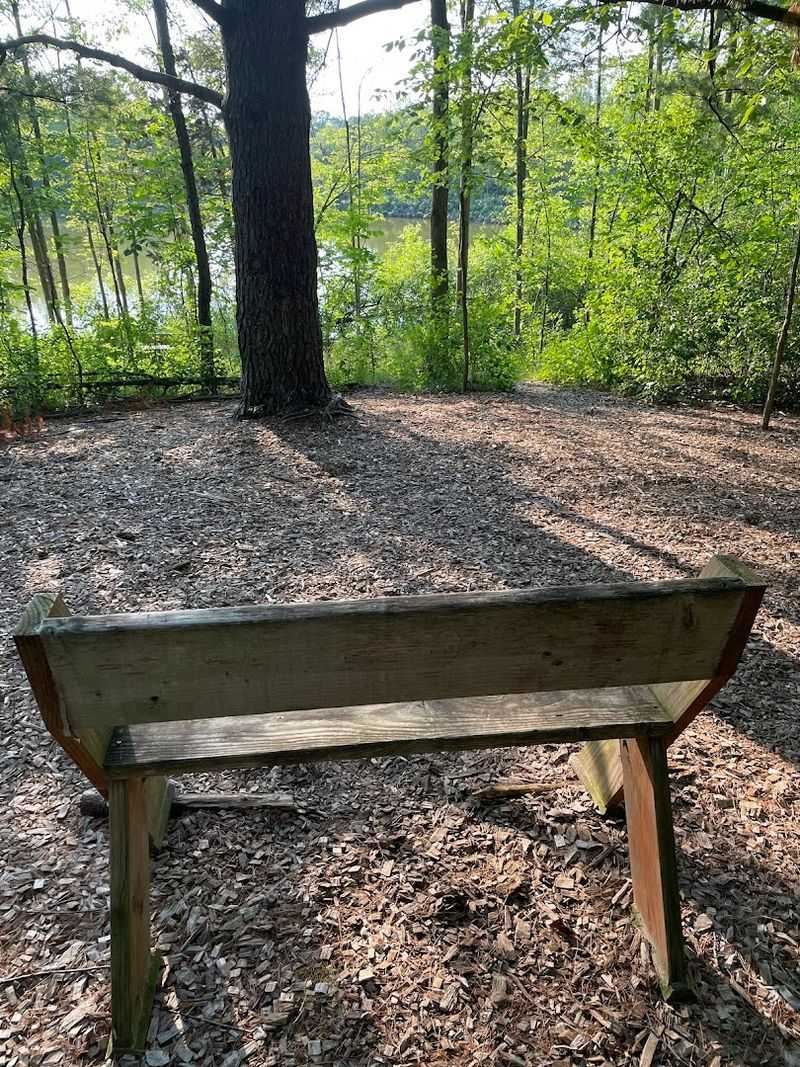
A few practical notes can make the difference between a good visit and a great one. The preserve opens at 7 AM daily and closes at 9 PM, so there is plenty of flexibility whether you prefer a quiet morning walk or a late afternoon wind-down after work.
Wear shoes you do not mind getting muddy near the wetland areas, especially in spring and after rain. The woodchip trails stay in good shape, but the edges near the pond and the lower prairie sections can get soft.
Bug spray is a reasonable addition to your kit from late spring through midsummer.
Bring water, especially if you plan to spend more than an hour exploring. The preserve does not have vending machines or concessions, so self-sufficiency is the name of the game.
A pair of binoculars makes the bird and wildlife watching significantly more rewarding, and a field guide to Michigan plants or birds turns the educational signs from interesting into genuinely interactive. Go early on weekdays for the most solitude.



