 Unearth The Voyage
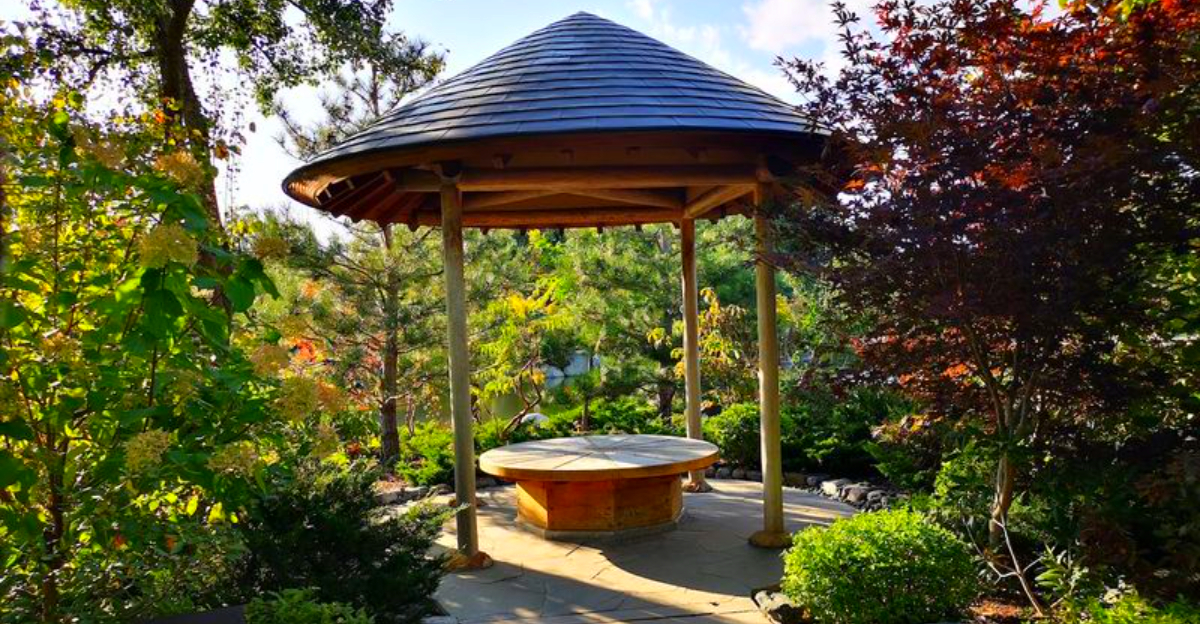
There is a place in Grand Rapids called Frederik Meijer Gardens & Sculpture Park where towering sculptures share quiet paths with maples, and glasshouse palms rustle while songbirds practice scales nearby. I spent a full day there and still felt like I had only skimmed the surface, the way you might read the first chapter of a book and immediately want to start over and slow down.
At more than 100 acres, this West Michigan destination blends world-class art with meticulously designed gardens in a way that feels both grand and deeply personal. You will find art that surprises you around one curve and a tranquil pond around the next, plus easy ways to explore without feeling rushed.
Keep reading for the exact address, how to plan your route, the can-not-miss exhibits, and the small details that make Frederik Meijer Gardens & Sculpture Park feel like a true urban retreat.
Orientation, Hours, and Exact Address
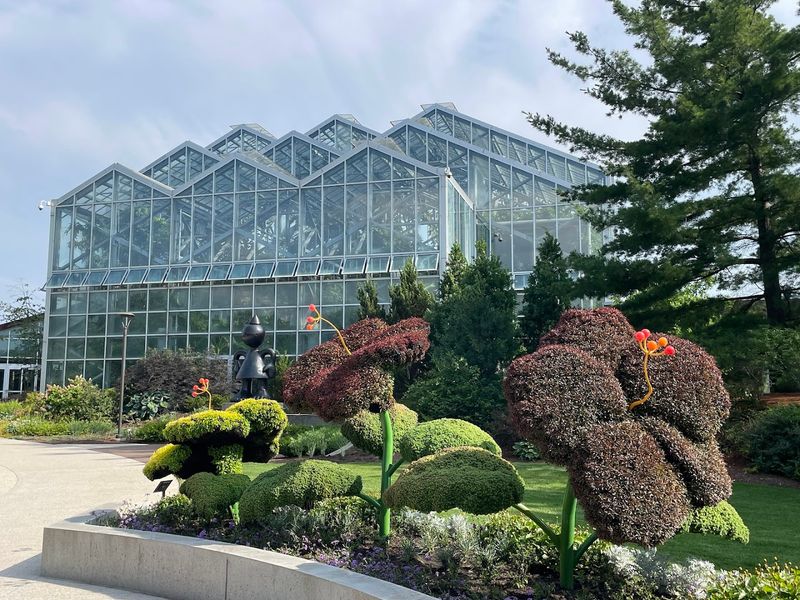
First things first, the exact address is 1000 E Beltline Ave NE, Grand Rapids, MI 49525, in the United States, and the map pin drops you right at the main entrance. The campus spans well over 100 acres with indoor conservatories, outdoor gardens, and a world-class sculpture park woven through woodlands, meadows, and water features.
Hours typically run 9 AM to 5 PM most weekdays with extended summer concert evenings, so check the official calendar before you go.
Parking is free and plentiful near the welcome center, and tickets are sold at kiosks or the front desk. The team updates seasonal exhibits often, so timing your visit pays off, particularly for butterflies in late winter and spring or fall color in October.
I grabbed a map in the lobby and appreciated the clear icons that mark trams, restrooms, and accessible paths.
You will want comfortable shoes because you will easily clock miles without noticing. Paths are mostly flat, and there is an $8 narrated tram that loops the sculpture park if you prefer to sit and learn while scouting stops.
I always start indoors, then move outward as the day warms, which sets an easy rhythm for a full, satisfying visit.
Tropical Conservatory and Indoor Gardens
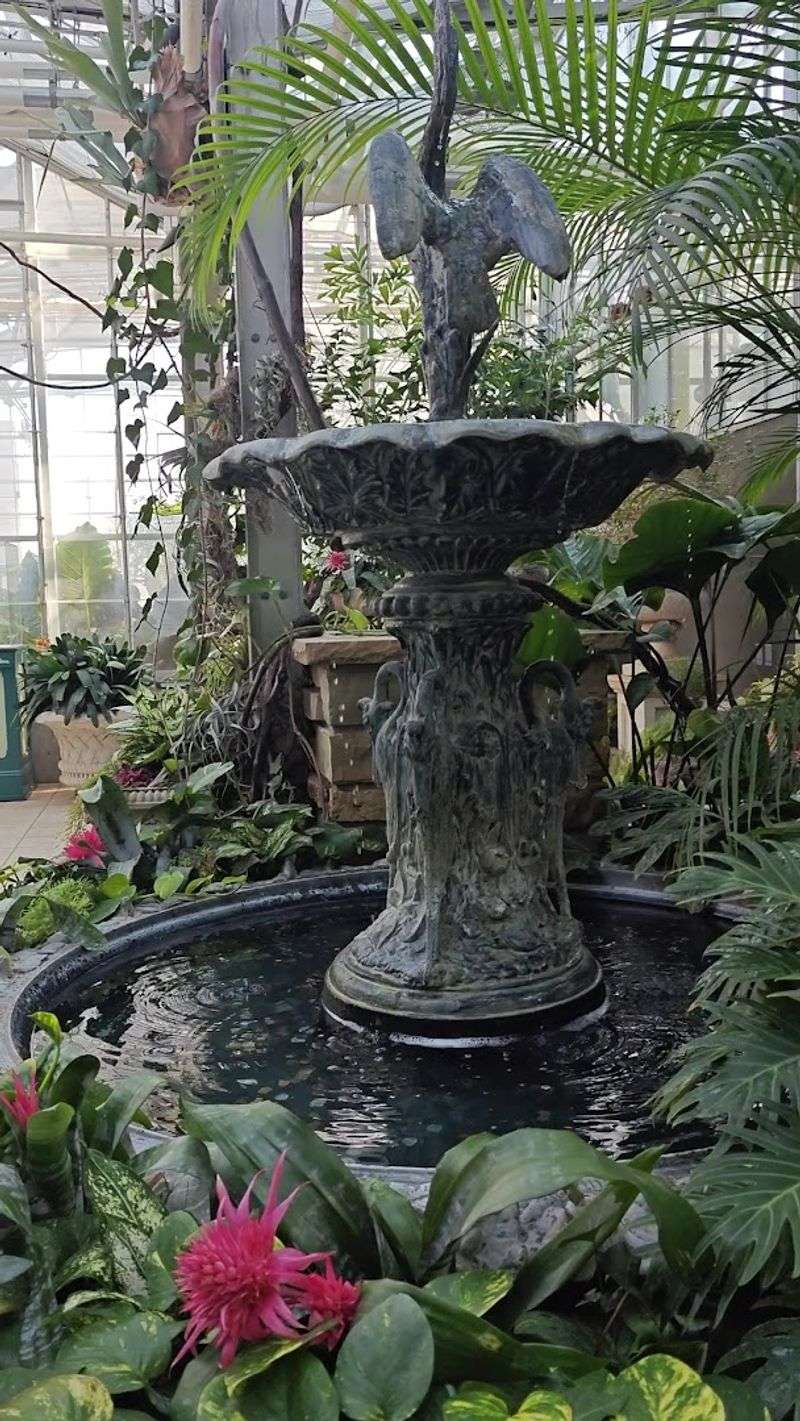
Humidity wraps you like a friendly scarf inside the Tropical Conservatory, where palms reach into a bright lattice of glass. Leaves come in dinner-plate sizes, and orchids lean in with elaborate colors as if posing for portraits.
Water trickles through rocky rills, and the air smells faintly green, a living contrast to Michigan weather outside.
I follow the loop slowly because details hide in the undergrowth, from tiny bromeliads to lizards basking on warm stone. Interpretive signs are concise and actually helpful, pointing out adaptations that make each plant thrive.
When I need to reset, I pause on a bench and watch light move across fronds, a small reminder that time behaves differently in here.
Beyond the tropics, arid rooms showcase sculptural cacti and agaves, then a seasonal display greenhouse flips themes with clever horticultural theater. You can count on impeccable maintenance, which keeps the glasshouse experience feeling crisp and immersive.
Start early, let your glasses de-fog, and your day will already feel unrushed.
Richard and Helen DeVos Japanese Garden
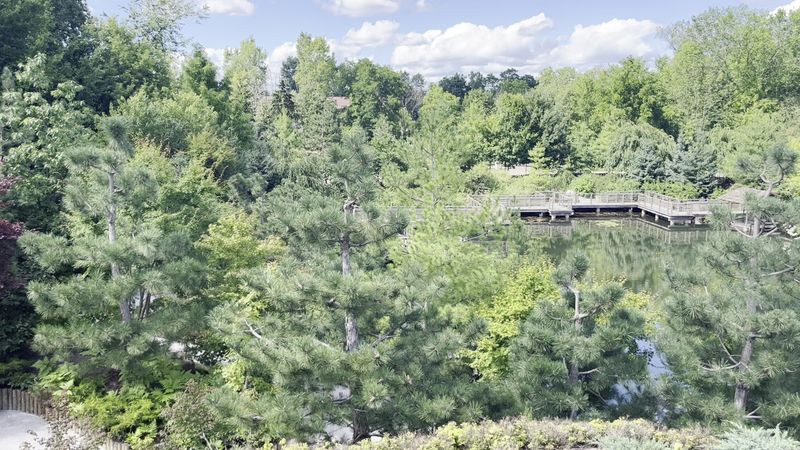
Silence takes on texture in the Japanese Garden, where water, stone, and clipped pines align with graceful intent. Paths braid around still ponds, and stones step just enough to slow your stride.
A tea house silhouette pulls your gaze without shouting for attention.
Sculptures by contemporary artists slip into the composition so naturally that you find them like thoughtful answers to unasked questions. I linger at the islands and bridges, reading the scene for line and balance, and notice how wind turns a single reed into the main character.
Every vista holds a deliberate frame, which keeps your camera honest and your mind calm.
Docents sometimes share insights about pruning methods or the philosophy behind borrowed scenery. Even on a busy day, there are pockets that feel secluded, especially near the hillside waterfalls.
Leave time to circle back, because the garden changes tone with shifting light, and the later afternoon version might be your favorite.
Sculpture Park Highlights and Walking Routes
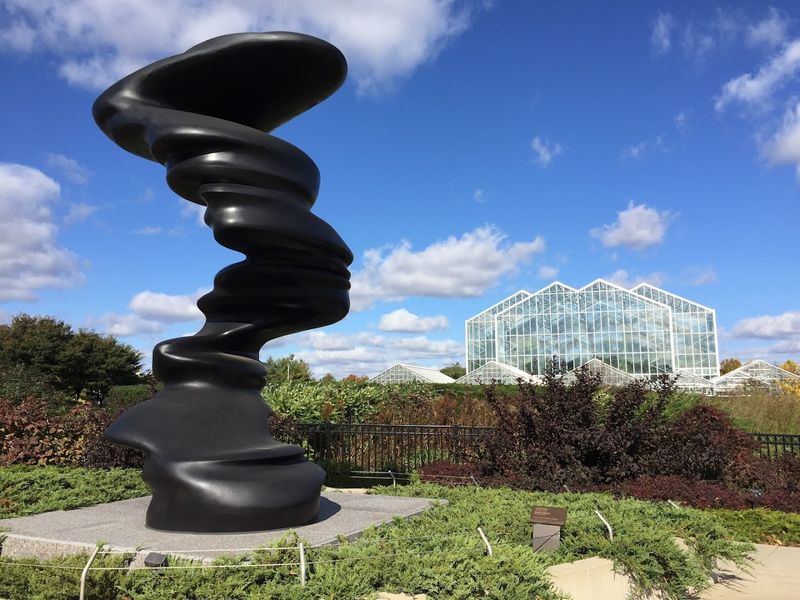
Art greets you in the open air here, sitting confidently among prairie grasses and gentle hills. Monumental works command the skyline while intimate pieces hide along secondary paths like rewarding detours.
The contrast between steel, bronze, and leaf makes each material speak more clearly.
I like to start on the main loop, then peel onto spur trails where labels reveal artists and placement stories. Benches appear just when you need them, perfect for studying angles and shadows without rushing.
The curation feels intentional, and the landscape design keeps sightlines fresh while protecting surprise.
Some sculptures provoke, others comfort, and a few quietly unsettle in a productive way. That emotional range is part of the fun, especially when clouds slide over and the scene redraws itself.
Bring curiosity, give the pieces time, and the park will return the favor with layers you will keep unpacking later.
Seasonal Spectacles and Best Times to Visit
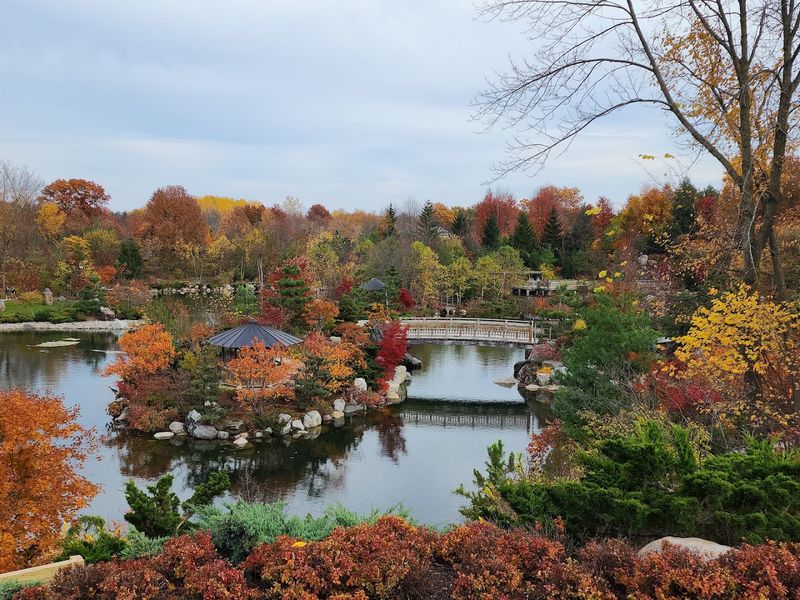
Timing changes everything at this place, and the calendar is your friend. Late winter through spring brings the beloved butterflies, when chrysalises hang like ornaments and the conservatory turns kinetic.
Summer swells with color outdoors, and the amphitheater lawn hums with performances that extend golden hours.
Autumn sets the maples ablaze and folds warm light into sculpture surfaces until they look newly cast. Winter pulls the focus indoors with model railways, holiday trees, and thoughtfully lit pathways.
The museum team treats each season as a fresh chapter rather than a rerun.
I check the website for hours, closures, and special events, then build a simple plan around two or three anchors. With that, there is room for serendipity, which often delivers the day’s best memory.
No matter when you go, you will leave with a clear favorite that surprises you by changing when you return.
Hidden Water Features and Quiet Overlooks
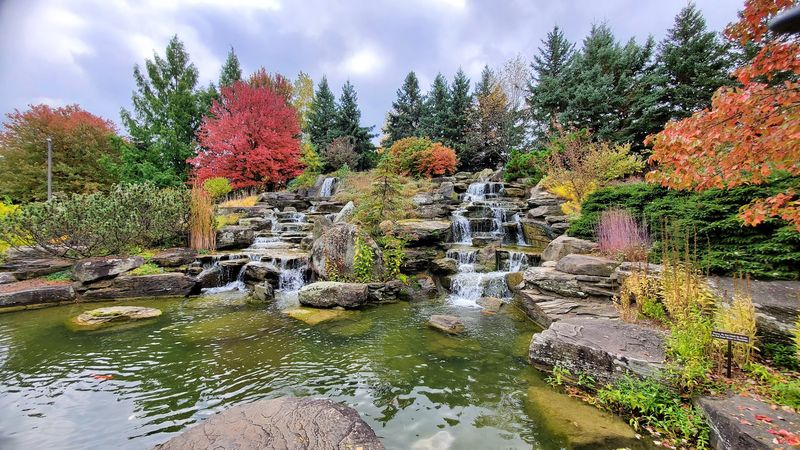
Follow the sound of water and you will find the garden’s heartbeat. Small rills stitch through stone, feeding ponds where dragonflies patrol and koi flash like coins.
Benches tuck into leafy alcoves, and the overlooks give you just enough height to press pause on everything outside.
Look for the narrow boardwalks along the marshy edges, where reeds whisper and turtles surprise you like little, shelled commas. The city hushes to a faint thrum here, traded for ripple and breeze.
Bring a book, or simply your breath, and let the cadence of falling water set your tempo.
Tram, Accessibility, and Easy Navigation
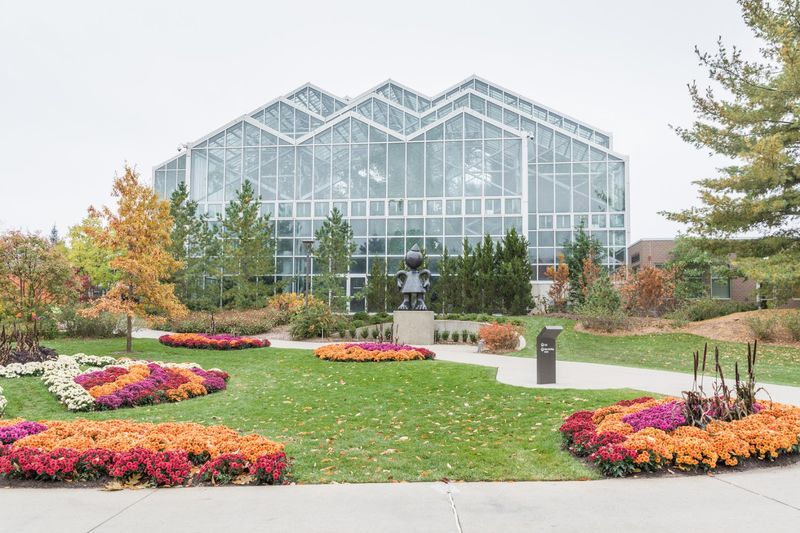
Big campuses can feel daunting, but this one is set up to help you glide. The narrated tram offers a comfortable overview loop for a small fee, perfect for previewing stops or resting your feet.
Clear signage keeps decisions simple, and maps are posted at smart intervals.
Paths are mostly flat and wide, with ramps and handrails where needed, which keeps groups of mixed abilities together. Shuttles may run seasonally to reduce long hauls between marquee areas, and benches land like friendly punctuation.
I appreciate how the route options let you scale the day up or down without sacrificing highlights.
If energy dips, I pivot back indoors or grab the next tram to reset the pace. That flexibility turns a long itinerary into a low-stress wander.
You will finish impressed at how much you covered without feeling hurried.
Photography Spots, Golden Light, and Quiet Corners
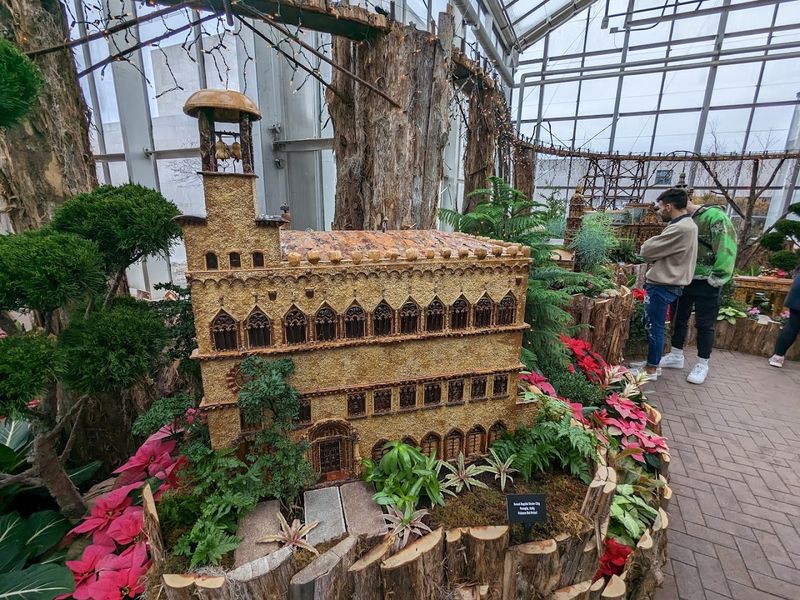
Golden hour flips a switch here. Head to the meadow edge above the sculpture-dotted lawn for rim-lit grasses and long shadows that make everything cinematic.
By the water garden, reflections double the drama, especially when the breeze calms and the surface turns to glass. If portraits are your thing, use the conservatory doorway for soft backlight and even skin tones.
Morning brings quieter paths and dew on petals, perfect for macro. Midday works under pines or pergolas where shade evens highlights.
Be respectful, step off paths only where allowed, and avoid blocking trails. Tripods are permitted in most outdoor areas, but keep them compact and courteous.
The Lena Meijer Children’s Garden
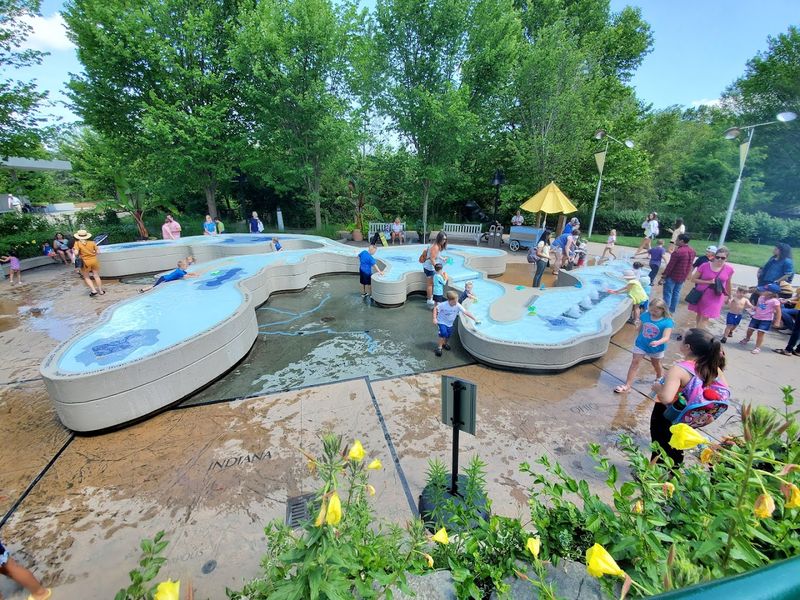
Curiosity runs the show in the Children’s Garden, and grownups end up learning as much as kids. Interactive stations turn science into play, with water wheels, magnifiers, and plant puzzles that reward tiny discoveries.
The design respects attention spans, giving quick wins without skimping on substance.
Shade structures and seating make it easy to linger while little ones test new routes. Staff and volunteers appear with that perfect mix of enthusiasm and calm, pointing out details you might have missed.
I like tracing the paths at kid height, which changes your perspective in the best way.
Even without children, this area reveals how skillfully the whole property teaches through experience. The garden sneaks in botany, ecology, and observation skills while everyone is happily distracted.
Leave extra time, because ending early here rarely happens.
Food, Breaks, and Smart Planning
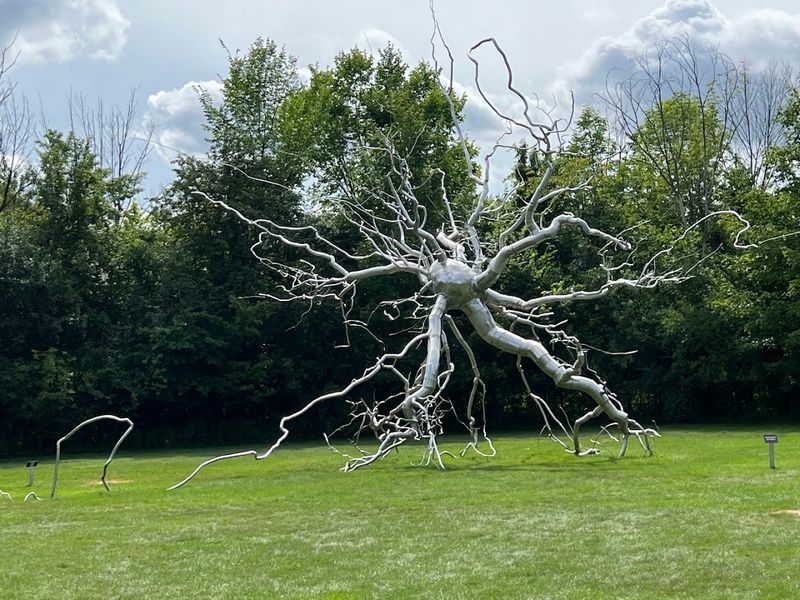
Good visits run on good breaks, and the cafe makes that strategy easy. Fresh salads, warm soups, and simple sandwiches keep the day light, with snacks you can enjoy without losing momentum.
Lines move quickly outside peak rush, and prices feel fair for the quality.
I like grabbing a window seat to plan the next move while watching clouds skate over the amphitheater lawn. Refill water, scan the map, and circle two targets, then leave a wild card for fun.
That little ritual protects energy and preserves attention for the art and gardens.
The gift shop also doubles as a pace-setter, since browsing pottery, books, and seeds resets your brain between zones. If you are with a group, set a meeting point and a time so wandering stays relaxed.
With a small plan and a snack, the day stretches exactly how you want it to.
Concerts and the Amphitheater Experience
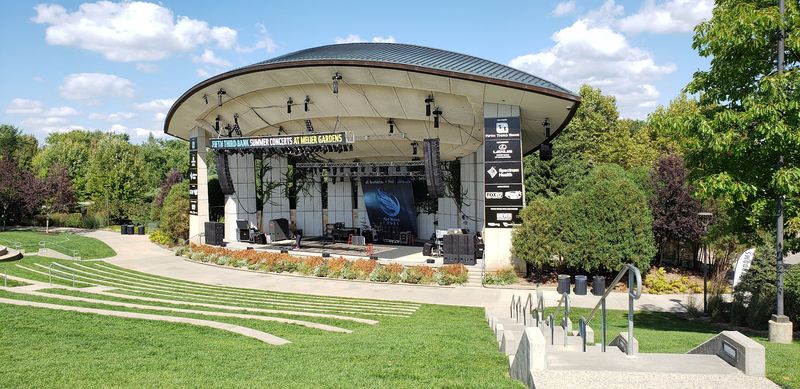
Music changes the garden’s heartbeat on summer evenings, softening edges and widening smiles. The amphitheater blends into the landscape so the stage feels like a natural clearing rather than a separate venue.
Lawn seating keeps the vibe relaxed, and sound carries cleanly without overwhelming conversation.
I arrive early to explore sculptures under warm light, then settle in as the sky trades blue for rose. Ushers are friendly and efficient, which keeps queues short and directions clear.
Even if you came for art, one concert locks this place into your long-term memory.
Check the events calendar because shows sell quickly, and policies on chairs and bags evolve. Parking stays manageable with staff guidance, and exits flow well if you wait a few minutes after the encore.
It is an easy way to add another dimension to your visit.
Member Perks and Repeat Visits
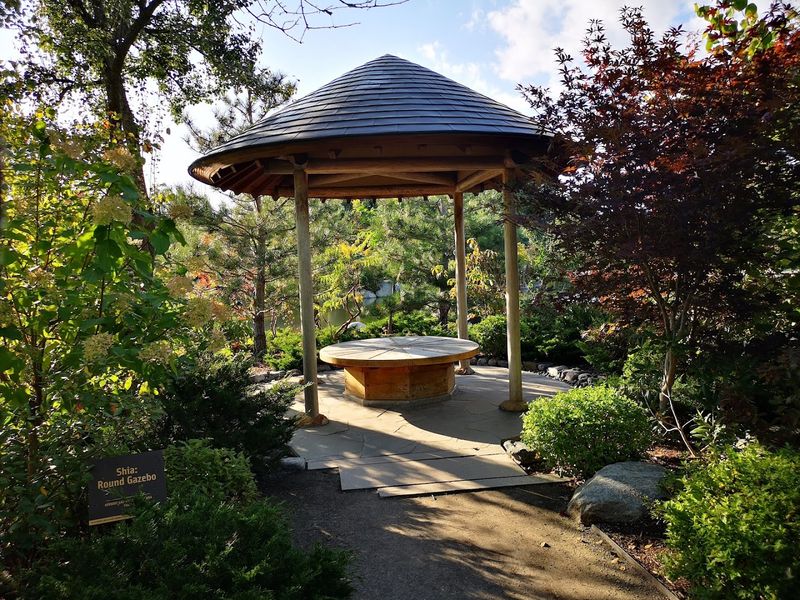
One visit plants the seed, but returning shows you how alive the programming really is. Membership unlocks free admission, discounts, early access to concert tickets, and a handy excuse to pop in for an hour.
It also fuels spontaneity, since butterflies, fall color, and new sculptures pop up without warning.
I started noticing how routes change with mood and season, and which benches catch the best light after work. Members often trade tips about quiet corners and bloom timing, a friendly knowledge loop that keeps improving each trip.
That community feel matches the mission of connecting people, art, and nature.
If you live nearby or visit Grand Rapids often, the math works quickly. Even for occasional travelers, a membership can make sense during a packed event year.
The gardens reward familiarity, and that is the best return you can ask for.



